Artwork
Hl. Barbara Außenseite: Martyrium der hl. Ursula und der elftausend Jungfrauen (Werkstatt, Hans Siebenbürger)
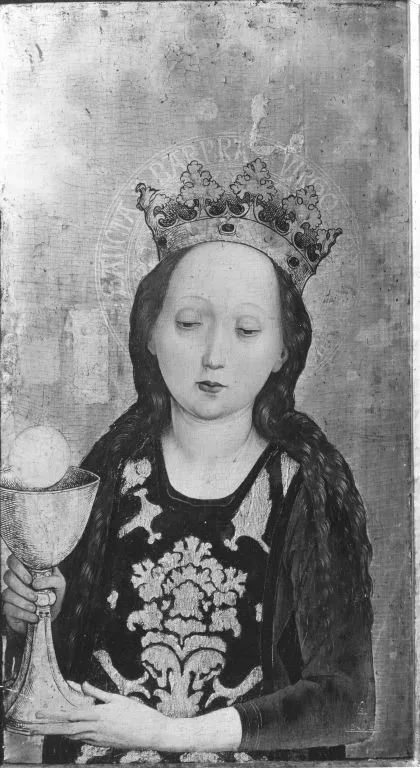
Hl. Barbara Außenseite: Martyrium der hl. Ursula und der elftausend Jungfrauen (Werkstatt, Hans Siebenbürger) is an unspecified painting by the Northern Renaissance artist Hans Pleydenwurff. It dates from 1463 and is held in the collection of the Bavarian State Painting Collections. Created in 1463, this panel painting belongs to the collection of the Alte Pinakothek.
About this work
Subject & Meaning
The artwork depicts the martyrdom of Saint Ursula and the eleven thousand virgins, a narrative drawn from Christian hagiography.
The artwork depicts the martyrdom of Saint Ursula and the eleven thousand virgins, a narrative drawn from Christian hagiography. As indicated by its title, the scene illustrates the violent end of these saints, fitting the broader genre of religious art. The panel also features Saint Barbara, whose presence on the exterior suggests a dual dedication or a specific liturgical function where multiple saints are venerated.
Created in 1463, the work serves as a visual representation of faith and the ultimate sacrifice of these holy figures, intended to inspire devotion among viewers.
Technique & Style
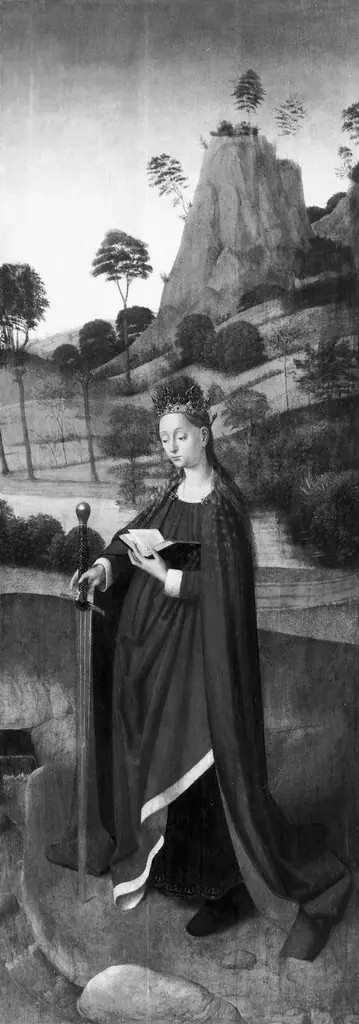
The work is an oil painting executed on a wooden panel, measuring 49 cm in height and 27 cm in width. It depicts Saint Barbara within a religious composition attributed to the workshop of Hans Pleydenwurff, dating to 1463. The stylistic handling reflects late Gothic religious art with careful attention to figure presentation and spatial arrangement.
Legacy
The painting's later influence is marked by its role in shaping devotional imagery within Bavarian religious art of the 15th century, particularly in its depiction of Saint Barbara, which informed subsequent works in the region. Its legacy persists through scholarly attention to the workshop practices of Hans Pleydenwurff, as documented in art historical studies of the period. The work's inclusion in the Bavarian State Painting Collections has ensured its continued visibility in museum displays and academic discourse, reinforcing its reputation as a significant example of late Gothic panel painting.
Its stylistic elements have been referenced in analyses of artistic transmission within the workshop of Hans Pleydenwurff, influencing interpretations of devotional art in southern Germany.
Overview
Created in 1463, this panel painting belongs to the collection of the Alte Pinakothek. It is attributed to the workshop of Hans Siebenbürger, operating under the direction of the Nuremberg painter Hans Pleydenwurff. The work presents Saint Barbara, a figure from Christian hagiography, rendered in the realistic style characteristic of the Northern Renaissance.
History & Provenance
The panel emerged from the workshop of Hans Siebenbürger, a follower of Hans Pleydenwurff, who had introduced a new realism to Nuremberg after arriving in 1457. Pleydenwurff, the son of a painter‑mayor from Bamberg, influenced the workshop’s approach to naturalistic representation. The work eventually entered the Alte Pinakothek’s holdings, where it remains on display.
Context
During the mid‑15th century, Nuremberg became a hub for Northern Renaissance art, embracing detailed observation and humanist themes. This painting reflects that milieu, combining devotional subject matter with the emerging realistic visual language promoted by artists such as Pleydenwurff and his circle.
Artist & collection
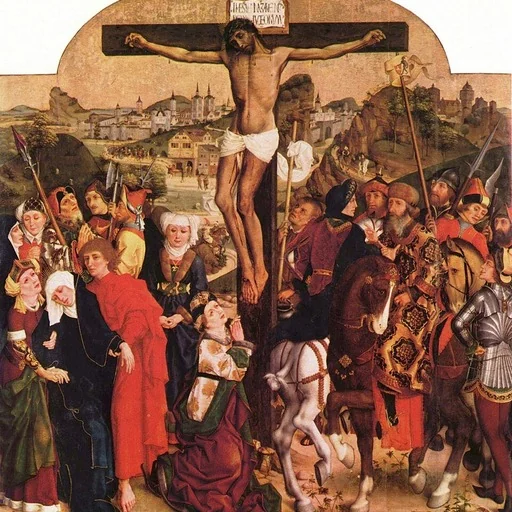
Artist
Hans Pleydenwurff (also Pleidenwurff; c. 1420 – 9 January 1472) was a German painter. His father was probably Kunz Pleydenwurff, a well-respected painter and part-time mayor in Bamberg. Since 1457, Hans lived in…

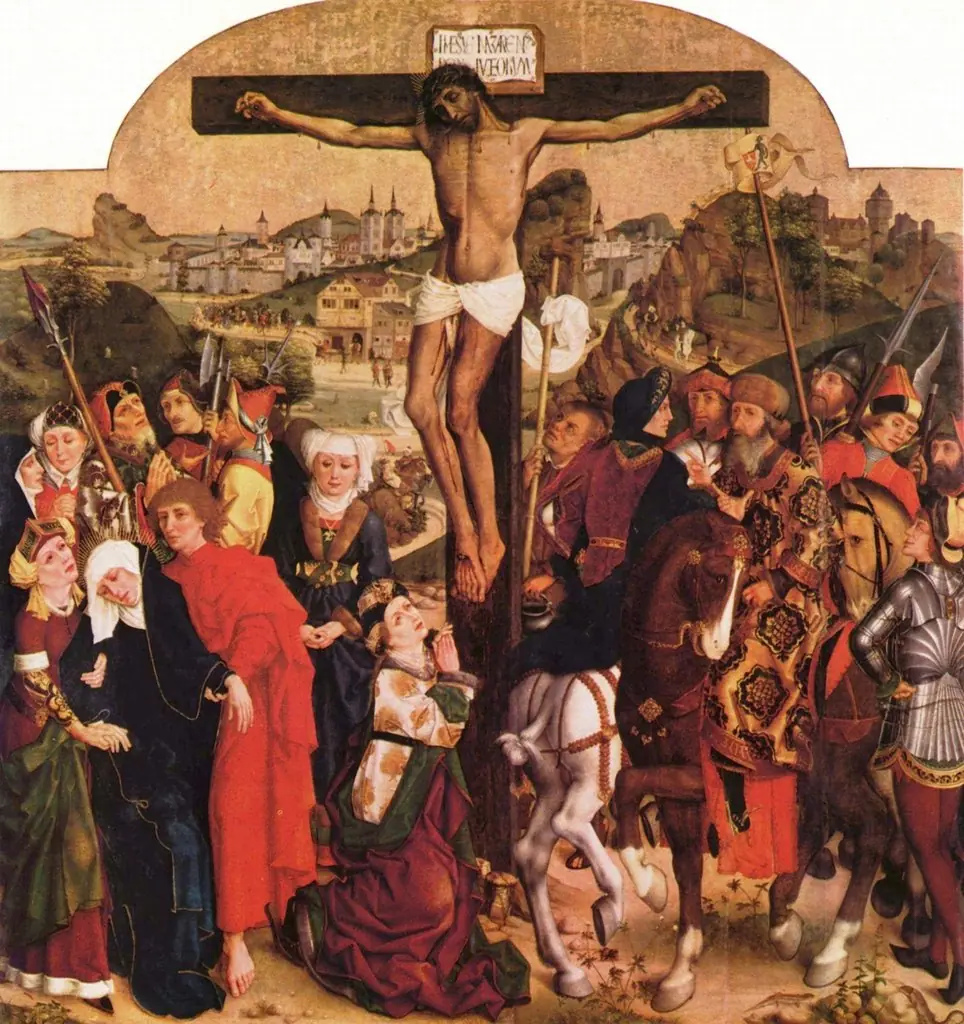 Crucifixion of Christ
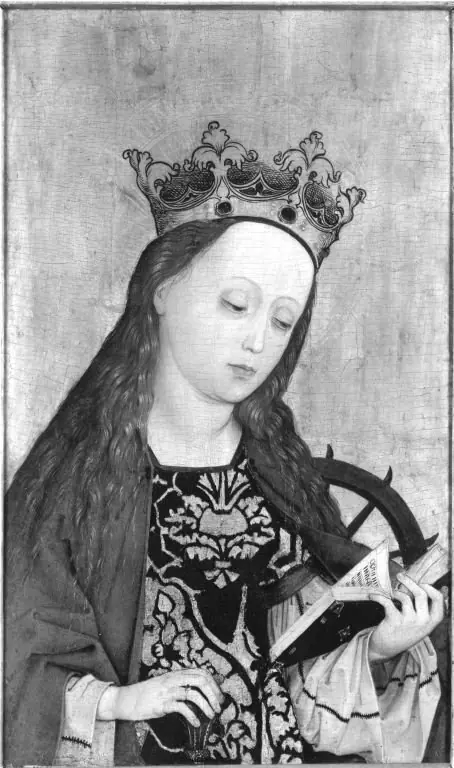 Hl. Katharina (Werkstatt, Hans Siebenbürger)
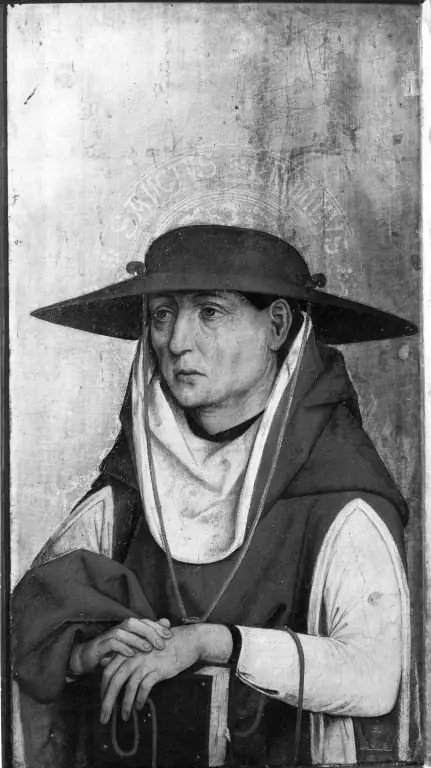 Hl. Hieronymus Außenseite: Marter der Zehntausend (Werkstatt, Hans Siebenbürger)
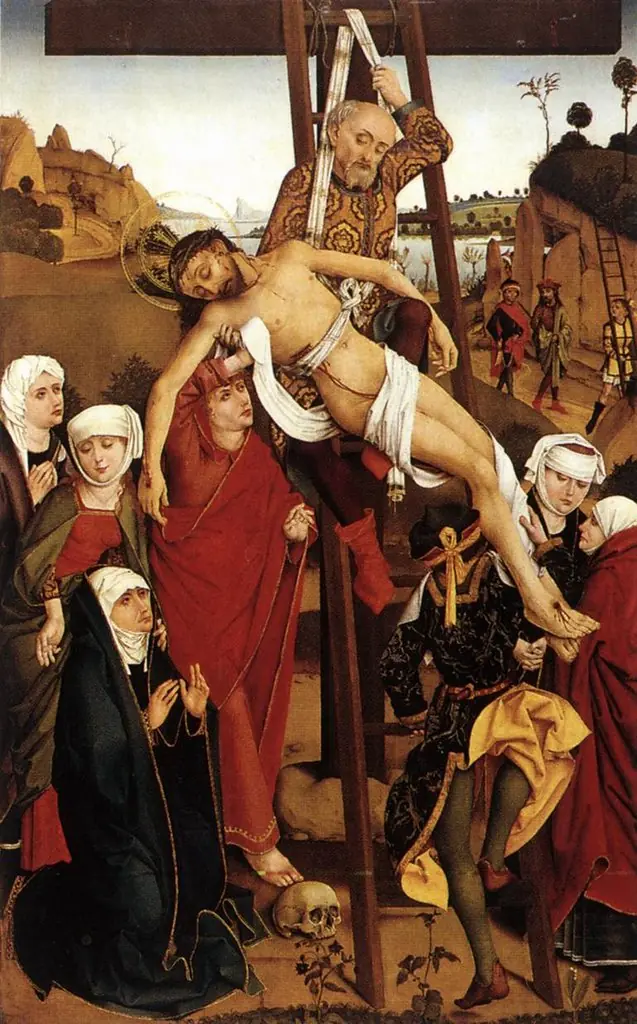 Hofer Altar: Kreuzigung Christi
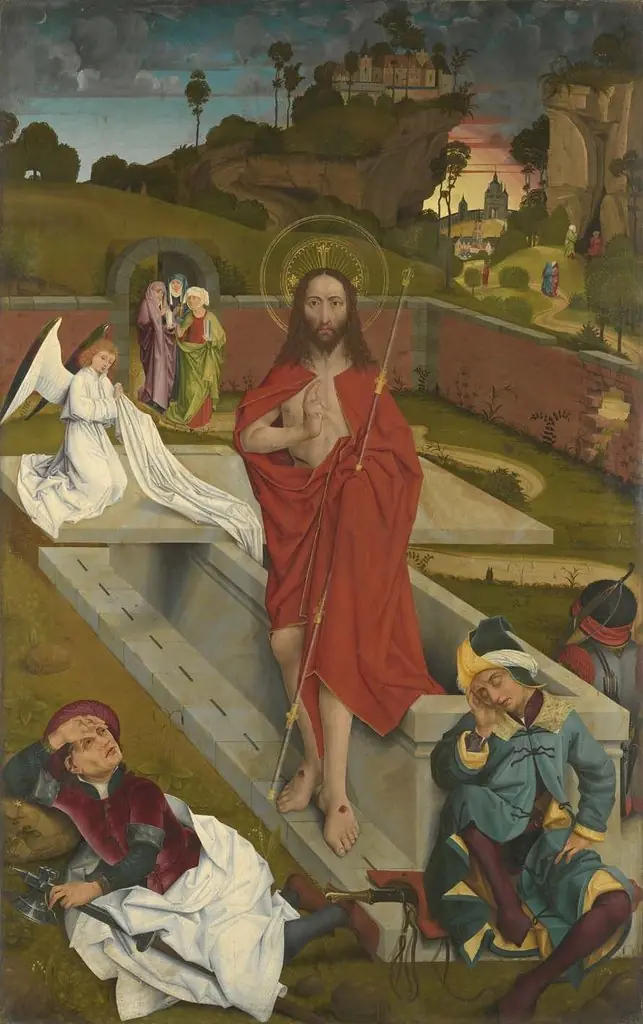 Hofer Altar: Auferstehung Christi (Rückseite: Apostel Bartholomäus und Jakobus)
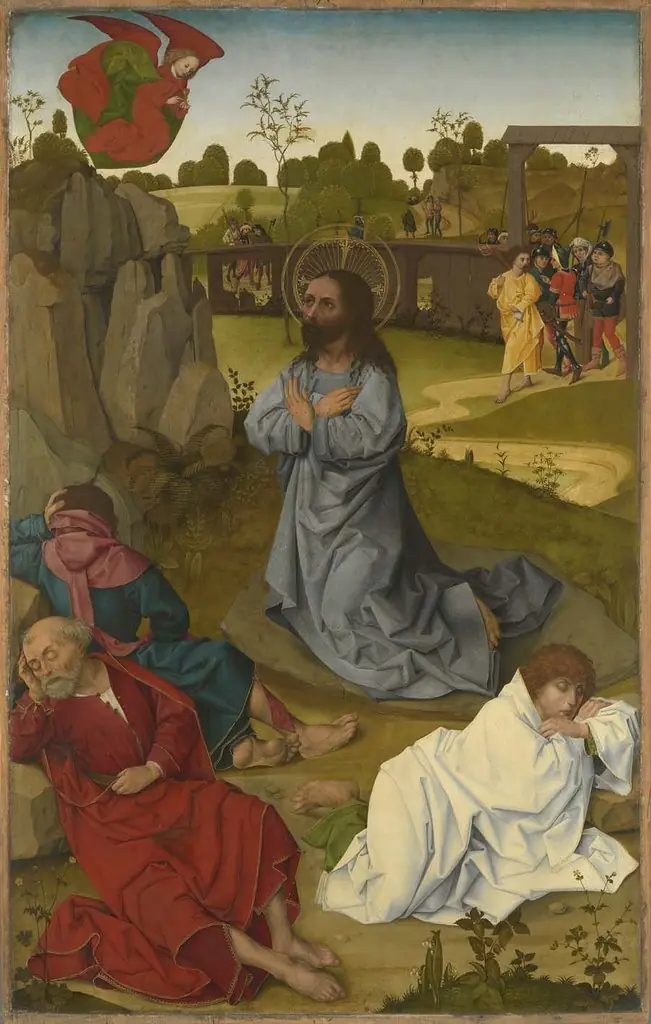 Hofer Altar: Christus am Ölberg (Rückseite: Erzengel Michael mit dem Drachen)
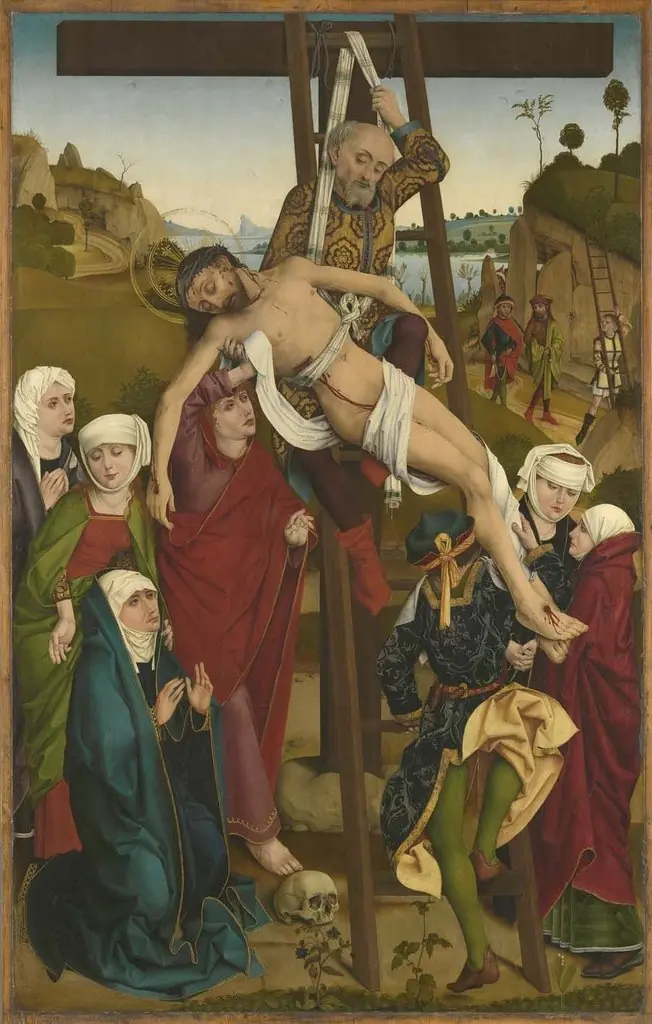 Hofer Altar: Kreuzabnahme Christi (Rückseite: Geburt Christi)
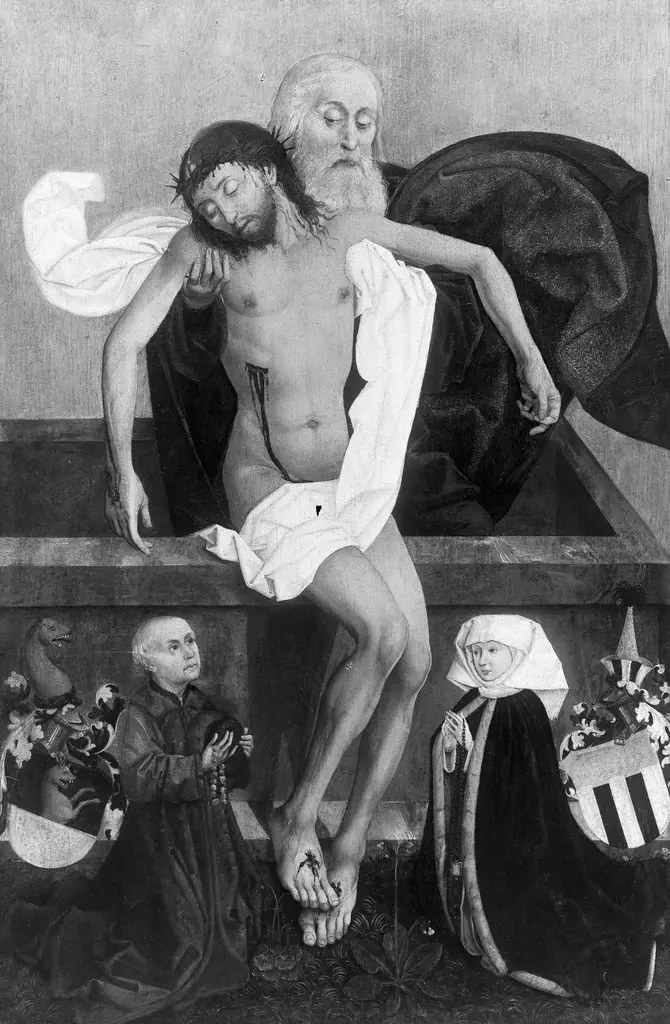 God Father with the dead Christ (mercy seat) and two donors