Artwork
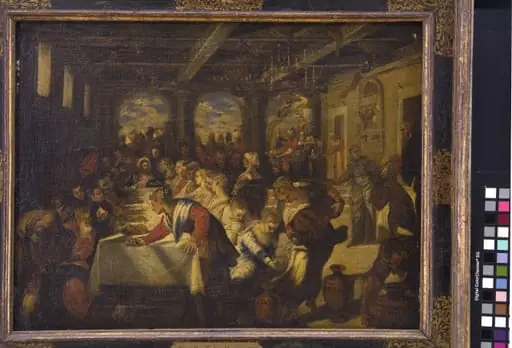
The Marriage at Cana
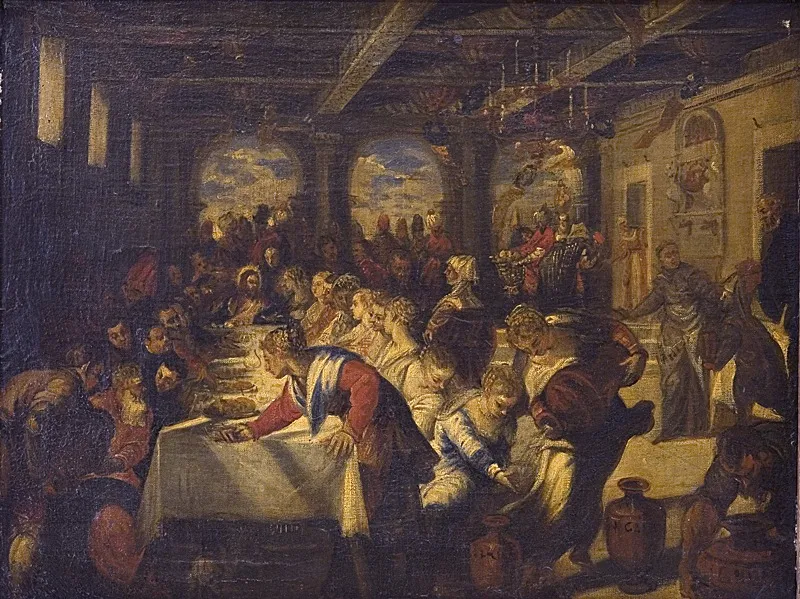
The Marriage at Cana is an oil painting by the Early Baroque Italian artist Hans Rottenhammer. It dates from 1602 and is held in the collection of the Statens Museum for Kunst.
About this work
Technique & Style
As a large-scale religious composition, the painting utilizes oil paint to render the biblical scene of the Marriage at Cana.
Hans Rottenhammer's The Marriage at Cana, executed in 1602, is an oil painting on canvas. The work measures 450 cm in height and 580 cm in width, presenting a substantial scale for a religious narrative. As a large-scale religious composition, the painting utilizes oil paint to render the biblical scene of the Marriage at Cana.
The medium and support are consistent with the artist's practice for major altarpieces or decorative works of the period.
History & Provenance
The Marriage at Cana was painted by Hans Rottenhammer in 1602, executed in oil on canvas. The work entered the collection of the Statens Museum for Kunst (National Gallery of Denmark), where it remains today. While earlier ownership details are not recorded in the available sources, the painting’s dating to 1602 is established by both the artwork’s inscription and its catalog entry.
Its creation history notes a religious genre scene depicting the biblical wedding miracle, typical of Rottenhammer’s early seventeenth‑century output.
The Marriage at Cana by Hans Rottenhammer, painted in 1602, is held by the Statens Museum for Kunst in Denmark. The work is part of the museum's collection, executed in oil on canvas, and measures 450.0 cm in height by 580.0 cm in width.
No specific accession number or exhibition history is documented in the available sources.
Overview
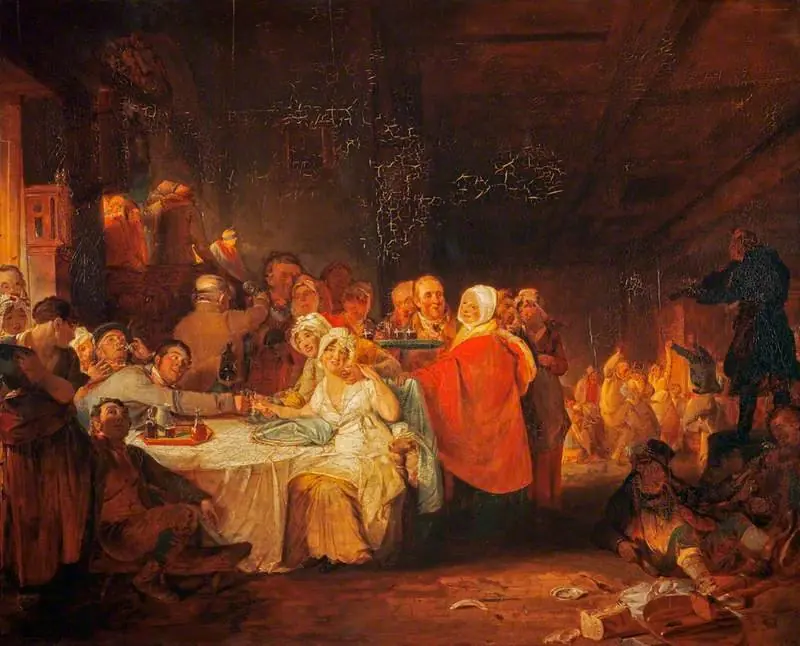
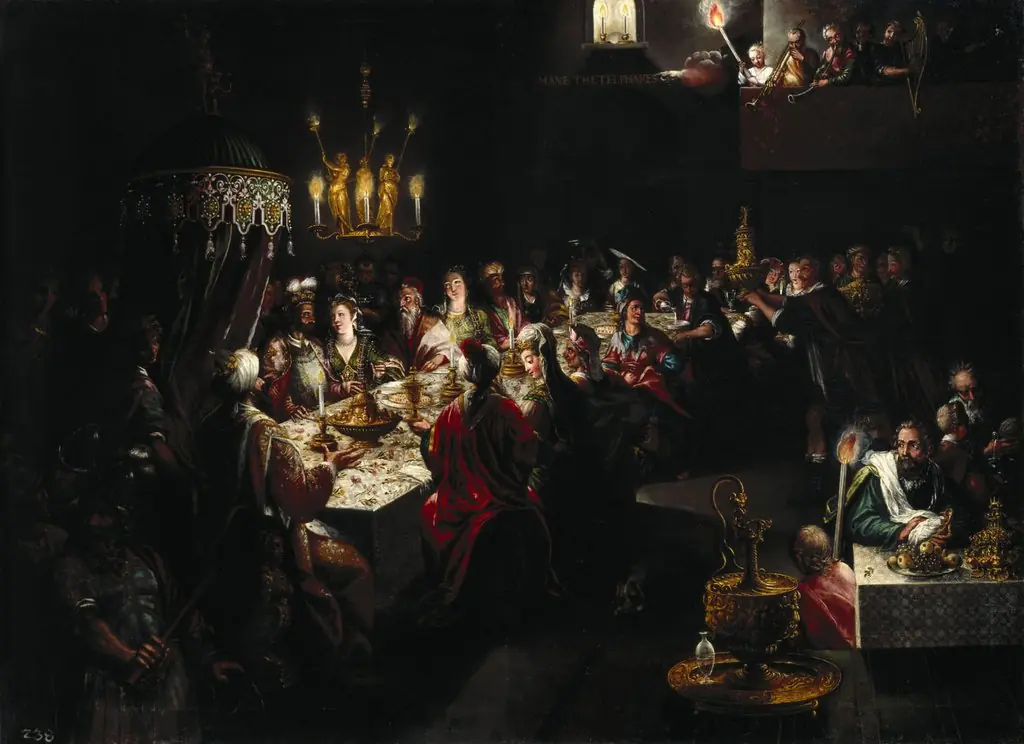
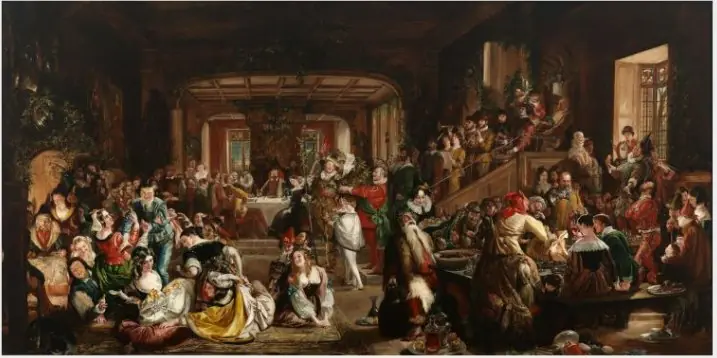
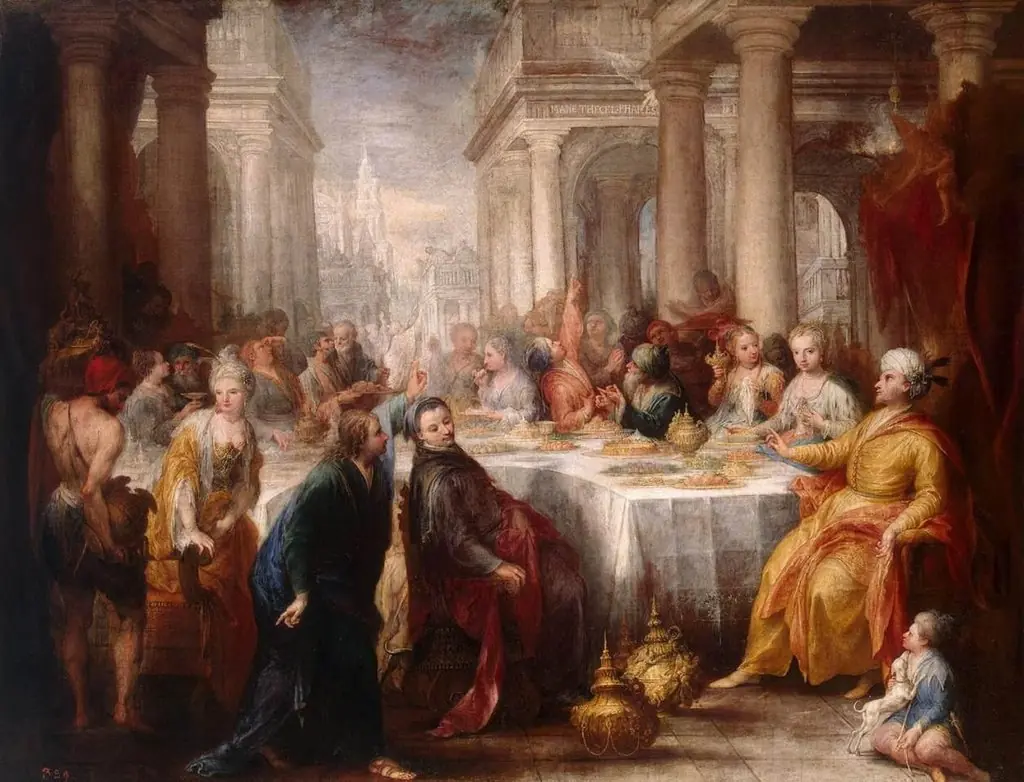
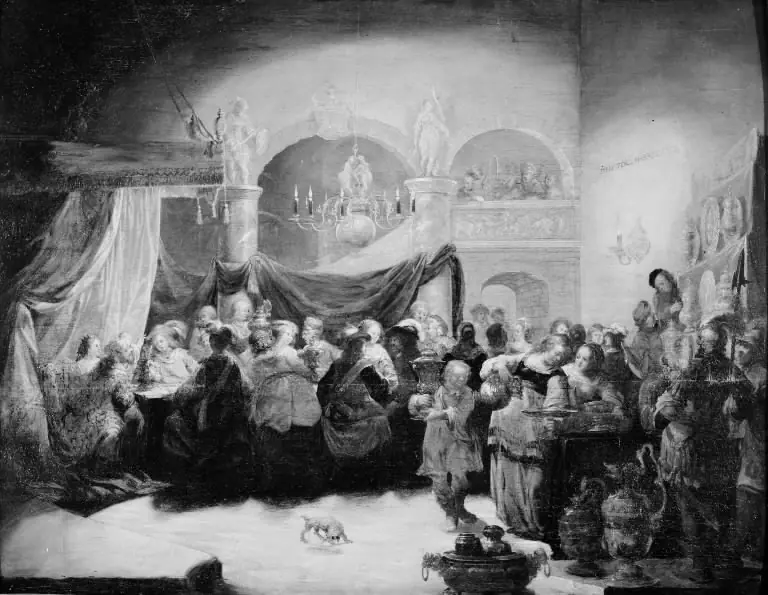
Hans Rottenhammer’s 1602 oil painting titled The Marriage at Cana presents a bustling banquet interior populated by figures in period costume. The composition centers on a couple seated at a table draped with a white cloth, surrounded by guests who appear engaged in conversation and revelry. Warm tonal harmonies and diffused illumination convey a festive atmosphere characteristic of early Baroque narrative scenes.
Subject & Meaning
The work visualizes the biblical episode in which Jesus performs his first miracle, turning water into wine at a wedding in Cana. By emphasizing the communal celebration and the abundance of food and drink, Rottenhammer underscores themes of hospitality, divine intervention, and the transformation of the ordinary into the miraculous.
Artist & collection
Artist
Johann Rottenhammer, or Hans Rottenhammer (1564 – 14 August 1625), was a German painter. He specialized in highly finished paintings on a small scale.