Artwork
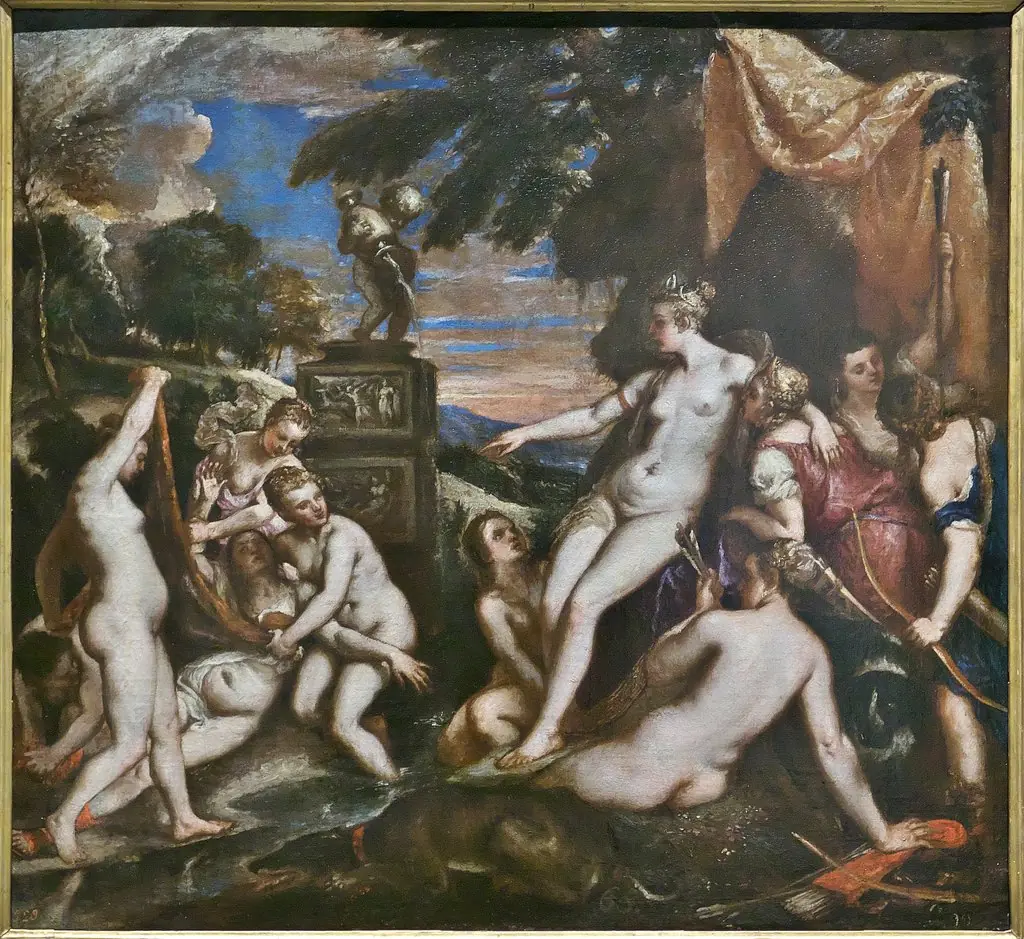
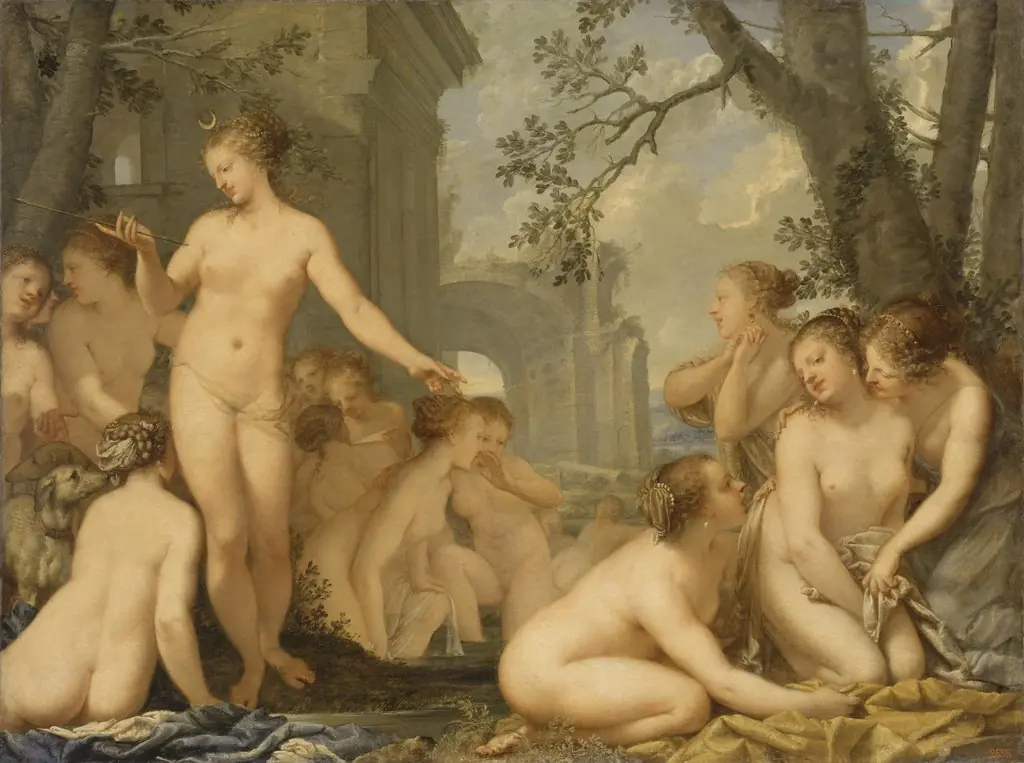
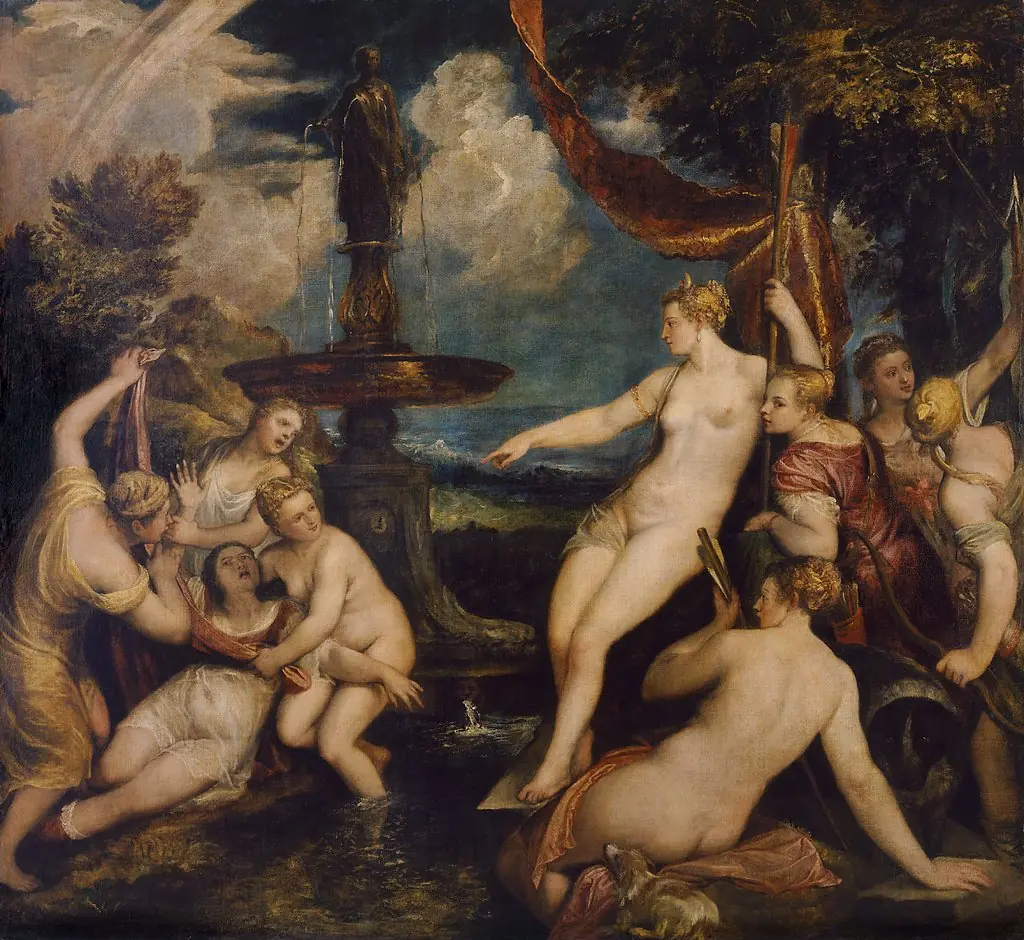
Diana and Callisto
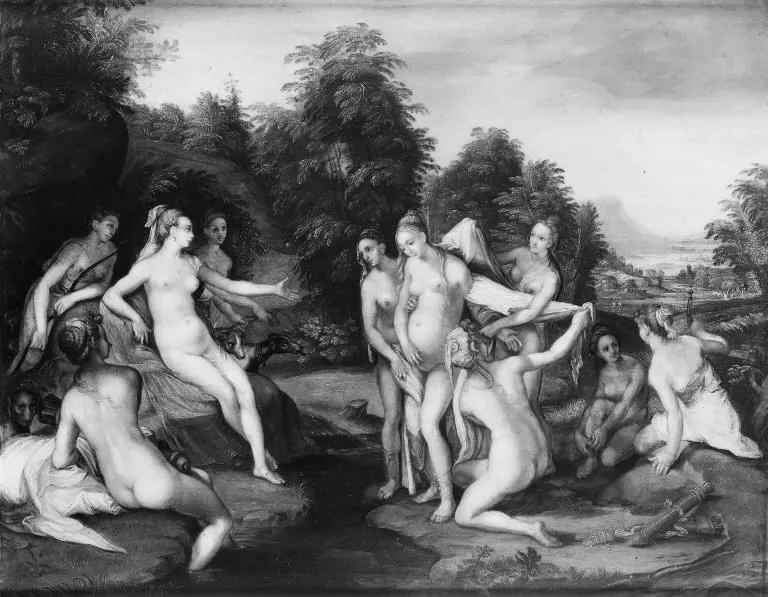
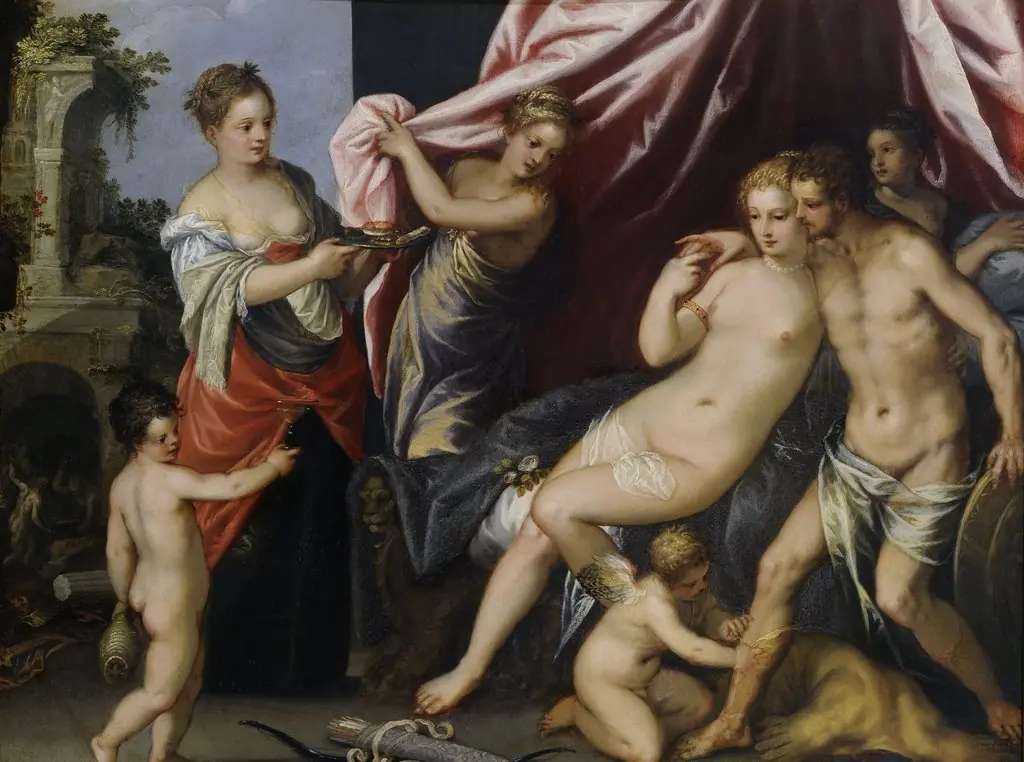
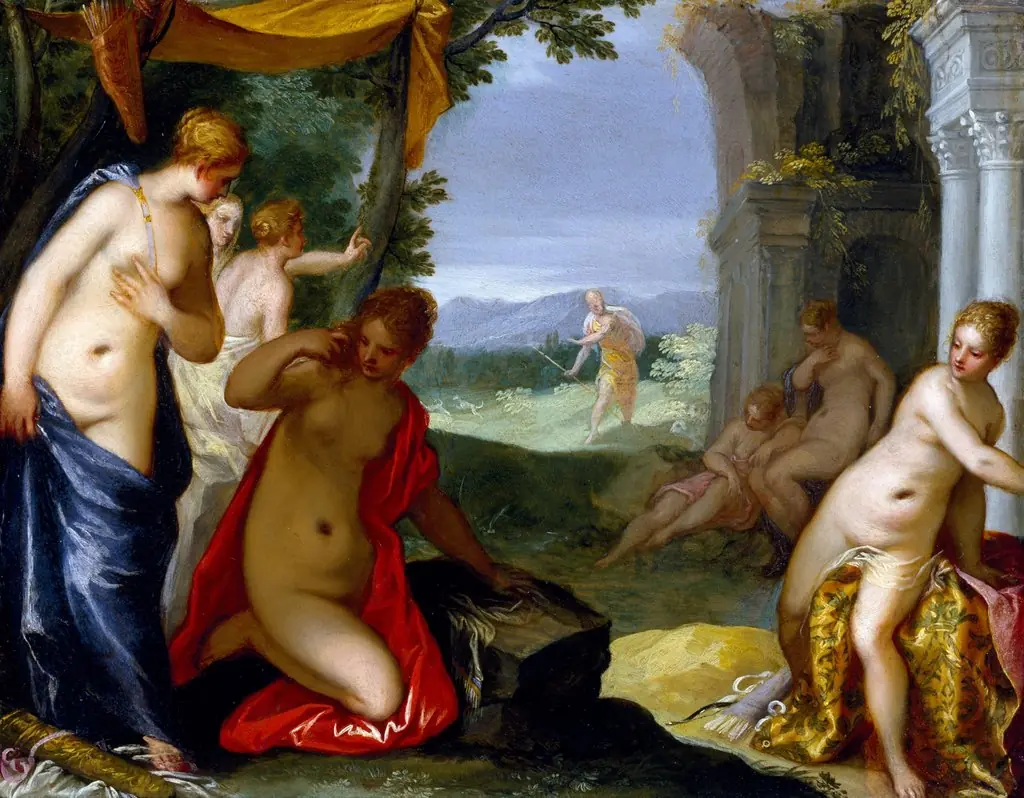
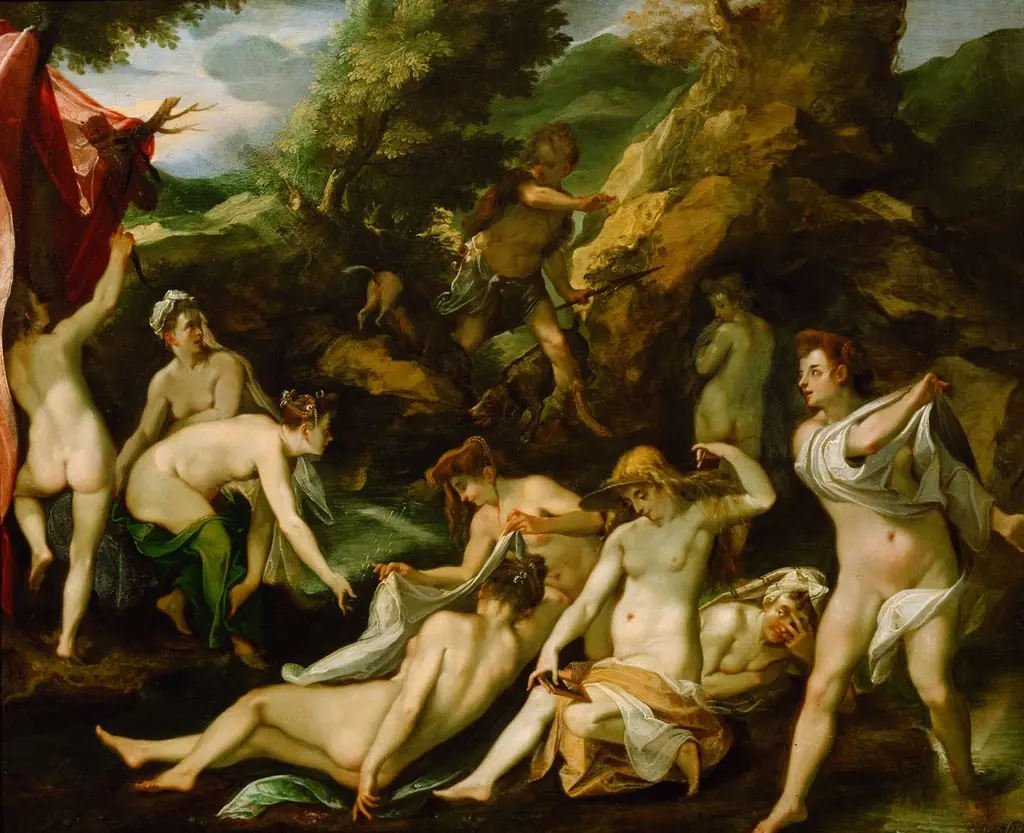
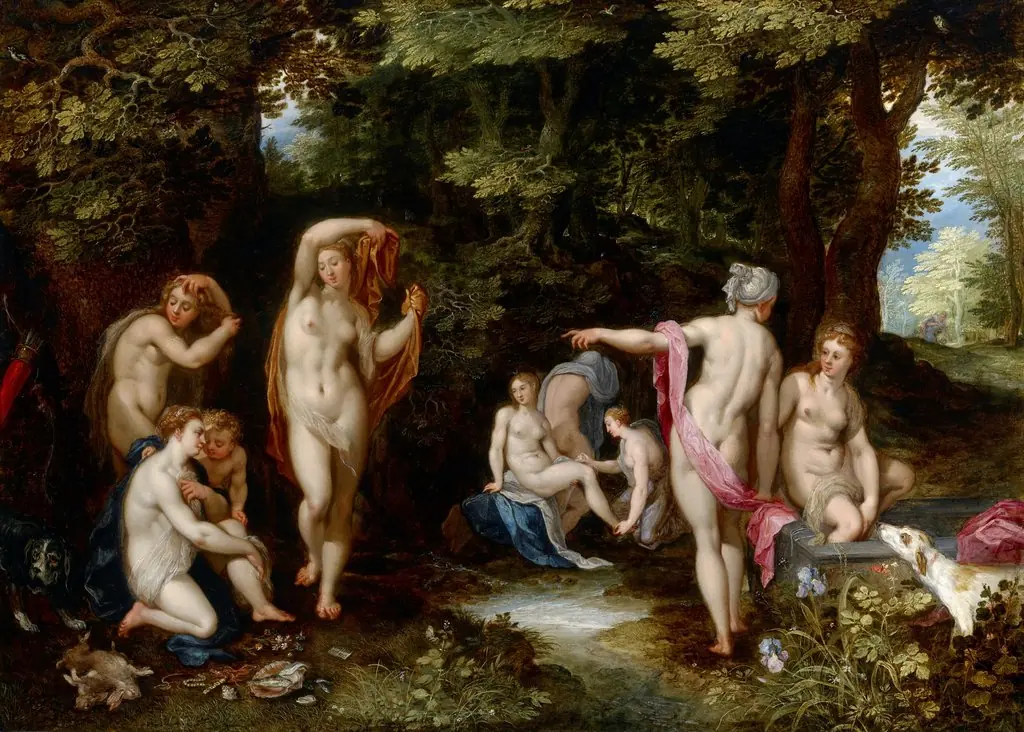
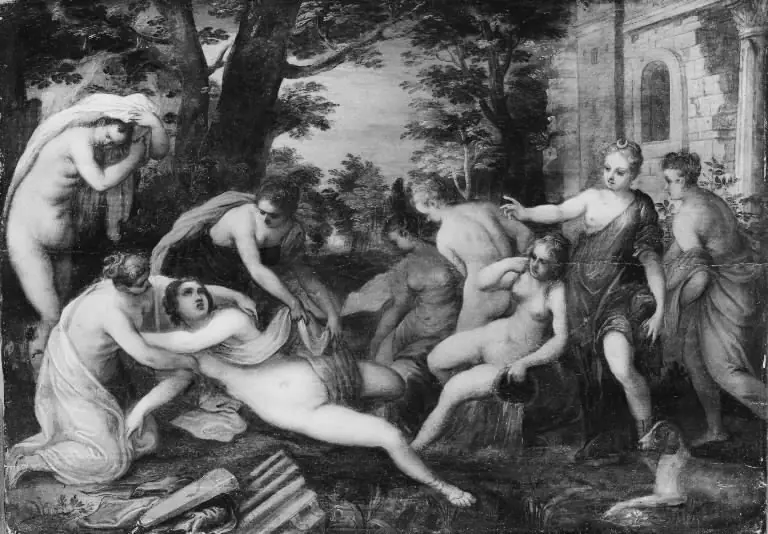
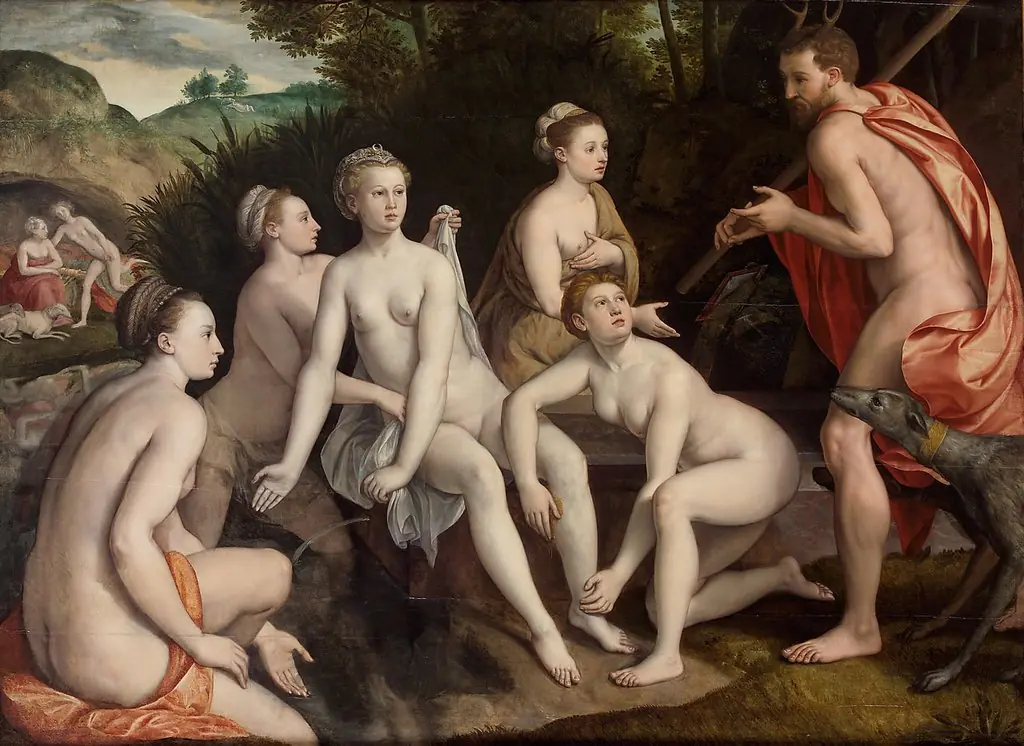
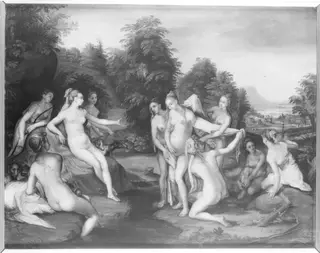
Diana and Callisto is an unspecified painting by the Mannerist artist Hans Rottenhammer. It dates from 1602 and is held in the collection of the Statens Museum for Kunst.
About this work
Subject & Meaning
Callisto, a follower of the goddess Diana, is shown alongside Diana and Venus, the three figures forming the central mythological cast of the scene.
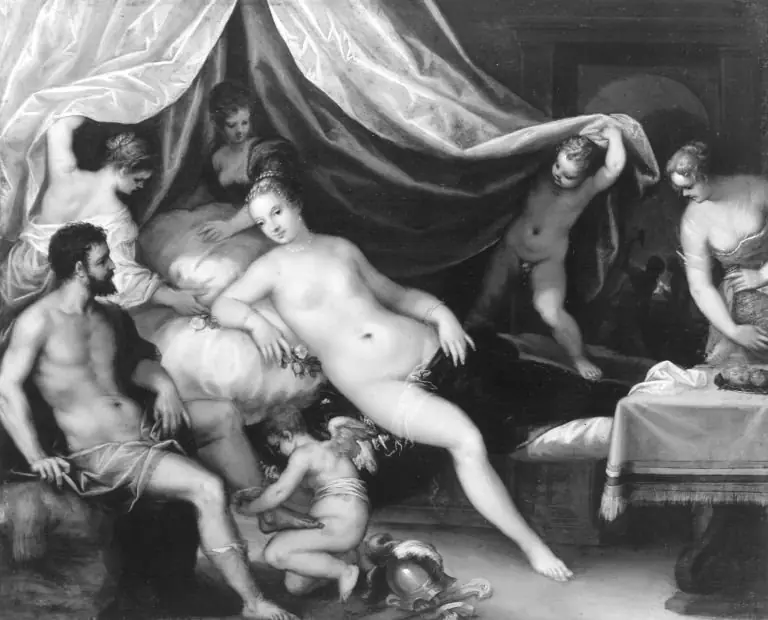
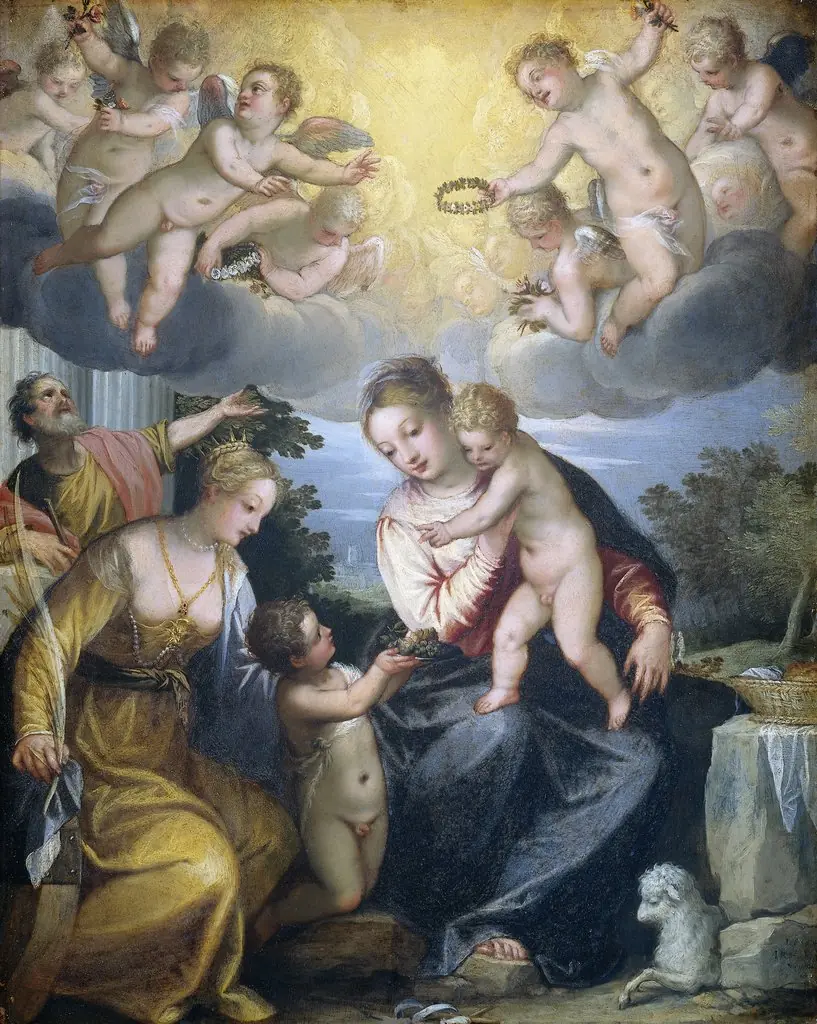
The painting illustrates the mythological encounter of Diana and Callisto, drawn from the narrative associated with Ovid's Metamorphoses. Callisto, a follower of the goddess Diana, is shown alongside Diana and Venus, the three figures forming the central mythological cast of the scene. The presence of Venus alongside Diana and Callisto signals the underlying cause of Callisto's downfall: her secret pregnancy, traditionally attributed to Jupiter's seduction, which Venus's appearance iconographically reinforces as a tale of violated vows and divine retribution.
As a mythological painting, the work transforms the literary episode into a visual meditation on chastity, betrayal, and the consequences of transgression, themes central to the Ovidian source.
Technique & Style
The work is an oil painting on canvas, executed in 1602. It measures 408.0 cm in height by 518.0 cm in width. The composition depicts the mythological scene of Diana and Callisto, rendered with careful handling of light and chiaroscuro that emphasizes the figures' interaction.
Formal qualities include a balanced arrangement of the three central characters, Diana, Venus, and Callisto, set against a softly detailed landscape background, reflecting the Mannerist style characteristic of Hans Rottenhammer.
History & Provenance
Hans Rottenhammer painted Diana and Callisto in 1602, depicting a mythological scene drawn from classical sources. The work entered the collection of the Statens Museum for Kunst, where it remains on display.
The painting measures 408.0 cm in height and 518.0 cm in width, with the composition centered on Diana and Callisto as principal figures.
The work was created for private patronage, reflecting the artistic practice of the period.
It was catalogued as a mythological painting within the museum's collection in 1602.
Hans Rottenhammer's mythological painting Diana and Callisto, created in 1602, is held in the collection of the Statens Museum for Kunst. The work, which depicts the figures of Diana, Callisto, and Venus, measures 408 cm in height and 518 cm in width. The provided sources do not contain specific inventory or accession numbers for the piece, nor do they list any exhibition history.
Context
The mythological painting Diana and Callisto by Hans Rottenhammer, completed in 1602, was created during a period when Northern artists increasingly engaged with classical narratives through an Italianate compositional style. Its subject draws from Ovidian myth, depicting the nymph Callisto’s expulsion from Diana’s hunting party after her encounter with Jupiter, a moment that allowed Rottenhammer to explore themes of divine intervention and female vulnerability. The work’s significance is underscored by its inclusion in major scholarly discussions of late Renaissance mythological painting, particularly regarding the transmission of Italianate techniques into German-speaking regions.
It is housed in the Statens Museum for Kunst, where it remains part of the permanent collection, reflecting its enduring cultural resonance.
Legacy
Hans Rottenhammer's 1602 painting Diana and Callisto, housed in the Statens Museum for Kunst, has influenced European mythological art through its compositional balance and sensual portrayal of the figures. The work's depiction of the mythological encounter between Diana and Callisto informed later Baroque and Rococo interpretations of the subject, particularly in Northern European collections that referenced its formal qualities. Its presence in a national museum collection has contributed to scholarly discussions of mythological painting in early modern art, though specific later exhibitions or direct citations of influence are not recorded in the provided sources.
The painting's legacy is primarily tied to its artistic composition rather than documented receptions or market records.
Overview
Created in 1602, Hans Rottenhammer’s Diana and Callisto is a modestly sized oil painting that exemplifies the late‑Renaissance Mannerist aesthetic. Executed for intimate display, the work now resides in the Statens Museum for Kunst, where it is presented among the museum’s collection of Northern European paintings.
Artist & collection
Artist
Johann Rottenhammer, or Hans Rottenhammer (1564 – 14 August 1625), was a German painter. He specialized in highly finished paintings on a small scale.