Artwork
Venus and Mars
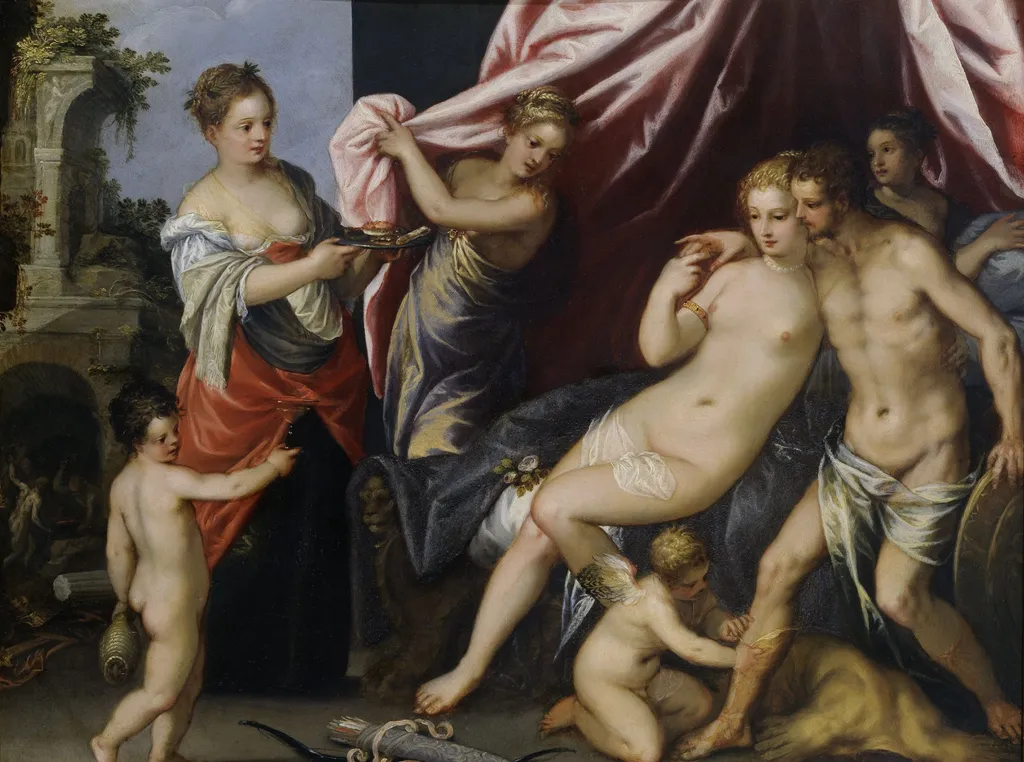
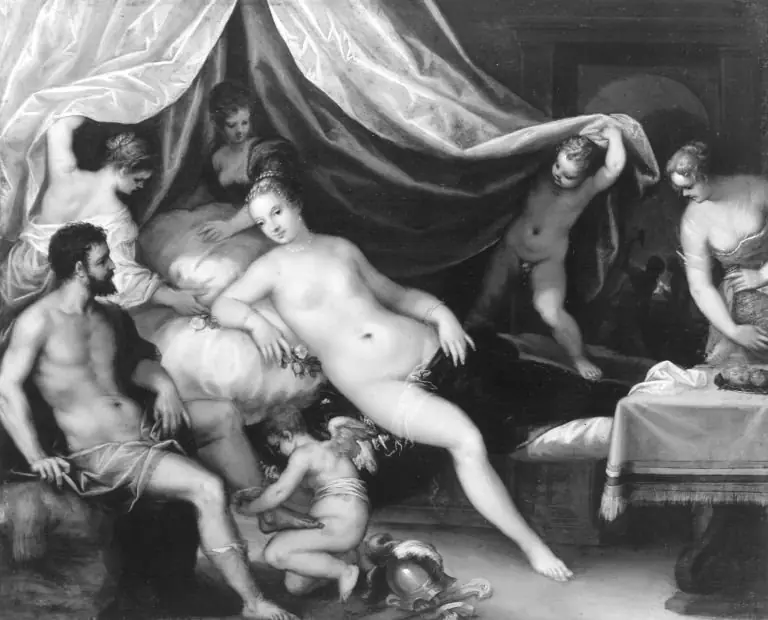
Venus and Mars is an oil painting by the Mannerist artist Hans Rottenhammer. It dates from 1604 and is held in the collection of the Rijksmuseum.
About this work
Subject & Meaning
This oil-on-copper panel, created in Venice, serves as a visual interpretation of these classical characters and their symbolic relationship.
Hans Rottenhammer's 1604 painting depicts the mythological figures Venus, Mars, and Cupid. As a work of mythological genre, the composition centers on the main subject of Mars and Venus, illustrating the classic narrative of the god of war and the goddess of love. The inclusion of Cupid reinforces the thematic connection between the two deities, representing the interplay of martial and amorous forces.
This oil-on-copper panel, created in Venice, serves as a visual interpretation of these classical characters and their symbolic relationship.
Technique & Style
Hans Rottenhammer's Venus and Mars (1604) is executed in oil paint on a copper support. This material choice was characteristic of the artist's work during his time in Venice, allowing for a high degree of detail and luminosity. The painting measures 29 cm in height and 38 cm in width, presenting a compact yet intricate mythological scene.
The formal qualities reflect the Mannerist style prevalent in late 16th and early 17th-century Venetian art, with a focus on elegant figures and rich coloration typical of the genre.
History & Provenance
The copper painting Venus and Mars is dated 1604 and is associated with Hans Rottenhammer’s Venetian period.
The work entered the present collection through the Kabinet van Heteren Gevers, assembled by Adriaan Leonard van Heteren Gevers, whose name the cabinet bears. It is currently held by the Rijksmuseum in Amsterdam.
The painting is held in the Rijksmuseum, Amsterdam, where it is recorded as part of the Kabinet van Heteren Gevers collection.
Its inventory number at the Rijksmuseum is SK-C-1815.
The work was included in the exhibition Kabinet van Heteren Gevers held at the Rijksmuseum in 1808.
Context
Hans Rottenhammer's Venus and Mars, painted in 1604 on copper, exemplifies the mythological works produced by Northern artists active in Italy during the late Renaissance. The painting's subject, depicting Venus and Mars intertwined with Cupid, draws on classical antiquity, a theme that resonated with contemporary collectors seeking antiquarian subjects. Its provenance in the collection of Adriaan Leonard van Heteren Gevers and eventual acquisition by the Rijksmuseum underscores its significance within Dutch private collections of mythological art.
Scholarship on the work often situates it within Rottenhammer's broader oeuvre of cabinet paintings, highlighting his role in introducing Italianate compositional techniques to Northern European art markets.
Critical reception of Venus and Mars has focused on its sensuality and technical mastery, with contemporaries and later historians noting its influence on the development of mythological painting in the Dutch Golden Age. The work's placement in the Rijksmuseum's Kabinet van Heteren Gevers reflects its curated status as a representative example of Northern artists' engagement with Italian artistic conventions.
Overview
Created in 1604, Hans Rottenhammer’s Venus and Mars is a small‑scale oil painting executed on copper. The work presents a mythological tableau in which the Roman deities Venus and Mars appear together with their son Cupid, set against a garden backdrop that includes a fountain and distant trees. The composition balances intimate figures with a broader landscape, inviting close inspection of its detailed rendering.
Own this work as a print
Artist & collection
Artist
Johann Rottenhammer, or Hans Rottenhammer (1564 – 14 August 1625), was a German painter. He specialized in highly finished paintings on a small scale.



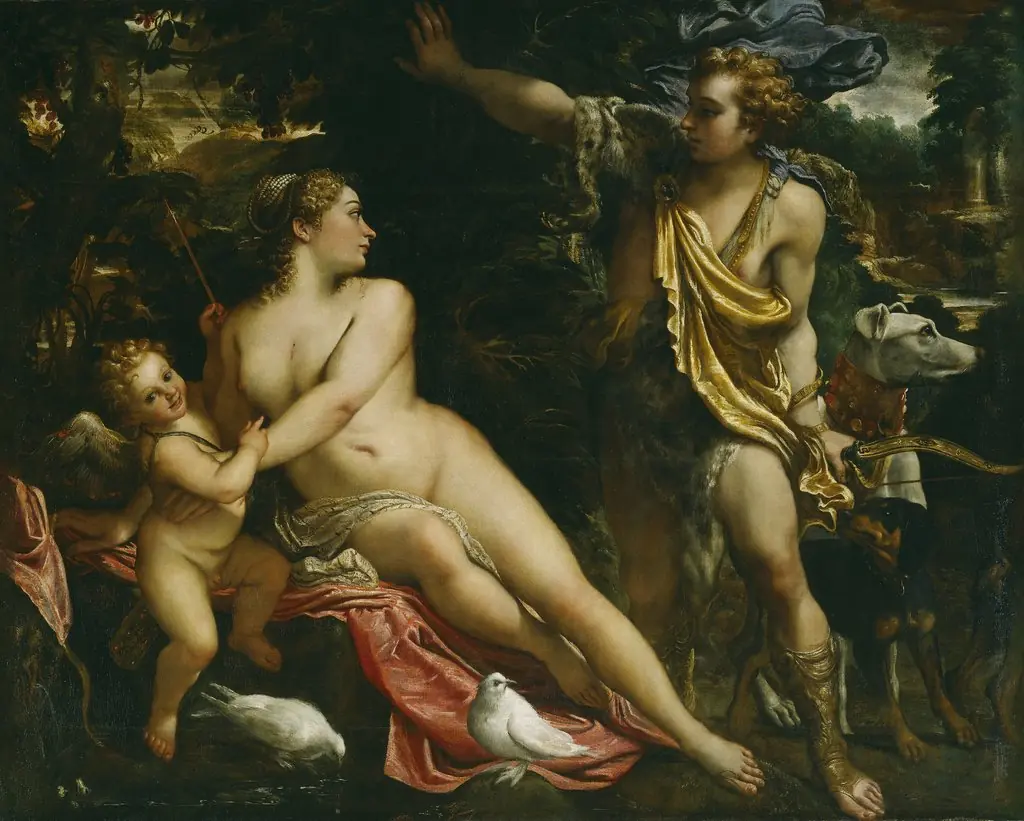 Venus, Adonis and Cupid
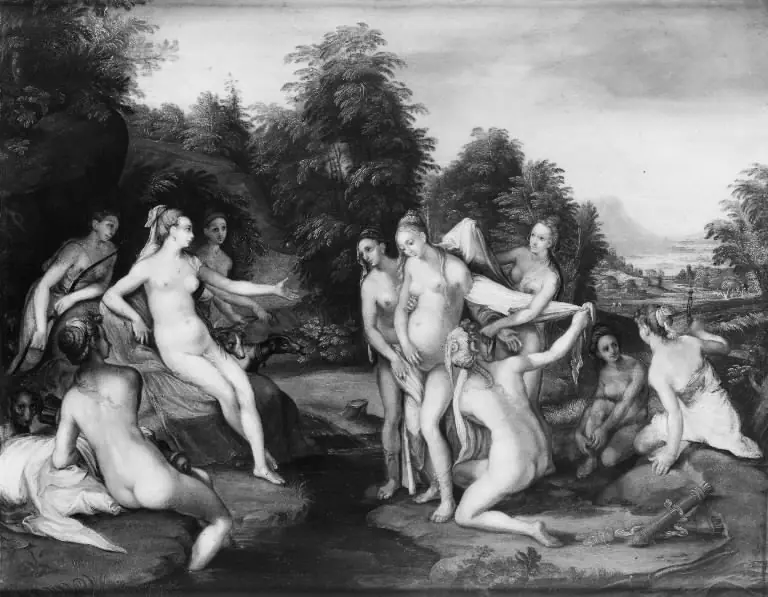
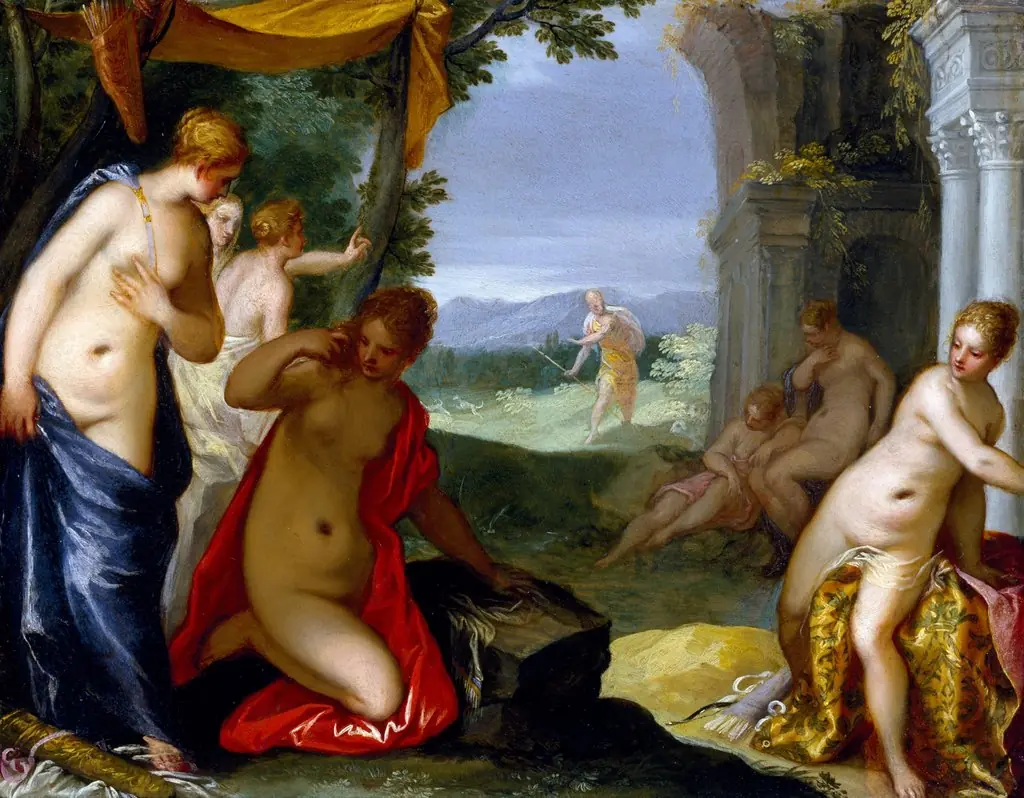 Diana and Actaeon
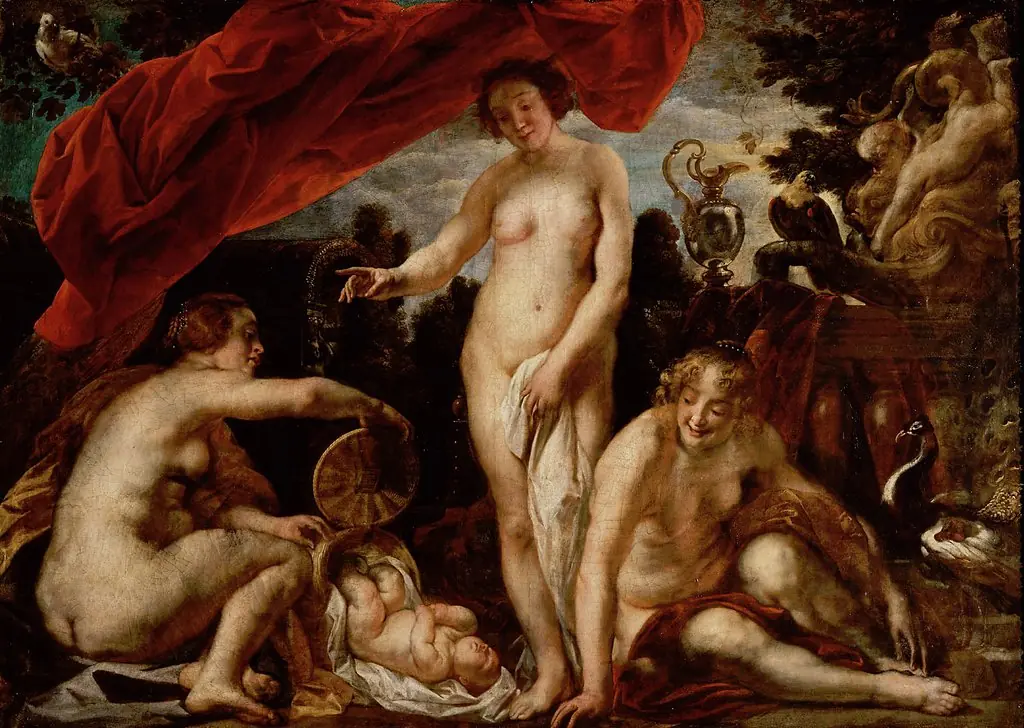 Daughters of Kekrops Finding Erichthonios.
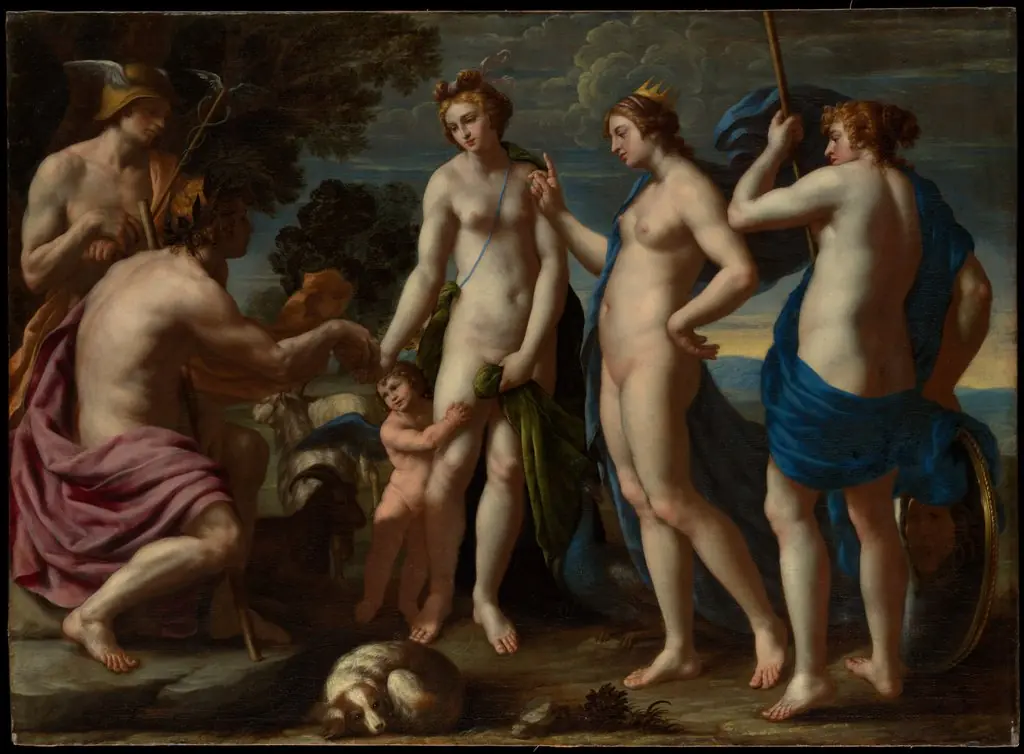 Judgment of Paris
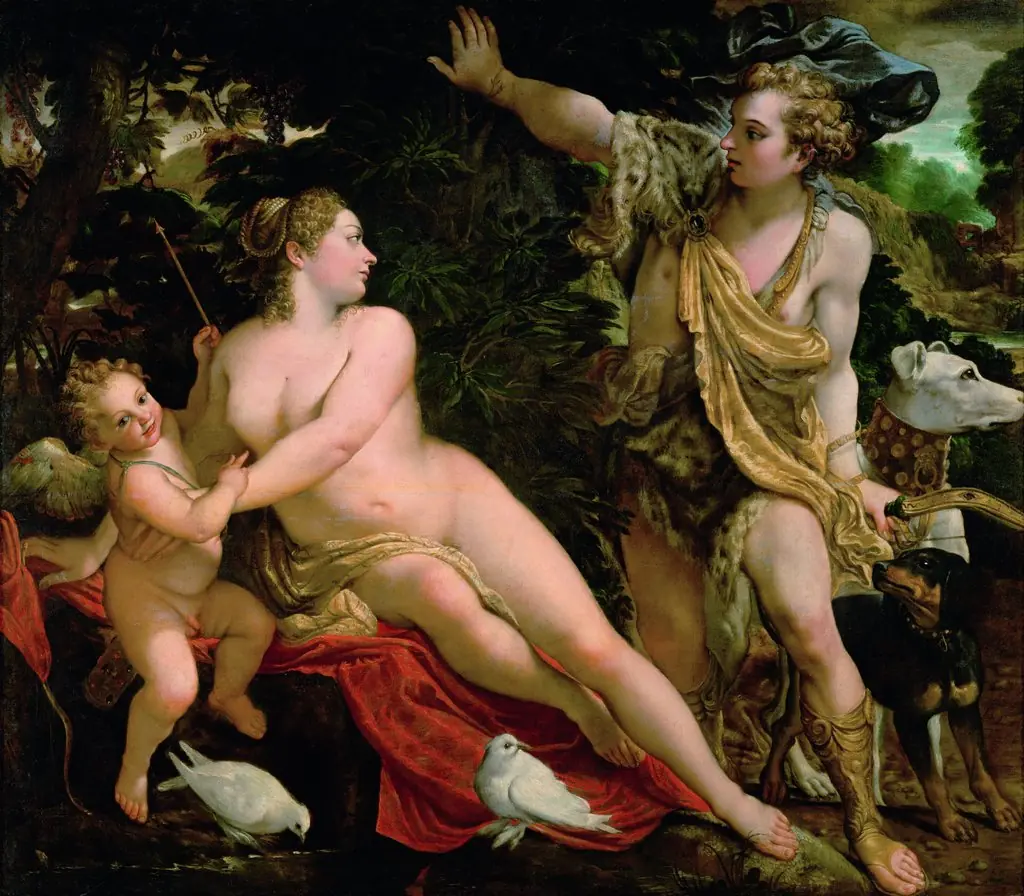 Venus, Adonis and Cupid
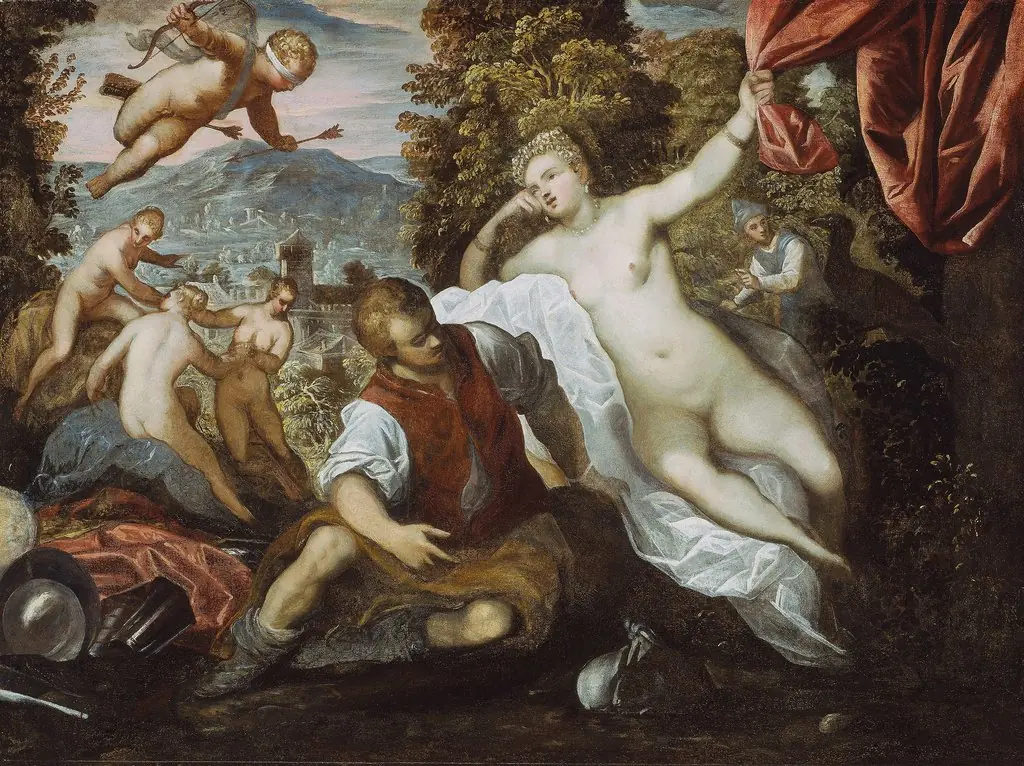 Venus and Mars with Cupid and the Three Graces in a Landscape
 Venus and Mars with Cupid and the Three Graces in a Landscape
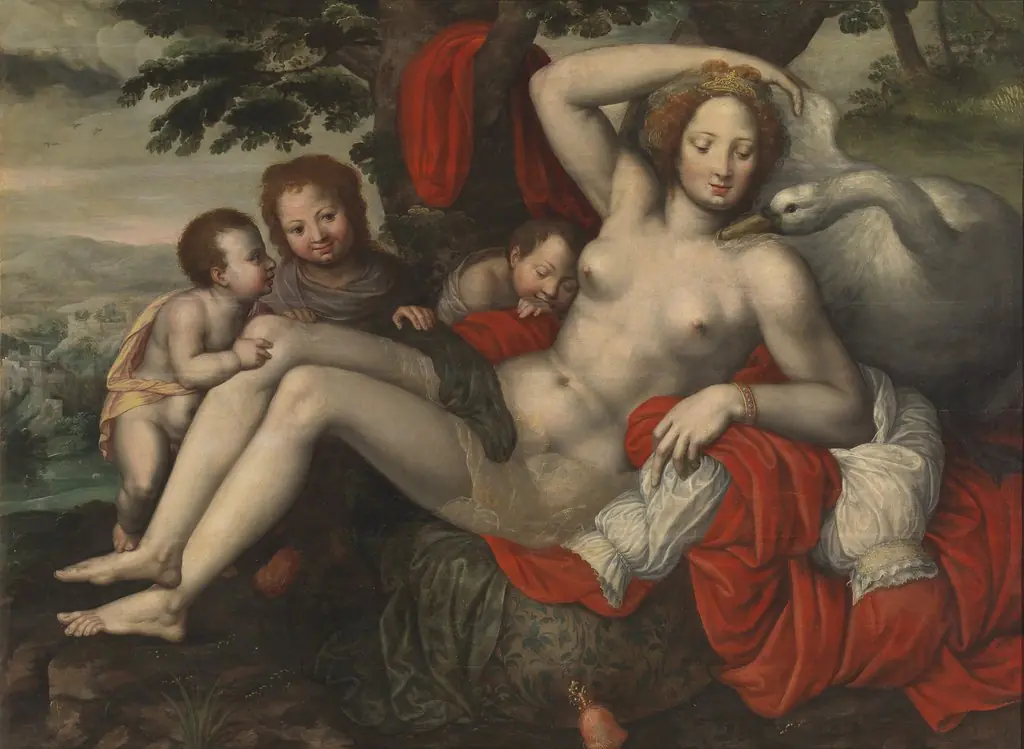 Leda and the Swan
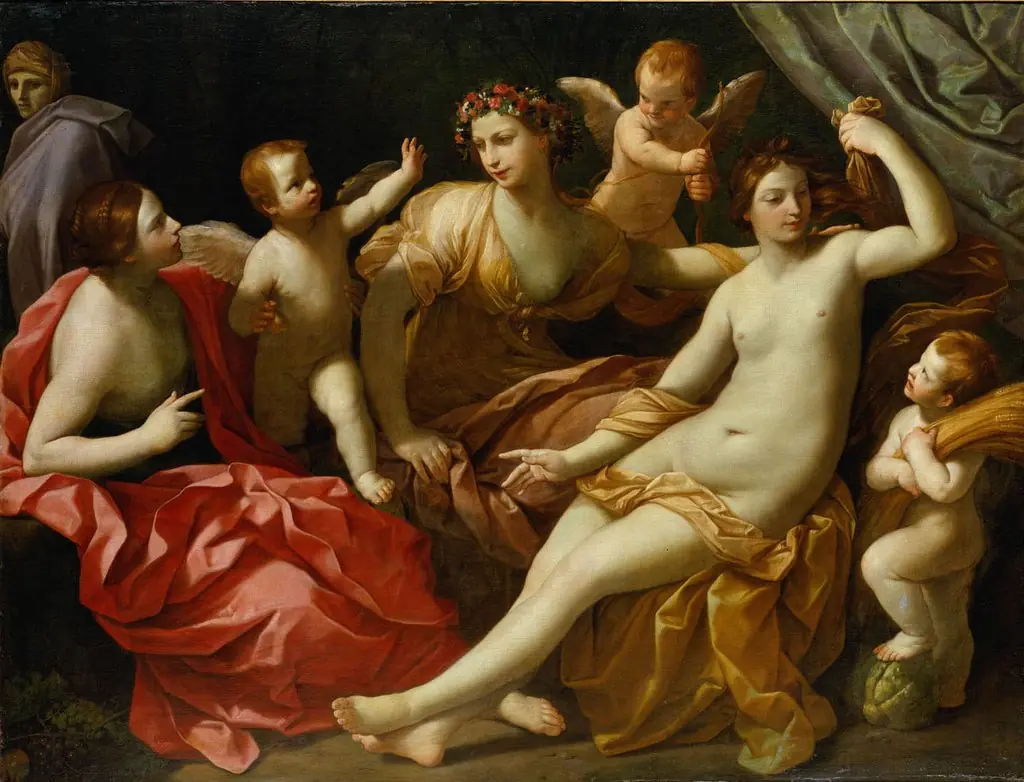 The Four Seasons
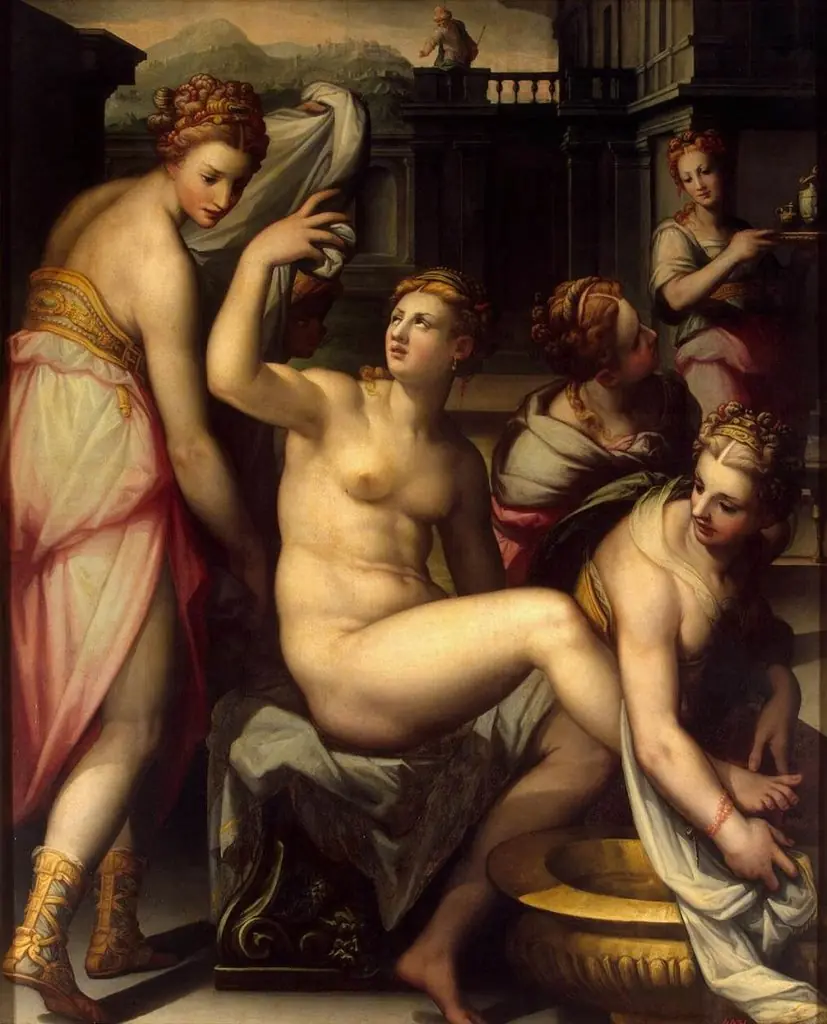 Bathsheba
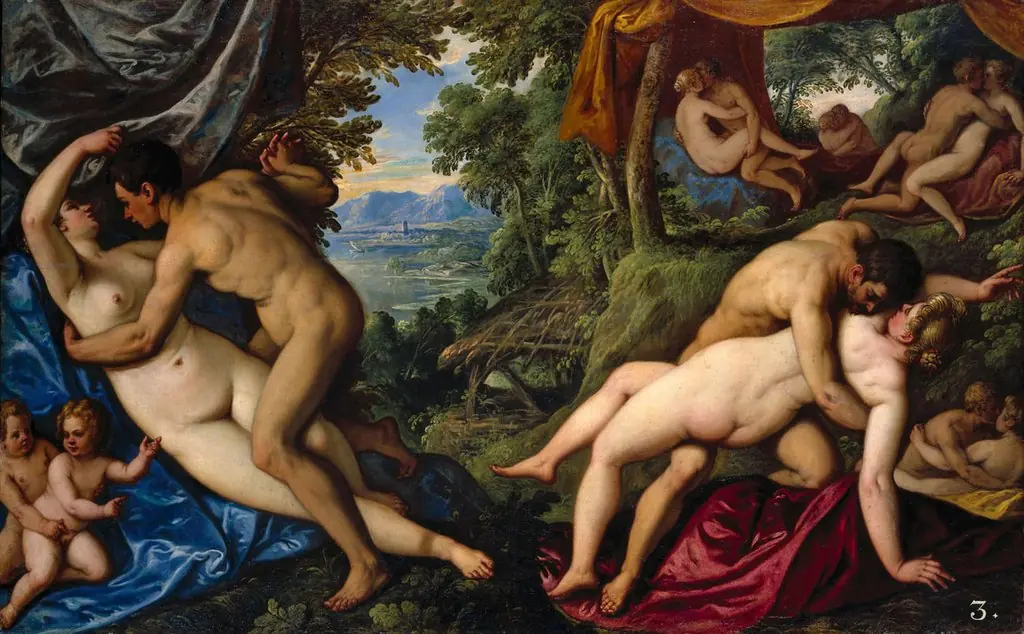 The Fruit of Love
- Venus and Mars