Artwork
Nørre Vium Church, Western Jutland
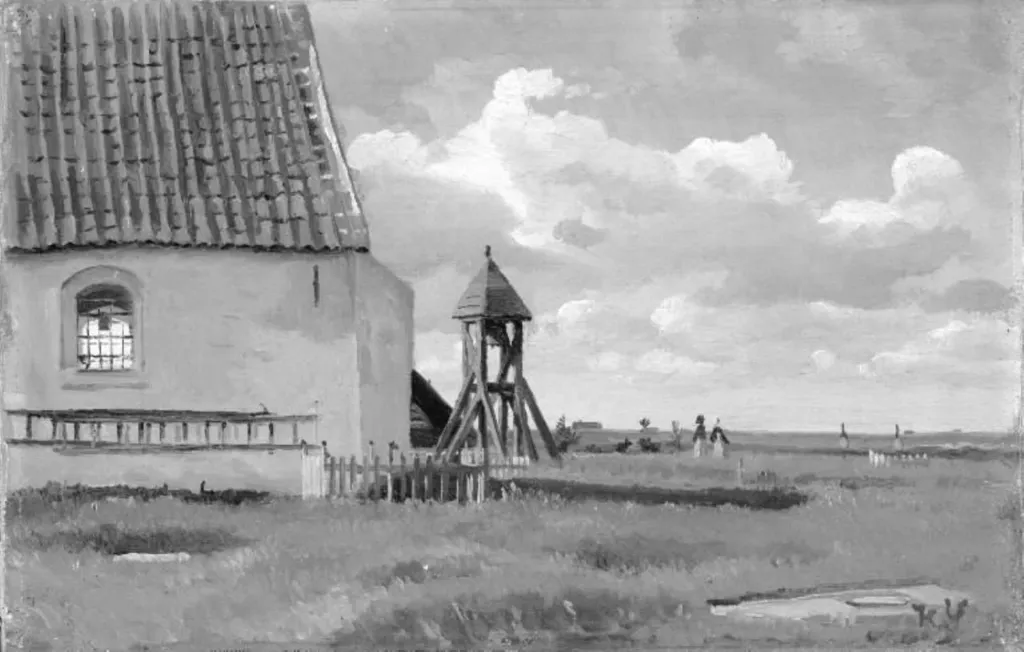
Nørre Vium Church, Western Jutland is an oil painting by the Post-Impressionist artist Hans Smidth. It dates from 1898 and is held in the collection of the Statens Museum for Kunst.
About this work
Overview
Nørre Vium Church, Western Jutland is an 1898 oil painting by Danish artist Hans Smidth, capturing a serene rural scene in Jutland.
Subject & Meaning
The painting focuses on Nørre Vium Church, situated in an open, grassy landscape with a sloping-roofed church and small tower, emphasizing the integration of a place of worship within the natural Danish countryside.
Technique & Style
Executed in a post-impressionist style, the work features expressive brushwork, capturing the interplay of cloudy skies with patches of sunlight, and detailing the landscape with bushes and a winding path.
History & Provenance
Created by Hans Smidth (1839-1917), known for his detailed Danish landscapes, the painting is now part of the Statens Museum for Kunst collection.
Context
Part of Smidth’s broader oeuvre concentrating on Jutland’s landscapes and inhabitants, this piece reflects his long-standing interest in depicting the region’s everyday life and scenery.
Artist & collection
Artist
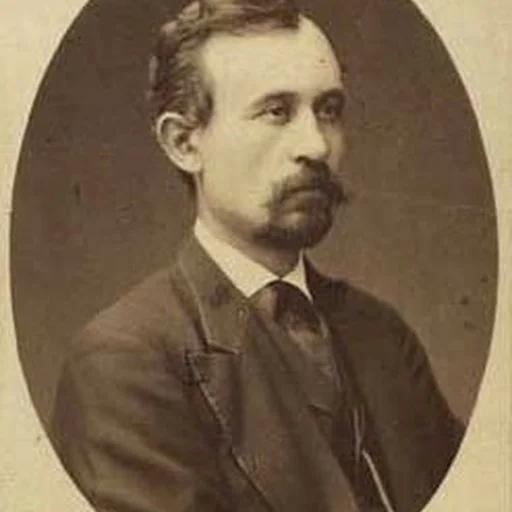
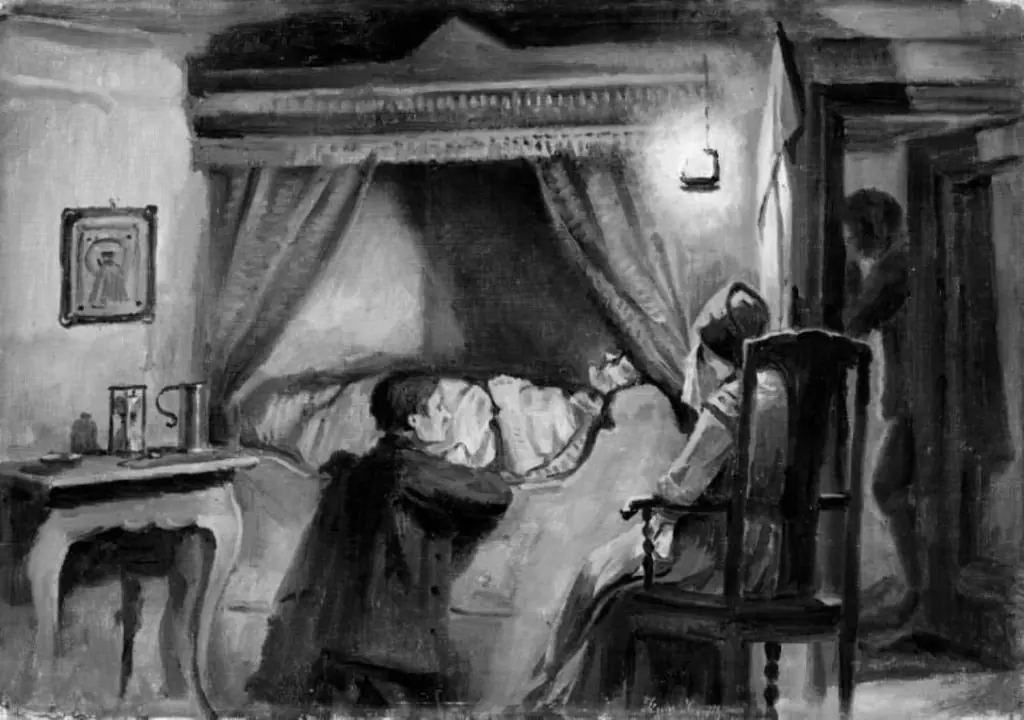
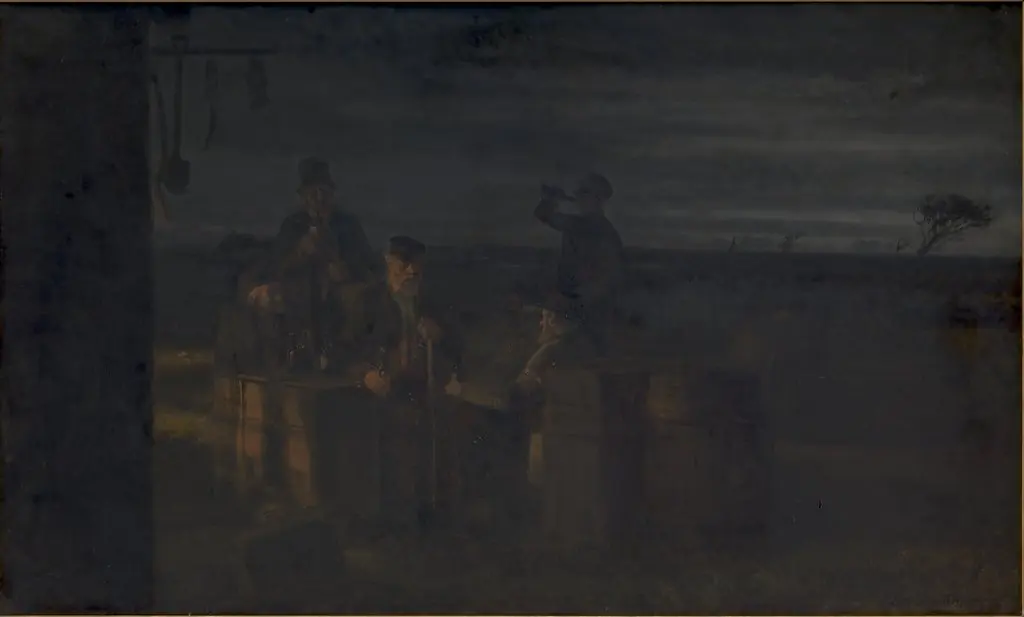
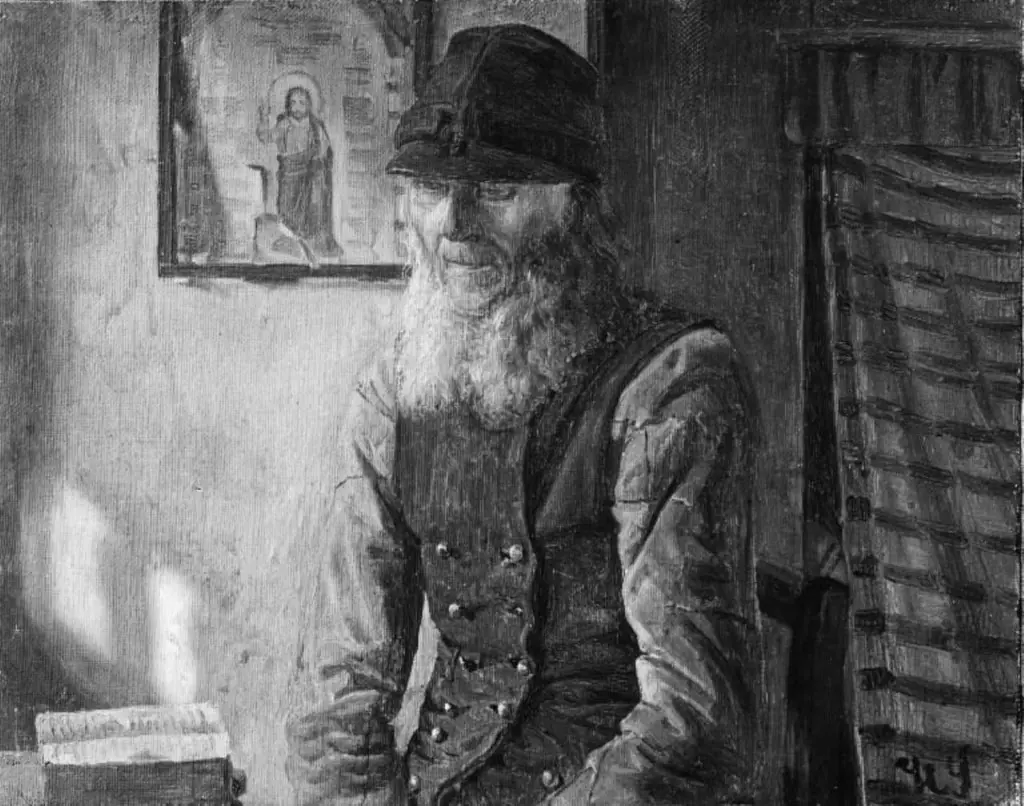
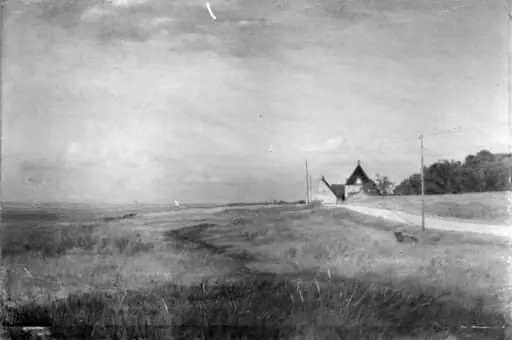
Hans Ludvig Smidth (2 October 1839, Nakskov – 5 May 1917, Frederiksberg) was a Danish painter. He is remembered above all for his paintings of Jutland and its local inhabitants.

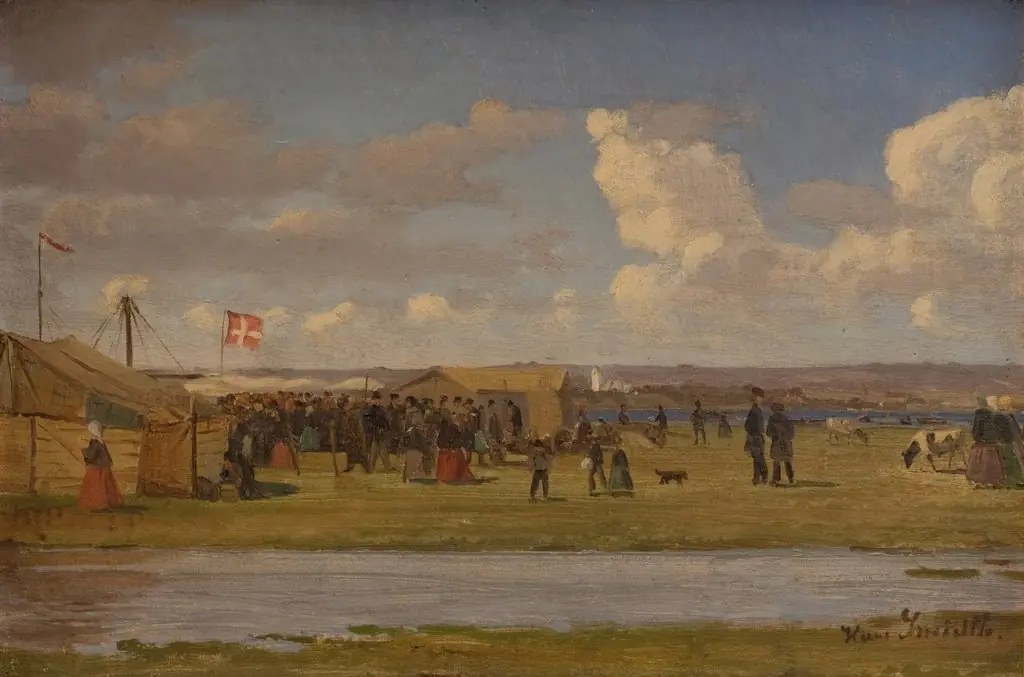
 Landscape at Ellekilde in North Zealand. Sunset.
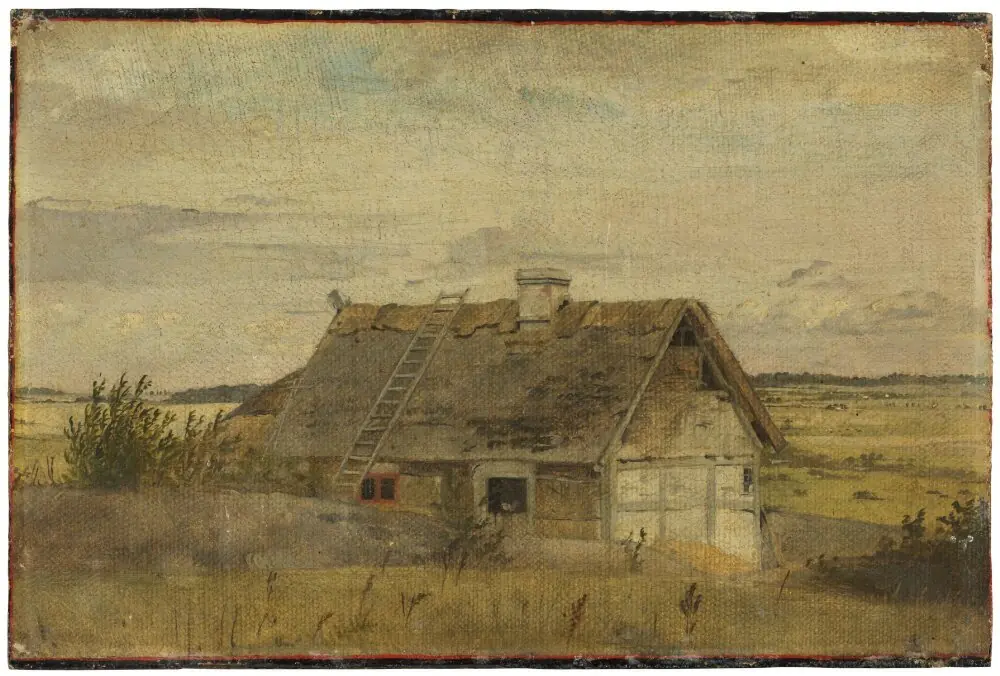 Landscape with a Farmhouse
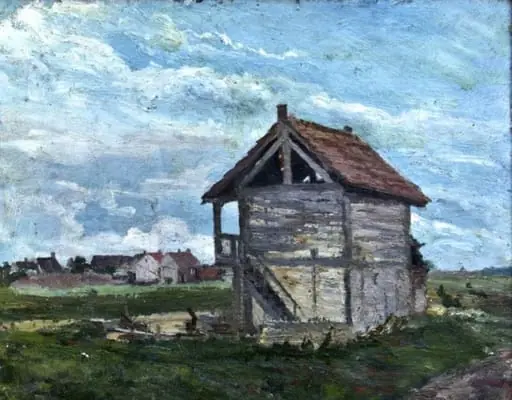 Grânar
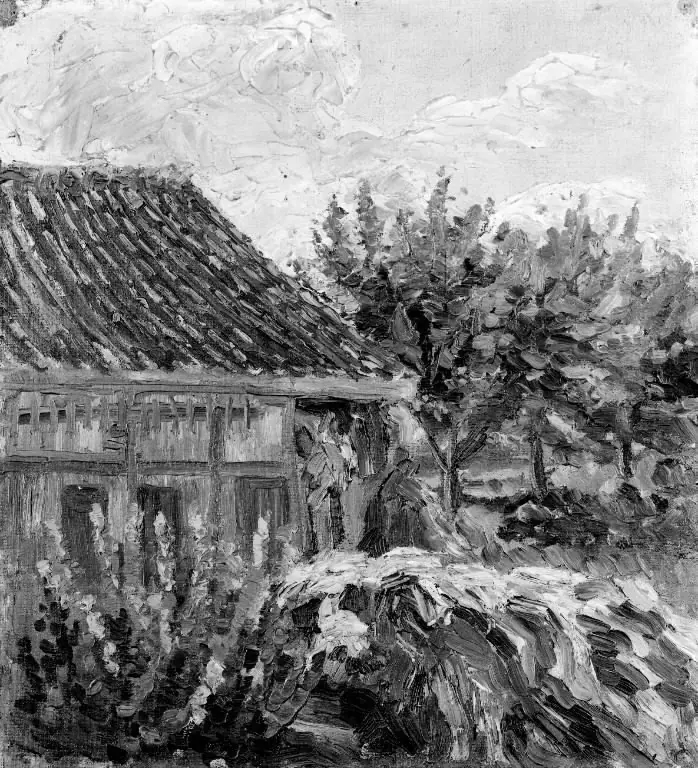 View of a House in Hørsholm
 View of a House in Hørsholm
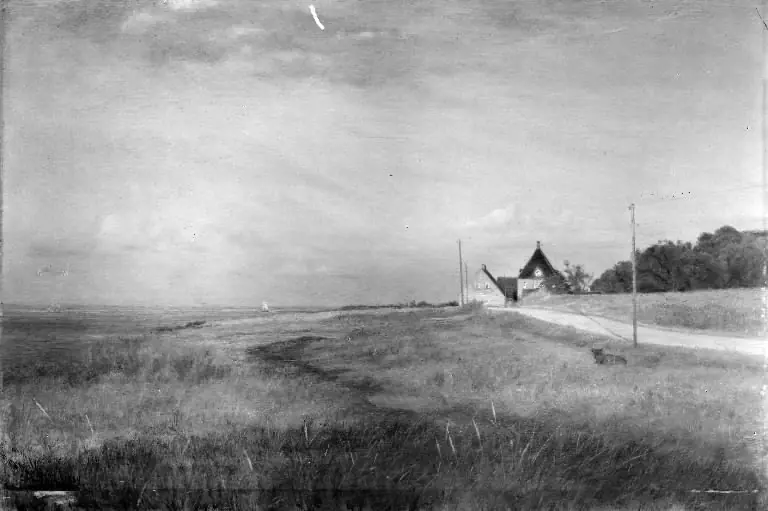 Landscape at Ellekilde in North Zealand. Sunset.
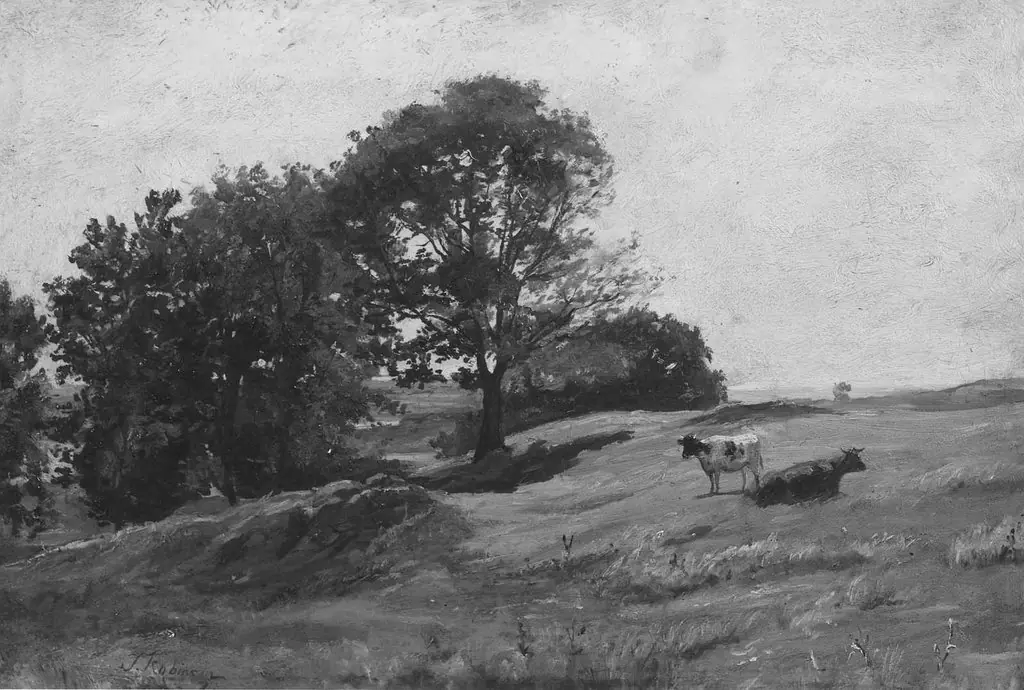 Hillside in Summer
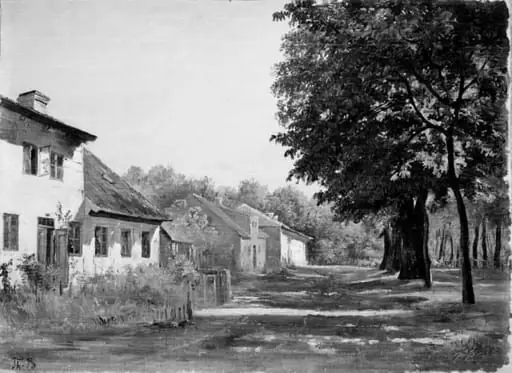 An Avenue. Frederiksværk
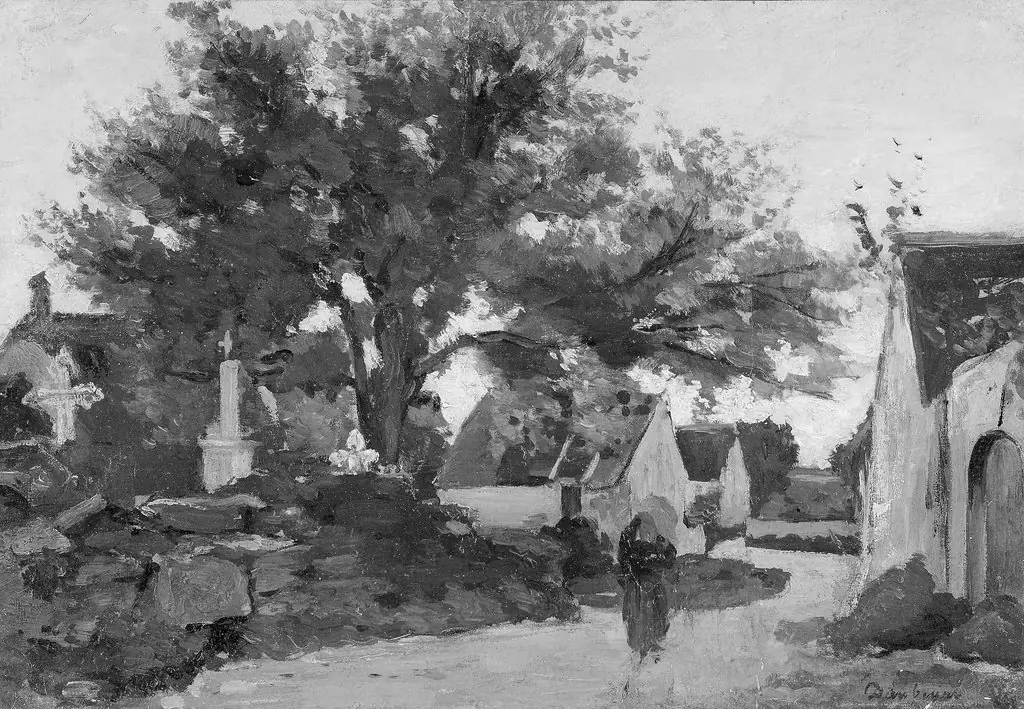 Village in Brittany
 Havn i en lille købstad
 Landscape With Windmill
- Nørre Vium Church, Western Jutland