Artwork
Martello Tower, Rye Port
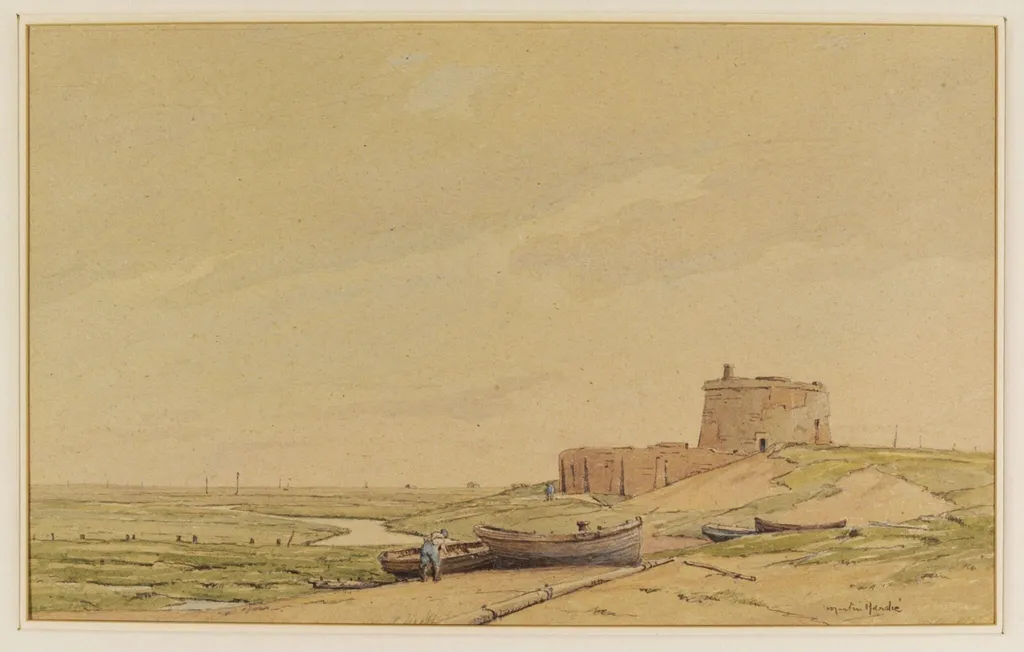
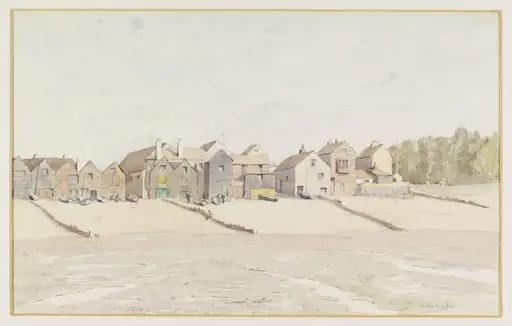
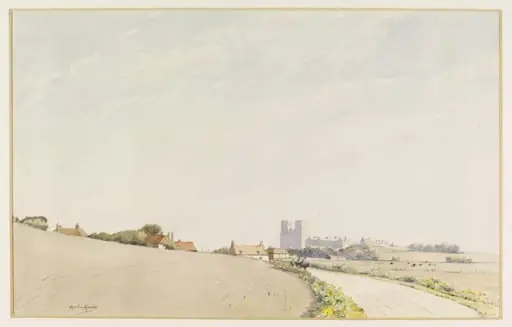
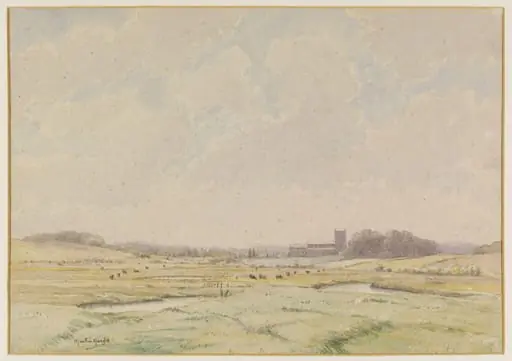
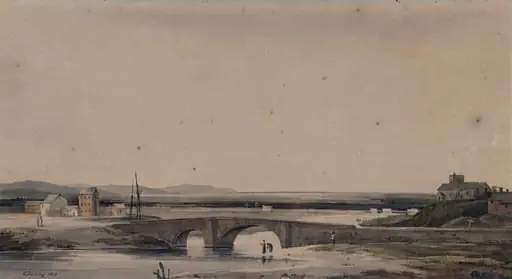
Martello Tower, Rye Port is a watercolor work on paper by the Regionalist artist Hardie. It dates from 1940 and is held in the collection of the Victoria and Albert Museum. The watercolour portrays the Martello Tower overlooking Rye Port, rendered in 1940 as part of the Recording Britain scheme.
About this work
Overview
The watercolour portrays the Martello Tower overlooking Rye Port, rendered in 1940 as part of the Recording Britain scheme. The composition balances a tranquil shoreline, where a small boat rests on sand, with the imposing stone tower perched on a hill, creating a quiet yet dramatic coastal tableau.
Subject & Meaning
At the centre of the image stands the Martello Tower, a 19th‑century coastal fortification, its silhouette dominating the horizon. The surrounding boats and gentle sea suggest everyday maritime activity, while the tower’s steadfast presence evokes themes of defence and continuity amid the uncertainties of wartime Britain.
Technique & Style
Executed in transparent watercolour, the artist employs a restrained palette of muted blues, greys and earthy tones. Delicate washes convey atmospheric light, while tighter brushwork defines the tower’s masonry and the texture of the sand, producing depth without sacrificing the work’s overall calm mood.
History & Provenance
Commissioned by the Recording Britain project, the piece belongs to a body of over 1,500 works created by 97 artists under Sir Kenneth Clark’s direction. The initiative aimed to document the nation’s landscape and heritage during World War II, preserving visual records in case of bomb damage and reinforcing a sense of national identity.
Context
Martello towers were built along the British coast in the early 1800s as defensive structures against invasion. By 1940, they served as historical landmarks rather than active fortifications, making them suitable subjects for a wartime record of Britain’s enduring architectural heritage.
Legacy
The watercolour remains a valuable example of wartime documentary art, illustrating how artists contributed to cultural preservation while subtly supporting morale. It continues to inform contemporary understandings of Britain’s coastal environment and the visual strategies employed in the Recording Britain project.
Artist & collection
Artist
Hardie painted watercolours of quiet corners in 1930s and 1940s England, usually coastal or village scenes with buildings and daily life.