Artwork
Charles Carroll of Carrollton
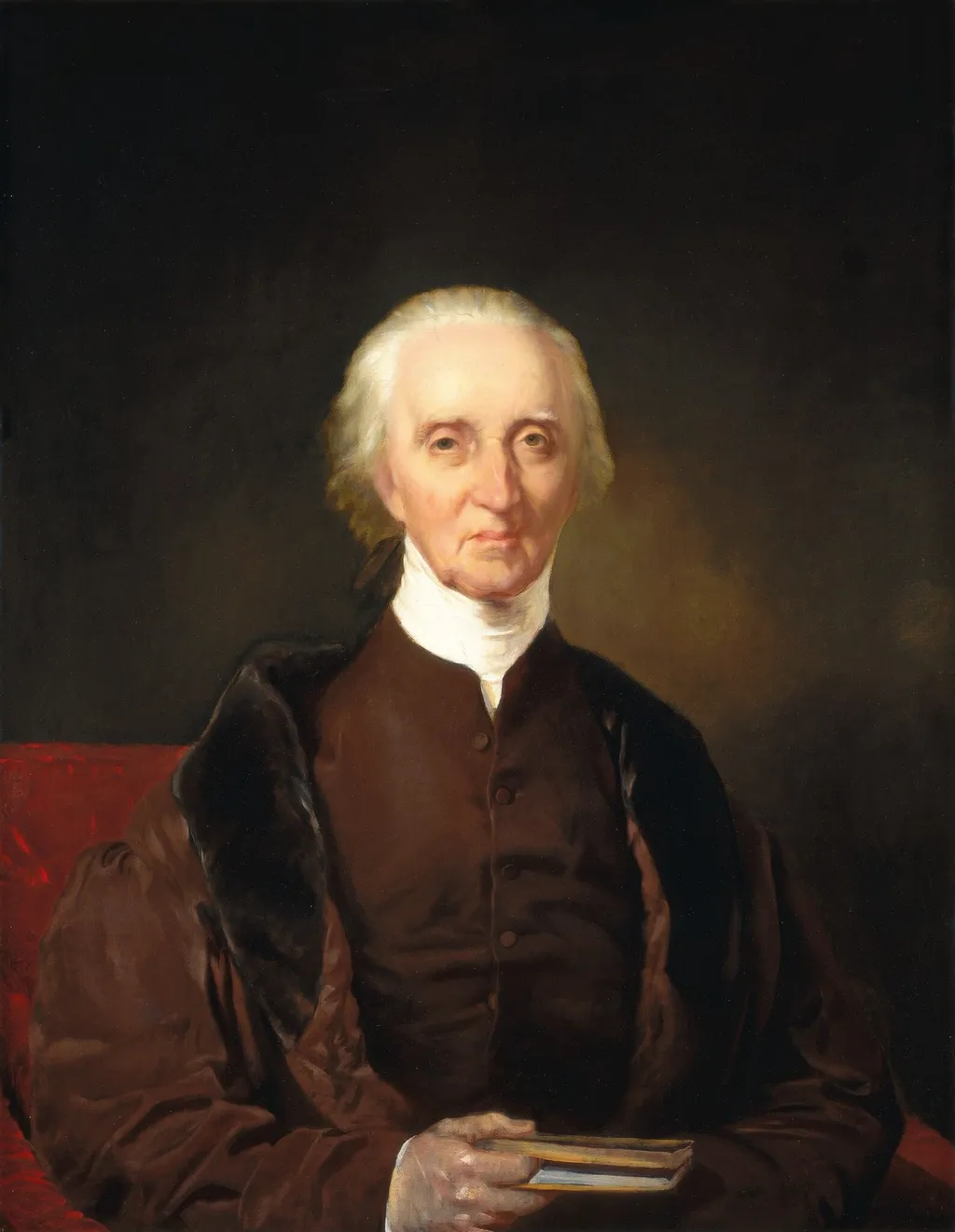
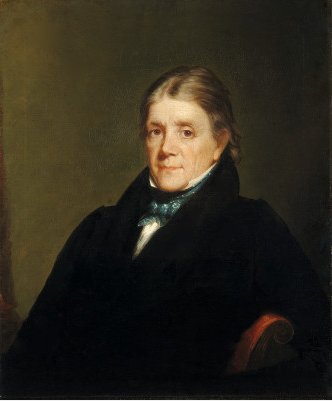
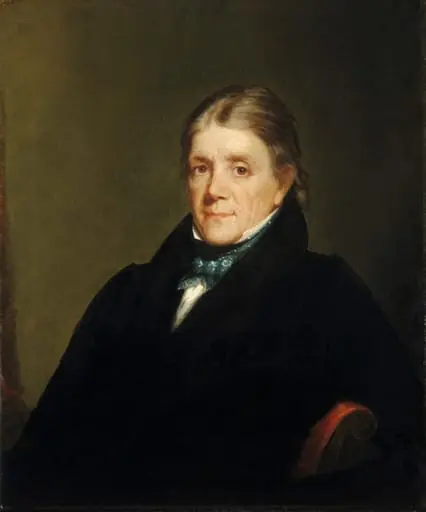
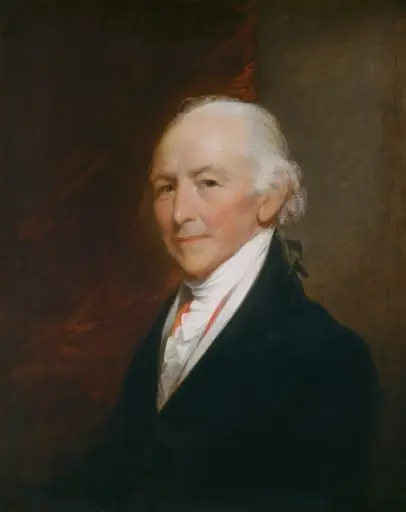
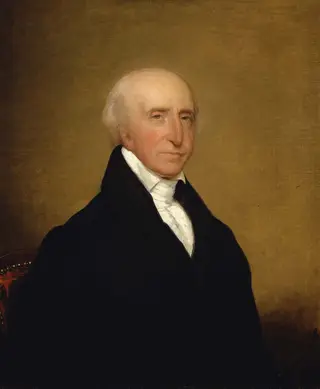
Charles Carroll of Carrollton is an oil painting by the Romanticist artist Chester Harding. It dates from 1828 and is held in the collection of the National Gallery of Art.
About this work
Technique & Style
No further technical details regarding underdrawing, paint handling, surface condition, or stylistic characterization are documented in the available records.
Chester Harding's 1828 portrait of Charles Carroll of Carrollton is executed in oil on canvas, a standard medium for formal portraiture of the early nineteenth century. The canvas support measures 90.2 cm in height by 70.2 cm in width, yielding a vertical format suited to a half-length or three-quarter-length seated composition typical of commemorative likenesses of prominent statesmen. The work is classified as a portrait painting and is held in the collection of the National Gallery of Art in Washington, D.C. No further technical details regarding underdrawing, paint handling, surface condition, or stylistic characterization are documented in the available records.
History & Provenance
Chester Harding executed this oil-on-canvas portrait of Charles Carroll of Carrollton in 1828. The painting's early ownership includes Mrs. Benjamin Rush Toland of Philadelphia, with records also indicating possession by a Mr. R.H.R. Toland at an unspecified time. By December 1928, the work had passed through the Ehrich Galleries in New York and the McClees Gallery in Philadelphia.
It was subsequently acquired by Alexander Dallas Thayer of Gwynedd Valley, Pennsylvania. In 1956, Thayer donated the portrait to the National Gallery of Art in Washington, D.C., where it remains part of the permanent collection.
The portrait of Charles Carroll of Carrollton by Chester Harding is part of the National Gallery of Art's collection in Washington, D.C. Its accession resulted from a 1956 gift from Alexander Dallas Thayer, who had acquired the work from the Ehrich Galleries and McClees Gallery in 1928. Earlier provenance records indicate ownership by Mrs. Benjamin Rush Toland of Philadelphia and an unidentified Mr. R.H.R. Toland, as noted in correspondence from 1962. The painting’s creation date of 1828 is documented in both the NGA curatorial files and Wikidata, which lists the work’s dimensions and current location.
Legacy
The portrait of Charles Carroll of Carrollton by Chester Harding, completed in 1828, entered the National Gallery of Art in Washington, D.C., through a 1956 gift, having previously passed through the Ehrich and McClees galleries and the ownership of Alexander Dallas Thayer. Its presence in a major national museum has ensured sustained scholarly attention, contributing to discussions of early American portraiture and the visual representation of Founding Fathers. The work is frequently referenced in studies of Harding’s technique and of the cultural legacy of 19th‑century political figures, reinforcing its reputation as a key example of early American elite portraiture.
Overview
Painted by Chester Harding in 1828, this oil on canvas portrait depicts Charles Carroll of Carrollton, the last surviving signer of the United States Declaration of Independence at the time of the sitting. The composition presents the elderly statesman seated in a simple wooden chair, his body angled slightly while his gaze meets the viewer directly. Harding renders Carroll in modest, dark attire characteristic of the early Republic, avoiding the elaborate regalia often seen in aristocratic portraiture of the era.
The artist employs a restrained palette and soft modeling to emphasize the sitter's weathered features and dignified demeanor, capturing the gravity of a man who had witnessed the founding of the nation. Executed when Carroll was in his nineties, the work serves as a crucial visual record of the final generation of American revolutionaries. It stands as a significant example of Harding's portraiture, reflecting his ability to convey character through direct observation rather than idealization.
The painting documents a pivotal historical figure during the twilight of his life, preserving the likeness of a man whose signature on the Declaration of Independence carried immense personal risk and historical weight.
Subject & Meaning
The painting features Charles Carroll of Carrollton, depicted seated and gazing directly forward. Carroll held historical importance as the last surviving signer of the Declaration of Independence, a document central to American independence. Harding's portrayal aims to convey the presence of this significant individual, presenting him in period attire that reflects his era and status.
Own this work as a print
Artist & collection