Artwork
Portrait of Grand Duchess Maria Fiodorovna
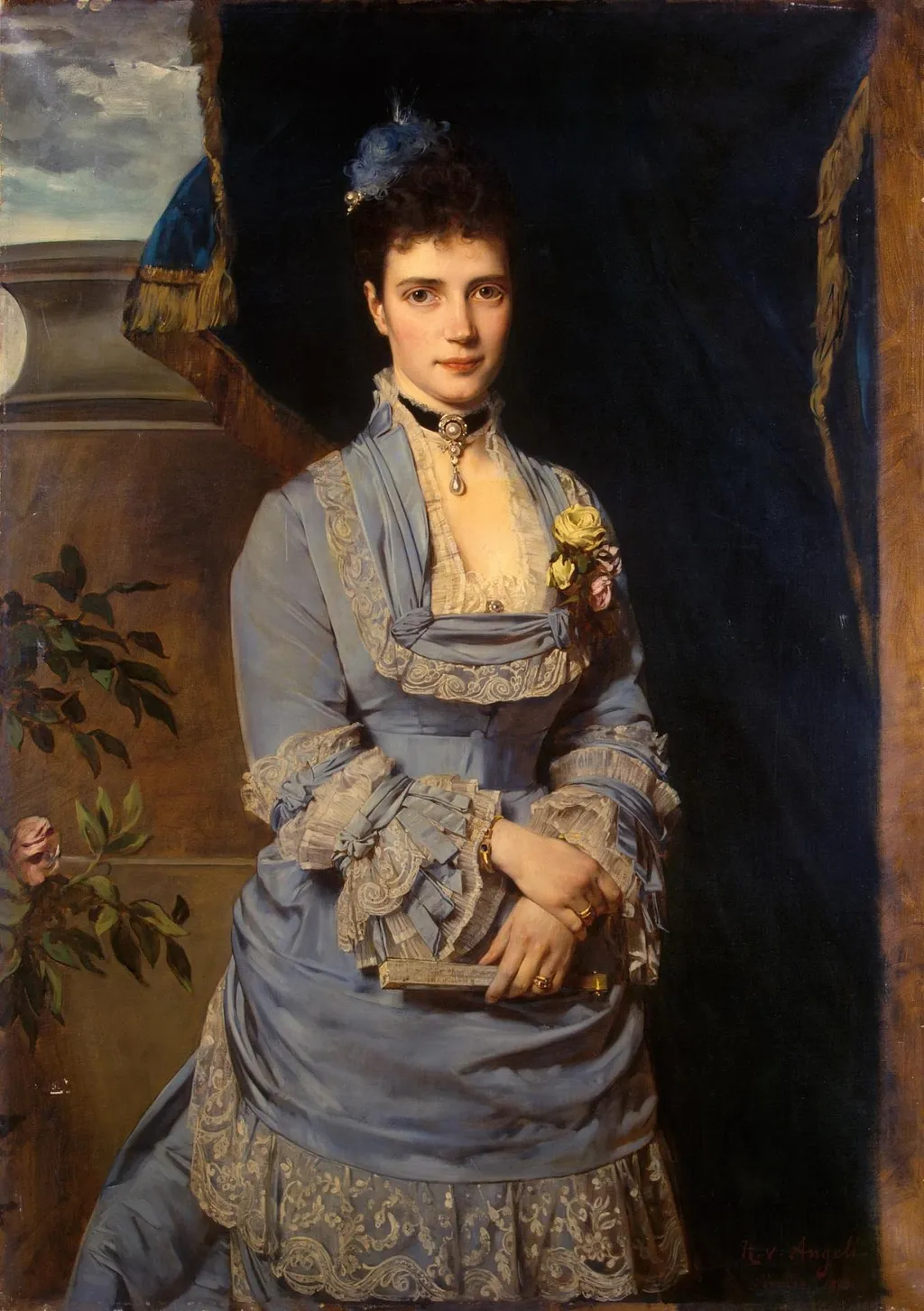
Portrait of Grand Duchess Maria Fiodorovna is an oil painting by the Realist artist Heinrich von Angeli. It dates from 1874 and is held in the collection of the Hermitage Museum.
About this work
Overview
Von Angeli, known for his polished depictions of European royalty, produced this work in Austria before it entered the Russian imperial collections.
Portrait of Grand Duchess Maria Fiodorovna is an oil-on-canvas painting by the Austrian artist Heinrich von Angeli, completed in 1874. Measuring 127.0 by 89.0 centimetres, the work depicts the Danish-born consort of the Russian heir apparent at three-quarter length, set against a dark curtain with a glimpse of sky and balustrade to the left. The painting is held in the collection of the State Hermitage Museum in St. Petersburg, where it remains an important example of 19th-century European court portraiture. Von Angeli, known for his polished depictions of European royalty, produced this work in Austria before it entered the Russian imperial collections.
Subject & Meaning
The sitter is Maria Feodorovna, born Princess Dagmar of Denmark, who became Grand Duchess of Russia upon her marriage to Tsarevich Alexander, the future Alexander III. The portrait presents her in the full regalia of her rank, wearing a pale blue silk dress with cream lace trim at the collar, cuffs, and hem, cinched with a blue sash at the chest. The iconography of royal status is carefully orchestrated: a small bouquet of yellow and pink roses pinned at her left shoulder, a black choker with pearl pendant, bracelet, and rings, and a blue feathered ornament in her elaborately piled dark hair. Her crossed hands hold a closed fan, a conventional attribute of aristocratic femininity and courtly refinement. The资
Technique & Style
Von Angeli executed the portrait in oil on canvas with the smooth, highly finished brushwork characteristic of academic court portraiture. The palette is dominated by blues, creams, and deep browns, with light falling evenly across the face and dress to model form through soft shadows. The artist paid particular attention to textural precision, rendering the lace trim, silk fabric, and feathered ornament with meticulous detail. This handling reflects the conventions of state portraiture in the later 19th century, where technical virtuosity served to reinforce the dignity and material splendour of royal subjects. The composition is balanced and formal, with the dark curtain background serving to isolate and elevate the figure, while the stone balustrade and cloudy sky to the left provide limited spatial depth. A signature in red at the lower right attests to the artist's customary practice.
History & Provenance
The painting was created in Austria in 1874, during a period when von Angeli was establishing his reputation as a portraitist to European royalty. The work entered the collection of the State Hermitage Museum in St. Petersburg, where it remains today. The Hermitage's acquisition reflects the institutional practice of the Russian imperial court in commissioning and collecting portraits that documented and legitimised the Romanov dynasty. The painting's presence in this major museum collection has ensured its preservation and continued visibility, though specific details of its commission, initial patronage, and exact accession date are not recorded in the available sources. No exhibition history is documented in the provided materials.
Legacy
The portrait's afterlife has been shaped primarily by its institutional home in the Hermitage Museum, one of the world's most visited collections, which ensures its continued exposure to international audiences. In the contemporary period, the image has circulated beyond the museum walls through commercial reproduction, including rolled canvas reproductions marketed as museum-quality replicas. These commercial afterlives, while lacking scholarly endorsement, indicate the painting's persistent cultural resonance as a representative image of 19th-century European royalty. The work remains a tangible connection to Maria Feodorovna, who later became Empress of Russia and survived the revolution that destroyed the dynasty she represented. The portrait thus functions as both an art historical document and a relic of a vanished political order, its preservation in the Hermitage ensuring its role in ongoing negotiations of Russian imperial memory.
Own this work as a print
Artist & collection

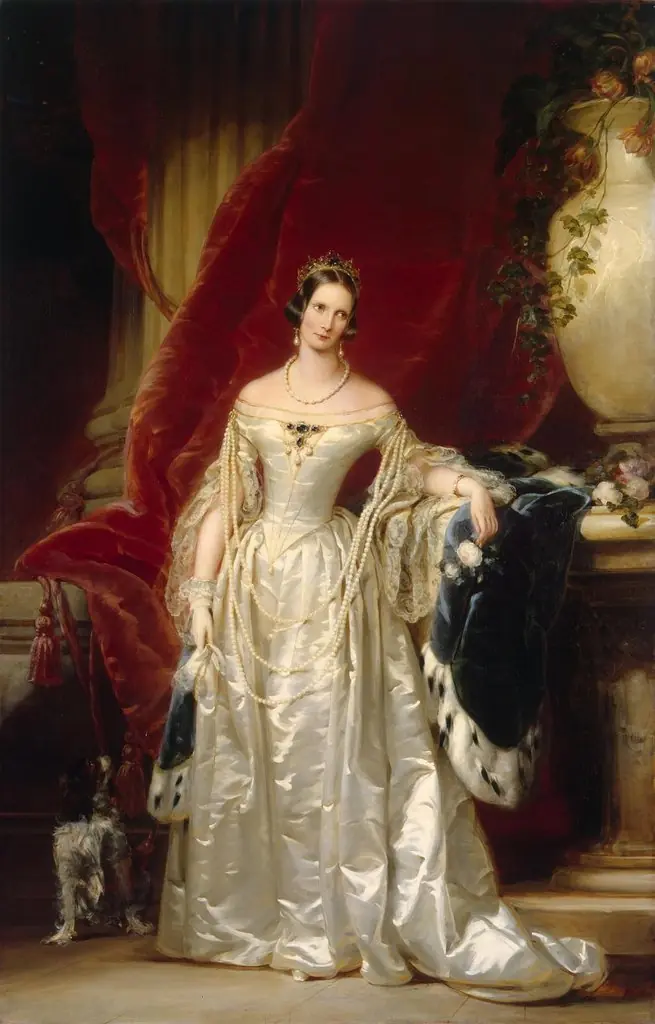 Portrait of Empress Alexandra Fyodorovna
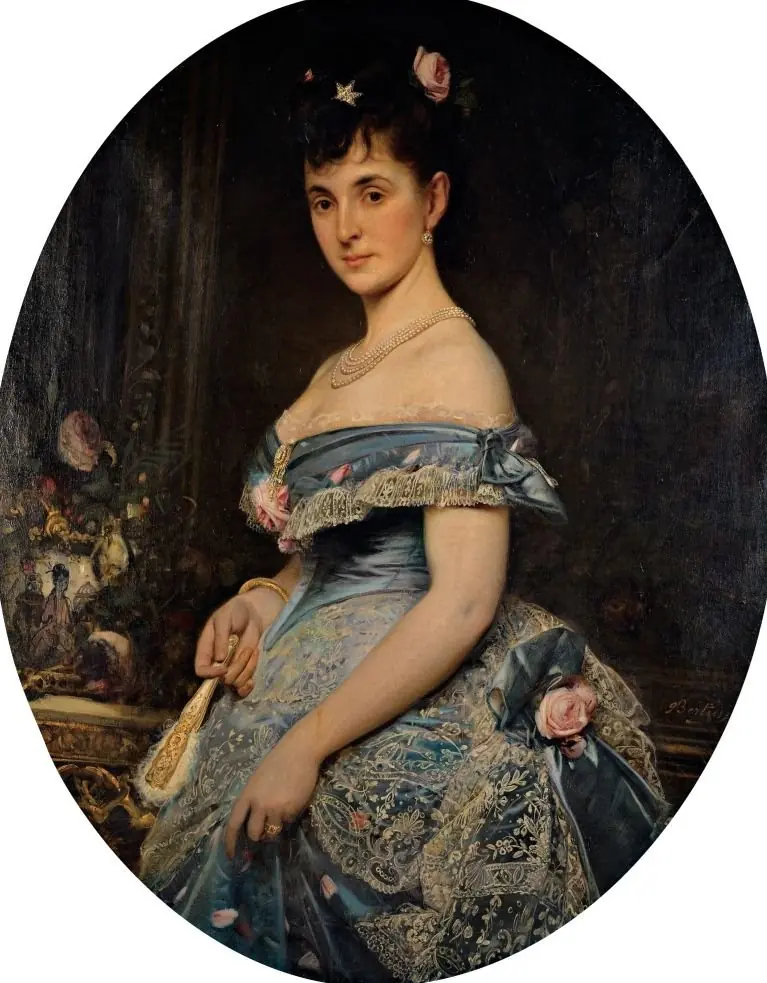 Portrait of Bice Sullam Pisa
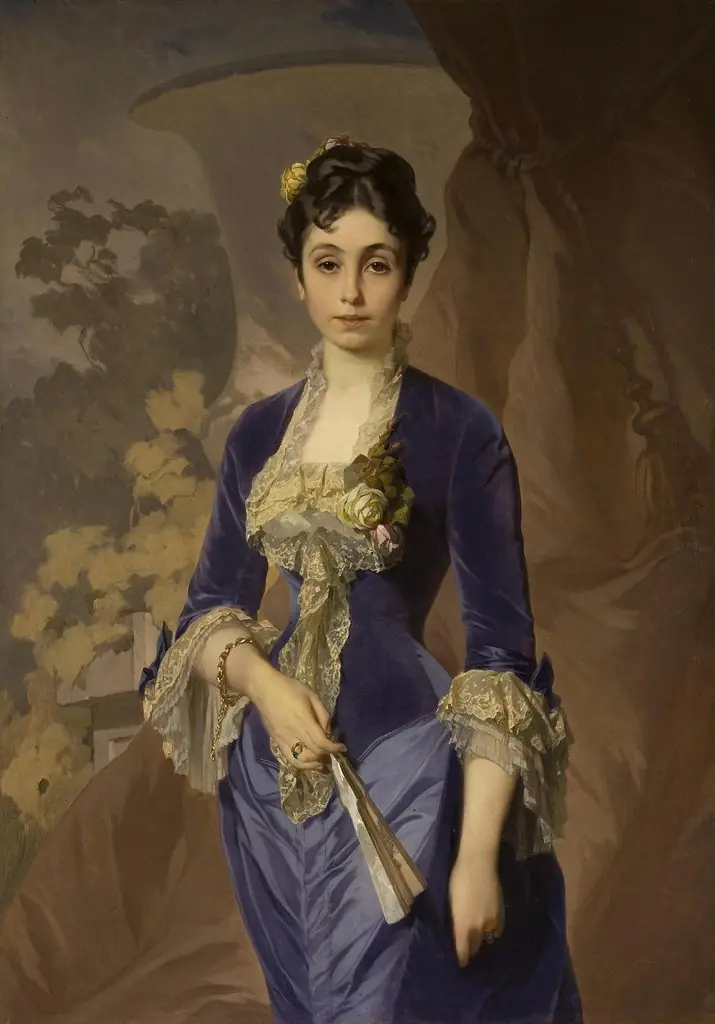 Portrait of Maria Rayevskaya
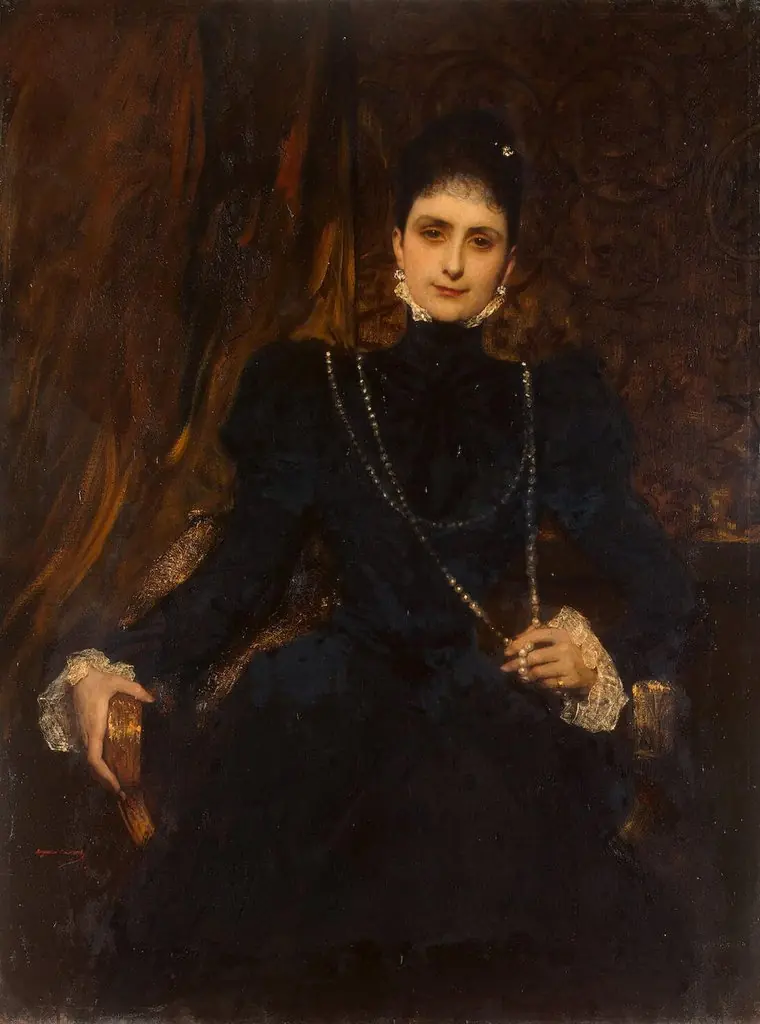 Portrait of Marina Derviz
![Portrait of Countess Marie Branicka de Bialacerkiew [née Princess Sapieha], by Franz Xaver Winterhalter](https://artifactworldgallery.com/img/franz-xaver-winterhalter--portrait-of-countess-marie-branicka-de-bialacerkiew-nee-prin--b90e3708579c979d-w320.webp) Portrait of Countess Marie Branicka de Bialacerkiew [née Princess Sapieha]
Portrait of Countess Marie Branicka de Bialacerkiew [née Princess Sapieha]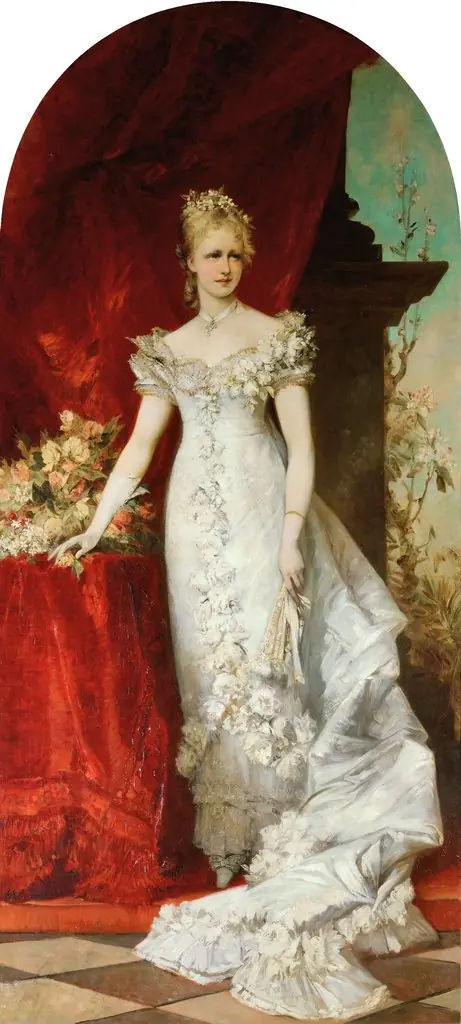 Kronprinzessin Stephanie (1864-1945) in einer Ballrobe aus hellem Satin
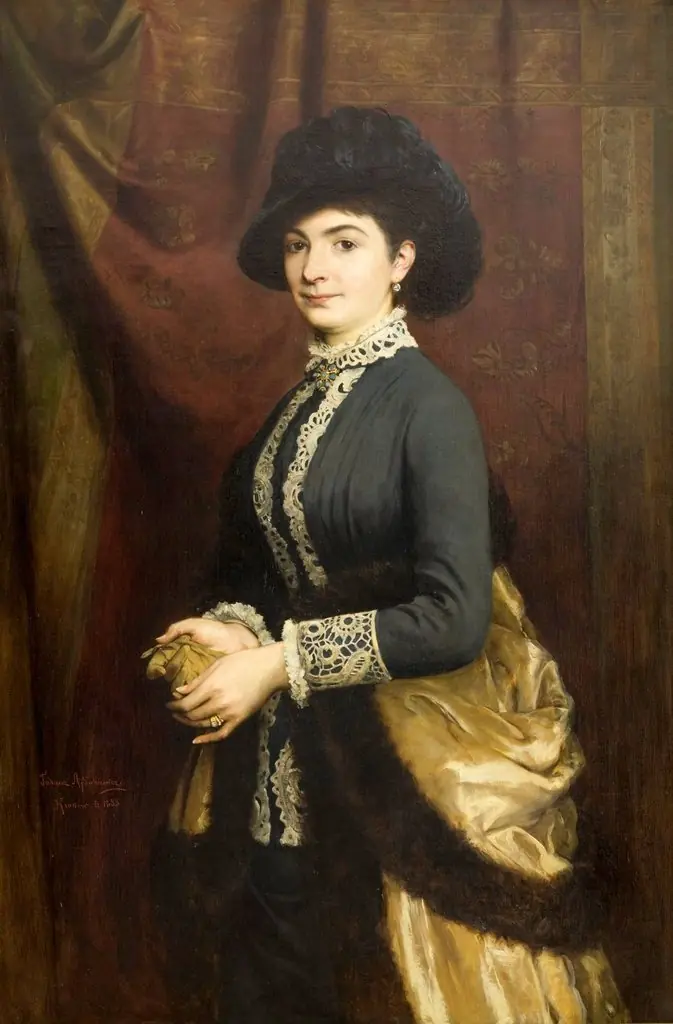 Portret Antoniny Hoffmanowej
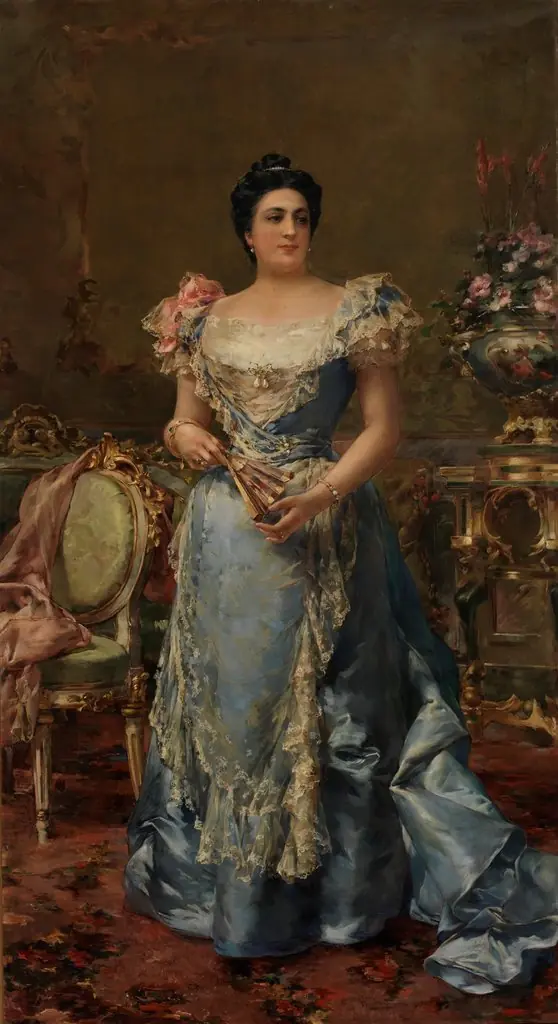 Faustina Peñalver y Fauste marquesa de Amboage
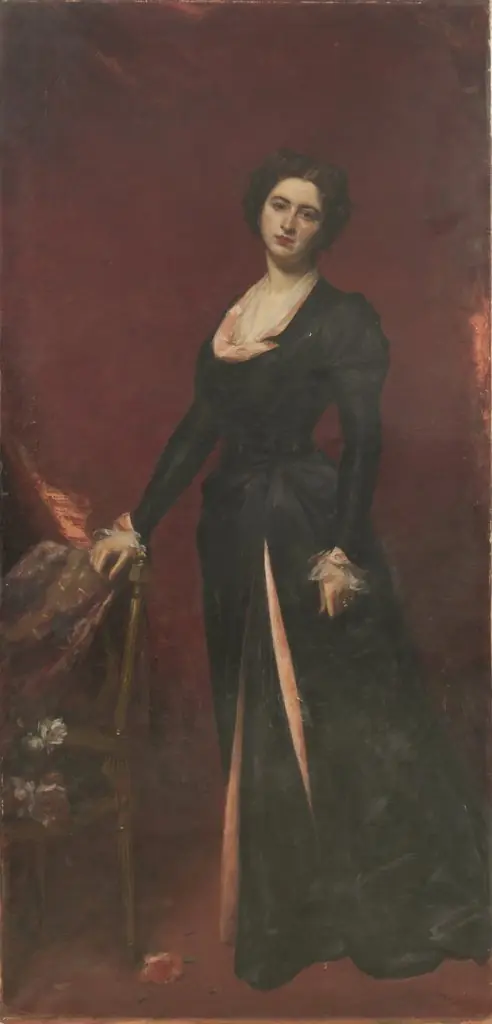 (Retrato de María del Carmen Reyna y Roballos de Fernández Blanco), Retrato de María Reyna de Fernández Blanco