Artwork
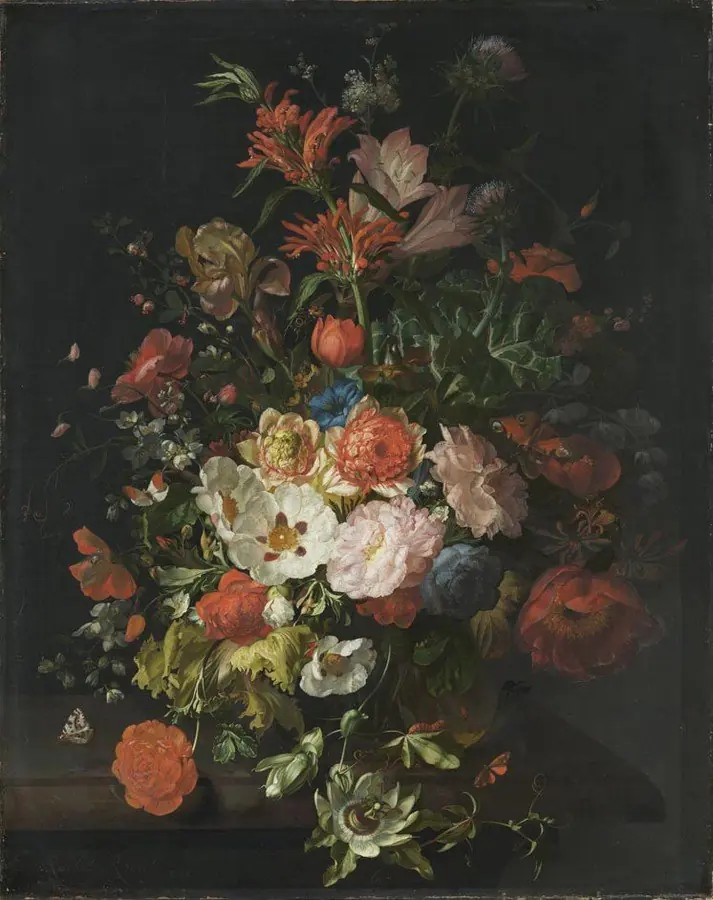
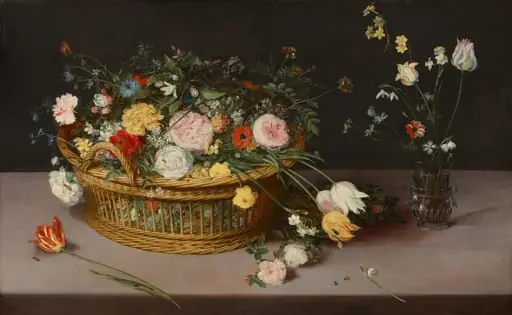
Flowers in a vase with a passion flower
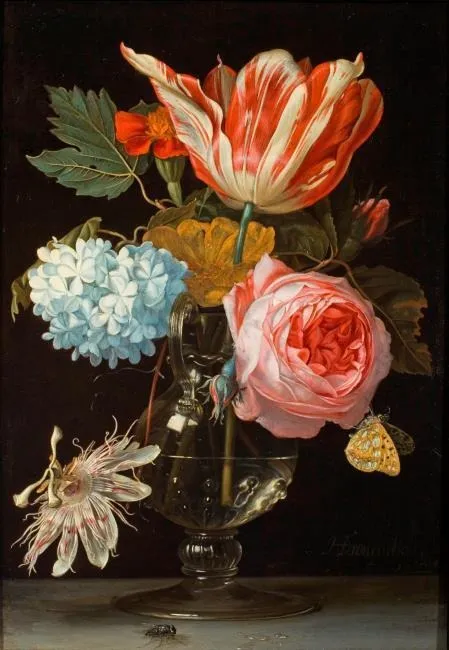
Flowers in a vase with a passion flower is an oil painting by the Dutch Golden Age artist Hendrick Fromantiou. It dates from 1668 and is held in the collection of the Museum of Fine Arts Boston.
About this work
Subject & Meaning
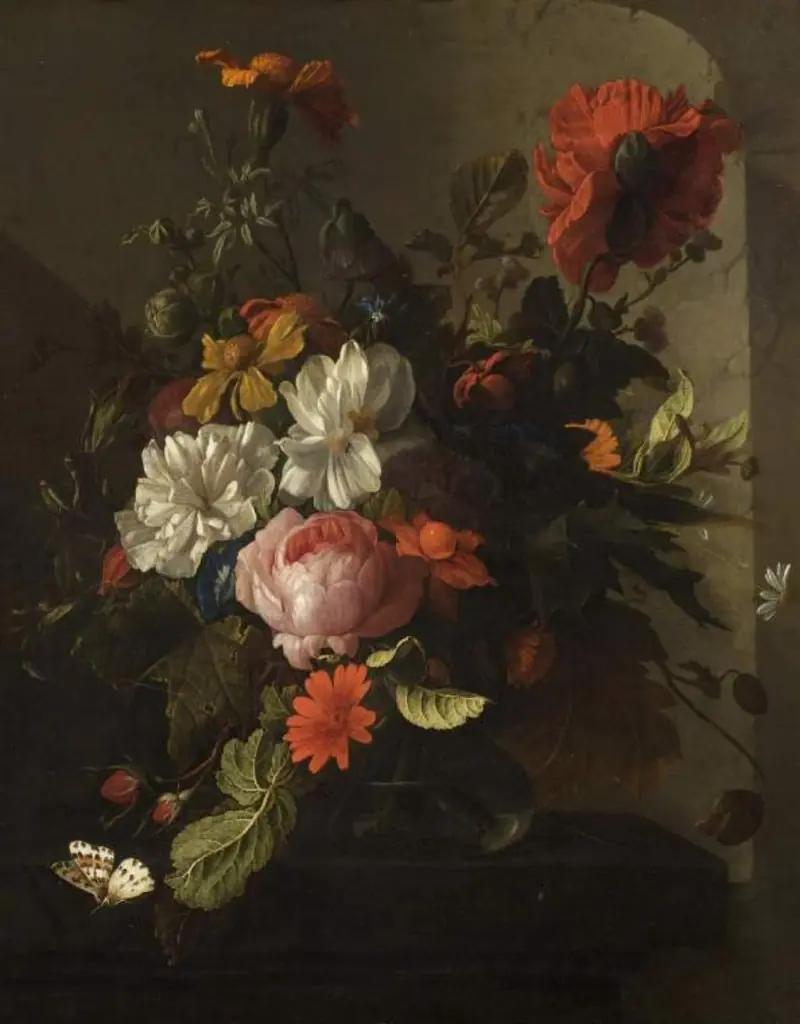
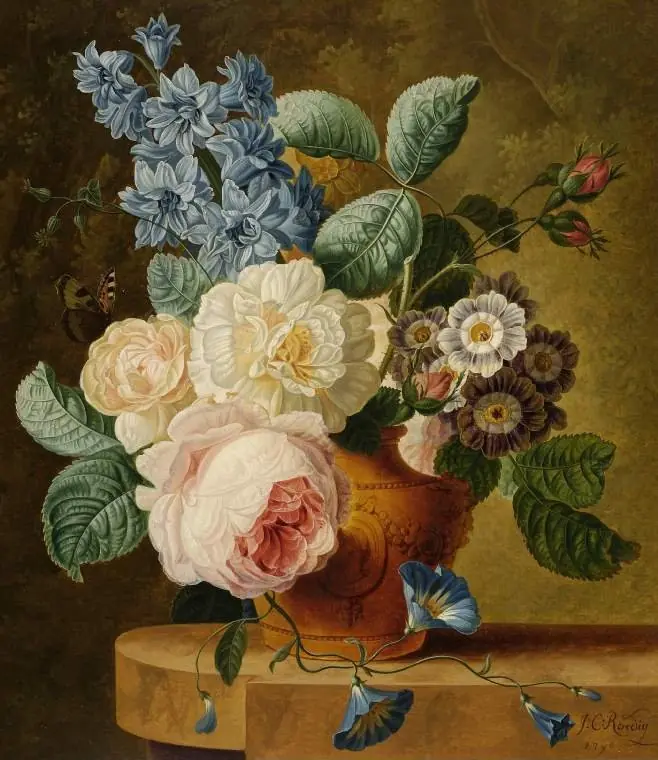
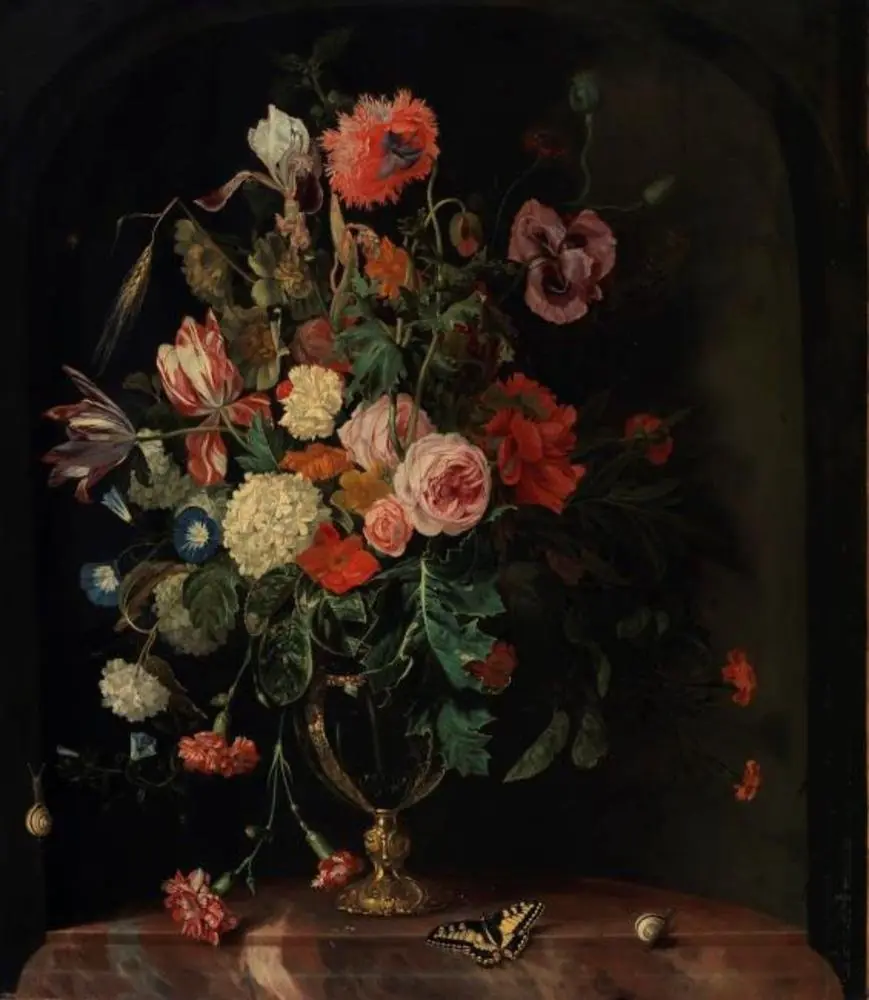
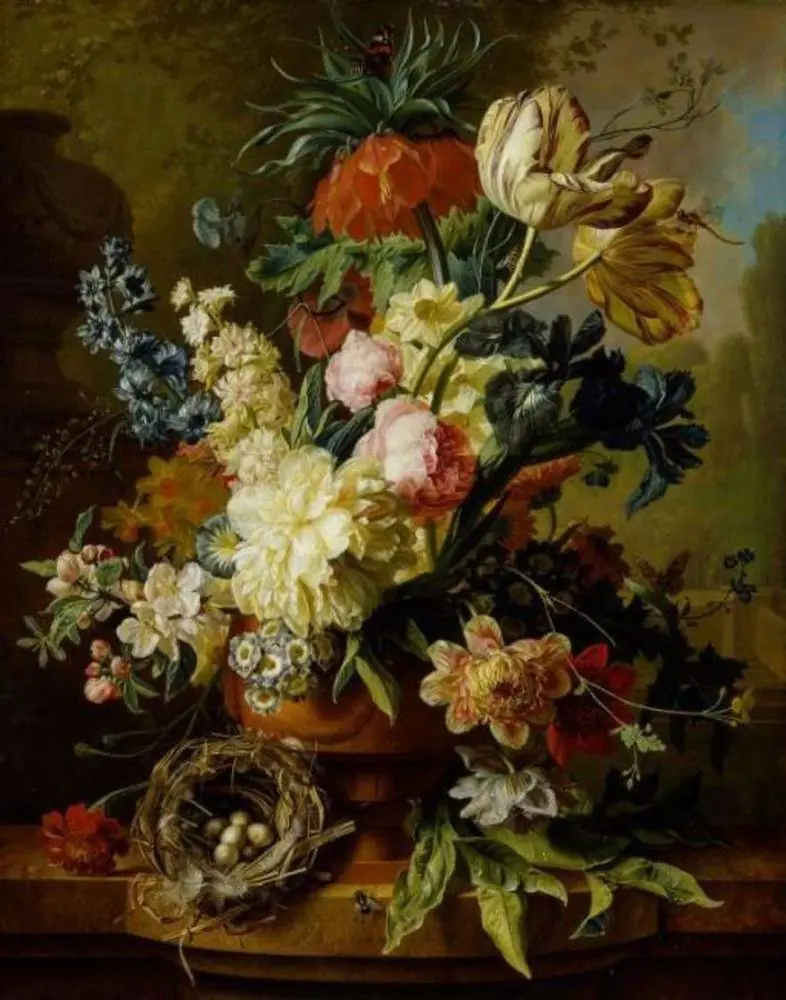
The painting shows a bouquet of tulips arranged in a vase alongside a single passion flower, a motif that carries both decorative and symbolic weight.
The painting shows a bouquet of tulips arranged in a vase alongside a single passion flower, a motif that carries both decorative and symbolic weight. In the seventeenth‑century Dutch still‑life tradition, tulips signified wealth and the fleeting nature of prosperity, while the passion flower was associated with the suffering of Christ and served as a reminder of mortality. Together these elements convey a meditation on transience and spiritual contemplation within an otherwise ornamental composition.
The work is part of the Susan and Matthew Weatherbie Collection at the Museum of Fine Arts, Boston.
Technique & Style
The work is executed in oil paint on a copper support, characteristic of Dutch still-life painting in the mid-17th century. The composition features a bouquet of tulips arranged in a vase alongside a passion flower, rendered with fine brushwork that emphasizes the delicate textures of petals and foliage. The painting measures 27 cm in height and 19 cm in width, reflecting the modest scale common among genre scenes of the period.
History & Provenance
The painting was created in 1668 by Hendrick Fromantiou. It is executed in oil on copper and depicts a still life featuring a tulip, a vase, and a passion flower. The work entered the collection of Susan and Matthew Weatherbie and remains in that collection at the Museum of Fine Arts Boston.
Context
Hendrick Fromantiou's Flowers in a vase with a passion flower (1668) exemplifies the meticulous still life painting tradition prominent in 17th-century Dutch and Flemish art. The work features a composed arrangement of tulips and a passion flower (Passiflora andina) within a vase, showcasing the artist's skill in rendering delicate botanical details on copper support. Its inclusion in the Susan and Matthew Weatherbie Collection at the Museum of Fine Arts Boston underscores its significance within the canonical body of Dutch still life painting.
Legacy
The painting has been cited as an early example of Dutch still-life composition influencing later European floral works, particularly through its integration of exotic botanical subjects such as the passion flower. Its inclusion in the Susan and Matthew Weatherbie Collection at the Museum of Fine Arts Boston has reinforced scholarly attention to Fromantiou’s role in transitional still-life development, where scientific observation meets decorative tradition. The work’s technical use of oil on copper and precise rendering of both familiar and tropical flora has informed studies on material innovation in 17th-century Dutch art, contributing to broader reassessments of cross-cultural exchange in European painting.
Overview
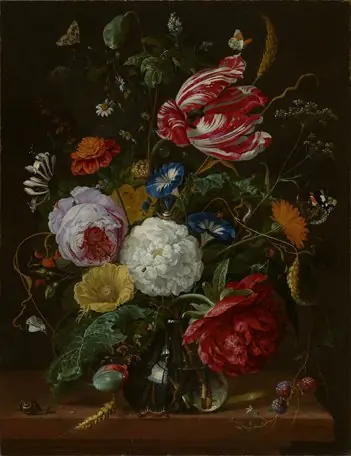
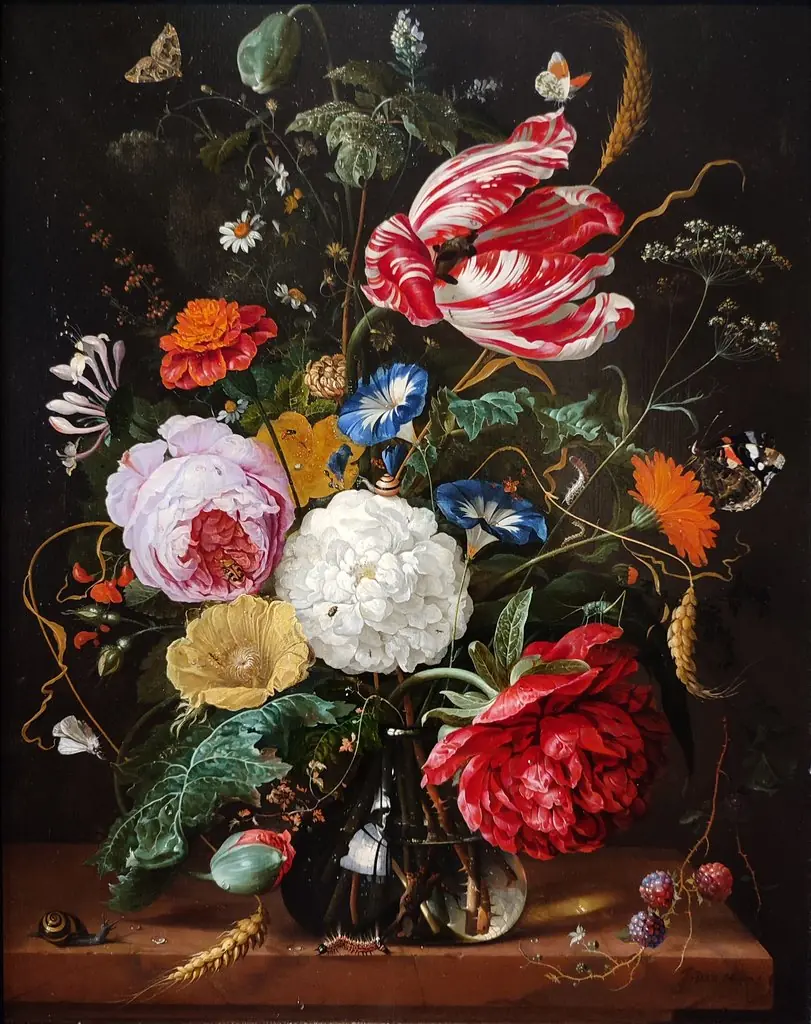
Created in 1668 by Dutch still‑life painter Hendrick Fromantiou, this copper panel presents a compact arrangement of flowers in a clear glass vase. The composition is set against a deep black background, allowing the pink rose, striped tulip, blue‑toned blooms and a dangling passion flower to dominate the visual field. The work is part of the collection of the Museum of Fine Arts, Boston.
Artist & collection

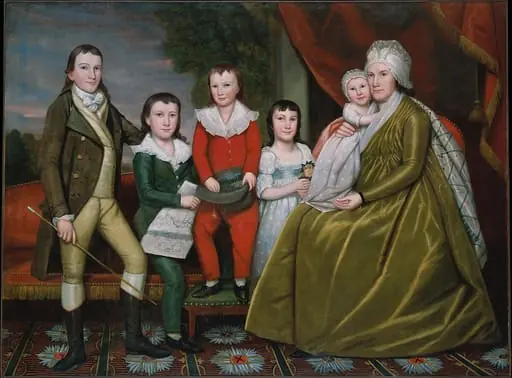 Mrs. Noah Smith and Her Children
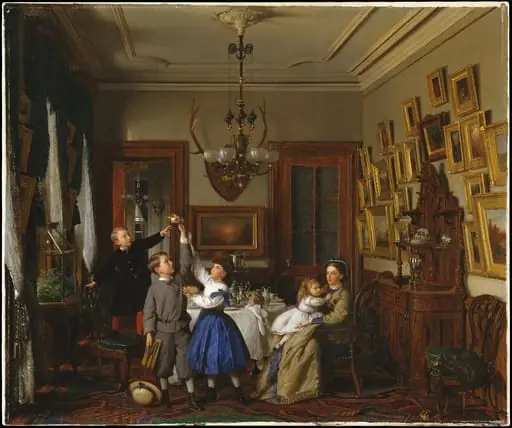 The Contest for the Bouquet: The Family of Robert Gordon in Their New York Dining-Room
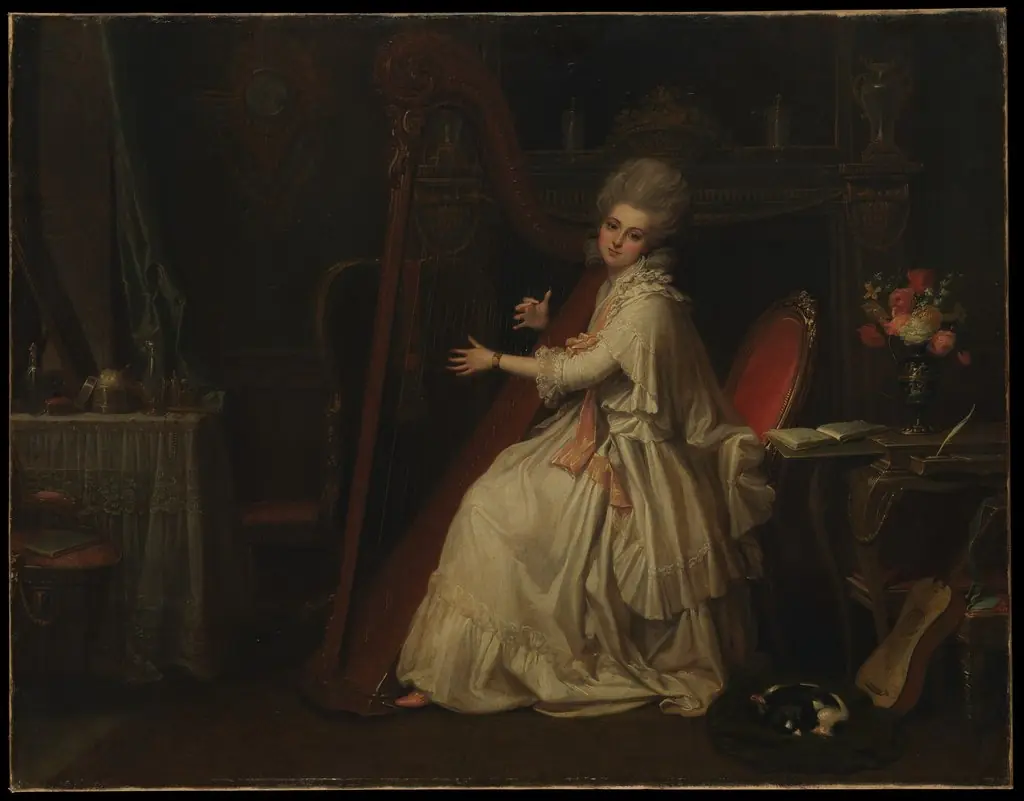 Portrait of Marianne Dorothy Harland (1759–1785), Later Mrs. William Dalrymple
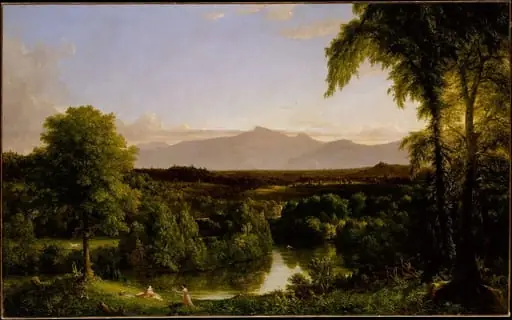 View on the Catskill—Early Autumn
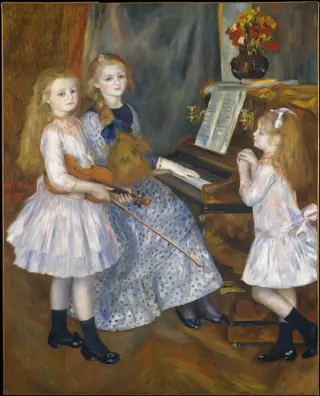 The Daughters of Catulle Mendès
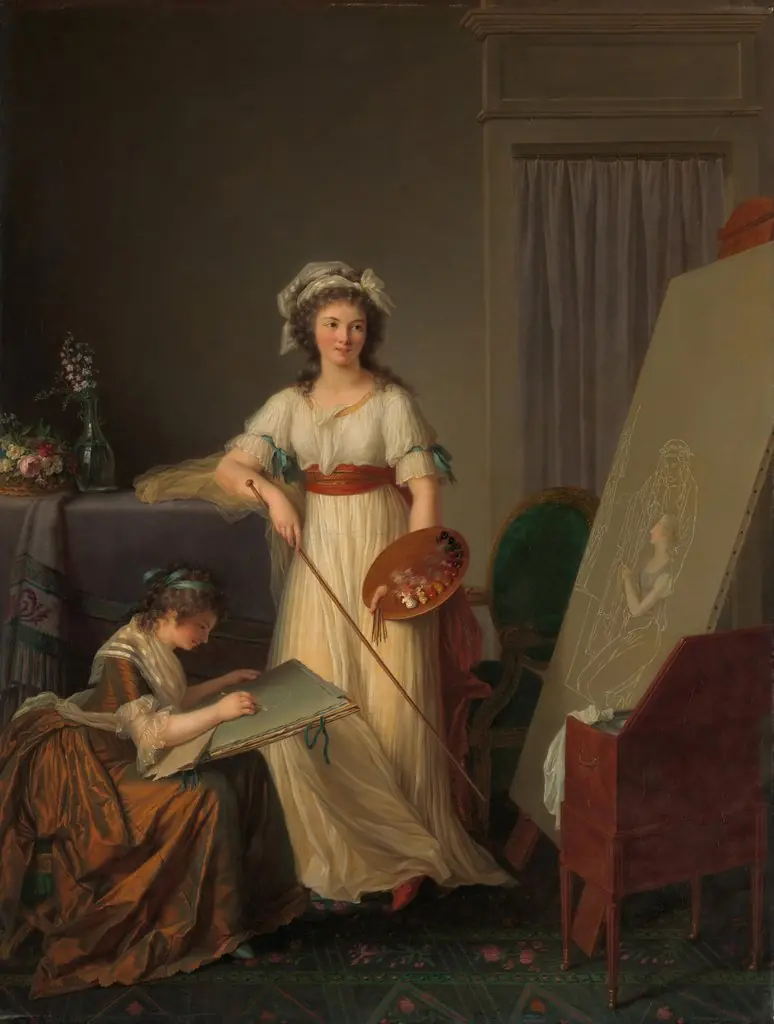 The Interior of an Atelier of a Woman Painter
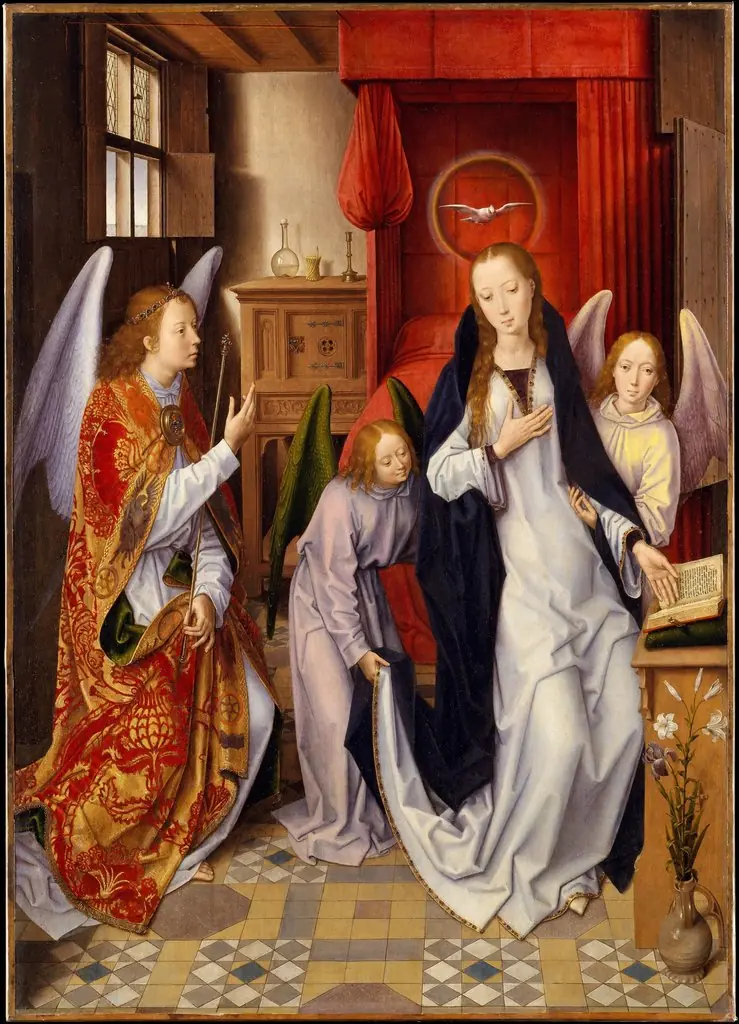 Annunciation
 Flowers in a Basket and a Vase