Artwork
Christ Crowned with Thorns
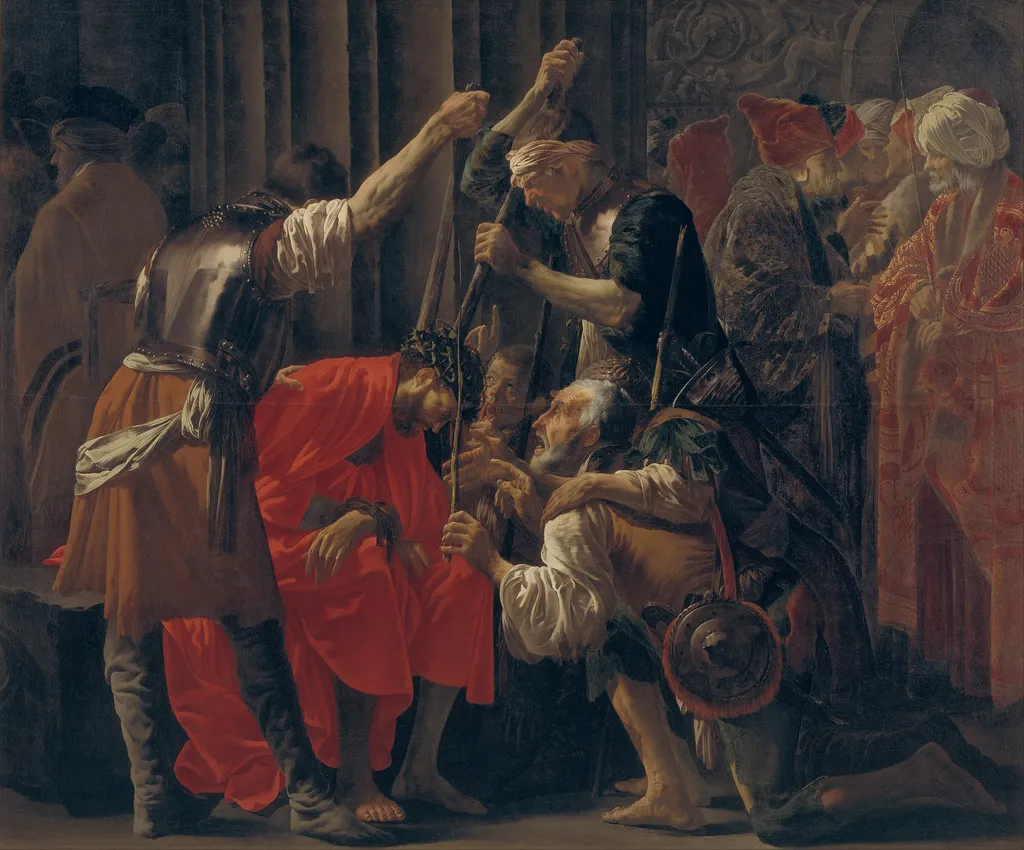
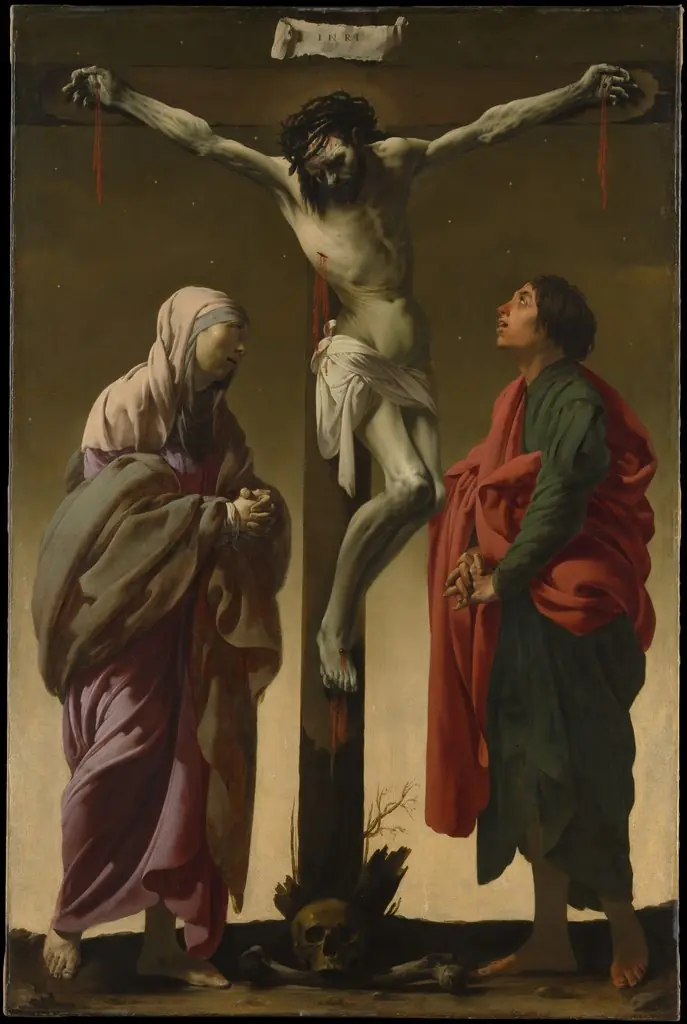
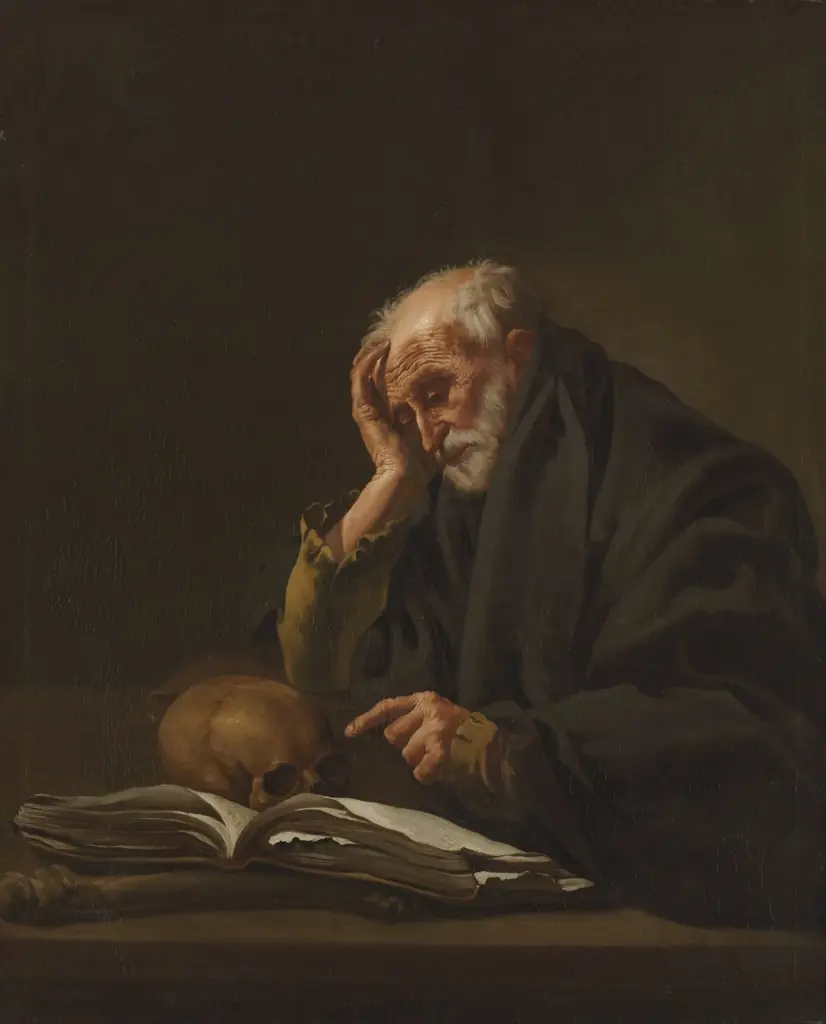
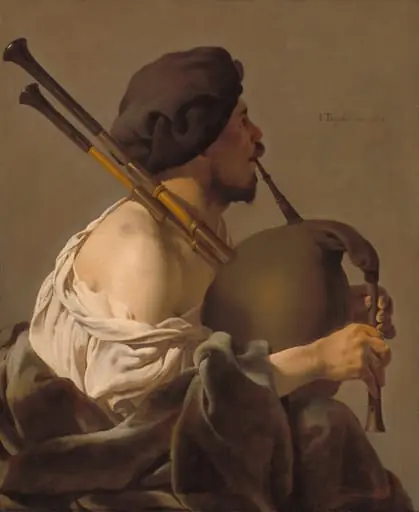
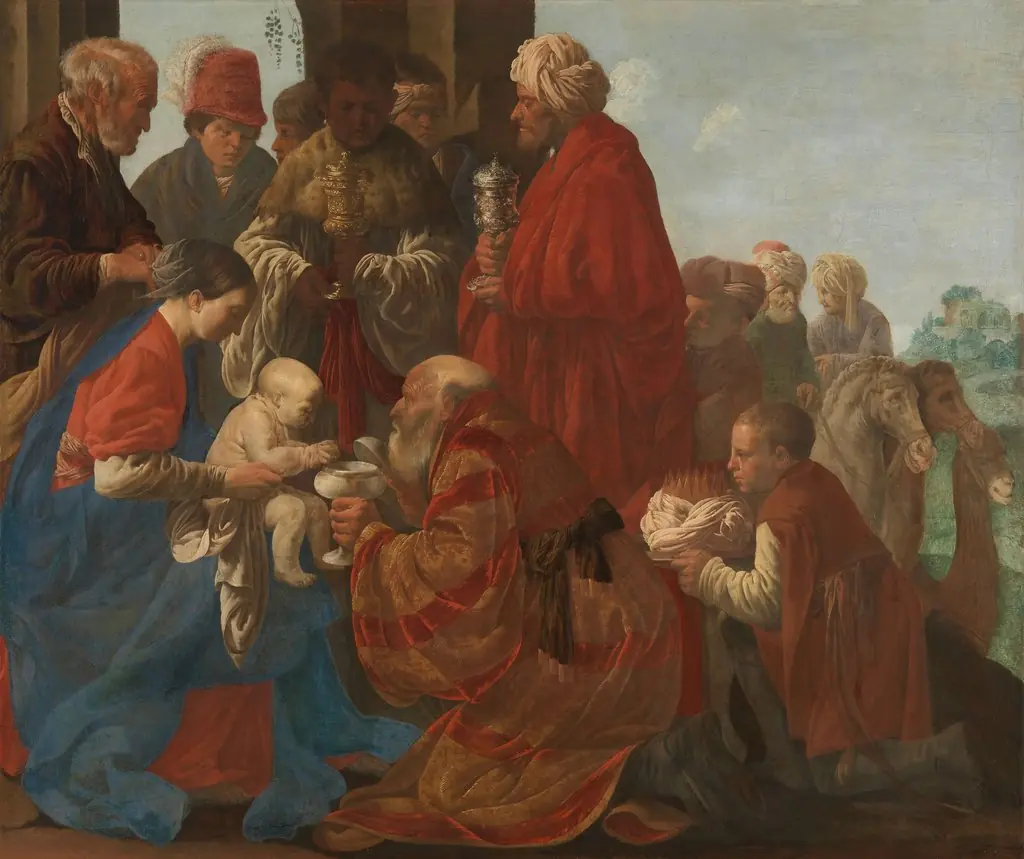
Christ Crowned with Thorns is an oil painting by the Caravaggisti artist Hendrick ter Brugghen. It dates from 1620 and is held in the collection of the Statens Museum for Kunst.
About this work
Subject & Meaning
Ter Brugghen merges two traditionally separate moments, the crowning and the mockery, into a single composition.
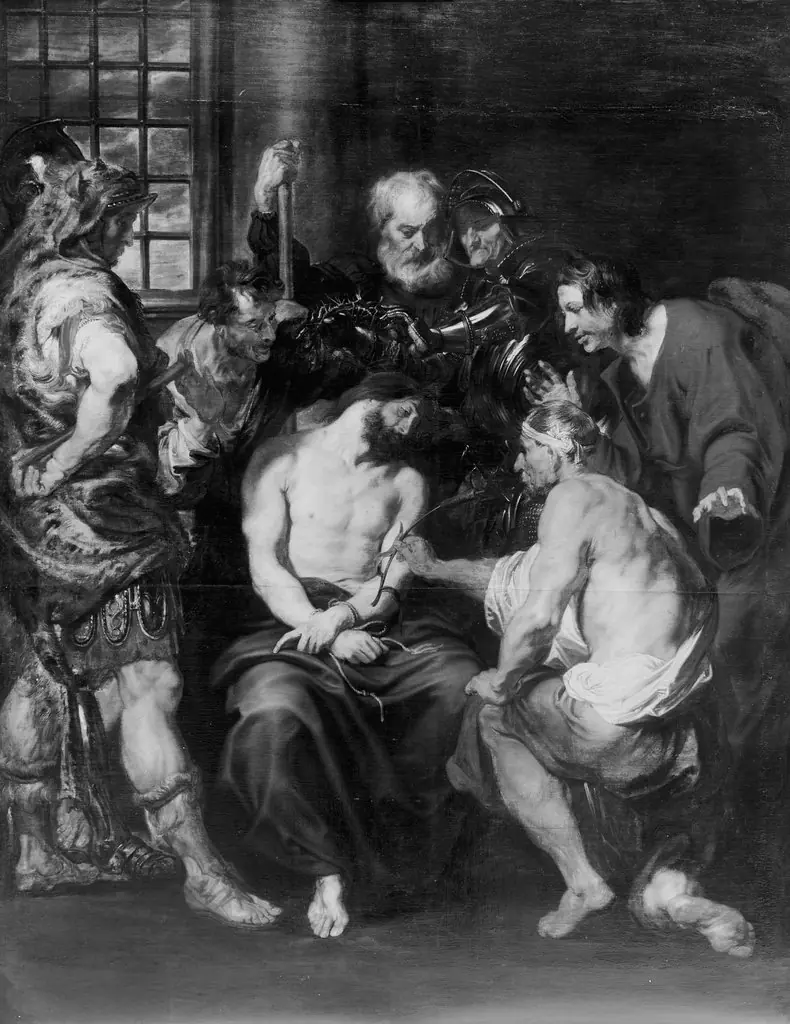
The painting depicts the Crowning with Thorns, a key episode of the Passion of Christ. Jesus sits on a stone block wearing the scarlet robe forced upon him after the flagellation, while two standing tormentors press the thorny crown onto his head with staves, drawing heavy blood. A kneeling old tormentor offers him a reed as a mock scepter, and a mocking youth makes a vulgar grimace. Ter Brugghen merges two traditionally separate moments, the crowning and the mockery, into a single composition.
In the background, two foregrounded bystanders face each other: a richly dressed, turbaned man holding a staff, likely Pontius Pilate, and an older figure, probably Caiaphas, in a silent exchange about the necessity of crucifixion. A fluted column and a classical bas-relief frame the scene.
For Dutch Catholics, such scenes of Christ's torment functioned as an allegory of their own persecution after the Reformation, when Protestant iconoclasts stripped churches of sacred images. The subject's recurrence in clandestine Catholic worship spaces (schuilkerken) gave the image a contemporary resonance as a "second Passion" inflicted on sacred imagery itself.
Technique & Style
The painting is executed in oil on canvas, a medium typical of Hendrick ter Brugghen’s Utrecht production of the 1620s. Its handling is marked by a Caravaggisti naturalism: the tormentors’ torn garments, calloused bare feet, and rotting teeth are rendered with close attention to tactile detail, while the chiaroscuro modeling of figures against a shadowed ground underscores the scene’s brutal immediacy. Compositionally, the work merges two distinct moments, Christ’s crowning with thorns and his mocking presentation, into a single, tightly focused tableau.
The scarlet cloak worn by Jesus serves as a concentrated coloristic pivot, drawing the eye amid the surrounding earth-toned palette. In the background, a fluted column and classical bas-relief introduce a restrained architectural setting that frames the violent foreground action without distracting from it.
History & Provenance
Christ Crowned with Thorns is signed and dated 1620 by Hendrick ter Brugghen, but its early provenance remains undocumented. Scholars propose it was likely commissioned for a clandestine Dutch Catholic church (schuilkerk), given its large dimensions and religious subject, which align for a public devotional setting rather than private use.
The painting entered the Danish royal collection in 1755 during the reign of Frederik V, and in 1896 it was transferred to the royal painting collection in Copenhagen, later becoming part of the Statens Museum for Kunst, where it remains.
Hendrick ter Brugghen's Christ Crowned with Thorns is held in the collection of the Statens Museum for Kunst in Copenhagen, where it has been since its acquisition in 1755 by King Frederick V of Denmark. The painting, accessioned as part of the Royal Collection of Paintings (Den Kongelige Malerisamling), was subsequently incorporated into the Statens Museum for Kunst. It was documented in Denmark by 1755 and remains on display in its current location.
The work was acquired by the Danish royal court in 1755 and later transferred to the National Gallery of Denmark, where it is listed under the inventory of the collection. Exhibition history includes its presence in the Statens Museum for Kunst, with records of its display in the museum's galleries, though specific exhibition titles are not detailed in the sources. The painting is also featured in the museum's online collection and has been referenced in scholarly publications and digital archives, including those of the museum and external platforms like Google Arts & Culture.
Context
Scholars posit that this 1620 canvas was likely commissioned for a Dutch Catholic clandestine church (schuilkerk), serving as an allegory for the community's persecution amidst Protestant iconoclasm. Although Ter Brugghen was presumably Protestant, the work's large scale and subject matter align with the demand for sacred art in private worship spaces where Catholic rites were tolerated but restricted. Art historically, the painting is significant as one of only two dated works by the artist, alongside The Calling of Saint Matthew (1621).
The composition synthesizes distinct moments of the Passion, merging the Crowning with Thorns and the Mocking of Christ into a single scene. Stylistically, the work demonstrates Ter Brugghen's deep engagement with Caravaggio, evident in the naturalistic depiction of the tormentors' contemporary clothing, physical defects, and the use of chiaroscuro. Simultaneously, the piece reflects Northern European influences, drawing upon graphic traditions established by Albrecht Dürer and Lucas van Leyden.
Overview
Hendrick ter Brugghen’s oil painting Christ Crowned with Thorns was executed in 1620. The work belongs to the Utrecht branch of the Caravaggisti, a group of Dutch artists who embraced the stark chiaroscuro and naturalism pioneered by Caravaggio. The canvas is now part of the permanent collection of Denmark’s Statens Museum for Kunst.
Own this work as a print
Artist & collection
Artist
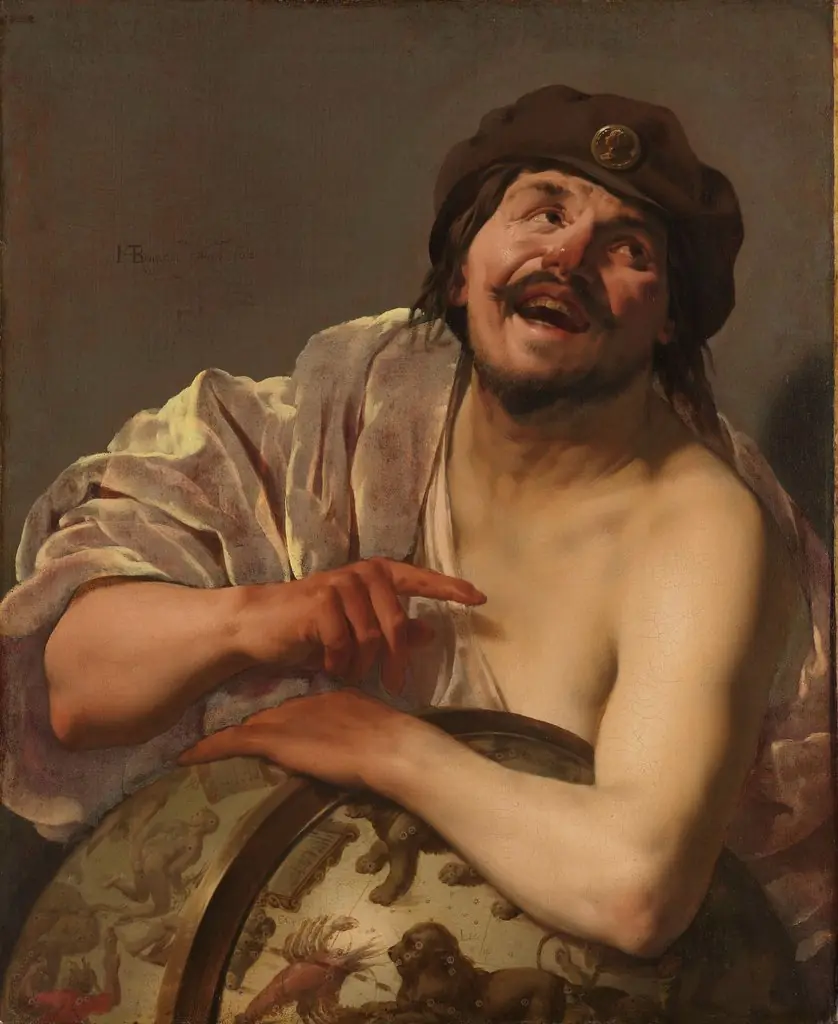
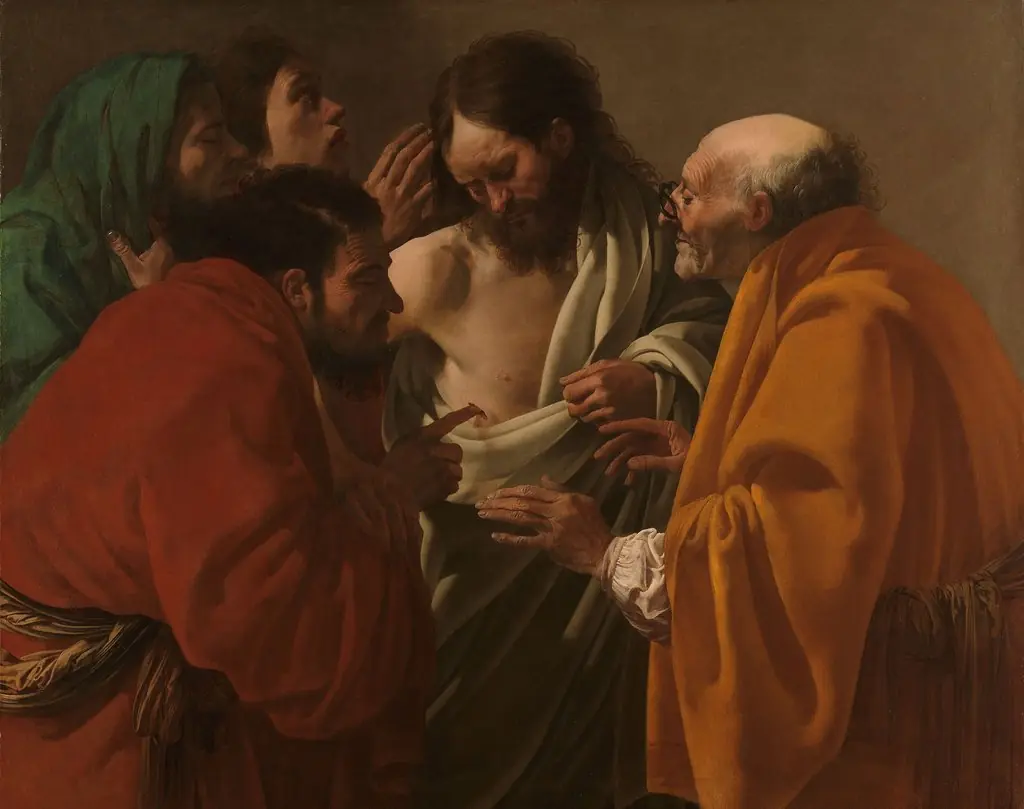
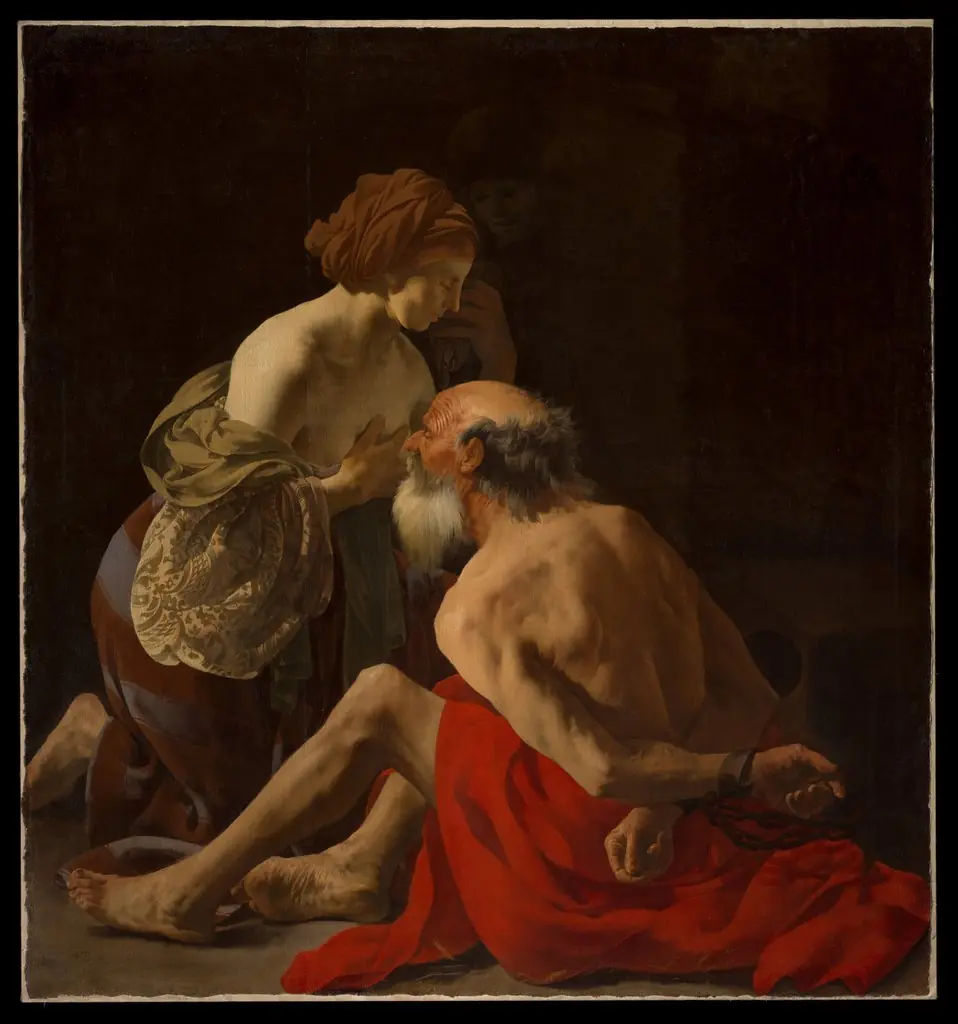
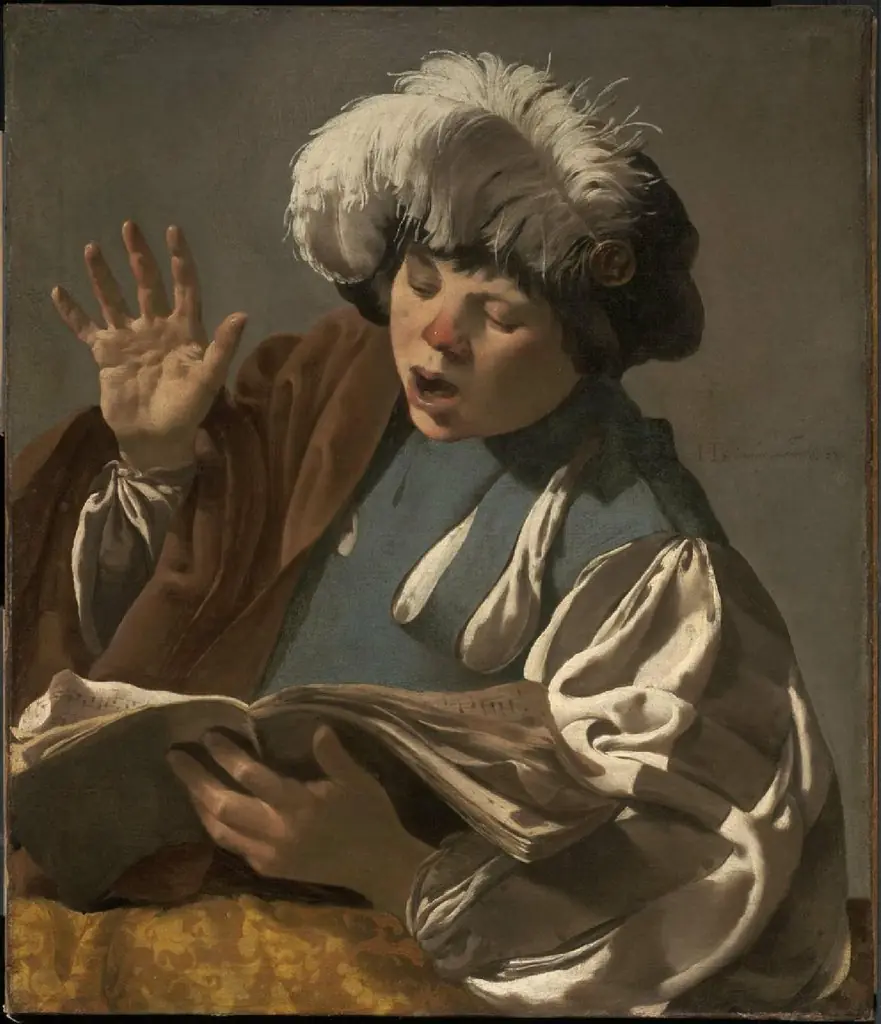
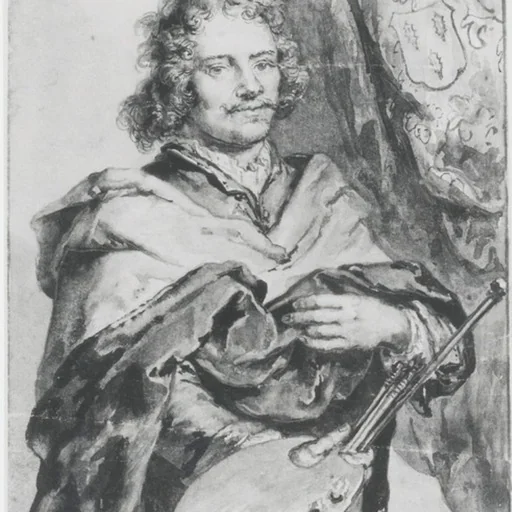
Hendrick Jansz ter Brugghen (or Terbrugghen; 1588 – 1 November 1629) was a Dutch painter of genre scenes and religious subjects.