Artwork
Still Life with Aubergines
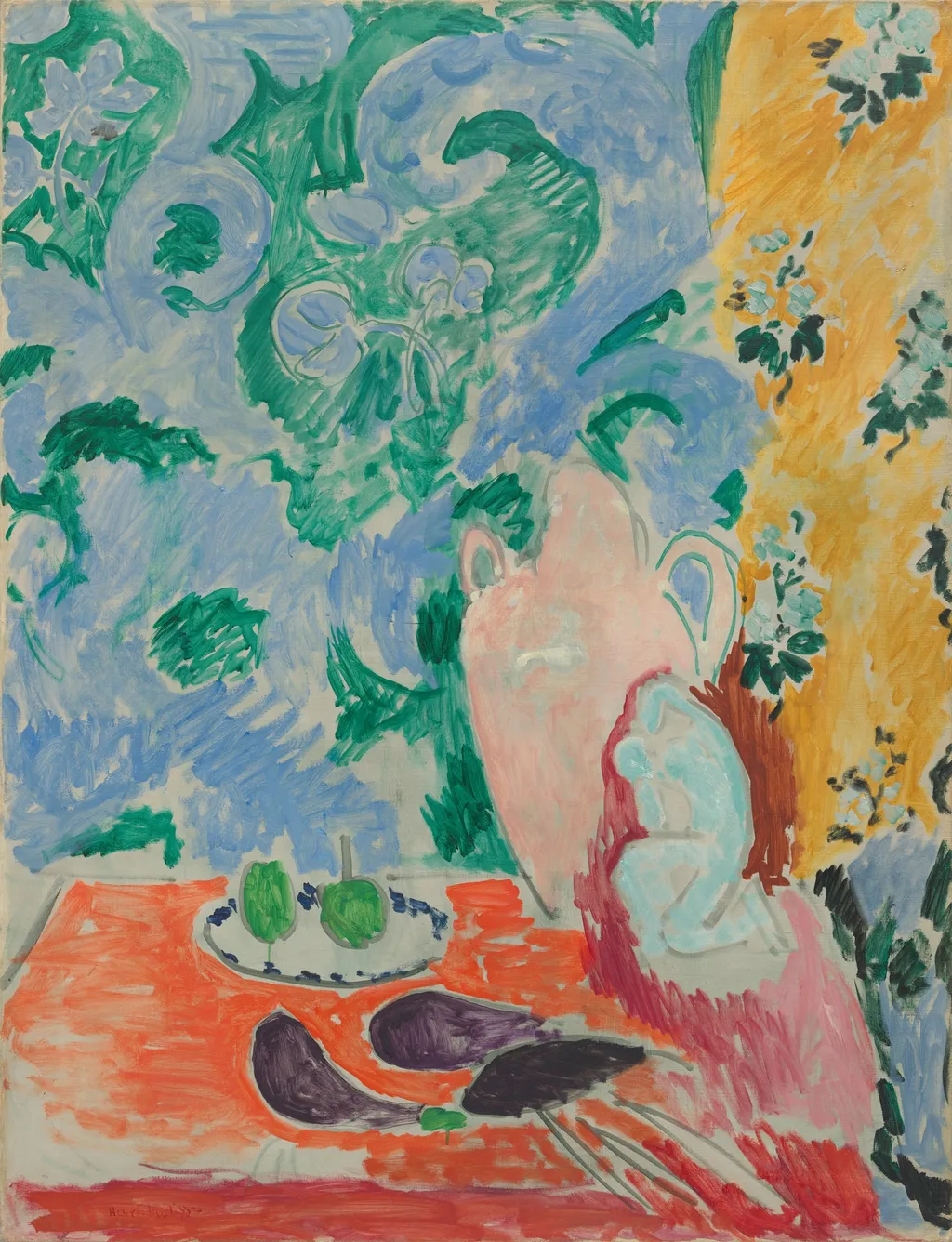
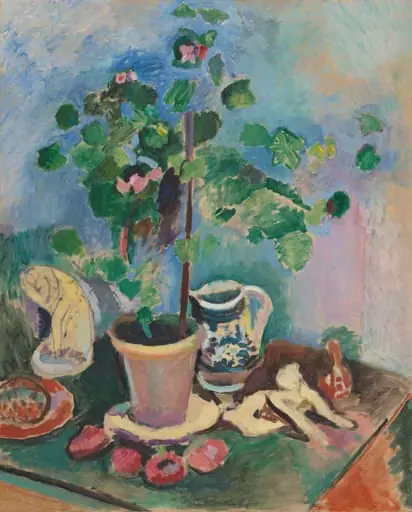
Still Life with Aubergines is an oil painting by the Fauvist artist Henri Matisse. It dates from 1911 and is held in the collection of the Museum of Modern Art.
About this work
Overview
Henri Matisse created Still Life with Aubergines in 1911, employing oil on canvas. The work belongs to his early Fauvist period, a phase marked by a departure from naturalistic color in favor of expressive, often unblended hues. The painting is part of the permanent collection of the Museum of Modern Art.
Subject & Meaning
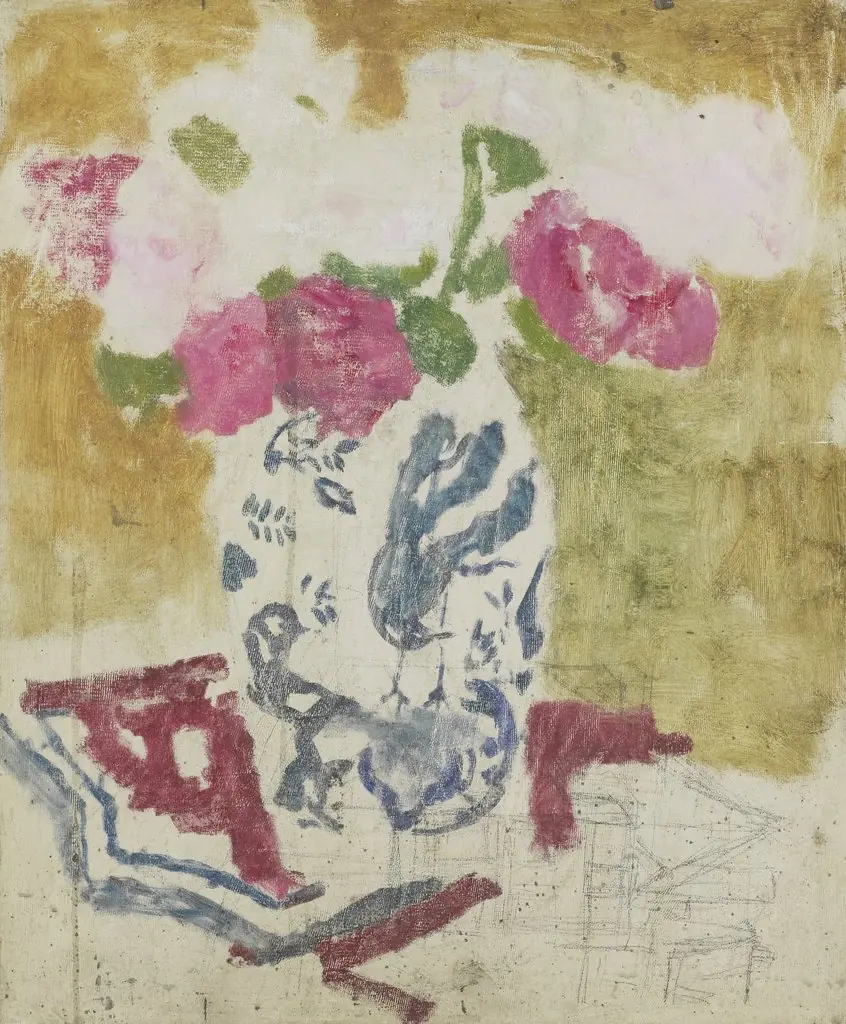
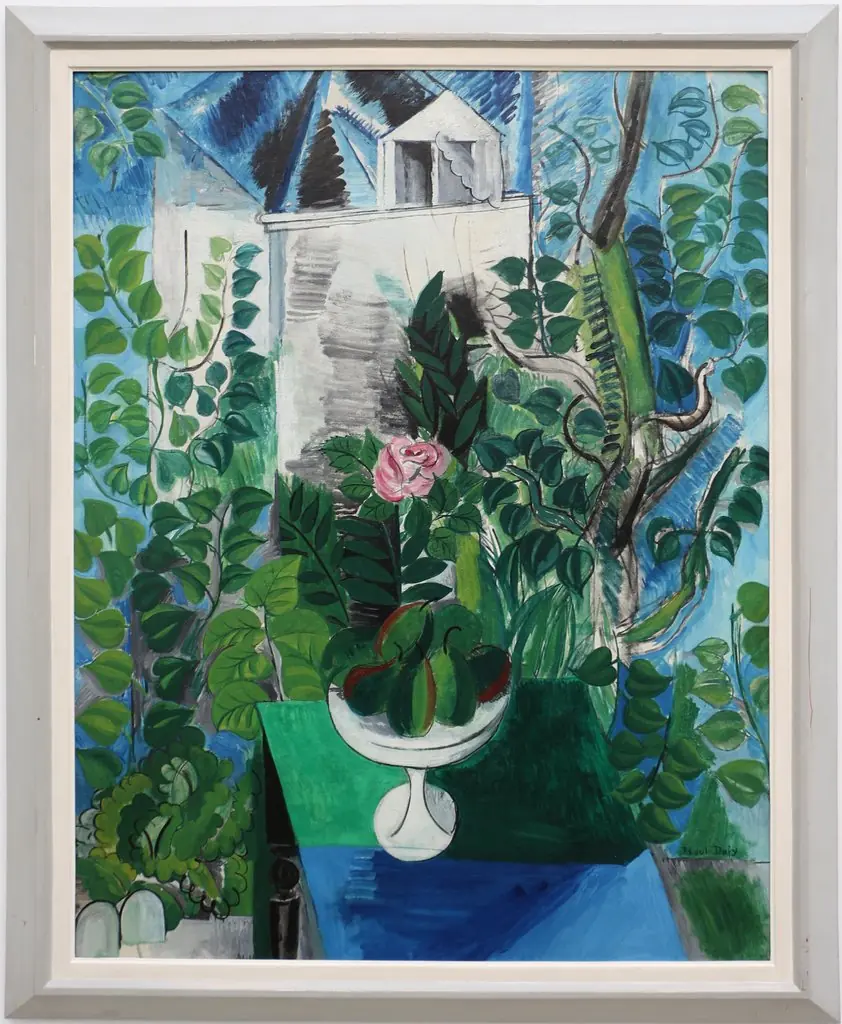
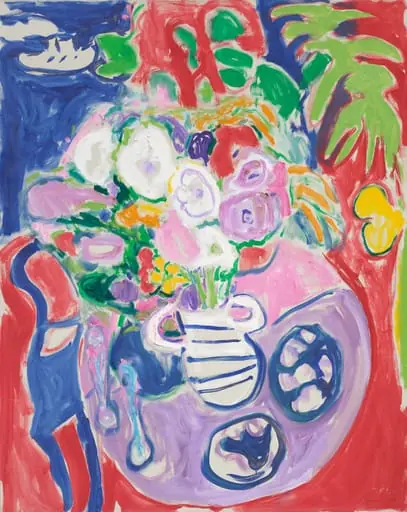
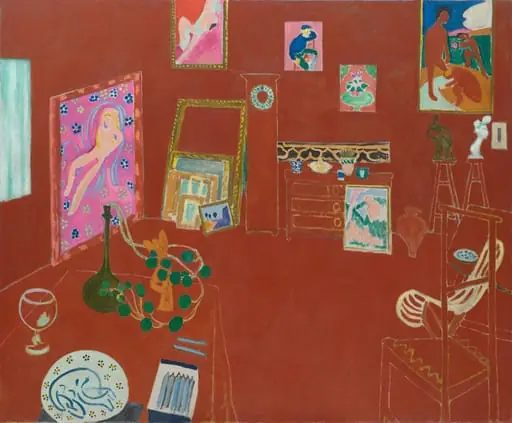
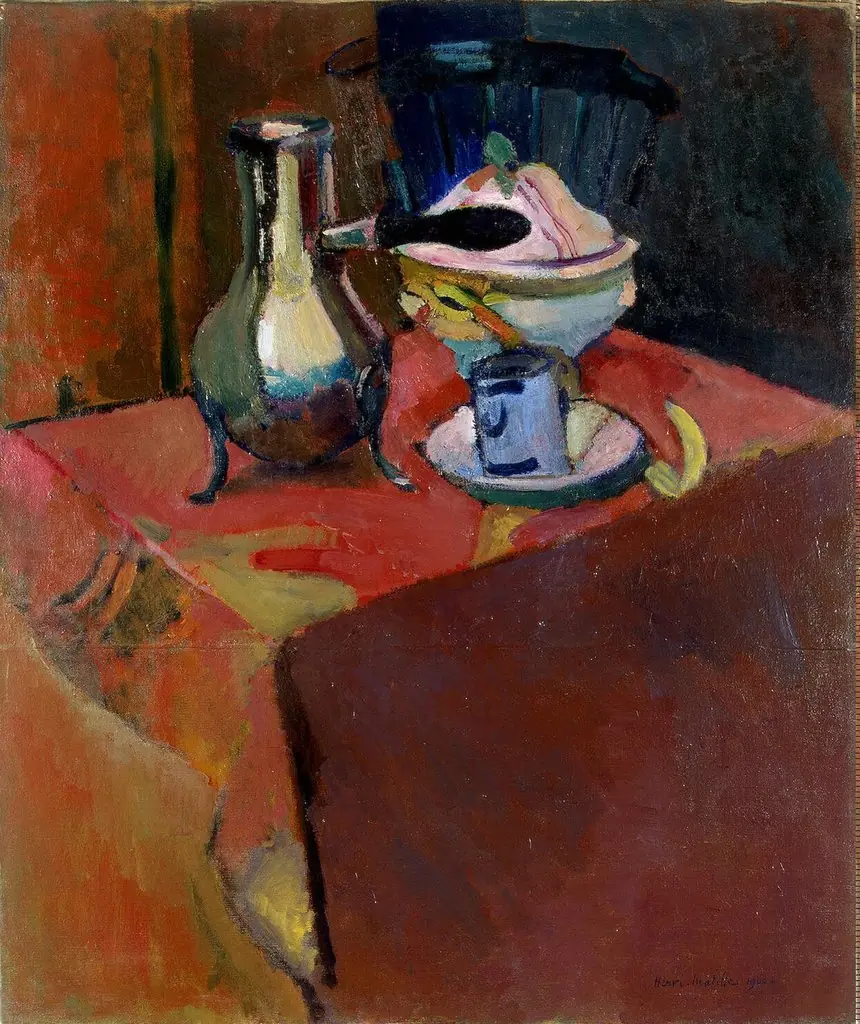
The composition presents a modest arrangement of eggplants placed on a tabletop, accompanied by a simple vase in the background. The objects are rendered with a calm, intimate tone, emphasizing the quiet presence of everyday items rather than narrative content.
Technique & Style
Matisse applies loose, gestural brushwork that conveys texture without meticulous detail. While Fauvism is known for vivid, saturated colors, this piece leans toward a more restrained palette of blues and greens, allowing the forms to emerge through expressive strokes rather than precise modeling.
History & Provenance
Since its creation, the painting has remained in public hands, ultimately entering the collection of the Museum of Modern Art. It has been exhibited as an example of Matisse’s transition from the bold chromatic experiments of early Fauvism to a more subdued tonal approach.
Context
The work was produced during a period when Matisse and contemporaries such as Pablo Picasso were redefining modern art. While primarily celebrated as a painter, Matisse also practiced drawing, printmaking, and sculpture, contributing to the broader avant‑garde movements of the early twentieth century.
Artist & collection
Artist
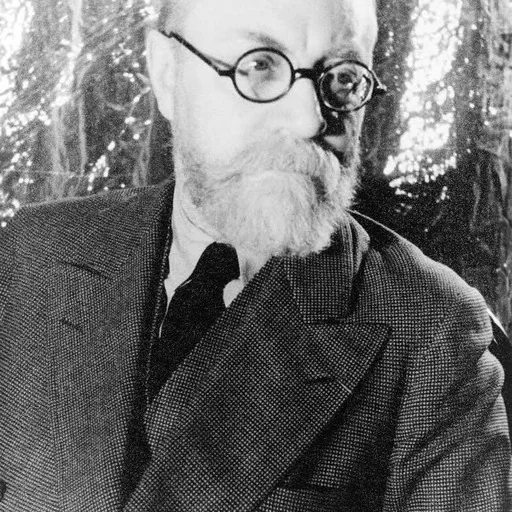
Henri Émile Benoît Matisse (French:; 31 December 1869 – 3 November 1954) was a French visual artist, known for both his use of colour and his fluid and original draughtsmanship.