Artwork
Zulma
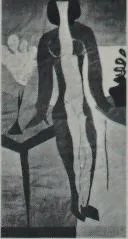
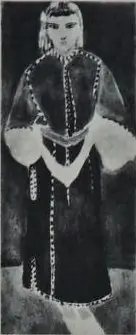
Zulma is an unspecified painting by the Fauvist artist Henri Matisse. It dates from 1950 and is held in the collection of the Statens Museum for Kunst.
About this work
Subject & Meaning
The visual narrative relies on the juxtaposition of the female form and the furniture to establish the scene.
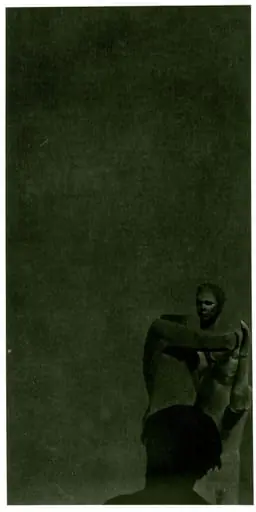
The painting Zulma, created by Henri Matisse in 1950, depicts a woman seated at a table. Executed as a gouache with collage, the work presents a figure engaged in a domestic setting, characterized by the presence of the table as a central compositional element. While the specific symbolic intent or deeper iconographic reading of the figure named Zulma is not detailed in the available records, the subject matter focuses on the representation of a woman within an interior space.
The visual narrative relies on the juxtaposition of the female form and the furniture to establish the scene.
Technique & Style
Created in 1950, Zulma is a large-scale work executed in gouache with collage. The piece measures 238 by 130 cm, utilizing cut paper elements combined with painted pigment to construct its composition. This technique allows for the distinct, flat areas of color characteristic of the artist's late style.
The subject depicts a woman positioned near a table, rendered through these layered materials rather than traditional brushwork on canvas.
History & Provenance
Henri Matisse created Zulma in 1950 as a gouache with collage technique measuring 238 by 130 centimeters. The painting entered the collection of Statens Museum for Kunst in Copenhagen, where it remains on display. Its subject depicts a woman seated at a table, reflecting Matisse's late decorative experiments.
The work was commissioned directly by the museum and has been part of its permanent holdings since its creation, ensuring continuous public access.
Henri Matisse's 1950 work Zulma is held in the collection of the Statens Museum for Kunst in Copenhagen. The piece is executed as a gouache with collage, measuring 238 by 130 cm. While the artwork is part of the museum's permanent holdings, the available records do not list a specific inventory or accession number. Furthermore, no details regarding past exhibitions or loan history are provided in the current documentation.
Overview
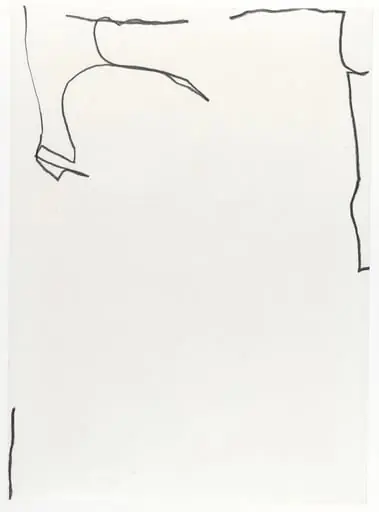
Zulma is a painting created around 1950, attributed to the later period of French artist Henri Matisse, though its style diverges from his characteristic fauvist vibrancy. The work features a nude figure and a small table with an object, executed in a simplified and linear manner.
Context
While initially associated with Matisse's fauvist period, Zulma's muted tones and linear simplicity set it apart, potentially aligning more closely with other artistic explorations of the time that emphasized form and minimalism over vibrant color.
Legacy
Insufficient information is provided to assess Zulma's impact or recognition within Matisse's oeuvre or broader artistic movements, given the discrepancies in its described style and attributed period.
Artist & collection
Artist
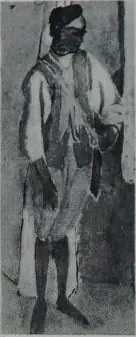
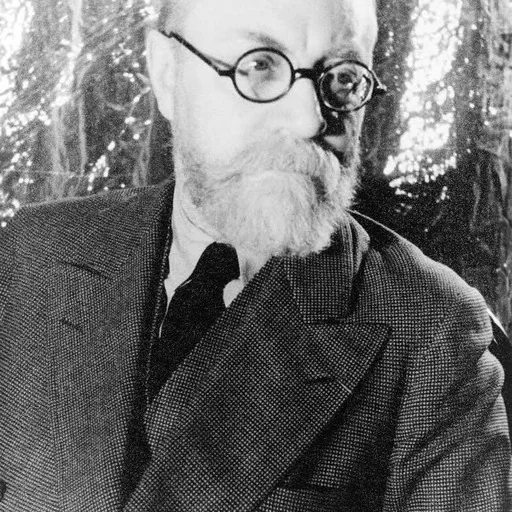
Henri Émile Benoît Matisse (French:; 31 December 1869 – 3 November 1954) was a French visual artist, known for both his use of colour and his fluid and original draughtsmanship.