Artwork
Moroccan Amido
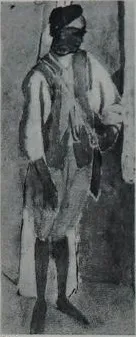
Moroccan Amido is an oil painting by the Fauvist artist Henri Matisse. It dates from 1912 and is held in the collection of the Hermitage Museum.
About this work
Overview
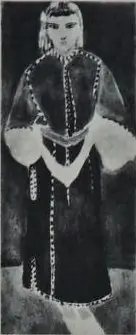
Created in 1912, Moroccan Amido is an oil painting by Henri Matisse that now belongs to the State Hermitage Museum’s collection. The work presents a solitary figure dressed in traditional Moroccan attire against a plain wall, rendered with the vivid, unmodulated palette that marks Matisse’s early Fauvist period.
Subject & Meaning
The central figure is a man clad in a white robe, a long vest, and a headwrap, his darkened facial features rendered without fine detail. He stands relaxed, weight shifted onto one leg, conveying a quiet composure that suggests a moment of personal repose within an otherwise stark setting.
Technique & Style
Matisse employs oil on canvas with the bold, flat expanses of color typical of Fauvism, allowing hues to dominate form rather than modeling through shading. The background wall is rendered in a uniform tone, emphasizing the figure’s clothing and posture while the lack of chiaroscuro contributes to the painting’s overall serenity.
History & Provenance
After its completion, the painting entered the collection of the State Hermitage Museum, where it remains on display. Its acquisition reflects the early 20th‑century interest of Russian institutions in avant‑garde French art, particularly works that illustrate Matisse’s exploration of color and exotic subjects.
Context
Matisse’s interest in North African culture was part of a broader fascination among European artists with non‑Western dress and environments during the pre‑World War I era. Moroccan Amido exemplifies this trend, situating a culturally specific portrait within the artist’s experimental use of color and form, bridging travel-inspired subject matter with modernist aesthetics.
Artist & collection
Artist
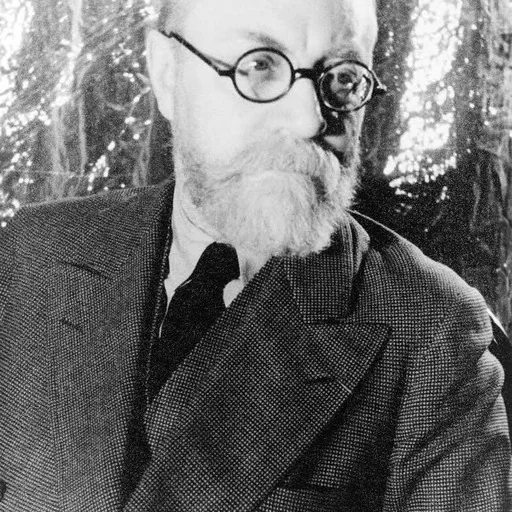
Henri Émile Benoît Matisse (French:; 31 December 1869 – 3 November 1954) was a French visual artist, known for both his use of colour and his fluid and original draughtsmanship.