Artwork
Henry Peters Gray
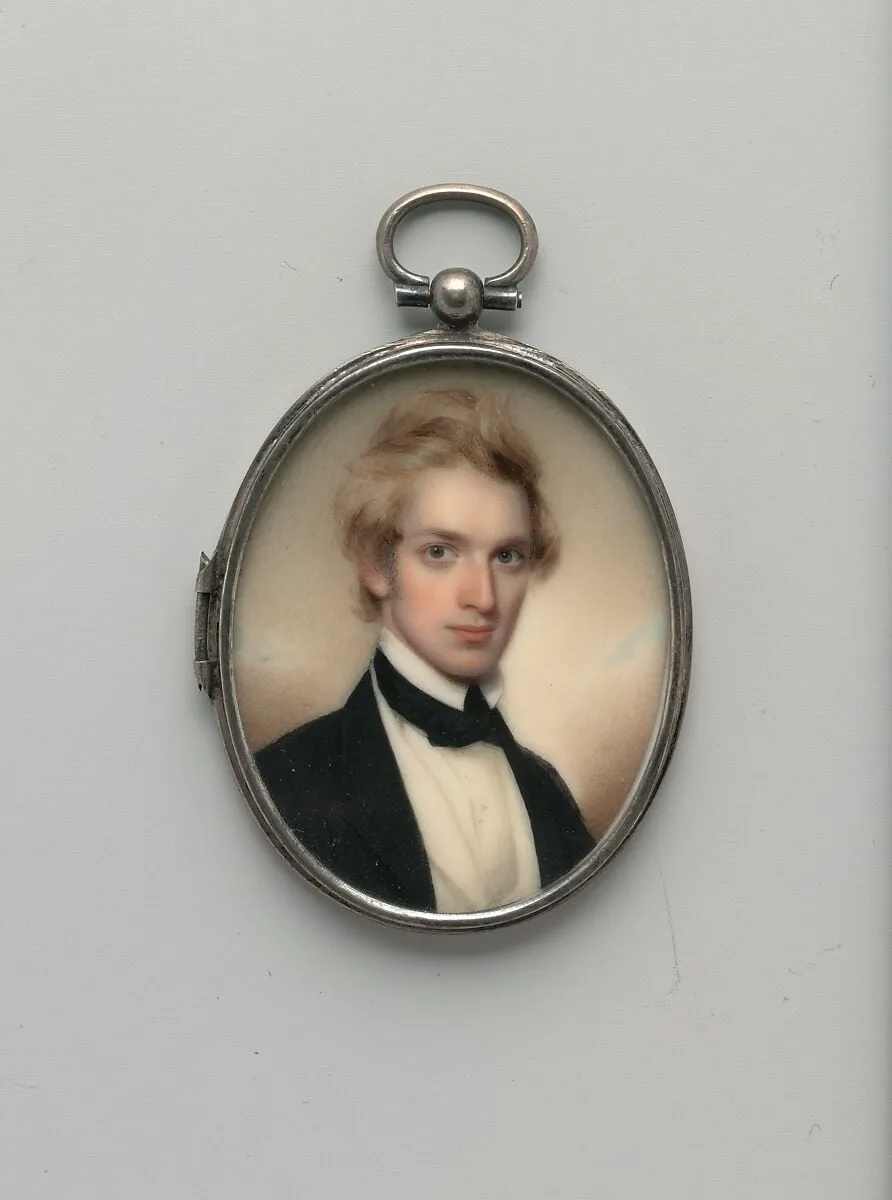
Henry Peters Gray is a watercolor painting by the American Folk Art artist Henry Colton Shumway. It dates from 1842 and is held in the collection of the Metropolitan Museum of Art.
About this work
Subject & Meaning
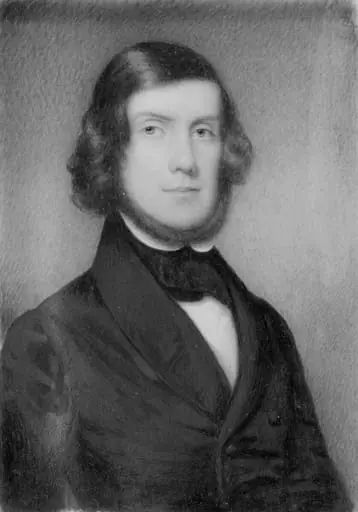
The work portrays Henry Peters Gray as a solitary male figure, rendered in watercolor on ivory as a conventional portrait.
The work portrays Henry Peters Gray as a solitary male figure, rendered in watercolor on ivory as a conventional portrait. The composition focuses on the sitter’s facial features and attire, lacking overt allegorical objects or narrative details that would suggest deeper symbolic meaning. Consequently, the painting’s significance lies primarily in its function as a likeness, preserving the individual’s appearance for personal or familial remembrance within the mid‑nineteenth‑century American portrait tradition.
Technique & Style
Created in 1842, the portrait of a man by Henry Colton Shumway is executed in watercolor applied to an ivory support. This medium and substrate combination is characteristic of miniature portraiture, a genre in which the artist specialized during the mid-nineteenth century. The work measures 5.2 by 4 units, indicating a small-scale format consistent with intimate personal commissions.
The formal qualities reflect the delicate handling typical of watercolor on ivory, where the translucency of the pigment interacts with the luminous ground to achieve subtle tonal gradations. As a portrait, the piece focuses on the likeness of a male subject, utilizing the refined techniques associated with the American Wing's collection of miniatures. The physical dimensions and material choices underscore the work's function as a portable, detailed likeness rather than a large-scale easel painting.
Overview
Henry Colton Shumway, an American artist and soldier, created this watercolor on ivory portrait of Henry Peters Gray in 1842. This small-scale work exemplifies the tradition of miniature painting prevalent in the United States during the mid-19th century. Shumway, who received formal training at the Academy of Design in New York City, was recognized for his ability to capture the likenesses of prominent individuals, including political figures. The portrait presents its subject in a formal manner, characteristic of the era's personal keepsakes.
Context
Created during a period often associated with American folk art, Henry Peters Gray belongs to the long-standing tradition of miniature portraiture. These small, detailed paintings served as cherished personal mementos, often exchanged among family and friends. However, the practice of commissioning such works began to wane significantly after the 1860s, as the burgeoning field of photography offered a more accessible and often less expensive alternative for capturing individual likenesses.
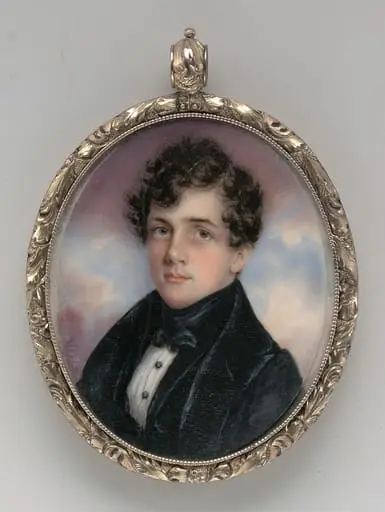
Artist & collection
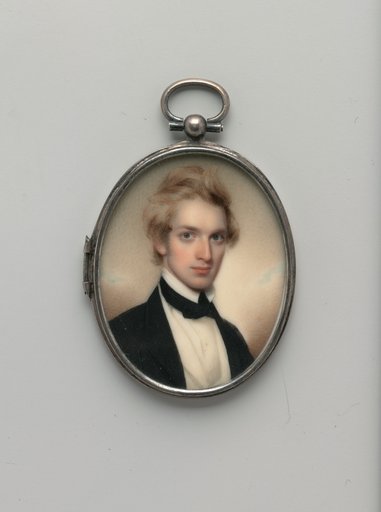
Artist
Henry Colton Shumway (4 July 1807 – 6 May 1884) was an American soldier and artist.

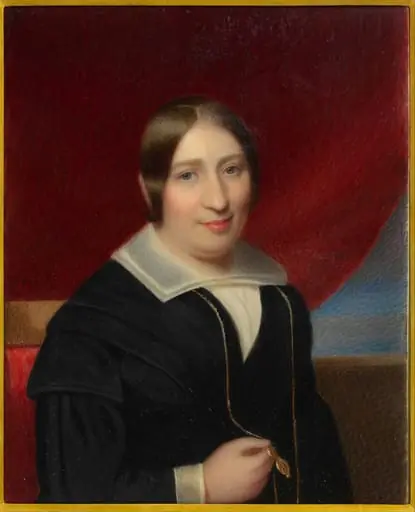
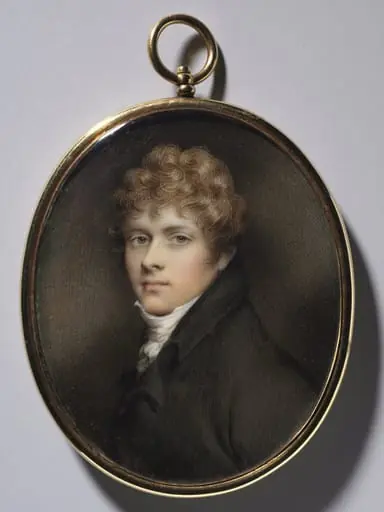 Portrait of a Young Man
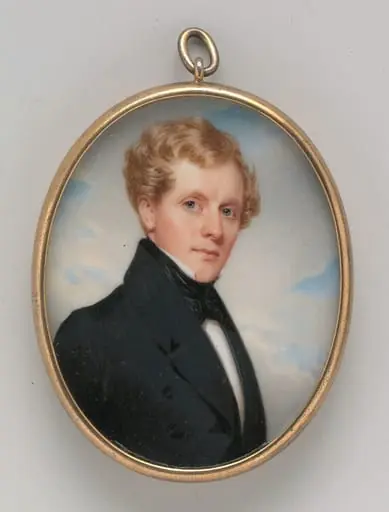 Portrait of a Gentleman
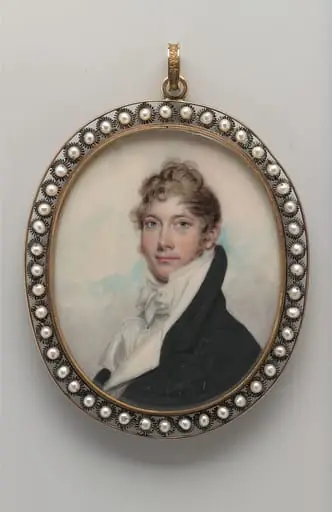 Benjamin Kintzing
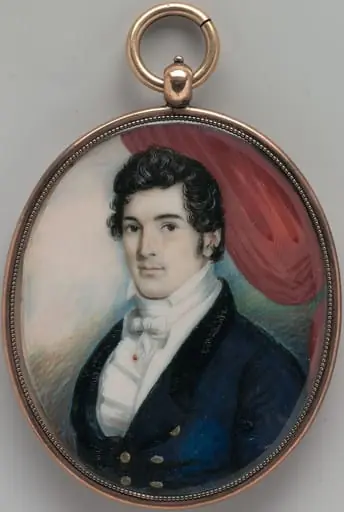 Stephen Thorn
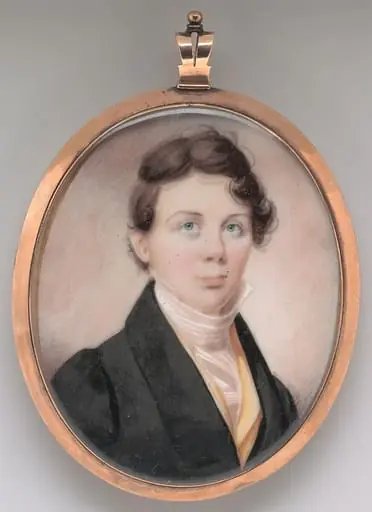 Portrait of a Gentleman
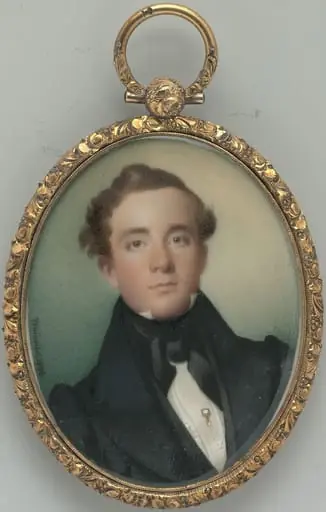 Portrait of a Gentleman
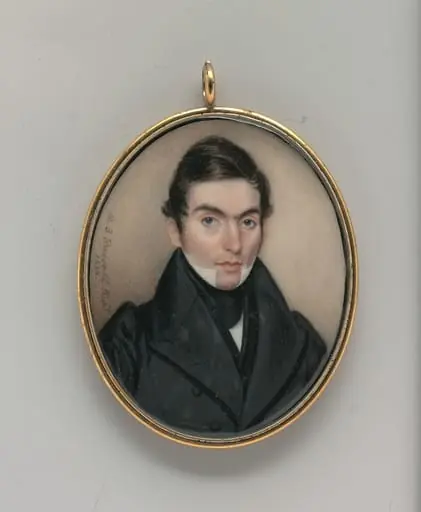 Portrait of a Gentleman
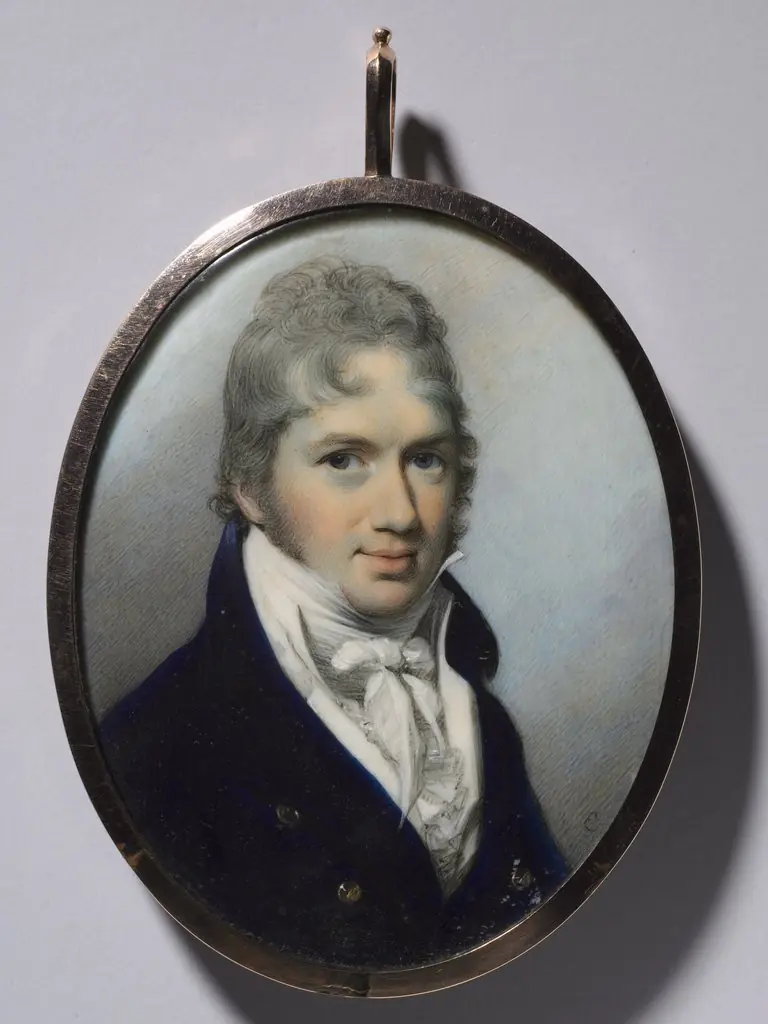 Portrait of Sir Thomas Baring, 2nd Baronet
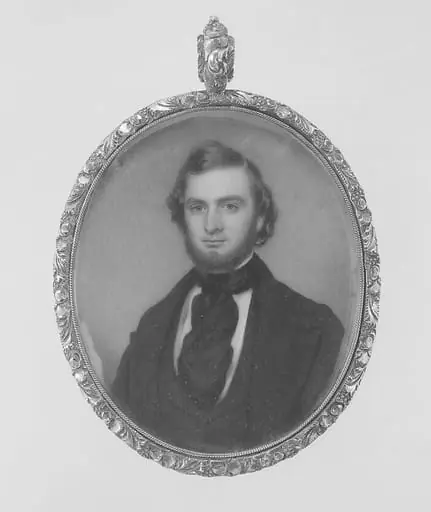 Portrait of a Gentleman
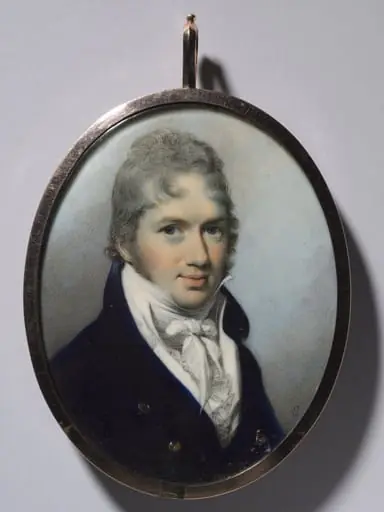 Portrait of Sir Thomas Baring, 2nd Baronet
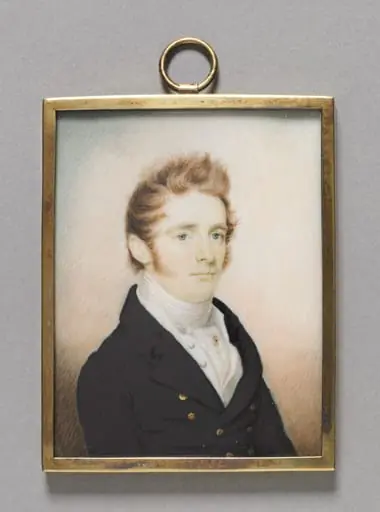 Portrait of a Man with a Cleft Lip
- Portrait of a Gentleman