Artwork
William Robertson (1753–1835), Lord Robertson
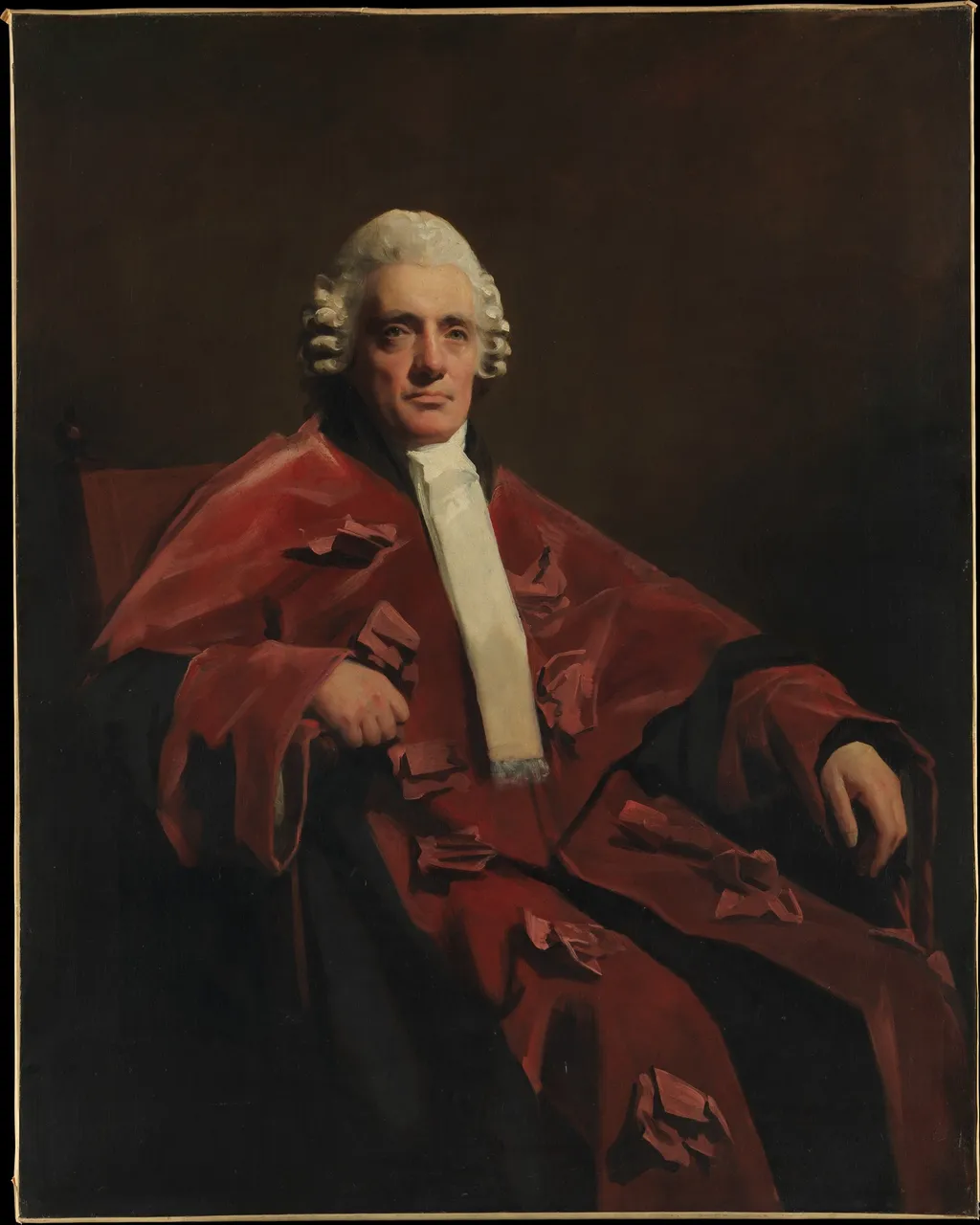
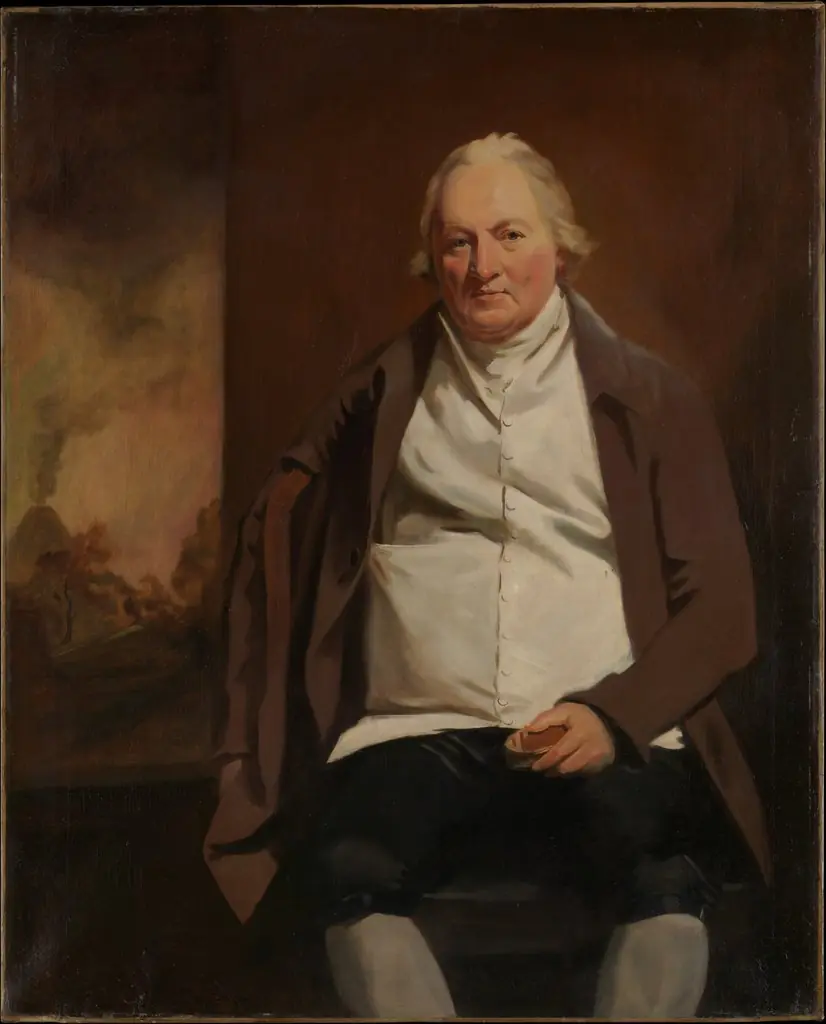
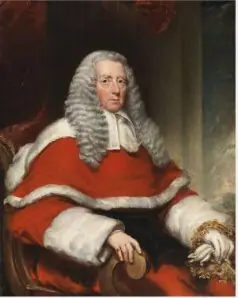
William Robertson (1753–1835), Lord Robertson is an oil painting by the British Romanticist artist Henry Raeburn. It dates from 1805 and is held in the collection of the Metropolitan Museum of Art.
About this work
The painting is a portrait of William Robertson, Lord Robertson, and it was created by Henry Raeburn in 1805.
The painting depicts a man with white hair, wearing a red robe with a white collar. He is seated in a chair, with his hands resting on the armrests. The background of the painting is dark, which helps to highlight the subject's features.
The man's facial expression is serious, and his eyes seem to be looking directly at the viewer. His white hair is styled in a way that suggests he is a man of importance. The red robe he is wearing is ornate, with intricate details that suggest it is a symbol of his status.
The painting is a portrait of William Robertson, Lord Robertson, and it was created by Henry Raeburn in 1805. To learn more about the artist behind this painting, look up Henry Raeburn.
Subject & Meaning
The painting depicts William Robertson (1753–1835), a Scottish judge who later became Lord Robertson, presented as a formal portrait. Created by Sir Henry Raeburn in 1805, the work focuses entirely on the individual's likeness rather than illustrating a narrative scene or employing complex allegorical symbolism. As a standard portrait genre piece, the subject is the primary and sole figure, intended to capture the physical appearance and status of the sitter.
The visual representation serves to document the identity of William Robertson, emphasizing his role and presence through the artist's rendering of his features and attire. No specific iconographic elements or symbolic objects beyond the conventions of portraiture are indicated in the available records.
Technique & Style
Executed in 1805 by Sir Henry Raeburn, this portrait of William Robertson is an oil painting on canvas. The work measures 125.7 cm in height and 99.7 cm in width, adhering to the standard dimensions for a formal half-length or three-quarter-length likeness of the period. As a portrait, the composition focuses entirely on the depiction of the sitter, utilizing the fluidity of oil paint to render facial features and attire.
The piece is currently held in the collection of the Metropolitan Museum of Art, having previously been owned by Mary Emma Stillman Harkness. While specific details regarding the artist's brushwork or the current physical condition of the support are not explicitly detailed in the available records, the medium and support confirm its classification as a traditional easel painting from the early nineteenth century.
History & Provenance
The portrait of William Robertson, Lord Robertson, was painted by Henry Raeburn in 1805 using oil on canvas (125.7 × 99.7 cm). It entered the collection of the Metropolitan Museum of Art, where it remains on display. Historical records indicate that the work was owned by Mary Emma Stillman Harkness before its acquisition by the museum.
The painting depicts the Scottish nobleman and was created as a commissioned portrait, reflecting Raeburn’s practice of producing full‑length portraits of contemporary aristocracy.
The portrait of William Robertson (1753–1835), painted by Henry Raeburn in 1805, is held in the collection of the Metropolitan Museum of Art. The work is executed in oil paint on canvas and measures 125.7 cm in height by 99.7 cm in width. While the museum currently houses the piece, historical records indicate it was owned by Mary Emma Stillman Harkness.
The provided sources do not contain specific accession numbers, detailed provenance chains prior to the Harkness ownership, or a record of the artwork's exhibition history.
Context
Henry Raeburn painted William Robertson, Lord Robertson, in 1805, an oil on canvas portrait now in the Metropolitan Museum of Art;. The work measures 125.7 × 99.7 cm and entered the museum’s collection through the bequest of Mary Emma Stillman Harkness. As a portrait of a prominent Scottish figure, it exemplifies Raeburn’s role in the late‑Georgian British portrait tradition and reflects the cultural prestige of the Scottish Enlightenment.
Its inclusion in a major American museum underscores the transatlantic appreciation of Raeburn’s output and situates the painting within the broader narrative of 19th‑century portraiture.
Overview
Painted in 1805 by Henry Raeburn, this oil portrait captures William Robertson, Lord Robertson. The artwork exemplifies the British Romantic movement's approach to portraiture, characterized by a direct and forthright composition that emphasizes the sitter's individual character. The painting is a significant example of Raeburn's work and is housed in the collection of The Metropolitan Museum of Art.
Own this work as a print
Artist & collection
Artist
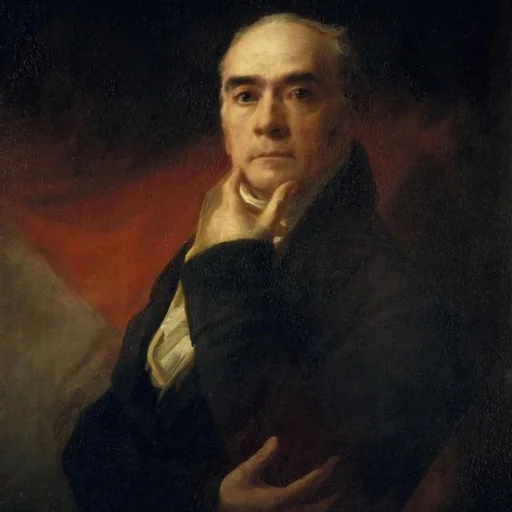
Sir Henry Raeburn (; 4 March 1756 – 8 July 1823) was a Scottish portrait painter. He served as Portrait Painter to King George IV in Scotland.

 Sir John Taylor Coleridge
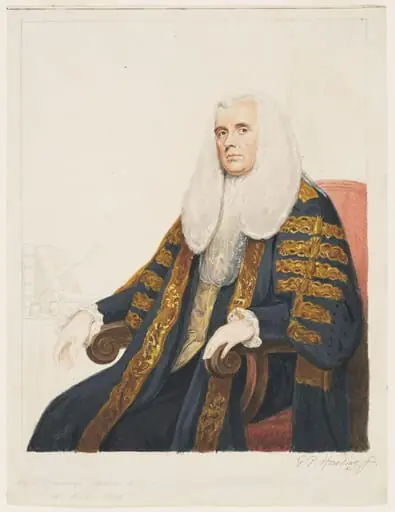 Portrait of Richard Pepper Ardene, Lord Alvanley, Master of the Rolls
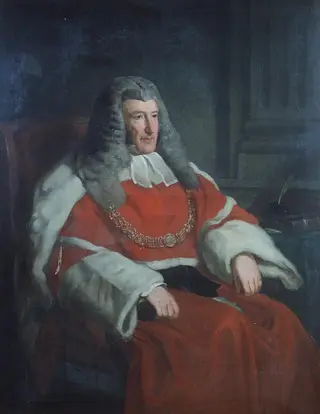 Judge Campbell, Chief Justice of England
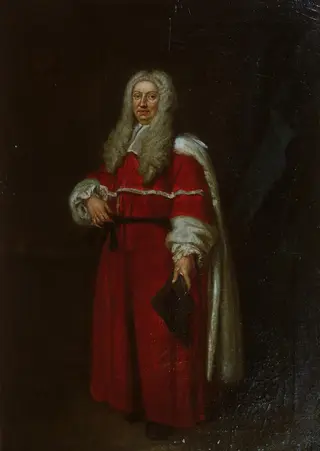 Baron Pryse
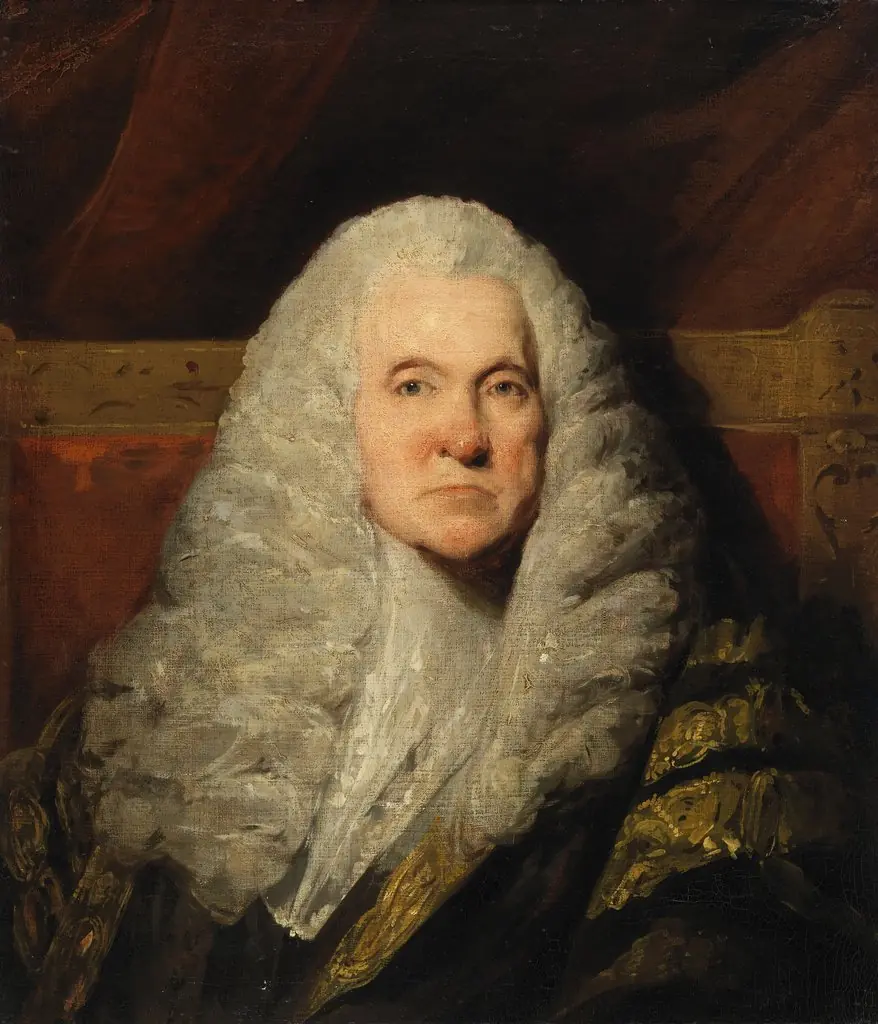 Portrait of James Hewitt, First Viscount Lifford, Lord Chancellor of Ireland (1767-1787)
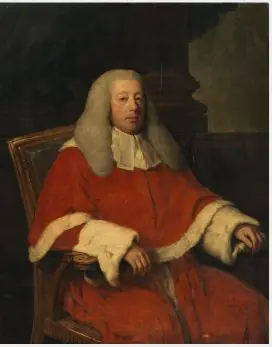 Sir Michael Smith, 1st Bt (1740-1808)
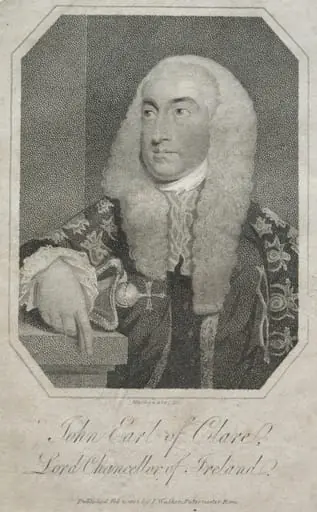 John Fitzgibbon, Earl of Clare (1749-1802)
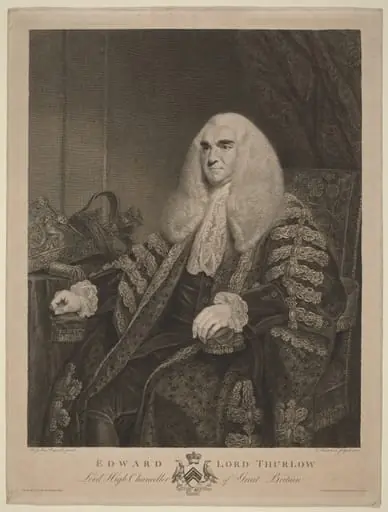 Edward, Lord Thurlow
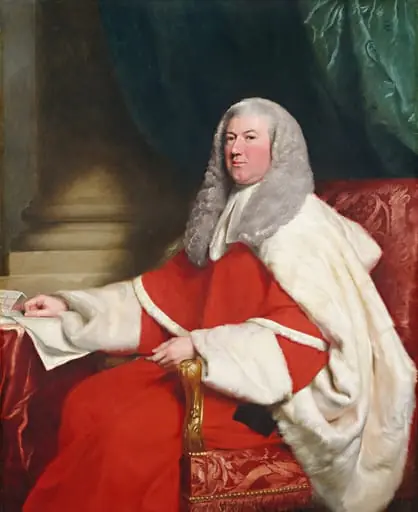 Baron Graham
 Portrait of Chief Justice Charles Kendal Bushe (1767-1843), in his Robes