Artwork
John Gray (1731–1811) of Newholm
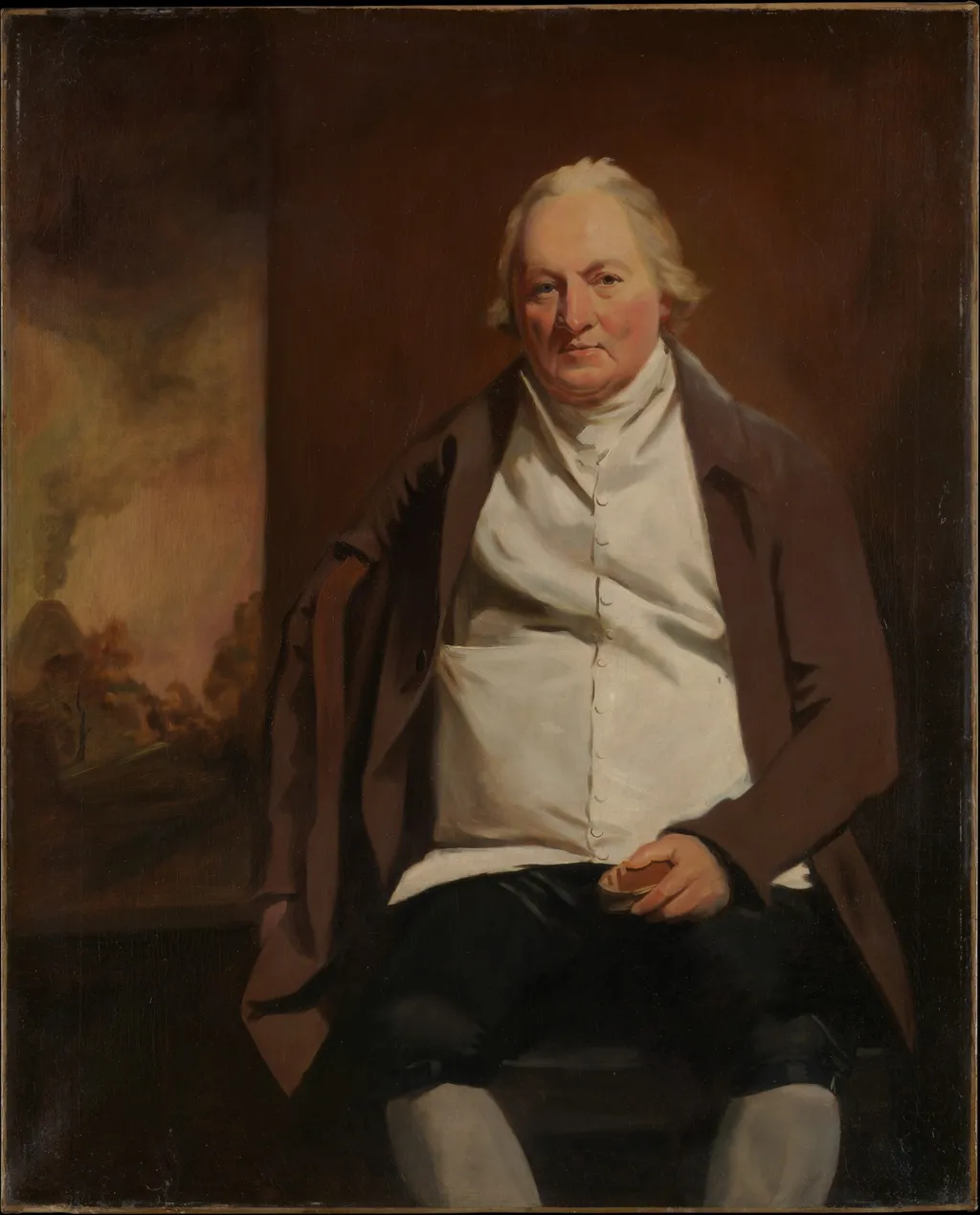
John Gray (1731–1811) of Newholm is an oil painting by the British Romanticist artist Henry Raeburn. It dates from 1800 and is held in the collection of the Metropolitan Museum of Art.
About this work
Technique & Style
Stylistically, the piece functions as a male portrait, capturing the subject with the directness characteristic of Raeburn's approach.
Executed in 1800, this portrait of John Gray is an oil painting on canvas created by Sir Henry Raeburn. The work measures 125.4 cm in height and 101.6 cm in width, adhering to the standard scale for formal portraiture of the period. Stylistically, the piece functions as a male portrait, capturing the subject with the directness characteristic of Raeburn's approach.
The medium of oil paint allows for the textural handling and tonal modeling evident in the depiction of the sitter. The composition focuses entirely on John Gray, using the artist's established techniques to render a realistic likeness.
History & Provenance
John Gray (1731–1811) of Newholm was a Scottish merchant portrayed by Sir Henry Raeburn in 1800. The oil-on-canvas portrait measures 125.4 × 101.6 cm and was executed in Edinburgh. It is held in the collection of the Metropolitan Museum of Art under accession number 60.71.13.
The available sources do not document an exhibition history for the portrait beyond its placement in the museum's collection.
Legacy
The portrait of John Gray, executed by Sir Henry Raeburn in 1800, is part of the Metropolitan Museum of Art's collection as a representative example of late Georgian portraiture. Recorded in the museum's catalog as an oil on canvas measuring 125.4 × 101.6 cm, it continues to inform scholarship on Raeburn's work and on the visual culture of Scottish portraiture.
Overview
This oil painting, completed in 1800 by the Scottish artist Sir Henry Raeburn, portrays John Gray (1731–1811) of Newholm. The work is a notable example of British Romantic portraiture, reflecting the era's artistic sensibilities. Raeburn, a prominent figure in Scottish art, was later appointed Portrait Painter to King George IV in Scotland. The artwork is currently part of the collection at The Metropolitan Museum of Art.
Subject & Meaning
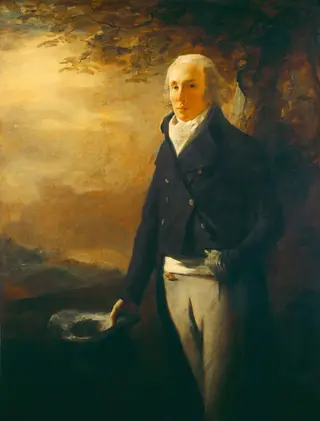
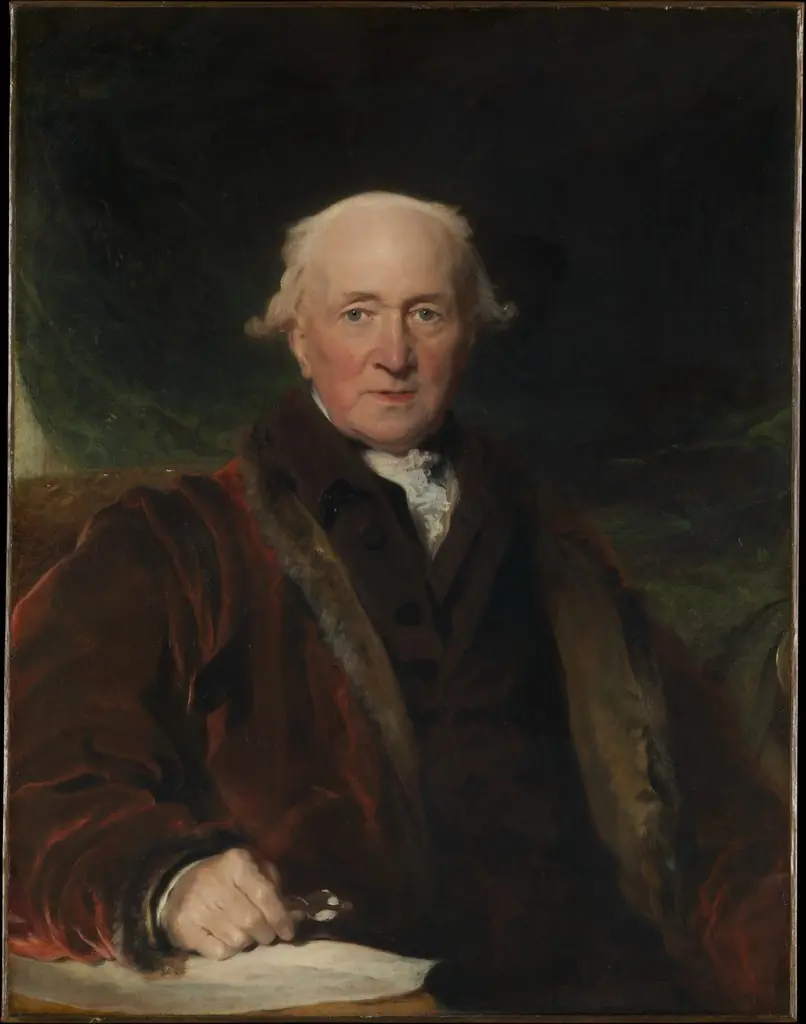
The portrait presents an elderly man, John Gray, with white hair, seated and dressed in a white shirt beneath a brown jacket. His gaze is direct, engaging the viewer with a serious expression. In his right hand, he holds a small, unidentified object.
Raeburn's depiction emphasizes the sitter's presence and character through this direct address and composed posture, characteristic of the period's focus on individual identity.
Context
Sir Henry Raeburn was a leading Scottish portraitist during the late 18th and early 19th centuries, known for his distinctive style that blended realism with a certain grandeur. His work, including this depiction of John Gray, aligns with the broader British Romantic movement, which valued individual expression and emotional depth. Raeburn's stature was formally recognized when he was named Portrait Painter to King George IV in Scotland, solidifying his position in the art world.
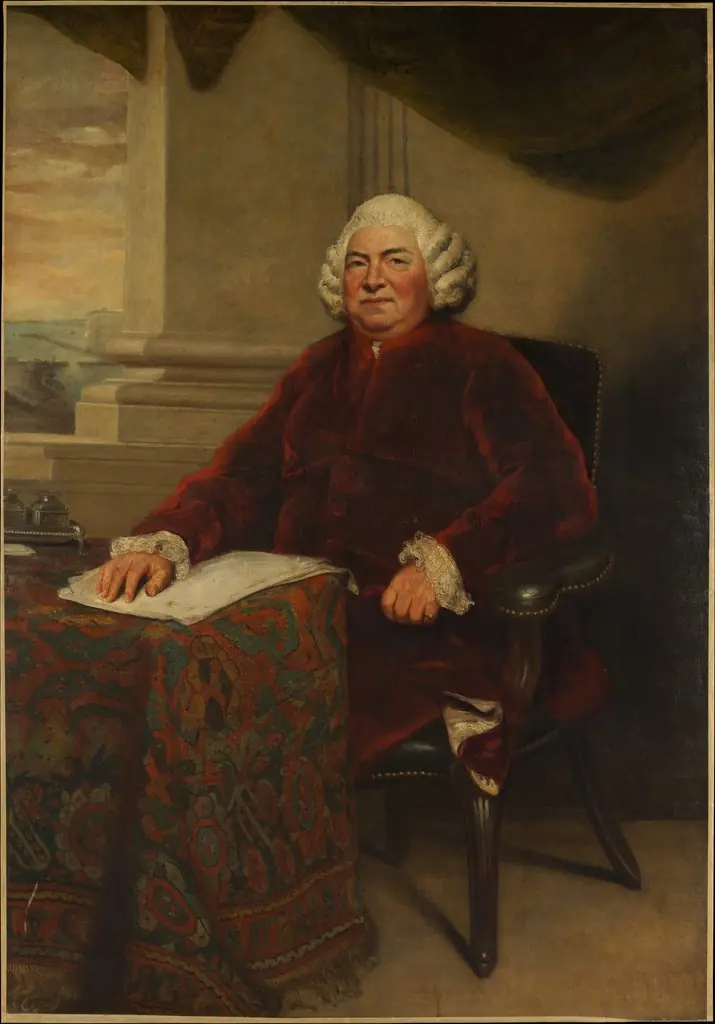
Own this work as a print
Artist & collection
Artist
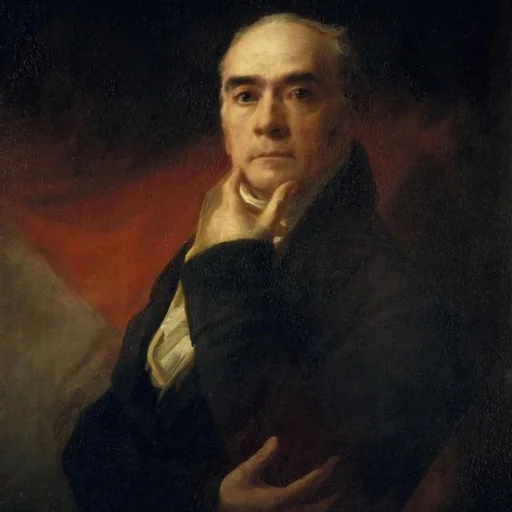
Sir Henry Raeburn (; 4 March 1756 – 8 July 1823) was a Scottish portrait painter. He served as Portrait Painter to King George IV in Scotland.

 John Julius Angerstein (1736–1823)
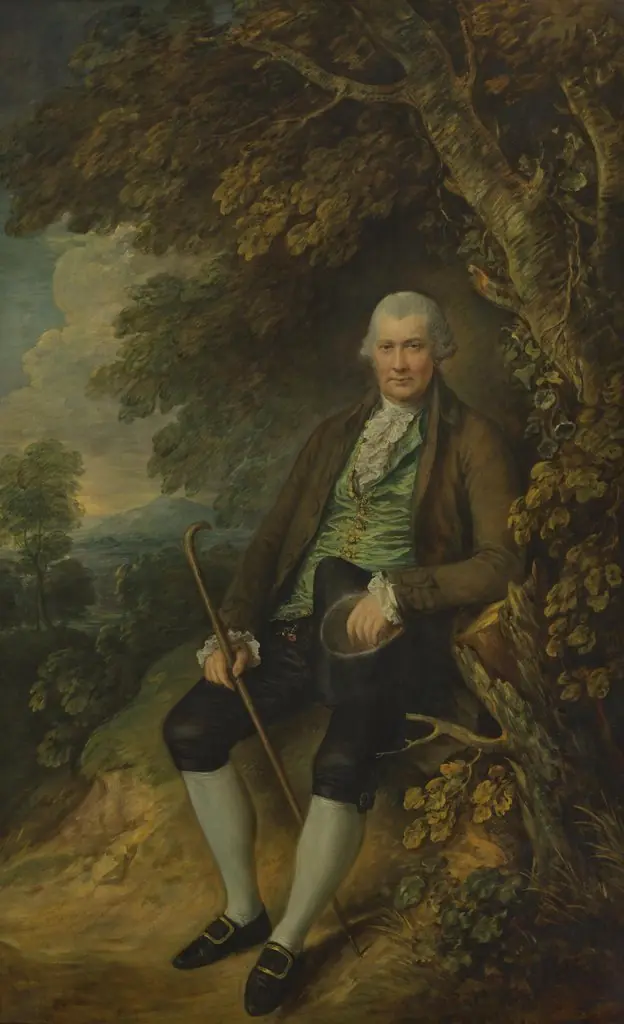 John Wilkinson
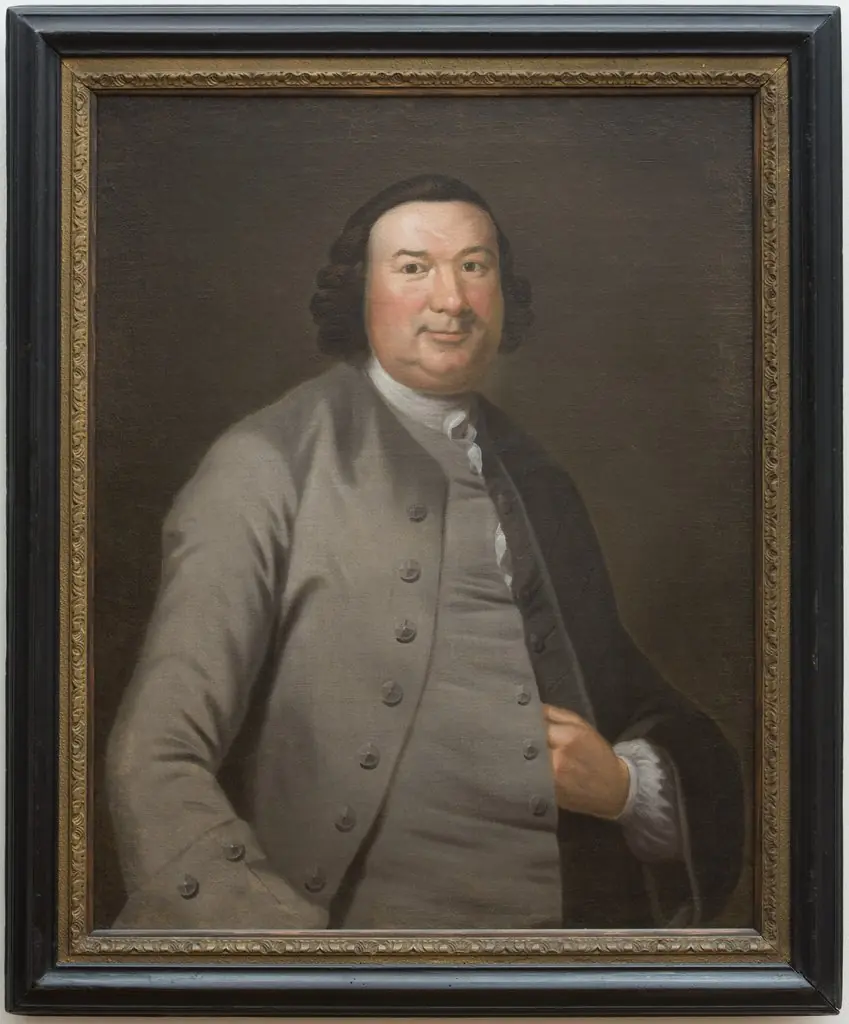 Colonel William Allen
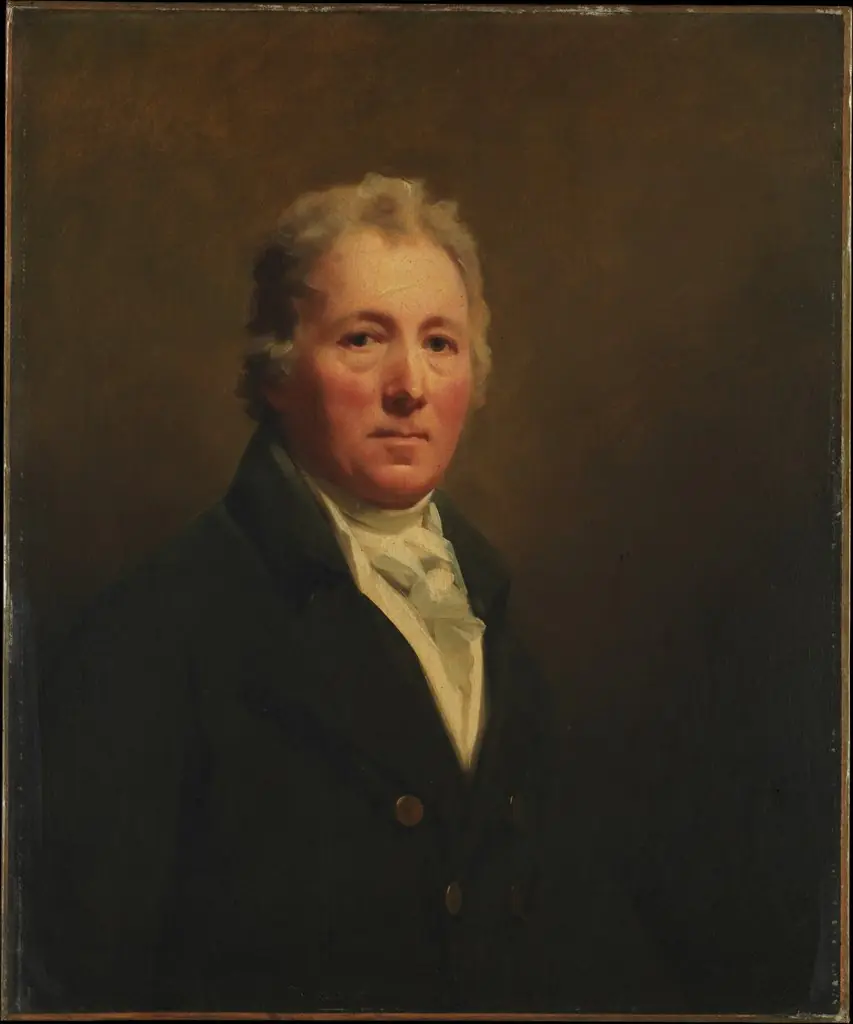 William Forsyth (1749–1814)
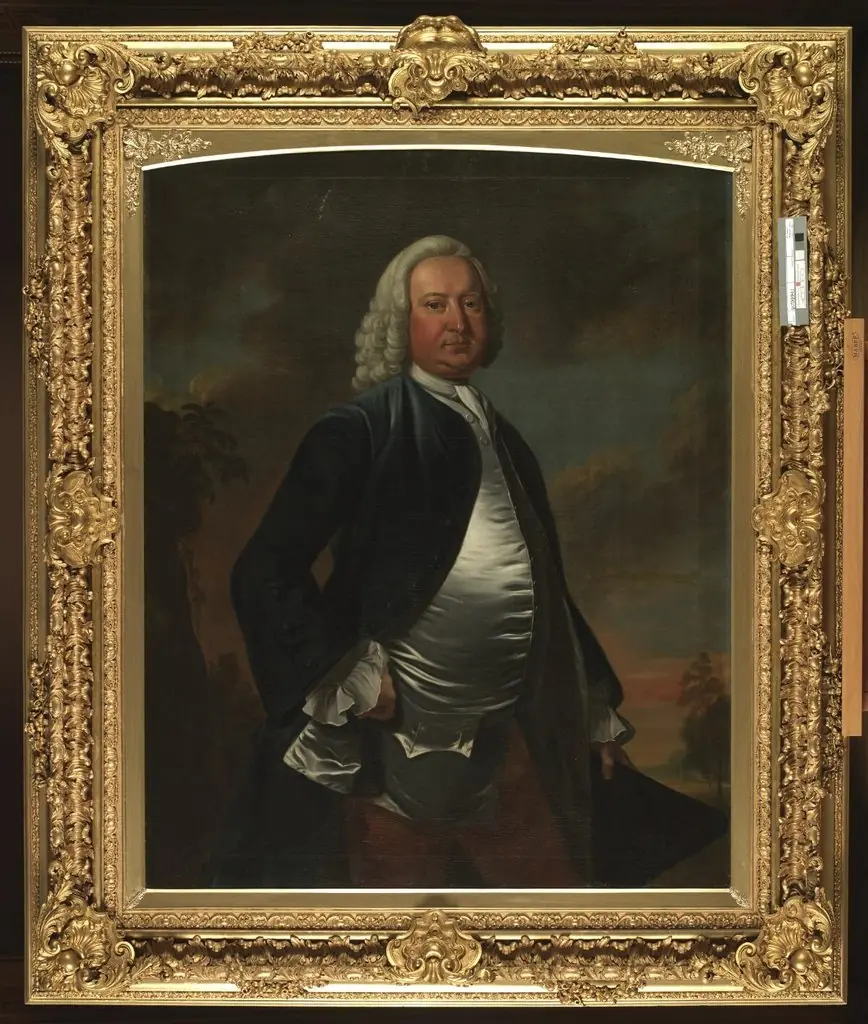 Sir Watkin Williams - Wynn (1692 - 1749)
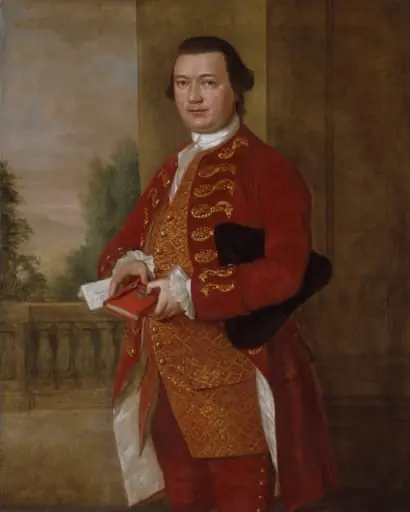 Alexander Grant
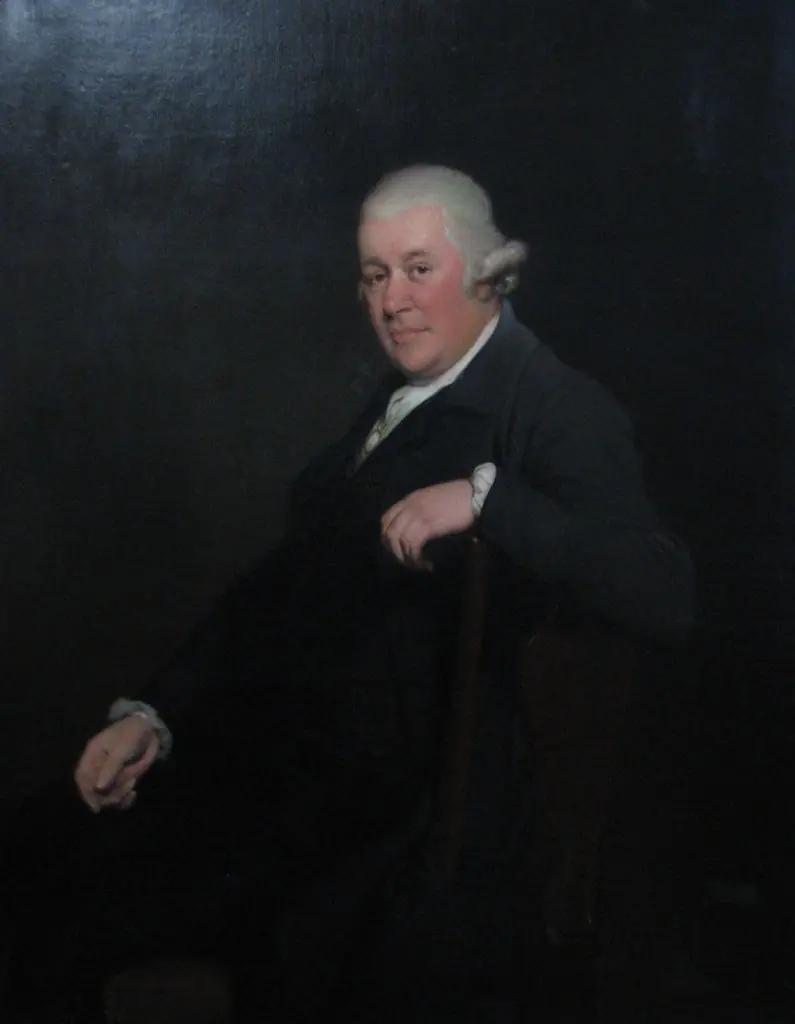 Reverend Basil Bury Beridge
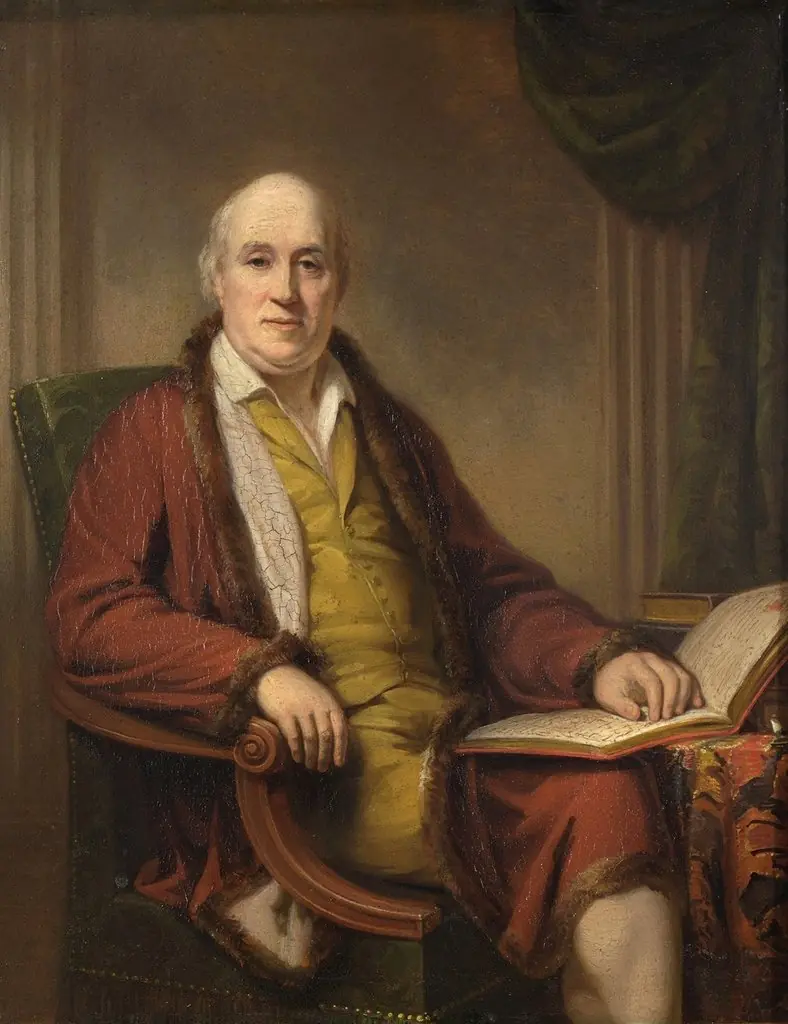 Richard, 7th Viscount Fitzwilliam of Merrion
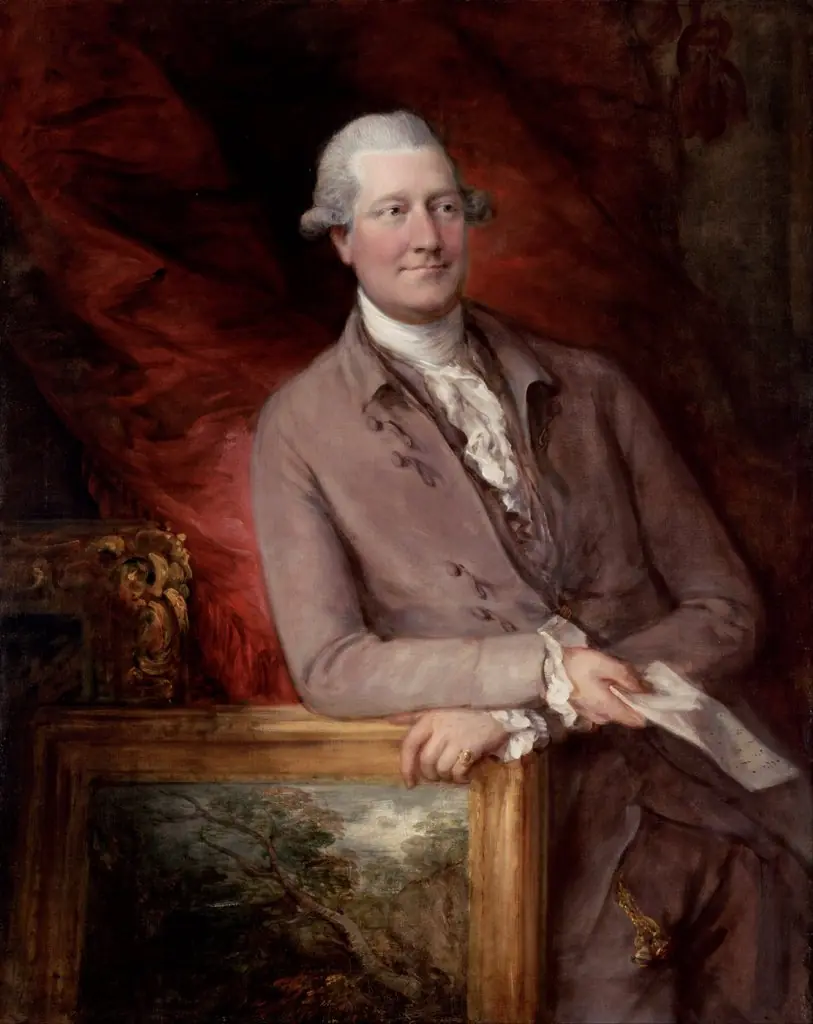 Portrait of James Christie (1730 - 1803)
 Alexander Grant
 Alexander Baron Seton (1738-1814), jur.dr., godsägare, född i Skottland, verksam i Sverige och Skottland, g.m. 1. Elizabeth Angus, 2. Anne Innes of Cathlow, systerson till och adopterad av George Seton
- John Barker (1707–1787)