Artwork
David Anderson
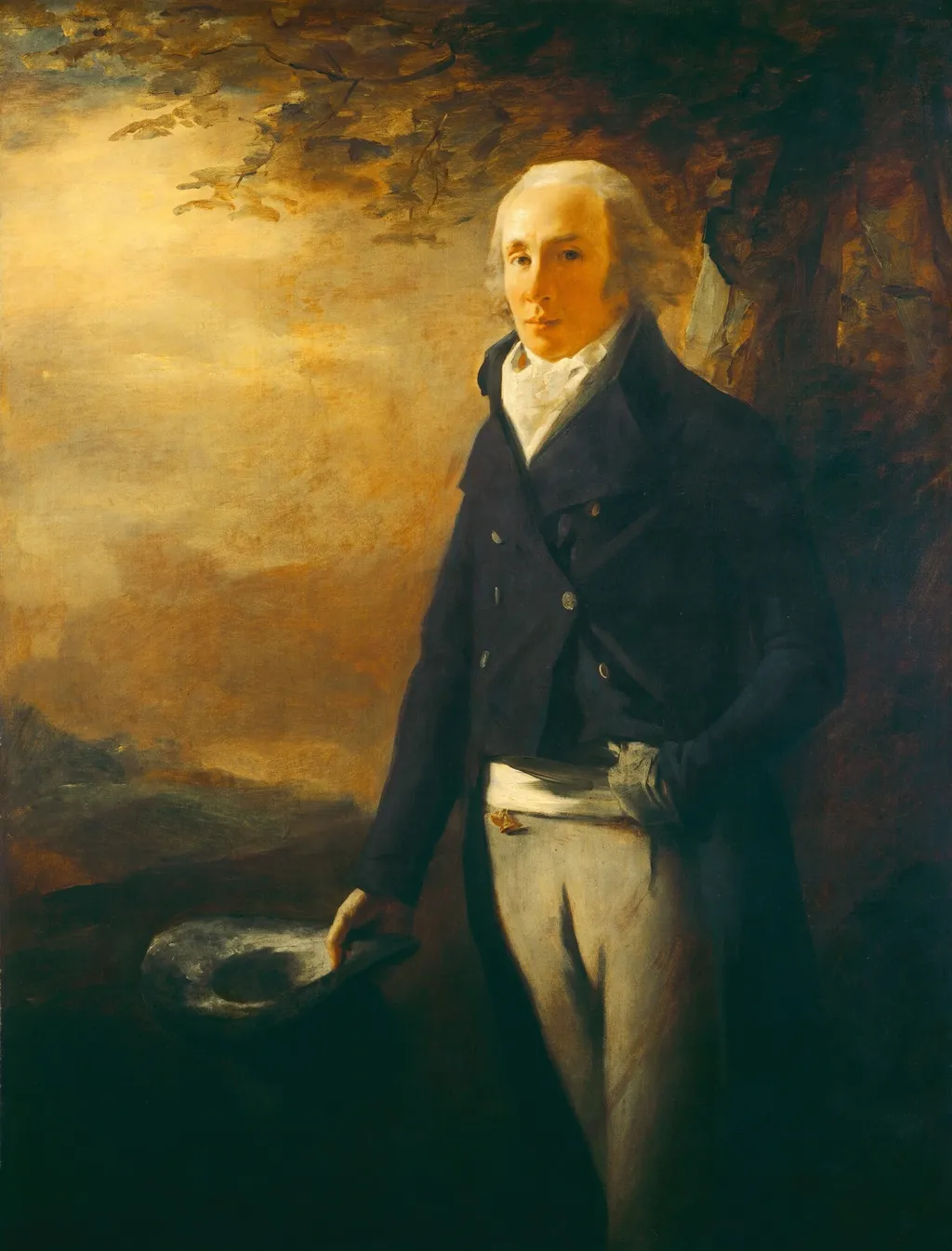
David Anderson is an oil painting by the British Romanticist artist Henry Raeburn. It dates from 1790 and is held in the collection of the National Gallery of Art.
About this work
Subject & Meaning
Anderson sat for Raeburn starting in July 1790, resulting in an image that captures a man closely associated with colonial administration in India.
The painting depicts David Anderson (1750–1825), a figure from St. Germains who served in India alongside Warren Hastings, the first governor-general. Created in 1790 by Henry Raeburn, the work functions as a formal portrait commemorating their lifelong friendship and shared service. The subject's representation is rooted in a specific agreement made upon their return to England in 1785, wherein the two men exchanged portraits of one another.
Anderson sat for Raeburn starting in July 1790, resulting in an image that captures a man closely associated with colonial administration in India. The portrait serves as a visual testament to their personal bond and professional history, originally commissioned by Hastings before eventually returning to the sitter or his descendants.
Technique & Style
The portrait is executed in oil on canvas, a standard support for Raeburn's full-length portraiture of the period. The canvas measures 152.5 by 107.5 centimeters, indicating a substantial, half- or three-quarter-length format suited to a formal seated depiction. Painted in 1790, the work belongs to Raeburn's mature portrait practice, in which he typically worked directly from the sitter; Anderson himself recorded beginning to sit for Raeburn on 7 July 1790.
The painting is classified as a portrait and is held in the collection of the National Gallery of Art in Washington, D.C., following its acquisition by Joseph E. Widener and subsequent gift in 1942, suggesting it has remained in stable institutional care.
History & Provenance
Sir Henry Raeburn created the portrait of David Anderson in 1790, commissioned by Warren Hastings for display at Daylesford House; the work remained in the family after Hastings' death and passed to Captain David Anderson, who inherited it in Scotland. Following the sitter’s death, the painting entered the market in 1900, was sold to P. & D. Colnaghi & Co., and acquired in October 1903 by Dr. Eissler. In circa 1924 it was bought by Joseph E. Widener, whose estate later gifted it to the National Gallery of Art in 1942.
The dating and creation context are documented in contemporary correspondence and the work’s entry in the National Gallery of Art collection.
David Anderson by Sir Henry Raeburn (1790) has been held by the National Gallery of Art in Washington, D.C., since 1942, when it entered the collection as a gift from the Estate of Peter A.B. Widener by power of appointment of Joseph E. Widener. Widener had acquired the painting around 1924 from Dr. Eissler, either Gottfried or Hermann of Vienna, who had purchased it in October 1903 from P. & D. Colnaghi & Co. in London. Colnaghi had acquired the portrait in 1900 through Dott & Co. of Edinburgh from Captain David Anderson at Bourhouse, Dunbar, East Lothian, a direct descendant of the sitter.
The painting had originally been commissioned by Warren Hastings for Daylesford House, Gloucestershire, and was later returned to the Anderson family, likely upon Hastings's death.
Legacy
David Anderson, painted by Sir Henry Raeburn in 1790, entered the National Gallery of Art collection in 1942 through the bequest of Joseph E. Widener, marking a notable episode in its provenance that traces from Warren Hastings to the Eissler brothers and finally to Widener. The work’s journey illustrates the trajectory of British portraiture in the late eighteenth century and its reception in American museums. As a Raeburn portrait held by a major U.S. institution, it contributes to the artist’s enduring reputation and provides a reference point for scholars studying the transatlantic exchange of portrait tradition.
Overview
Sir Henry Raeburn's 1790 oil on canvas painting, "David Anderson," presents a formal portrait of its namesake. This work exemplifies Raeburn's approach to capturing individual likenesses through the medium of oil paint. The painting is a key example of his early career, showcasing his developing style in portraiture.
Own this work as a print
Artist & collection
Artist
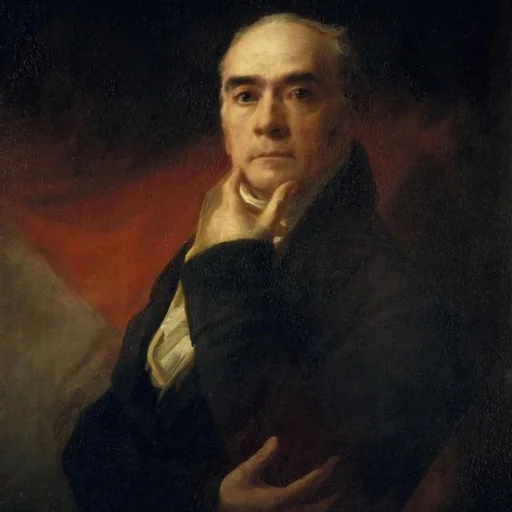
Sir Henry Raeburn (; 4 March 1756 – 8 July 1823) was a Scottish portrait painter. He served as Portrait Painter to King George IV in Scotland.

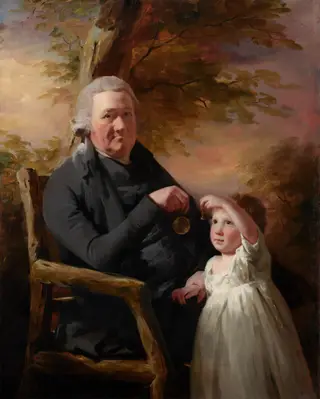
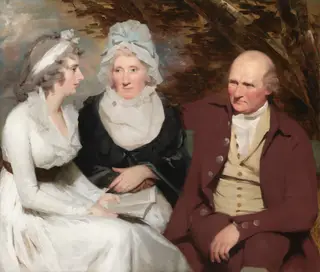
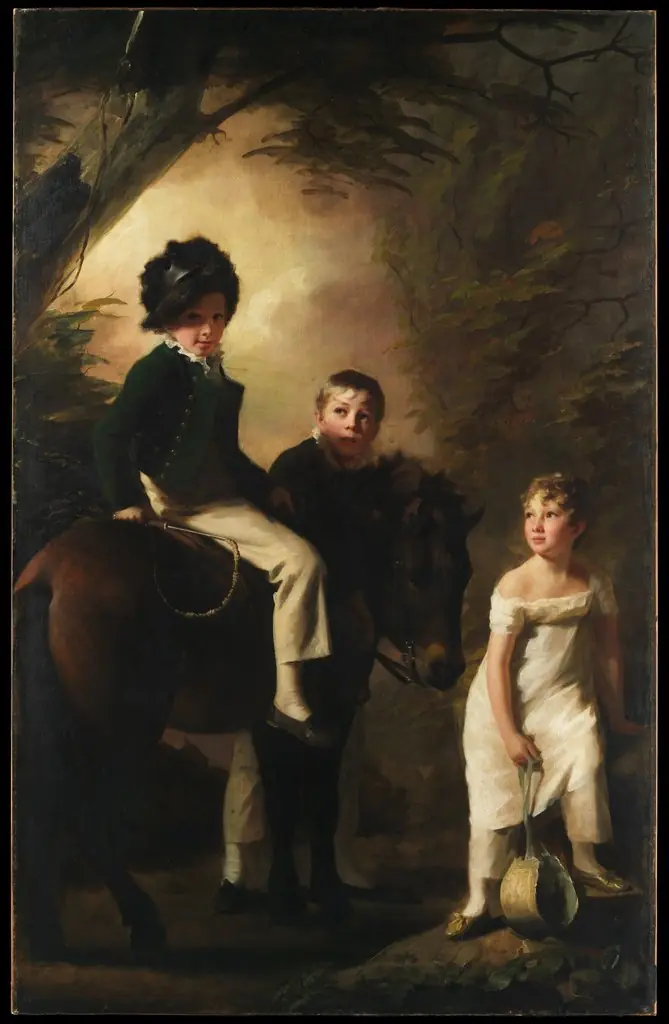
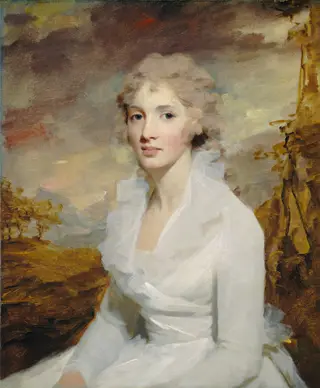
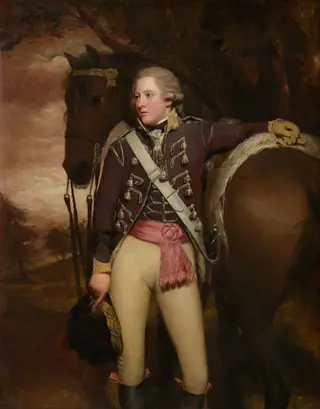
- Sir James Montgomery, Second Baronet of Stanhope
 Portrait of a Gentleman
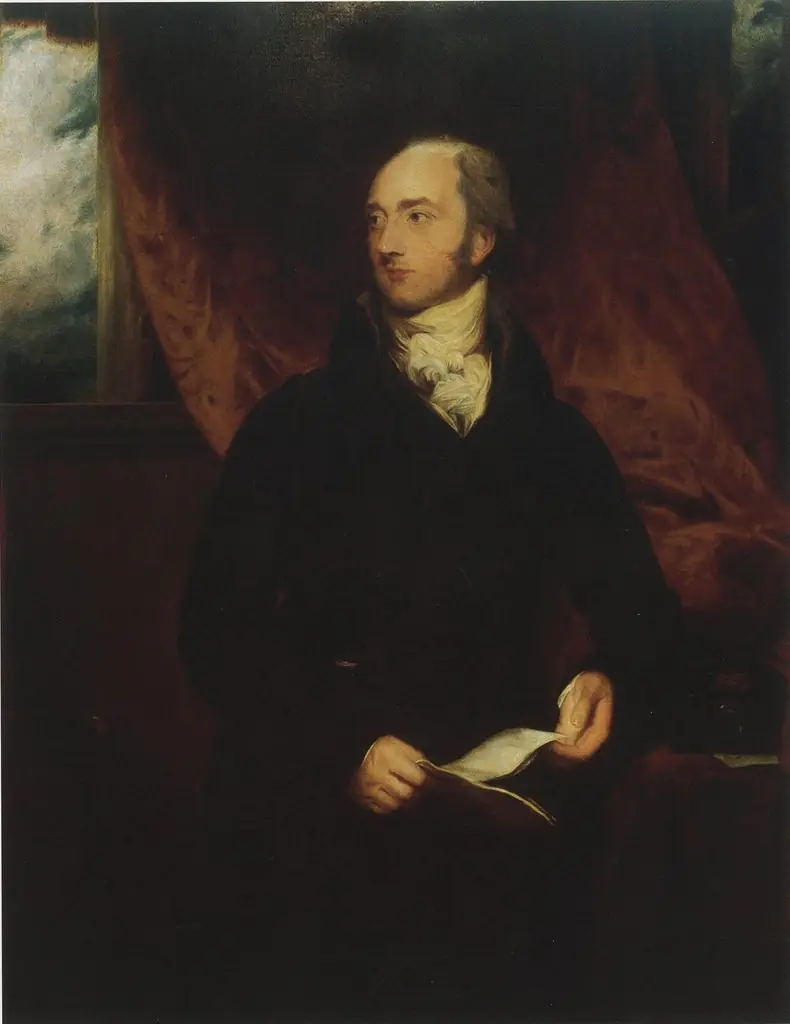 Portrait of George Canning
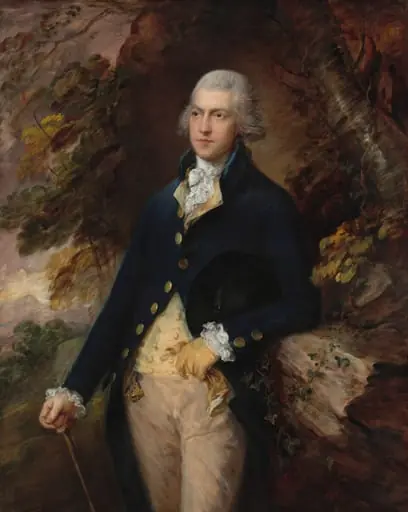 Francis Basset, Lord de Dunstanville
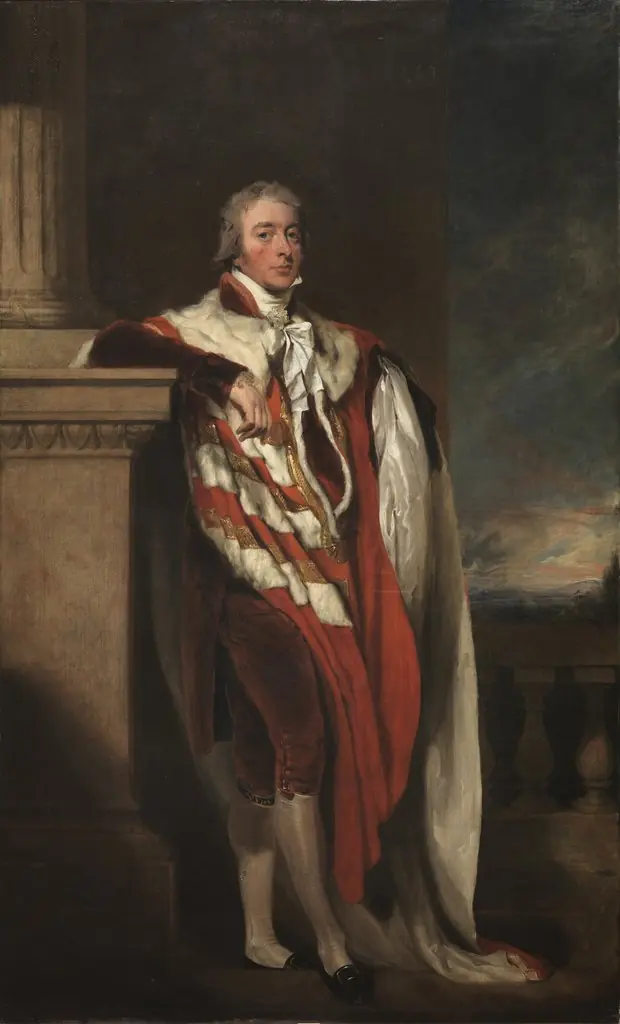 John Fane, 10th Earl of Westmoreland
 Portrait of Metternich
 Sir John Edward Swinburne
 An English gentleman
 Portrait of Joseph Farington, R.A.
 William Forsyth (1749–1814)
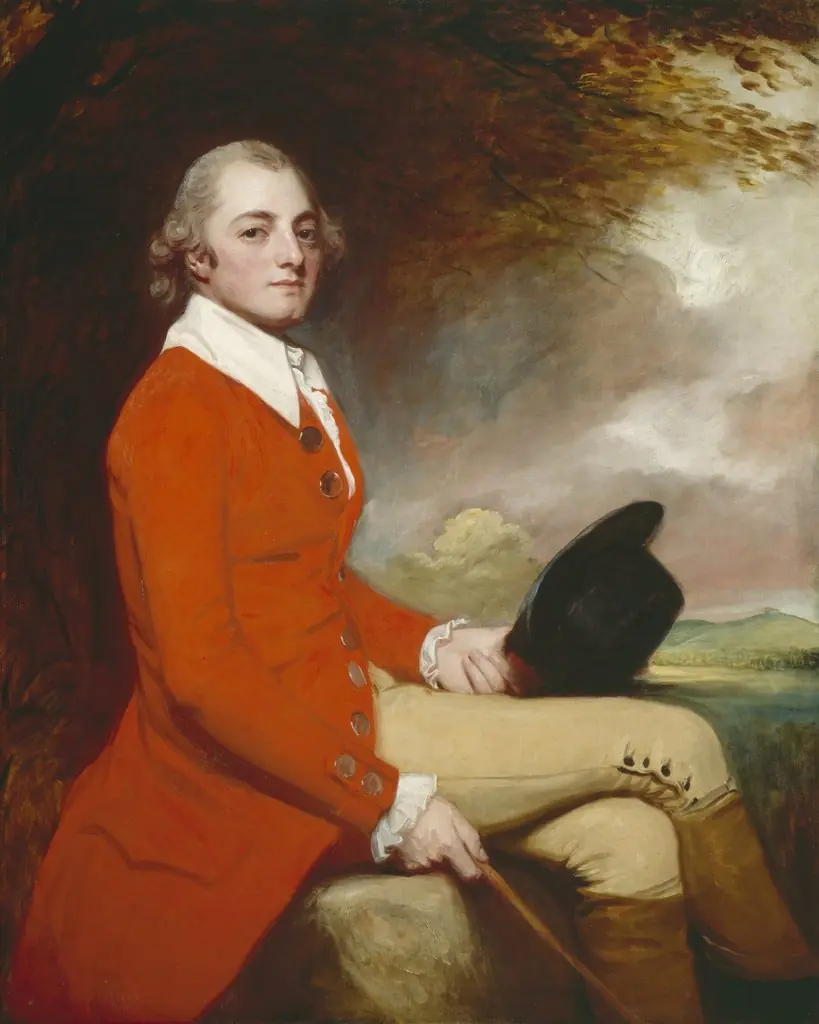 Thomas Grove of Ferne, Wiltshire
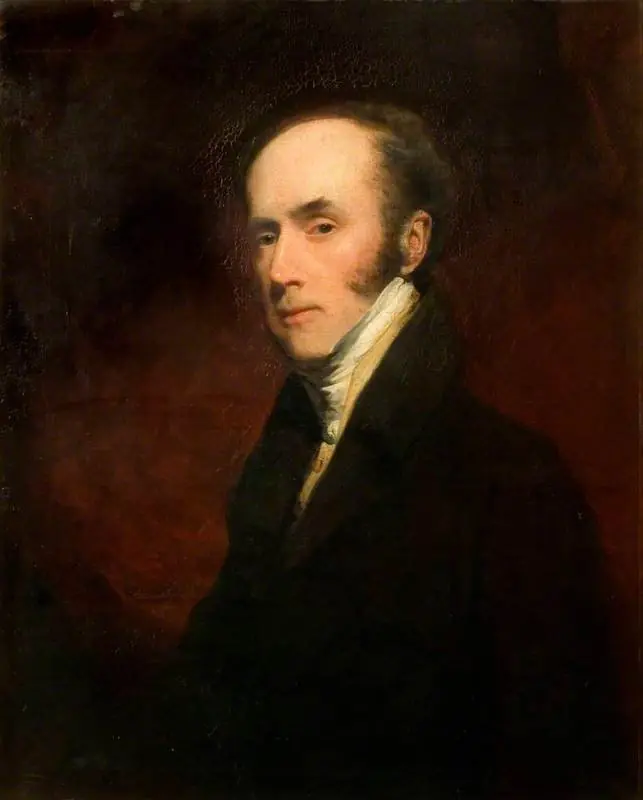 Charles Grey (1764–1845), 2nd Earl Grey