Artwork
Portrait of Margaretha Leuveling, Wife of Justus Tjeenk
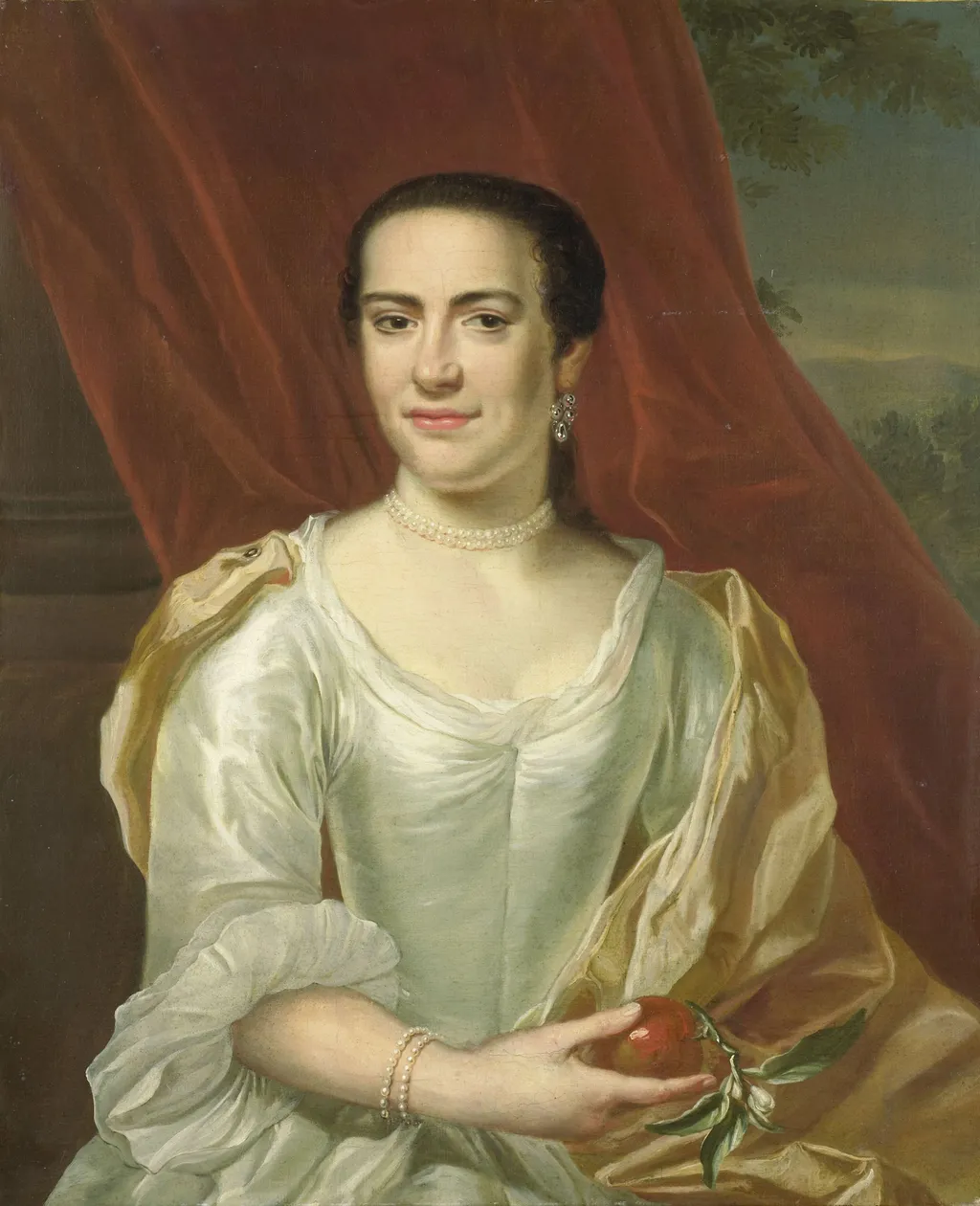
Portrait of Margaretha Leuveling, Wife of Justus Tjeenk is an oil painting by the Rococo painting artist Herman Frederik van Hengel. It dates from 1756 and is held in the collection of the Rijksmuseum.
About this work
Technique & Style
As a formal portrait, it adheres to the genre conventions of the mid-18th century, utilizing oil paint to render the likeness of Margaretha Leuveling.
Executed in 1756 by Herman Frederik van Hengel, this portrait is an oil painting on canvas. The work measures 83 cm in height and 68 cm in width. As a formal portrait, it adheres to the genre conventions of the mid-18th century, utilizing oil paint to render the likeness of Margaretha Leuveling.
The piece is classified within the painting tradition and is held in the collections of major Dutch institutions, including the Rijksmuseum and the Zeeuws Museum.
History & Provenance
The portrait was painted in 1756 by Herman Frederik van Hengel, as recorded by the artist’s dated signature on the work.
It entered the collection of the Cultural Heritage Agency of the Netherlands and was later held by the Zeeuws Museum before transfer to the Rijksmuseum, Amsterdam, where it is currently located. The painting’s early history and the identity of its first owners remain undocumented in the cited sources.
The painting is held by the Rijksmuseum in Amsterdam and by the Zeeuws Museum in Middelburg under the joint custody of the Cultural Heritage Agency of the Netherlands.
It is inventoried at the Rijksmuseum with the accession number SK-A-3413. The work was included in the 2017 exhibition “Dutch Masters from the Rijksmuseum” at the National Gallery of Victoria, Melbourne, and at the Art Gallery of New South Wales, Sydney.
Overview
Herman Frederik van Hengel’s oil portrait, dated 1756, depicts Margaretha Leuveling, the spouse of Justus Tjeenk. The work is part of the Rijksmuseum’s collection and presents the sitter in a composed, seated pose.
Subject & Meaning
Margaretta is shown wearing a pale‑green gown with puffed sleeves, her dark hair gathered back, and adorned with a pearl necklace and matching earrings. She holds a vivid red apple in her left hand, a detail that draws attention amid the subdued palette, suggesting a possible symbolic reference to fertility or domestic virtue.
Context
Created during a period when Dutch portraiture emphasized modesty and refined domestic representation, the painting aligns with contemporary conventions of portraying married women in genteel attire, often accompanied by symbolic objects such as fruit to convey moral or familial themes.
Own this work as a print
Artist & collection
Artist
Herman Frederik van Hengel (1705–1785) was an artist, born in Nijmegen.

 Portrait of a Lady, Said to Be the Wife of Sir Robert Travers
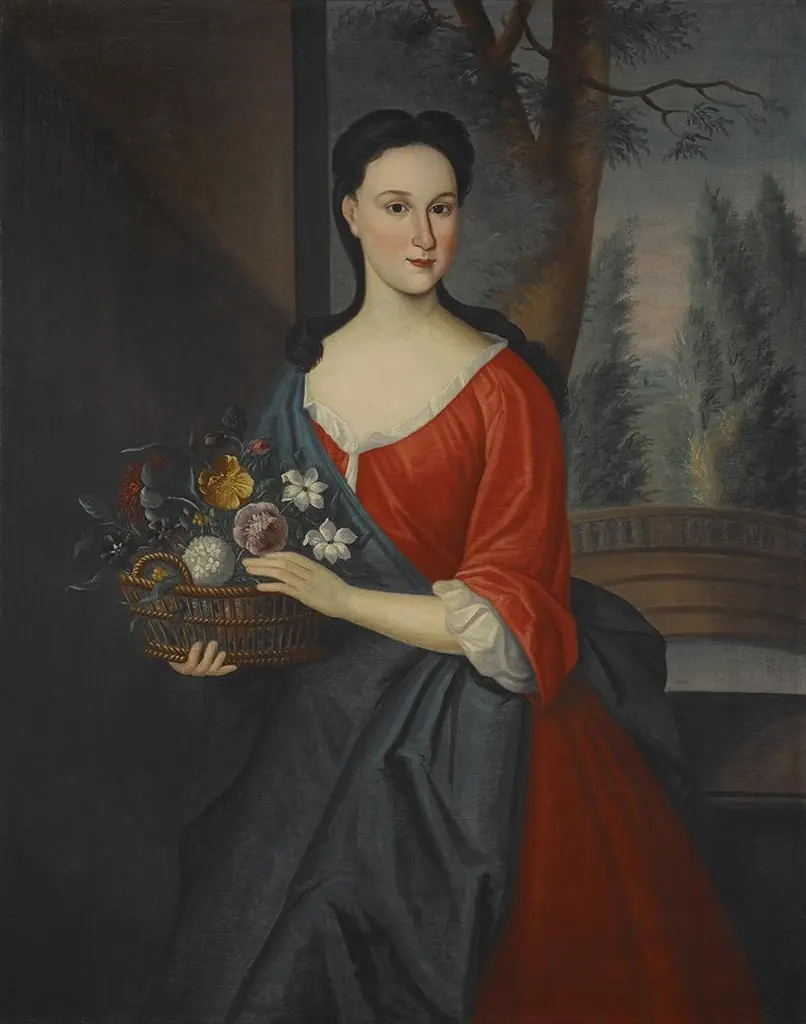 Richa Franks
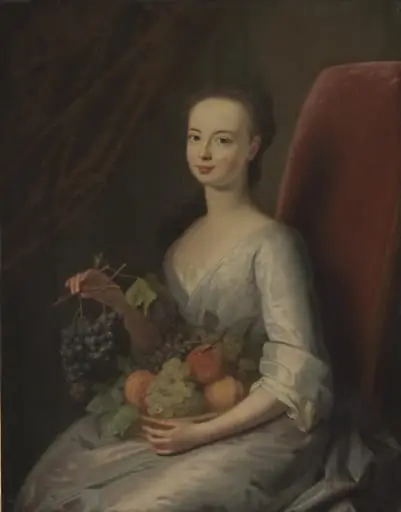 The Artist's Daugther
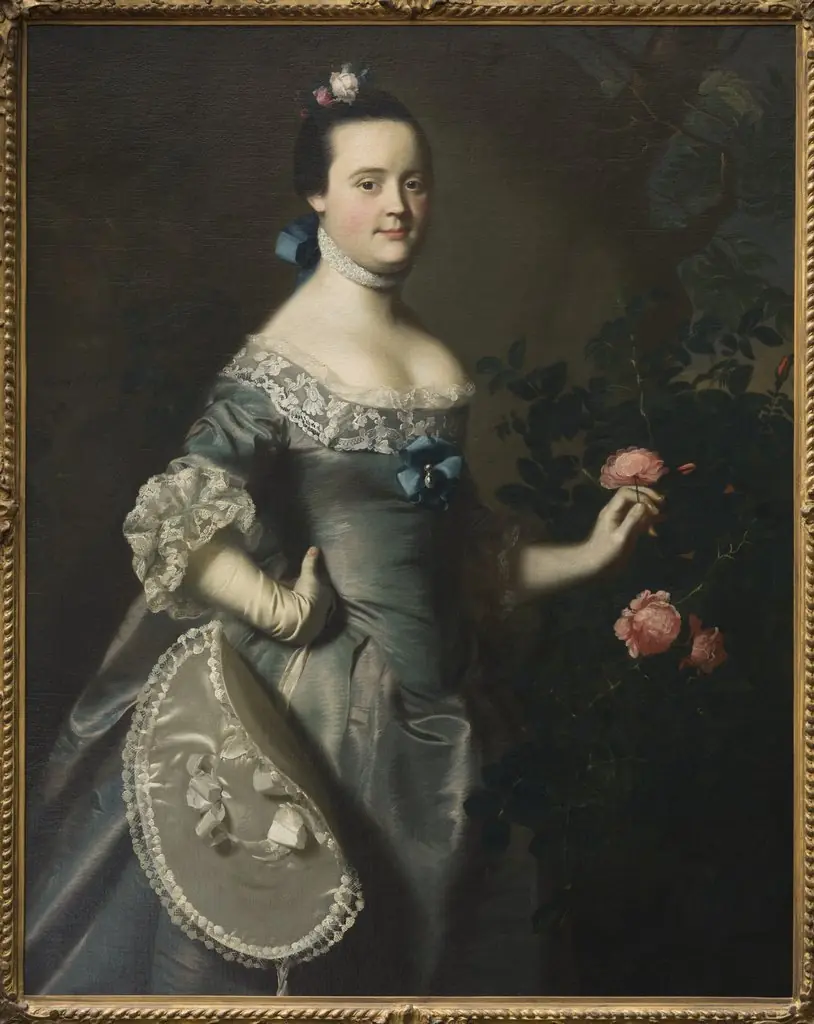 Hannah Loring
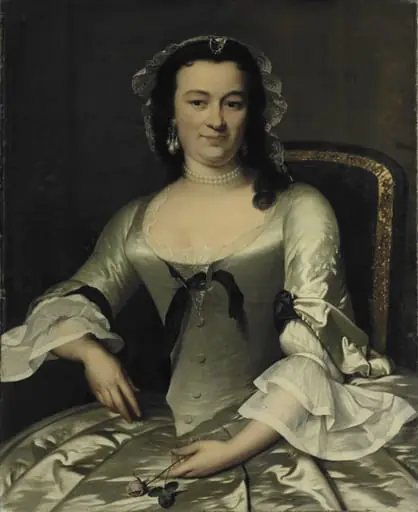 Portrait of Maria Henriëtte van de Pol, Wife of Willem Sautijn
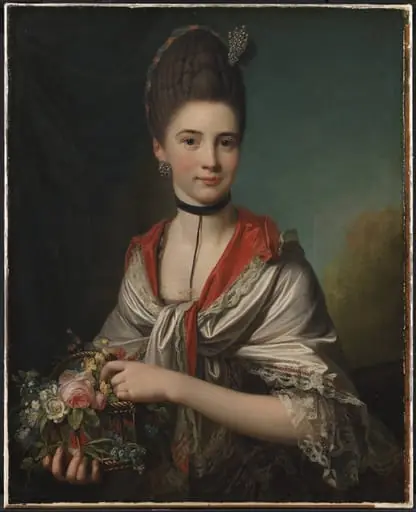 Portrait of Anna Elisabeth Battier, née Storp
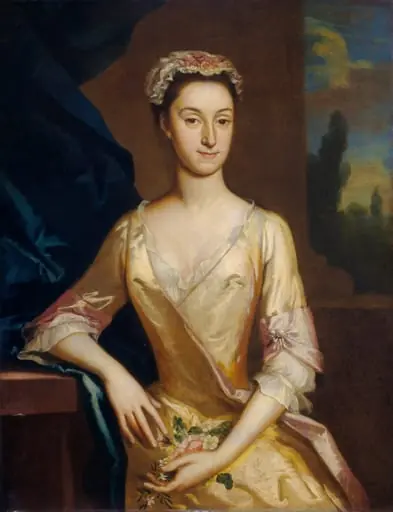 Portrait of a Lady
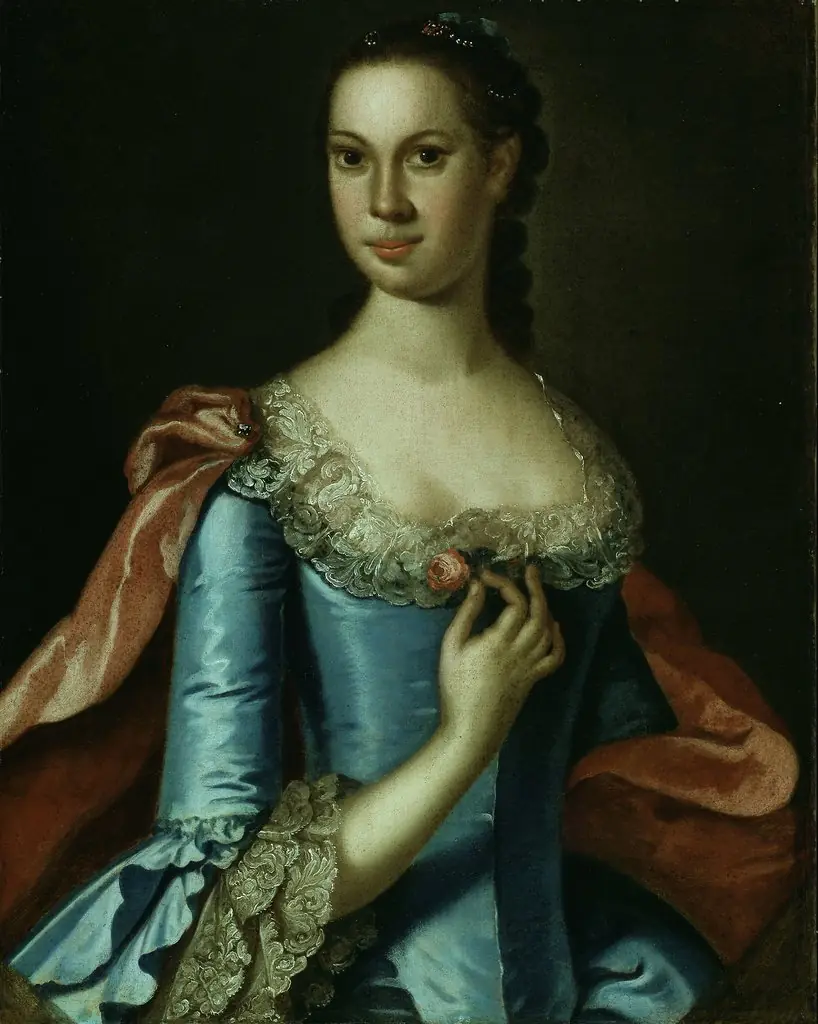 Mrs. William Carmichael
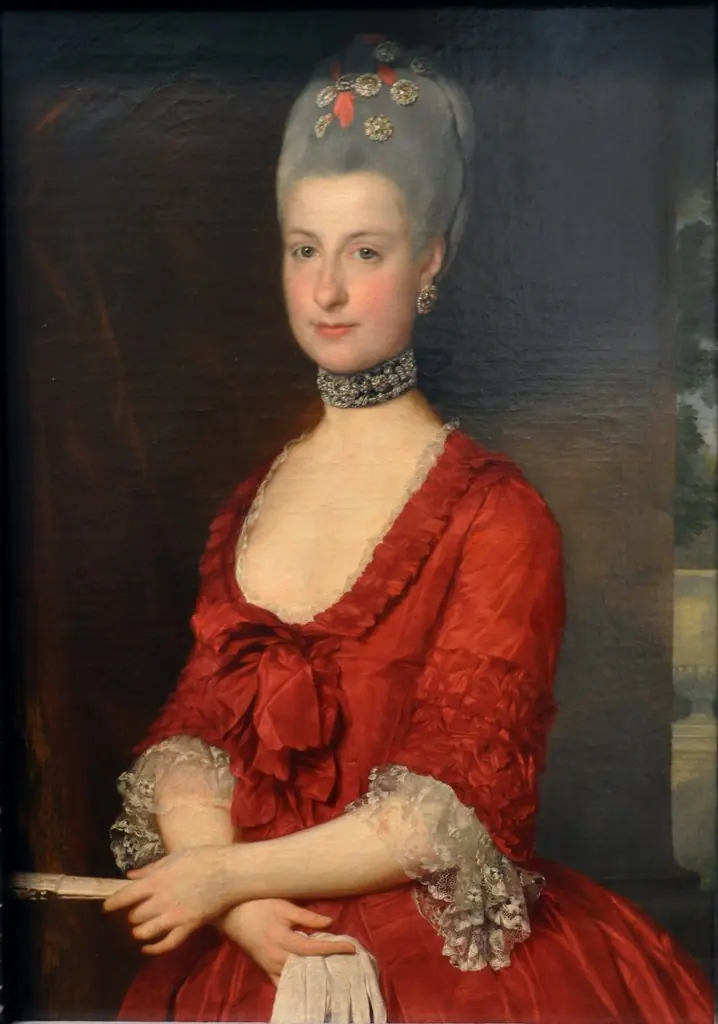 Portrait of Archduchess Maria Christina (1742-1798), Duchess of Teschen
 Abigail Chesebrough (Mrs. Alexander Grant)
 Jane Cutler Doane