Artwork
Madonna of the Yarnwinder
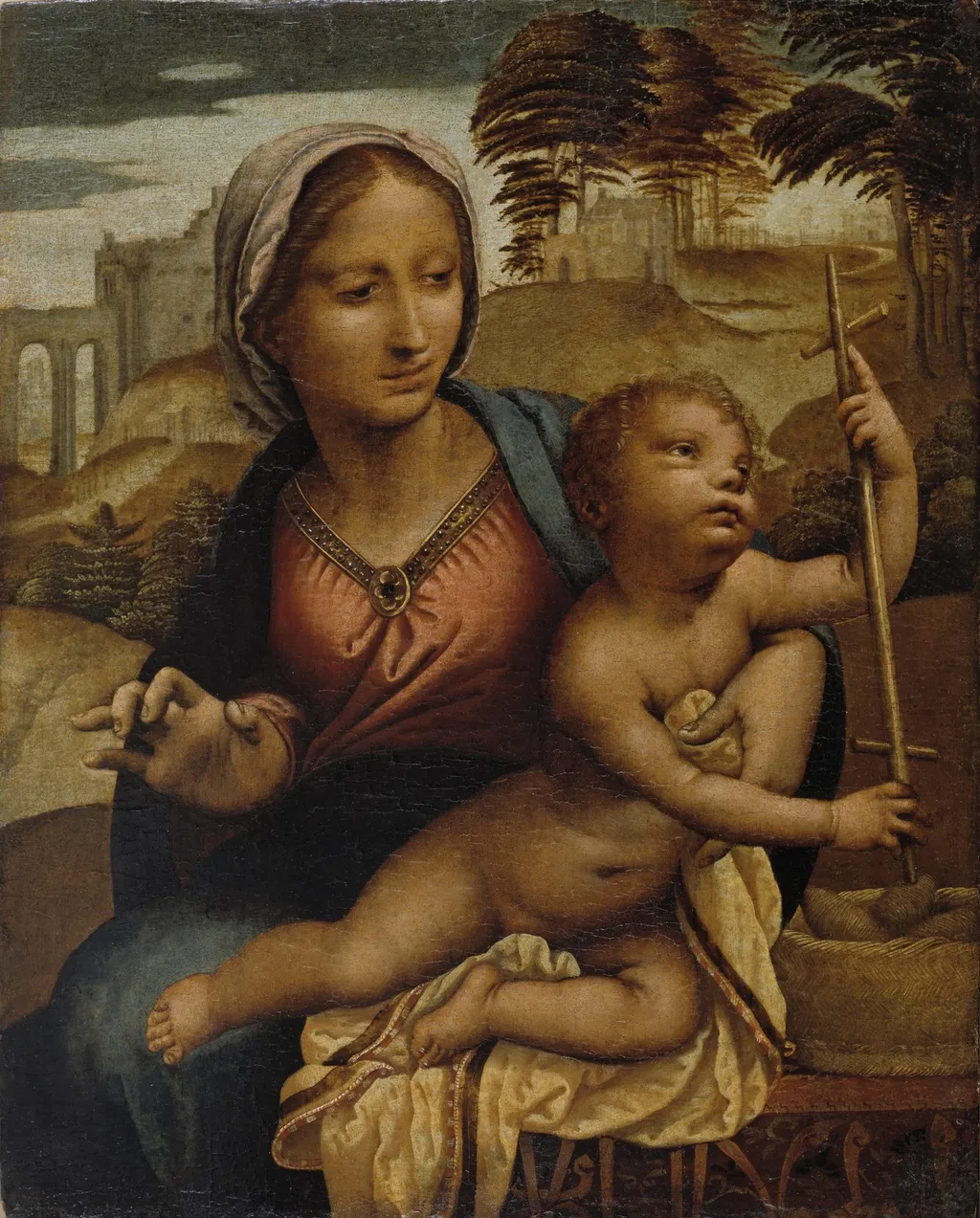
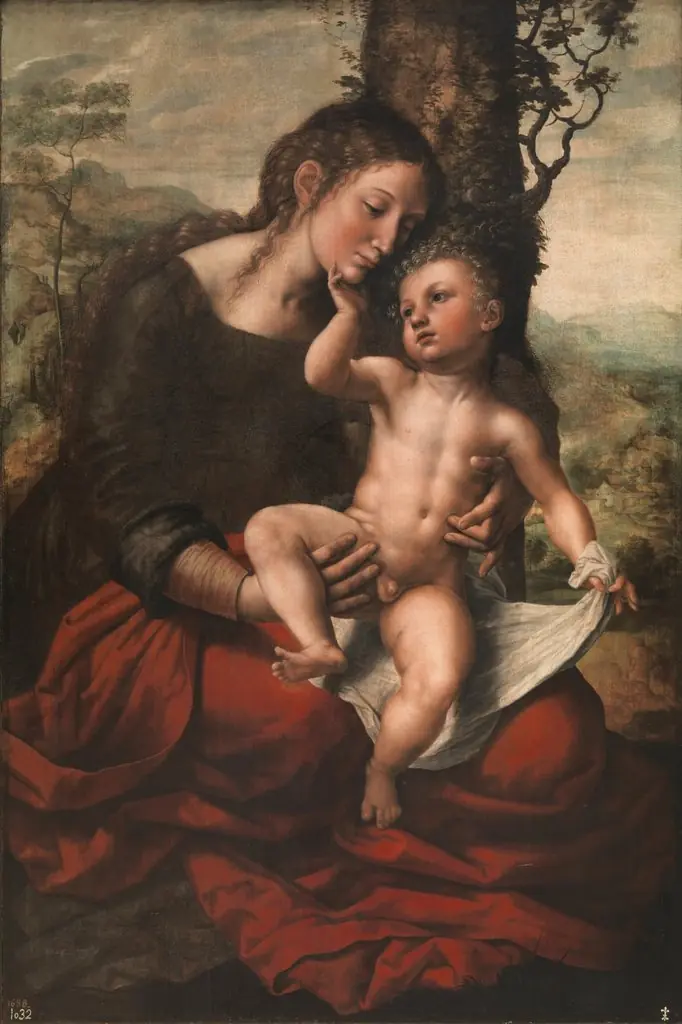
Madonna of the Yarnwinder is an oil painting by the Early Renaissance artist Hernando de los Llanos. It dates from 1501 and is held in the collection of the Museo del Prado.
About this work
Subject & Meaning
The composition focuses on the maternal bond between Mary and the infant Christ, a recurring theme in late medieval and early Renaissance devotional imagery.
The painting depicts the Madonna and Child, with the Virgin Mary shown alongside the Christ Child as its principal subject. Classified as a religious work, it presents the traditional devotional pairing central to Christian iconography, rendered in oil on panel. The composition focuses on the maternal bond between Mary and the infant Christ, a recurring theme in late medieval and early Renaissance devotional imagery.
The specific iconographic motif of the yarnwinder, a device for winding yarn, traditionally alludes to the Passion of Christ, with the winding of thread symbolizing the weaving of the crown of thorns or the thread of Christ's fate, while also evoking Mary's domestic role and her foreknowledge of her son's destiny. However, the provided sources do not detail the yarnwinder motif itself or elaborate on its symbolic meaning within this particular composition.
Technique & Style
The work is an oil painting executed on a wooden panel, measuring 58 cm by 46 cm. Its surface bears the delicate handling typical of early 16th‑century Spanish religious art, with fine brushwork defining the Madonna and Child and subtle chiaroscuro modeling their forms. The composition centers the Virgin cradling the infant Christ, framed by the intimate gesture of the Yarnwinder motif that alludes to the tools of the Passion. These stylistic choices reflect de los Llanos’s synthesis of Flemish technique and Italian compositional balance, producing a devotional image that is both intimate and formally refined.
History & Provenance
The painting known as the Madonna of the Yarnwinder, created by Hernando de los Llanos in 1501, is held in the collection of the Museo del Prado in Madrid. The work is cataloged as an oil painting on panel depicting the Madonna and Child within the religious art genre. While the specific inventory or accession number is not provided in the available records, its location is confirmed as the Museo del Prado. No specific exhibition history or past display dates are documented in the provided sources.
Overview
Created in 1501, the Madonna of the Yarnwinder is an oil painting now part of the Museo del Prado’s collection. Executed by the Spanish Renaissance painter Hernando de los Llanos, the work reflects the early 16th‑century diffusion of Italian artistic ideas into the Iberian Peninsula.
Context
The work belongs to the early Renaissance movement in Spain, a period when local painters began adopting the naturalism and anatomical precision of Italian masters. Its subject, a tender Madonna and Child, aligns with contemporary devotional trends while the inclusion of the yarnwinder introduces a subtle theological motif.
Own this work as a print
Artist & collection
Artist
Fernando Llanos, also known as Hernando de los Llanos (1470–1525) was a Spanish Renaissance painter active in the early 16th century.

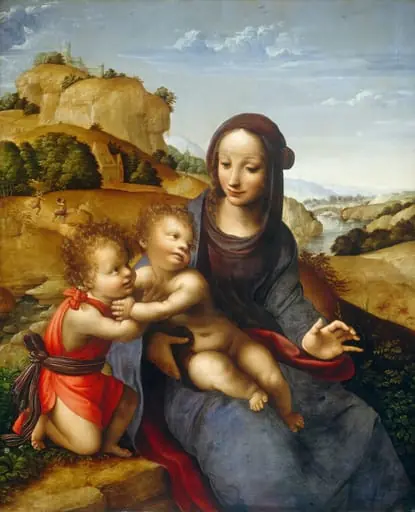 Madonna and Child with the Infant Saint John
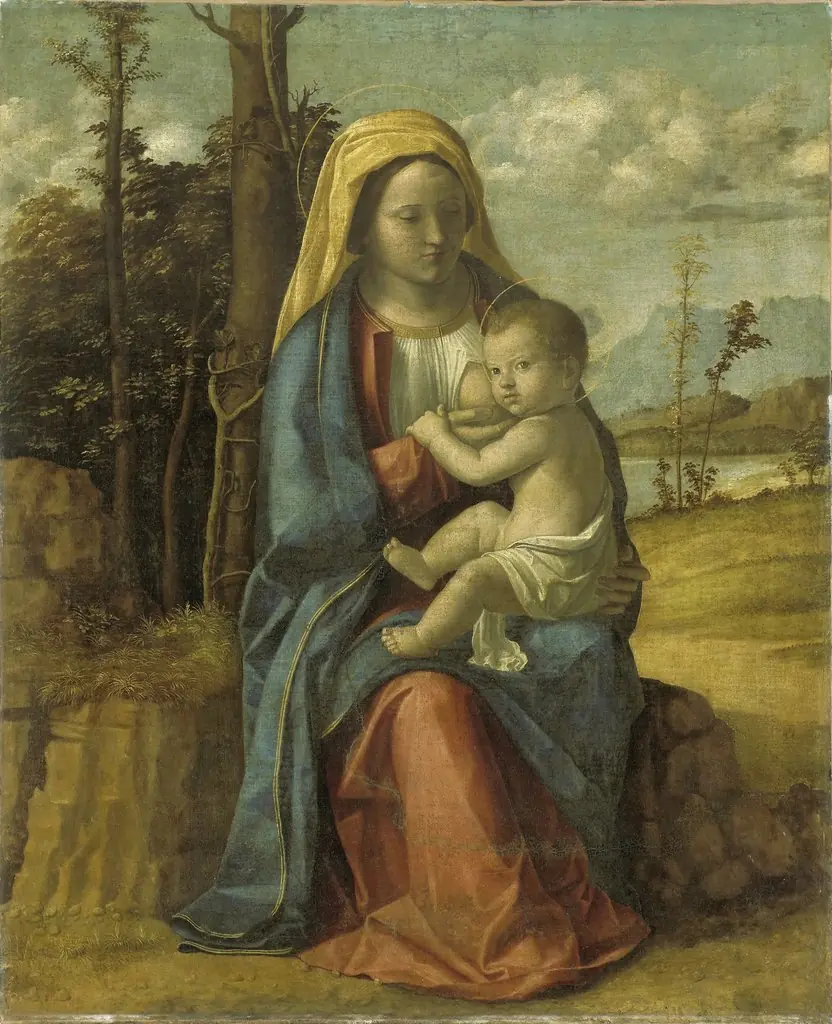 Madonna and Child
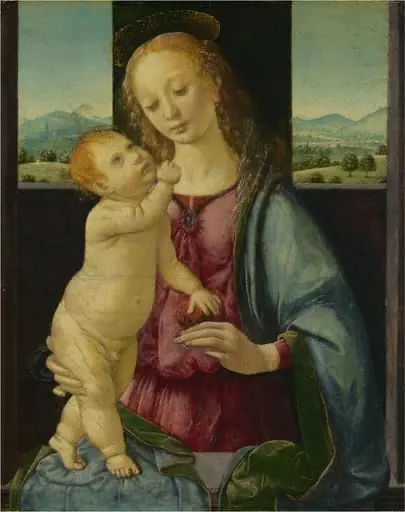 Madonna and Child with a Pomegranate
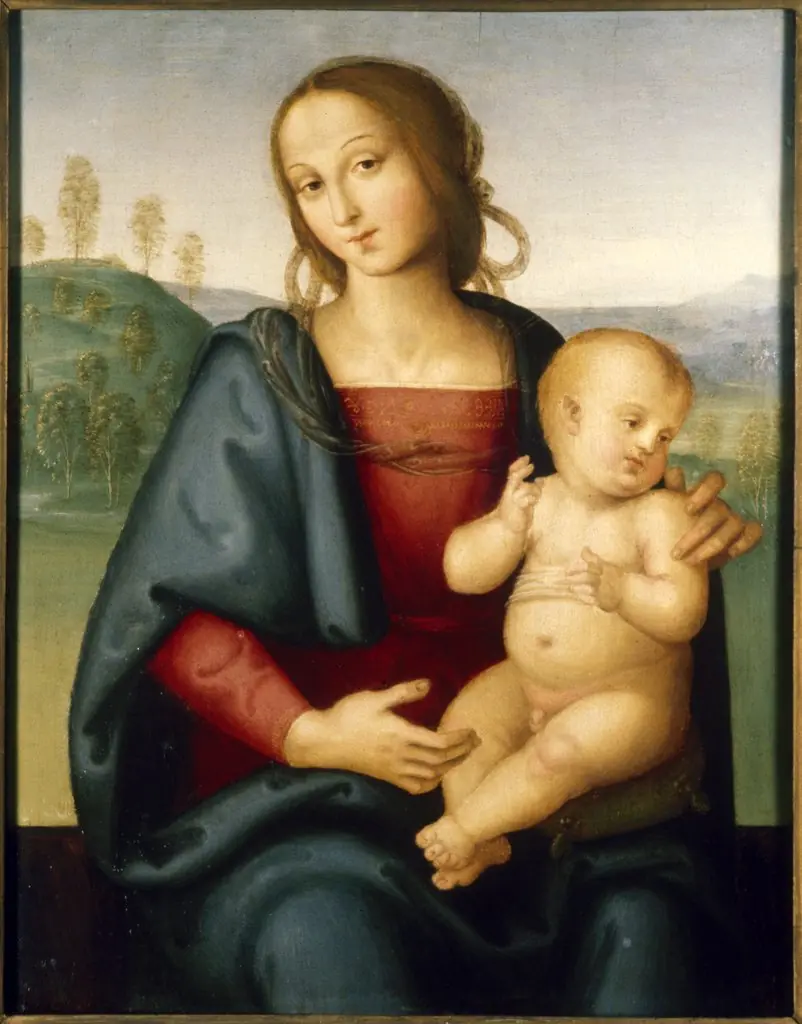 Madonna and Child
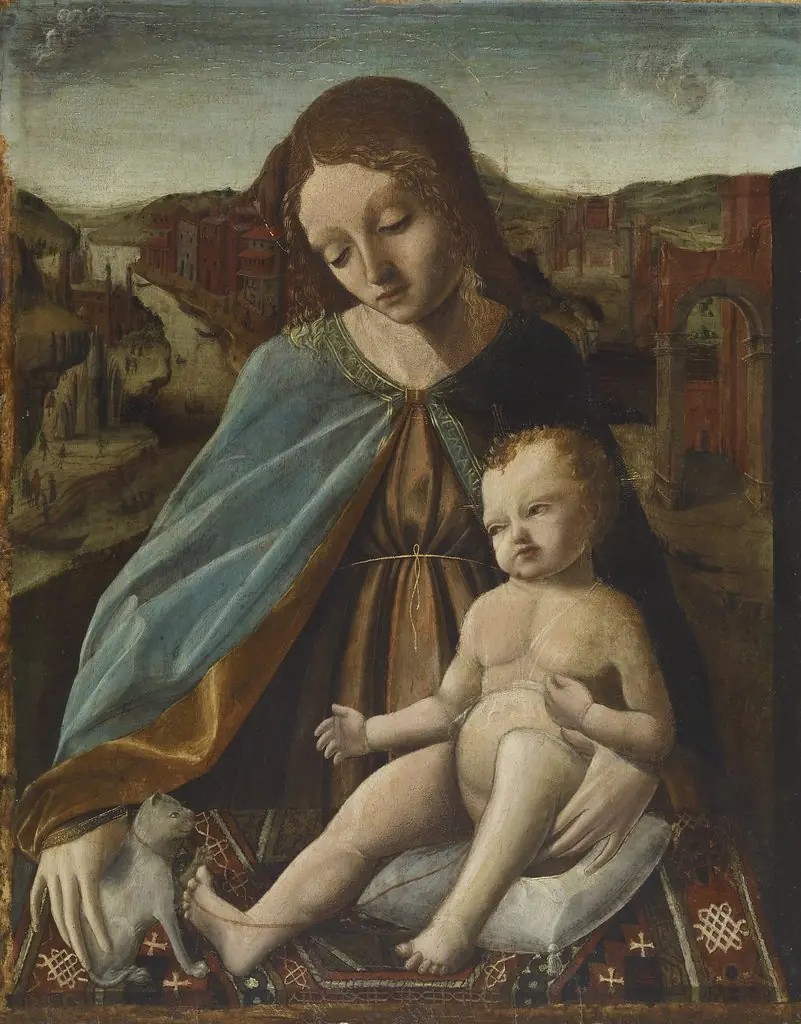 Madonna and Child with a Cat
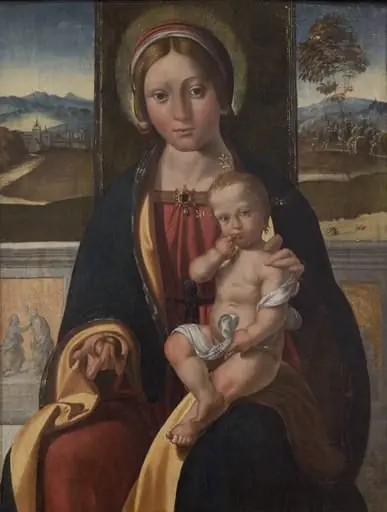 The Virgin and Child
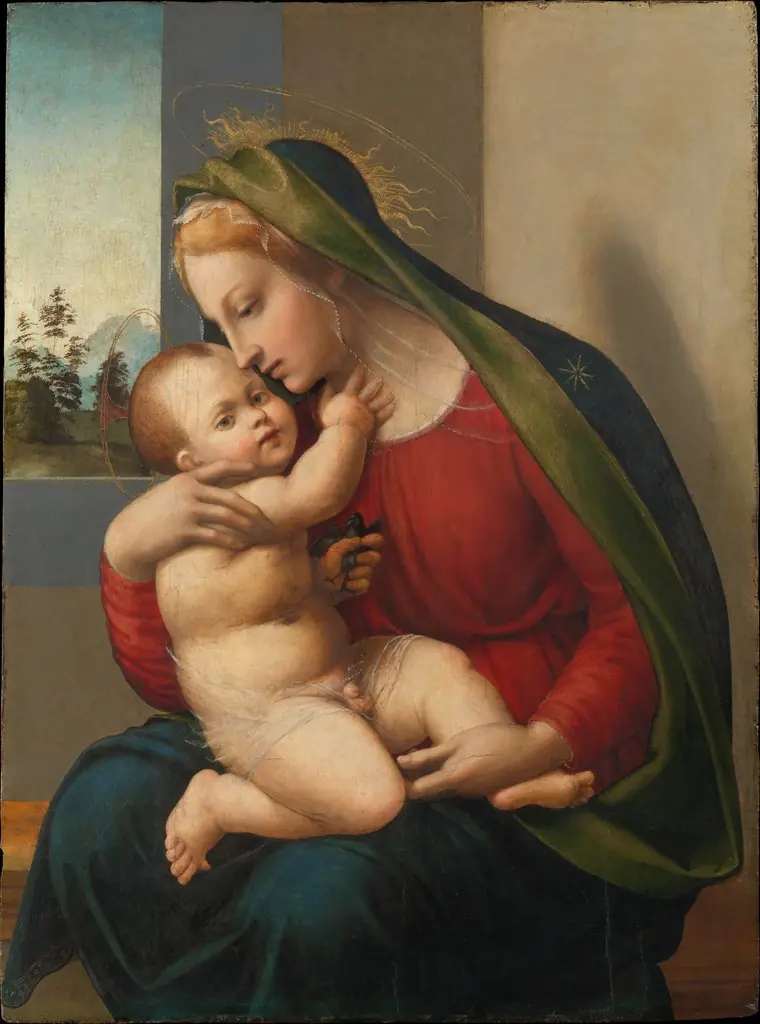 Madonna and Child
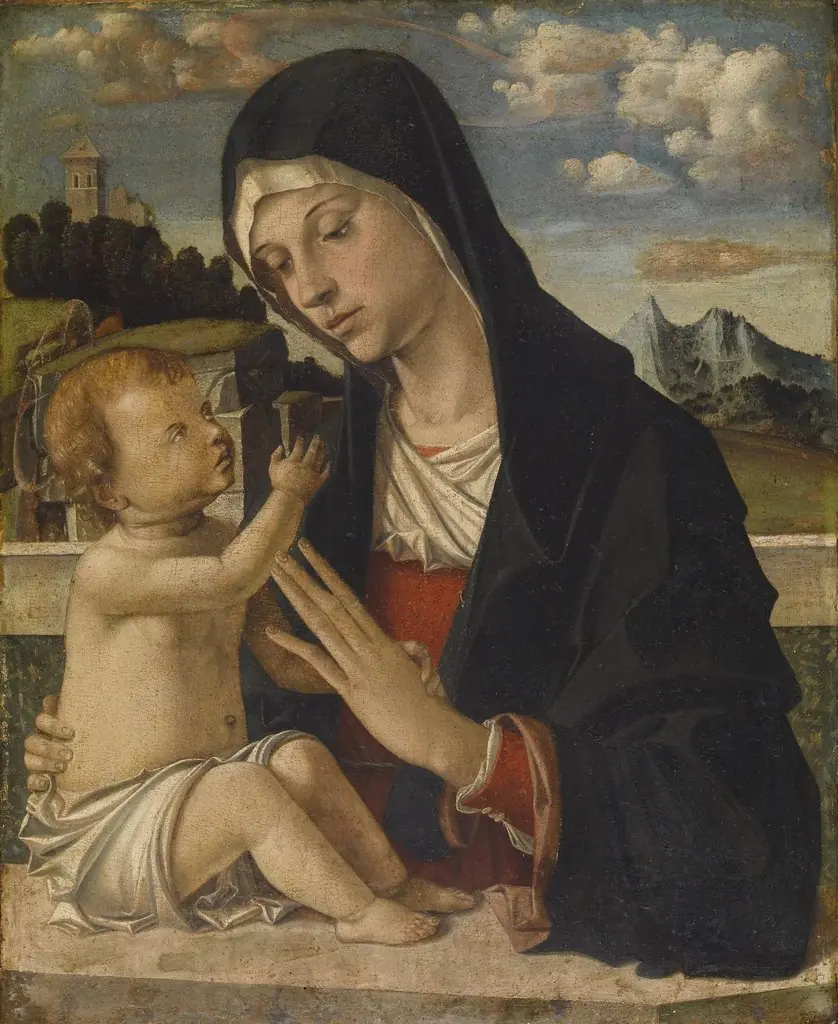 Madonna and Child
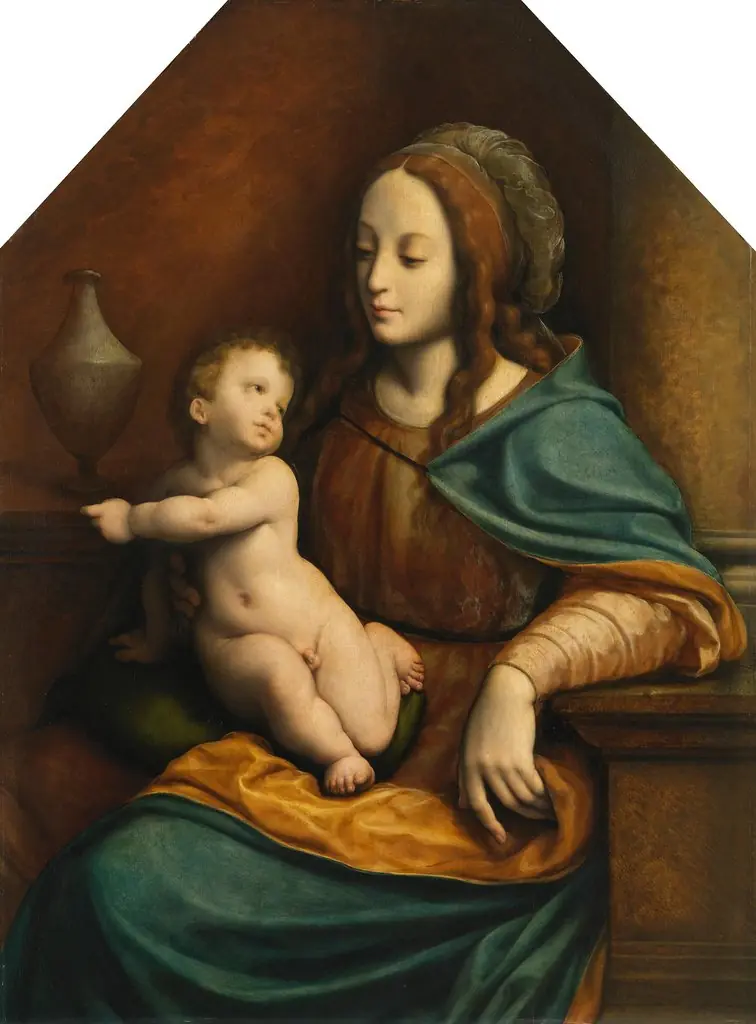 Maria mit Kind (Pommersfeldener Madonna)
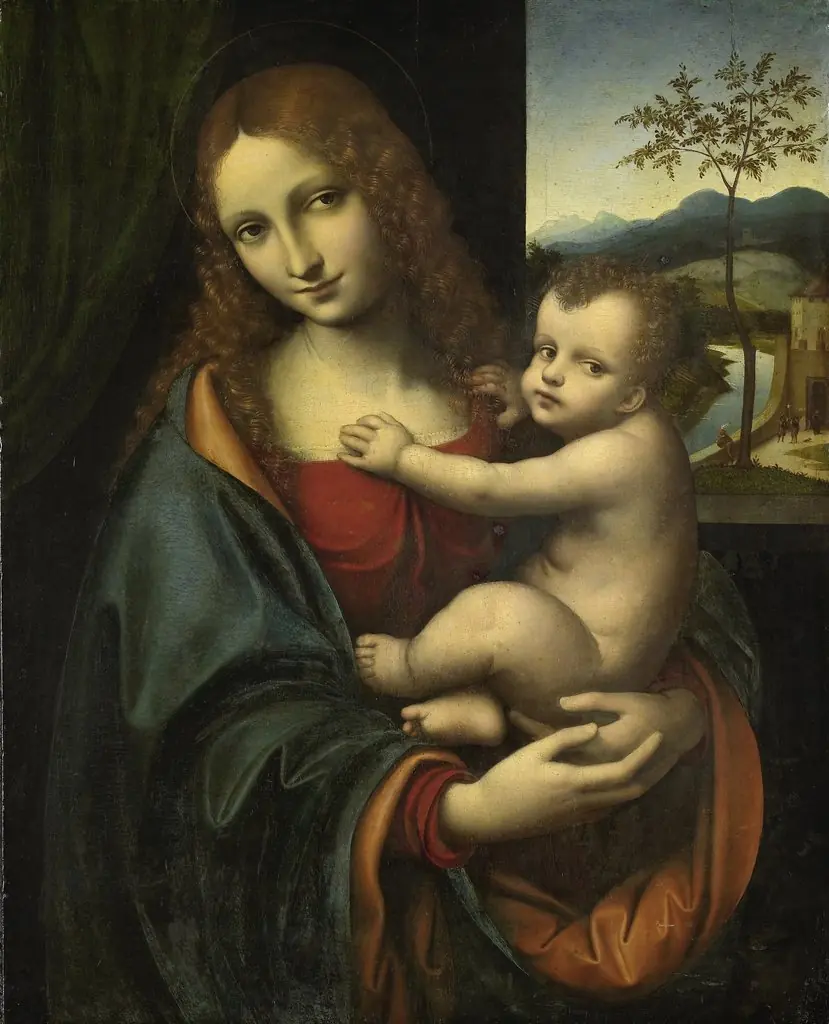 Virgin and Child
 The Virgin and the Child
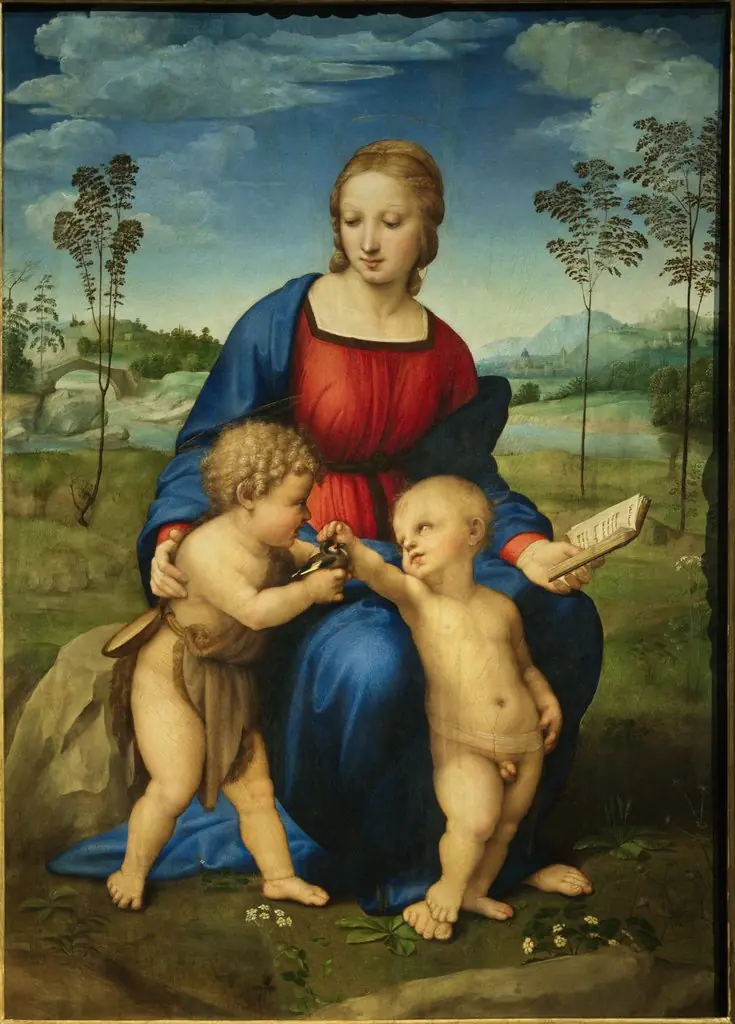
- Madonna of the Goldfinch