Artwork
Madonna and Child
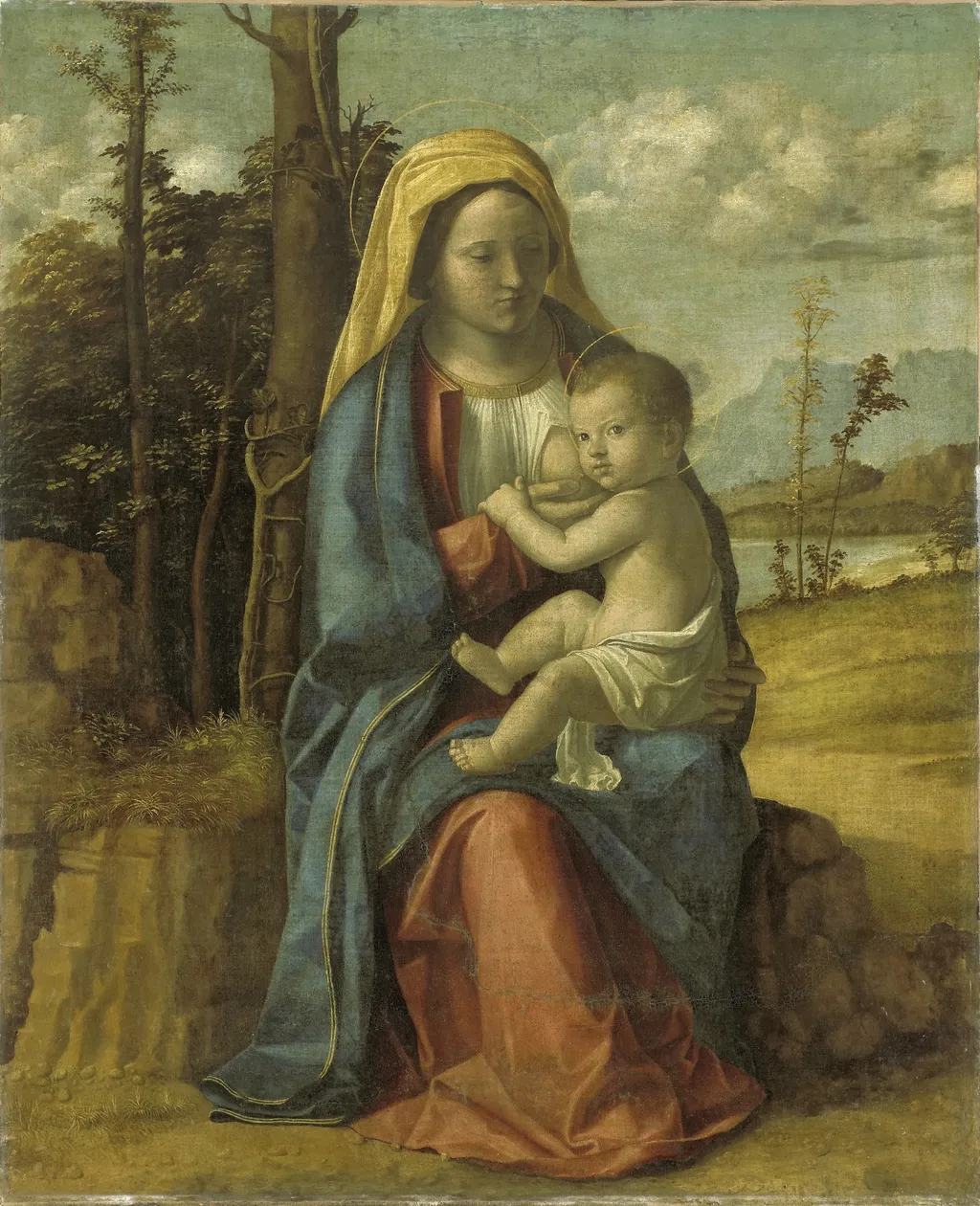
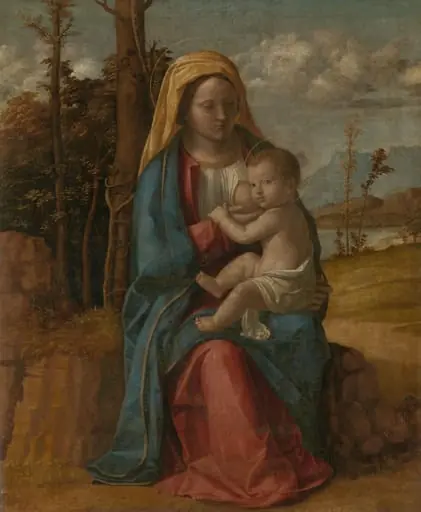
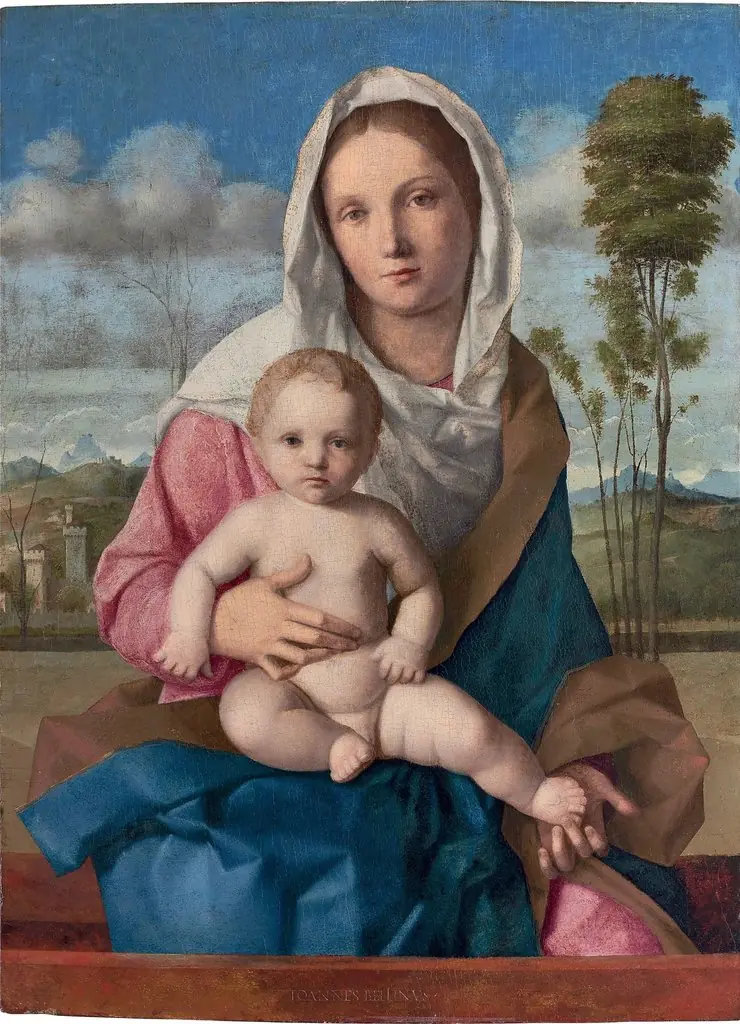
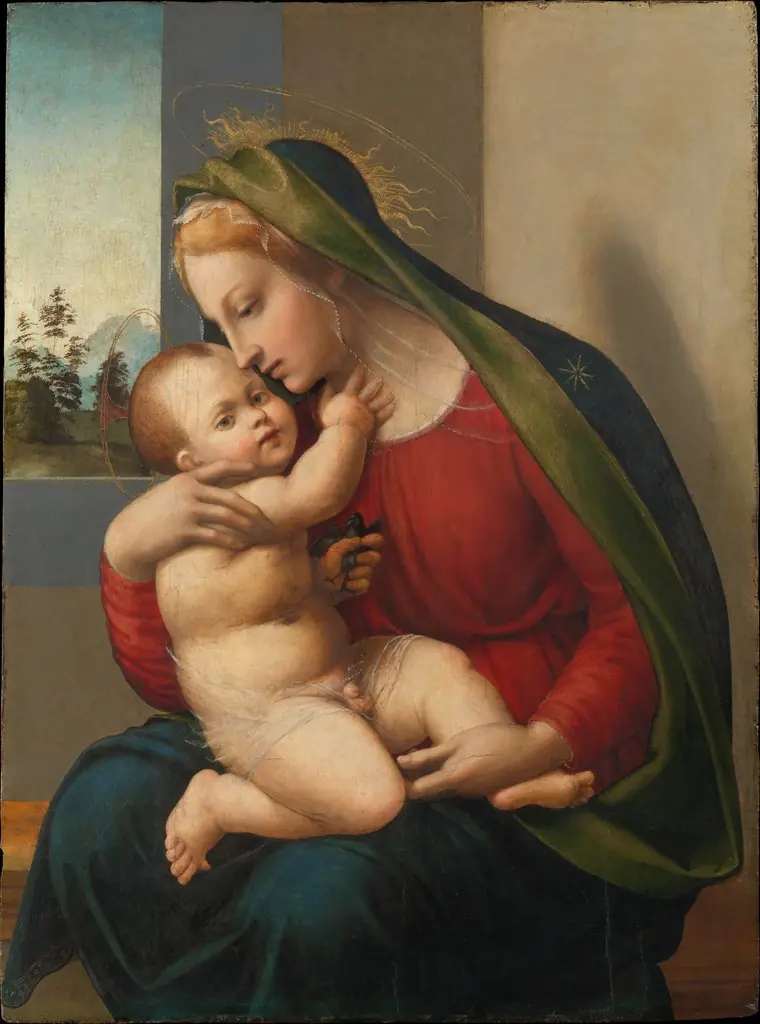
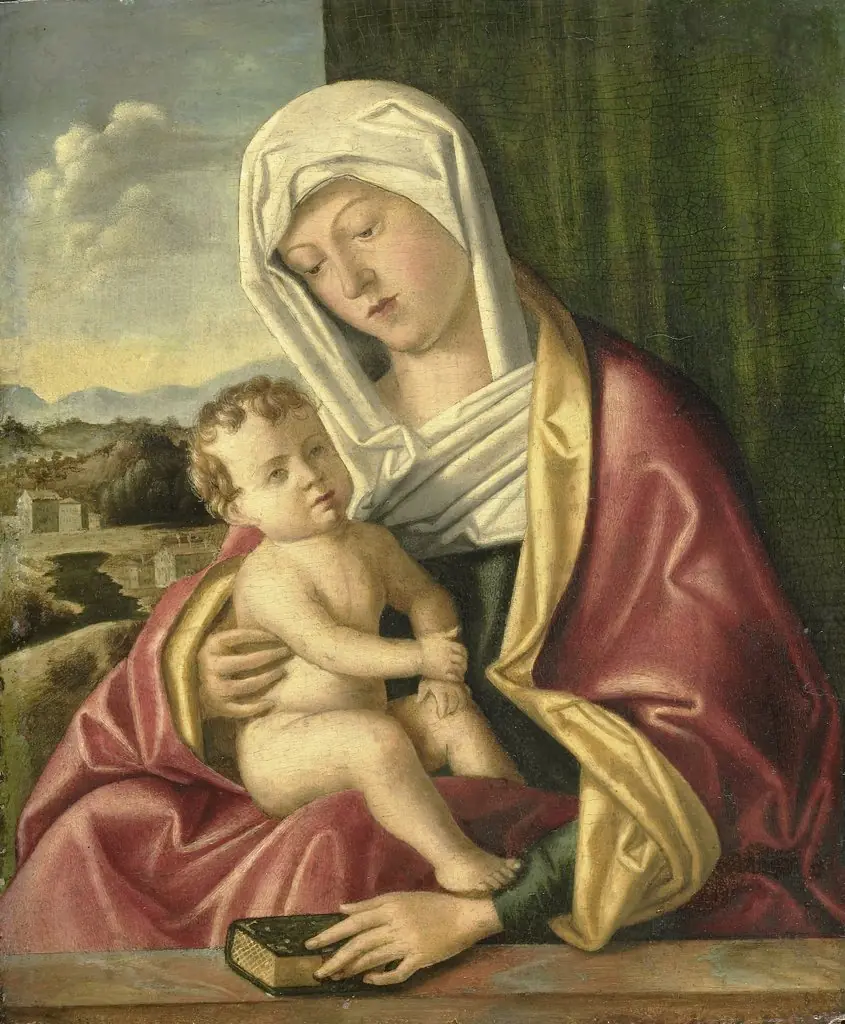
Madonna and Child is an oil painting by the High Renaissance artist Giovanni Battista Cima da Conegliano. It dates from 1512 and is held in the collection of the Rijksmuseum.
About this work
Subject & Meaning
This iconography serves to illustrate the human and divine aspects of the figures, a common motif in devotional paintings of the period.
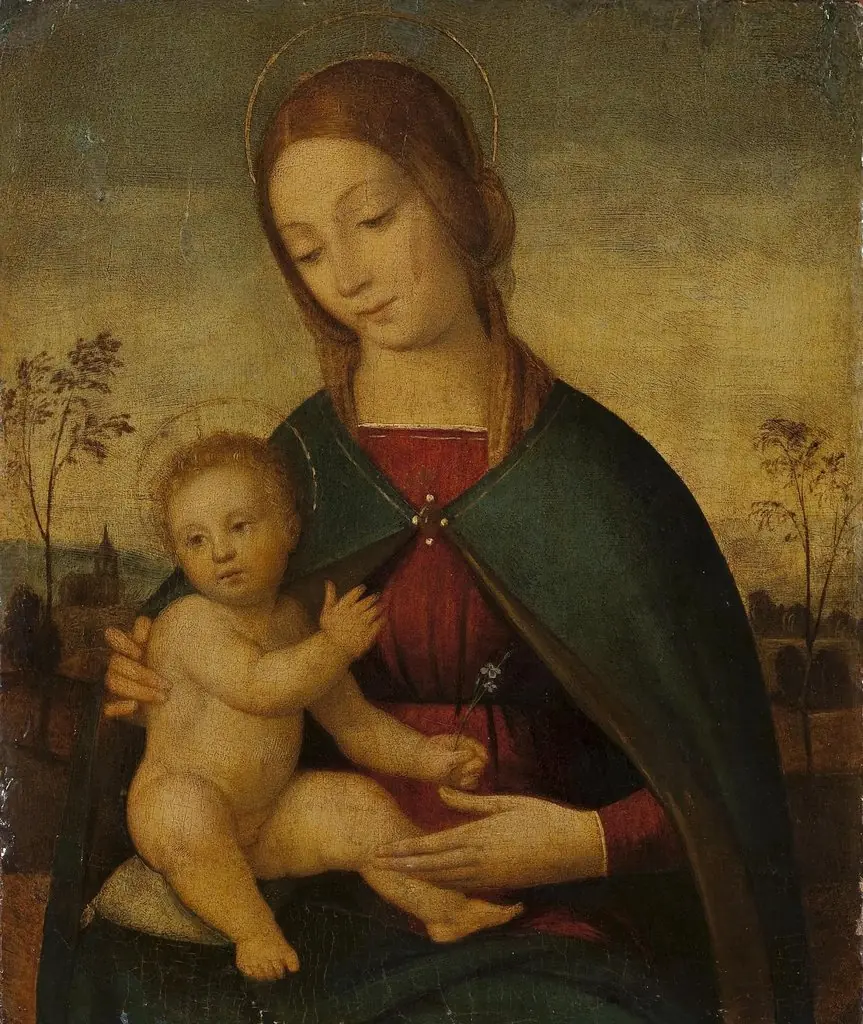
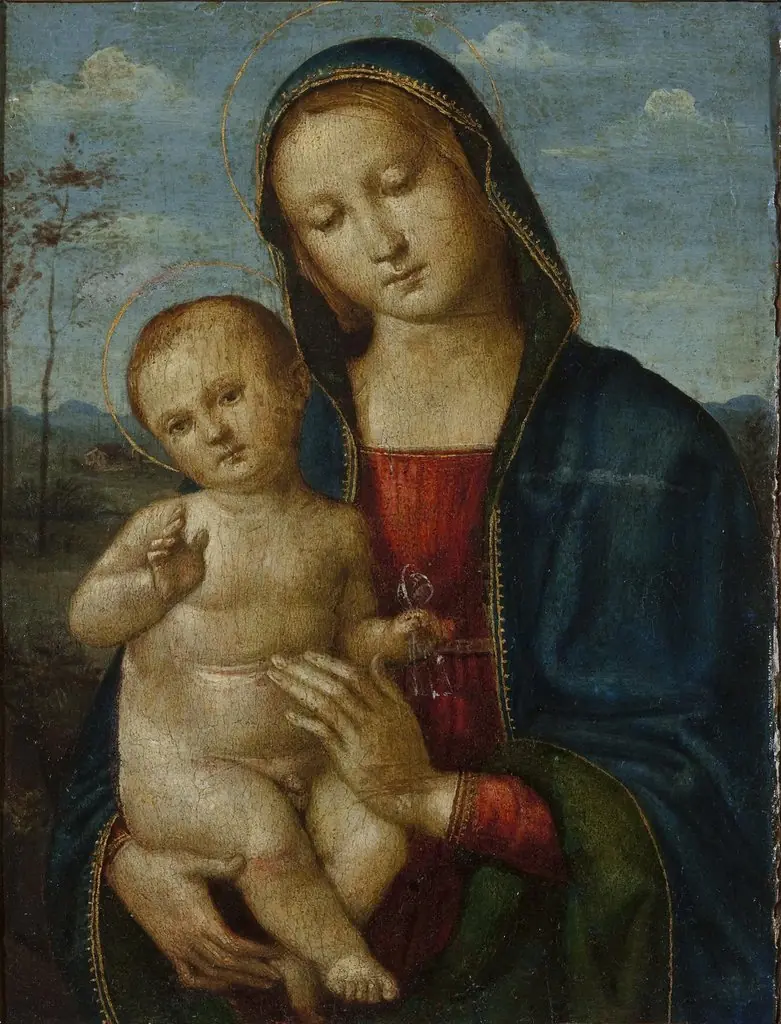
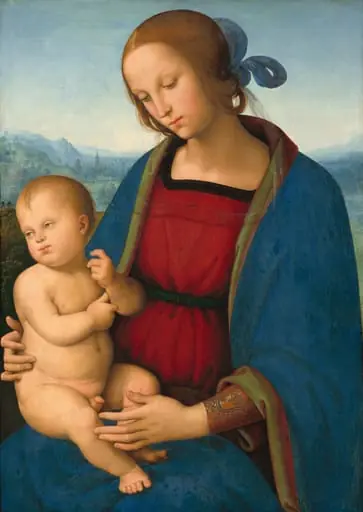
The painting depicts the Virgin Mary holding the Christ Child, representing the central Christian theme of the Madonna and Child. As a work of religious art, the subject focuses on the intimate bond between mother and divine son. The composition highlights Mary and the Christ Child, emphasizing their roles within a sacred context.
This iconography serves to illustrate the human and divine aspects of the figures, a common motif in devotional paintings of the period.
Technique & Style
The work is an oil painting created on canvas in 1512. Its support consists of canvas, noted in the descriptive record alongside oil paint. The composition depicts the Virgin Mary holding the infant Christ in a simple, devotional arrangement typical of early sixteenth-century Venetian religious art.
The painting's surface shows the smooth blending of oil pigments, reflecting the artist's technical handling of the medium.
The formal treatment emphasizes a calm central grouping of figures, with muted colour modulation that guides the viewer's eye toward the intimate interaction between mother and child, underscoring the devotional function of the piece.
History & Provenance
Madonna and Child was created in 1512 by Giovanni Battista Cima da Conegliano as an oil painting on canvas, depicting the Virgin Mary holding the infant Christ. The painting is held in the collection of the Rijksmuseum in Amsterdam, where it is part of the permanent holdings, and measures 83 cm by 68 cm. The available sources do not list a specific inventory or accession number, nor do they detail an exhibition history for the work.
Overview
Giovanni Battista Cima da Conegliano's Madonna and Child, an oil painting from 1512, exemplifies the High Renaissance style. This work depicts the Virgin Mary tenderly holding the Christ Child, a frequent subject for the Venetian artist. Cima was recognized for his serene religious compositions and atmospheric landscapes, often creating small devotional images for private patrons. The piece is currently housed in the collection of the Rijksmuseum.
Context
Active during the late 15th and early 16th centuries, Giovanni Battista Cima da Conegliano was a notable figure in the Venetian High Renaissance. He specialized in creating religious imagery, frequently producing small-scale devotional pieces such as this one. These works were typically commissioned by private individuals for personal contemplation, reflecting a demand for intimate sacred art outside of larger altarpieces.
Own this work as a print
Artist & collection
Artist
Giovanni Battista Cima da Conegliano
Giovanni Battista Cima, also called Cima da Conegliano (c. 1459 – c. 1517), was an Italian Renaissance painter, who mostly worked in Venice. He can be considered part of the Venetian school, though he was also…

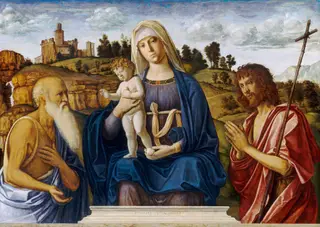 Madonna and Child with Saint Jerome and Saint John the Baptist
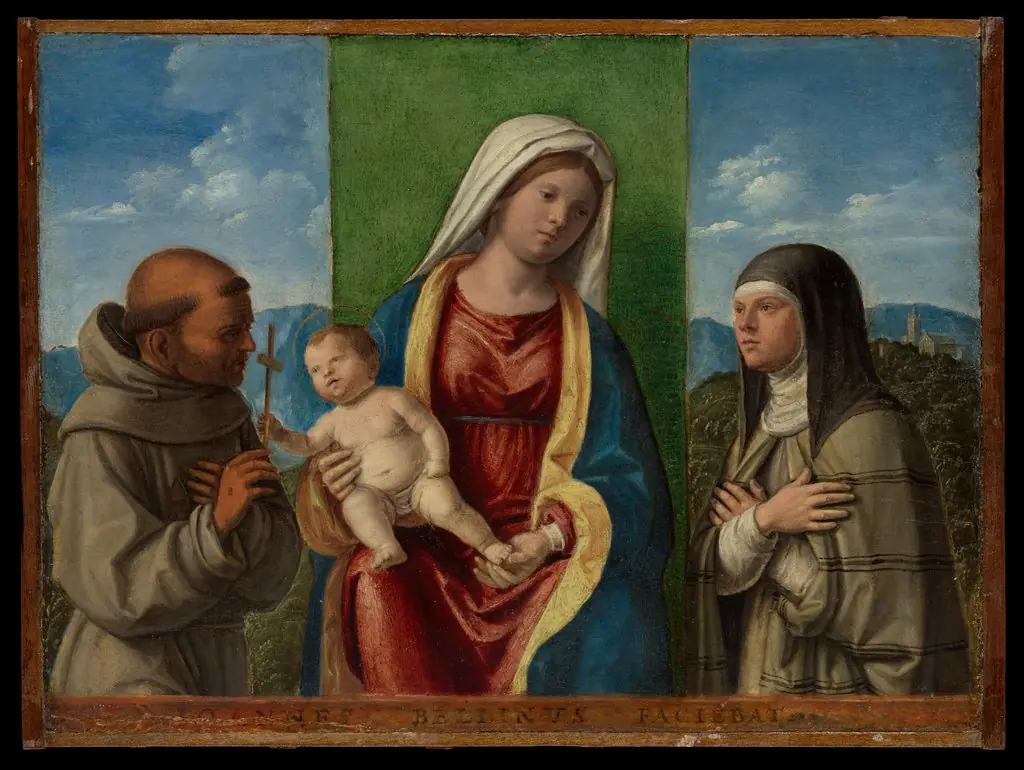 Madonna and Child with Saints Francis and Clare
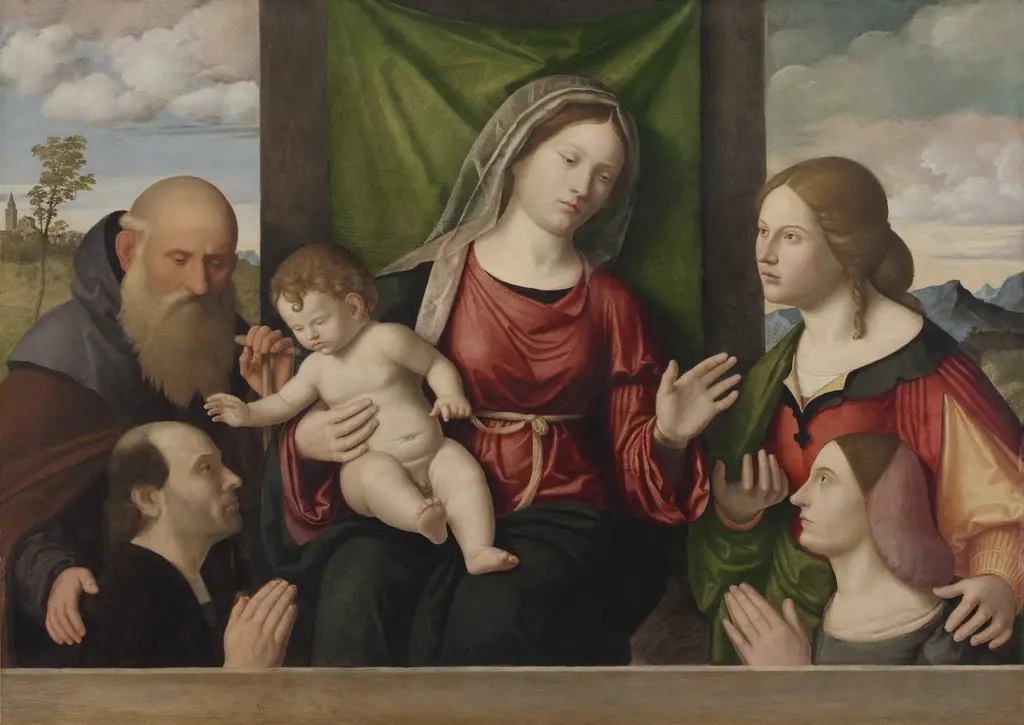 Virgin and Child with Saints and Donors
 Saints Roch, Anthony Abbot and Lucy
 Saint Helena
 Saint Jerome in the Wilderness
 Virgin and Child
 The Judgement of Midas. The Musical Contest between Apollo and Marsyas