Artwork
View Down a Dutch Canal
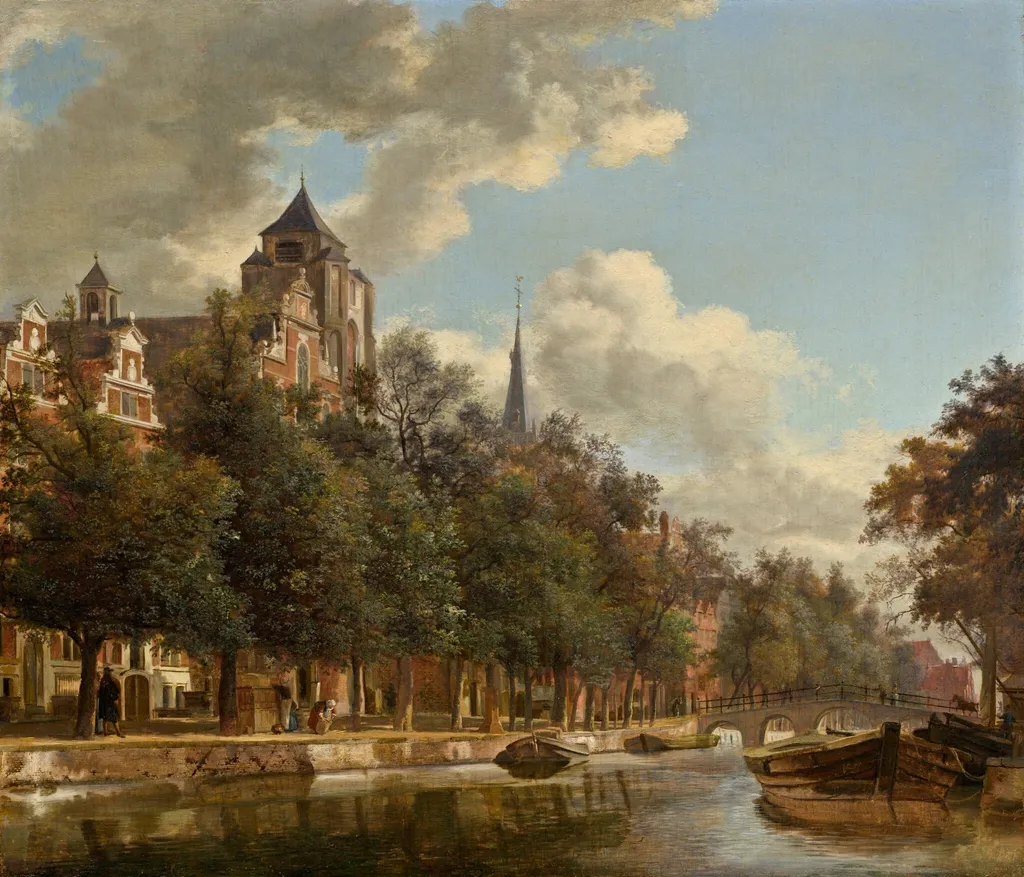
View Down a Dutch Canal is an oil painting by the Baroque artist Jan van der Heyden. It dates from 1670 and is held in the collection of the National Gallery of Art.
- Inscription
- Inscribed:lower right on the boat, in ligature: IVH
About this work
A quiet canal runs between old brick buildings and trees, a familiar Dutch view. Jan van der Heyden worked the water and sky with close care, finding interest in ordinary streets. Oil on panel, 1670.
Subject & Meaning
View Down a Dutch Canal by Jan van der Heyden presents a canal scene, classifying the work as a landscape and cityscape genre painting.
View Down a Dutch Canal by Jan van der Heyden presents a canal scene, classifying the work as a landscape and cityscape genre painting. The depicted subject is a canal, rendered in oil on panel according to the National Gallery of Art's records. As a cityscape, the painting belongs to the Dutch tradition of topographically observant urban views that flourished in the seventeenth century, in which artists such as van der Heyden documented the engineered waterways, architecture, and everyday life of Dutch towns.
The canal itself carries symbolic weight as an emblem of Dutch prosperity, civic identity, and the nation's mastery of water management, themes central to Dutch Golden Age visual culture. The work represents van der Heyden's characteristic careful observation of perspective and light along a waterway, situating an ordinary urban vista within the broader artistic project of celebrating the Dutch city and its ordered landscape.
History & Provenance
Jan van der Heyden created View Down a Dutch Canal in 1670. The early ownership history of the painting remains unknown; its earliest documented owner is Henry Fitzalan-Howard, the 15th Duke of Norfolk, who lent the work to the Royal Academy's Winter Exhibition in London in 1880. He bequeathed it to his son, Bernard Marmaduke Fitzalan-Howard, the 16th Duke of Norfolk.
The painting was sold at Christie, Manson & Woods in London on February 11, 1938. It subsequently passed to B. de Geus van den Heuvel of Nieuwersluis, whose estate sold it at Sotheby Mak van Waay in Amsterdam on April 26-27, 1976. Later dealers included David Koetser in Zurich and Hoogsteder-Naumann in New York.
George M. and Linda H. Kaufman purchased the piece in 1986, eventually gifting it to the National Gallery of Art in 2012 via the Kaufman Americana Foundation.
View Down a Dutch Canal has been held by the National Gallery of Art in Washington, D.C. since 2012, when it entered the collection as a gift of the Kaufman Americana Foundation of Norfolk, Virginia. George M. and Linda H. Kaufman had acquired the painting in 1986 through the New York dealer Hoogsteder-Naumann, to whom it had been consigned from a private collection in West Berlin. It had previously been handled by David Koetser in Zurich and emerged from the estate sale of B. de Geus van den Heuvel at the Round Lutheran Church on the Singel in Amsterdam in April 1976.
Earlier still, the panel was sold at Christie's in London on 11 February 1938, having passed by inheritance from the 15th Duke of Norfolk to his son the 16th Duke. The 15th Duke lent the work to the 1880 Winter Exhibition at the Royal Academy in London.
Overview
Jan van der Heyden's View Down a Dutch Canal, painted around 1670, is an oil on panel work that exemplifies his focus on urban landscapes. As a prominent painter during the Dutch Golden Age, van der Heyden specialized in townscapes, meticulously rendering architectural details. This particular painting captures a serene canal scene, reflecting the artist's characteristic precision in depicting the built environment and natural elements of the Netherlands.
Technique & Style
Van der Heyden was renowned for his precise and detailed approach to painting, particularly evident in his architectural renderings. In View Down a Dutch Canal, this meticulousness is applied to both the man-made structures and the natural elements. The artist's skill in depicting textures and atmospheric effects, such as the reflections on the canal's surface and the quality of light in the sky, contributes to the painting's realistic and immersive quality.
Context
Active during the Dutch Baroque era, Jan van der Heyden was not only a painter but also an inventor. Alongside his brother, he made significant contributions to firefighting technology, demonstrating a broad engagement with both artistic and technical innovation. This dual career highlights a period where scientific inquiry and artistic expression often intersected, reflecting the intellectual curiosity characteristic of the Dutch Golden Age.
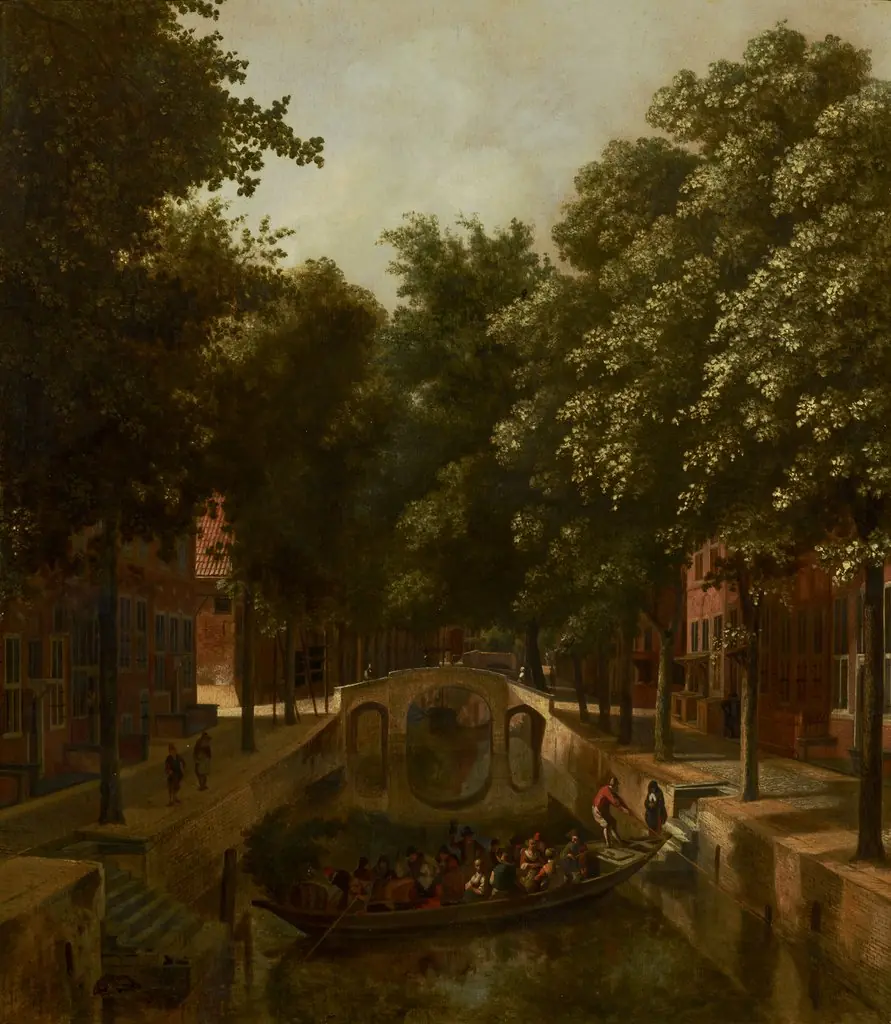
Own this work as a print
Artist & collection

Artist
Jan van der Heyden (5 March 1637, Gorinchem – 28 March 1712, Amsterdam) was a Dutch Baroque-era painter, glass painter, draughtsman and printmaker.

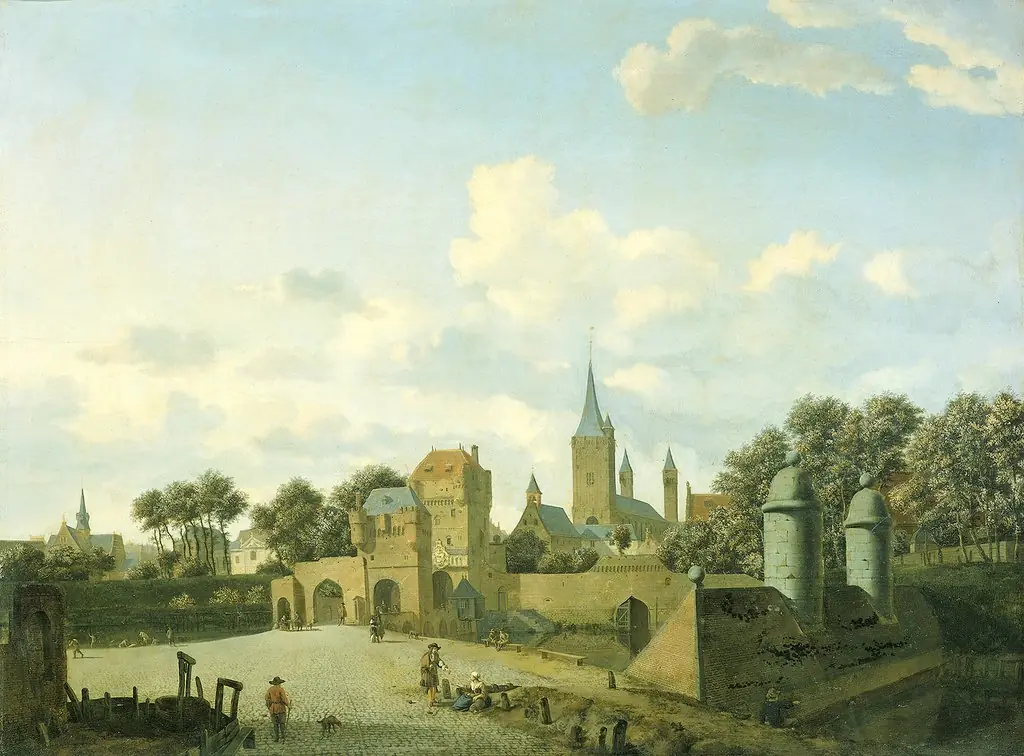
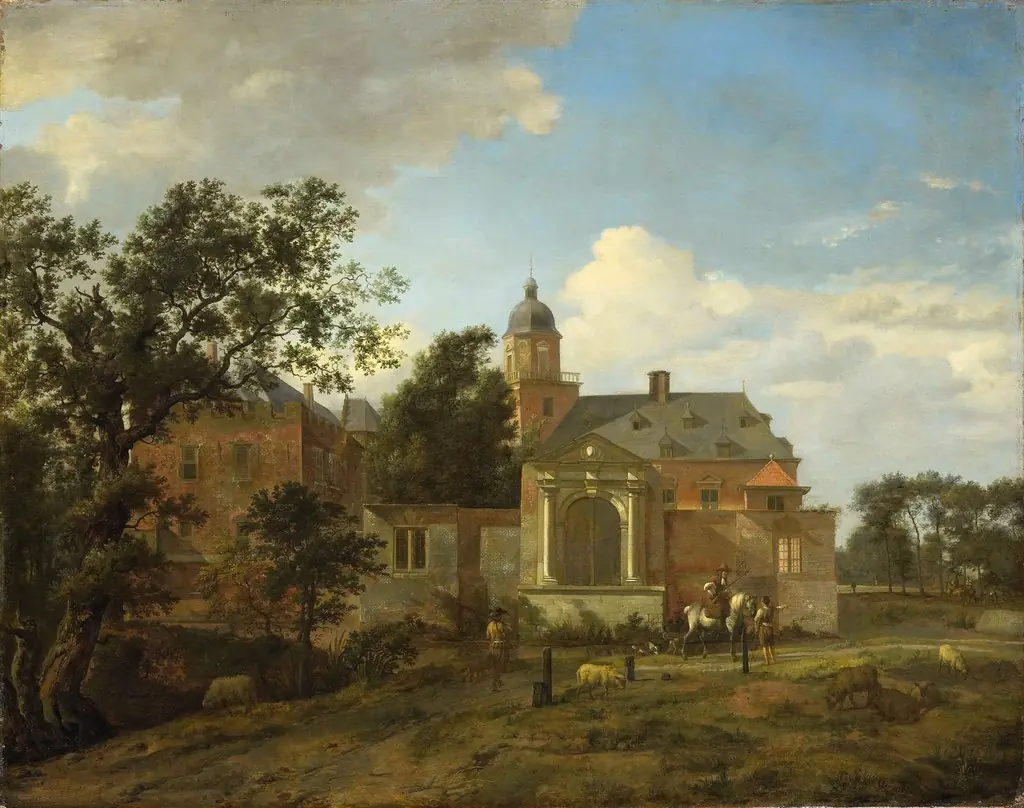
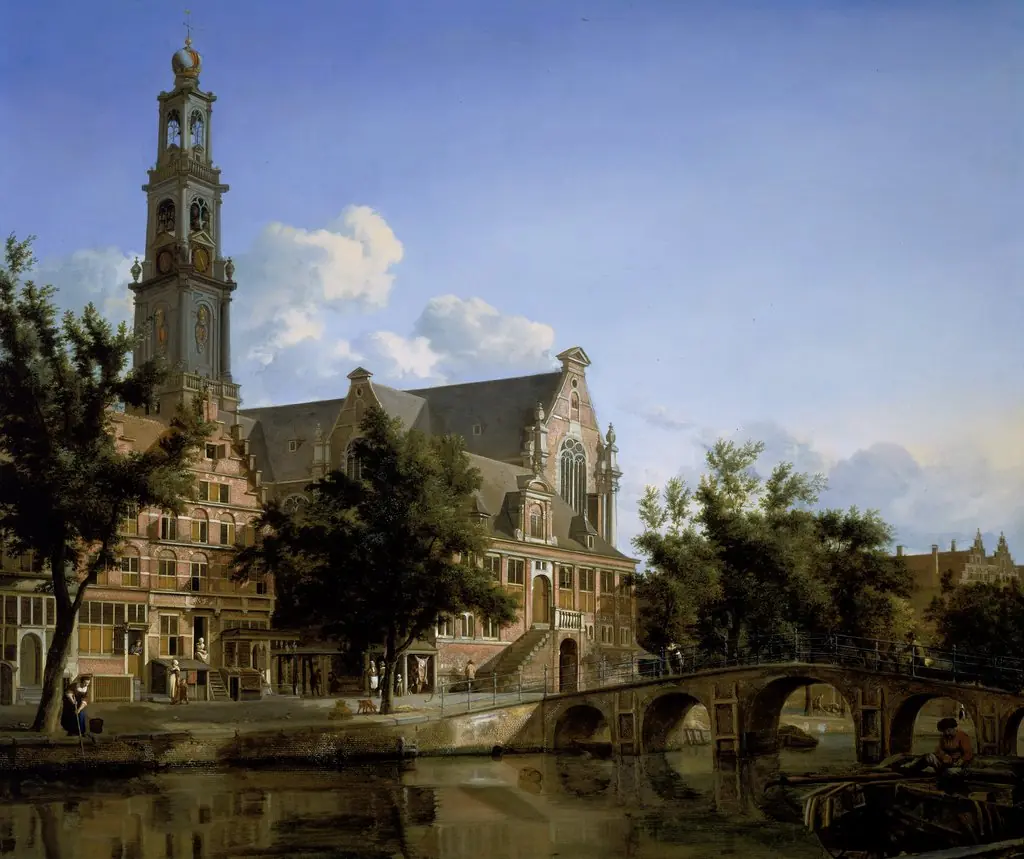
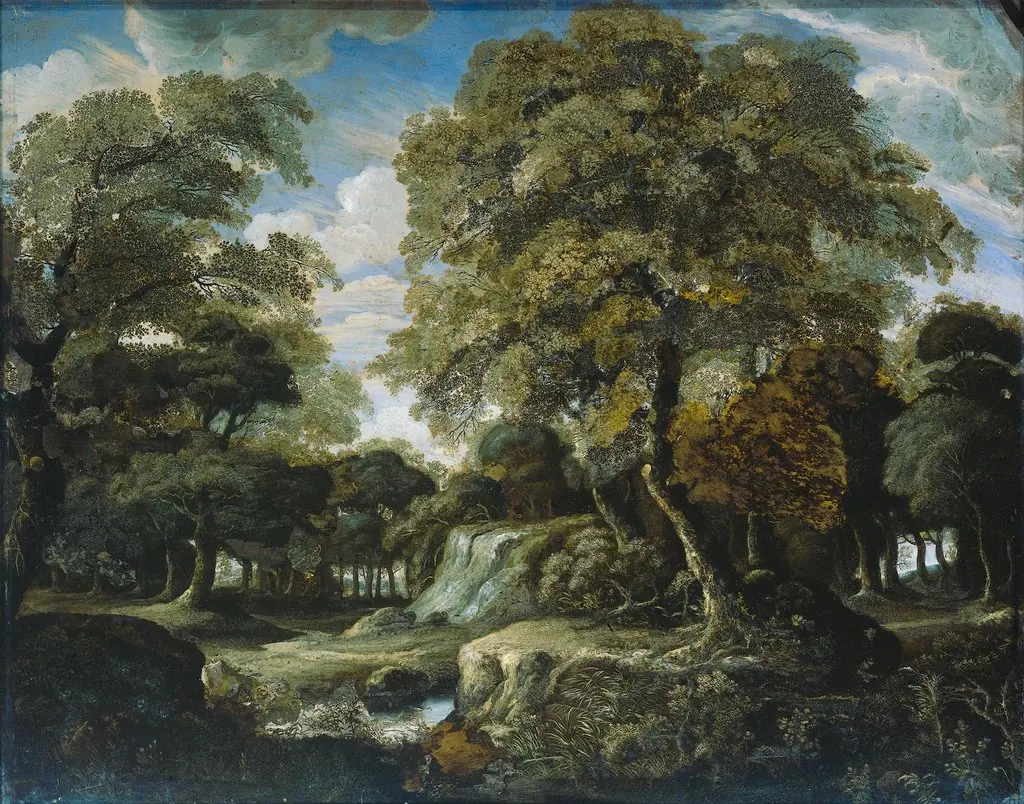
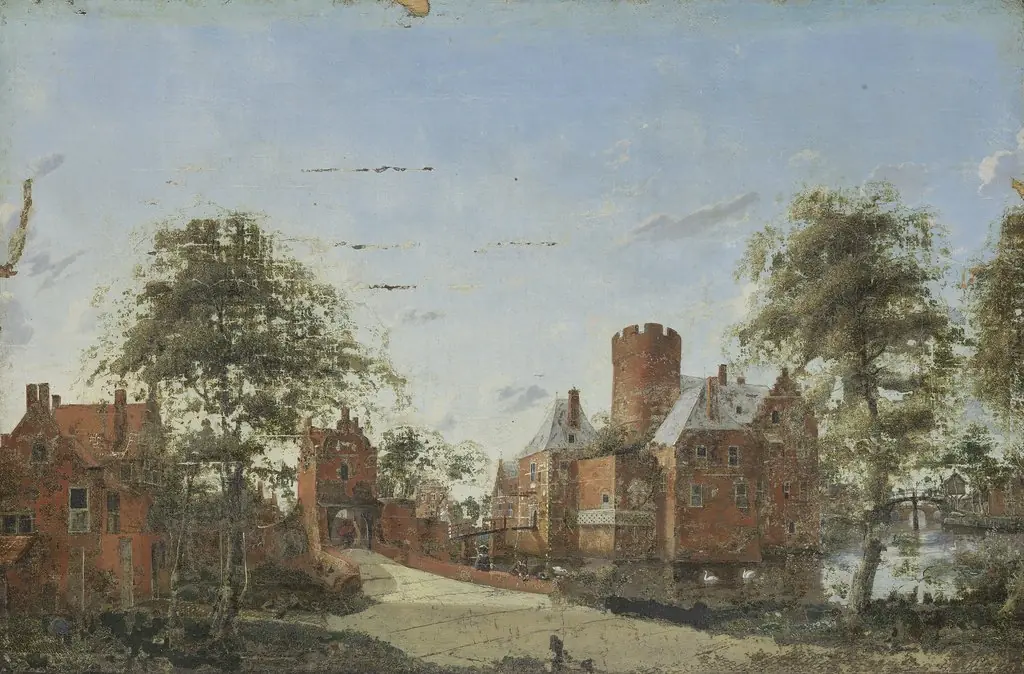
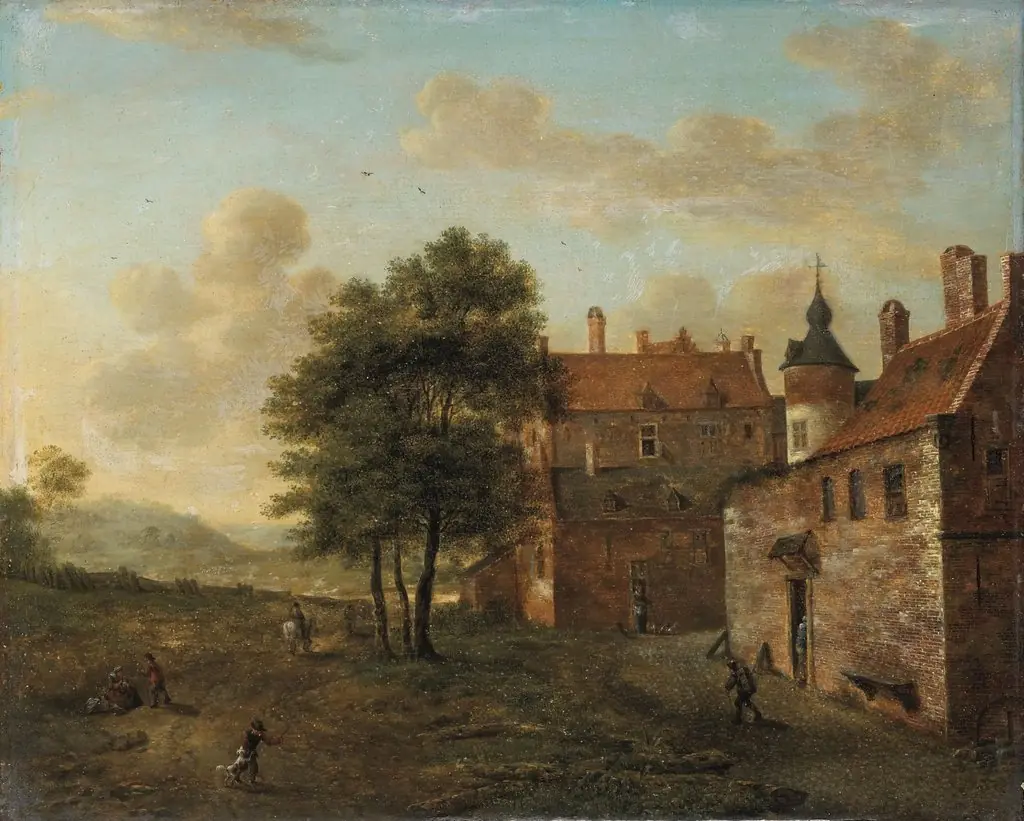
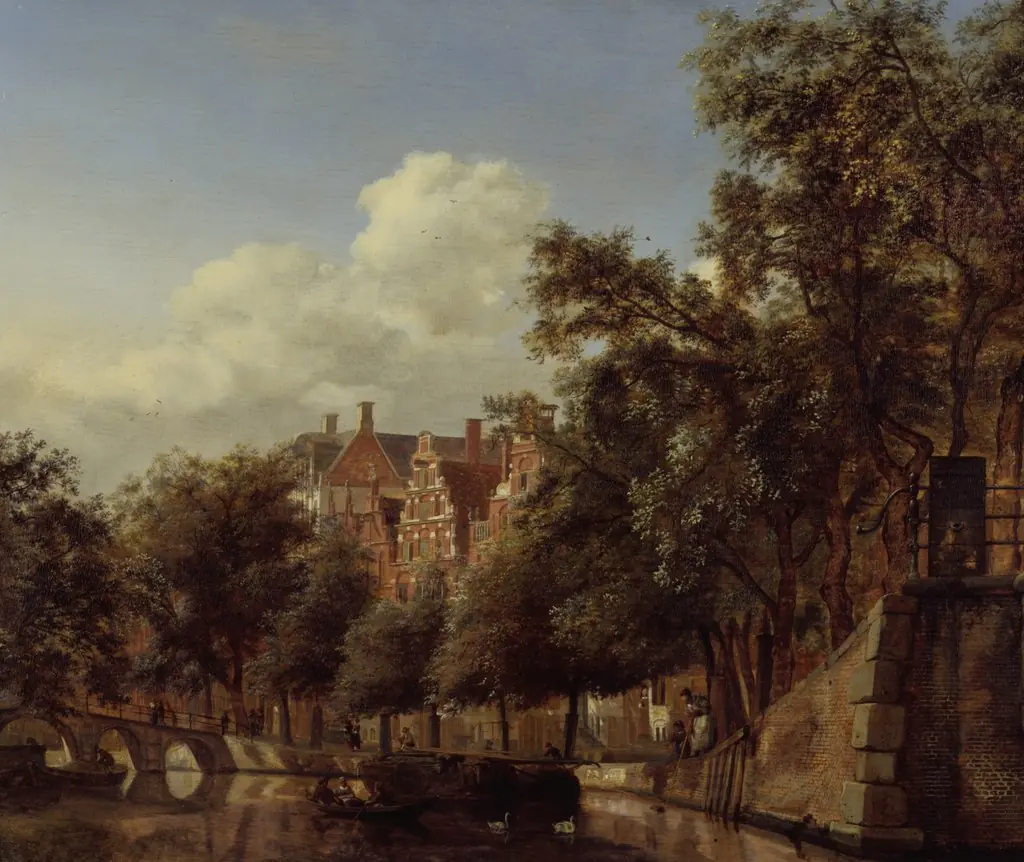 View of the Herengracht, Amsterdam, from the Leliegracht
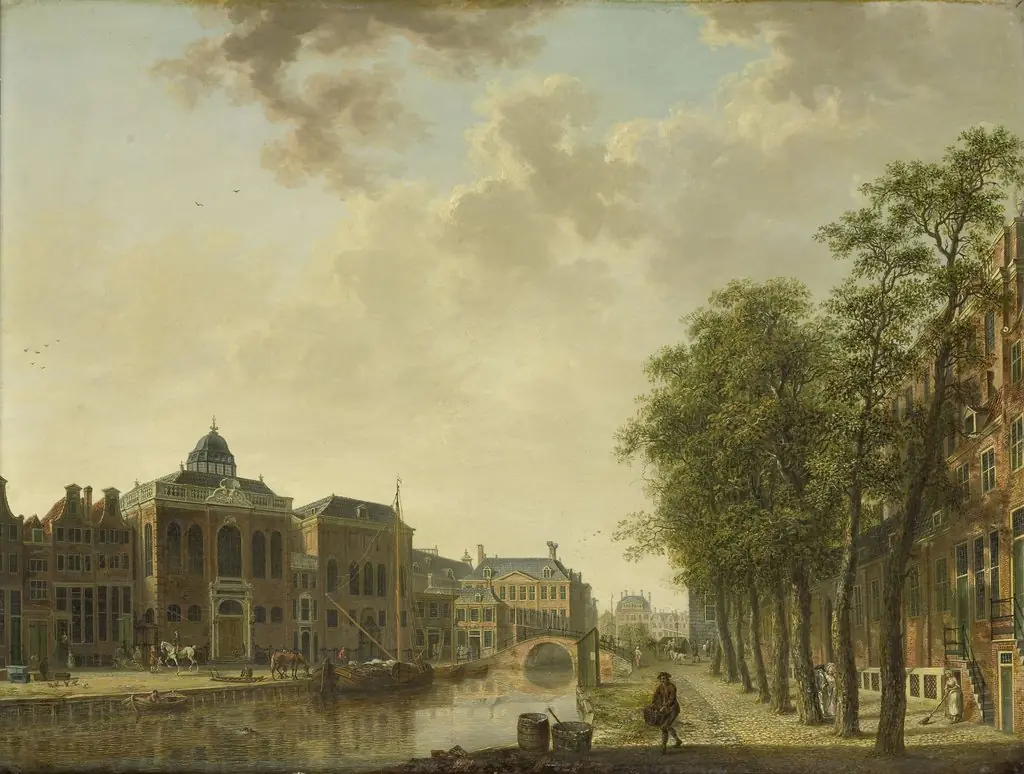 View of the Houtmarkt in Amsterdam
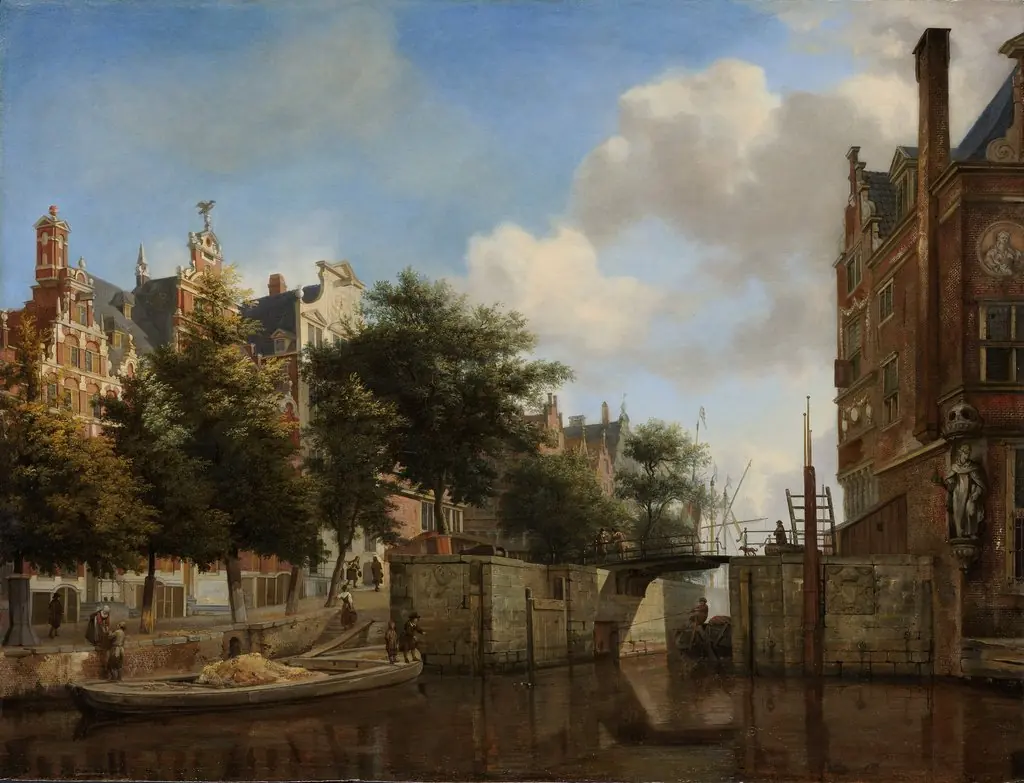 Amsterdam City View with Houses on the Herengracht and the old Haarlemmersluis
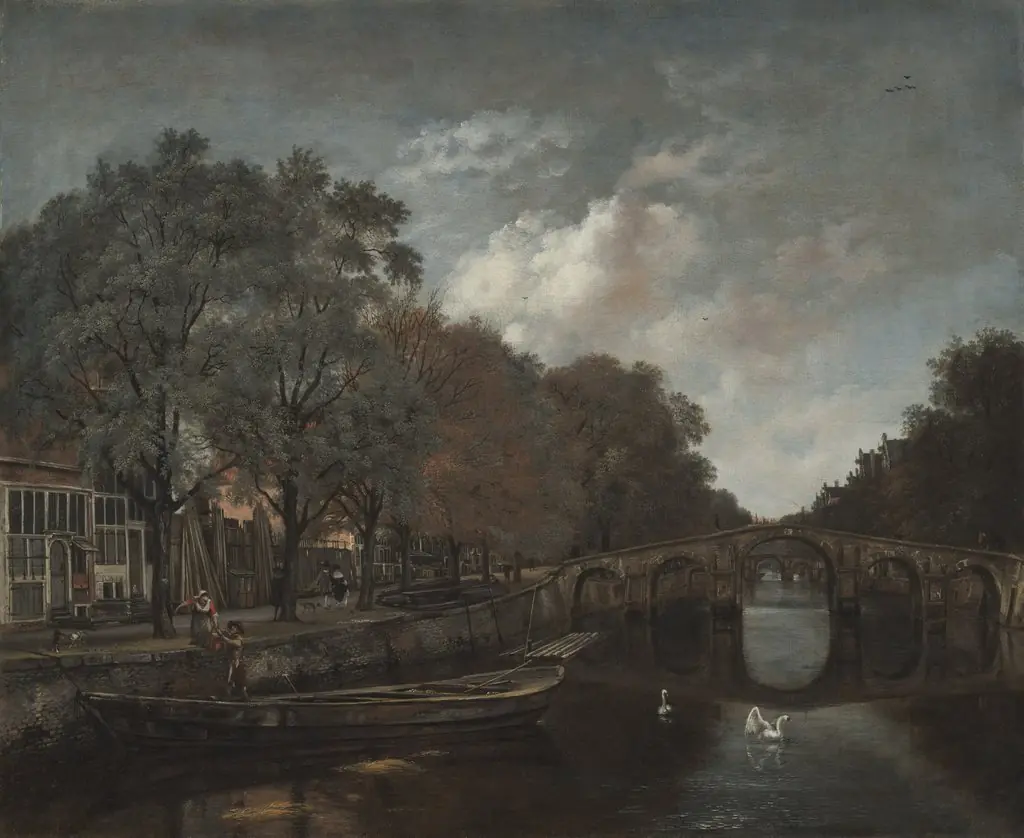 Herengracht, Amsterdam
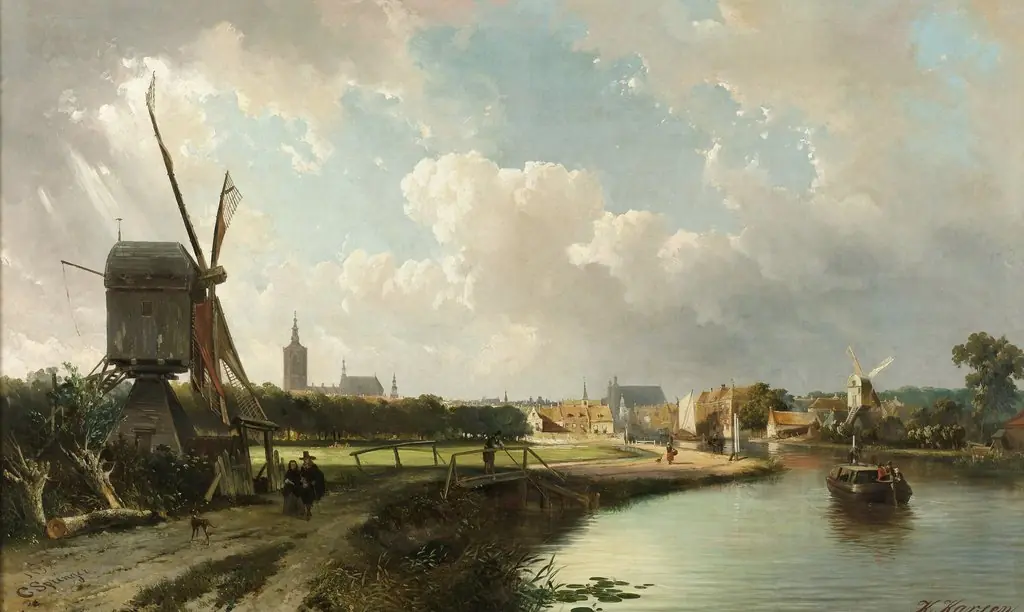 View of The Hague from the Delftse Vaart in the 17th Century
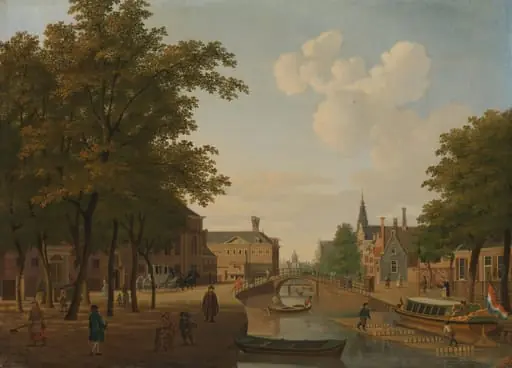 View of the Houtmarkt, Amsterdam
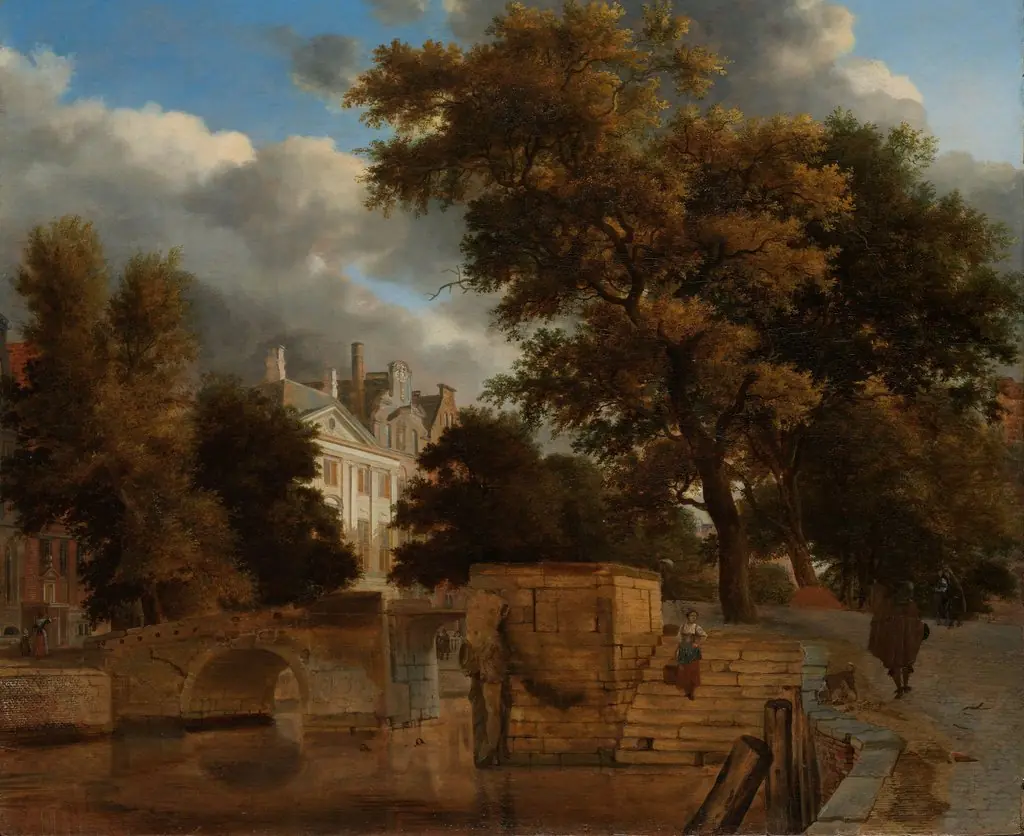 The stone bridge
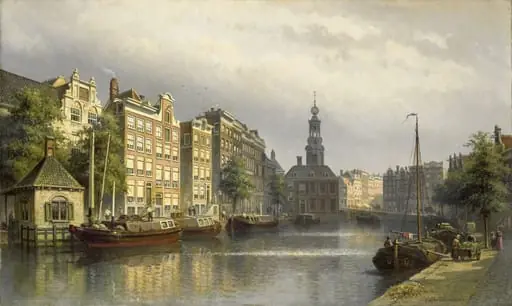 The Singel, Amsterdam, looking towards the Mint.
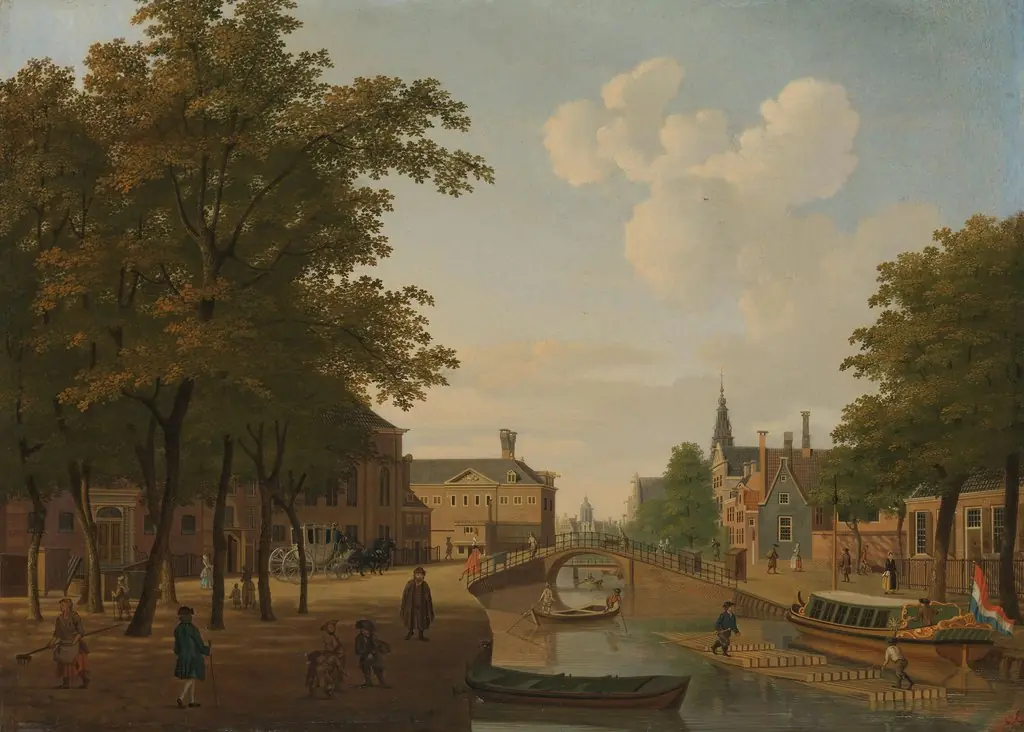 Gezicht op de Houtmarkt te Amsterdam
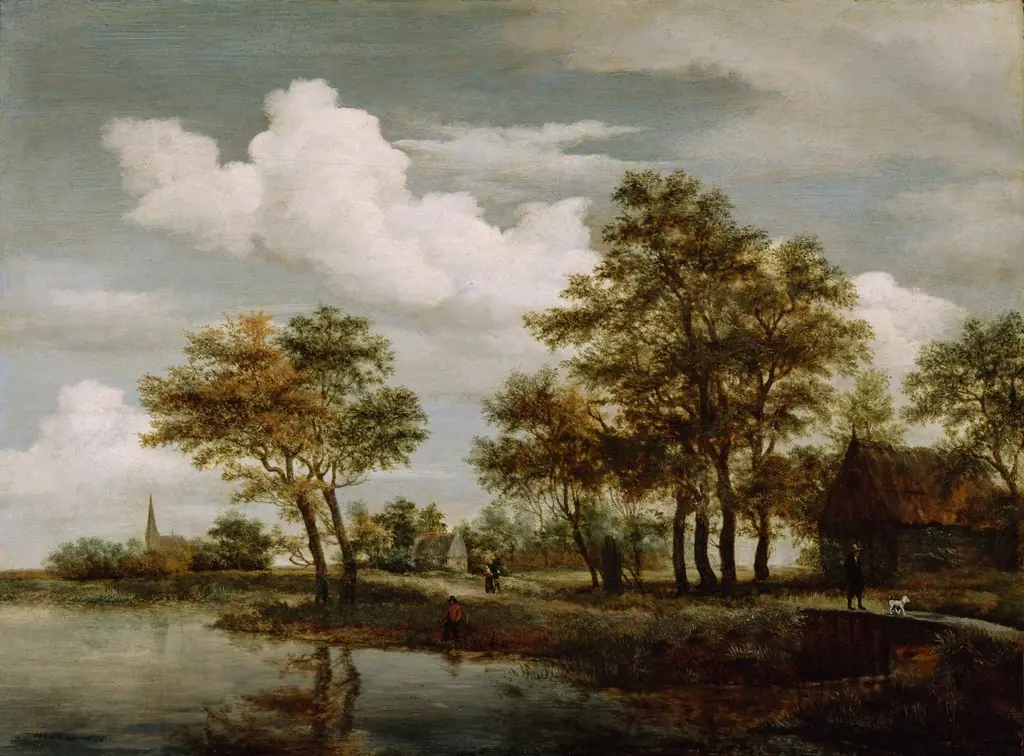 A River Scene
- View of a Dutch Canal, possibly the Oude Gracht in Haarlem