Artwork
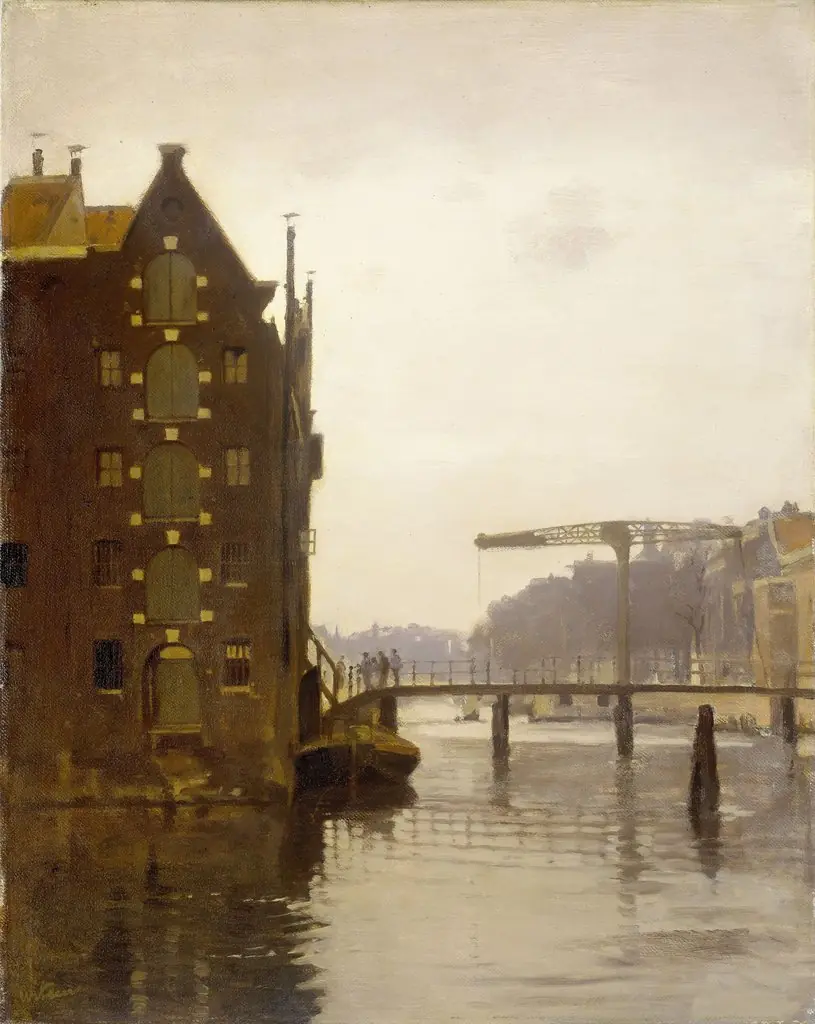
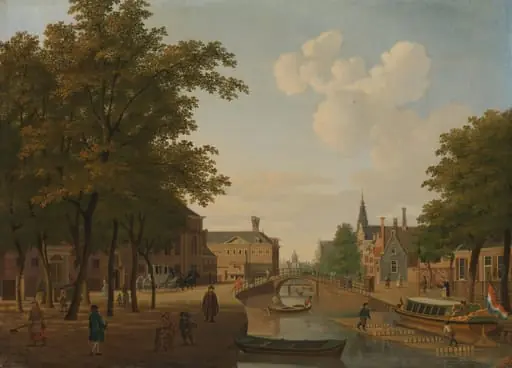
The Singel, Amsterdam, looking towards the Mint.
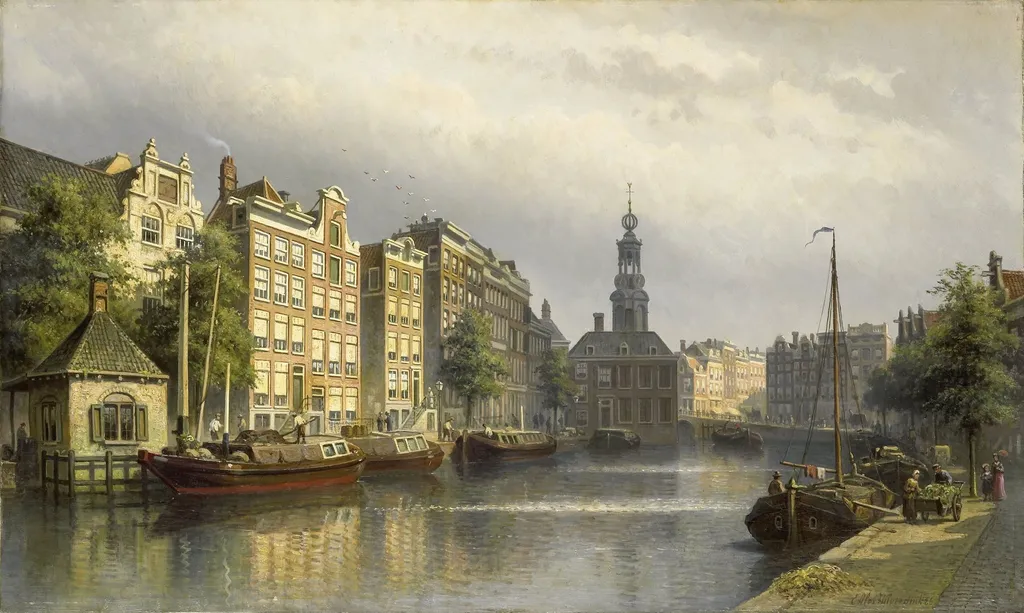
The Singel, Amsterdam, looking towards the Mint. is an unspecified painting by the Plein Air artist Eduard Alexander Hilverdink. It dates from 1885 and is held in the collection of the Rijksmuseum. This oil painting captures a quiet stretch of the Singel canal in Amsterdam, viewed toward the Munttoren.
About this work
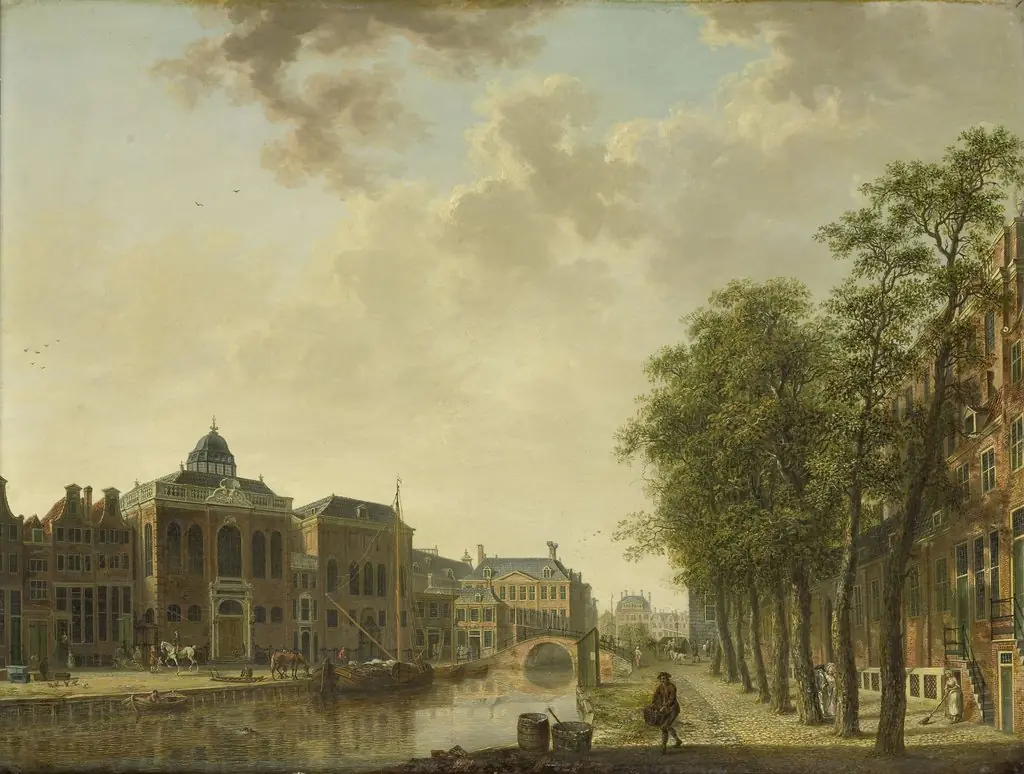
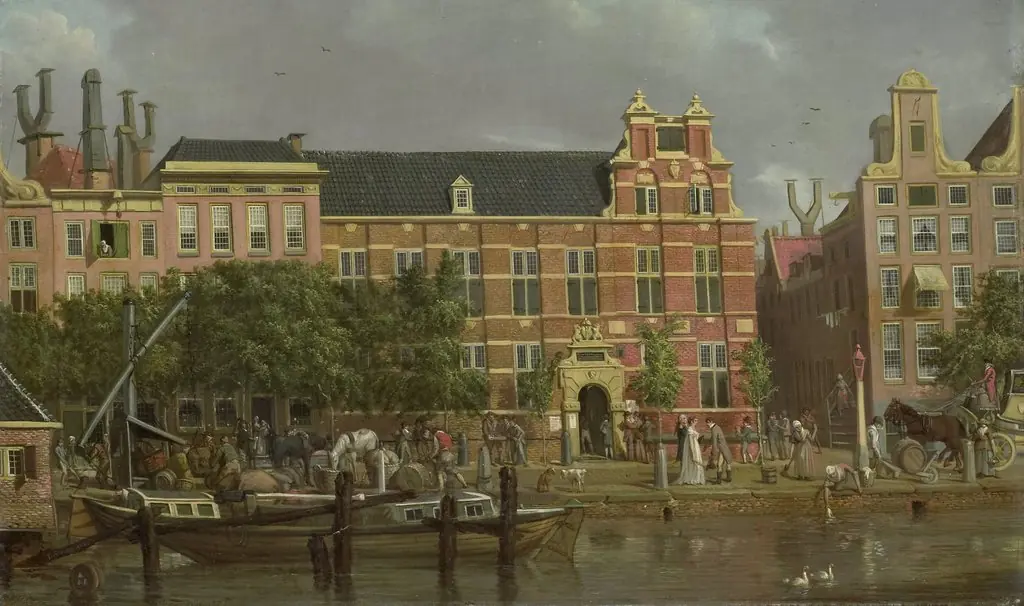
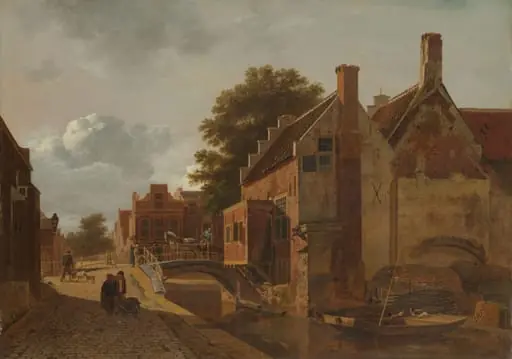
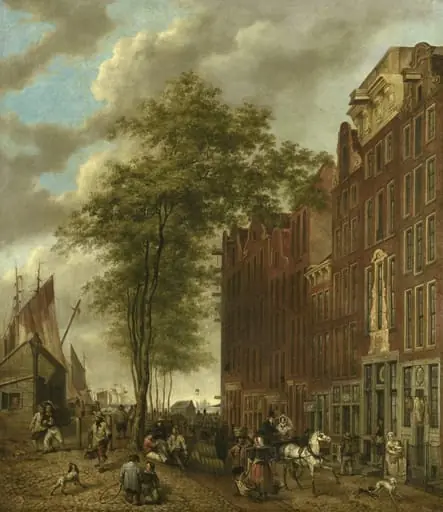
You see a quiet canal in Amsterdam, sunlight on brick facades, a few boats tied to the quay, and a man pushing a cart along the cobblestones.
You see a quiet canal in Amsterdam, sunlight on brick facades, a few boats tied to the quay, and a man pushing a cart along the cobblestones.
The painting feels like a snapshot, no grand drama, just everyday life. The artist didn’t sign it, so we don’t know who stood there with a brush in 1885. That anonymity makes it feel honest, like a postcard from someone who didn’t care about fame.
For more scenes like this, look up the Rijksmuseum.
Overview
This oil painting captures a quiet stretch of the Singel canal in Amsterdam, viewed toward the Munttoren. The scene includes moored barges, weathered brick buildings, and a lone figure pushing a cart along the cobblestone edge. No signature or identifying mark appears on the work, leaving the artist’s identity unknown.
The composition avoids theatricality, focusing instead on the ordinary rhythms of urban life in the late 19th century.
Subject & Meaning
The painting presents a moment of unremarkable daily activity: a man transporting goods, boats resting at the water’s edge, and the steady presence of the Munttoren in the distance. There is no narrative climax or symbolic gesture, only the quiet persistence of routine. This absence of drama suggests an intention to document, not to impress, reflecting a value placed on authenticity over spectacle.
Technique & Style
Brushwork is restrained and observational, with soft transitions between light and shadow on the brick facades. The palette favors muted earth tones, enhanced by patches of sunlight that catch the water and stone. Perspective is straightforward, with no exaggerated depth or dramatic angles. The lack of fine detail in figures and vessels reinforces the sense of a fleeting, unposed moment.
History & Provenance
The work dates to approximately 1885 and entered a public collection without documentation of its early ownership. Its anonymity and modest scale suggest it was not commissioned or exhibited during the artist’s lifetime. No records link it to known painters of the period, and its survival appears to be due to institutional preservation rather than contemporary acclaim.
Context
In 1885, Amsterdam’s canals were still vital transport routes, though rail and industry were reshaping the city. Paintings like this one reflect a growing interest in urban realism among artists who favored quiet scenes over grand historical themes. Similar views appear in the work of lesser-known local painters, often overlooked in favor of more celebrated contemporaries.
Legacy
The painting endures as a quiet testament to everyday life in a changing city. Its anonymity lends it a sense of impartiality, allowing viewers to engage with the scene without the filter of an artist’s reputation. It remains a modest but persistent presence in museum collections, valued for its unembellished record of place and time.
Artist & collection
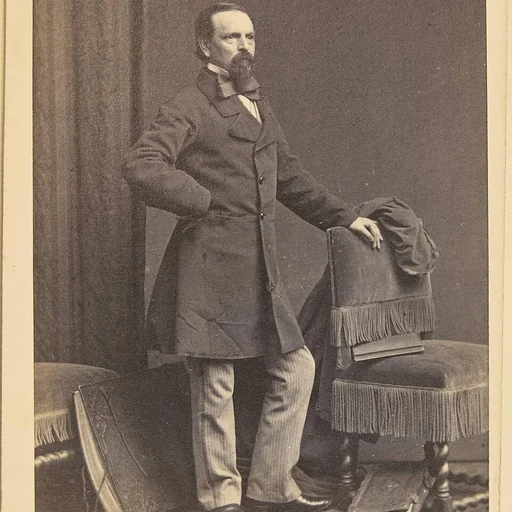
Artist
Eduard Alexander Hilverdink (1846–1891) was an artist, born in Amsterdam.