Artwork
Plate 37: Seven Spiders and an Insect
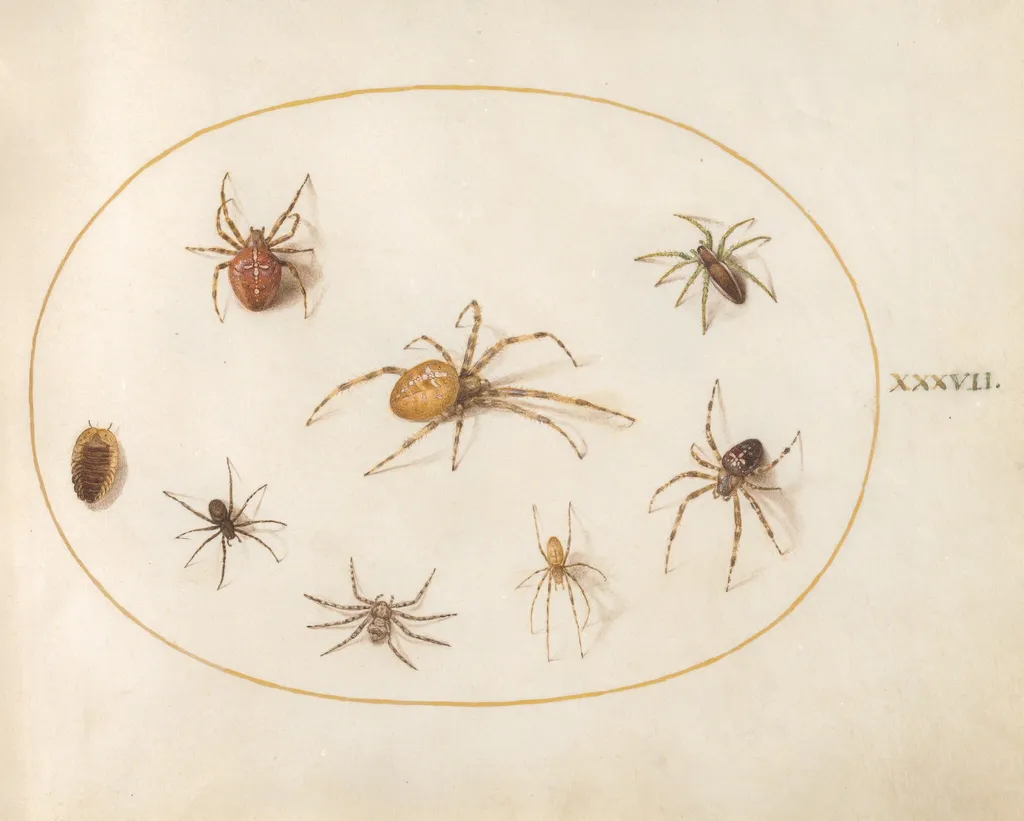
Plate 37: Seven Spiders and an Insect is a gouache drawing by the Renaissance artist Joris Hoefnagel. It dates from 1594 and is held in the collection of the National Gallery of Art.
- Inscription
- Inscribed:Center right in brown ink: XXXVII. Facing page: Upper center in red ink: Ova Aspidum rapuerunt, et telas Araneae texuerunt / qui co[m]medet de ovis eorum, morietur.Isa 55 (“They have broken the eggs of asps, and have woven the webs of spiders: he that shall eat of their eggs shall die.” Isaiah 59:5) (Latin Vulgate Bible)
About this work
Overview
Created circa 1594, Plate 37: Seven Spiders and an Insect is a small-scale drawing executed in watercolor and gold on a sheet of tan parchment. Flemish artist Joris Höfenagel, active as a manuscript illuminator, rendered a group of seven spiders surrounding a single insect, all enclosed within a thin gold circular frame and marked with the Roman numeral XXXVII in the corner.
Subject & Meaning
The composition presents a close observation of arachnids and an accompanying insect, each rendered with individual attention to size, coloration, and posture. By gathering multiple specimens together, Höfenagel emphasizes the diversity of small terrestrial fauna, inviting a comparative study of form and texture rather than a narrative scene.
Technique & Style
Fine, linear brushwork defines the slender legs and segmented bodies of the spiders, while delicate washes of watercolor build subtle tonal variations. Gold leaf or pigment outlines the central circle, providing a luminous border that contrasts with the matte parchment. The overall effect balances scientific precision with the decorative sensibility typical of late‑Renaissance illumination.
History & Provenance
Höfenagel worked as one of the last practitioners of illuminated manuscript art, contributing to the emergence of natural‑history illustration in northern Europe. This particular plate is part of a larger folio series that documented flora and fauna with a quasi‑scientific eye, reflecting the artist’s dual role as painter and observer.
Context
The work belongs to a period when interest in cataloguing the natural world was growing, intersecting with the rise of botanical and zoological studies. Höfenagel’s meticulous renderings prefigure the detailed still‑life and natural‑history paintings that would become prominent in the Dutch Golden Age.
Own this work as a print
Artist & collection

Artist
Joris Hoefnagel or Georg Hoefnagel (1542 – 24 July 1601) was a Flemish painter, printmaker, miniaturist, draftsman and merchant.

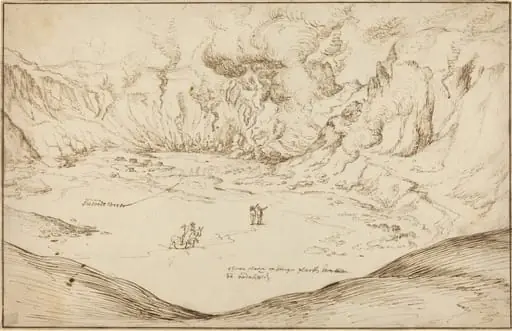 Forum Vulcani: The Hot Springs at Pozzuoli
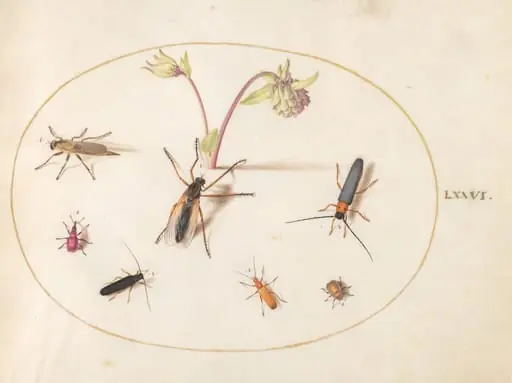 Plate 76: Insects with a Pink and Cream Columbine
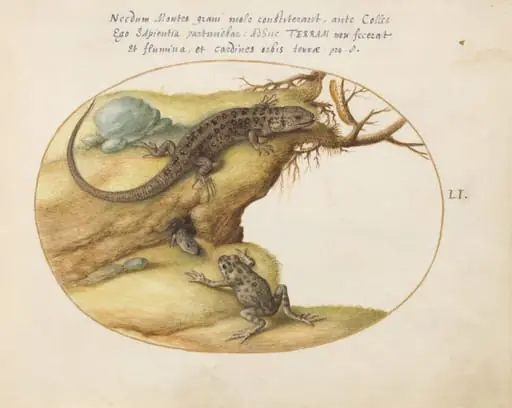 Plate 51: Two Sand Lizards, a Common Parsley Frog(?), and a Caterpillar
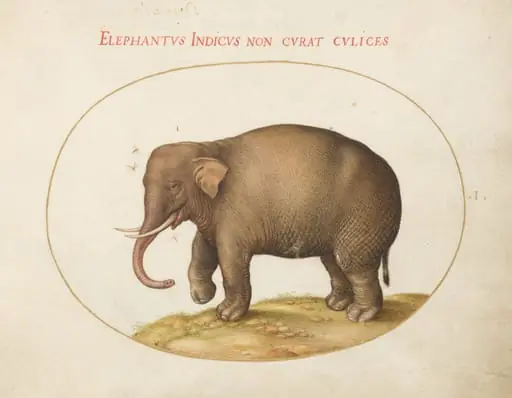 Plate 1: Elephant with Insects
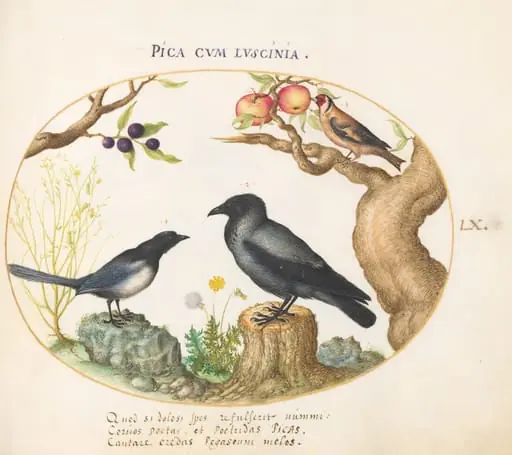 Plate 60: Magpie, Crow, and Goldfinch
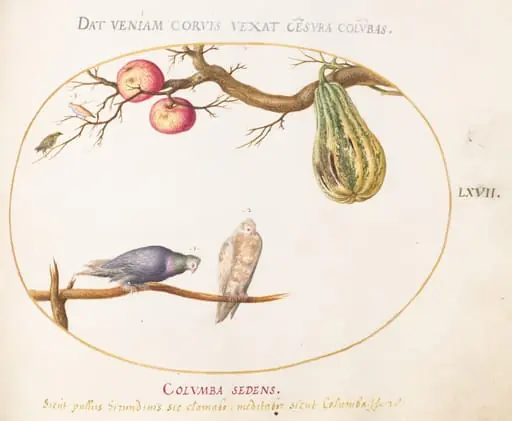 Plate 67: Two Doves beneath a Gourd and Apples
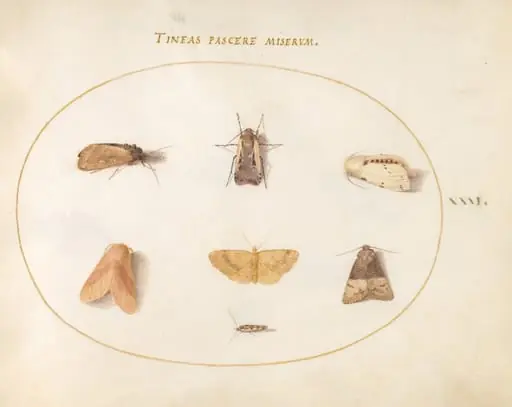 Plate 31: Seven Moths
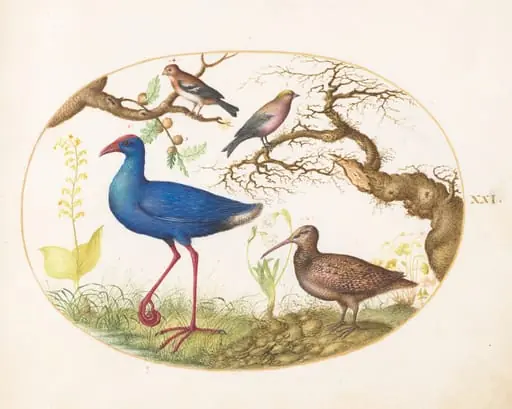 Plate 21: Swamp Hen and Woodcock with a Streaked Rosefinch, a Finch, and Oak Galls
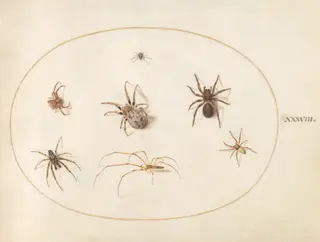 Plate 38: Seven Spiders
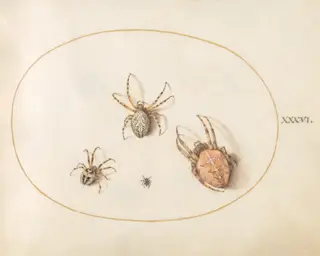 Plate 36: Three Large Spiders and One Small Spider
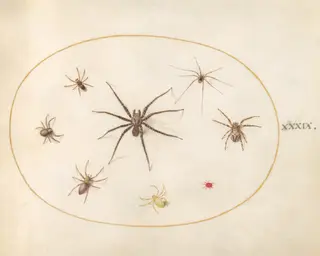 Plate 39: Eight Spiders
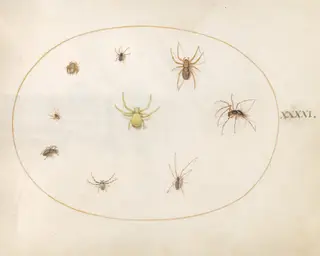 Plate 41: Yellow Spider Surrounded by Eight Spiders
 Plate 68: Seven Bees and Flies
 Plate 73: Ten Insects
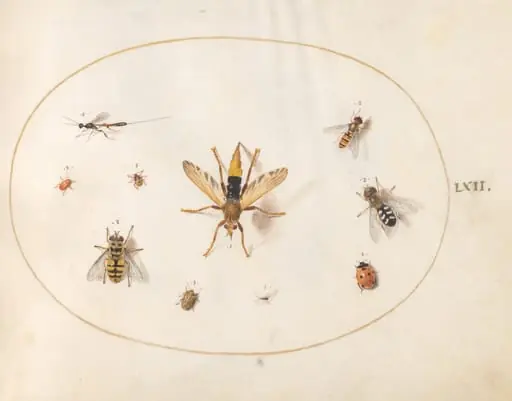 Plate 62: Ten Insects
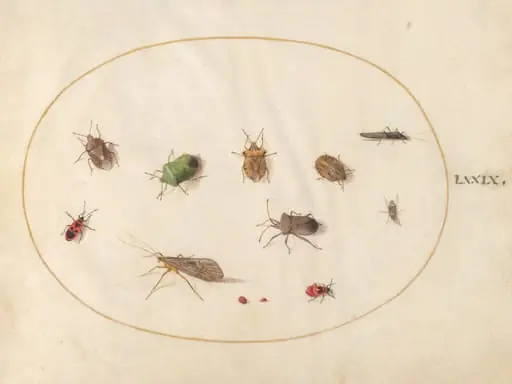 Plate 79: Twelve Insects, Including Shield Bugs
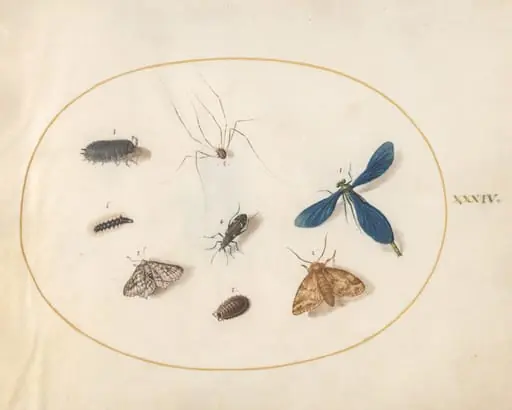 Plate 34: Two Moths with a Spider, a Caterpillar, a Damselfly, and Other Insects
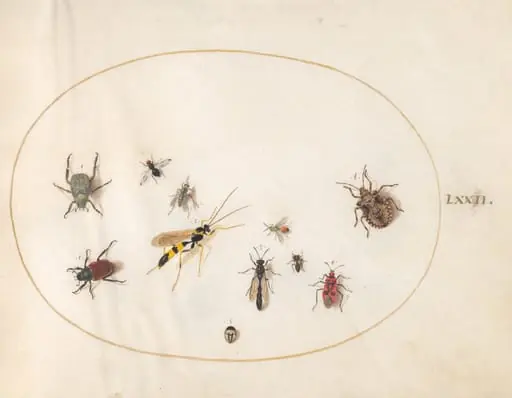 Plate 72: Shield Bug, Cinnamon Bug, Wasp, and Other Insects