Artwork
Plate 60: Four Small Snakes
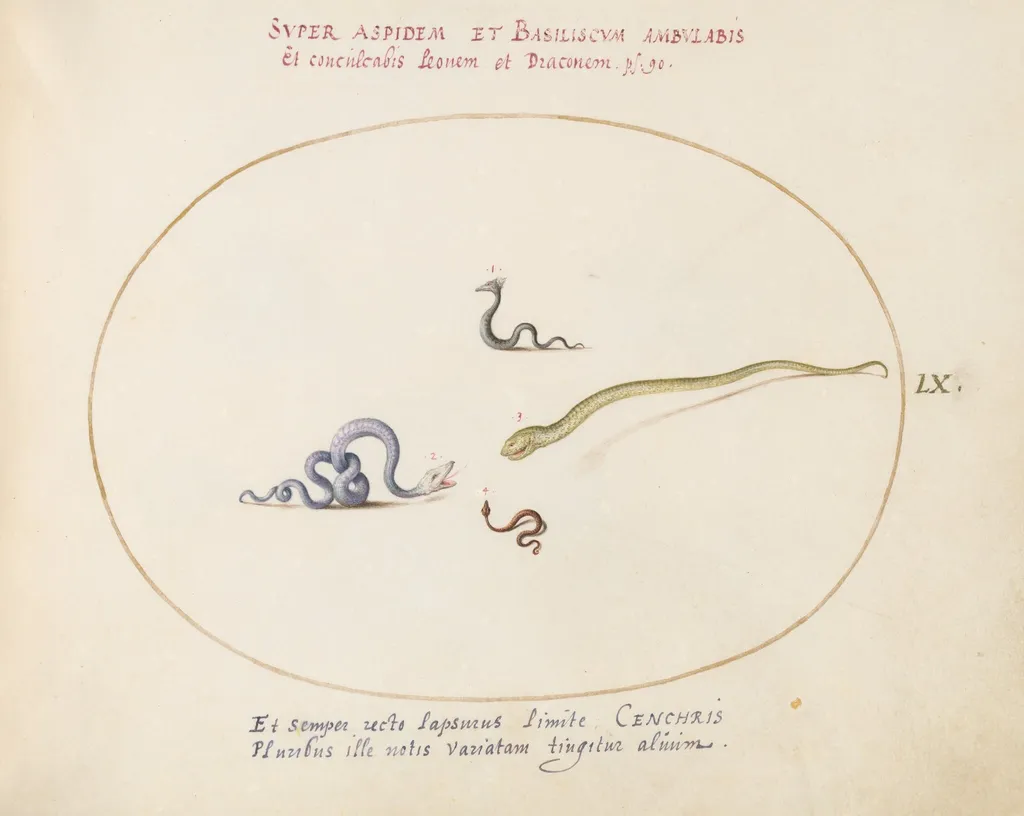
Plate 60: Four Small Snakes is a gouache drawing by the Renaissance artist Joris Hoefnagel. It dates from 1594 and is held in the collection of the National Gallery of Art.
- Inscription
- Inscribed:upper center in red ink: SVPER ASPIDEM ET BASILISCVM AMBVLABIS / et conculcabis leonem et Draconem.ps.90 (“You shall tread upon the asp and the basilisk and you shall trample under foot the lion and the dragon.” Psalms 90:13) (Latin Vulgate Bible); center right in brown ink: LX.; animals in image numbered .1., .2., .3., and .4., in red ink; lower center in blue ink: Et semper recto lapsurus limite CENCHRIS / Pluribus ille notis variatam tingitur aluum. Facing page: upper center in brown ink: Sibilaq[ue] effundens cunctas terrentia pestes, / Ante venena nocens, late sibi submovet omne / vulgus, et in vacua regnat Basiliscus arena.; lower center in brown ink: Ne Intuearis vinum quando flavescit, cum splenduerit / In vitro color eius: Ingredit[ur] blande, sed in novissimo / mordebit ut Coluber, et sicut REGVLVS venena diffundet. / proverb.23. (“Look not upon the wine when it is yellow, when the color thereof shines in the glass, it goes in pleasantly. But in the end it will bite like a snake and will spread abroad poison like a basilisk.” Proverbs 23:31-32) (Latin Vulgate Bible)
About this work
Overview
Created circa 1594, Plate 60: Four Small Snakes is a small-scale drawing by the Flemish artist Joris Hoefnagel. Executed in watercolor and gold on parchment, the work depicts a quartet of serpents rendered with meticulous detail. It belongs to a series of natural‑history illustrations that illustrate Hoefnagel’s skill in combining scientific observation with decorative art.
Subject & Meaning
The composition presents four diminutive snakes arranged in a compact grouping, each distinguished by subtle variations in color and pattern. By isolating the creatures from any narrative context, Hoefnagel emphasizes their anatomical features, inviting viewers to appreciate the diversity of reptilian forms as objects of study rather than allegorical symbols.
Technique & Style
Hoefnagel employed transparent watercolor washes to model the snakes’ scales, while delicate touches of gold leaf accentuate highlights and lend a luminous quality to the parchment surface. The rendering balances fine line work with soft shading, characteristic of late‑Renaissance manuscript illumination and the emerging natural‑history illustration tradition in northern Europe.
History & Provenance
The drawing is attributed to Hoefnagel’s later period, when he was among the few artists still working within the manuscript illumination tradition. It likely formed part of a larger codex of zoological studies that circulated among collectors and scholars interested in the burgeoning field of empirical observation during the late sixteenth century.
Context
Hoefnagel’s career bridged decorative illumination and the nascent genre of topographical and botanical drawing. Plate 60 exemplifies his contribution to the early development of floral still‑life and natural‑history illustration in the north, reflecting a shift toward precise, observational rendering that would influence later scientific artists.
Own this work as a print
Artist & collection

Artist
Joris Hoefnagel or Georg Hoefnagel (1542 – 24 July 1601) was a Flemish painter, printmaker, miniaturist, draftsman and merchant.

 Forum Vulcani: The Hot Springs at Pozzuoli
 Plate 76: Insects with a Pink and Cream Columbine
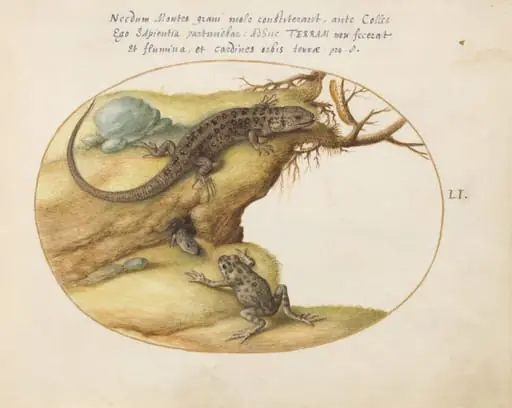 Plate 51: Two Sand Lizards, a Common Parsley Frog(?), and a Caterpillar
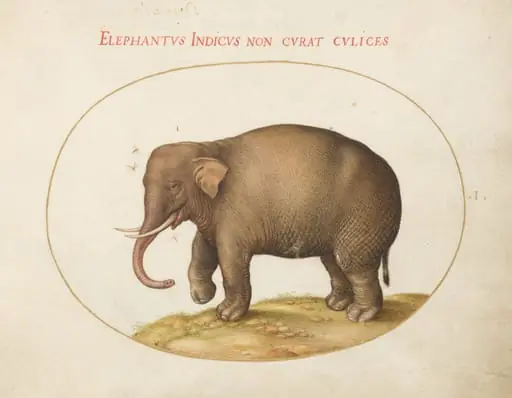 Plate 1: Elephant with Insects
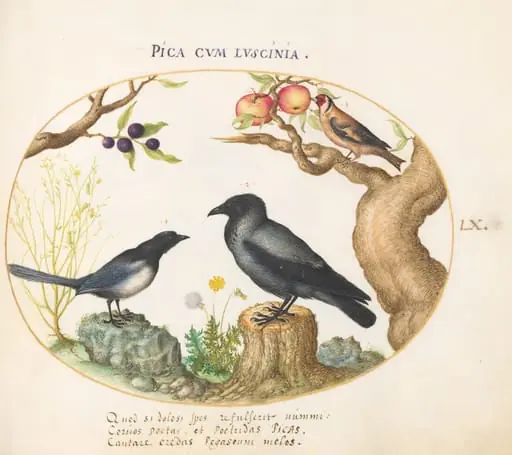 Plate 60: Magpie, Crow, and Goldfinch
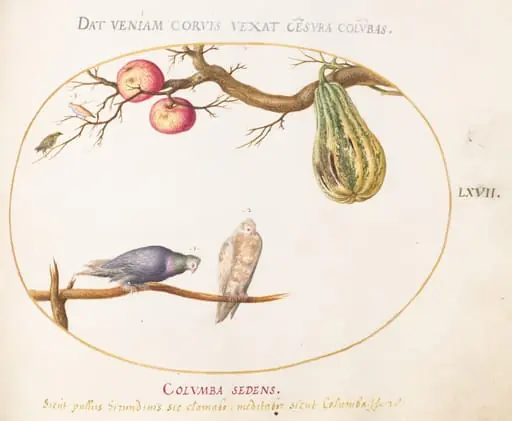 Plate 67: Two Doves beneath a Gourd and Apples
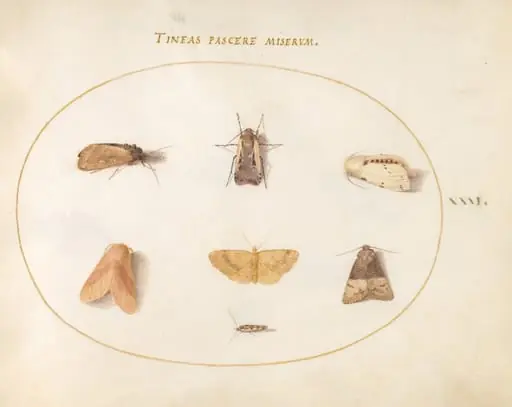 Plate 31: Seven Moths
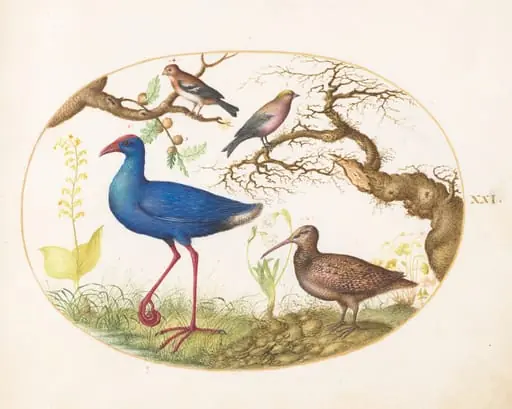 Plate 21: Swamp Hen and Woodcock with a Streaked Rosefinch, a Finch, and Oak Galls
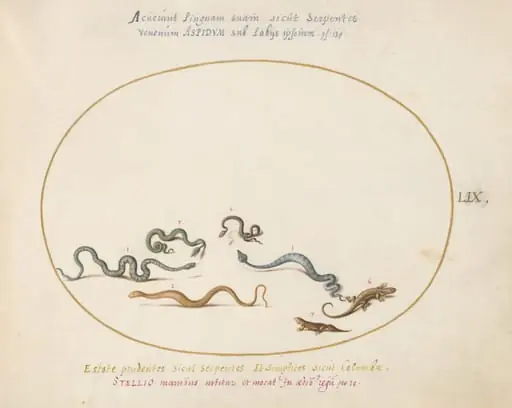
- Plate 59: Snakes and a Lizard
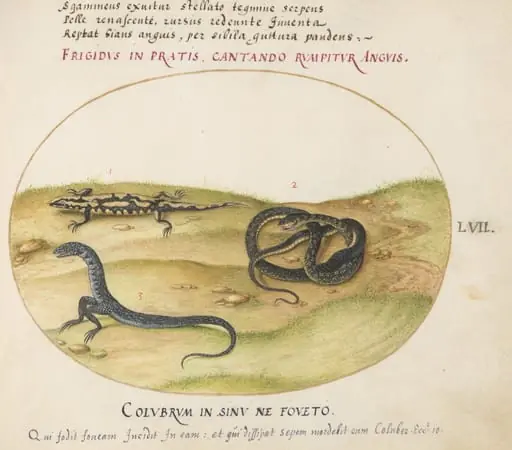 Plate 57: A Snake, a Fire Salamander, and a Snakelike Creature with Two Legs
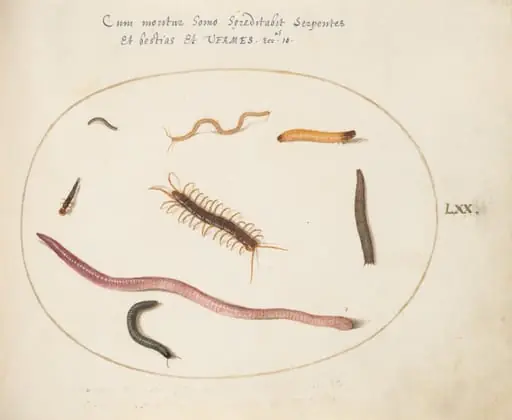 Plate 70: Worm, Centipede, Millipede, and Other Long Creatures
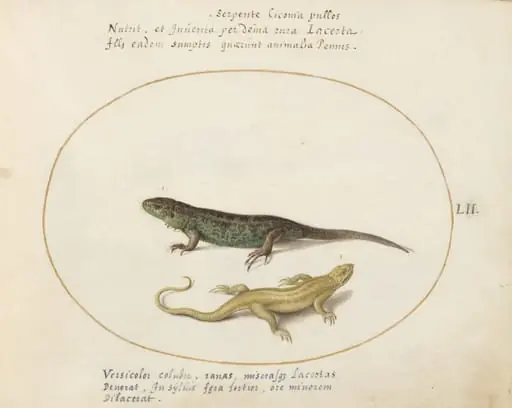 Plate 52: Two Sand Lizards
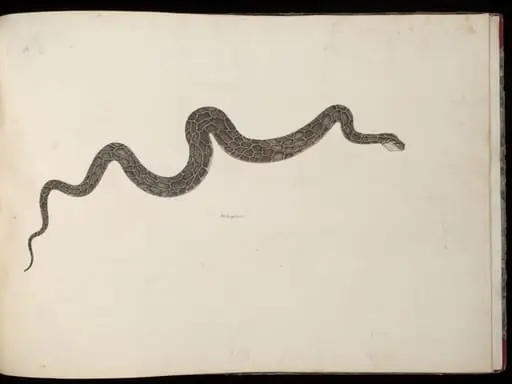 Snake
Snake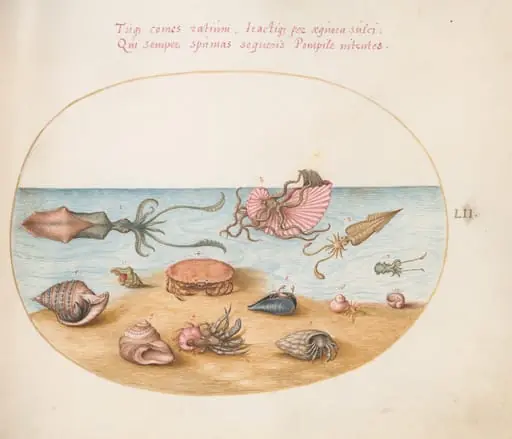 Plate 52: An Argonaut, Squid, Hermit Crabs, Shells, and a Crab
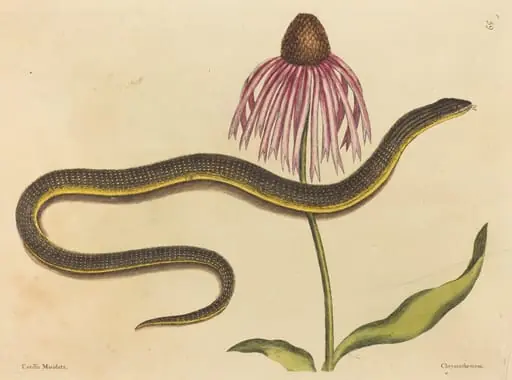 The Glass Snake (Anguis ventralis)
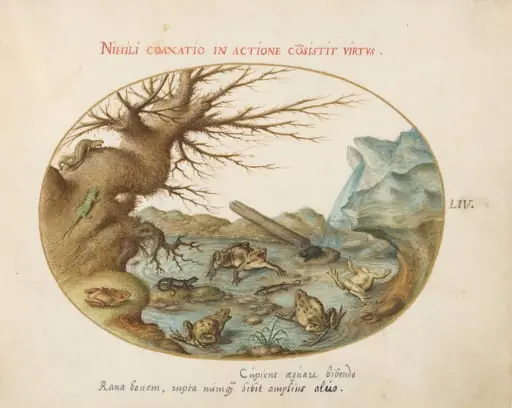 Plate 54: Frogs, Lizards, and Salamanders(?) in a Landscape
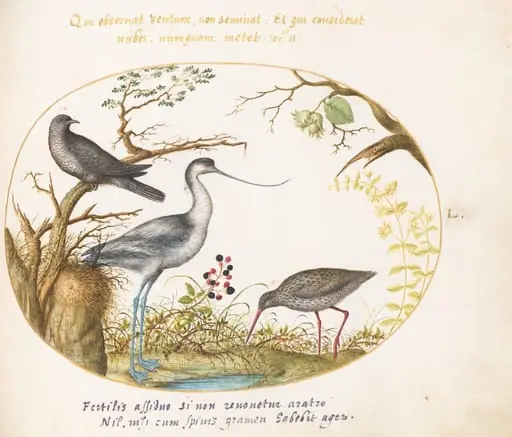 Plate 50: An Avocet with Two Other Birds
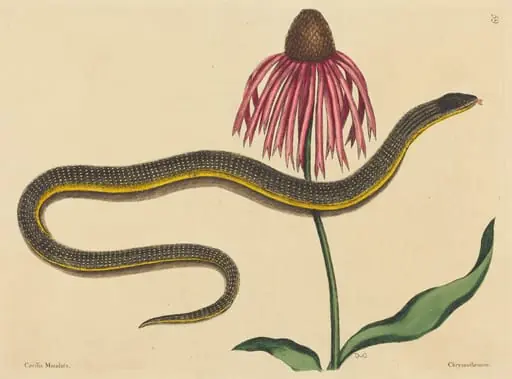 The Glass Snake (Anguis ventralis)