Artwork
Philip Herbert, Fourth Earl of Pembroke
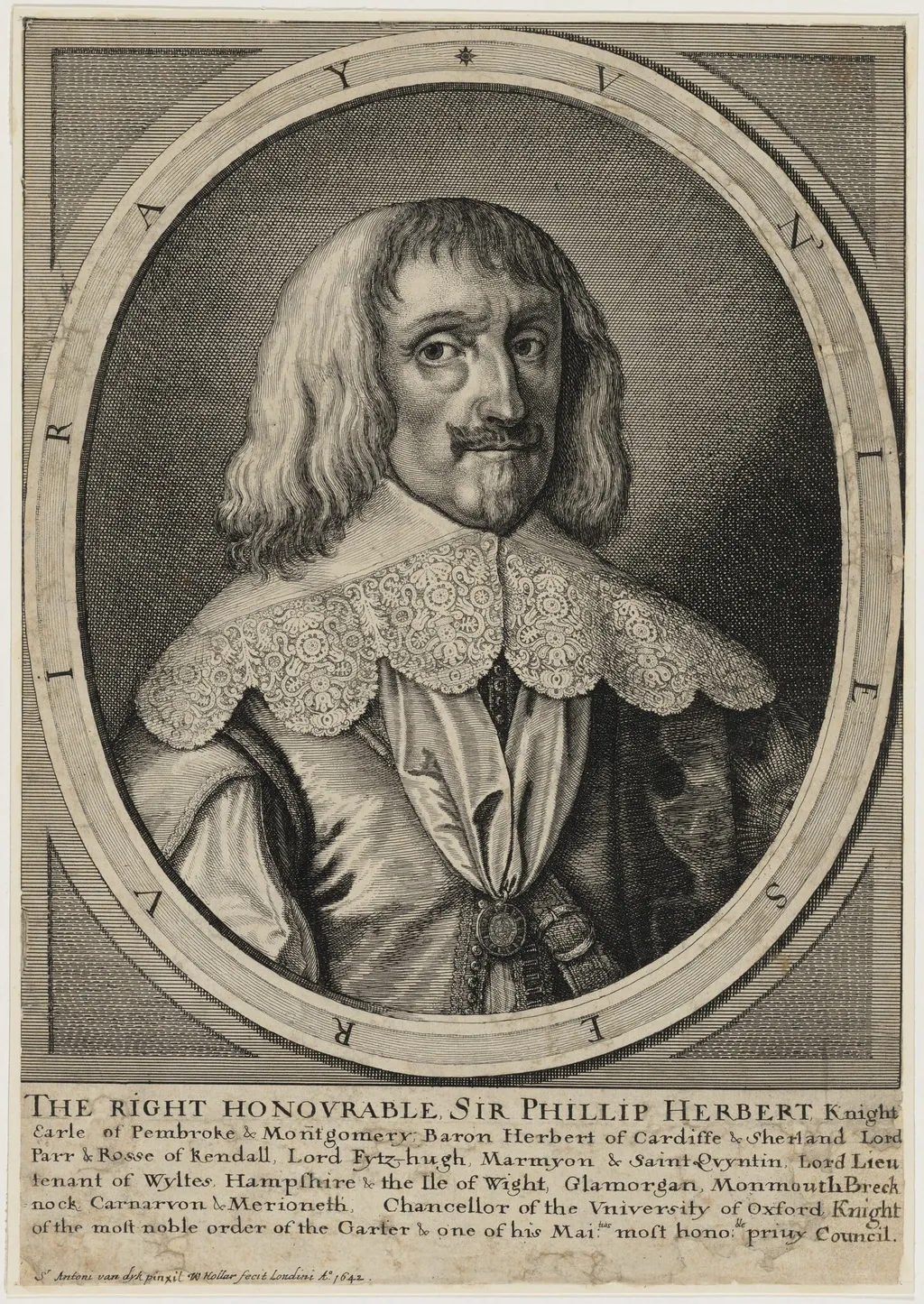
Philip Herbert, Fourth Earl of Pembroke is an ink print by the Baroque artist Wenceslaus Hollar. It dates from 1642 and is held in the collection of the National Gallery of Art.
About this work
If you're interested in learning more about this style, you might want to look into the Baroque movement.
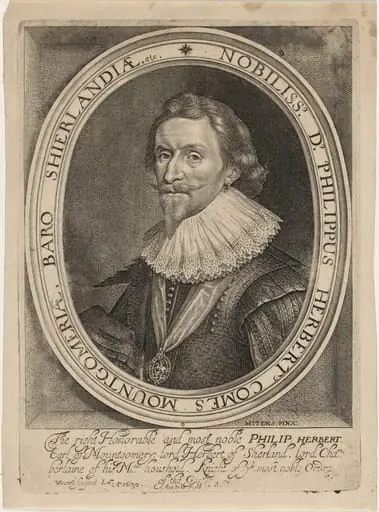
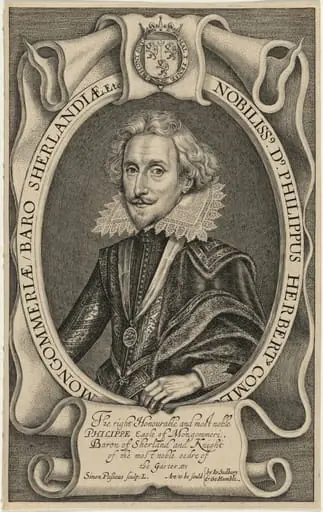
This is an engraving of a man with long hair and a mustache. He is wearing a large collar and a dark jacket with a brooch. The background is a solid color.
The engraving is done in a detailed style, with many small lines that give the image texture and depth. The man's face is serious, and his eyes seem to be looking directly at the viewer.
The engraving is an example of the Baroque style, which was popular in Europe during the 17th century. If you're interested in learning more about this style, you might want to look into the Baroque movement.
Overview
This 1642 copper engraving presents Philip Herbert, the fourth Earl of Pembroke, in a formal pose typical of early‑seventeenth‑century portraiture. Rendered by the Czech‑born engraver Wenceslaus Hollar, the image shows the nobleman with long hair, a moustache, a broad lace collar, and a dark jacket adorned with a single brooch, set against an unadorned background.
Subject & Meaning
The portrait emphasizes Herbert’s status and demeanor; his direct gaze and solemn expression convey authority and composure. The attire, especially the elaborate collar and jewelry, signals his aristocratic rank, while the plain backdrop focuses attention on the sitter’s visage and regalia, reflecting contemporary conventions of elite representation.
Technique & Style
Hollar employs a dense network of fine lines to model flesh, fabric and metal, creating texture and depth within the limits of the engraving medium. The intricate hatching and cross‑hatching produce subtle tonal variations, characteristic of Baroque sensibilities that favored dramatic contrast and detailed realism in portrait prints.
History & Provenance
Wenceslaus Hollar, born in Prague in 1607, spent the majority of his career in England, where he produced a wide range of prints, from cityscapes to portraits. This particular work, dated 1642, aligns with his period of activity in London, and it remains a documented example of his portraiture before his death in 1677.
Context
The engraving belongs to the broader Baroque movement that dominated European art in the 1600s, a style noted for its emphasis on movement, rich detail, and emotional intensity. In England, portrait prints served both as records of the nobility and as disseminated images that reinforced social hierarchies during a tumultuous political era.
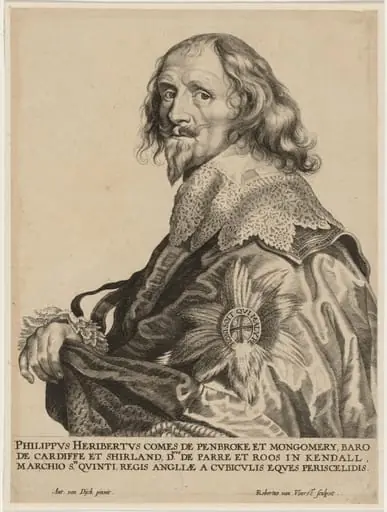
Own this work as a print
Artist & collection
Artist
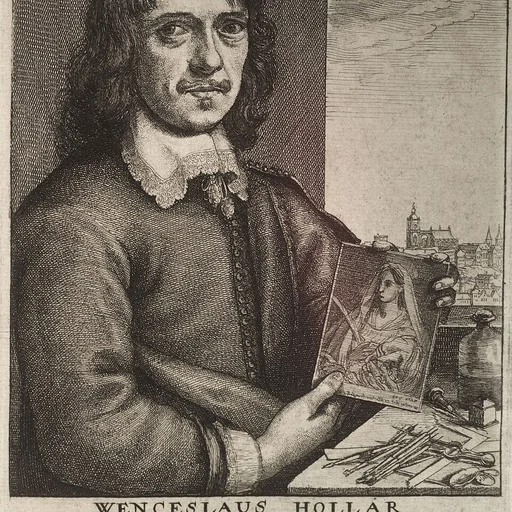
Wenceslaus Hollar (Czech: Václav Hollar (Czech pronunciation: ), German: Wenzel Hollar; 23 July 1607 – 25 March 1677) was a Czech engraver, etcher and painter.

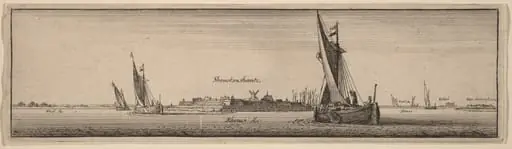
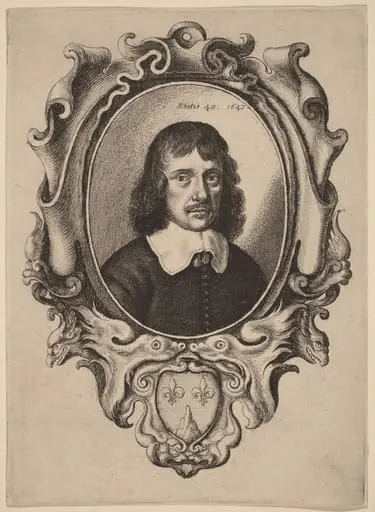
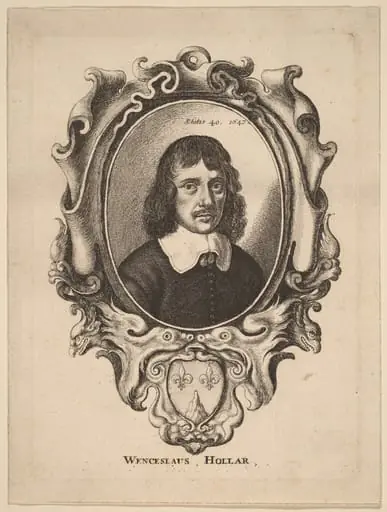
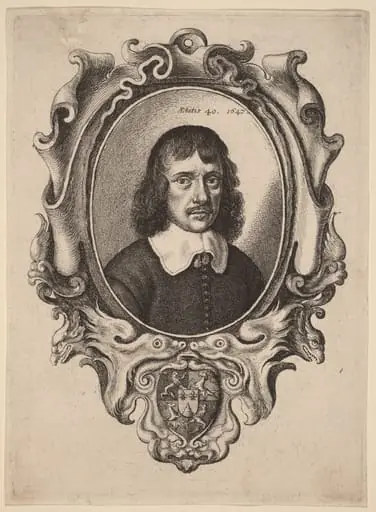

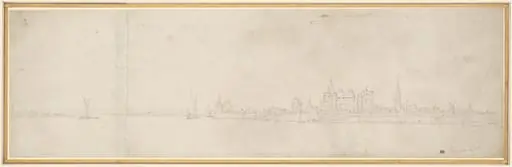
- Philip Herbert, Fourth Earl of Pembroke
 Philip Herbert, Fourth Earl of Pembroke
 Philip Herbert, Fourth Earl of Pembroke
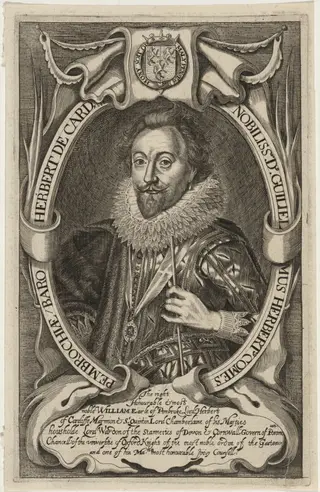 William Herbert, Third Earl of Pembroke
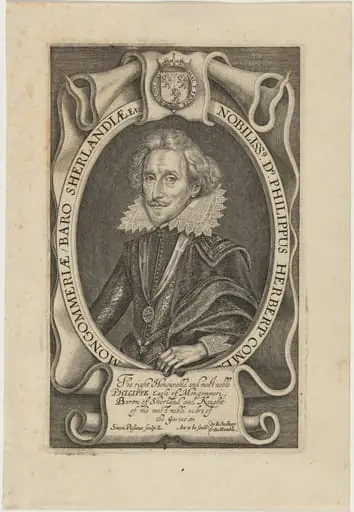 Philip Herbert, Fourth Earl of Pembroke
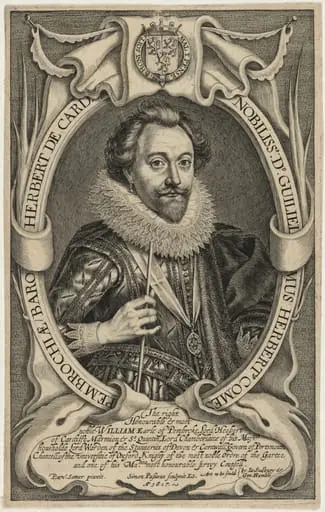 William Herbert, Third Earl of Pembroke
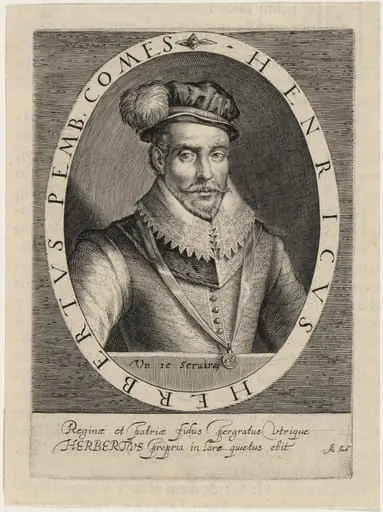 Henry Herbert, Second Earl of Pembroke
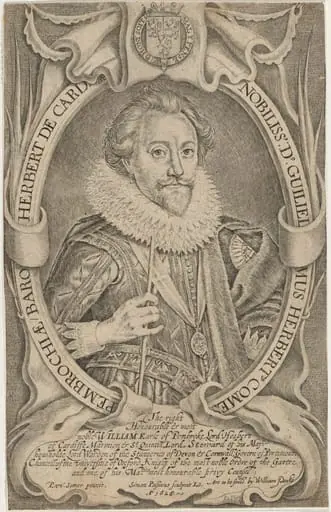 William Herbert, Third Earl of Pembroke
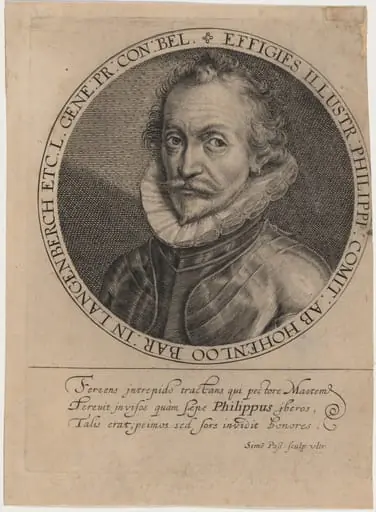 Philip, Count of Hohenlohe