Artwork
Summer: The Bathing Place
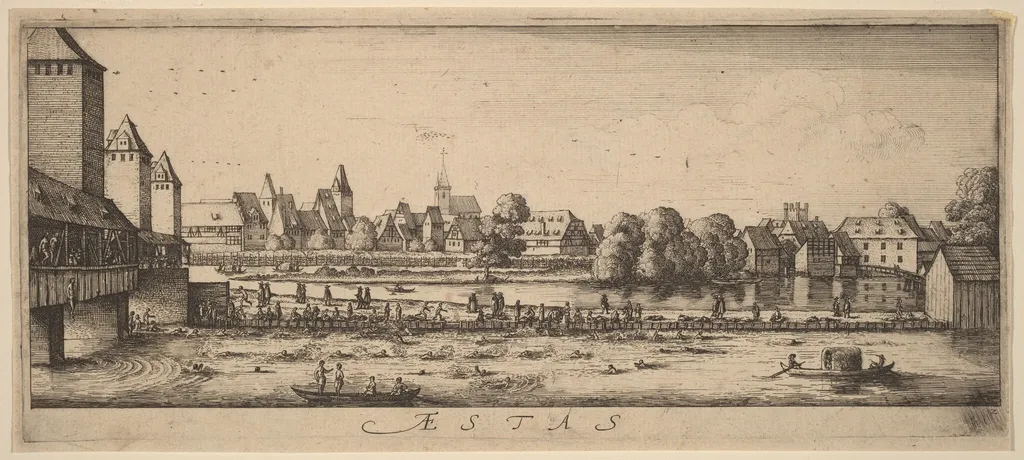
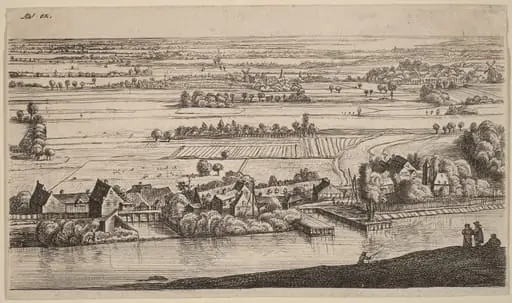
Summer: The Bathing Place is an ink print by the Baroque artist Wenceslaus Hollar. It dates from 1628 and is held in the collection of the National Gallery of Art.
About this work
Overview
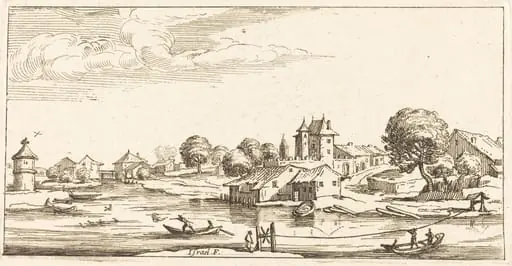
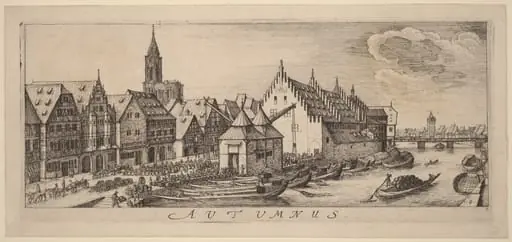
Summer: The Bathing Place is an etching created by Wenceslaus Hollar around 1628, depicting a lively riverside scene with nude figures, set against a backdrop of half-timbered buildings and a prominent tower.
Subject & Meaning
The etching captures a summer scene of communal bathing and leisure activities by a river, reflecting early 17th-century artistic conventions that occasionally featured nude figures in everyday settings.
Technique & Style
Hollar employed fine etching lines to convey the intricacies of the crowded scene, from the textures of buildings and water ripples to the activities of the figures, all framed by a simple border bearing the Latin word 'AESTAS'.
History & Provenance
Produced during Hollar's early career, before his establishment in London, this work precedes his more renowned cityscapes and landscapes, showcasing an early example of his detailed etching technique.
Context
The scene's architecture, with steep-roofed, half-timbered buildings and a tower, suggests a small European town setting, typical of the period's depictions of everyday life.
Artist & collection
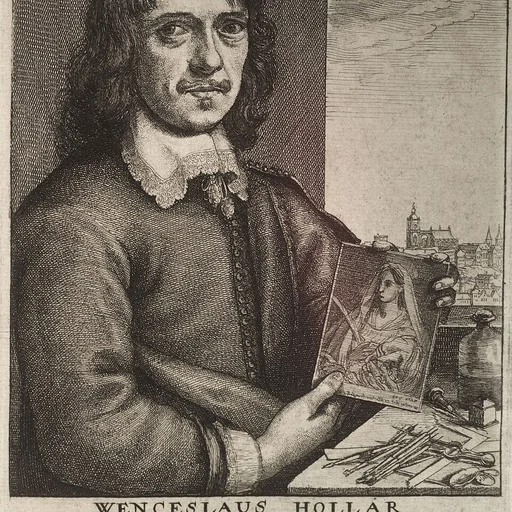
Artist
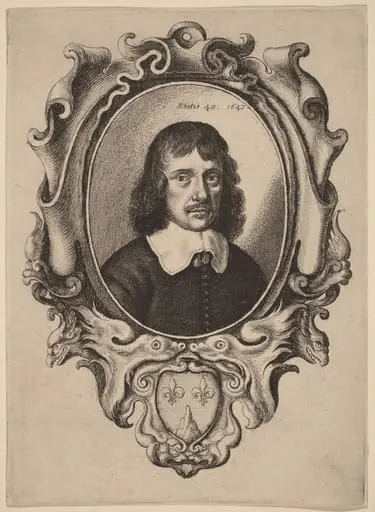
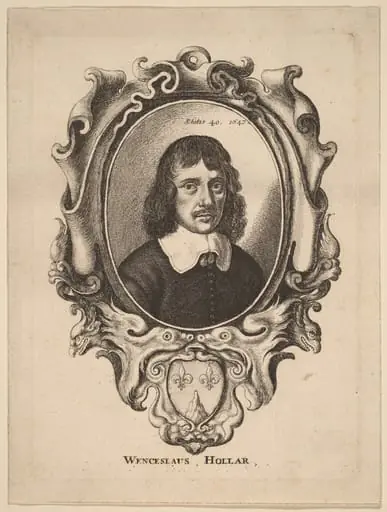
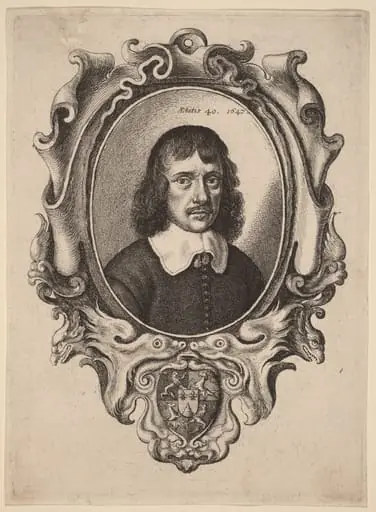
Wenceslaus Hollar (Czech: Václav Hollar (Czech pronunciation: ), German: Wenzel Hollar; 23 July 1607 – 25 March 1677) was a Czech engraver, etcher and painter.