Artwork
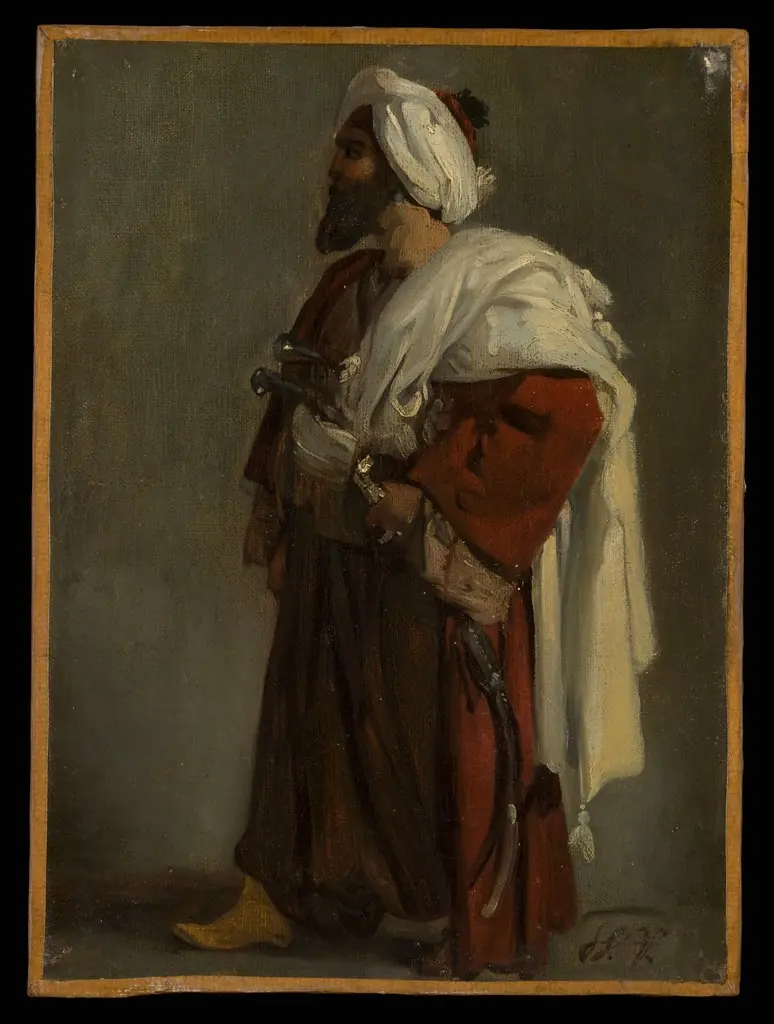
Portrait of a Mameluke, said to be Roustam Raza
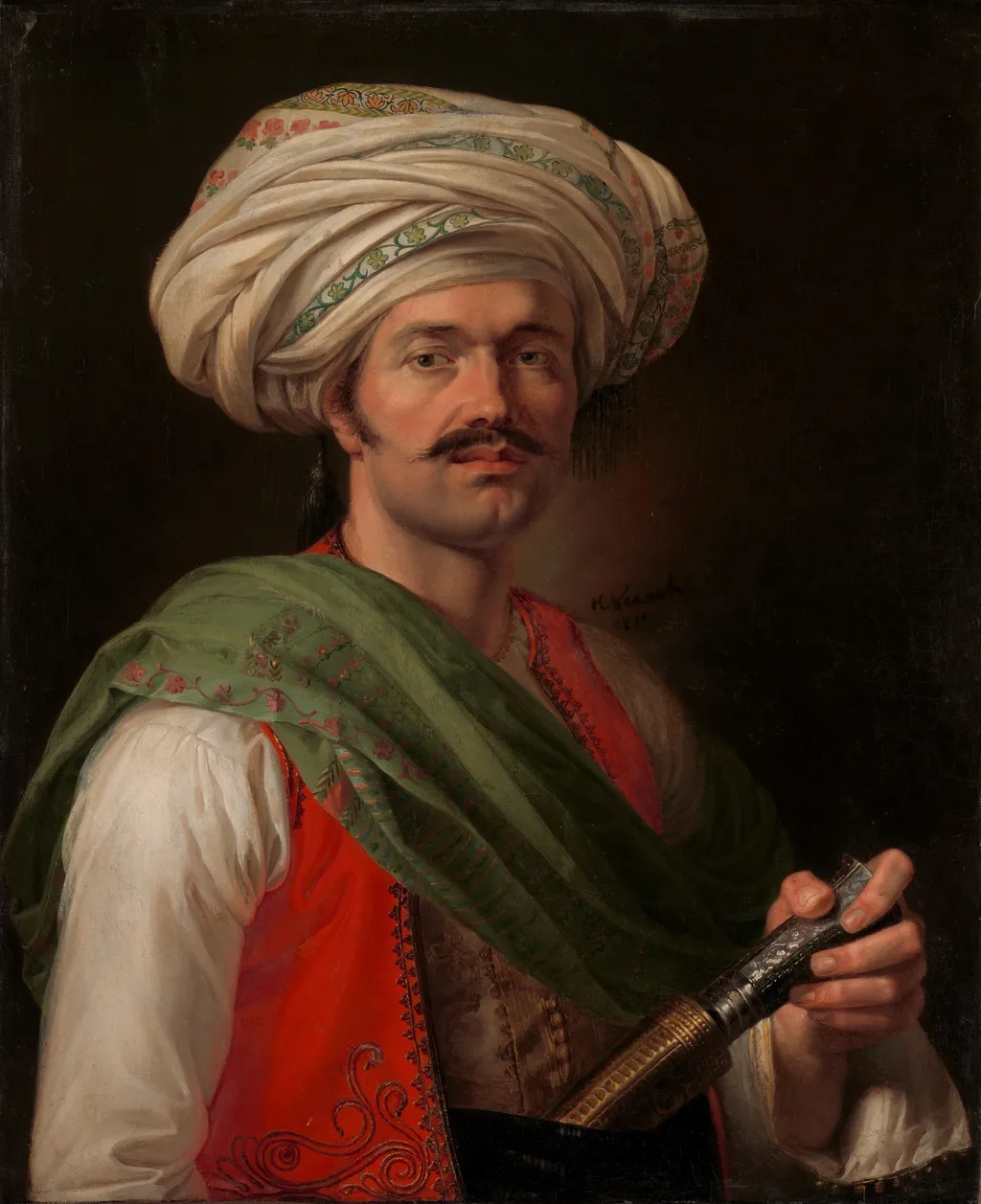
Portrait of a Mameluke, said to be Roustam Raza is an oil painting by the French Romanticist artist Horace Vernet. It dates from 1810 and is held in the collection of the Metropolitan Museum of Art.
About this work
Subject & Meaning
The work is classified within the genre of Orientalist painting, depicting a man who served as a specific historical subject for the artist Horace Vernet.
Executed in 1810, this oil painting is a portrait of Roustam Raza, a Mameluke figure. The work is classified within the genre of Orientalist painting, depicting a man who served as a specific historical subject for the artist Horace Vernet. As the main subject, Raza is presented through the lens of early nineteenth-century European interest in Eastern cultures, a thematic focus characteristic of the Orientalist movement.
The image captures the individual identity of the sitter while representing the broader fascination with Mameluke warriors prevalent in French art of the period. The composition focuses entirely on the figure, using the portrait format to document the appearance and presence of this specific man within the collection of the Metropolitan Museum of Art.
Technique & Style
Created in 1810, the Portrait of a Mameluke, said to be Roustam Raza, is executed in oil paint on a canvas support. The work measures 75 cm in height and 61.6 cm in width. Classified as an Orientalist portrait, the painting depicts Roustam Raza, a man of Mameluke origin.
The medium and genre align with Horace Vernet's early 19th-century portraiture, using traditional oil techniques on a stretched canvas to render the subject's likeness and attire. The dimensions and material are consistent with standard portrait formats of the period, allowing for detailed rendering of the sitter's features within a compact frame.
History & Provenance
The portrait is dated to 1810, aligning with Horace Vernet's documented activity in that year. It depicts Roustam Raza, an Egyptian-raised Mamluk who served as a bodyguard to Napoleon Bonaparte, executed in oil on canvas. The work is held by the Metropolitan Museum of Art, New York, where it is recorded as an oil-on-canvas portrait by Horace Vernet dated 1810, under accession number 1975.1.111. No specific exhibition history is documented in the available sources.
Overview
Horace Vernet's 1810 oil painting, Portrait of a Mameluke, said to be Roustam Raza, exemplifies French Romanticism. It depicts an Orientalist subject, a genre Vernet frequently explored alongside his well-known battle scenes and portraits. This work is part of The Metropolitan Museum of Art's collection, representing a key aspect of early 19th-century French art.
Context
As a prominent figure in French Romanticism, Horace Vernet was part of a movement that valued emotion, individualism, and the exotic. His choice of an Orientalist subject aligns with the period's broader cultural interest in the Near East, often fueled by Napoleonic campaigns and travel accounts. This work contributes to the visual discourse surrounding European perceptions of the "Orient" in the early 19th century.
Own this work as a print
Artist & collection
Artist
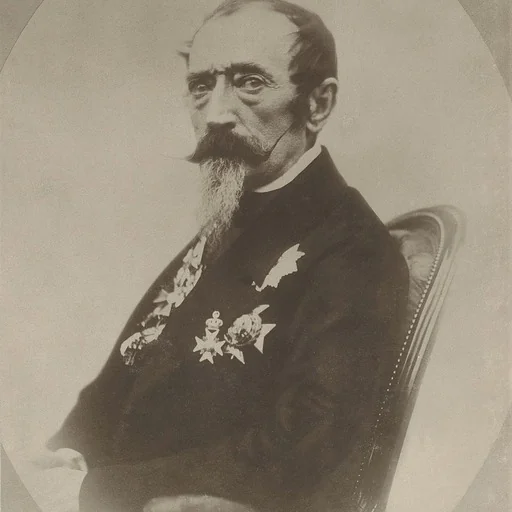
Émile Jean-Horace Vernet (French pronunciation:; 30 June 1789 – 17 January 1863), better known as Horace Vernet, was a French painter of battles, portraits, and Orientalist subjects.

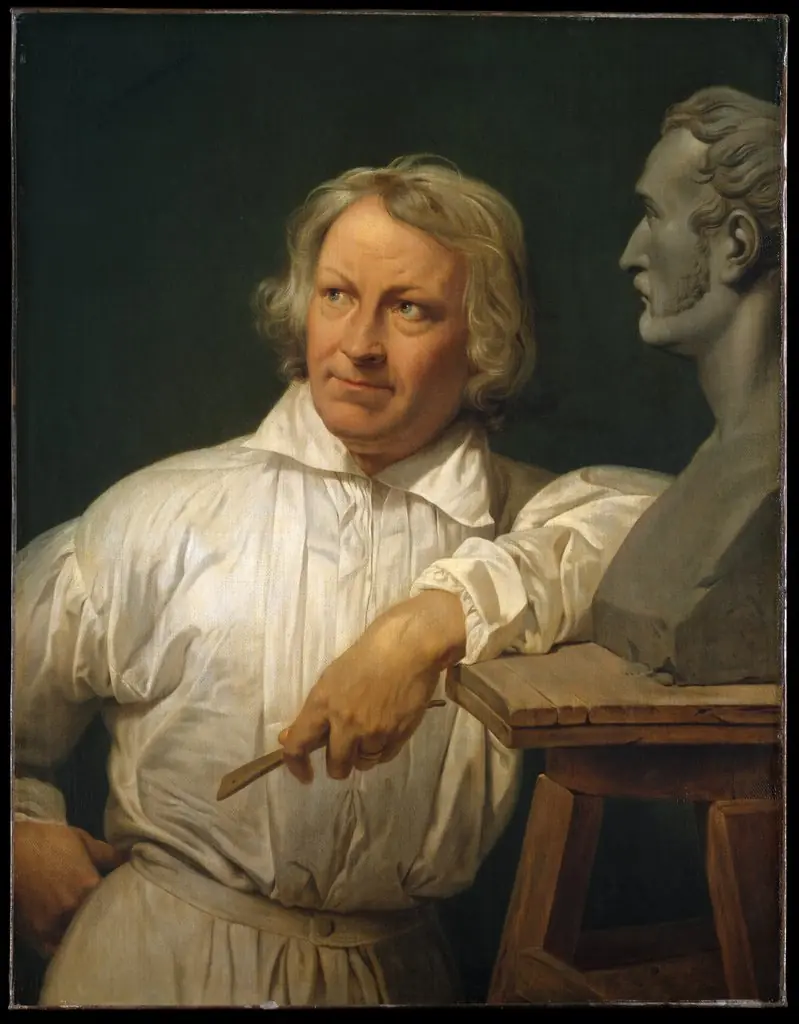 Bertel Thorvaldsen (1768–1844) with the Bust of Horace Vernet
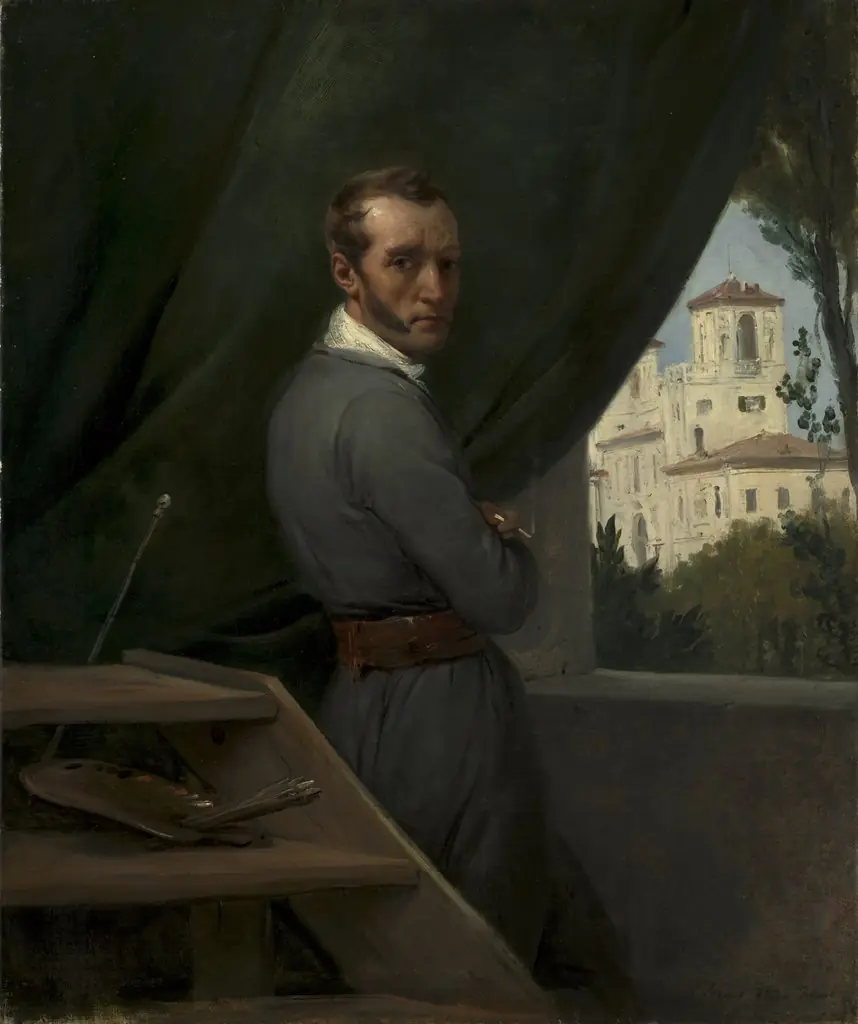 Self-Portrait in Rome
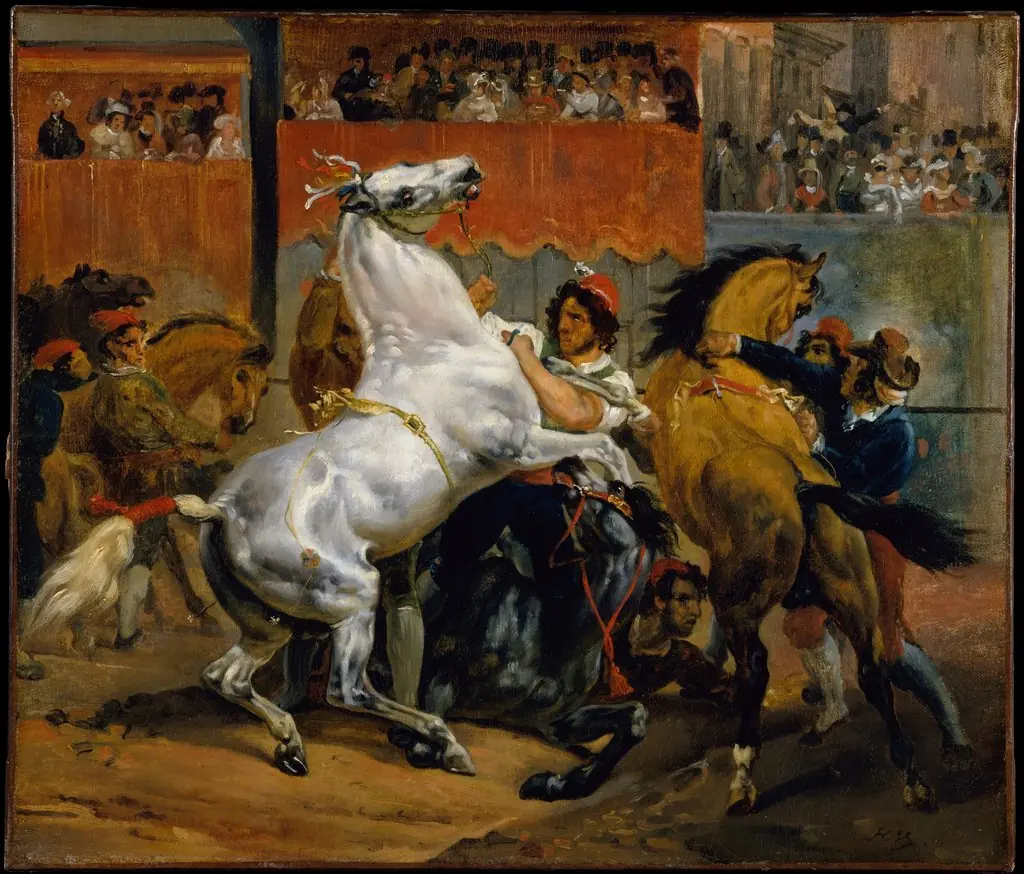 The Start of the Race of the Riderless Horses
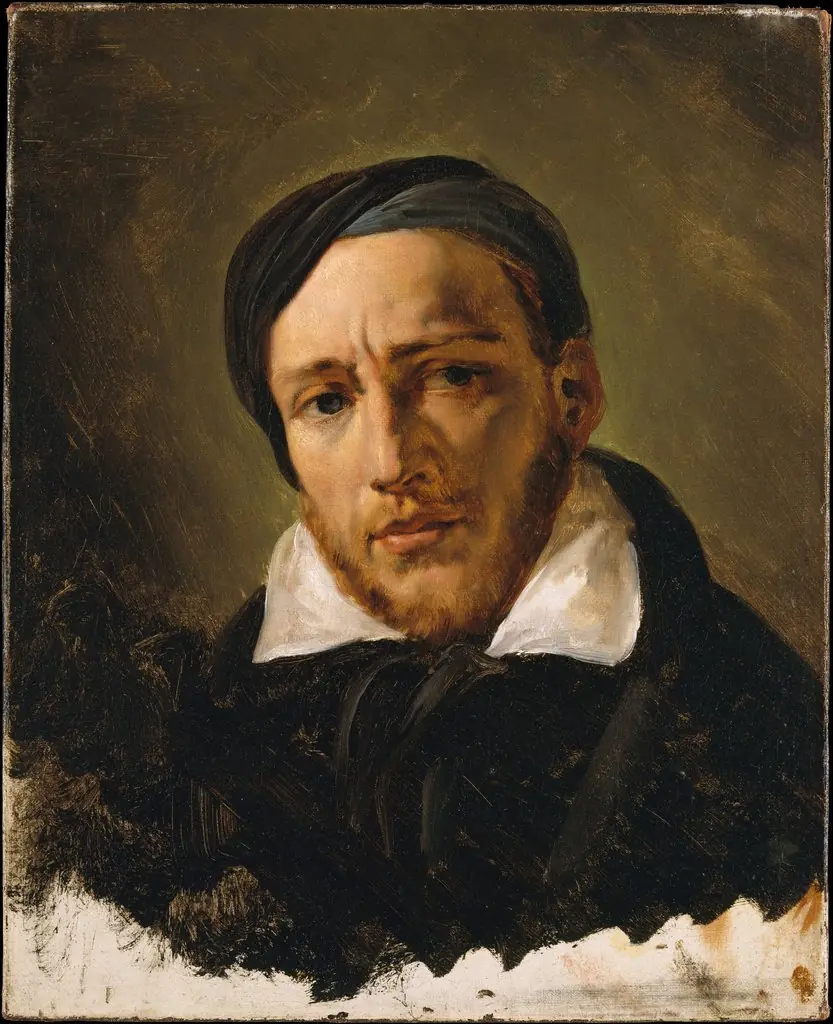 Jean-Louis-André-Théodore Gericault (1791–1824)
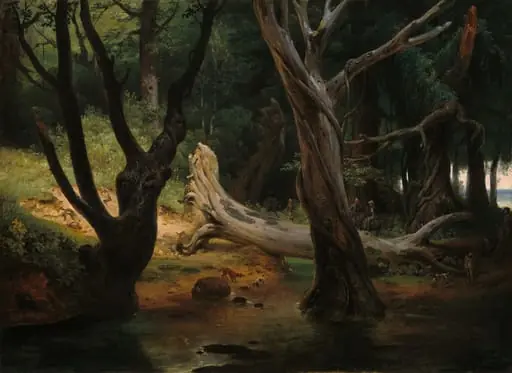
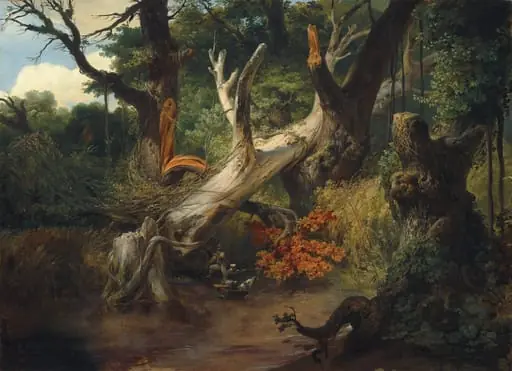 Hunting in the Pontine Marshes
 Arab Warrior
 Departure for the Hunt in the Pontine Marshes
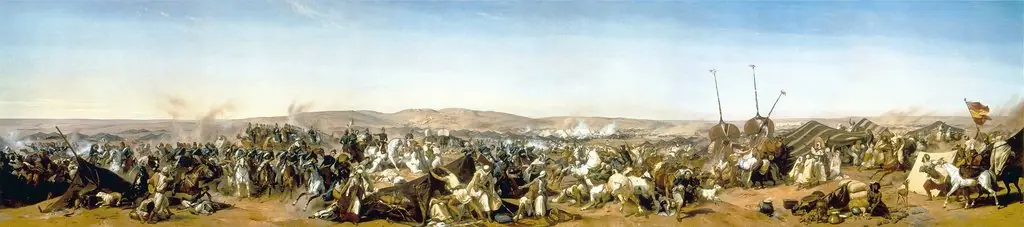 The seizure of Abd-el-Kader's camp in 1843
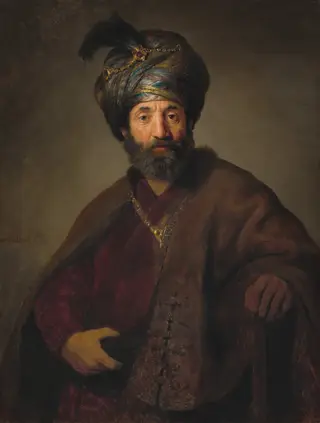 Man in Oriental Costume
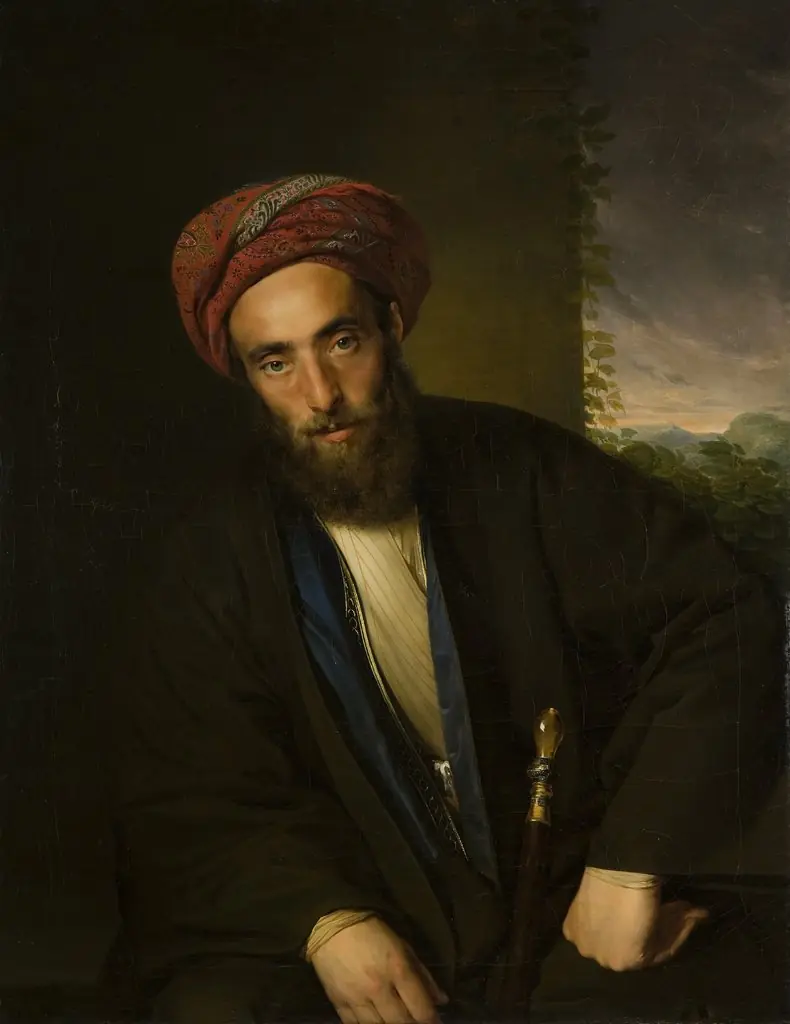 Seated Armenian
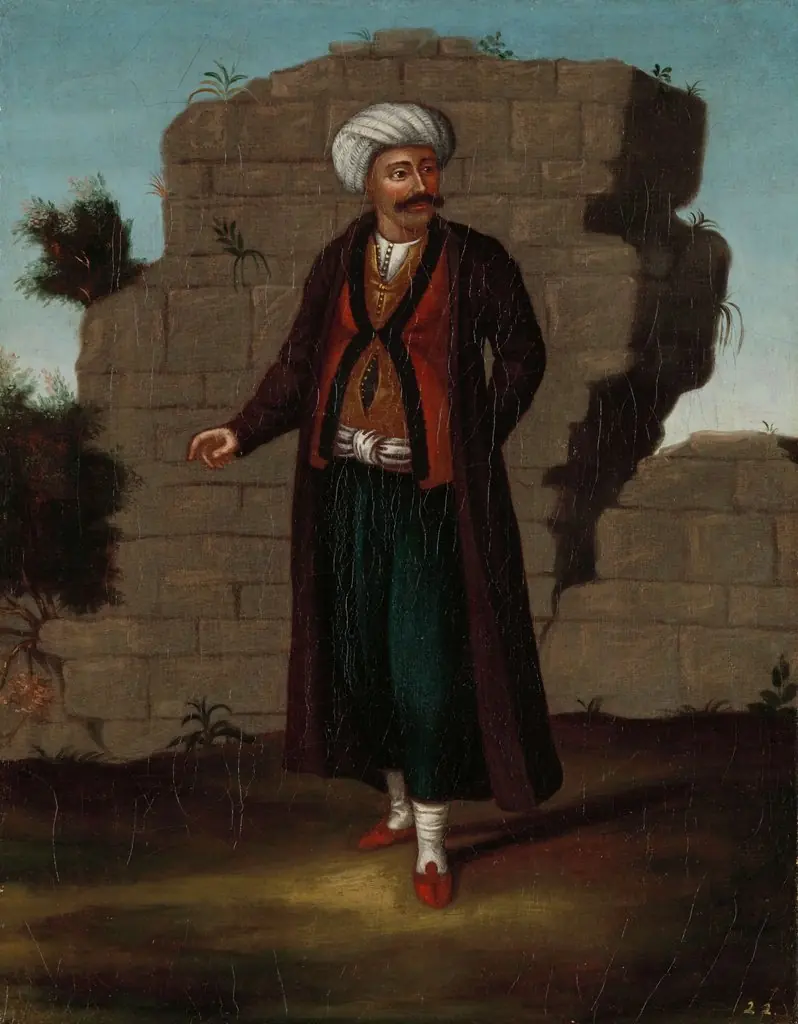 Man from the Island of Mykonos
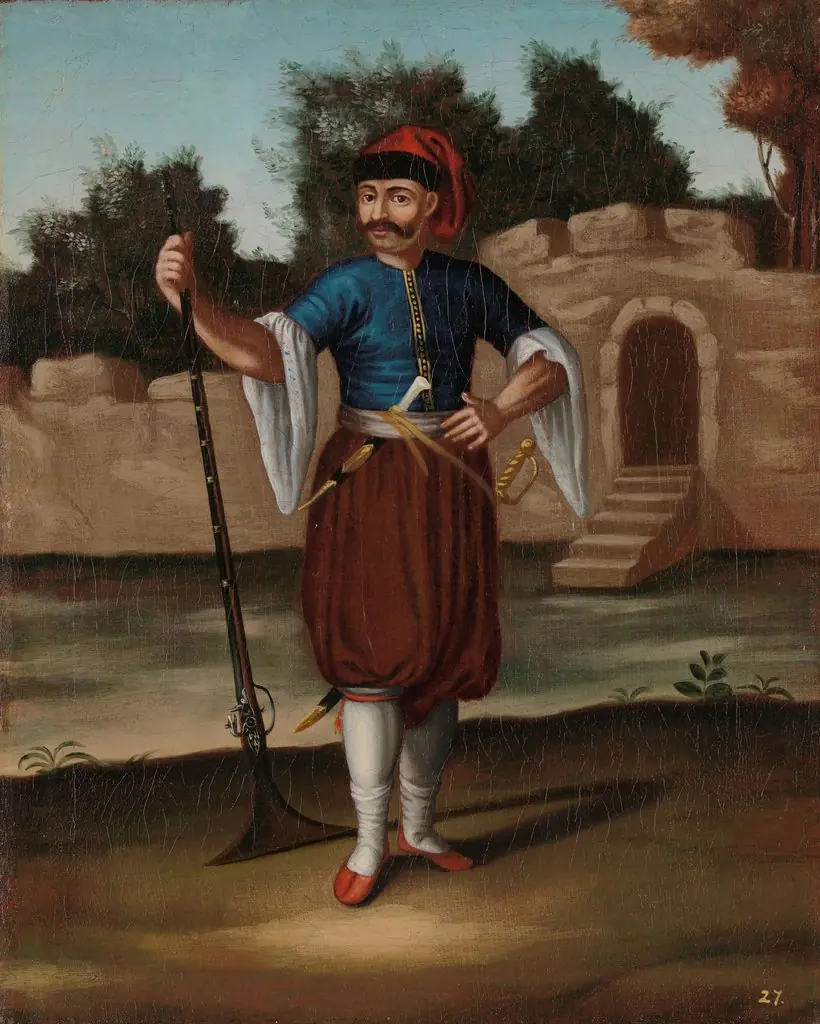 Albanian Soldier
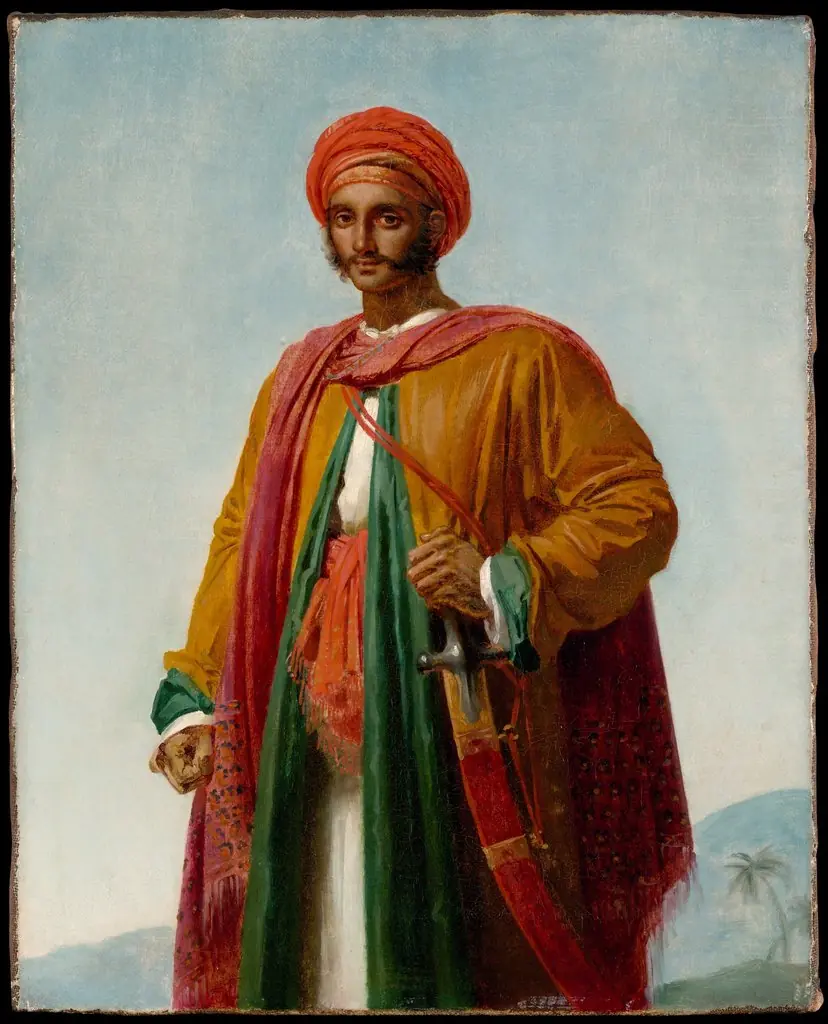 Study for "Portrait of an Indian"
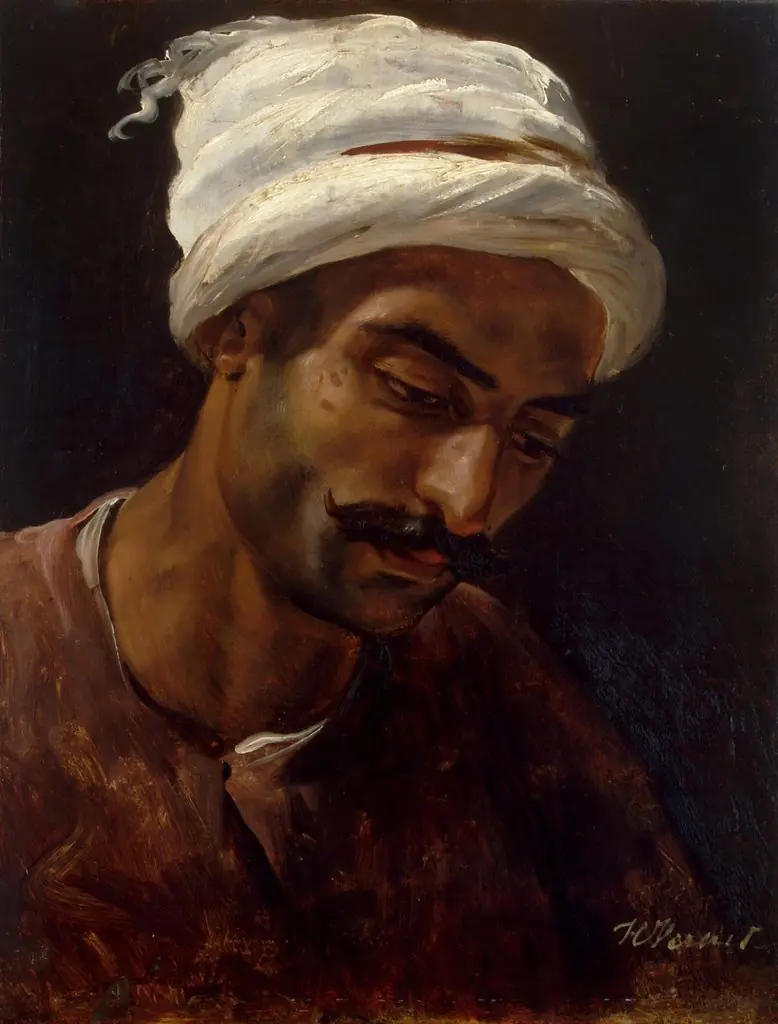 Head of an Arab
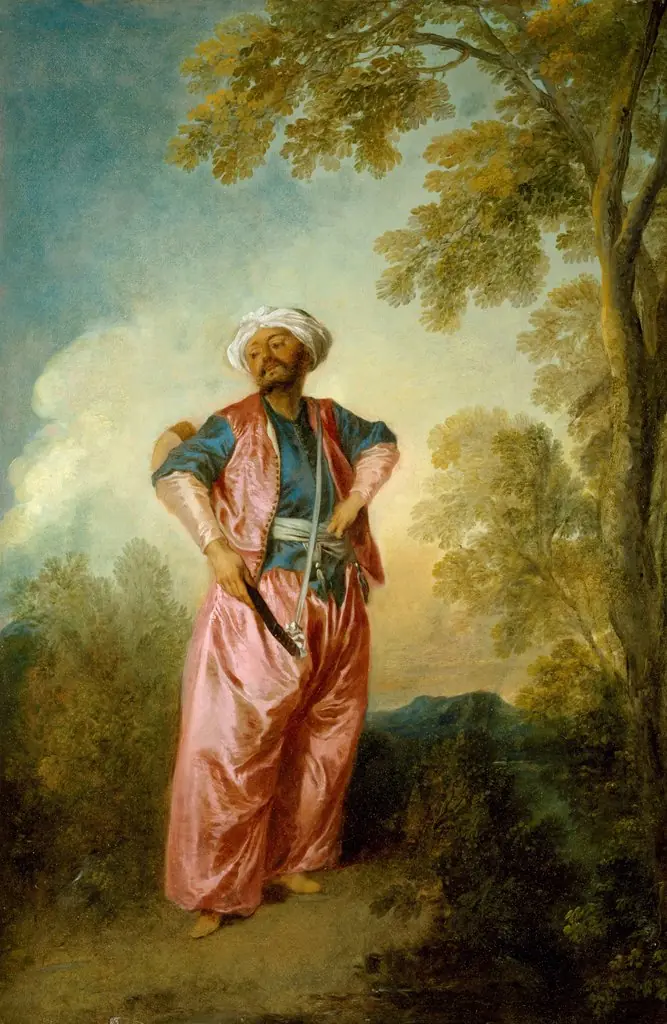 The Amorous Turk
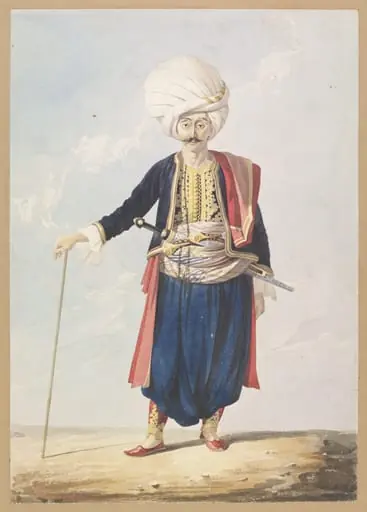 Janissary at the English Palace Constantinople
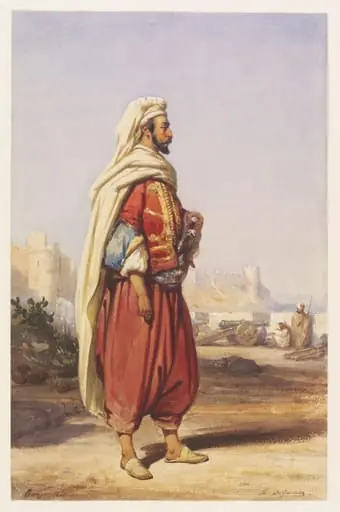 A Moroccan Amir
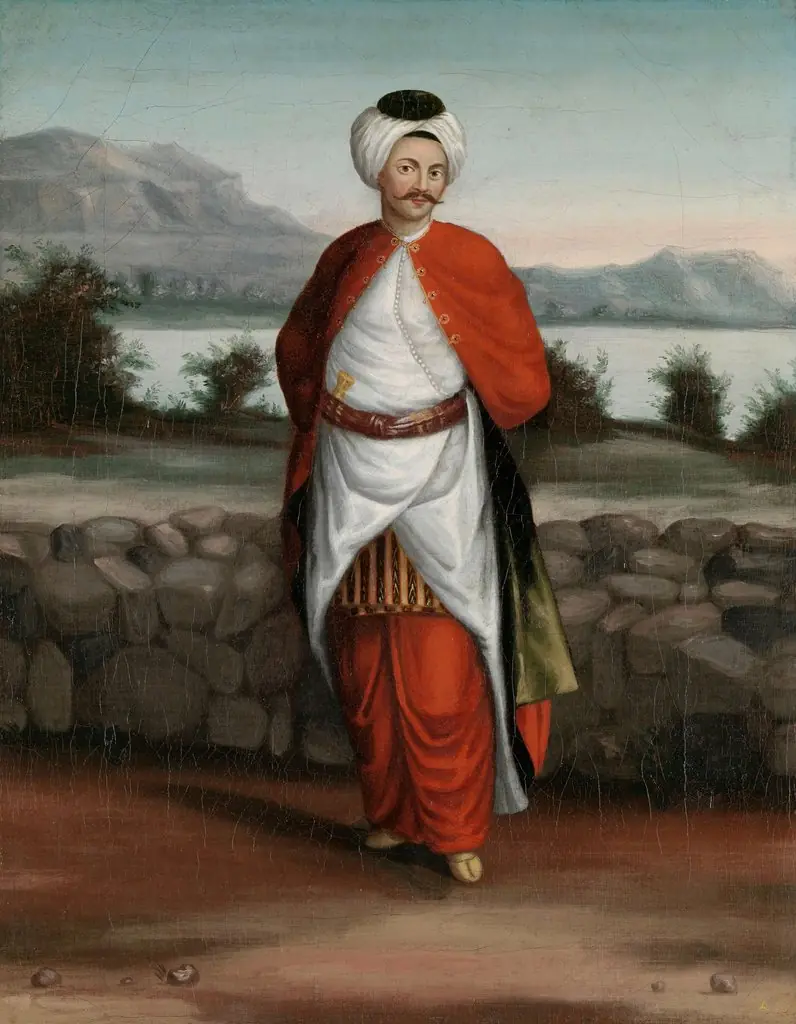 Choadar, Servant of the Ambassador
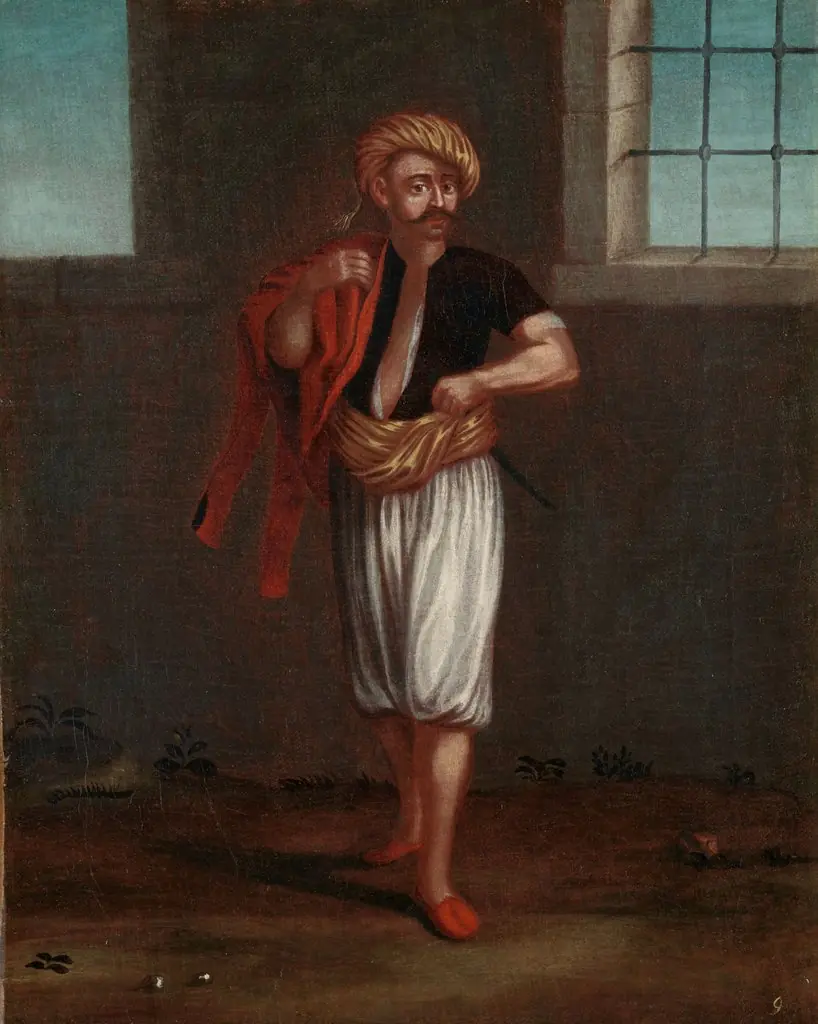 An Albanian Sailor
- Portrait of the Katchef Dahouth, Christian Mameluke