Artwork
Jean-Louis-André-Théodore Gericault (1791–1824)
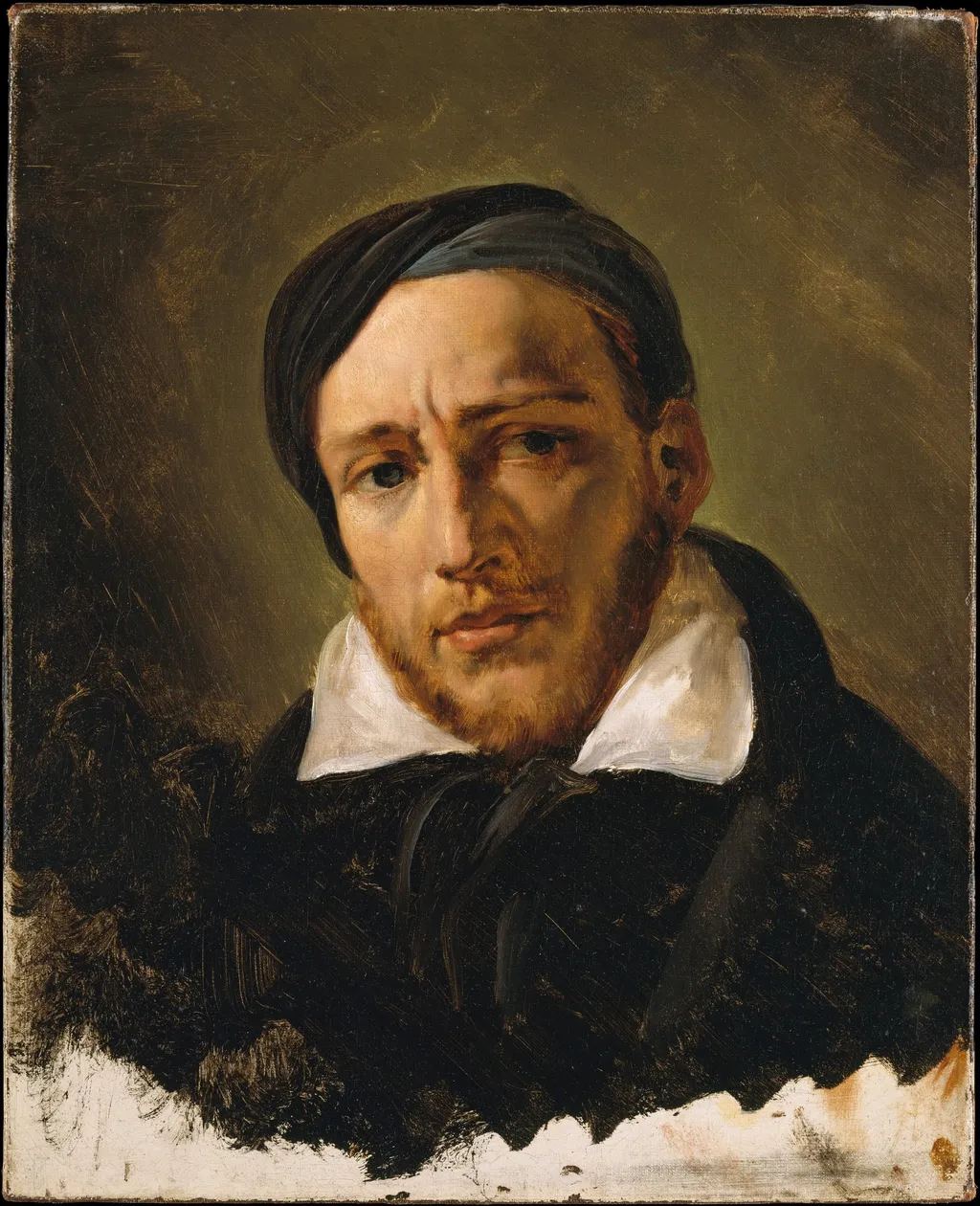
Jean-Louis-André-Théodore Gericault (1791–1824) is an oil painting by the Academic Art artist Horace Vernet. It dates from 1822 and is held in the collection of the Metropolitan Museum of Art.
About this work
Horace Vernet painted his friend Théodore Géricault in oil in early 1822, showing the French artist while still young, a year before his death. The two were close colleagues. The portrait now hangs among other nineteenth-century French works at The Metropolitan Museum of Art.
Technique & Style
The work is classified within the academic art movement, yet it captures a subject central to the rising Romanticism of the era.
Executed in 1822 by Horace Vernet, this portrait of Théodore Géricault employs oil paint on a canvas support. The work is classified within the academic art movement, yet it captures a subject central to the rising Romanticism of the era. Vernet's handling presents a formal depiction of the artist, distinguishing it from the numerous posthumous representations of Géricault that followed his death in 1824.
While the piece adheres to academic standards, its directness reflects the friendship between the two painters, resulting in a candid characterization rather than an idealized or memorialized image. The physical dimensions of the painting measure 47.3 cm in height and 38.4 cm in width.
History & Provenance
The Portrait of Théodore Géricault was painted in 1822 by Horace Vernet, depicting his contemporary Théodore Géricault, the Romantic painter best known for The Raft of the Medusa. Vernet executed the work during Géricault's lifetime, distinguishing it from posthumous portrayals such as Ary Scheffer's The Death of Géricault. The painting remained in private hands until its acquisition by the Metropolitan Museum of Art in New York in 1988, where it has since formed part of the European Paintings holdings; the accession number is not specified in the available records, and no exhibition history is detailed in the consulted sources.
Context
Théodore Géricault is historically recognized as a pivotal figure in the emergence of French Romanticism, best known for his 1819 masterpiece The Raft of the Medusa. His career was cut short by his death in 1824, yet his influence persisted through contemporaries and later scholarship. While many visual representations of the artist, such as Ary Scheffer's The Death of Géricault, were created posthumously, Horace Vernet provided a rare contemporary portrayal in 1822.
Painted during the height of Géricault's Romantic activity, the work remains a significant document for understanding the artist's physical presence and professional context within the early nineteenth-century art world, distinguishing itself from the more common memorialized depictions that followed his passing.
Overview
Horace Vernet's oil painting, Portrait of Théodore Géricault, captures his fellow artist and friend around 1823. This work depicts Géricault, a key figure in the burgeoning Romantic movement, shortly before his untimely death. The painting offers a direct glimpse into the appearance of a significant artist, whose most famous work, The Raft of the Medusa, had already established his reputation. It is now part of the collection at the Metropolitan Museum of Art.
Subject & Meaning
The portrait features Théodore Géricault, a painter widely recognized for his monumental work, The Raft of the Medusa. Géricault was a leading proponent of Romanticism, known for his dramatic and emotionally charged compositions. Vernet's depiction is notable as it was created during Géricault's lifetime, offering a contemporary likeness rather than the posthumous tributes that would follow his death in 1824. The painting reflects the close professional and personal bond between the two artists.
Own this work as a print
Artist & collection
Artist
Émile Jean-Horace Vernet (French pronunciation:; 30 June 1789 – 17 January 1863), better known as Horace Vernet, was a French painter of battles, portraits, and Orientalist subjects.

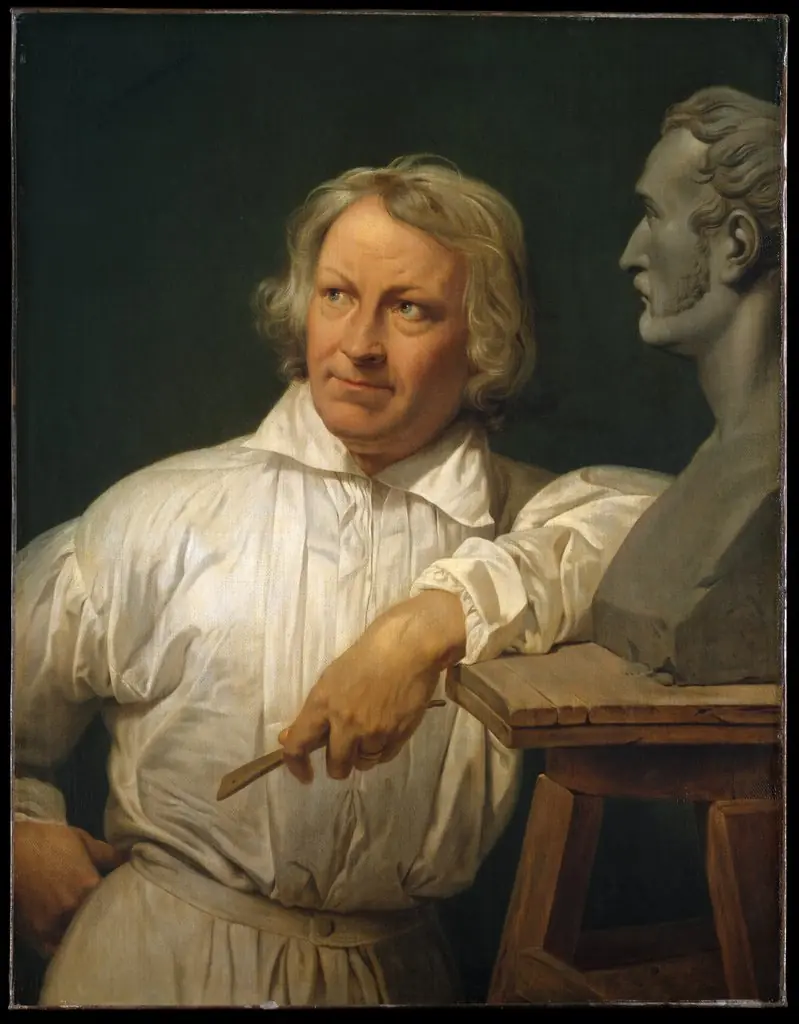 Bertel Thorvaldsen (1768–1844) with the Bust of Horace Vernet
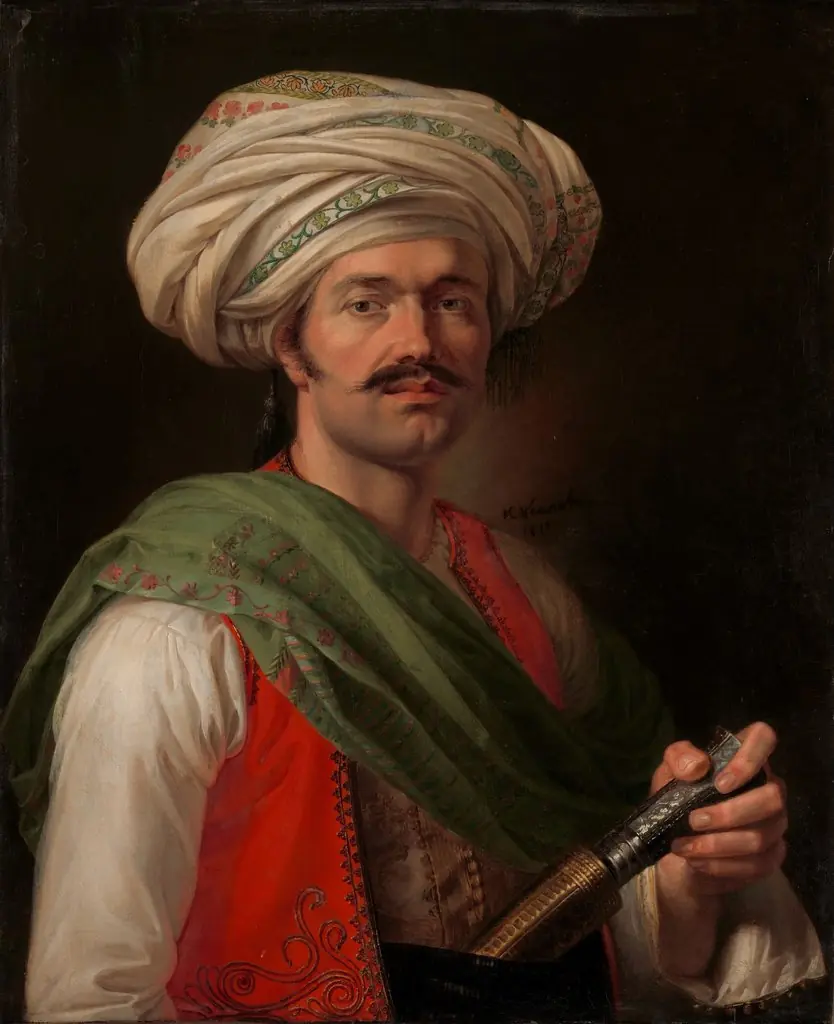 Portrait of a Mameluke, said to be Roustam Raza
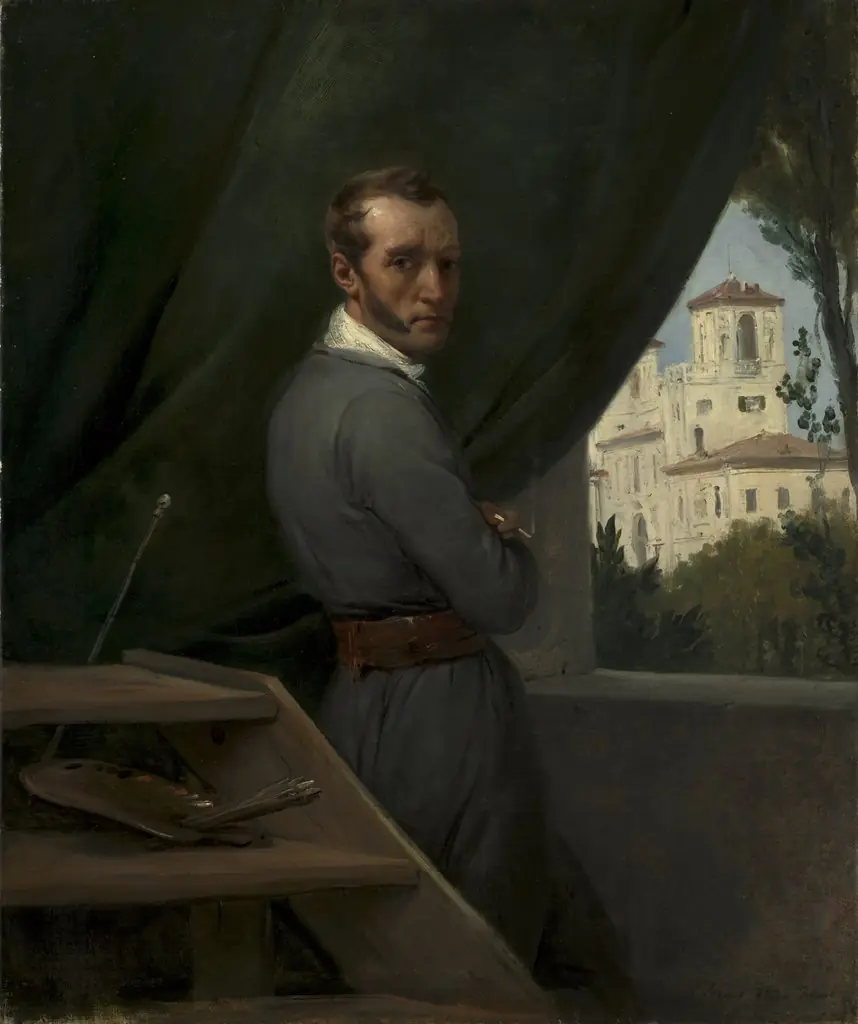 Self-Portrait in Rome
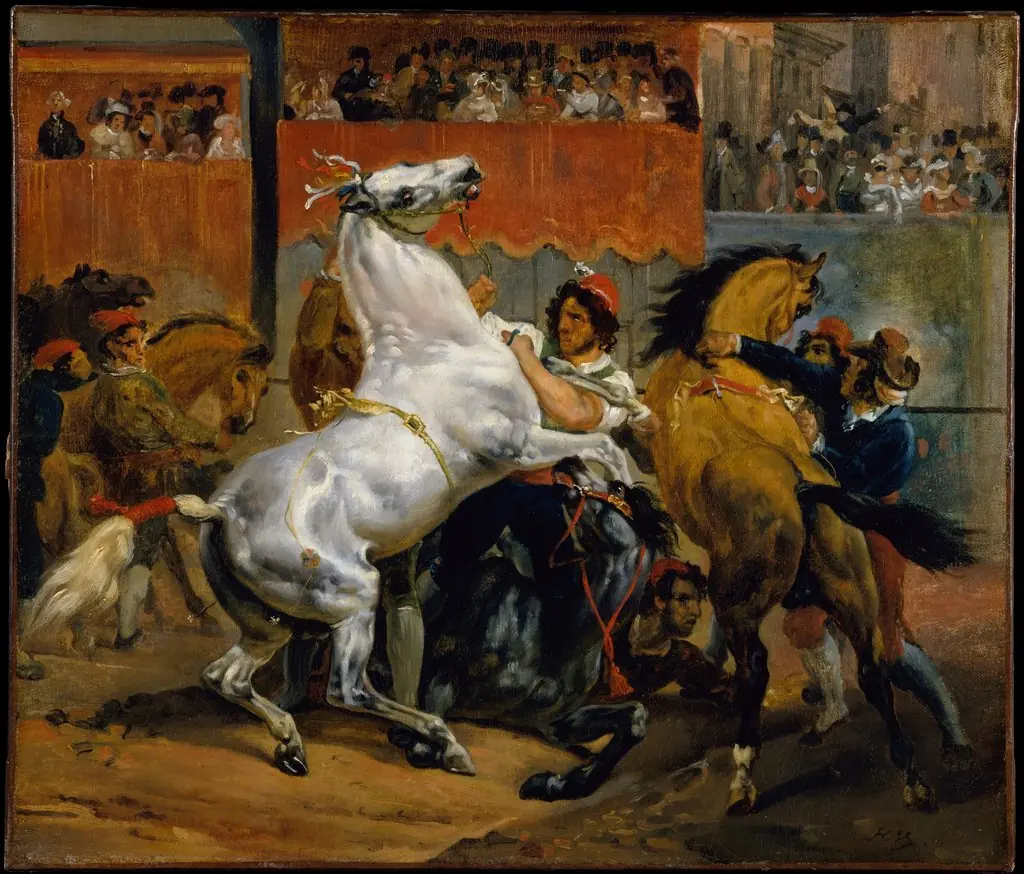 The Start of the Race of the Riderless Horses
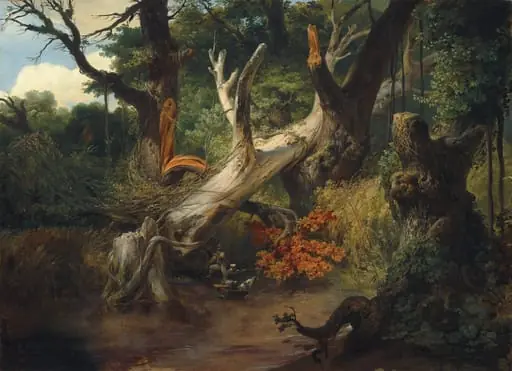 Hunting in the Pontine Marshes
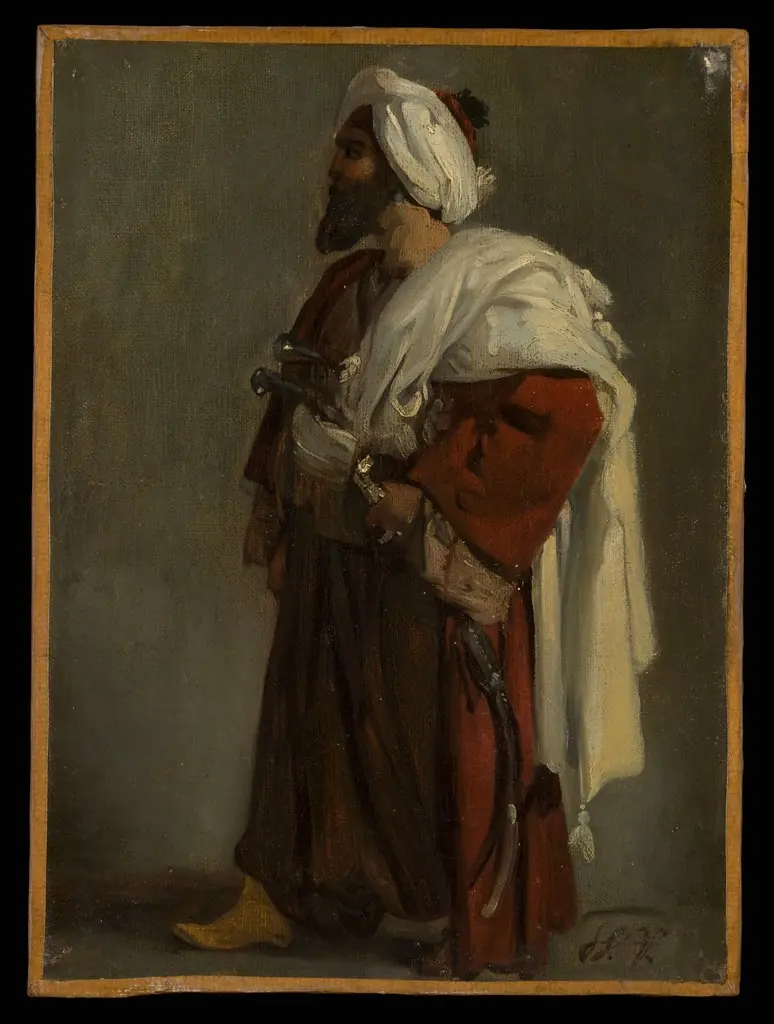 Arab Warrior
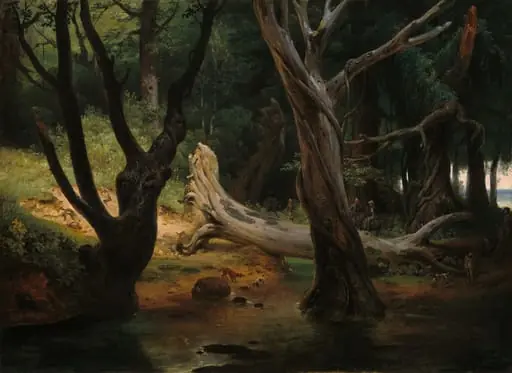 Departure for the Hunt in the Pontine Marshes
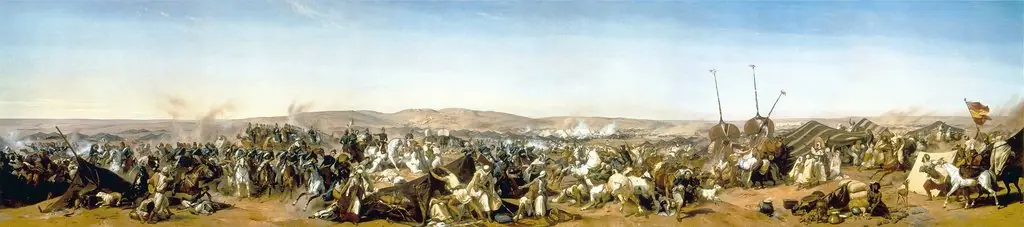 The seizure of Abd-el-Kader's camp in 1843
- Wilhelm Wartenegg in einem Kostüm des 17. Jahrhunderts
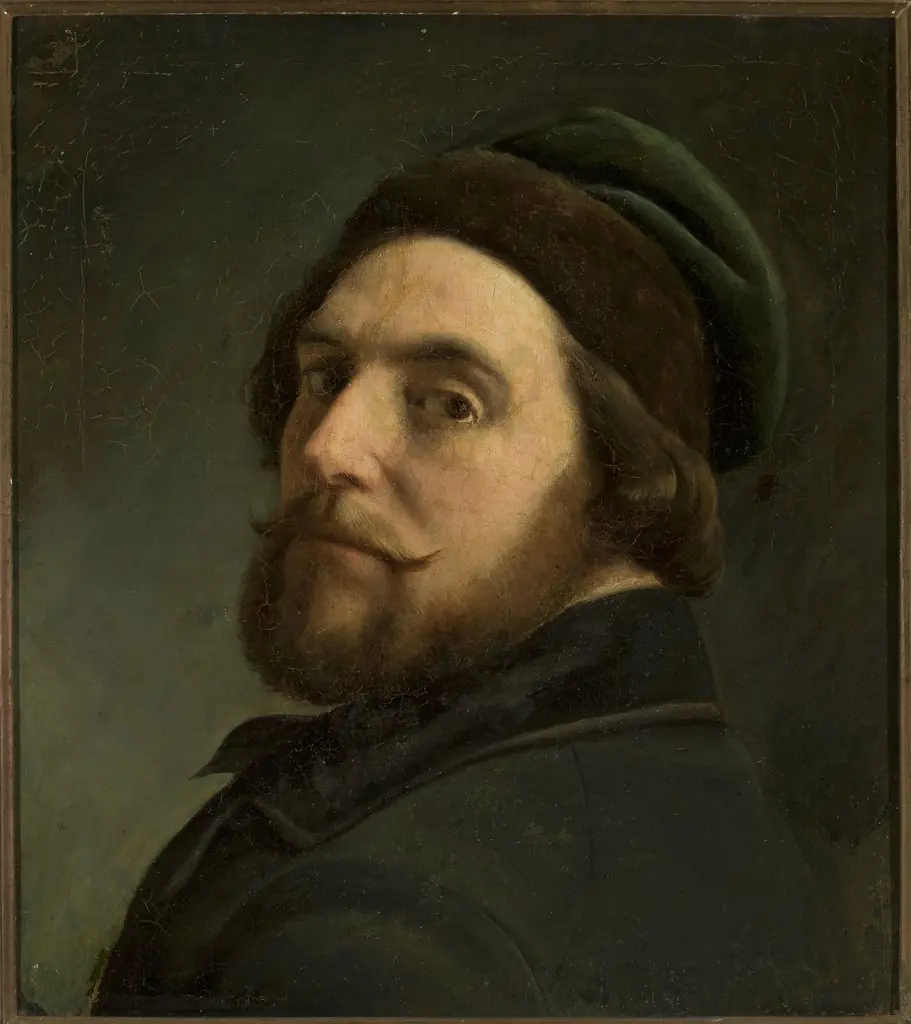 Male portrait
 Portrait of Witold Urbański
 Self-portrait as a young man
 Portrait of a bearded man in profile
 Portrait of a bearded man in profile
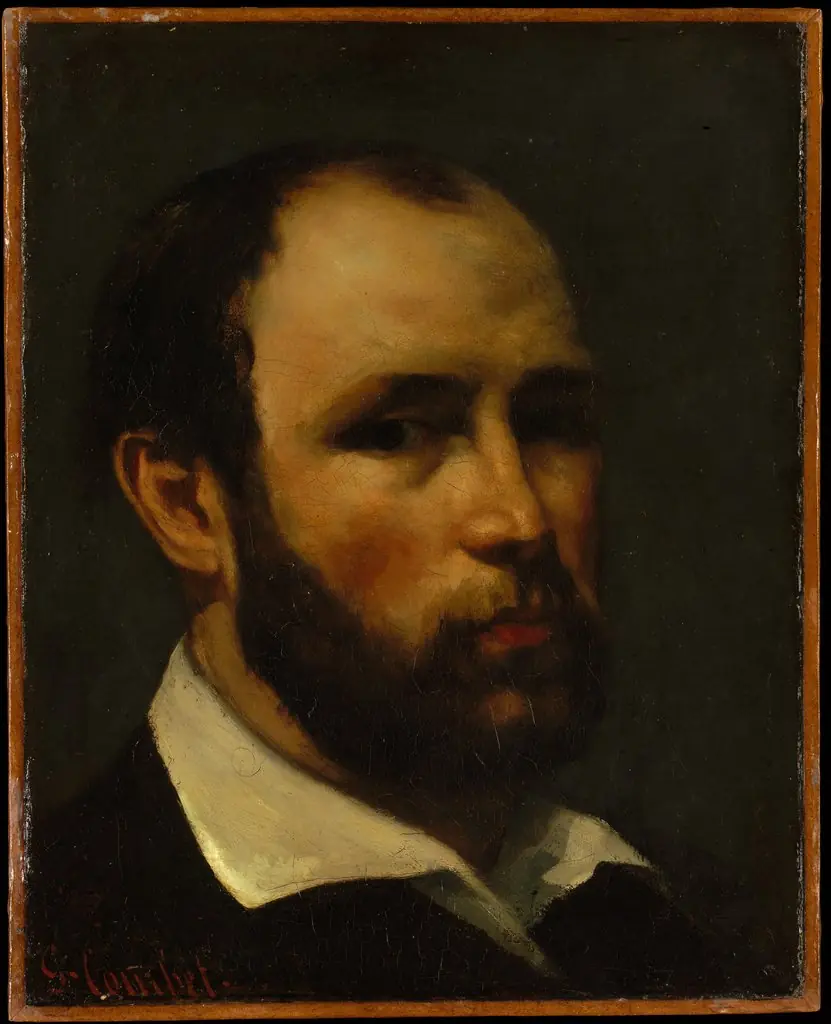 Portrait of a Man
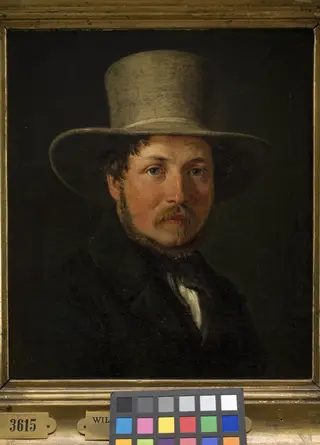 The Painter Christen Købke
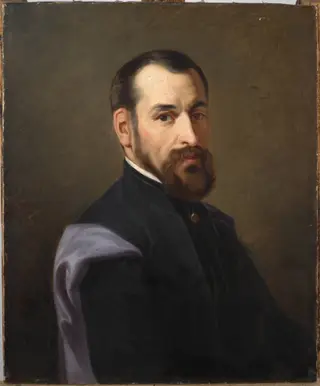 Portrait of Prince Witold Adam Czartoryski (1822–1865)
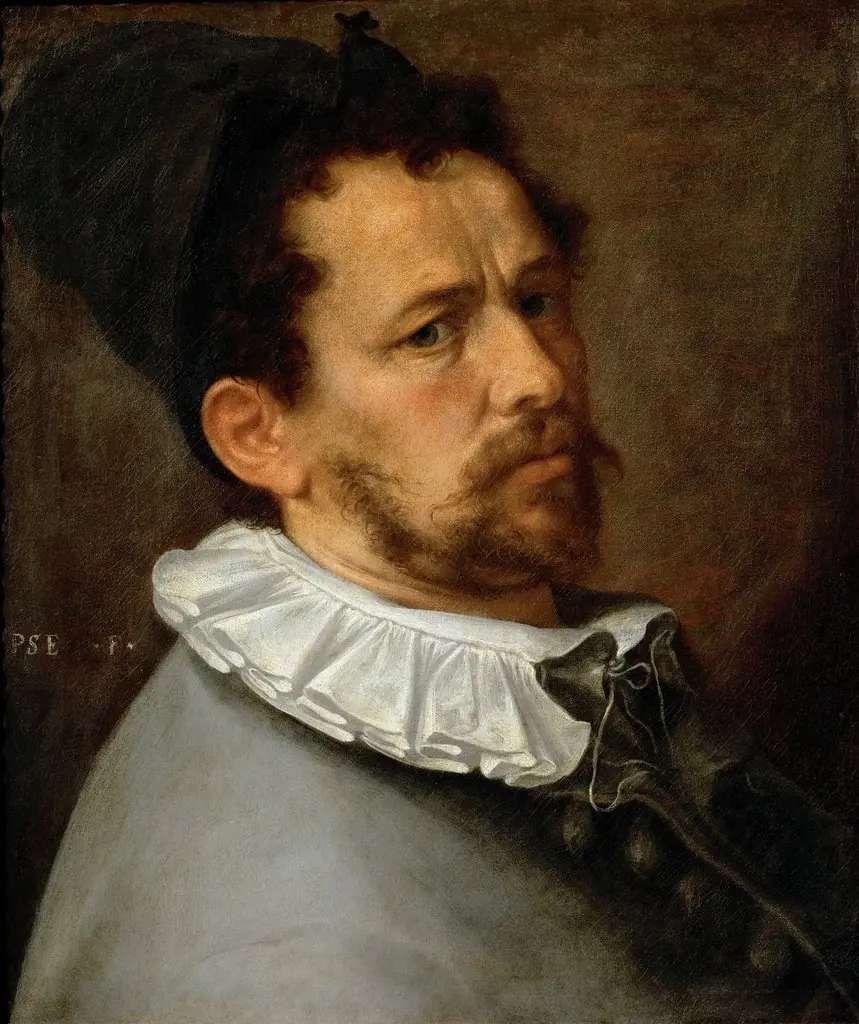 Self-portrait
 Portret van Peter Paul Rubens
 Portret de tânăr