Artwork
Hunting in the Pontine Marshes
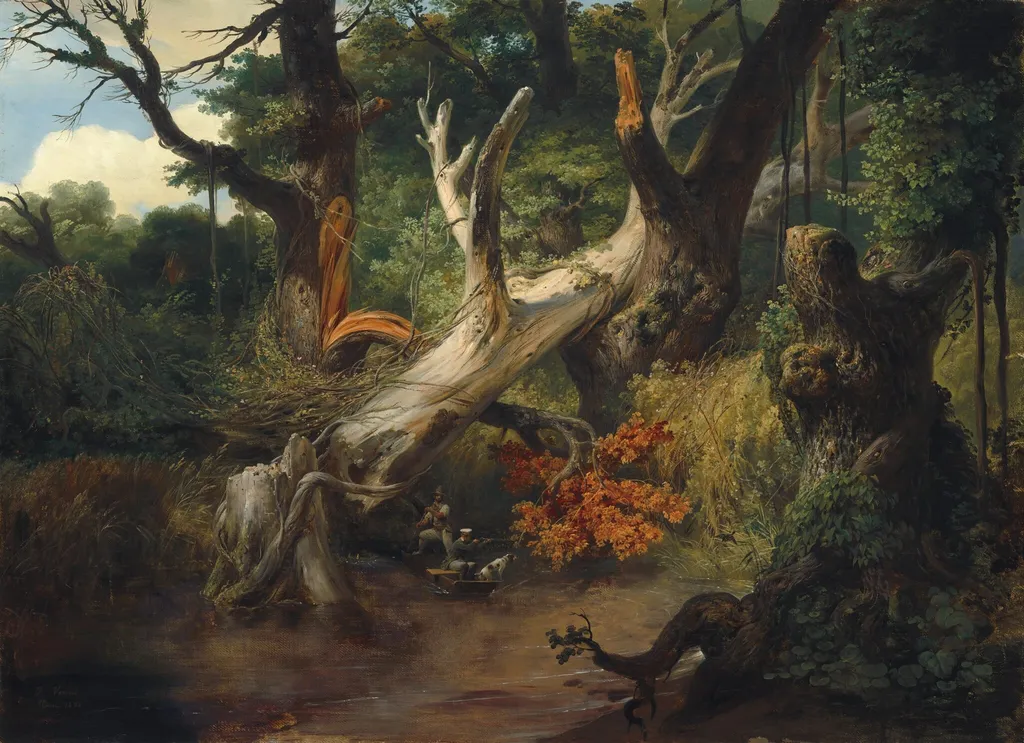
Hunting in the Pontine Marshes is an oil painting by the French Romanticist artist Horace Vernet. It dates from 1833 and is held in the collection of the National Gallery of Art.
- Inscription
- Inscribed:lower left: H. Vernet / Rome 1833 [or Roma?]
About this work
Technique & Style
The painting currently resides in the collection of the National Gallery of Art in Washington, D.
Executed in 1833, this work is an oil painting on canvas measuring 100 by 137 centimeters. Classified as a landscape, the composition features trees as a primary depicted element. The piece represents a specific moment in Horace Vernet's career during the early nineteenth century, utilizing traditional support and medium conventions for large-scale genre scenes of the period. The painting currently resides in the collection of the National Gallery of Art in Washington, D.C.
History & Provenance
Hunting in the Pontine Marshes was painted by Horace Vernet in 1833 in oil on canvas. Its earliest documented owner was Pierre-Hippolyte Aumont, who had acquired the work by 1846, when he lent it to an exhibition at the Bazar Bonne-Nouvelle in Paris. The painting later surfaced at a sale at the Hôtel Drouot in Paris on 6 May 1870, offered as Chasse dans les marais Pontins.
It subsequently passed through the trade and appeared at Ader Picard Tajan in Paris on 12 December 1988. The National Gallery of Art purchased the painting on 18 January 1989, where it carries the accession number 1989.3.1.
Overview
Émile Jean-Horace Vernet's Hunting in the Pontine Marshes, an oil on canvas painting from 1833, captures a scene of human activity within a natural setting. This work exemplifies the artist's engagement with landscape and genre subjects, diverging from his more commonly recognized battle scenes and portraits. The composition invites viewers into a specific moment of interaction between figures and the environment of the Pontine region.
Subject & Meaning
The painting depicts a hunting expedition taking place within the distinctive marshlands of the Pontine region. Figures are shown engaged in the pursuit, set against a backdrop of trees and the characteristic watery terrain. This focus on a specific, everyday activity within a natural landscape reflects a common interest in genre scenes during the Romantic period, offering a glimpse into regional life and human interaction with nature.
Context
While Émile Jean-Horace Vernet is widely associated with large-scale historical and military paintings, as well as Orientalist themes, Hunting in the Pontine Marshes demonstrates his versatility. This landscape with genre elements aligns with a broader Romantic interest in depicting local customs and natural environments. The work provides insight into the artist's capacity to render detailed, atmospheric scenes beyond his more celebrated public commissions.
Own this work as a print
Artist & collection
Artist
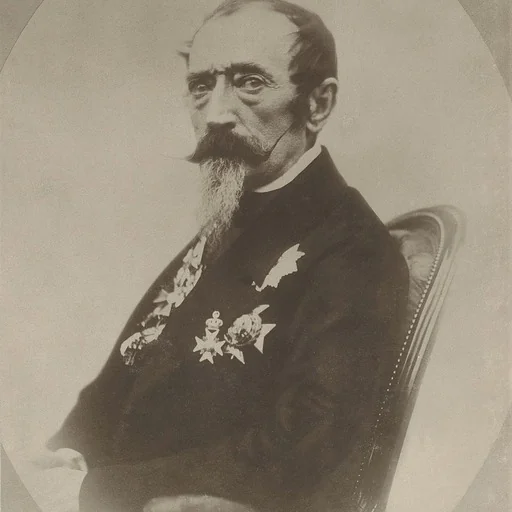
Émile Jean-Horace Vernet (French pronunciation:; 30 June 1789 – 17 January 1863), better known as Horace Vernet, was a French painter of battles, portraits, and Orientalist subjects.

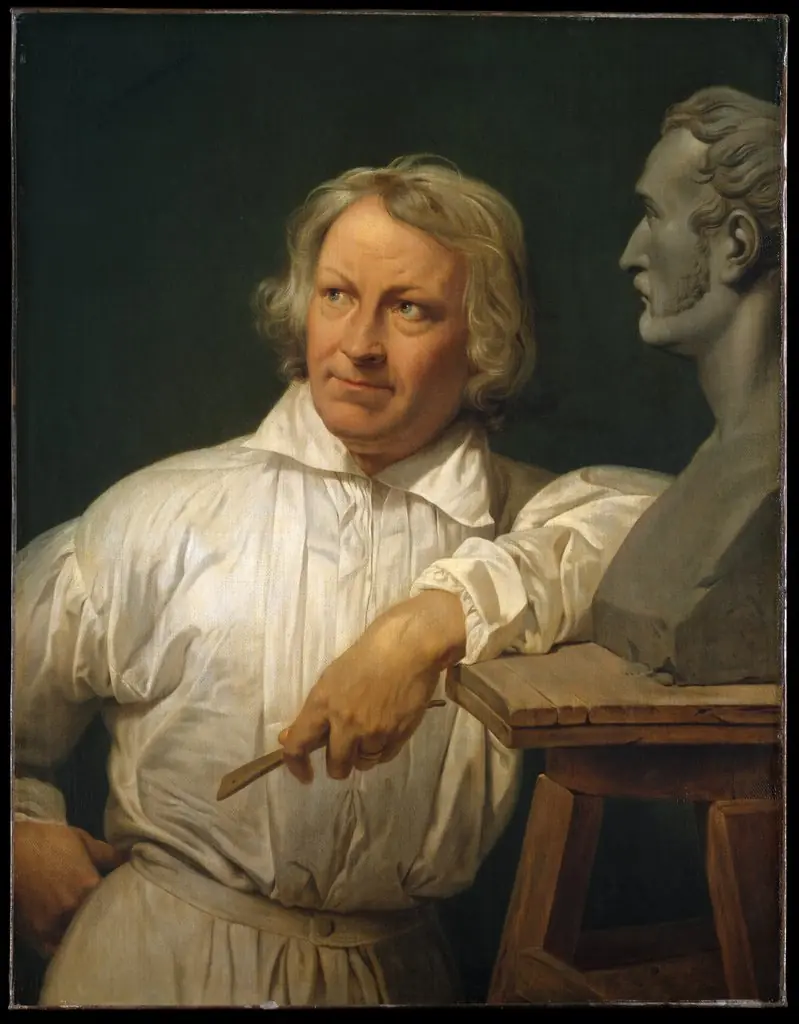 Bertel Thorvaldsen (1768–1844) with the Bust of Horace Vernet
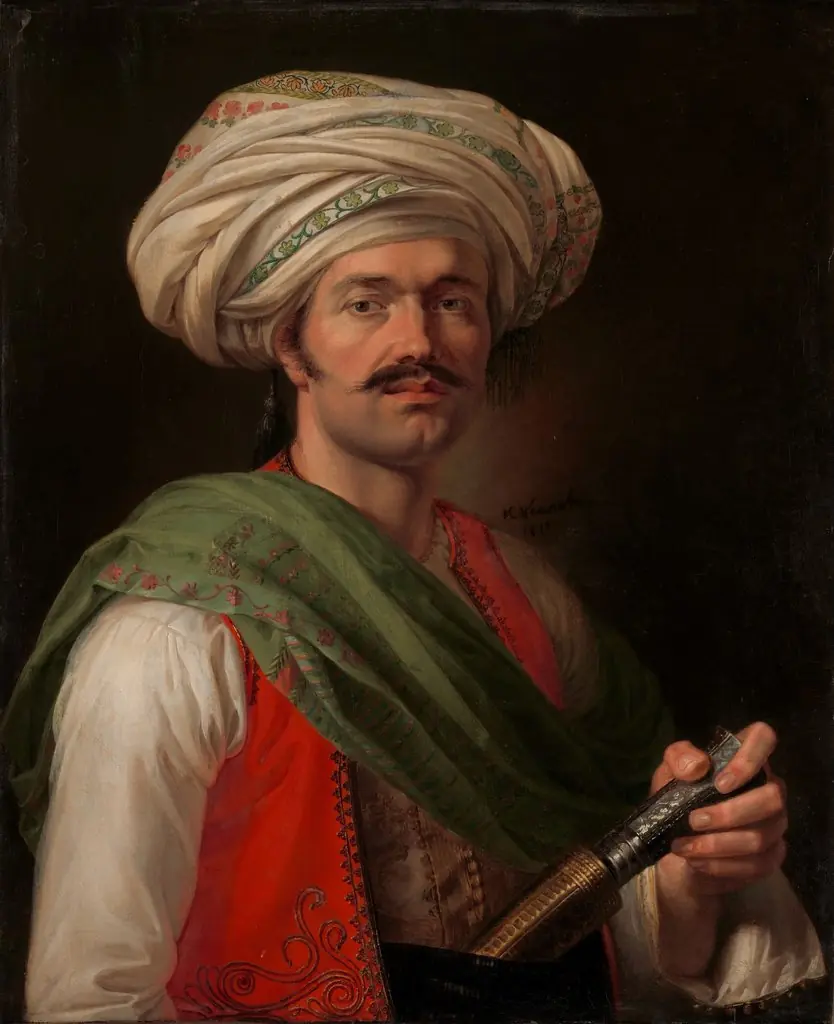 Portrait of a Mameluke, said to be Roustam Raza
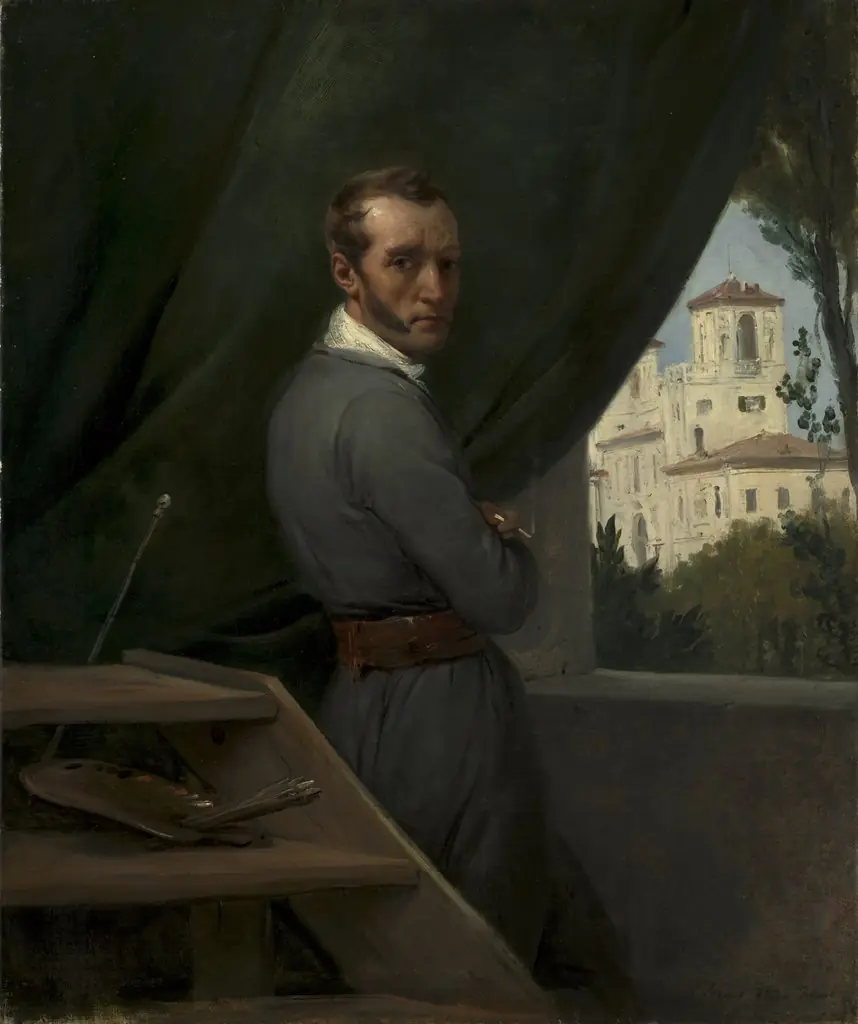 Self-Portrait in Rome
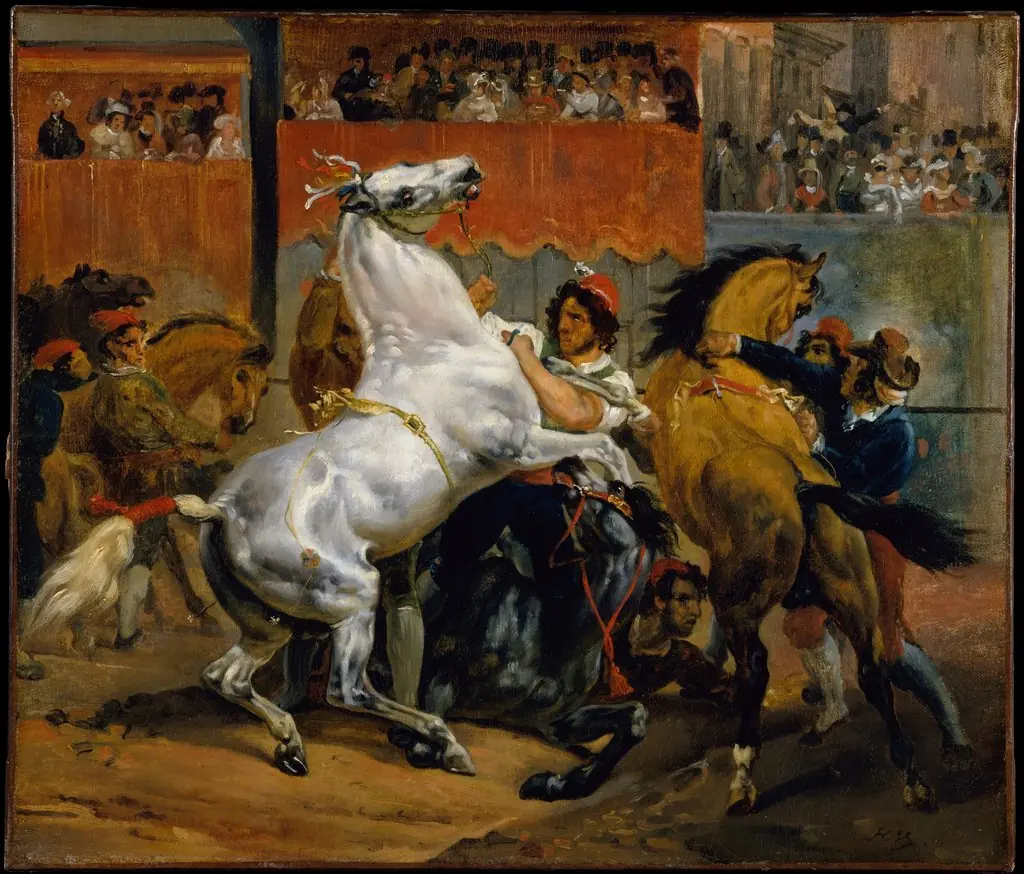 The Start of the Race of the Riderless Horses
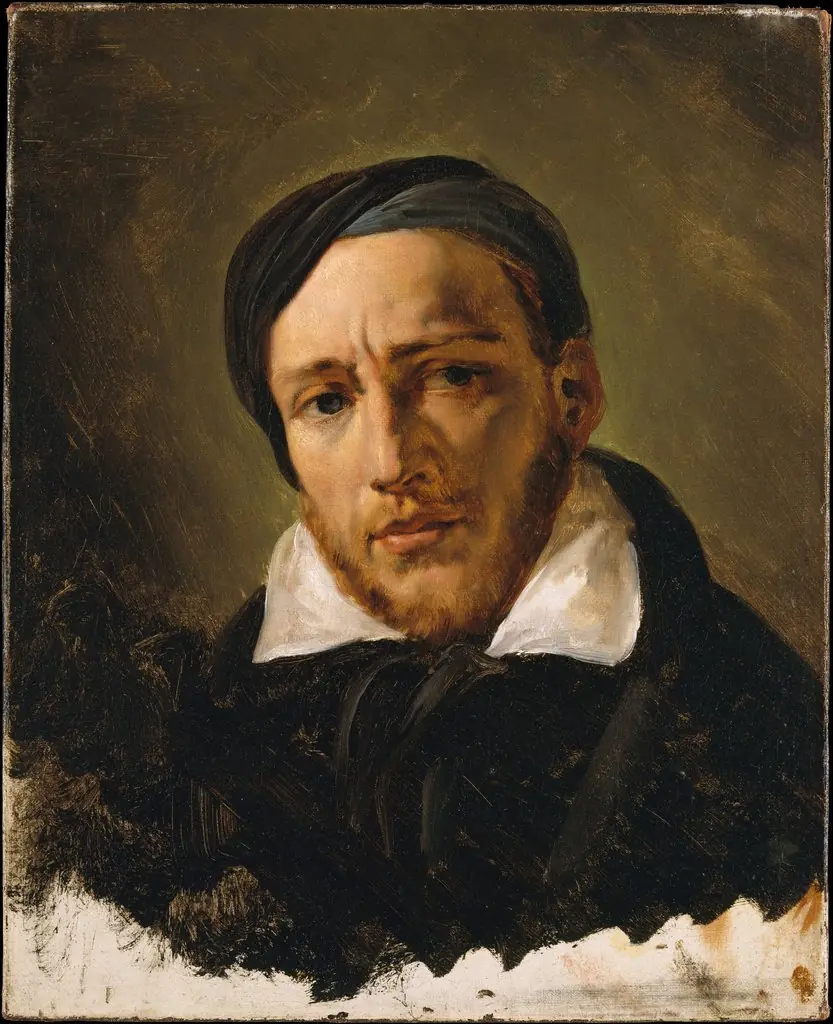 Jean-Louis-André-Théodore Gericault (1791–1824)
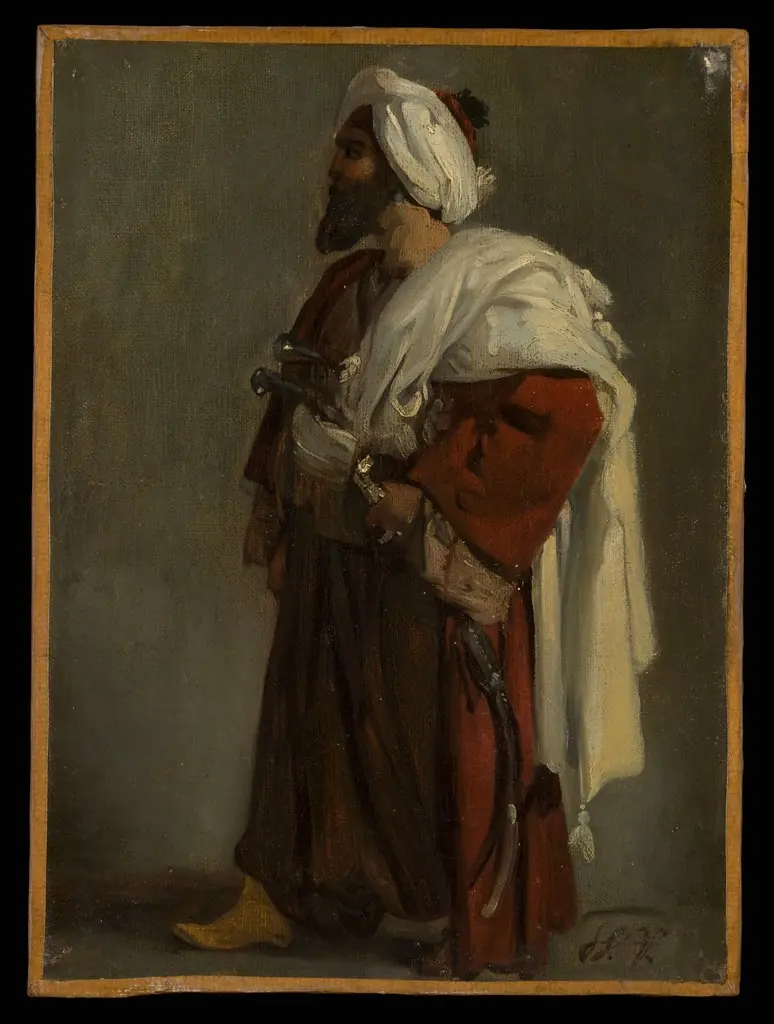 Arab Warrior
- Departure for the Hunt in the Pontine Marshes
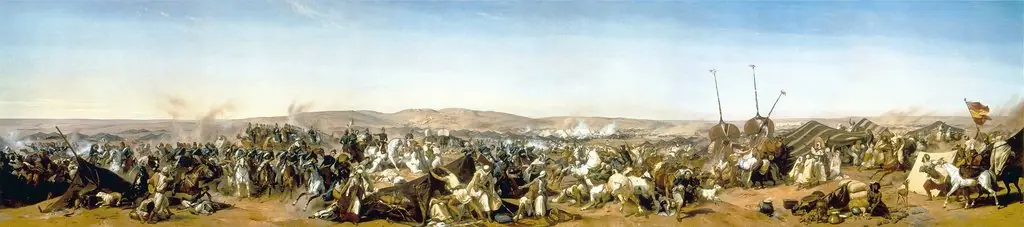 The seizure of Abd-el-Kader's camp in 1843
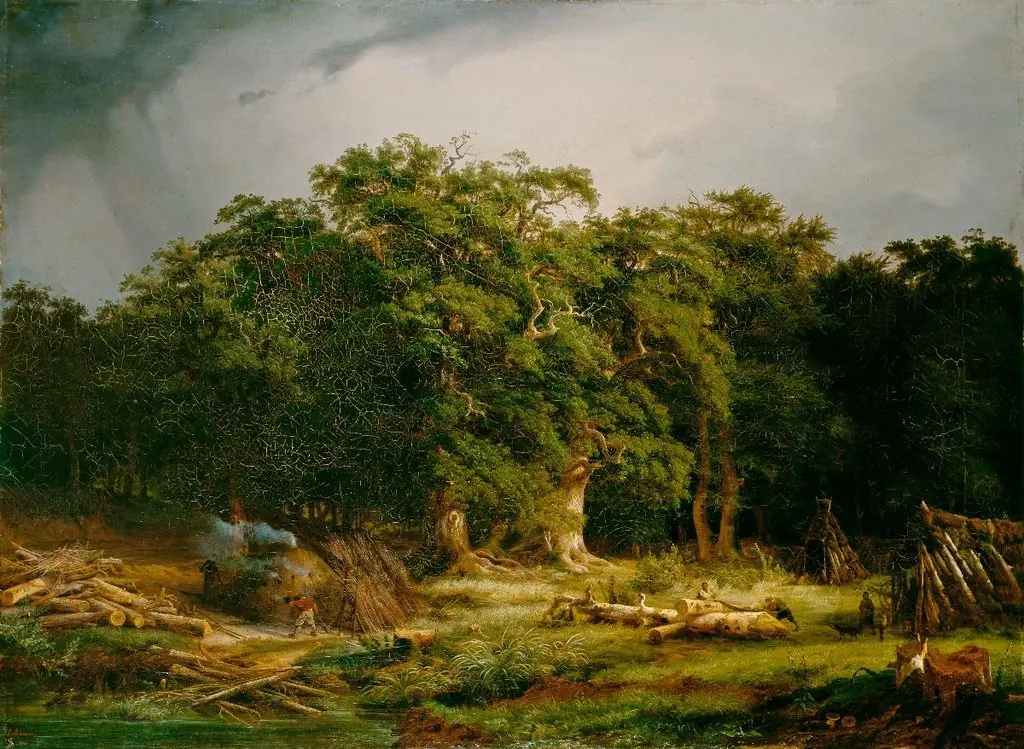 Paysage avec charbonniers
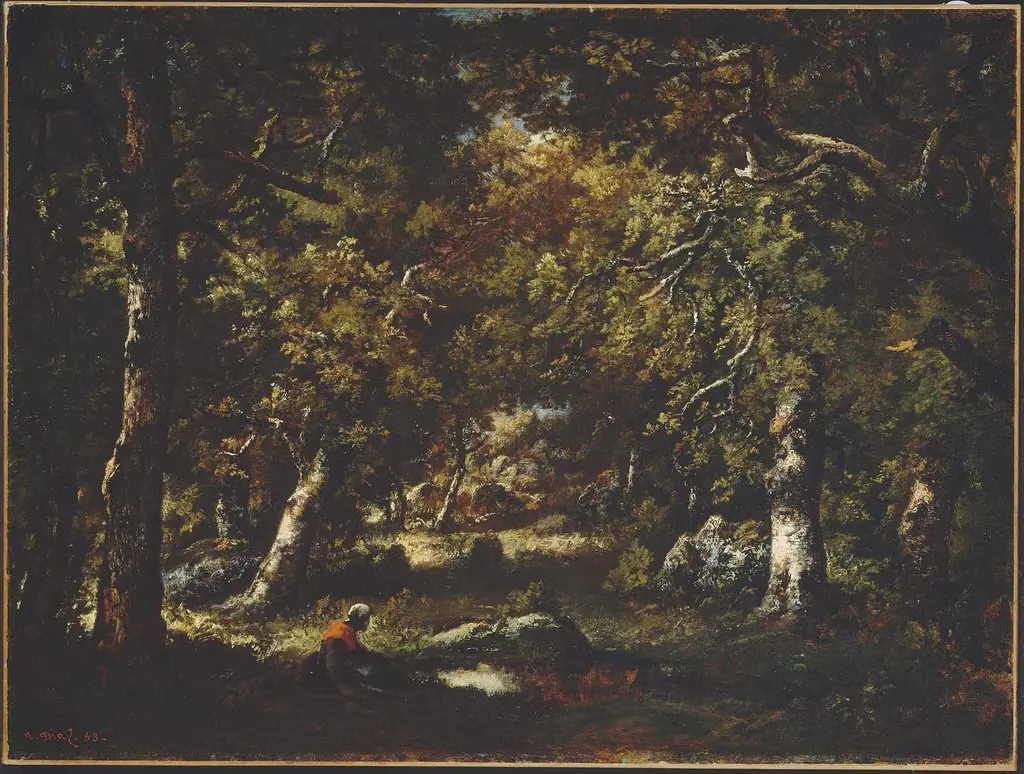 Pool in the Forest
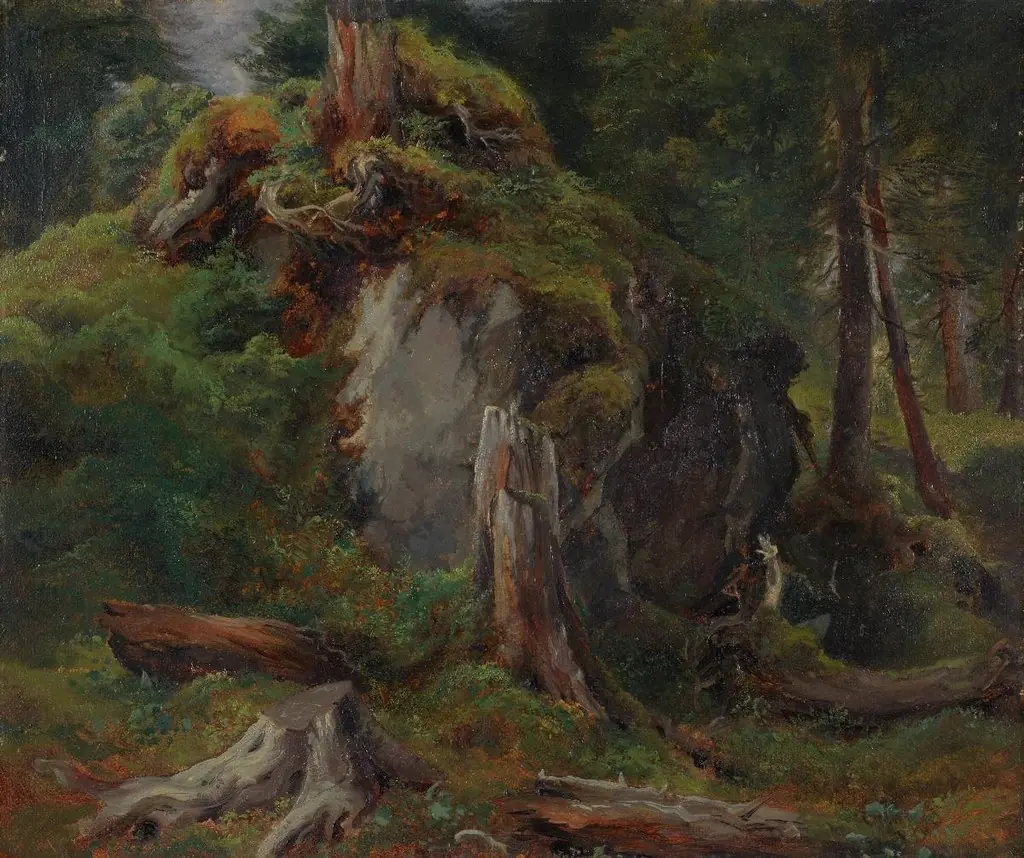 Rocher couvert de mousses et troncs d'arbres abattus
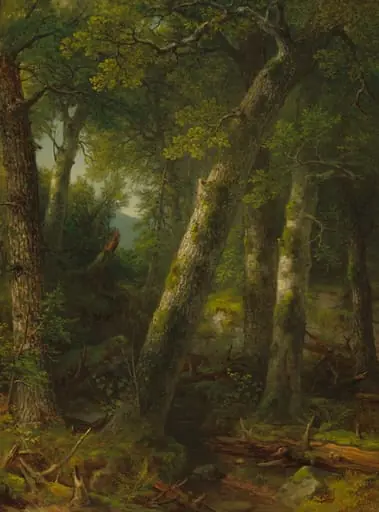 Forest in the Morning Light
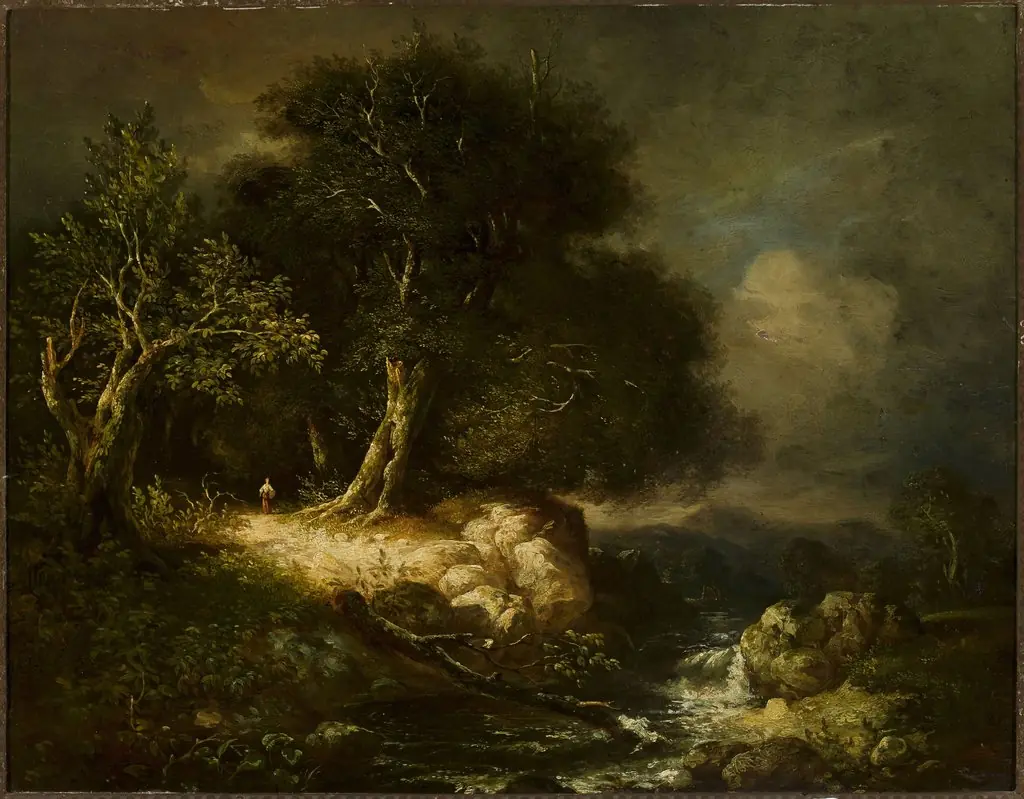 Forest landscape with a road and a river
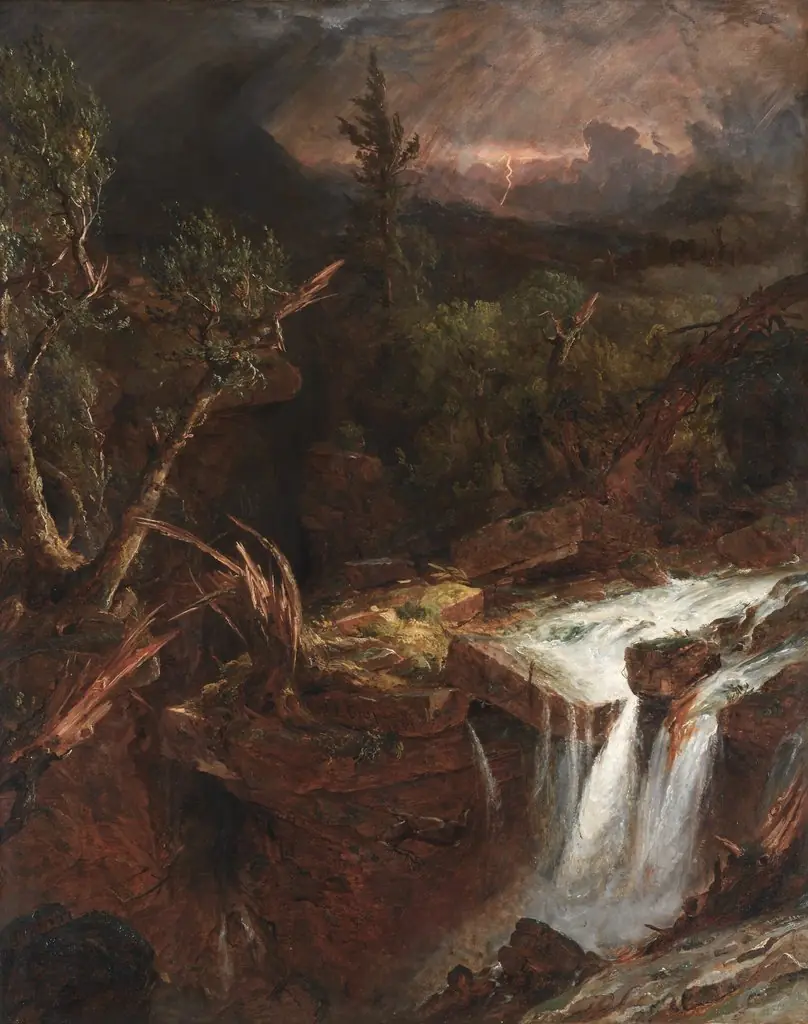 The Clove - A Storm Scene in the Catskill Mountains
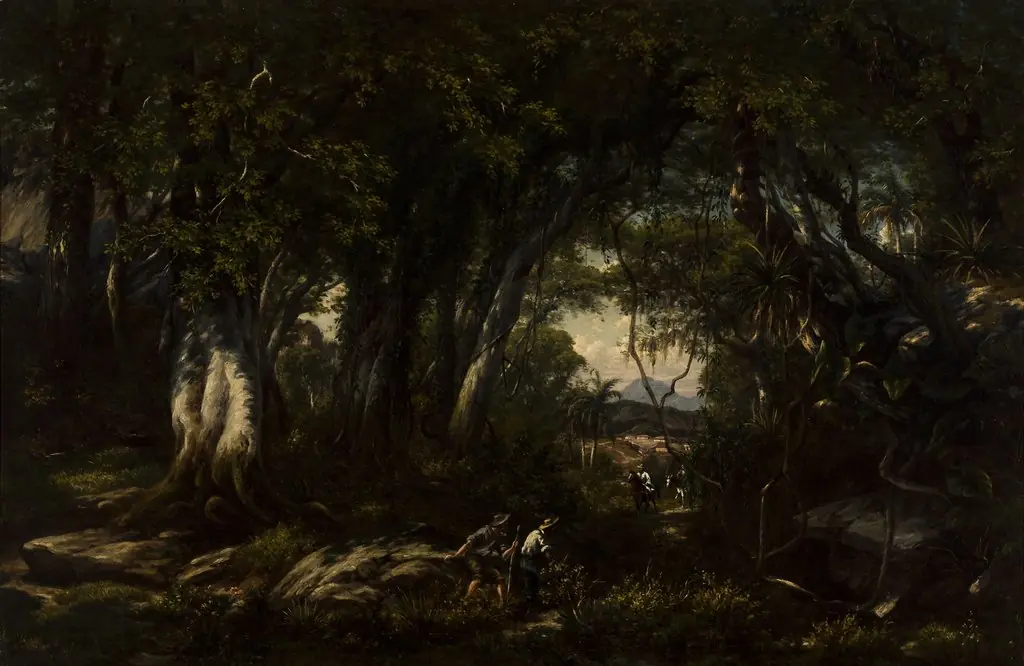 Cena na floresta da Tijuca (atribuído)
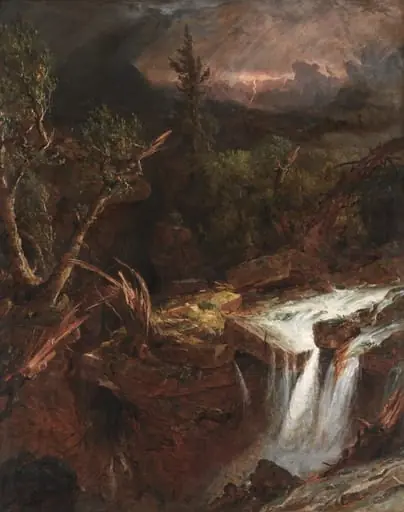 The Clove - A Storm Scene in the Catskill Mountains
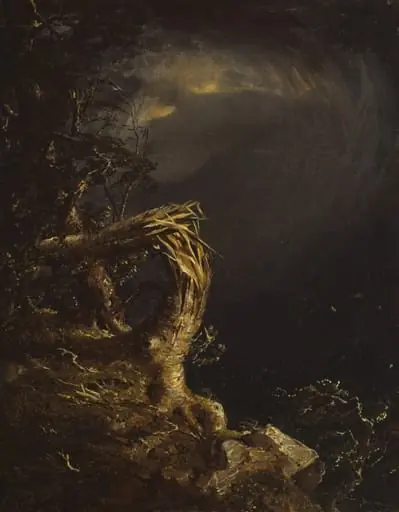 Blasted Tree
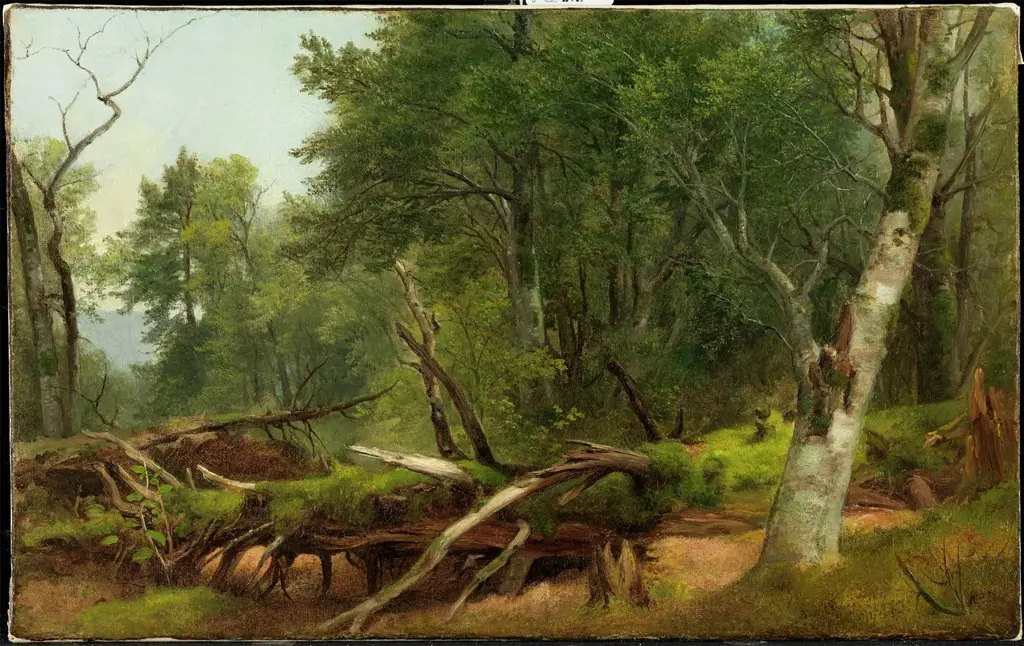 Forest Scene in the Catskills
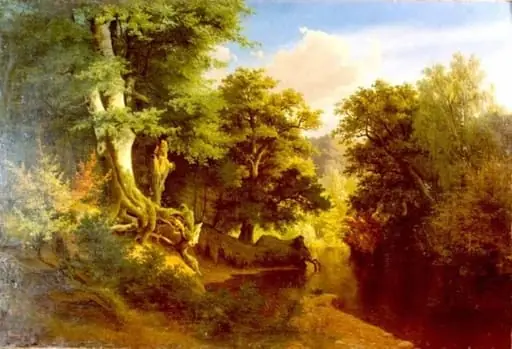 Peisaj de pădure cu râu