Artwork
Kakemono
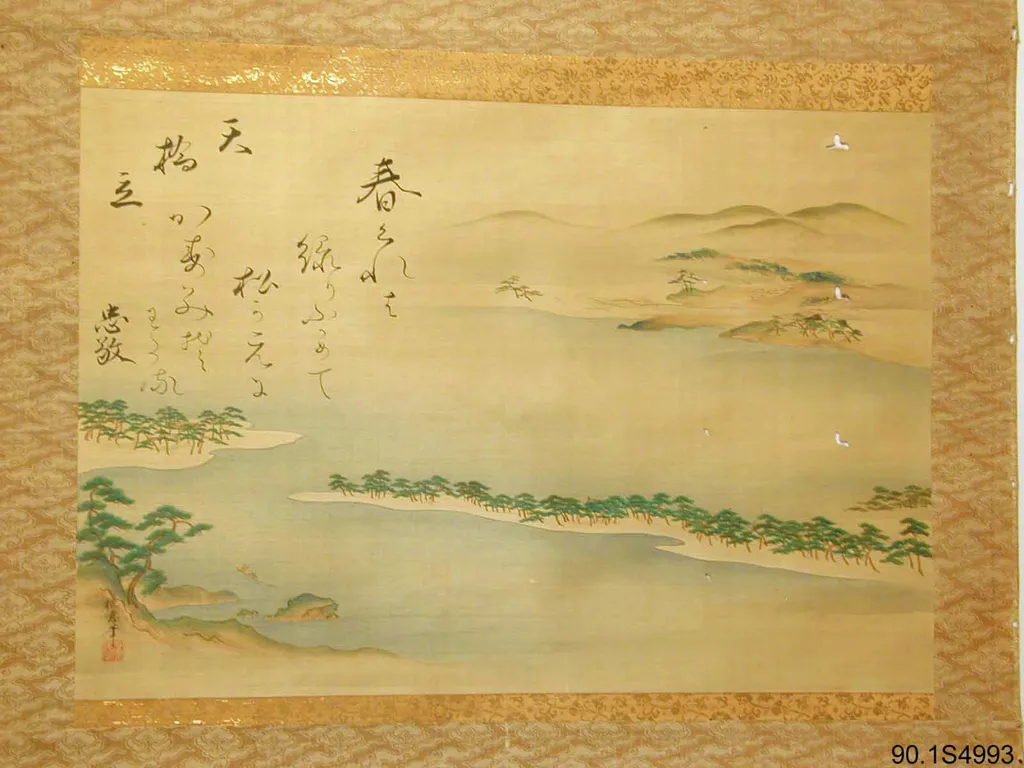
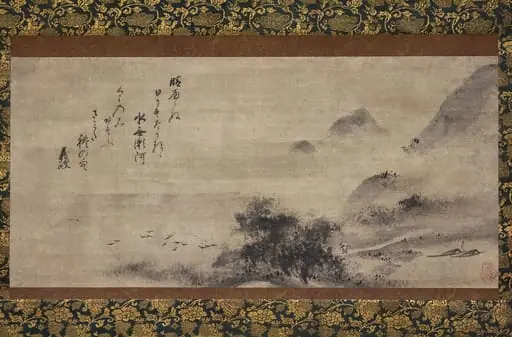
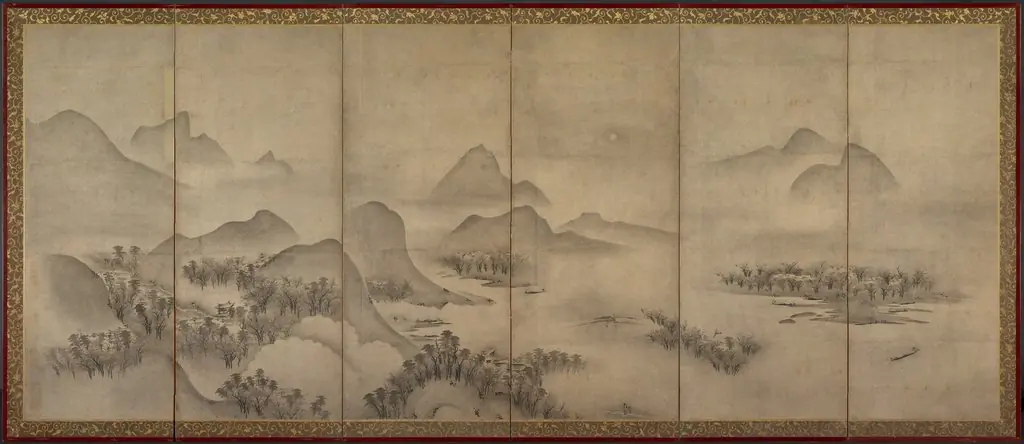
Kakemono is an unspecified painting by Unknown. It is held in the collection of the Detroit Institute of Arts.
About this work
Overview
This format originated in China and was adopted in Japan during the Heian period, becoming a central medium for ink and color paintings.
A kakemono is a vertical hanging scroll painting, traditionally mounted on silk or paper and designed to be displayed temporarily in domestic or ceremonial spaces. This format originated in China and was adopted in Japan during the Heian period, becoming a central medium for ink and color paintings. Its vertical orientation invites contemplative viewing, often aligned with seasonal themes or spiritual ideals.
Subject & Meaning
The subject matter typically reflects natural landscapes, Zen Buddhist imagery, or poetic scenes from literature. These works often convey transience and quietude, aligning with Japanese aesthetic principles such as wabi-sabi. Figures, if present, are minimal and integrated into the environment, emphasizing harmony between humanity and nature rather than narrative detail.
Technique & Style
Executed with brush and ink, sometimes enhanced with mineral pigments, kakemono emphasize economy of line and tonal variation. Artists employ dry brushwork, ink washes, and deliberate negative space to suggest depth and atmosphere. Mounting involves precise folding and attachment to wooden rollers, allowing the scroll to be rolled for storage and unrolled slowly during viewing.
History & Provenance
Kakemono emerged as a distinct format in Japan between the 8th and 12th centuries, influenced by Chinese Song dynasty painting traditions. Early examples were used in Buddhist temples and aristocratic residences. Many surviving pieces were collected by samurai families or temple institutions, with provenance often traced through inscriptions, seals, and mounting styles that indicate ownership and era.
Context
The kakemono functioned within the cultural practice of tokonoma display, where it was paired with a flower arrangement and incense in a designated alcove. Its temporary exhibition reinforced the idea of impermanence, aligning with Zen Buddhist thought. Unlike Western easel paintings, kakemono were not permanent fixtures but objects of seasonal or ritual appreciation, changing with the calendar or occasion.
Legacy
The kakemono format continues to influence contemporary Japanese art and design, particularly in the emphasis on restraint and spatial awareness. Modern artists still use the scroll form for experimental ink works, while traditional mounting techniques are preserved by specialist artisans. Its legacy endures in museum displays and private collections, where the act of unrolling remains a deliberate, meditative experience.
Artist & collection

 Domestic Scene
 Giacomo and Cardinal Marco, investing Andrea, Abbot of San Zeno, with his Benefice
 The Nymph of Fontainebleau
 Portrait of a Woman
 Madonna and Child with Saints in the Enclosed Garden
 Venus and Minerva
 Family Group of Four on Sofa
 Wall painting from Room H of the Villa of P. Fannius Synistor at Boscoreale
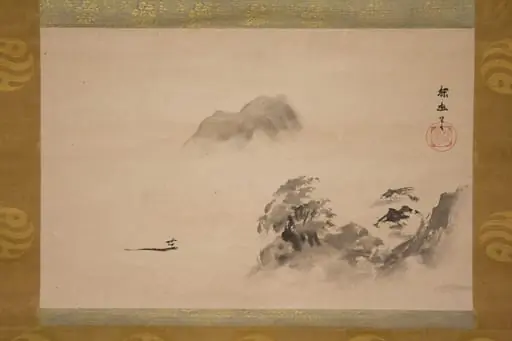 Untitled
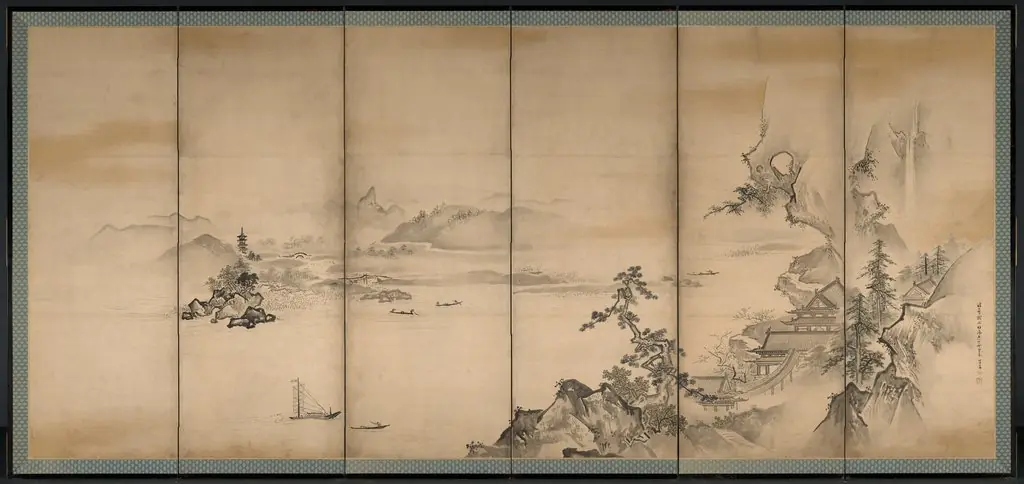 The Four Seasons
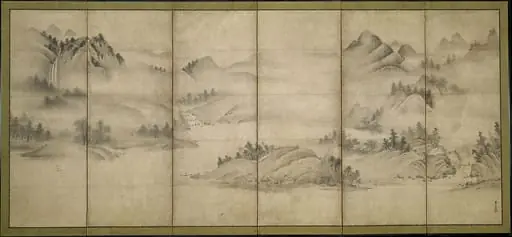 相阿弥筆 四季山水図 (瀟湘八景)|Landscape of the Four Seasons (Eight Views of the Xiao and Xiang Rivers)
 Untitled
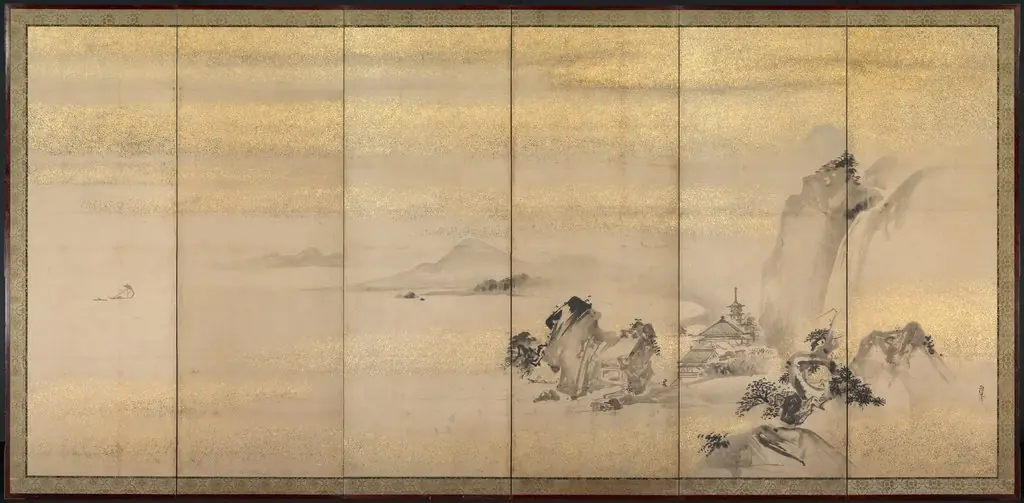 Summer and Winter Landscapes (one of a pair)
 Summer and Winter Landscapes
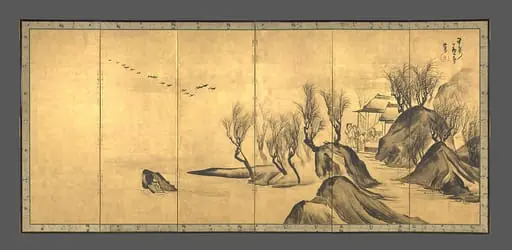 山水唐人物図屏風|Landscapes with the Chinese Literati Su Shi and Tao Qian
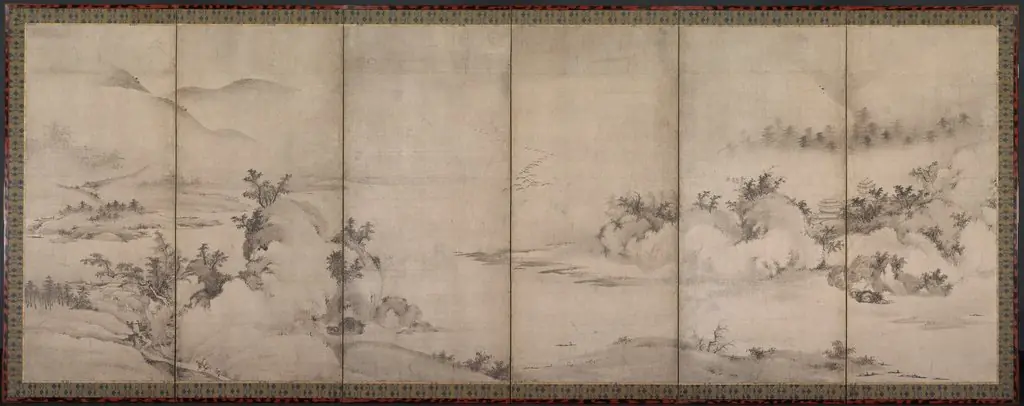 Landscape with Motifs from the Eight Views of Xiao-Xiang
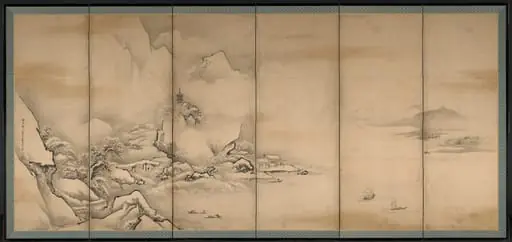 The Four Seasons
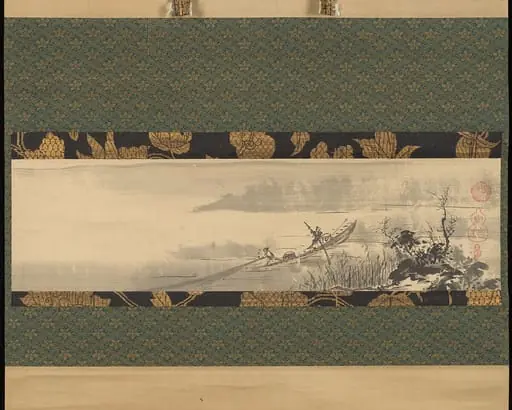 Untitled
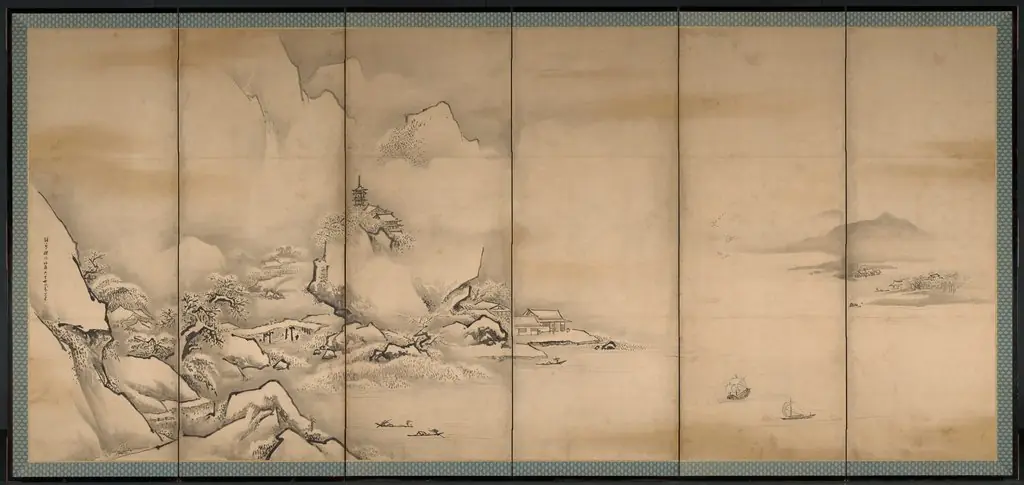 The Four Seasons
 Moonlit Landscape (one of a pair)