Artwork
The Four Seasons
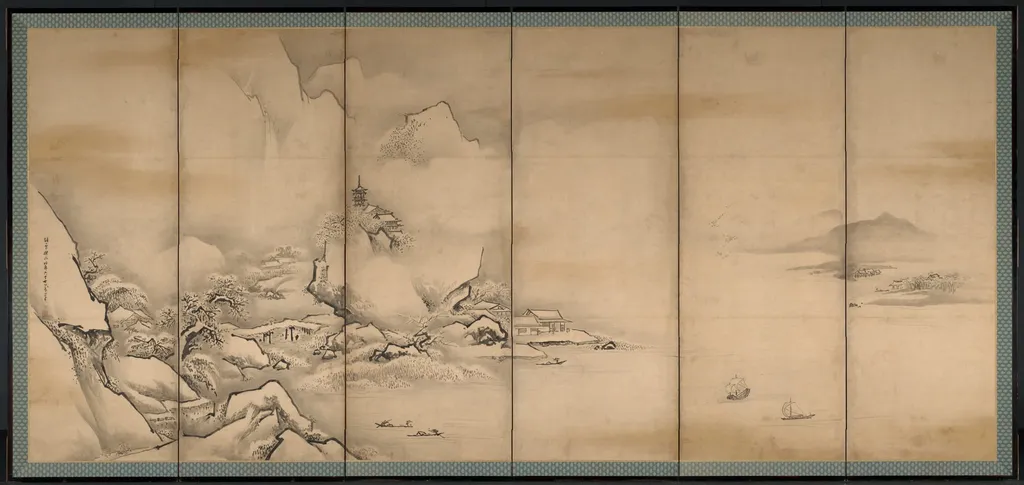
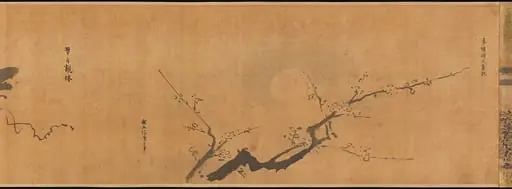
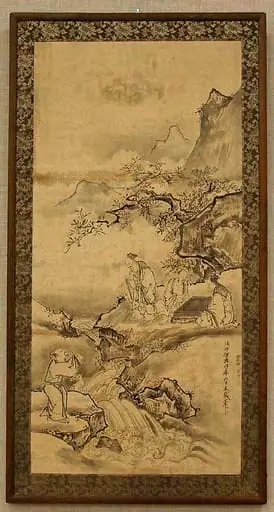
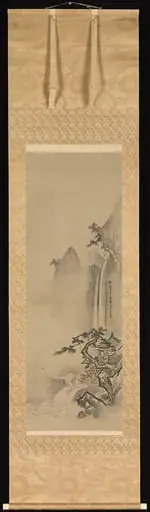
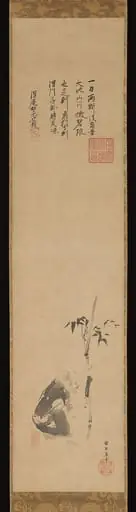
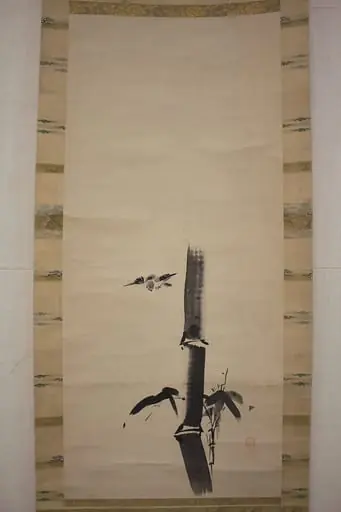
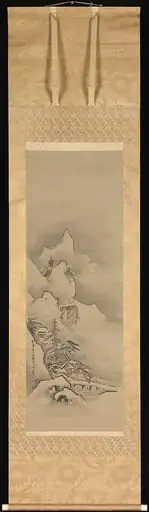
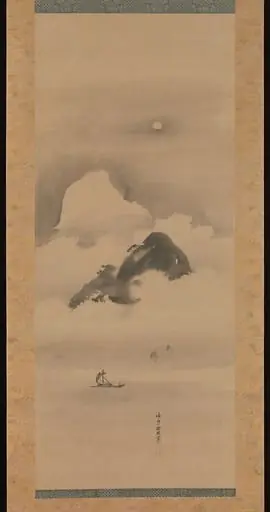
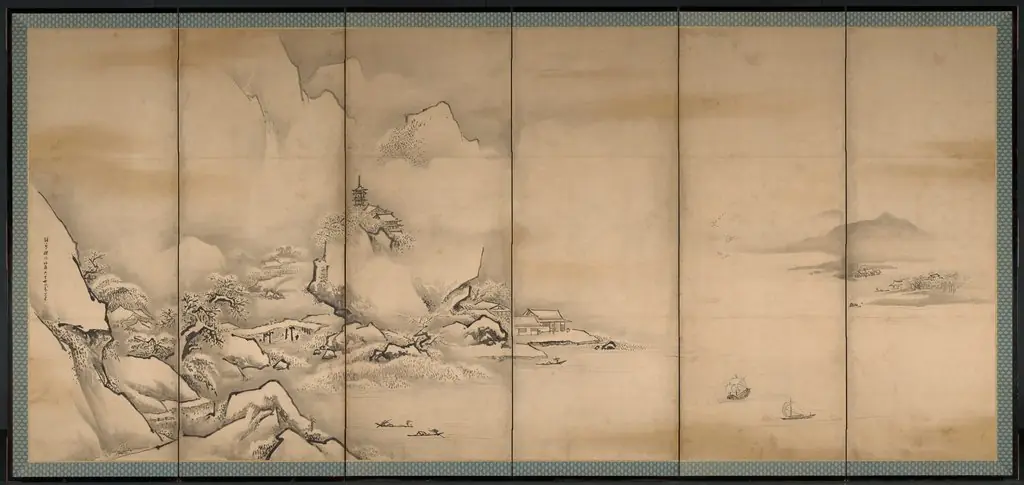
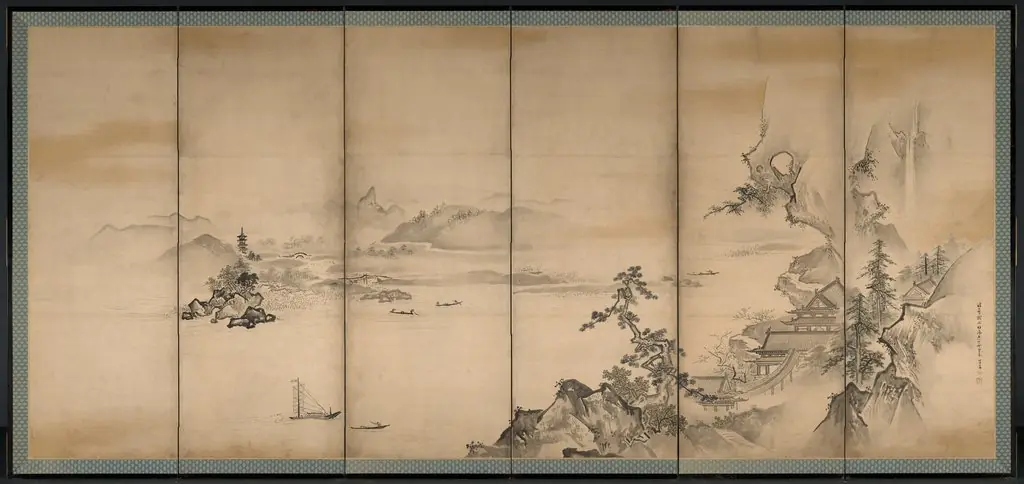
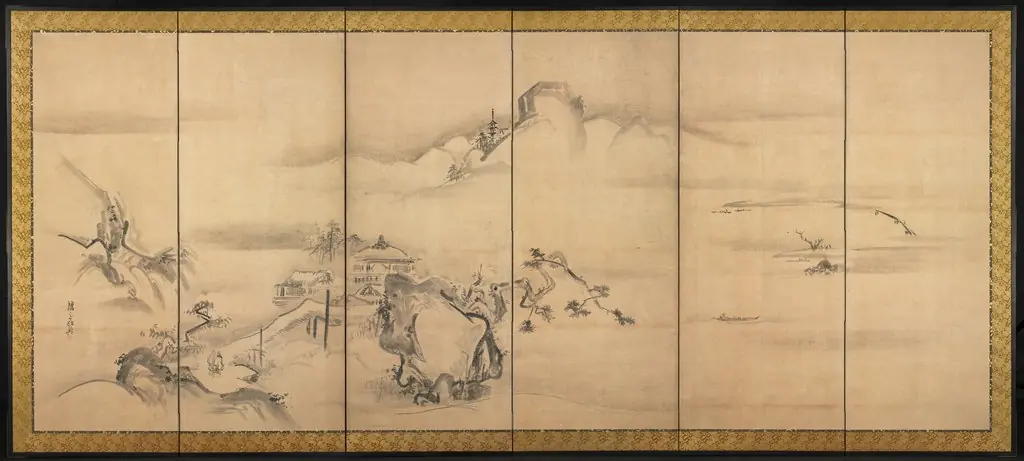
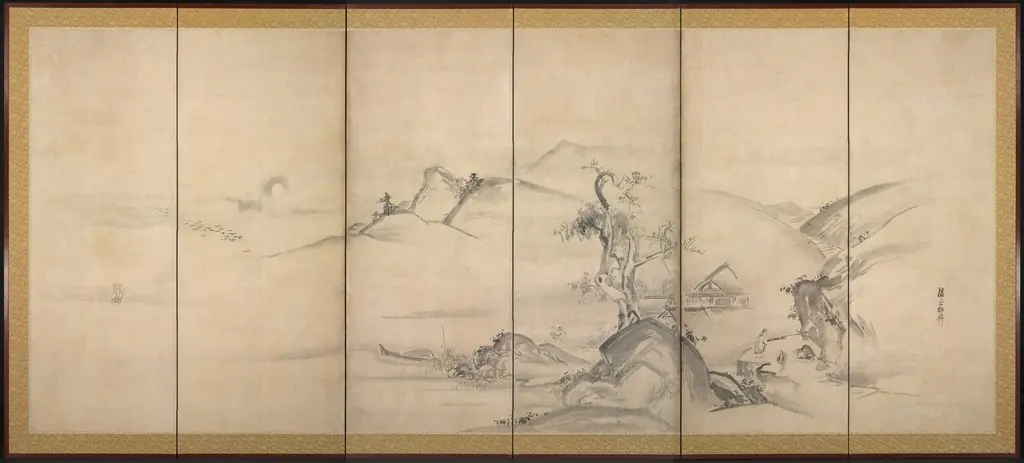
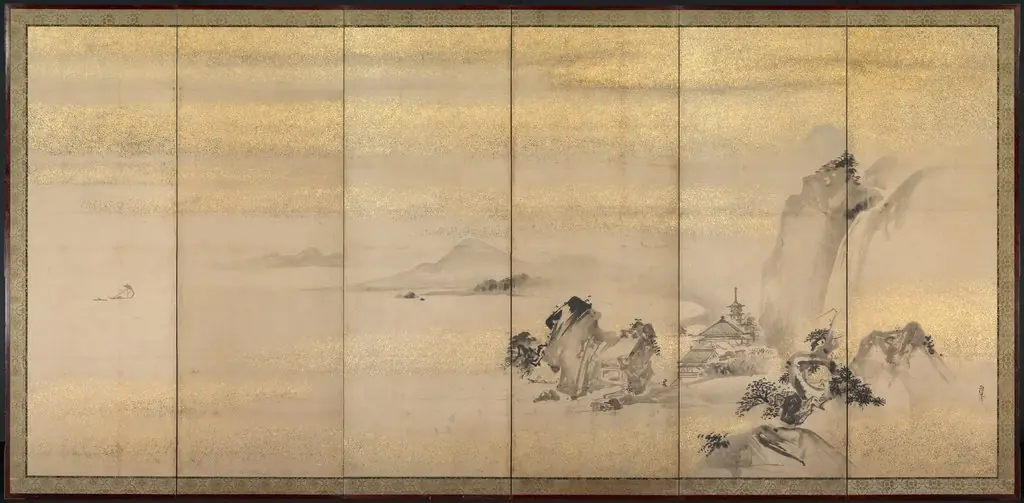
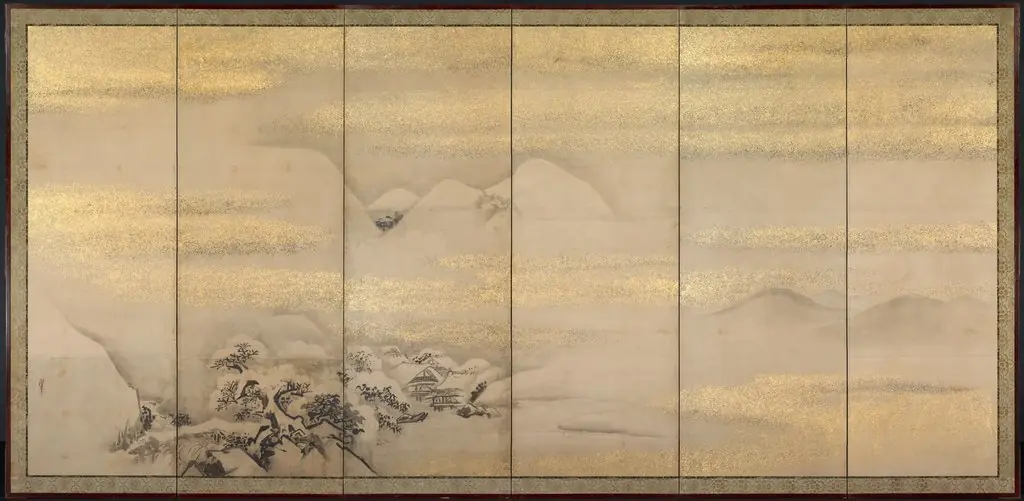
The Four Seasons is an unspecified painting by the Baroque artist Kano Tan'yū. It dates from 1668 and is held in the collection of the Cleveland Museum of Art. Kano Tan’yū’s hand‑drawn scroll presents four distinct vignettes, each representing a Japanese season.
- Accession no.
- 1992.394.2
- Credit line
- Bequest of Maud Eells Corning
About this work
Overview
Kano Tan’yū’s hand‑drawn scroll presents four distinct vignettes, each representing a Japanese season. The scenes unfold sequentially, illustrating spring’s blossoming trees, summer’s vibrant activity, autumn’s shifting foliage, and winter’s snowfall. The composition balances natural transformation with human presence, offering a concise visual meditation on the cyclical rhythm of the year.
Subject & Meaning
Each panel pairs landscape with everyday life, showing how people interact with their environment across the seasons. In spring, figures enjoy the renewal of flora; summer depicts labor and travel; autumn captures harvest and contemplation; winter portrays shelter and the quiet of snow. The narrative underscores the integration of cultural practices with seasonal change.
Technique & Style
Executed in ink on paper, the scroll employs the Kano school’s refined brushwork, combining delicate line with bold washes. Tan’yū’s mastery of tonal variation renders atmospheric effects, soft cherry blossoms, luminous summer light, muted autumn hues, and the stark contrast of winter snow, while maintaining compositional harmony across the four sections.
History & Provenance
Created by Kano Tan’yū (1602–1674), a leading painter of the early Edo period, the work reflects his role as an official court artist for the Tokugawa shogunate. Trained in the family workshop, Tan’yū oversaw large‑scale mural projects for castles and palaces, and this scroll exemplifies his ability to translate monumental sensibilities into intimate formats.
Context
The scroll emerges from a tradition of seasonal painting that served both aesthetic and didactic purposes in early modern Japan. By depicting the passage of time through recognizable activities, it aligns with contemporary courtly interests in nature, poetry, and the moral order, reinforcing the shogunate’s cultural patronage of refined visual arts.
Artist & collection