Artwork
宋人枇杷猿戲圖 軸
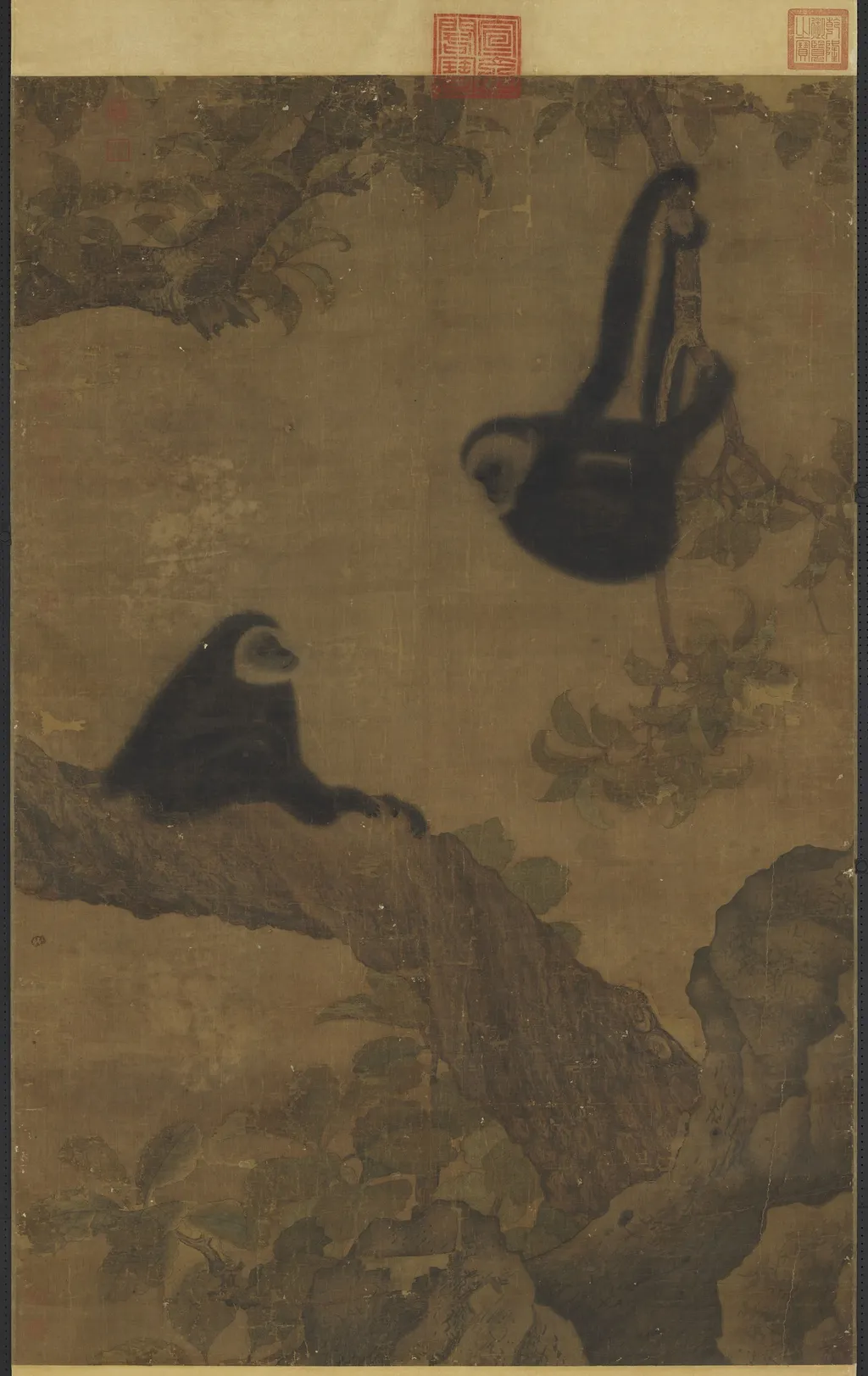
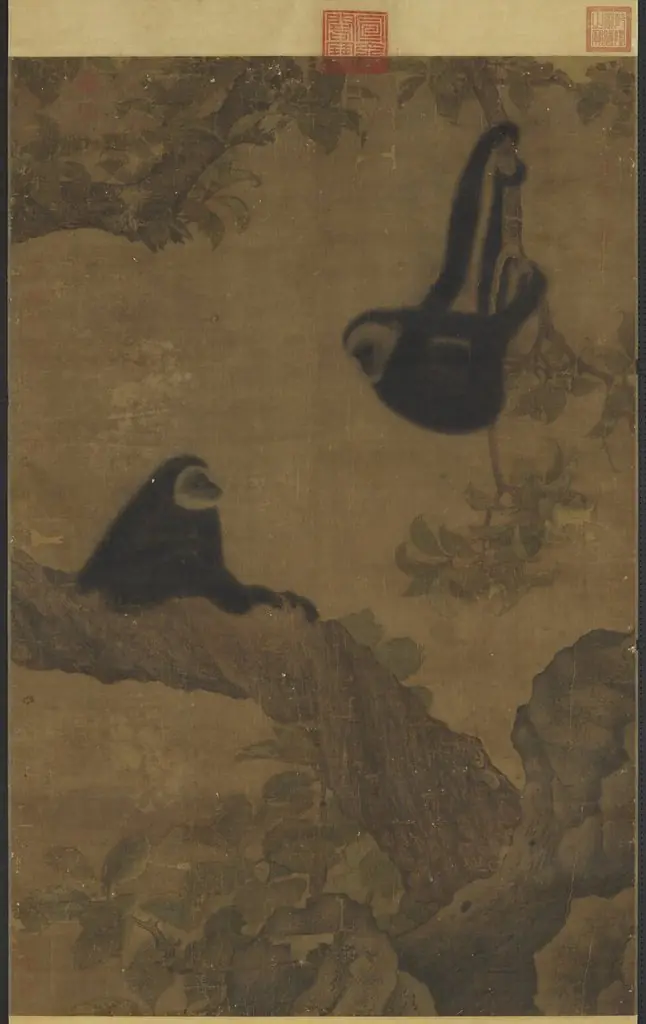
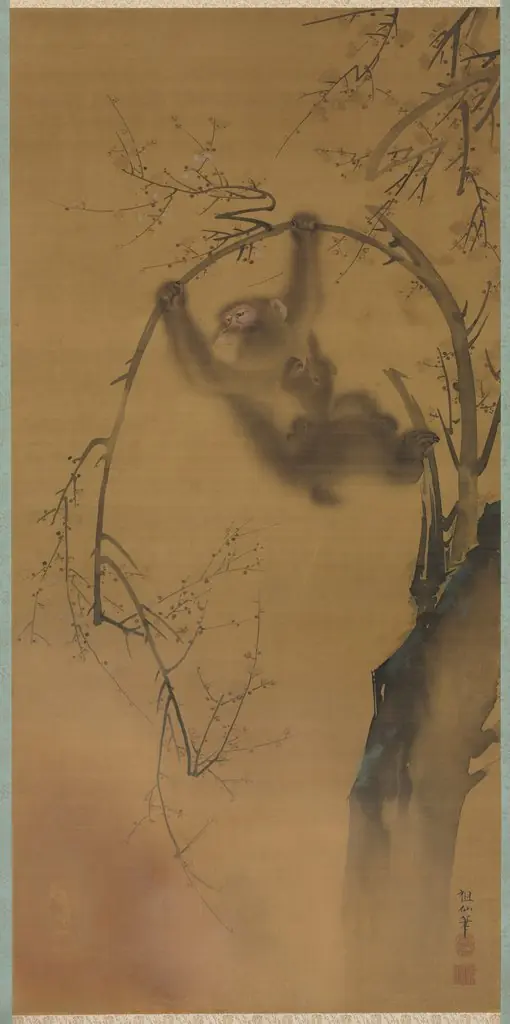
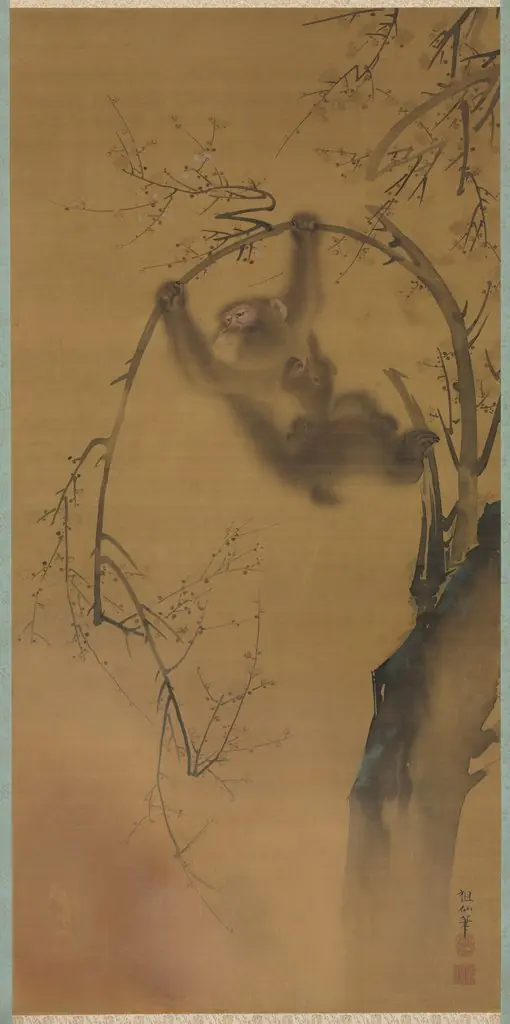
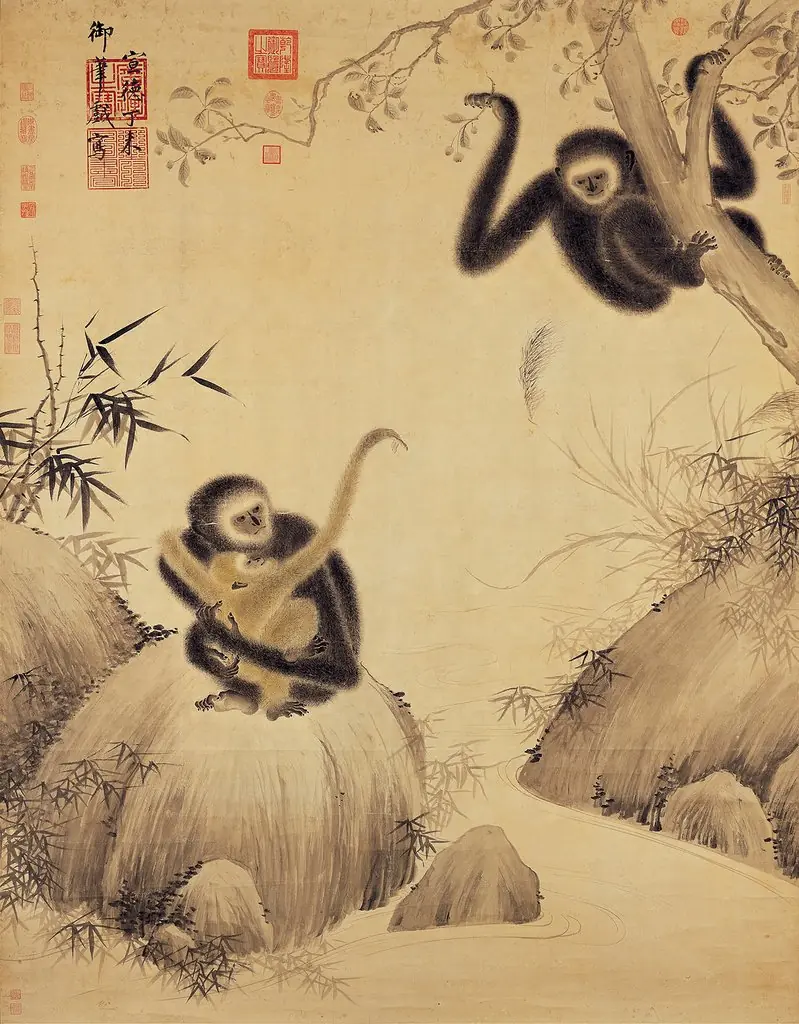
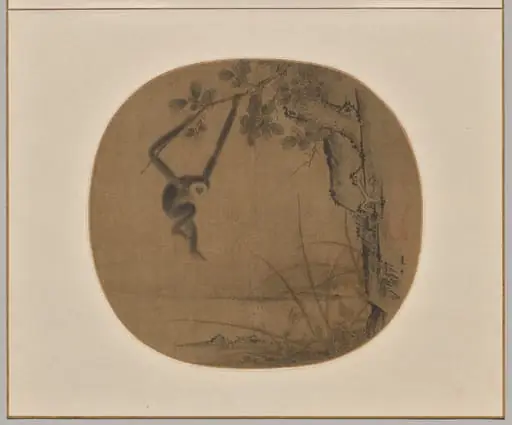
宋人枇杷猿戲圖 軸 is an unspecified painting by Unknown. It is held in the collection of the National Palace Museum. This silk painting from the Song dynasty depicts two macaques interacting in a tree.
About this work
Overview
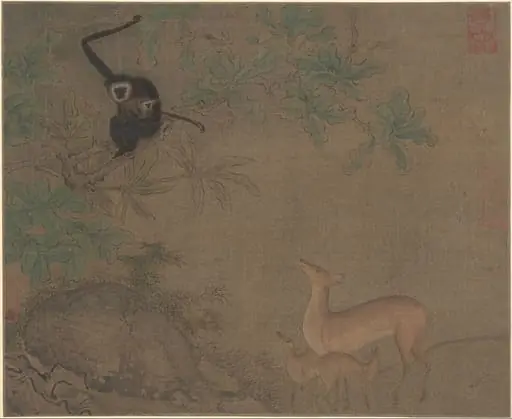
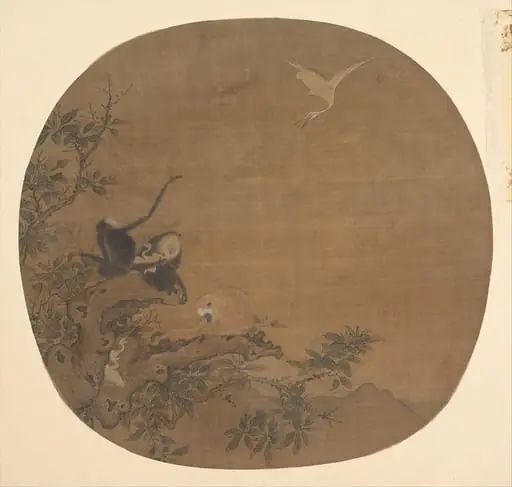
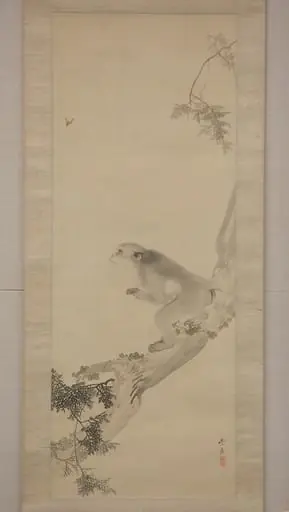
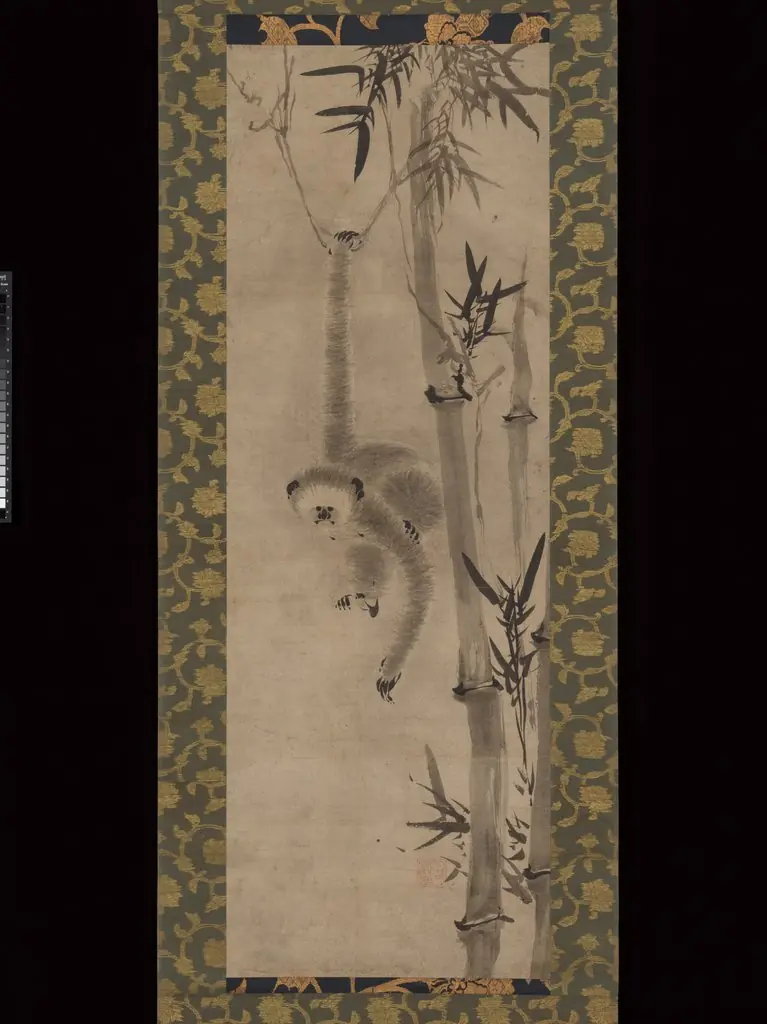
This silk painting from the Song dynasty depicts two macaques interacting in a tree. One hangs inverted from a branch, while the other perches below, gazing upward. The composition is sparse, with no elaborate setting—only faint hints of foliage against a soft brown ground. The focus remains tightly on the animals, rendered with minimal detail yet clear emotional presence.
Subject & Meaning
The monkeys are shown in a moment of quiet, intimate exchange, suggesting themes of familial or social bonds. Their postures and expressions convey curiosity and connection rather than chaos or playfulness. In Song-era art, such scenes often carried moral or philosophical undertones, reflecting natural harmony and the subtleties of animal behavior as mirrors of human conduct.
Technique & Style
Brushwork is economical but precise, using bold, fluid strokes to define fur and form without excessive detail. The monkeys’ faces are rendered with subtle ink gradations to suggest expression, while their bodies rely on simplified contours. Colors are restrained—ochres, browns, and muted greens—enhancing the painting’s tranquil mood and emphasizing the subjects over their environment.
History & Provenance
Attributed to an anonymous Song dynasty artist, the work was likely produced in a court or academy setting where naturalistic observation was valued. It survives as part of a tradition of animal paintings that flourished during the Southern Song period, though its specific provenance before modern collections remains undocumented.
Context
During the Song dynasty, painters increasingly turned to nature for quiet, contemplative subjects. Monkeys, often associated with wit and familial loyalty in Chinese culture, appeared frequently in such works. This piece aligns with a broader trend of intimate, observational art that prioritized emotional nuance over grand narrative or symbolism.
Legacy
The painting exemplifies the Song aesthetic of restraint and attentiveness to the natural world. Its influence can be seen in later East Asian animal paintings that favor expressive simplicity over ornamentation. Though unsigned and unattributed, it remains a representative example of the period’s refined observational style.
Artist & collection

 Domestic Scene
 Giacomo and Cardinal Marco, investing Andrea, Abbot of San Zeno, with his Benefice
 The Nymph of Fontainebleau
 Portrait of a Woman
 Madonna and Child with Saints in the Enclosed Garden
 Venus and Minerva
 Family Group of Four on Sofa
 Wall painting from Room H of the Villa of P. Fannius Synistor at Boscoreale