Artwork
Gibbon and Bamboo
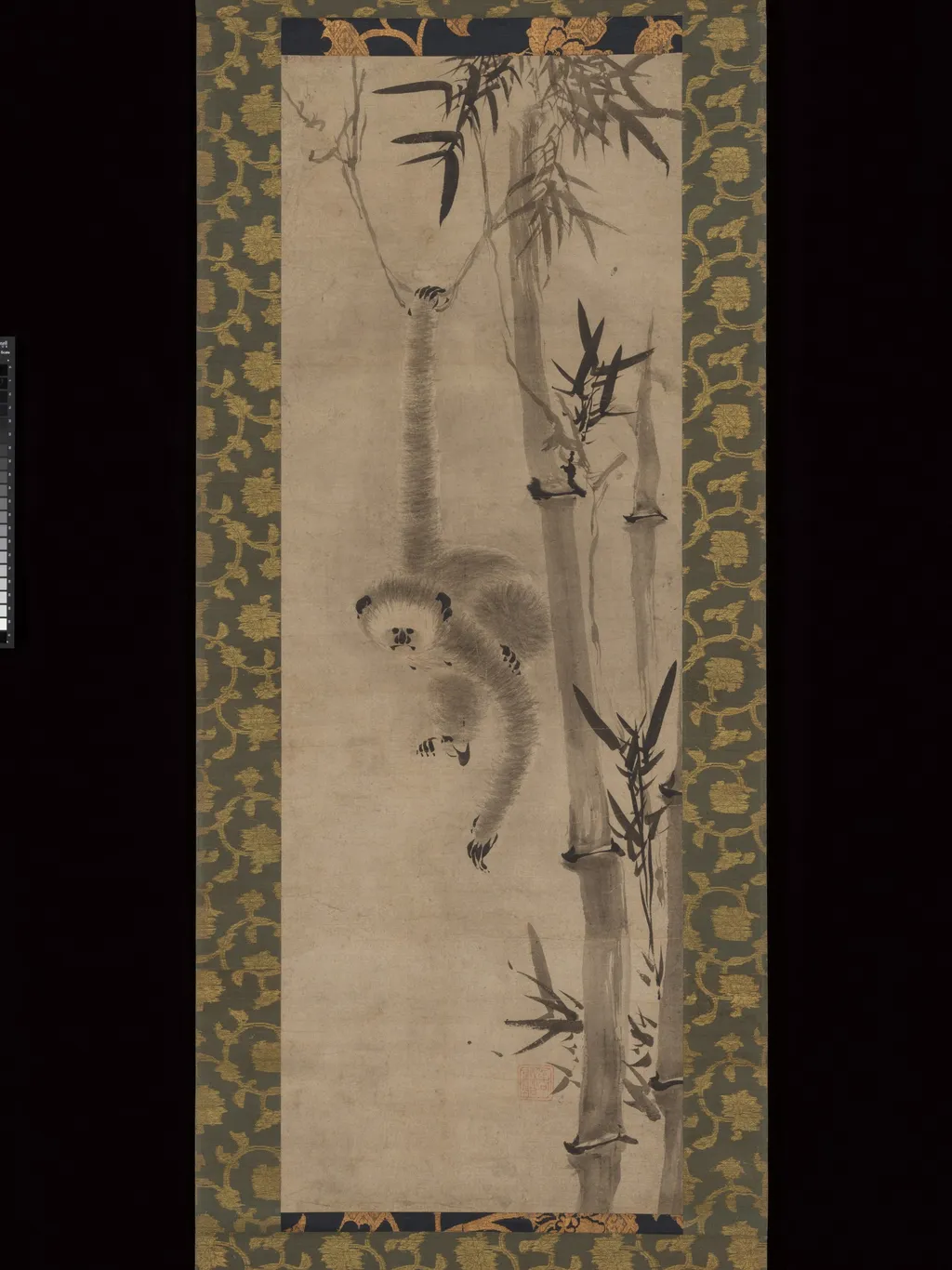
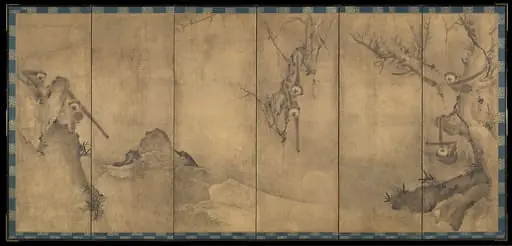
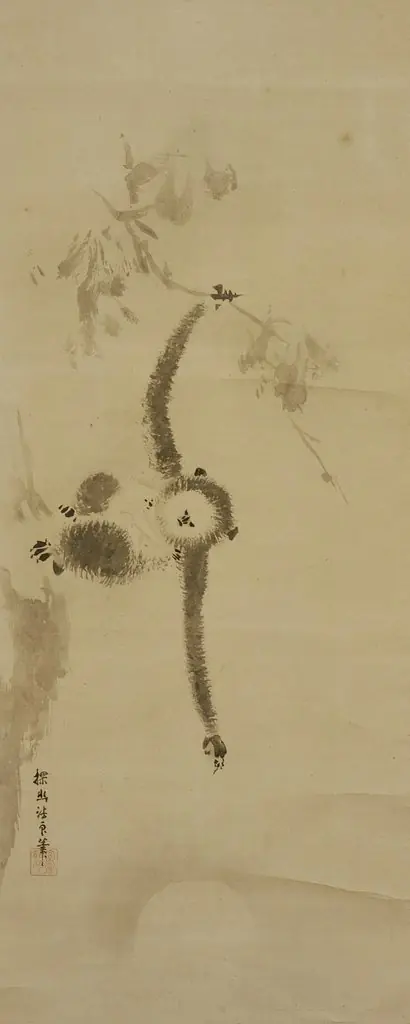
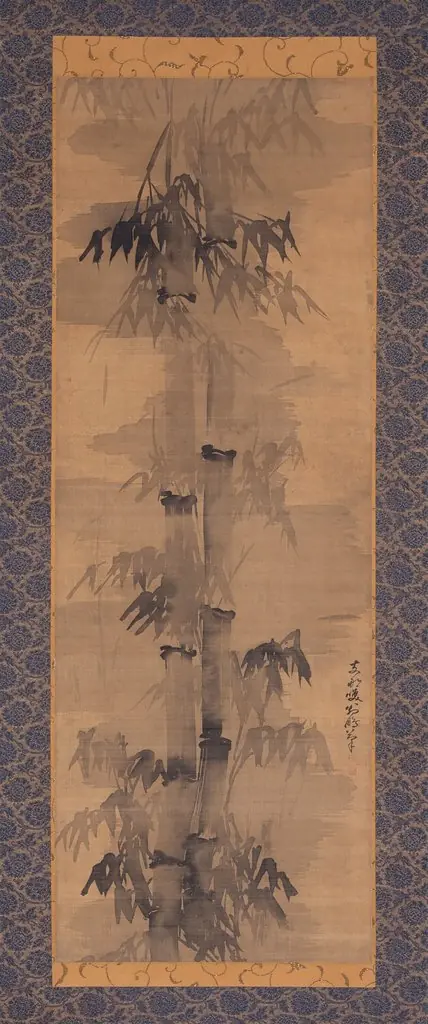
Gibbon and Bamboo is an unspecified painting by the Nanga artist Sesson Shūkei. It dates from 1546 and is held in the collection of the Metropolitan Museum of Art.
About this work
Overview
Gibbon and Bamboo is a 1546 ink painting by Sesson Shūkei, a Japanese Zen monk and artist of the Muromachi period. The work exemplifies the nanga bunjinga style, characterized by literati-inspired ink painting.
Subject & Meaning
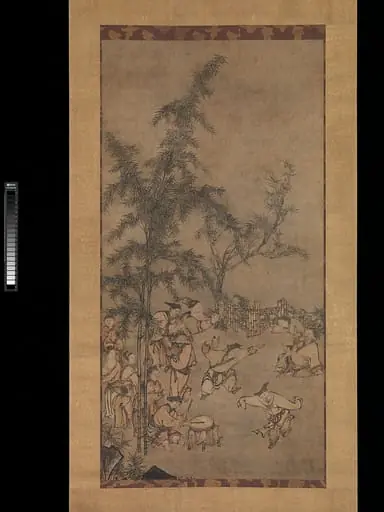
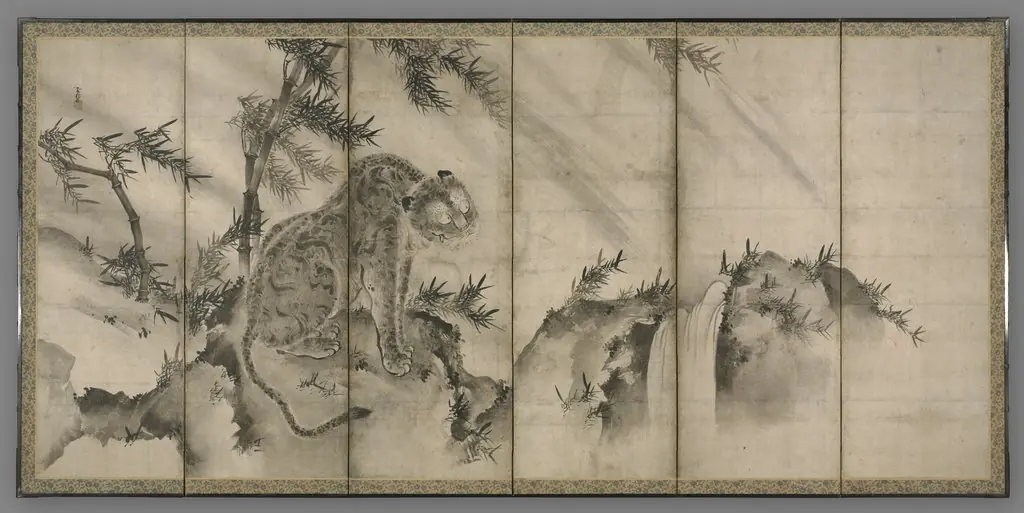
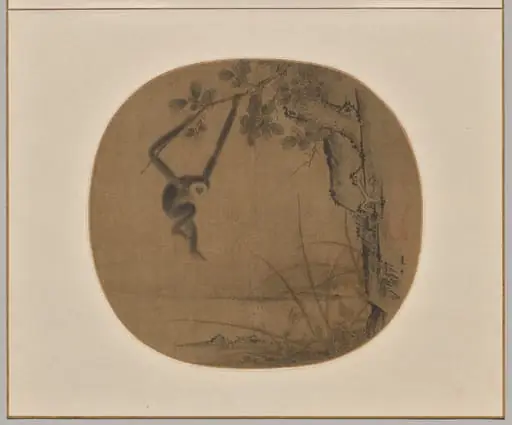
The painting depicts a gibbon clinging to a tall, slender bamboo tree, evoking scholarly themes common in East Asian art. The subject conveys a sense of harmony between nature and the contemplative spirit.
Technique & Style
Executed with bold, expressive brushstrokes and muted colors, the painting achieves a simple yet elegant aesthetic. The dynamic pose of the gibbon and the deep green bamboo leaves add depth to the serene composition.
History & Provenance
Created by Sesson Shūkei, a leading follower of Sesshū Tōyō's style, after his disinheritance from the Satake clan and subsequent life as a monk at Shōsō-ji temple.
Context
As part of the nanga bunjinga movement, Gibbon and Bamboo reflects the influence of literati aesthetics in 16th-century Japanese art, emphasizing tranquility and intellectual pursuits.
Legacy
While specific legacy details of 'Gibbon and Bamboo' are not provided, Sesson Shūkei's works, including this piece, contribute to the enduring appreciation of nanga bunjinga's serene and intellectually charged art form.
Own this work as a print
Artist & collection