Artwork
清 胡遠 四季山水圖 四條屏|Landscapes of the Four Seasons
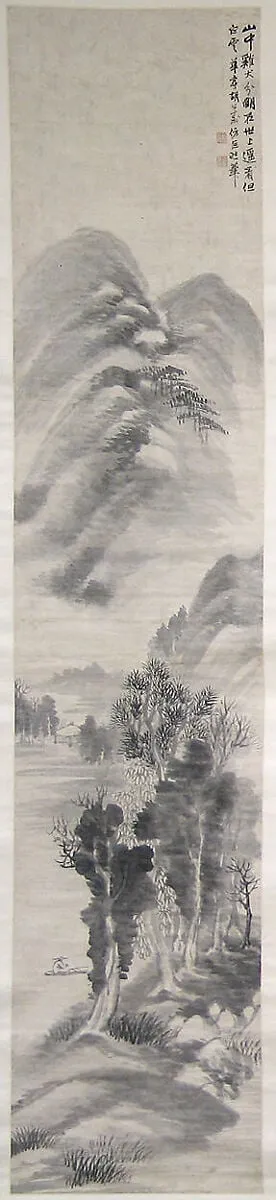
清 胡遠 四季山水圖 四條屏|Landscapes of the Four Seasons is an ink painting by the Chinese Orthodox School artist Hu Yuan. It dates from 1875 and is held in the collection of the Metropolitan Museum of Art.
About this work
Technique & Style
Stylistically, the compositions integrate naturalistic mountain forms with a restrained palette, characteristic of late‑19th‑century Chinese landscape art.
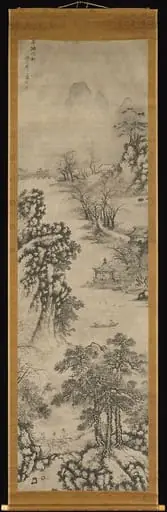
The work consists of four hanging scrolls produced in 1875 in China, each executed in ink with subtle color washes on paper. As a landscape painting, the pieces employ traditional Chinese brush techniques to render mountainous terrain, reflecting the genre’s emphasis on atmospheric perspective and compositional balance. The scroll format indicates a handling and display method typical of East Asian hanging scrolls, where the artwork is meant to be unrolled vertically and viewed in sections.
The Metropolitan Museum of Art holds the set, underscoring its preservation within a museum collection. Stylistically, the compositions integrate naturalistic mountain forms with a restrained palette, characteristic of late‑19th‑century Chinese landscape art.
History & Provenance
The work titled 清 胡遠 四季山水圖 四條屏 (Landscapes of the Four Seasons) is a set of four hanging scrolls executed in ink and color on paper in 1875 in China. It is attributed to the painter Hu Yuan, also recorded as Hu Gongshou, and falls within the landscape genre, depicting a mountain scene. The scrolls entered the collection of the Metropolitan Museum of Art, where they remain on display.
No documentation of a specific commission survives, and the dating relies on the 1875 inscription noted in the artist’s catalogue.
The four‑panel hanging scroll set titled 清 胡遠 四季山水圖 (Landscapes of the Four Seasons) is housed in the collection of the Metropolitan Museum of Art in New York. The work, dated 1875, is recorded as a landscape painting depicting a mountain and is part of the museum's holdings of Chinese ink and color on paper works. No accession number is disclosed in the available documentation, and the cited sources do not mention any exhibition history for this piece.
Overview
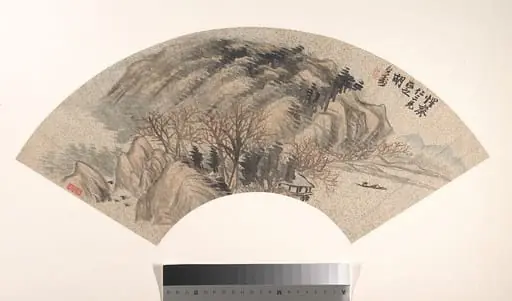
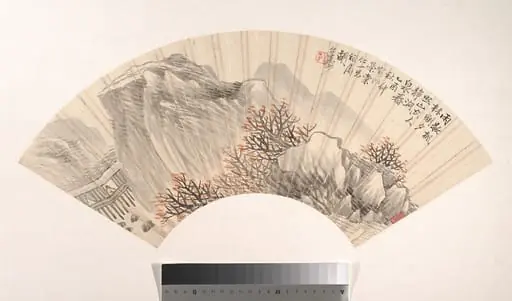
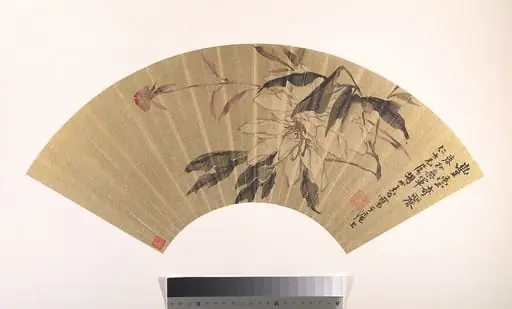
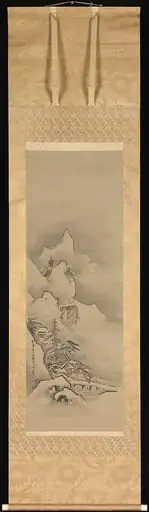
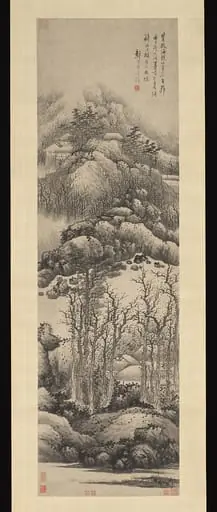
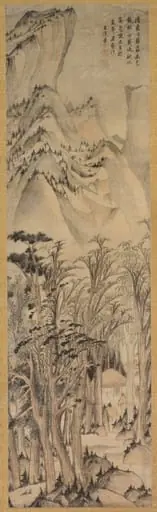
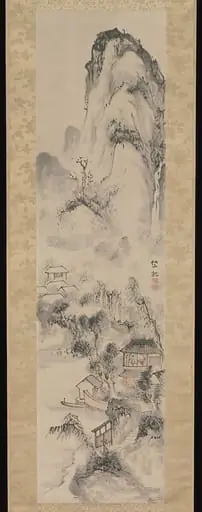
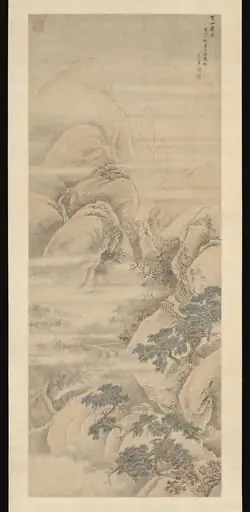
Created in 1875 by the late Qing dynasty painter Hu Yuan (1823–1886), Landscapes of the Four Seasons is a set of four hanging scrolls executed in ink and light color on paper. The work presents a continuous seasonal narrative through distinct mountainous vistas: spring blossoms, summer foliage, autumn reds, and winter snow. Hu Yuan employs a dynamic range of brushwork to define the composition, utilizing thin, fluid lines to render atmospheric mist and heavier, textured strokes to carve the structural forms of cliffs and rock faces.
Notably, the scenes are devoid of human figures, focusing entirely on the grandeur and cyclical transformation of the natural world. This piece exemplifies Hu Yuan's mature style, characterized by a synthesis of traditional literati techniques with a vibrant, observational approach to seasonal change. As a four-panel screen, the work was designed for vertical display, allowing the viewer to experience the passage of time through the juxtaposition of the individual scrolls.
The painting stands as a significant example of 19th-century Chinese landscape art, reflecting the period's continued reverence for nature while demonstrating the artist's technical mastery in balancing ink density with subtle coloration.
Subject & Meaning
The four scrolls collectively portray a mountain landscape across the annual cycle, with each panel dedicated to a specific season. Spring is suggested by blossoms, summer by lush foliage, autumn by changing leaves, and winter by snow-covered peaks. The absence of human figures emphasizes nature's grandeur and timelessness, allowing viewers to immerse themselves in the serene and expansive natural world depicted by the artist. This focus on the natural world reflects a long-standing tradition in East Asian art.
Artist & collection