Artwork
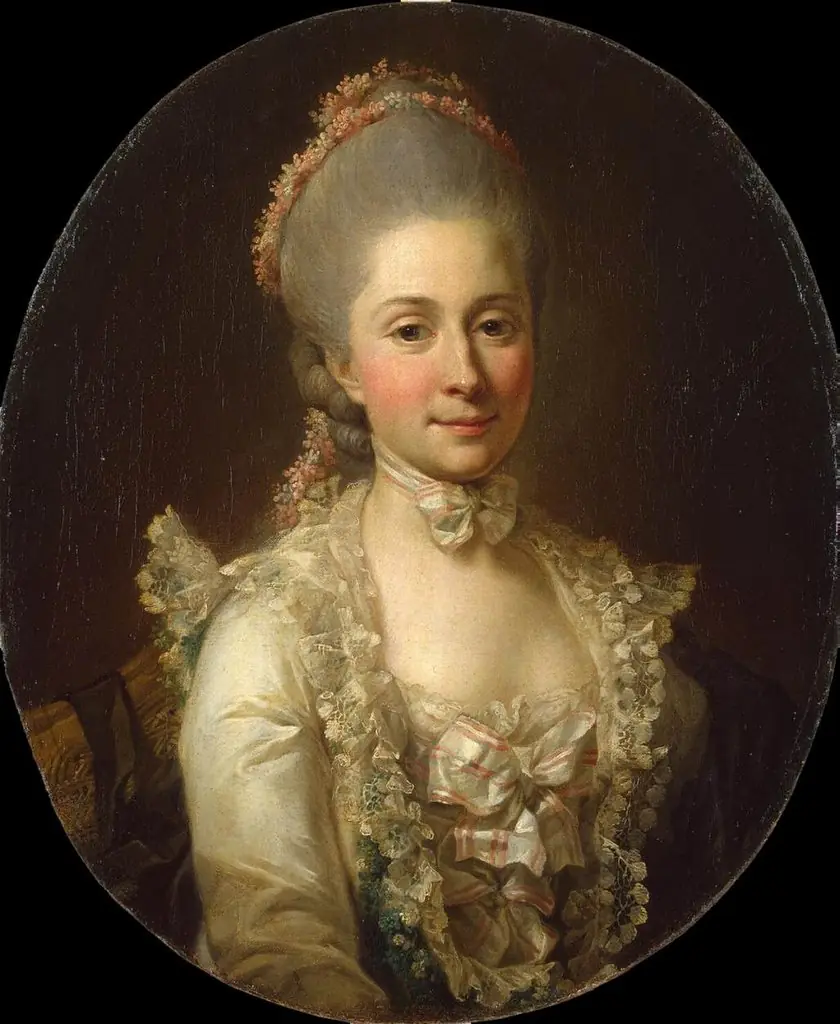
Portrait of a Woman
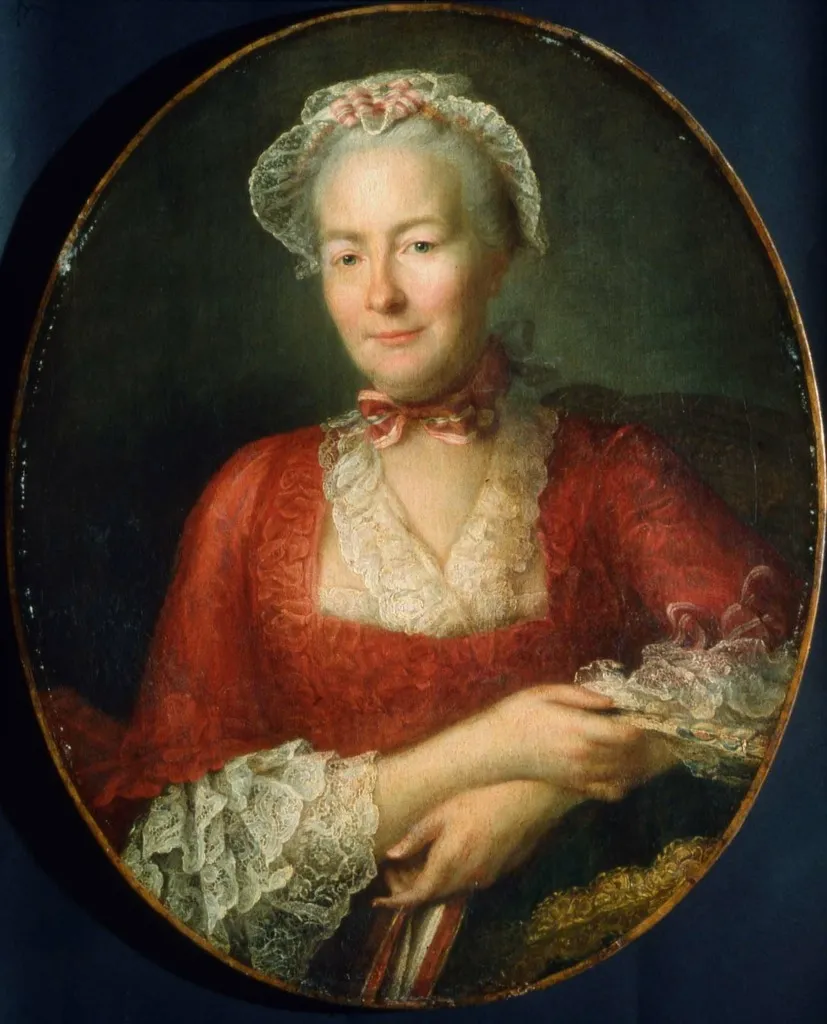
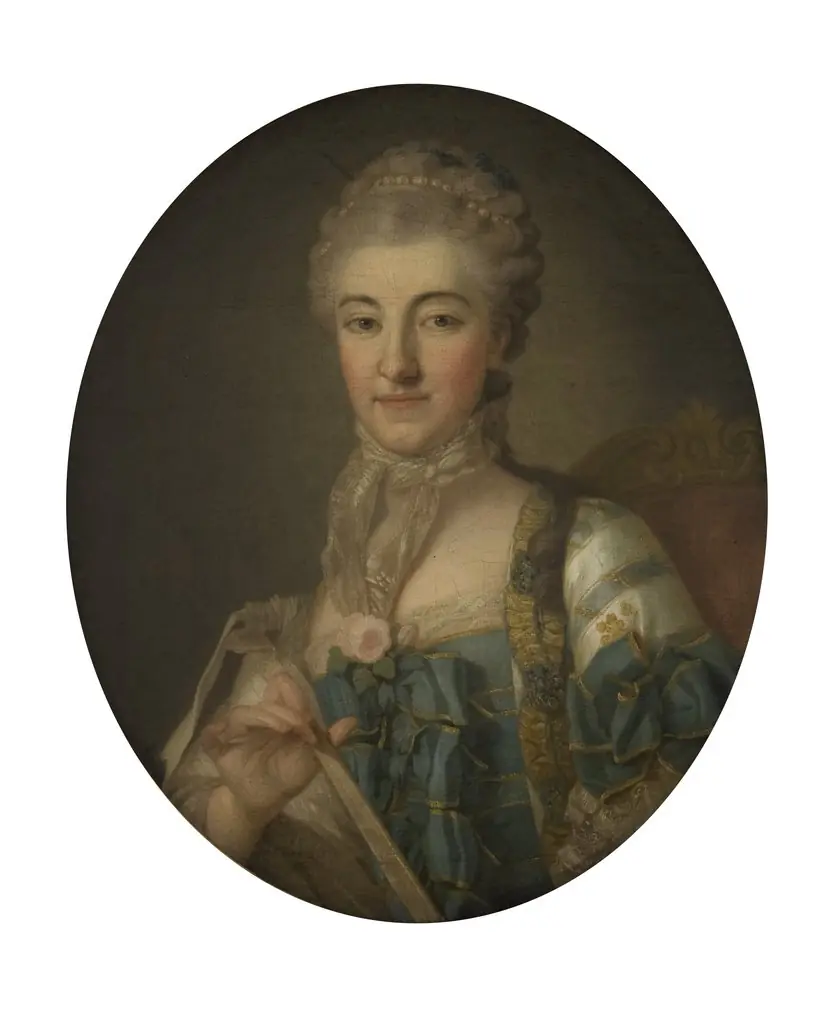
Portrait of a Woman is an oil painting by the Rococo painting artist Hubert Drouais. It dates from 1743 and is held in the collection of the Museum of Fine Arts Boston.
About this work
Overview
Portrait of a Woman is an oil on canvas painting by François Hubert Drouais, a leading French portraitist of the mid-eighteenth century.
Portrait of a Woman is an oil on canvas painting by François Hubert Drouais, a leading French portraitist of the mid-eighteenth century. The work measures 71.8 by 58.4 centimeters and is held in the collection of the Museum of Fine Arts, Boston. While sources identify the artist as Hubert Drouais, the more precise attribution to François Hubert Drouais (1727-1775) reflects current scholarly consensus, as this painter was the prominent portraitist active during the period when this work was created. The painting exemplifies the refined, elegant portraiture that characterized French art under Louis XV, demonstrating the smooth technique and attention to fashionable detail that made Drouais one of the most sought-after portrait painters of his generation.
Subject & Meaning
The portrait depicts an unidentified woman seated against a dark, muted background, presented from the waist up in a three-quarter view with her head turned slightly to her right. Her hands are crossed at waist level, a gesture of composed restraint. The sitter's costume conveys social status: she wears a red dress with a low, square neckline trimmed with white lace, with elaborate white lace flounces at her elbows. A pink ribbon bow encircles her neck, and a matching pink bow adorns her white lace cap, while her gray hair is pulled back beneath the cap. The palette of deep reds, creamy whites, and soft pinks against a dark olive-brown background creates a harmonious, dignified effect. The absence of specific identifying attributes or inscriptions leaves the sitter's identity unknown, though her attire and bearing suggest a woman of comfortable social standing rather than aristocratic rank. The portrait's meaning resides in its presentation of bourgeois respectability and quiet self-possession, values that Drouais's clientele would have prized.
Technique & Style
Drouais executed the portrait in oil on canvas, employing the smooth, blended brushwork characteristic of French academic portraiture in the Rococo period. Light falls evenly across the sitter's face and hands, modeling soft shadows that give her form volume without dramatic contrast. The flesh tones are rendered with particular smoothness, while finer detail appears in the delicate lacework and more textured handling describes the red fabric of the dress. A dark, indistinct chair back with gold trim is partially visible behind her right shoulder, providing minimal spatial context and keeping attention fixed on the sitter. The oval framing format, whether original or later applied, concentrates focus on the figure and was a common presentation mode for intimate portraits of this era. The paint surface shows fine craquelure throughout, consistent with its age. This restrained, polished technique aligns with Drouais's reputation for elegant, flattering portraits that emphasized the grace and sophistication of his subjects.
History & Provenance
The Museum of Fine Arts, Boston, acquired the painting for its collection, where it remains today. Specific details of the work's commission, early ownership, and provenance chain prior to its acquisition by the museum are not recorded in the available sources. The painting's accession history and any exhibition history likewise remain undocumented in the materials consulted. The work has not been the subject of extensive published provenance research comparable to Drouais's more celebrated portraits, such as the 1757 Portrait of a Woman, Said to be Madame Charles Simon Favart now at the Metropolitan Museum of Art, which shares similar dimensions and handling but is a distinct composition with a documented ownership history including Madame de Boulemaine, Wildenstein, and the Fletcher bequest.
Context
François Hubert Drouais occupied a central position in French portrait painting during the latter years of Louis XV's reign. Apprenticed successively to his father Hubert Drouais, Donat Nonnotte, Charles-André van Loo, Charles-Joseph Natoire, and François Boucher, he was received into the Académie royale in 1758 and exhibited regularly at the official Salons from 1755 until his death in 1775. His clientele encompassed the French royal family, nobility, foreign aristocracy, fermiers-généraux, and wealthy Parisians. He served as premier peintre to Louis-Stanislas-Xavier, comte de Provence (later Louis XVIII), from 1772, and was a favorite of Jeanne Bécu, comtesse du Barry. The portrait in Boston, while lacking the celebrity subject of works such as his portraits of Madame de Pompadour, Madame du Barry, or Marie Antoinette, nonetheless participates in the same cultural project: the construction of social identity through elegant, flattering representation. Drouais's popularity never diminished despite occasional criticism in Salon reviews, and his workshop produced numerous portraits that set the standard for French elite portraiture in the decades before the Revolution.
Legacy
The painting's legacy is modest but representative of Drouais's broader contribution to French portraiture. Unlike his signed and dated works with identified sitters, such as the 1757 portrait of Madame Favart at the Metropolitan Museum of Art, this anonymous portrait has not attracted sustained scholarly attention or figured prominently in exhibitions. Its significance lies rather in its typological value: it exemplifies the countless respectable portraits of unidentified bourgeois sitters that constituted the bulk of Drouais's practice and sustained his thriving studio. The work's presence in the Museum of Fine Arts, Boston, ensures its preservation and accessibility for study of Drouais's technique and the broader patterns of mid-eighteenth-century French portraiture. Drouais's influence persisted through his pupils, including Catherine Lusurier, his son Jean-Germain Drouais, Jean-Louis Voille, and Pierre-Hippolyte Lemoyne, though his reputation was later overshadowed by more dramatically innovative portraitists. Critical assessment of his work has emphasized his role in codifying the visual language of aristocratic and bourgeois elegance that preceded the aesthetic upheavals of the late eighteenth century.
Artist & collection
Artist
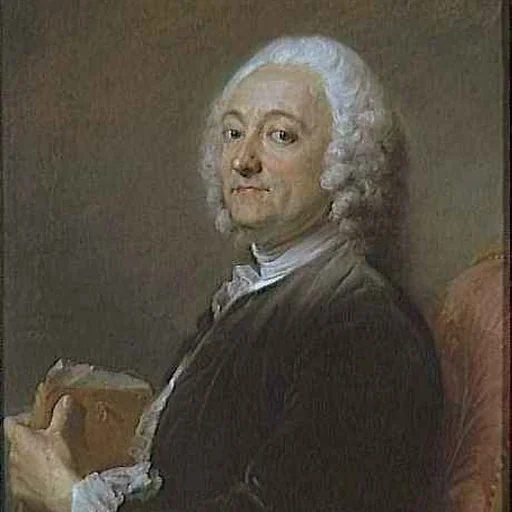
Hubert Drouais (French:; 5 May 1699 – 9 February 1767) was a French painter, portraitist and miniaturist.

- Portrait of a Woman
 Portretul arhiducesei Maria Christina
 Portrait of M.I. Tatischeva
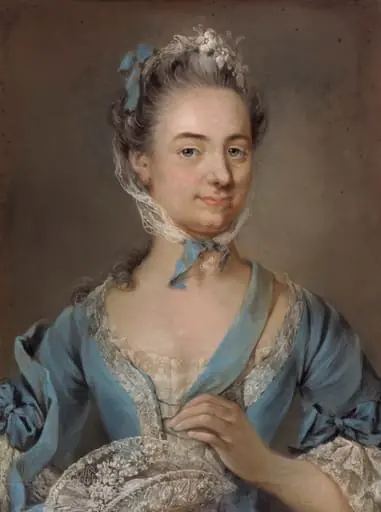 Maria Ulrika Dævel
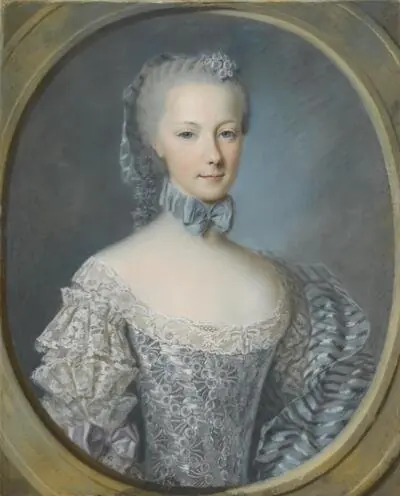 Archduchess Maria Elisabeth of Austria (1743–1808), daughter of Maria Theresa.
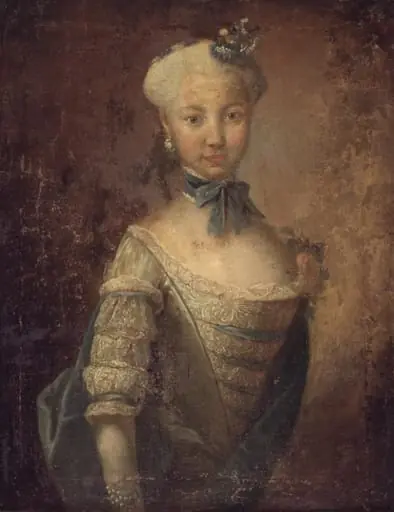 Portræt af en lille pige
 Portert de femeie
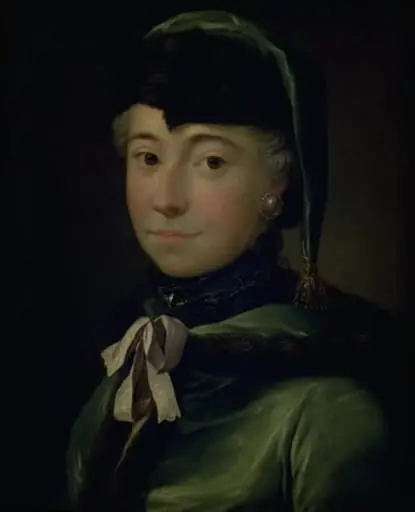 Sophie Birgitta Mathiesen
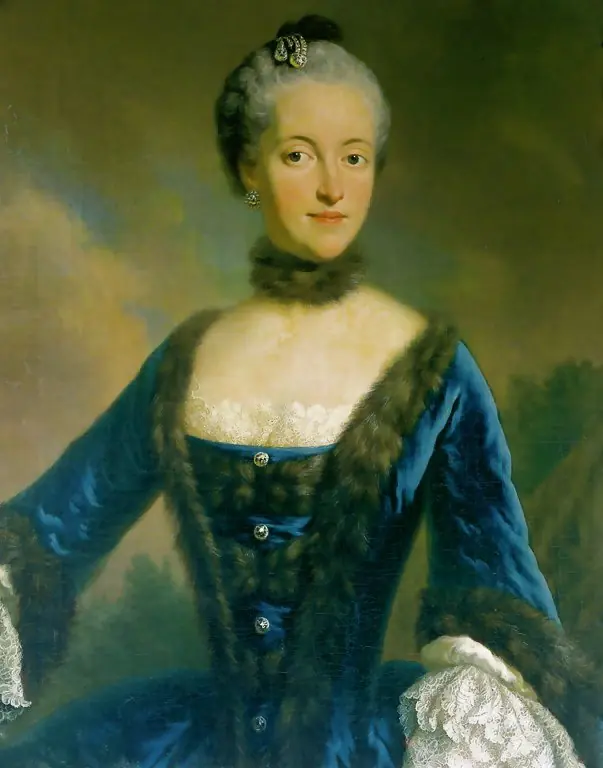 Portrait of Maria Josepha of Bavaria (1739-1767)
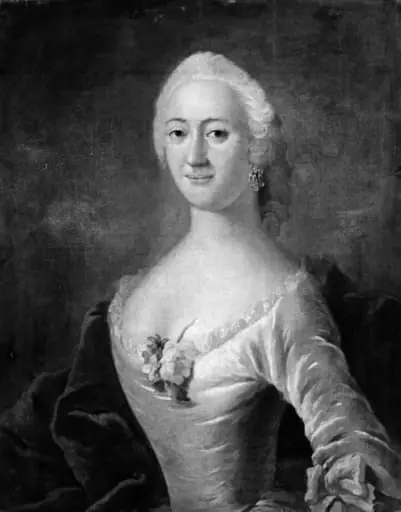 Portræt af brygger M. Christensens hustru
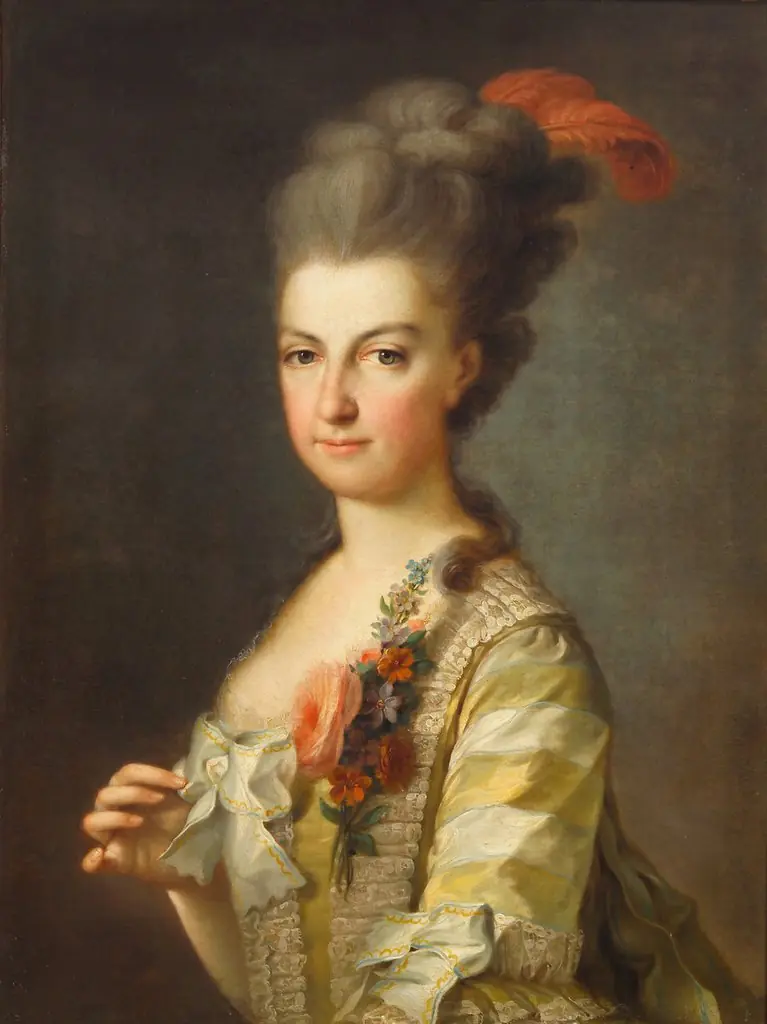 Erzherzogin Maria Christine (1742-1798), Herzogin von Sachsen - Teschen, in gestreiftem Seidenkleid, Halbfigur
 Portrait of Izabela Branicka née Poniatowska