Artwork
La Virgen con el Niño
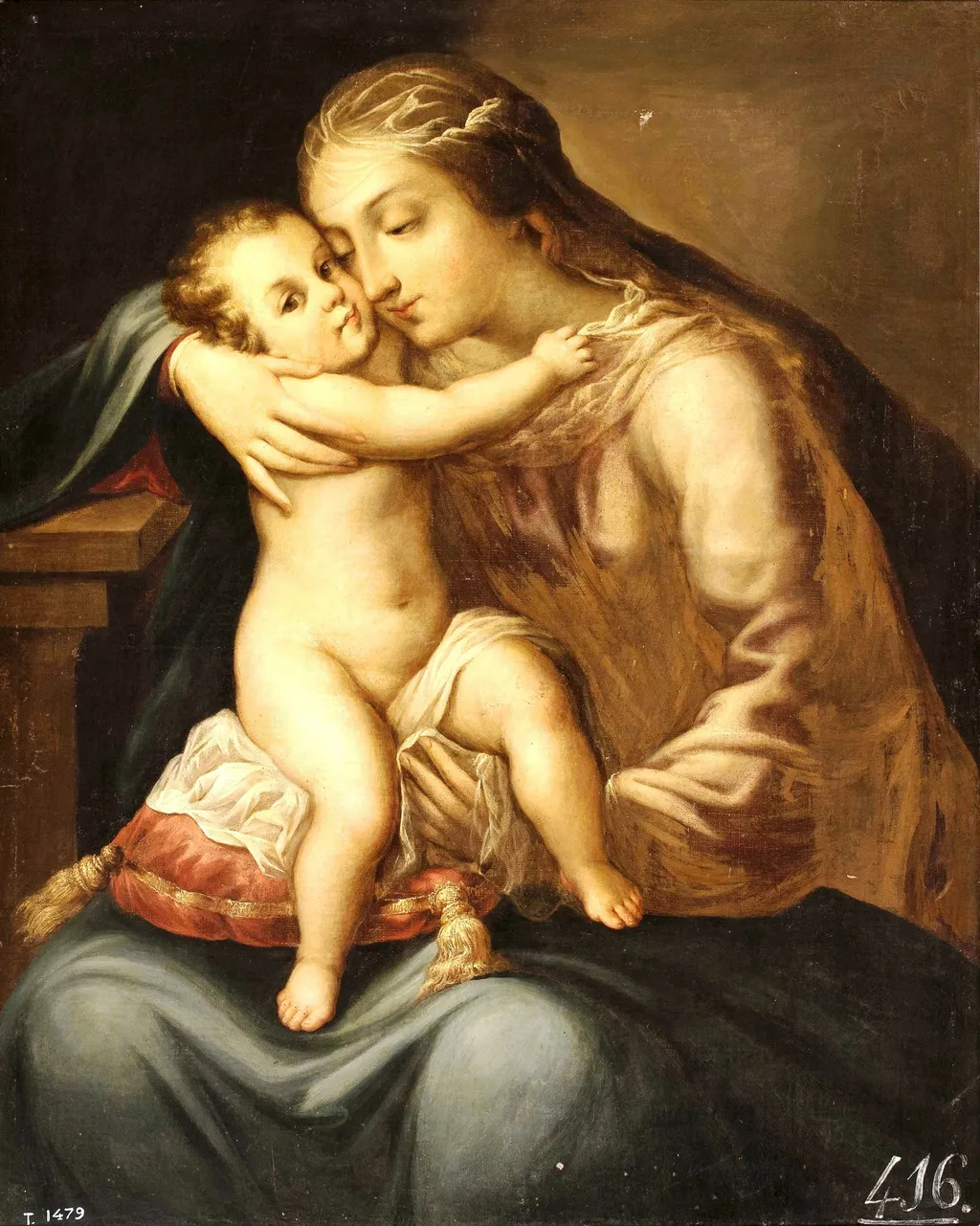
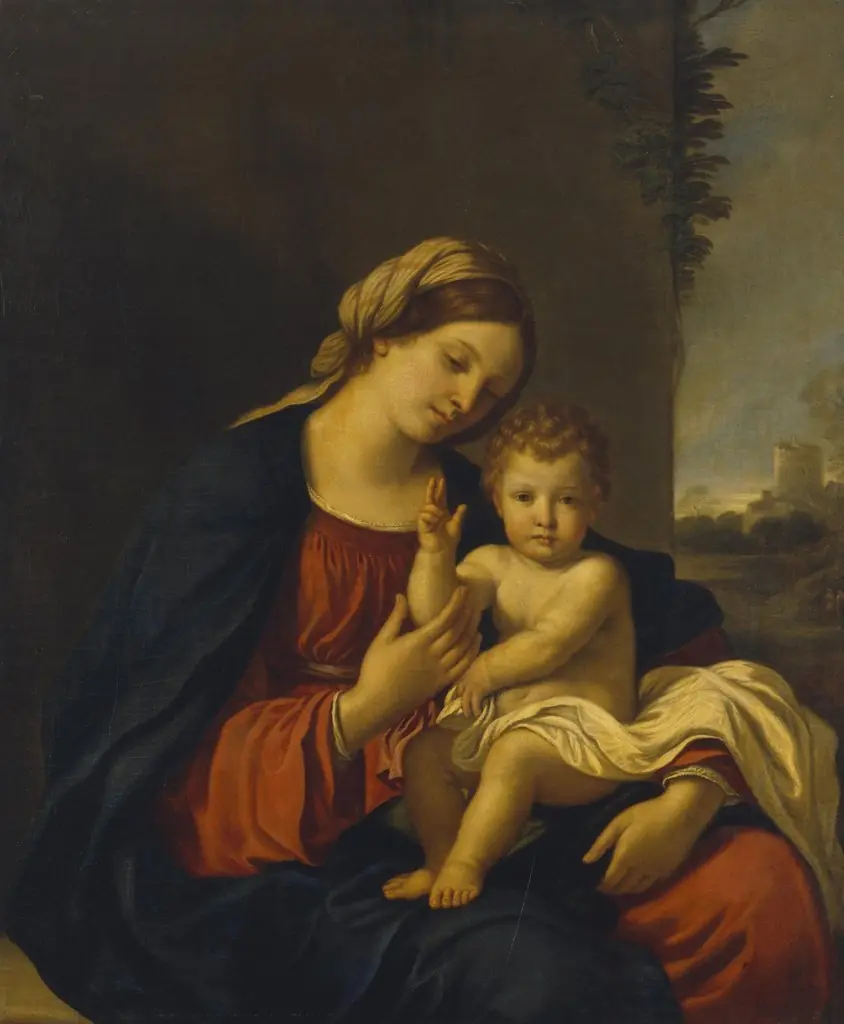
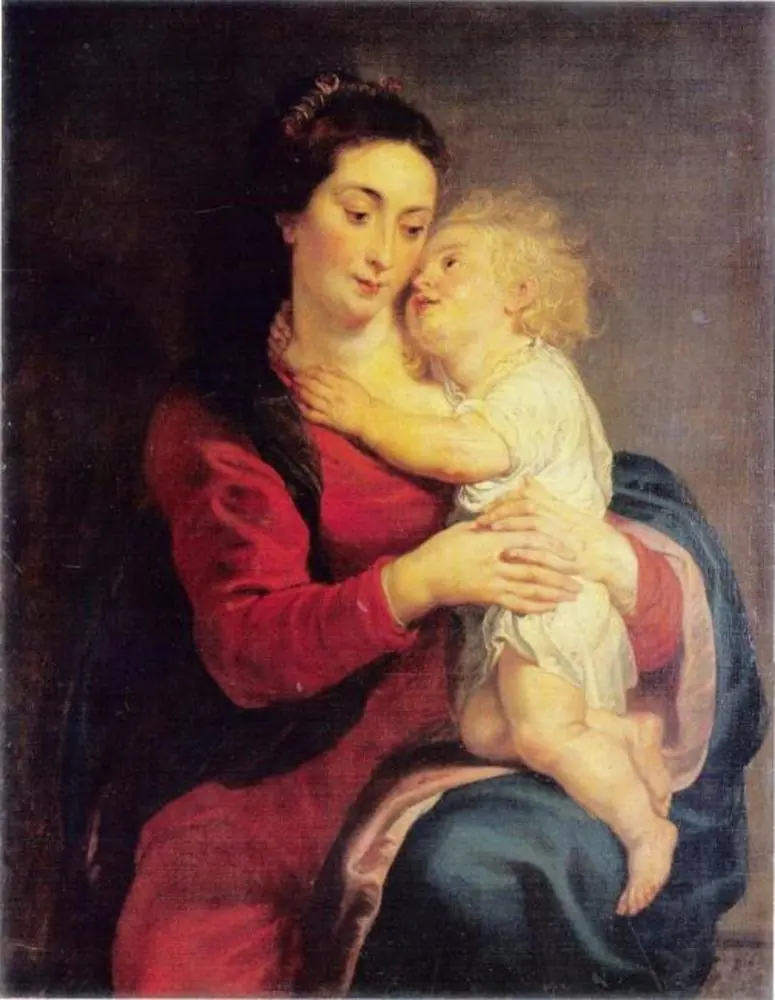
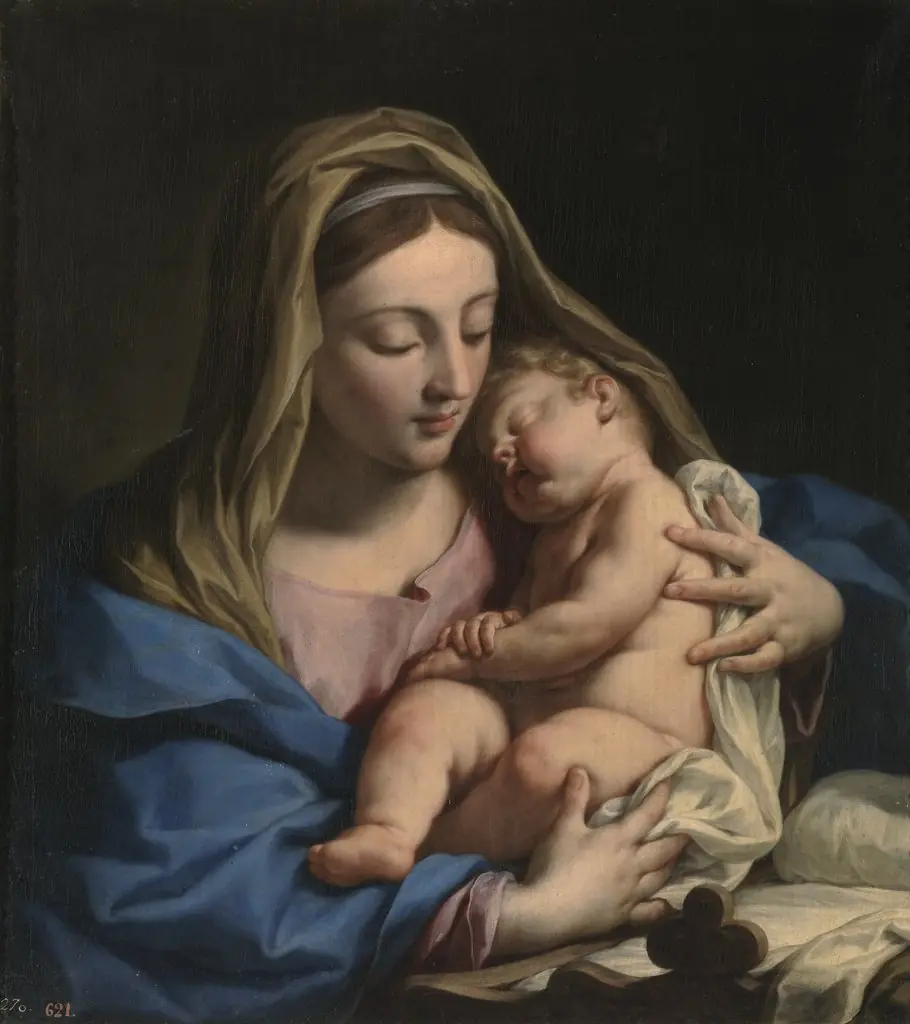
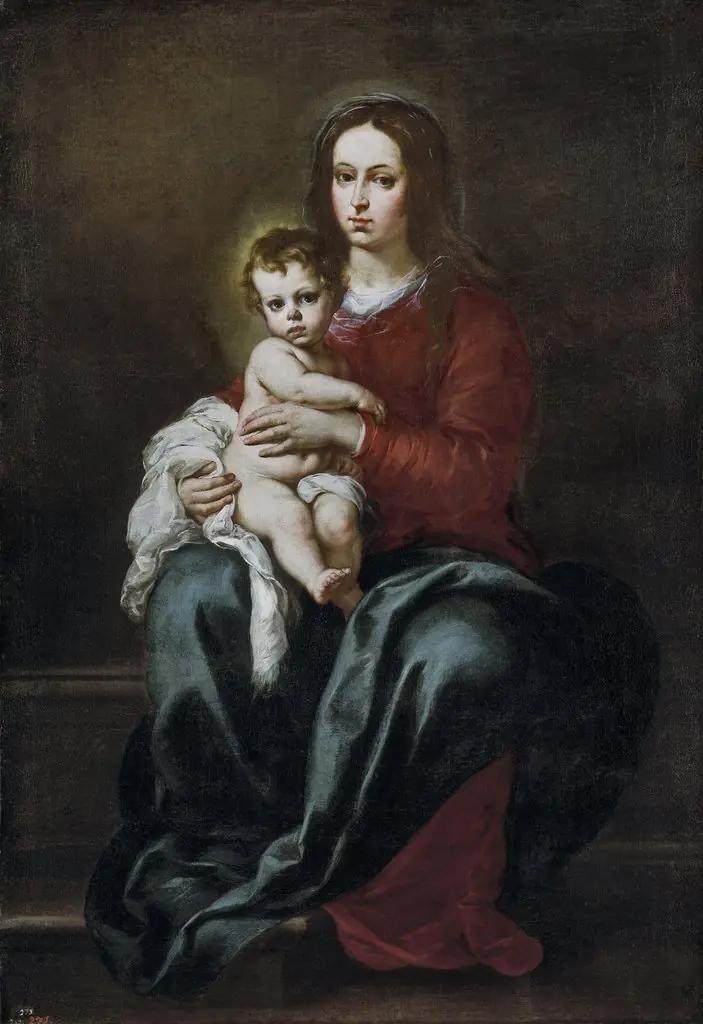
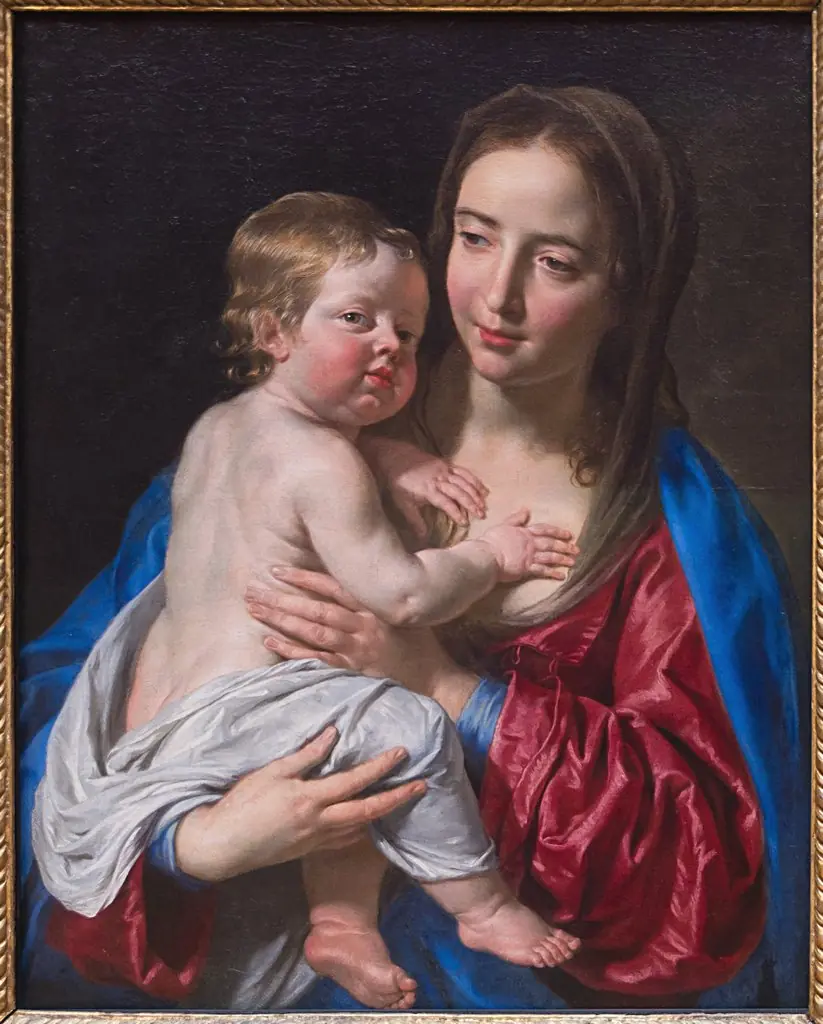
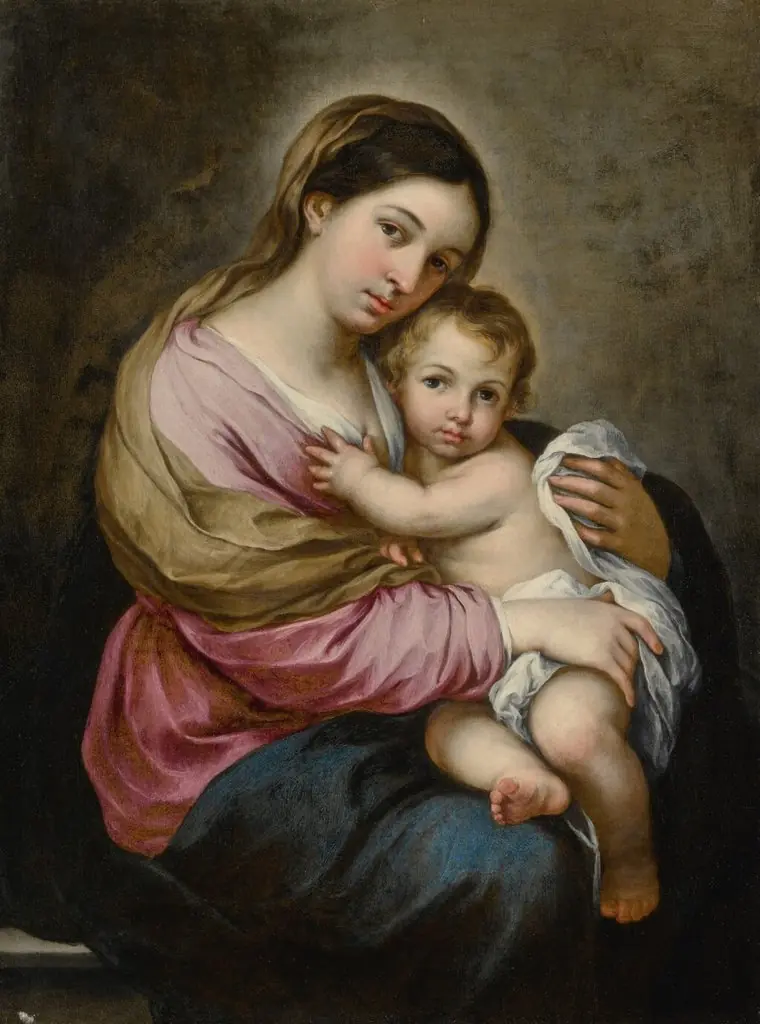
La Virgen con el Niño is an oil painting. It dates from 1601 and is held in the collection of the Museo del Prado. The work depicts a mother and infant in an intimate pose, their faces nearly touching.
About this work
Subject & Meaning
Created in 1601, the piece serves as a visual representation of the holy mother and her son, adhering to established iconographic conventions of the genre.
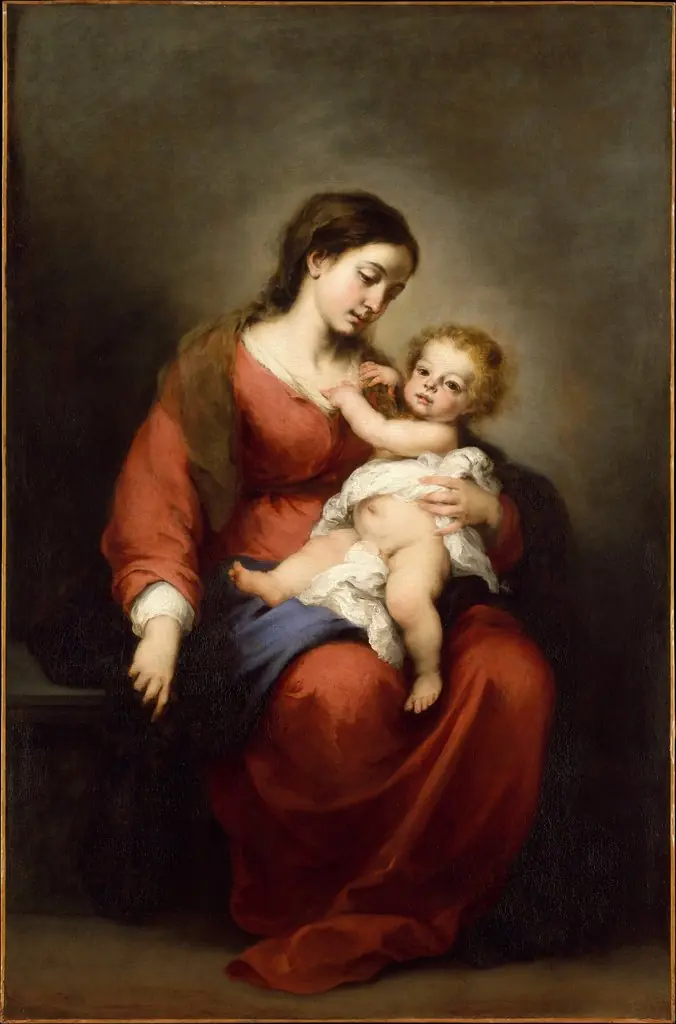
The painting depicts the traditional Christian subject of the Madonna and Child, specifically showing the Virgin Mary with the Christ Child. As a work of religious art, the composition focuses on these two central figures to convey themes of maternal devotion and divine incarnation. Created in 1601, the piece serves as a visual representation of the holy mother and her son, adhering to established iconographic conventions of the genre.
Technique & Style
Created in 1601, La Virgen con el Niño is executed in oil paint on a canvas support. The work measures 102 cm in height and 82 cm in width. Classified as a religious painting, the composition depicts the Virgin Mary and the Christ Child. The piece is currently held in the collection of the Museo del Prado.
History & Provenance
The painting titled La Virgen con el Niño was created in 1601 as an oil on canvas work by an anonymous hand. It was produced during the early Baroque period and depicts the Virgin Mary holding the infant Christ Child. The work measures 102 centimeters in height by 82 centimeters in width and was painted on canvas.
According to the documented provenance, it entered the collection of the Museo del Prado, where it remains on display. The canonical creation date of 1601 is recorded in the source materials and serves as the authoritative dating for the artwork's execution.
The painting is housed in the Museo del Prado, where it is listed under its inventory. It was created in 1601 and is cataloged with the accession details associated with the museum's collection. The work has been part of exhibitions at the Museo del Prado focusing on religious art from the early 17th century, highlighting its significance within the museum's holdings.
The piece measures 102 cm in height and 82 cm in width, executed in oil paint on canvas. It portrays the Virgin Mary with the Christ Child, reflecting its religious genre. The artwork is attributed to an anonymous painter and is recorded in the museum's collection as part of its religious art assemblage.
Overview
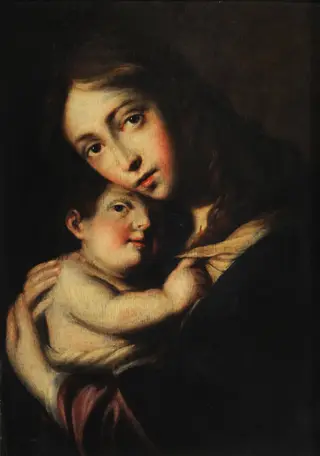
The work depicts a mother and infant in an intimate pose, their faces nearly touching. The mother’s warm, smooth skin contrasts with the child’s pale complexion. She is draped in a loosely gathered garment, while the child wears a small red cap edged in white. A dark, undefined background isolates the pair, drawing attention to their expressions and the tender gesture.
Context
The work belongs to a tradition of devotional images that present the Virgin and Child in a personal, approachable manner. By isolating the figures against a dark backdrop, the artist aligns with a visual language that seeks to evoke spiritual intimacy, a common approach in religious painting intended for private contemplation during the period.
Artist & collection