Artwork
The Virgin in Contemplation
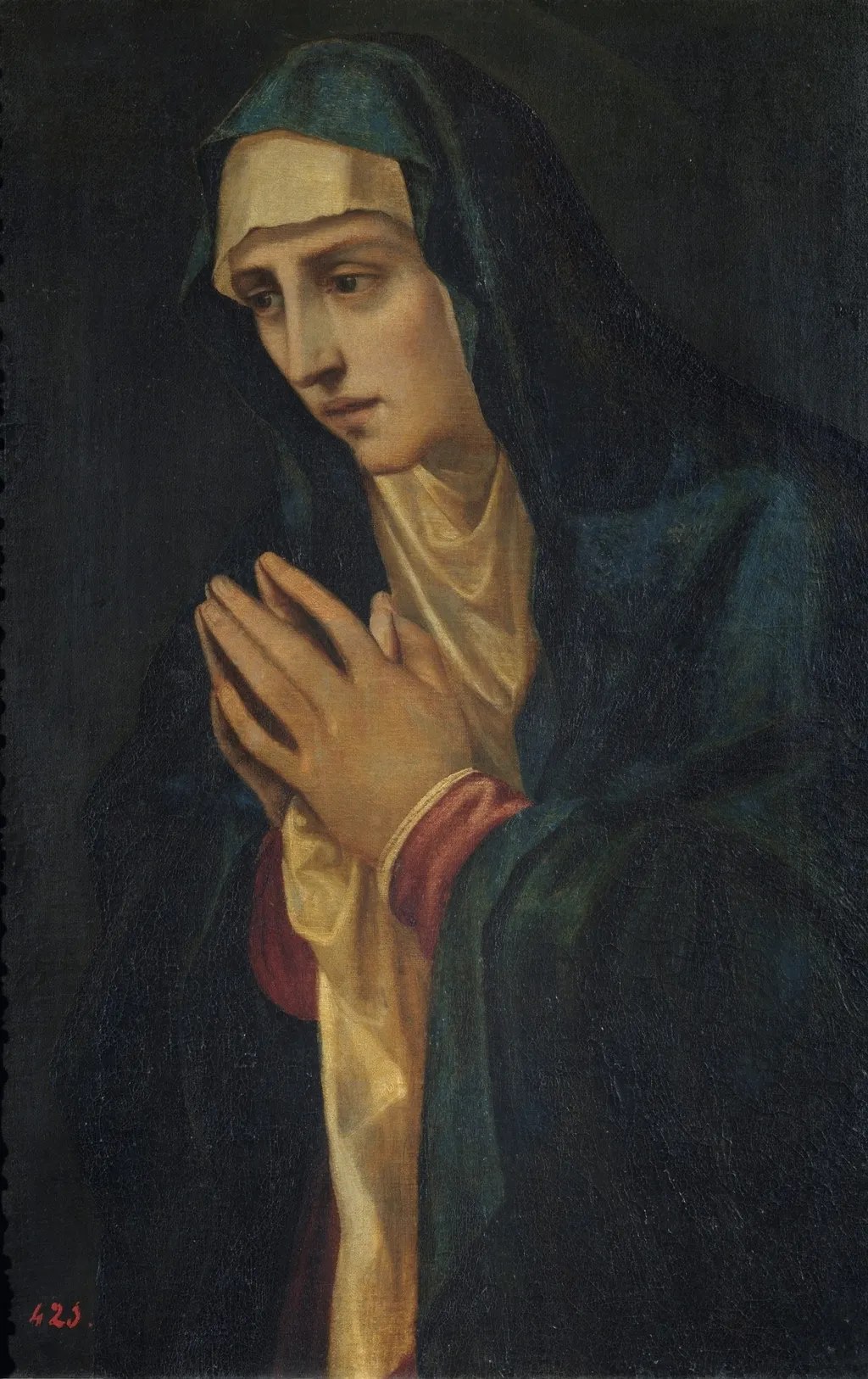
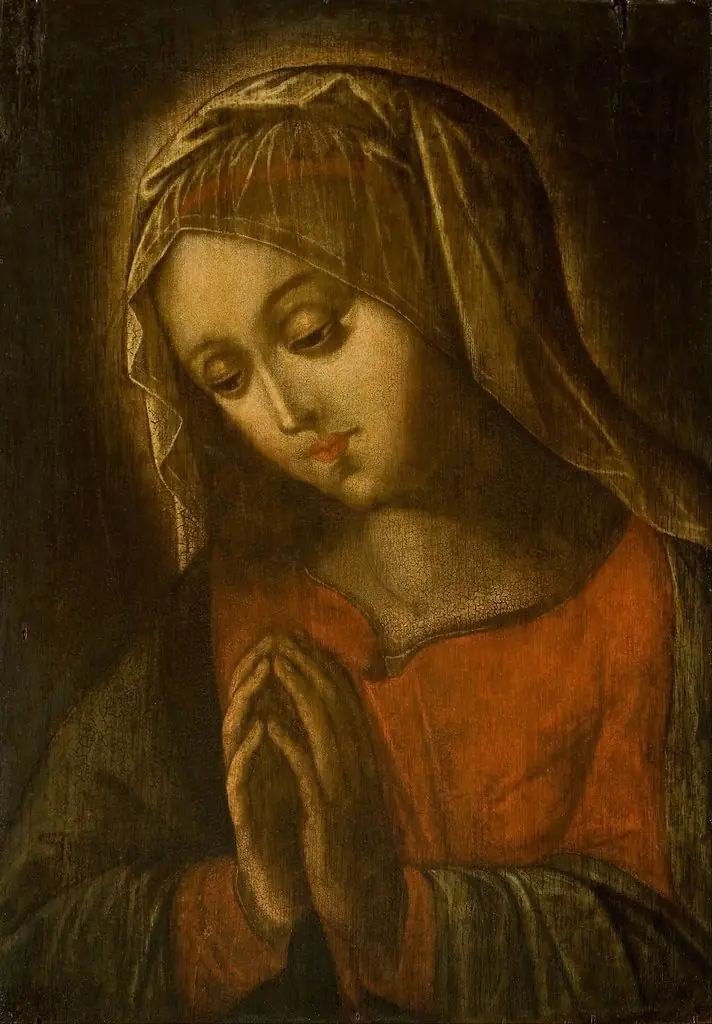
The Virgin in Contemplation is an oil painting by the Northern Renaissance artist Unknown. It dates from 1501 and is held in the collection of the Museo del Prado.
About this work
Subject & Meaning
The contemplative theme is reinforced by the work's title, which frames the Virgin as engaged in inward meditation.
The painting depicts the Virgin Mary as its main subject, rendered in oil on canvas. Classified within the genre of religious art, the work belongs to a devotional tradition centered on Marian contemplation, presenting Mary as an object of pious reflection rather than within a narrative scene such as the Annunciation or Nativity.
The contemplative theme is reinforced by the work's title, which frames the Virgin as engaged in inward meditation. As a product of the early sixteenth century, the painting participates in the broader devotional culture of the period, in which images of Mary were used to encourage personal prayer and spiritual focus. The relatively modest dimensions of the panel suit its function as an intimate object for private devotion.
History & Provenance
The Virgin in Contemplation is held in the collection of the Museo del Prado in Madrid, where it is inventoried as part of the museum’s holdings. The painting measures 75 cm in height and 48 cm in width and depicts the Virgin Mary in a religious scene. The work has been documented as part of the museum’s collection, though specific exhibition records are not provided in the sources.
Overview
The work, titled The Virgin in Contemplation, is an oil painting that presents a solitary female figure. She is clothed in a modest, warm‑toned robe and covered by a dark veil, her hands gently pressed together before her. The composition is set against a deep, almost black background, which isolates the figure and emphasizes the subtle modeling of light on her face and garments.
Technique & Style
The painter employs a chiaroscuro approach, using a concentrated light source to illuminate the face and hands while allowing the surrounding shadows to recede into darkness. This contrast creates a soft, luminous quality on the illuminated areas and deepens the surrounding gloom, highlighting the texture of the robe’s folds and the delicate expression.
Artist & collection