Artwork
Philipp Ludwig Wenzel von Sinzendorf
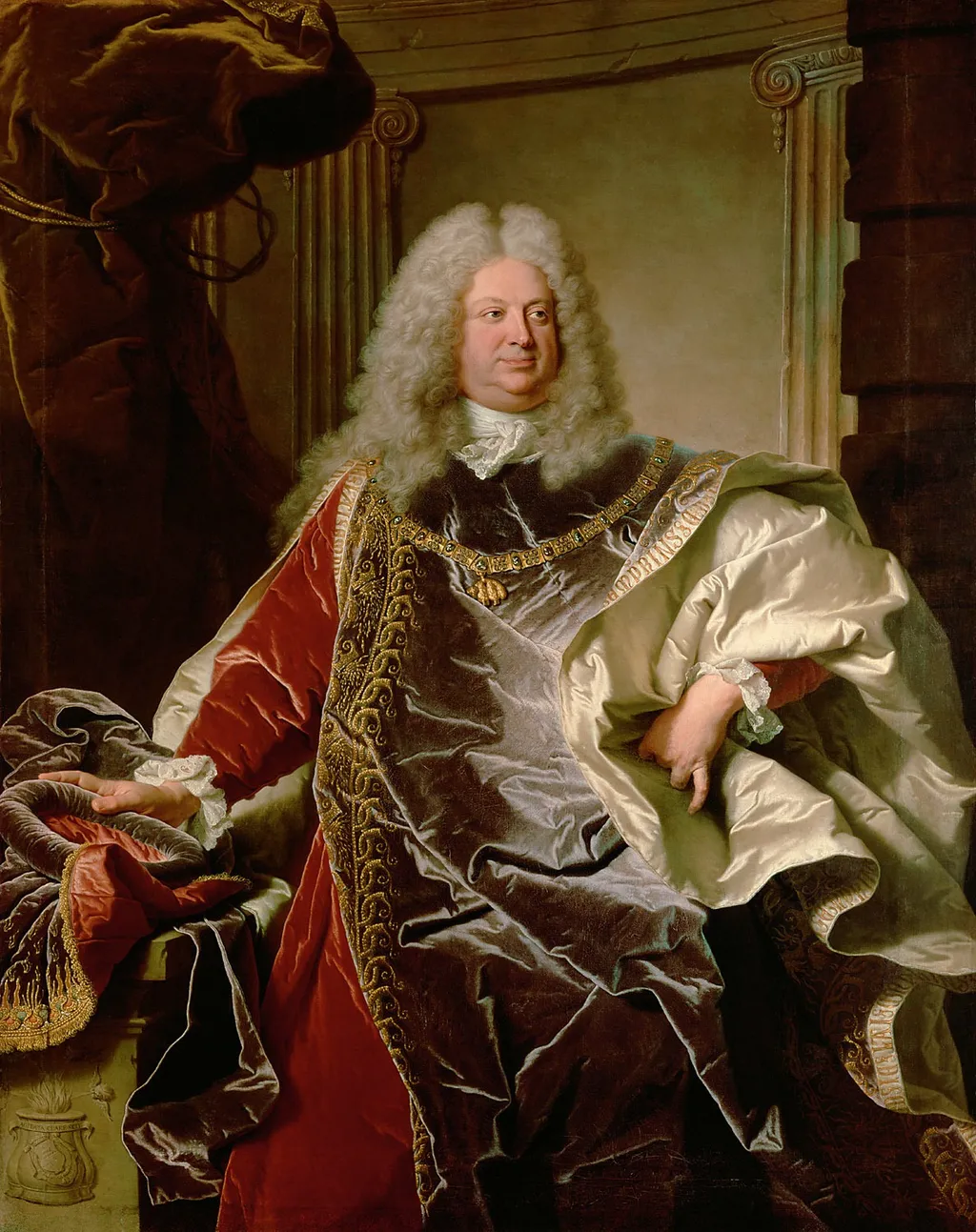
Philipp Ludwig Wenzel von Sinzendorf is an oil painting by the Baroque artist Rigaud Hyacinthe. It dates from 1729 and is held in the collection of the Kunsthistorisches Museum.
About this work
Subject & Meaning
The 1729 portrait depicts Philipp Ludwig Wenzel von Sinzendorf in the insignia of the Order of the Golden Fleece, underscoring his diplomatic rank and imperial service. Rigaud’s composition emphasizes the sitter’s status through the prominent collar of the order, a symbol of Habsburg prestige and courtly honor, while the traditional costume and confident stance reinforce his role as chancellor of the Holy Roman Empire. The painting’s iconography aligns with Rigaud’s diplomatic portraiture, using attributes such as the caduceus and winged hat to evoke Hermes, messenger of the gods and emblem of negotiation. Sinzendorf’s inclusion in the visual language of the Golden Fleece, an order whose insignia he wore, positions him within a lineage of trusted imperial counselors, signaling both personal achievement and dynastic loyalty.
Technique & Style
The composition features a richly detailed background with allegorical symbols of diplomacy, including a globe, sphinx, caduceus and winged hat.
The portrait of Philipp Ludwig Wenzel von Sinzendorf was executed in oil paint on canvas in 1729 by Hyacinthe Rigaud. The work measures 166 cm in height and 132 cm in width. It depicts the count in the traditional robes of the Order of the Golden Fleece, showcasing a virtuoso handling of light and texture that exemplifies Baroque portraiture. The composition features a richly detailed background with allegorical symbols of diplomacy, including a globe, sphinx, caduceus and winged hat. The painting was originally displayed in the salon of Alphonse Mayer de Rothschild before entering the Kunsthistorisches Museum in Vienna after its restitution to the family in 1999.
History & Provenance
The portrait of Philipp Ludwig Wenzel von Sinzendorf was commissioned by the count himself to commemorate his role in the Anglo‑Spanish peace negotiations. Painted by Hyacinthe Rigaud, work began during Sinzendorf’s stay at the Congress of Soissons in 1728 and the canvas was completed, sent to Vienna, and paid for in 1729, as indicated by the inception date of 1729‑01‑01. After remaining in the Sinzendorf lineage, the painting entered the Rothschild collection, hanging in the Régence salon of Baron Alphonse Mayer de Rothschild’s Viennese residence until 1948, when it passed to Baroness Clarisse de Rothschild. It was then confiscated by Nazi authorities and incorporated into the Kunsthistorisches Museum in Vienna. The work was restituted to the Rothschild family in 1999, who promptly donated it again to the museum that same year. The 1729 portrait of Philipp Ludwig Wenzel von Sinzendorf by Hyacinthe Rigaud is held by the Kunsthistorisches Museum in Vienna. According to the sources, the painting formerly hung in the Régence-style salon of Baron Alphonse Mayer de Rothschild (1878-1942) at his Viennese residence on Theresianumgasse. It passed in 1948 to Baroness Clarisse de Rothschild, was confiscated by the Germans, and entered the Kunsthistorisches Museum. The painting was restituted to the family in 1999, who donated it back to the museum the same year. No specific inventory or accession number for the Kunsthistorisches Museum is recorded in the available sources. Beyond its long-term placement in Vienna, the documented exhibition history is limited to related works rather than the painting itself: a preparatory drawing by Johann Georg Wille was shown at the galerie Perrin in 1991, and a more detailed study is held by the musée du Petit Palais in Paris.
Context
Hyacinthe Rigaud’s 1729 portrait of Philipp Ludwig Wenzel von Sinzendorf anchors the count within the ceremonial portraiture canon of early eighteenth-century Europe, where aristocratic self-fashioning intersected with the technical bravura of French court painters. Commissioned to commemorate Sinzendorf’s role in Anglo-Spanish peace negotiations, the work exemplifies Rigaud’s mature practice of synthesizing individual likeness with dynastic insignia, here the Toison d’Or and its regalia dispatched from Brussels to ensure accuracy. The painting’s subsequent history, confiscated during World War II, restituted in 1999, and re-donated to the Kunsthistorisches Museum, mirrors the turbulent provenance of many aristocratic portraits of the period, while the survival of preparatory drawings and reproductive engravings by Claude Drevet and Johann Georg Wille underscores the image’s circulation across media. Scholarly attention has focused on Rigaud’s strategic delegation of costume sourcing and the workshop’s role in replicating the composition, revealing the mechanics behind the painter’s vaunted illusionism. The portrait’s critical reception has long emphasized its dazzling visual effects and the sitter’s fleshy corporeality, traits that align with contemporary accounts of Rigaud’s ability to render texture and presence. Studies of the count’s earlier 1701 effigy, known largely through Bernard Picart’s engraving, highlight how Rigaud’s original was repeatedly adapted, its allegorical apparatus repurposed to amplify the sitter’s diplomatic persona. These layered transmissions demonstrate how Rigaud’s images functioned as diplomatic currency, reproduced in multiple formats to secure the count’s transnational image.
Legacy
The 1729 portrait of Count Sinzendorf by Hyacinthe Rigaud achieved enduring recognition through precise reproductive prints that extended its reach beyond the original canvas. The engraver Claude Drevet produced an exact transcription of the work, preserving Rigaud's virtuosic visual effects for a wider audience. Additionally, the German artist Johann Georg Wille, an admirer of Rigaud, created two fine studies of the portrait, likely working from an oil copy or original drawings around 1739. These drawings, noted for their precision, were subsequently sold in a Paris auction in 1763 as part of a lot of hand studies. The work's legacy also encompasses an earlier 1701 portrait by Rigaud, which remained largely forgotten for centuries and was known primarily through an imaginative engraving by Bernard Picart. That 1701 image was only positively identified and reappeared in the art market in the late 20th century following the discovery of a preparatory sanguine drawing.
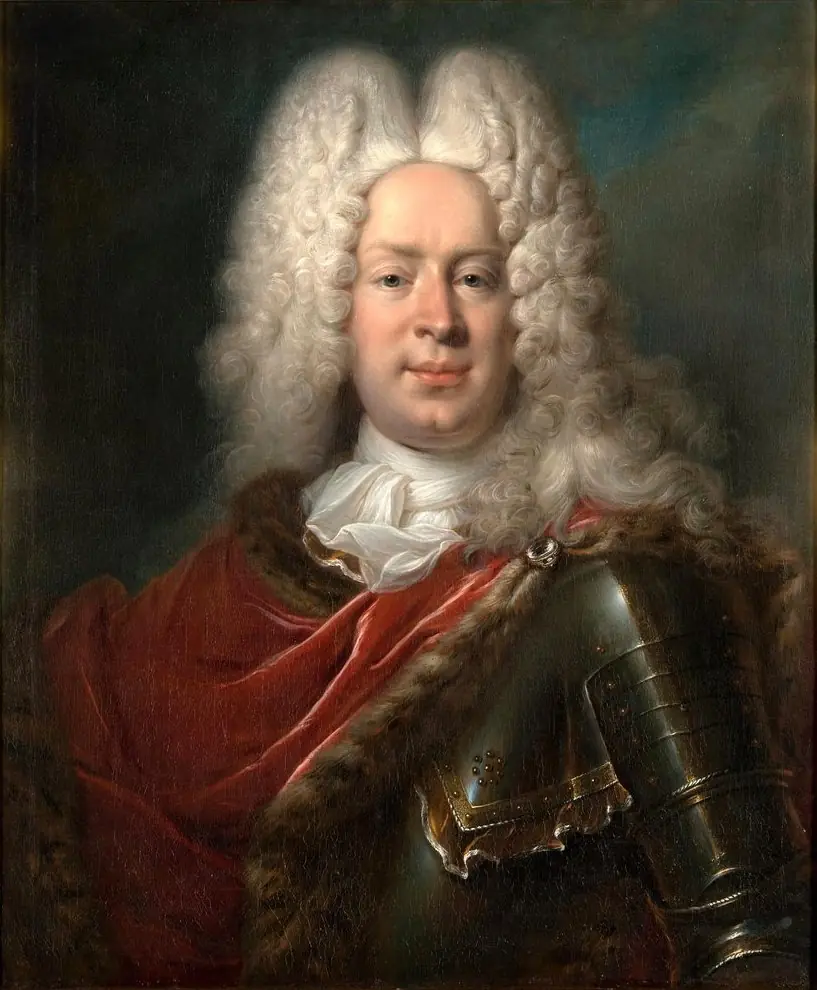
Artist & collection
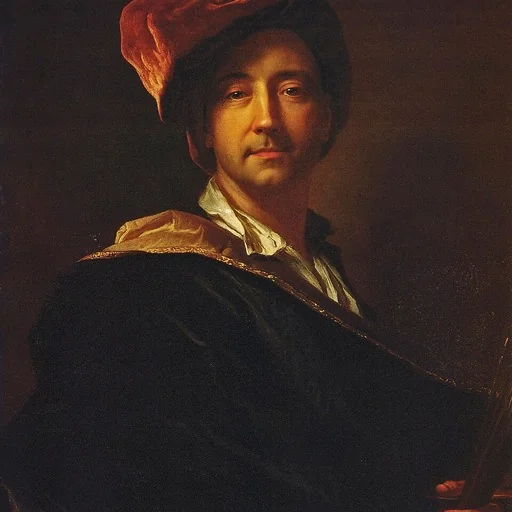
Artist
Jacint Rigau-Ros i Serra (Catalan pronunciation:; 18 July 1659 – 29 December 1743), known in French as Hyacinthe Rigaud (pronounced ), was a Catalan-French baroque painter most famous for his portraits of Louis XIV and other members of the…

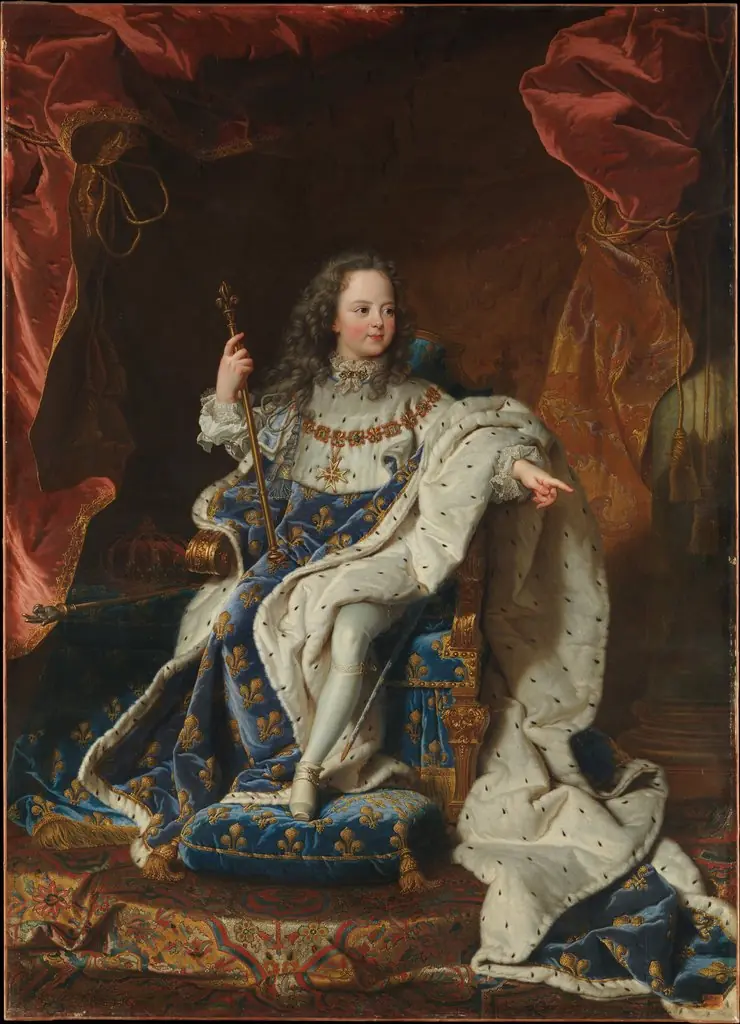
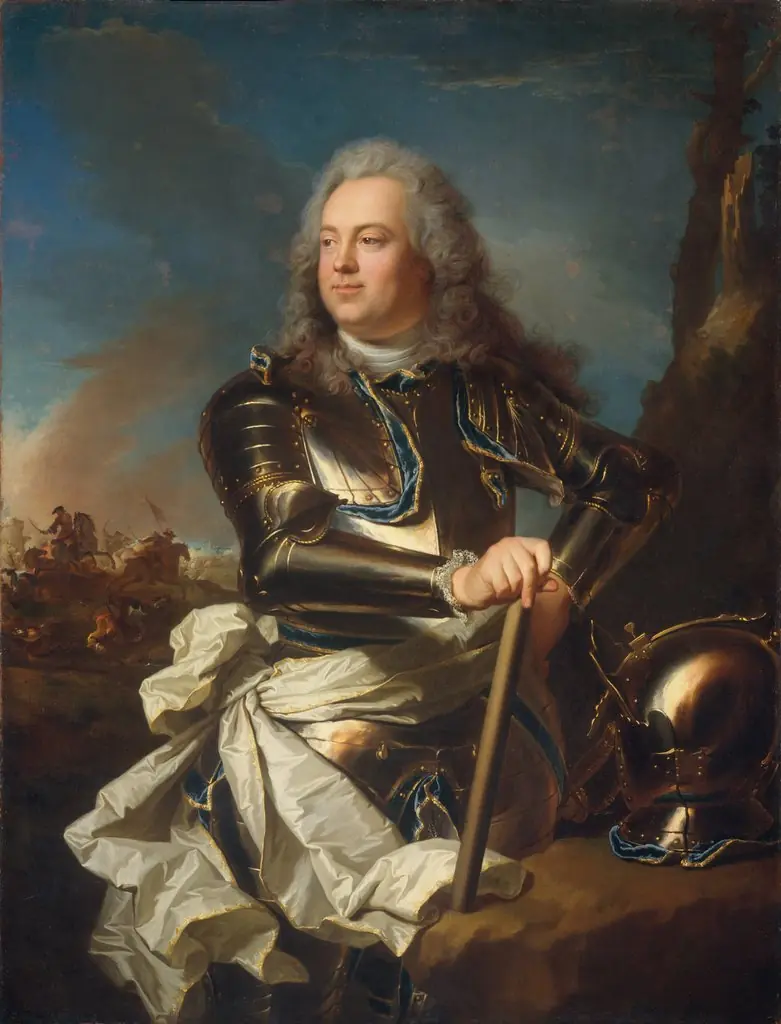
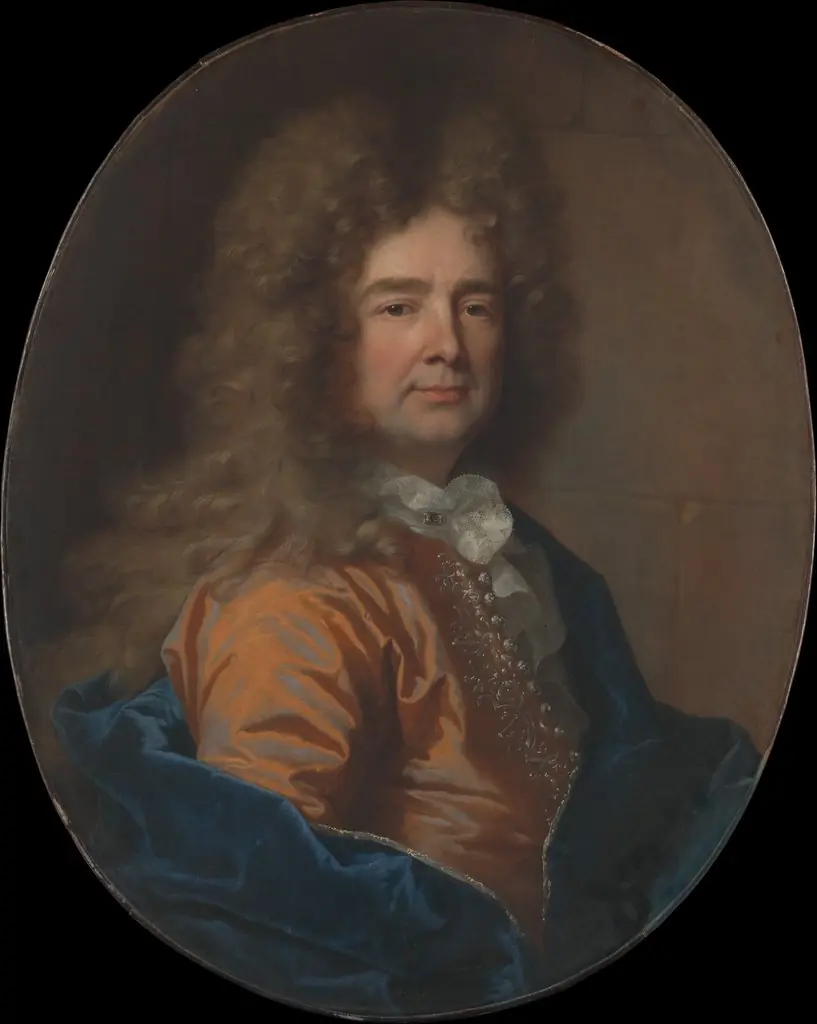
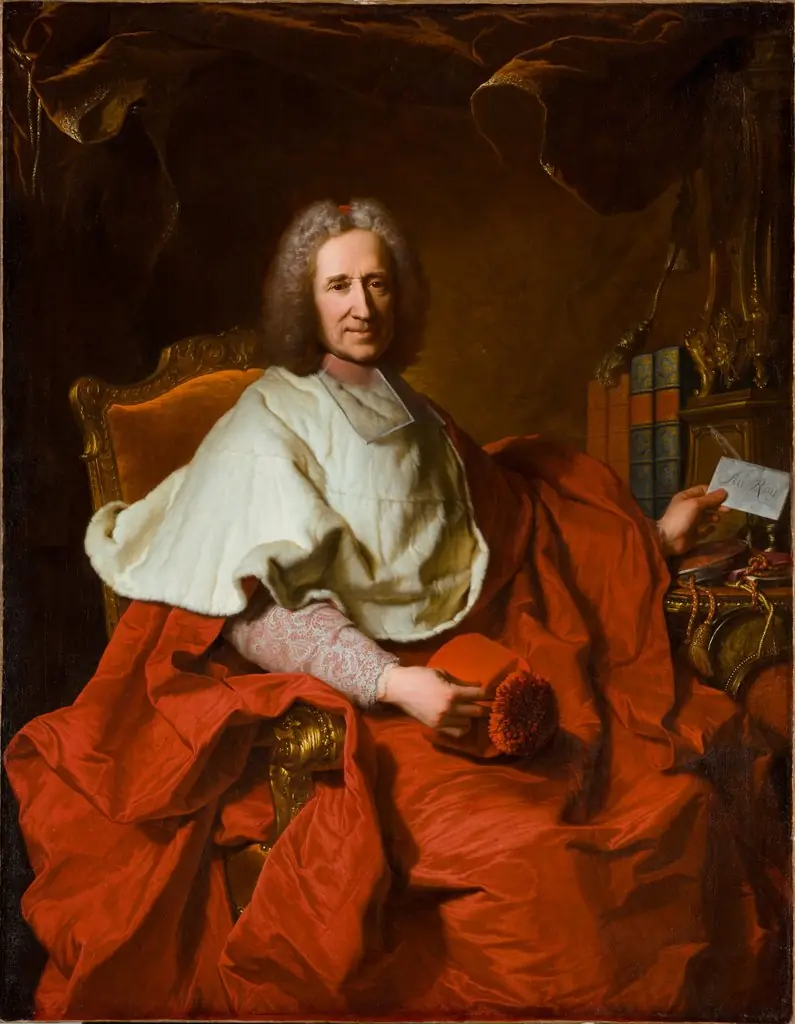
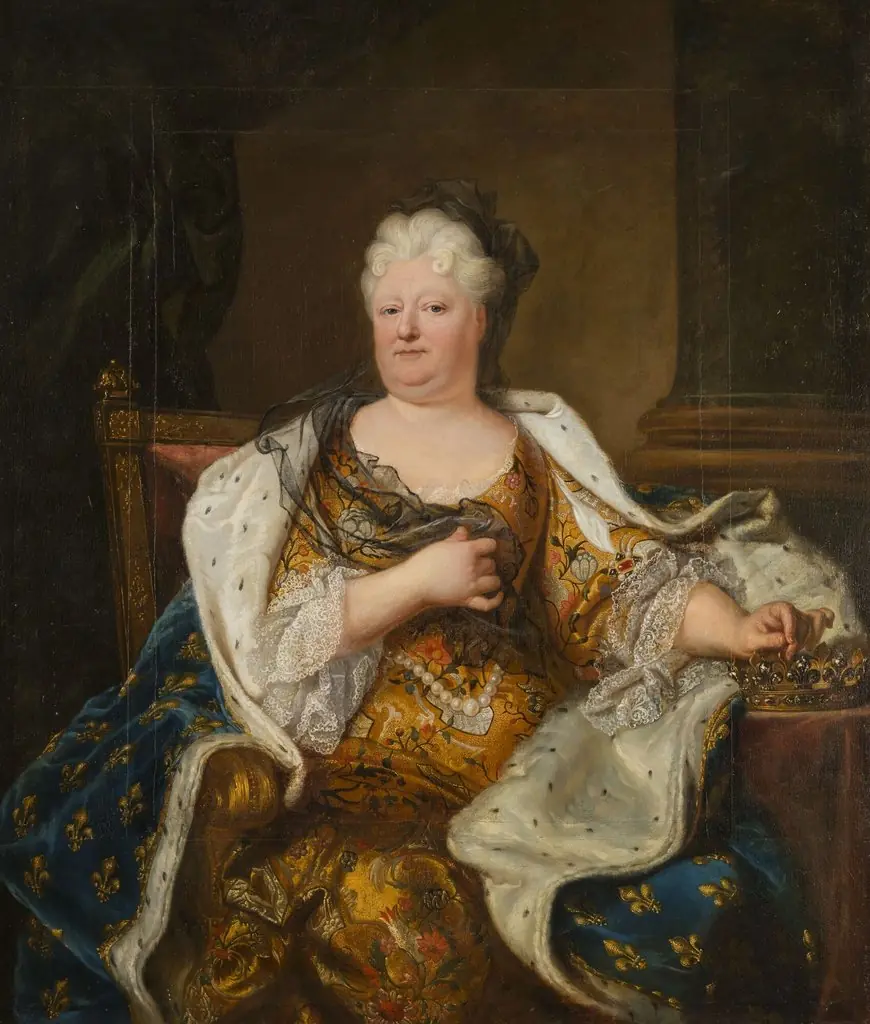
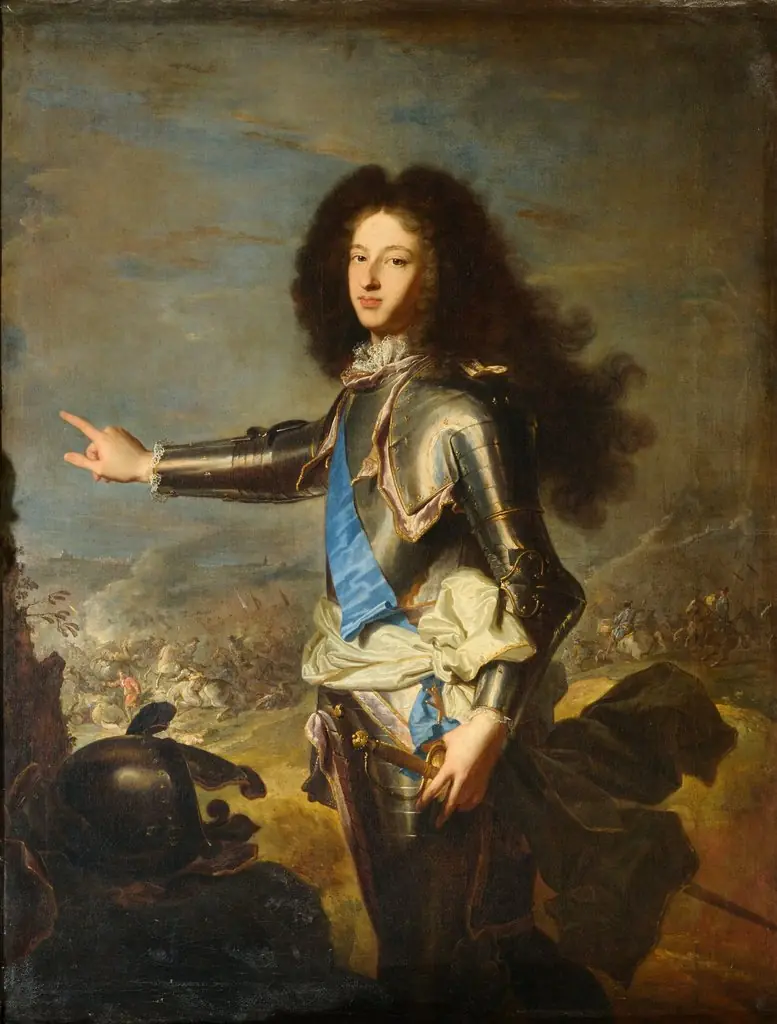
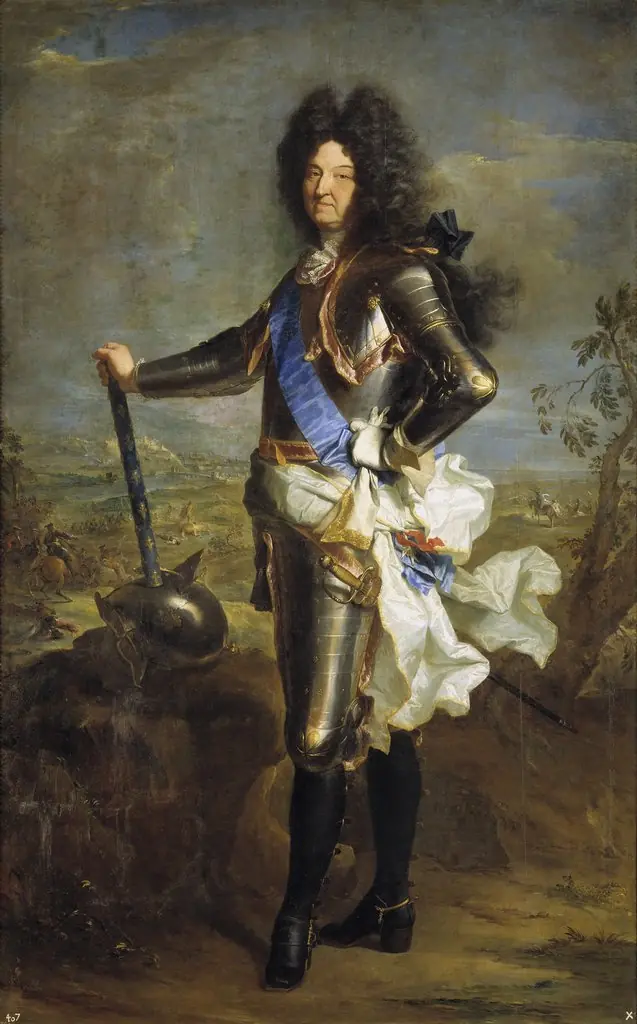
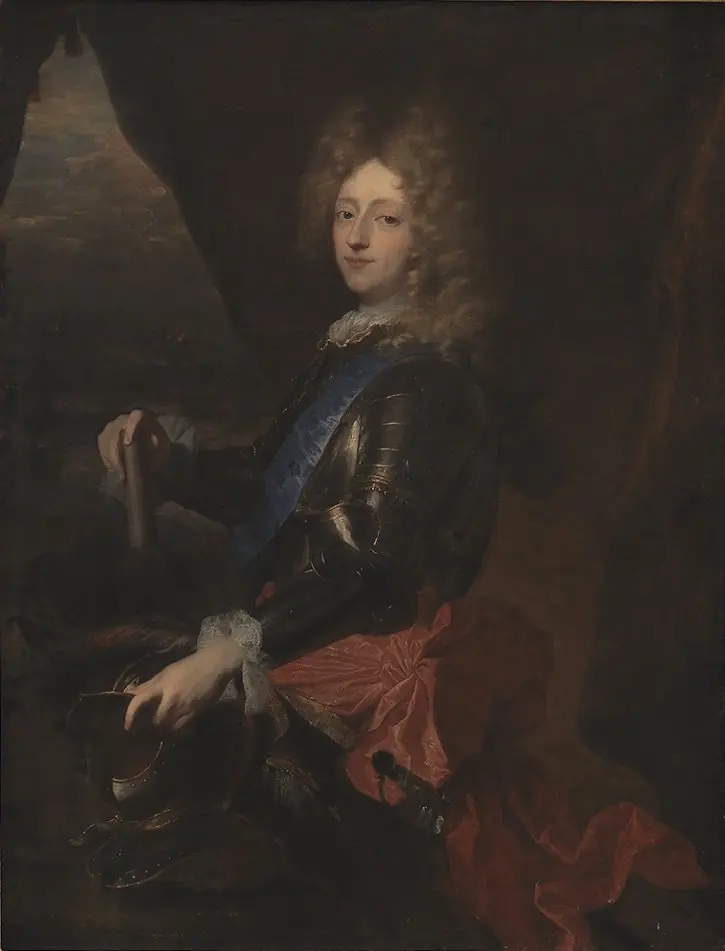
- Portrait of Count Georg Wilhelm Werthern
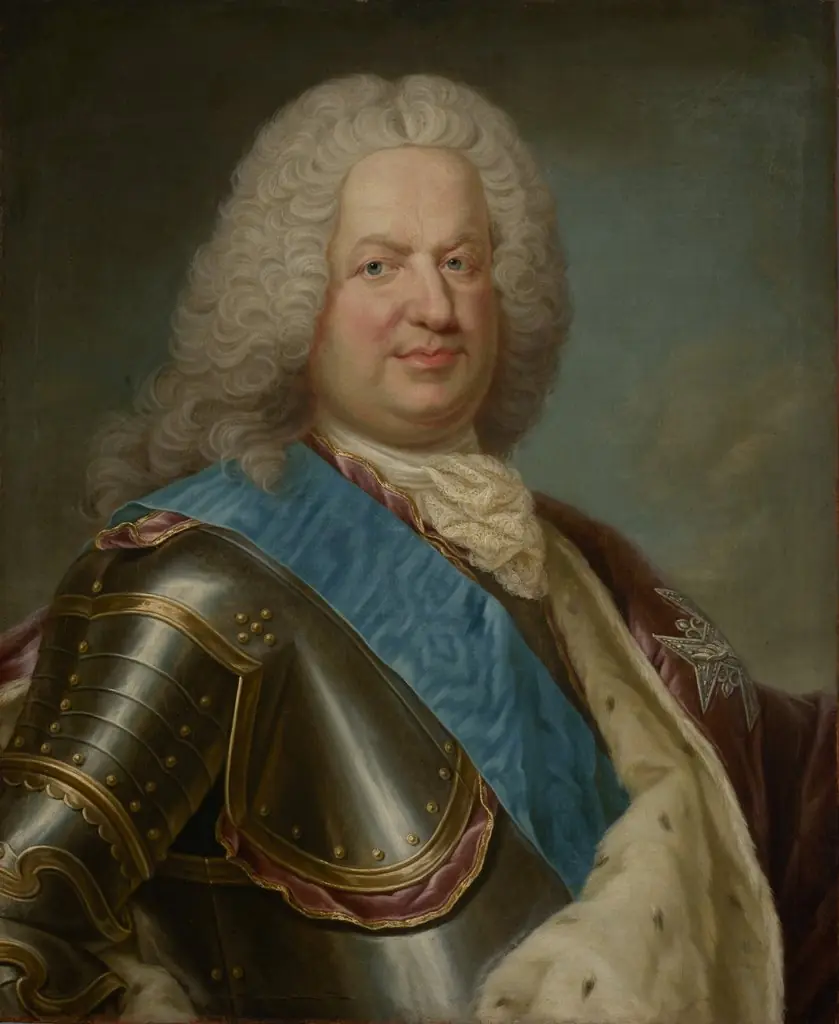 Portrait of Stanislaus Leszczyński (1677–1766))
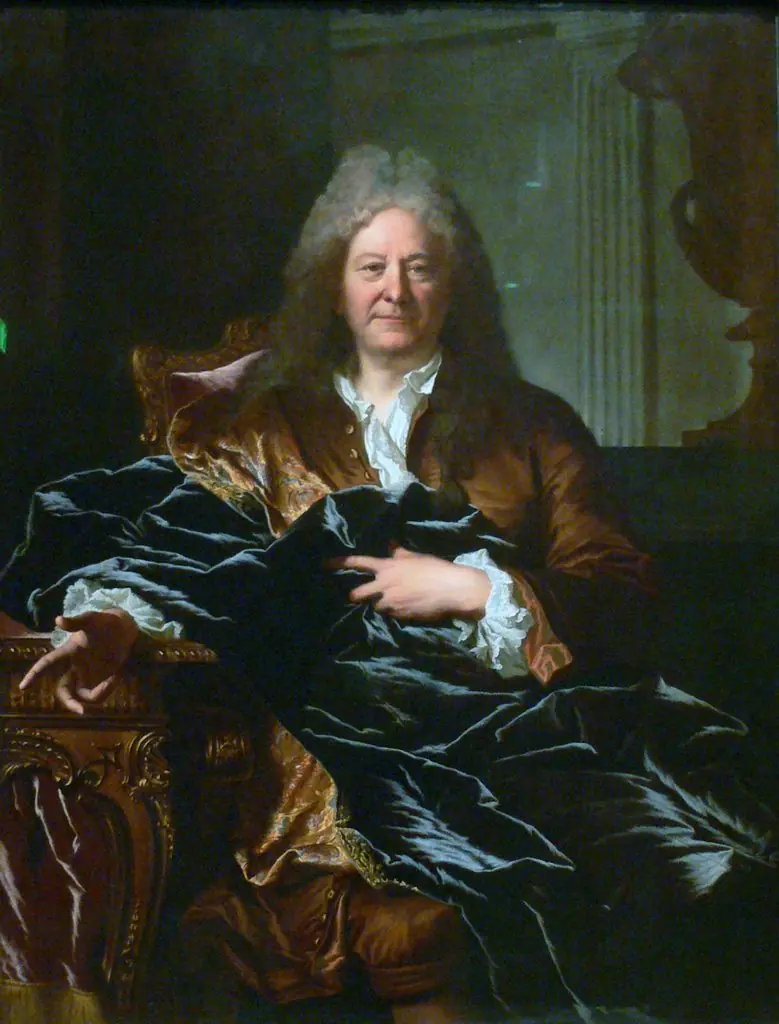 Antoine Pâris
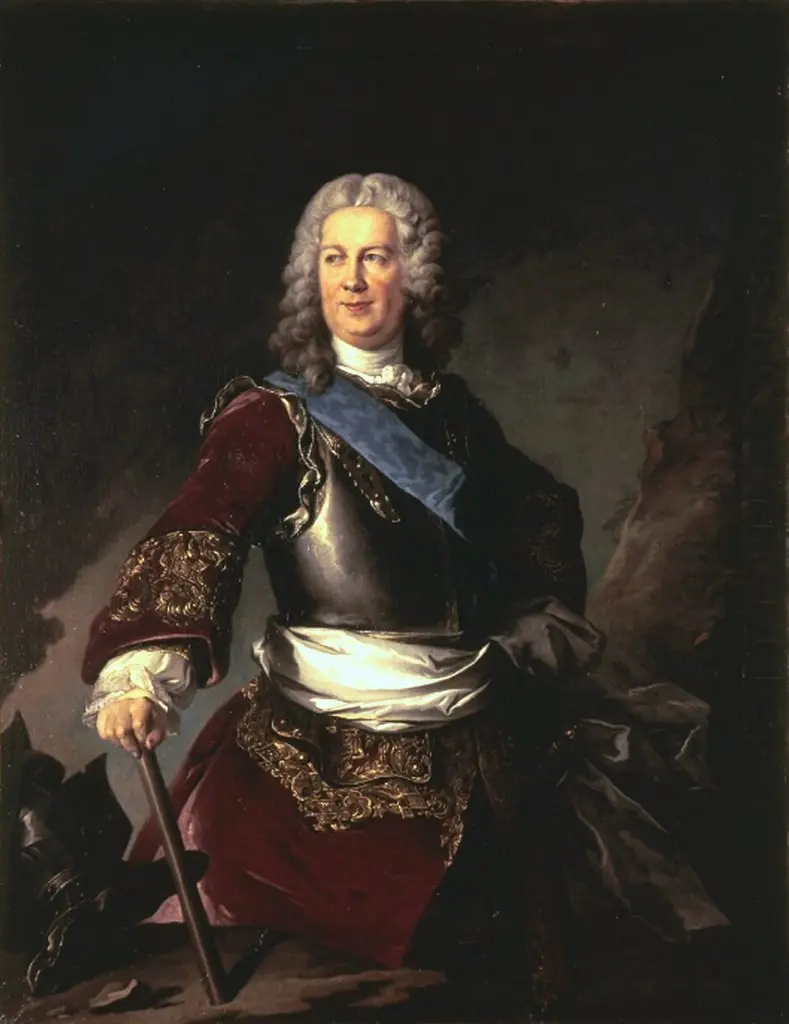 Thomas Goyon de Matignon (1684-1766), comte de Gacé, seigneur de Briquebec, Brigadier des armées du Roi en 1719.
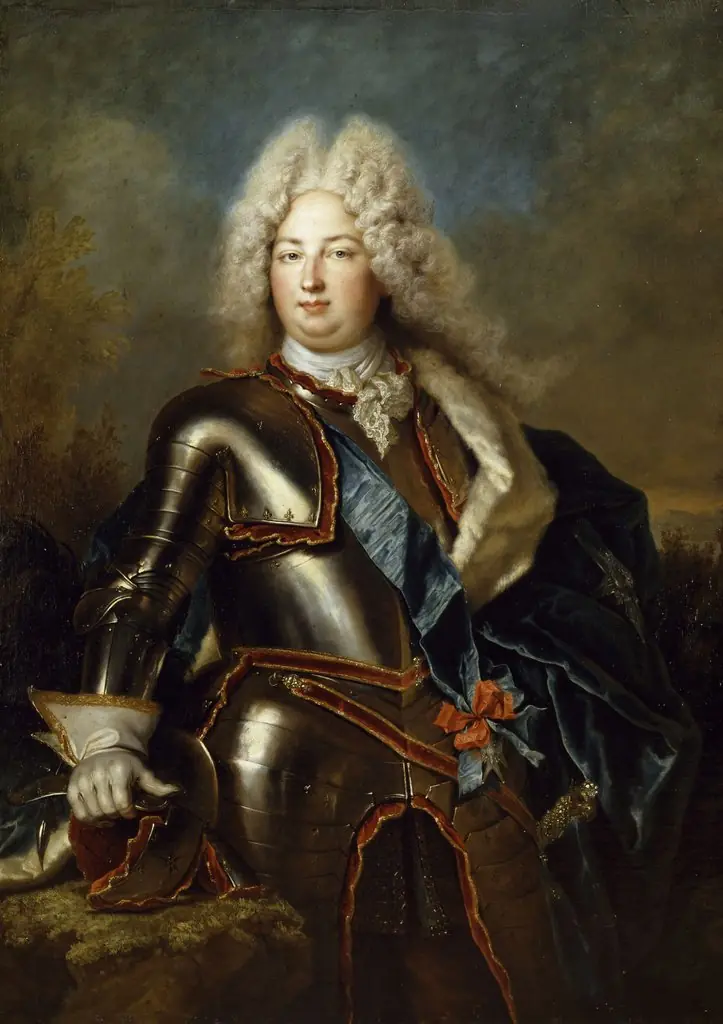 Charles of France, Duke of Berry
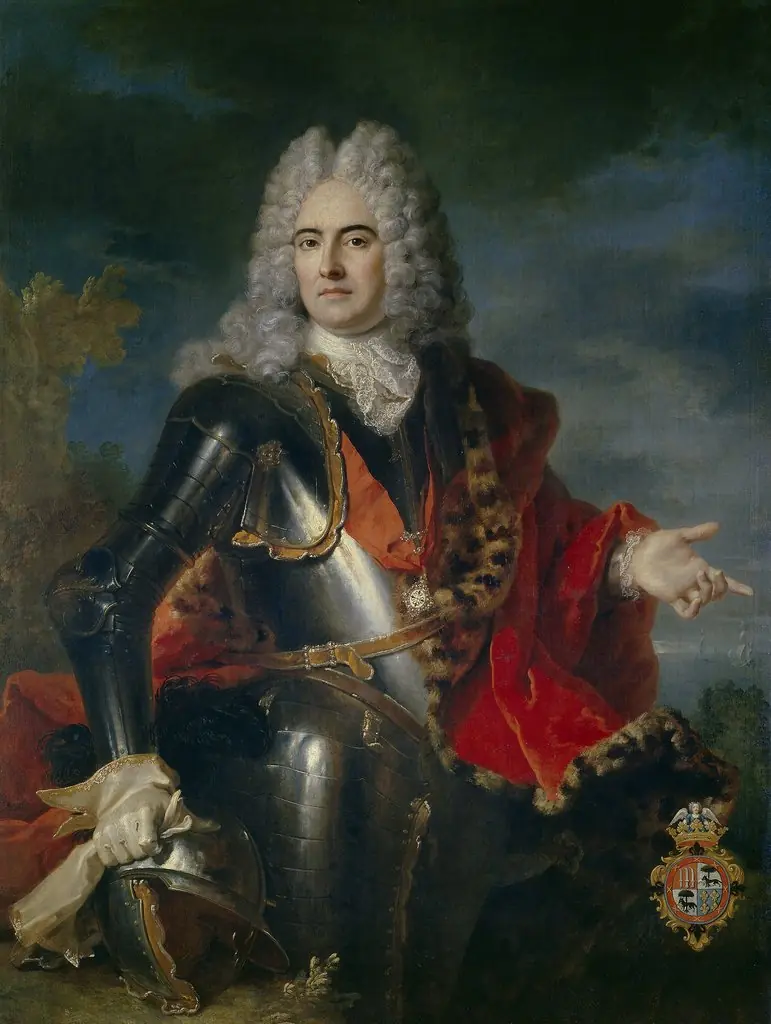 Don José de Rozas y Meléndez de la Cueva, first Count of Castelblanco
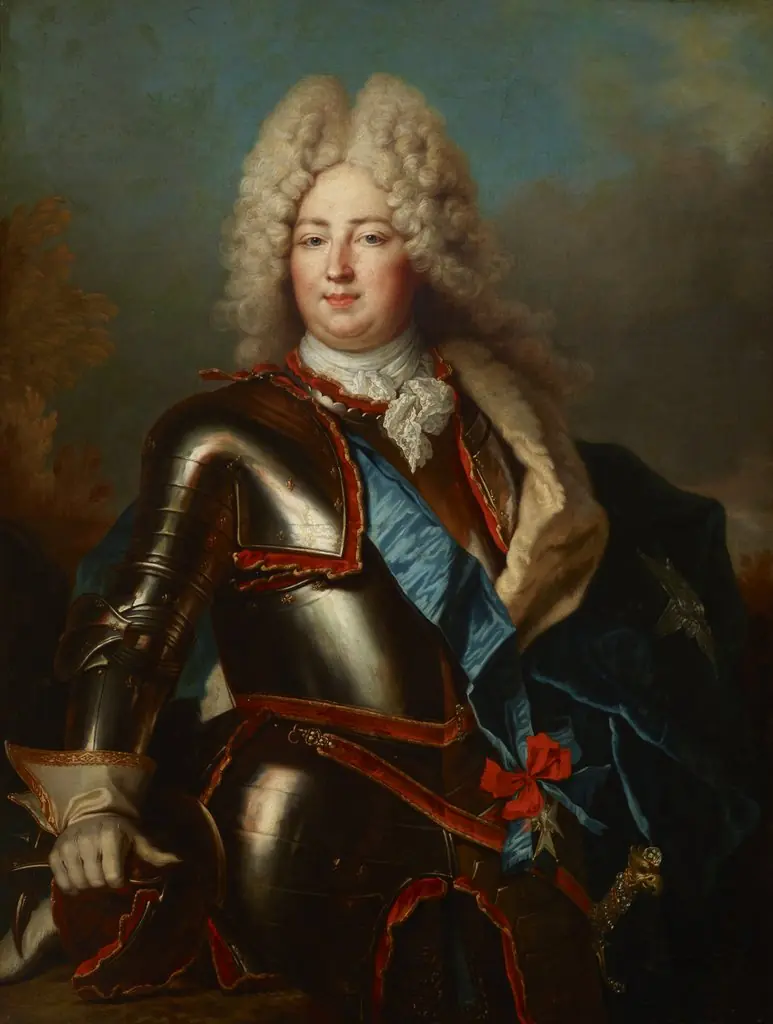 Portrait of Charles de France (1686–1714)
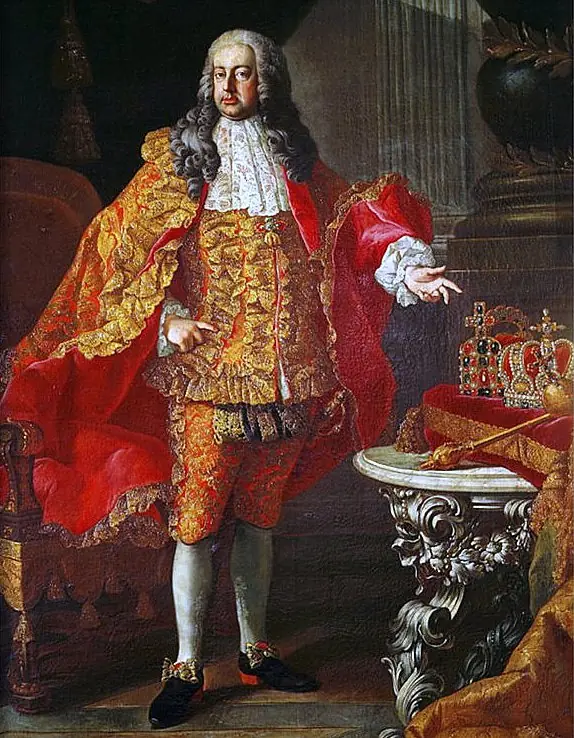 So-called Portrait of Charles VI of Austria
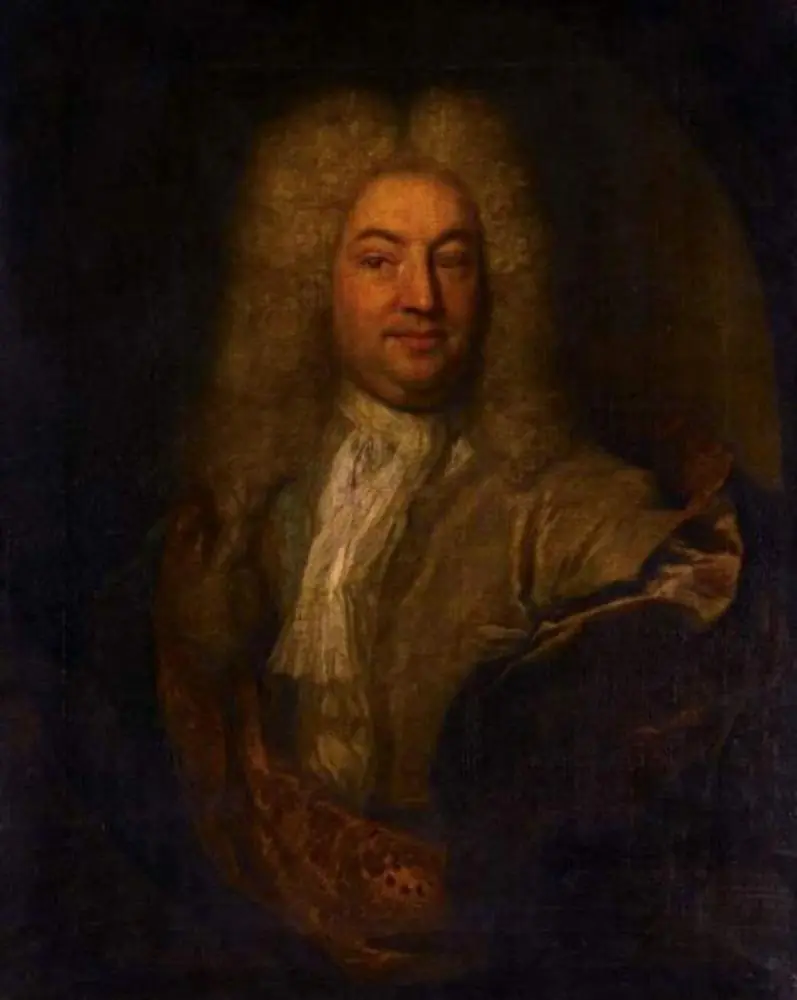 Portrait of Sir Matthew Decker, Bart
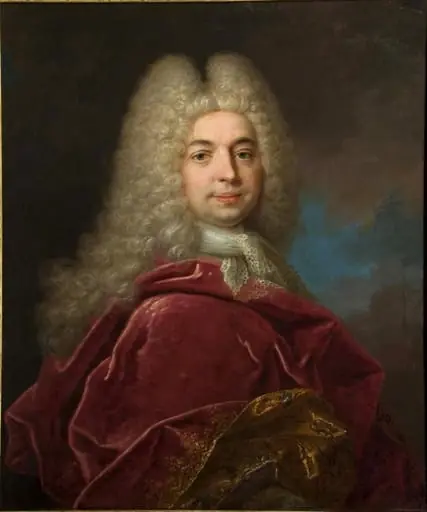 Portret de bărbat
 Portrait of the Duke of Antin
 Hans Wachtmeister af Johannishus, 1641-1714