Artwork
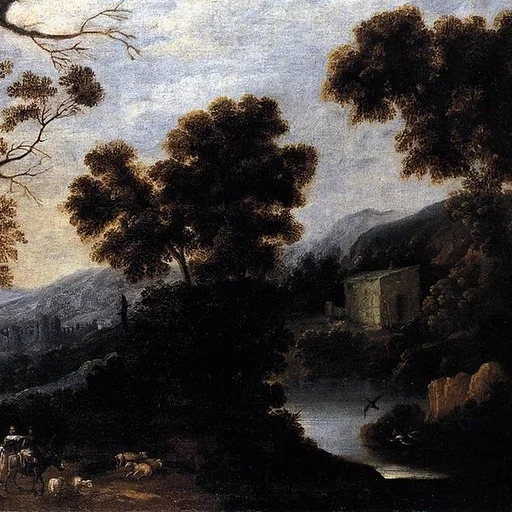
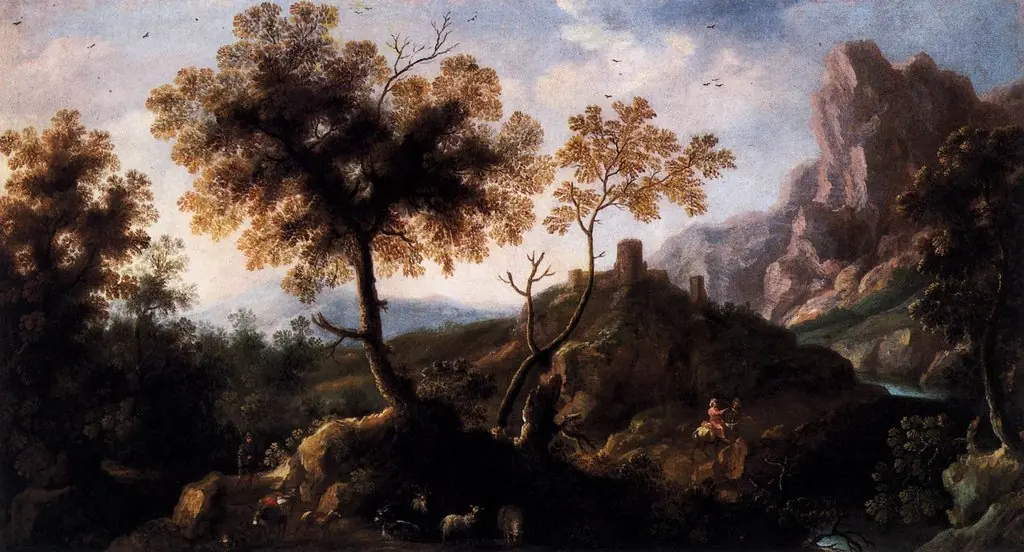
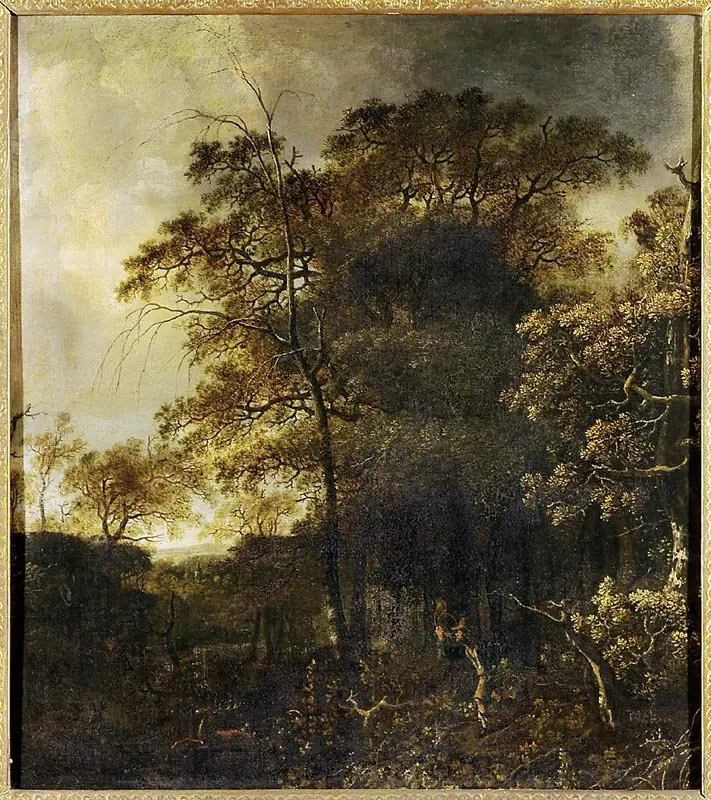
Landscape with Hunters
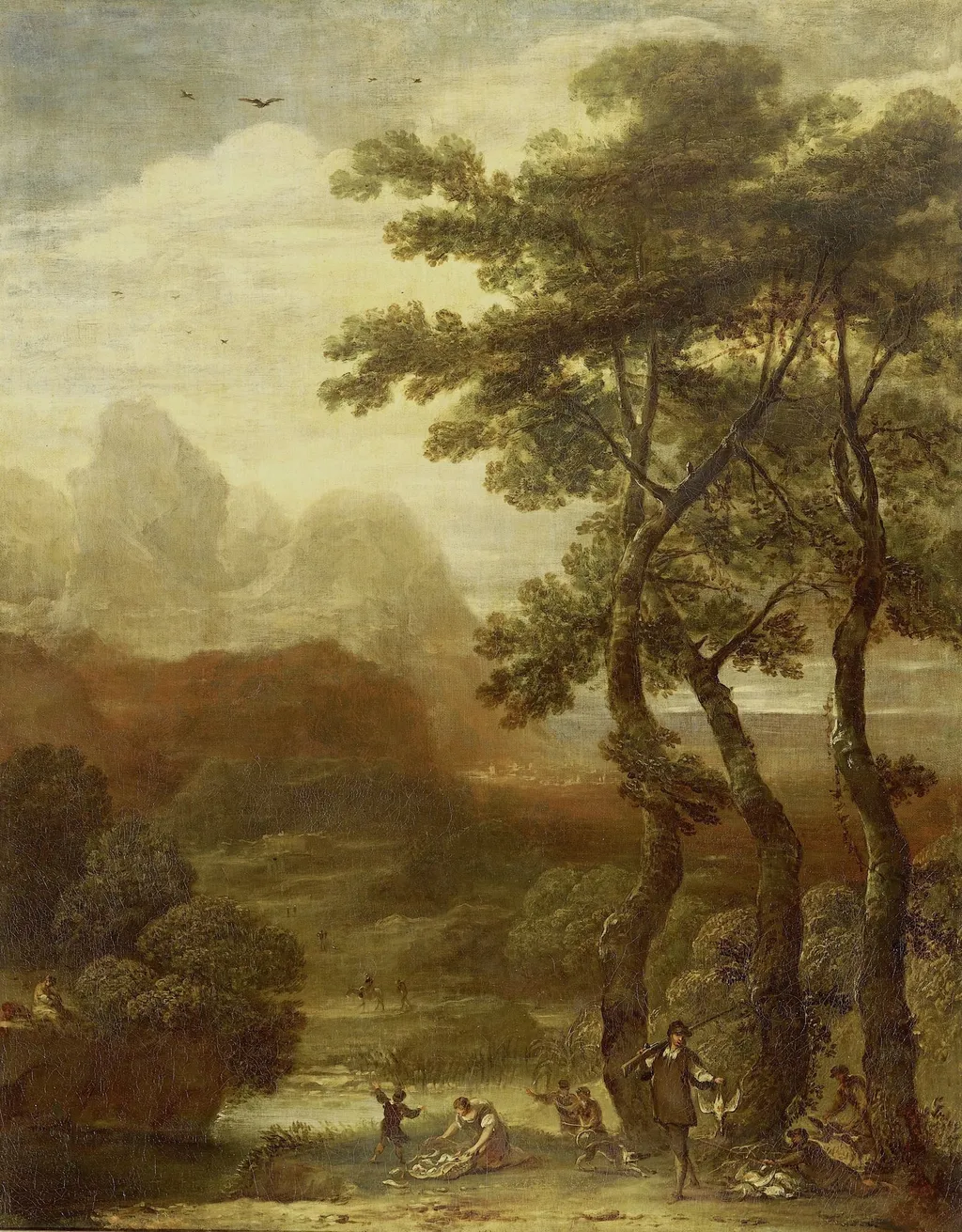
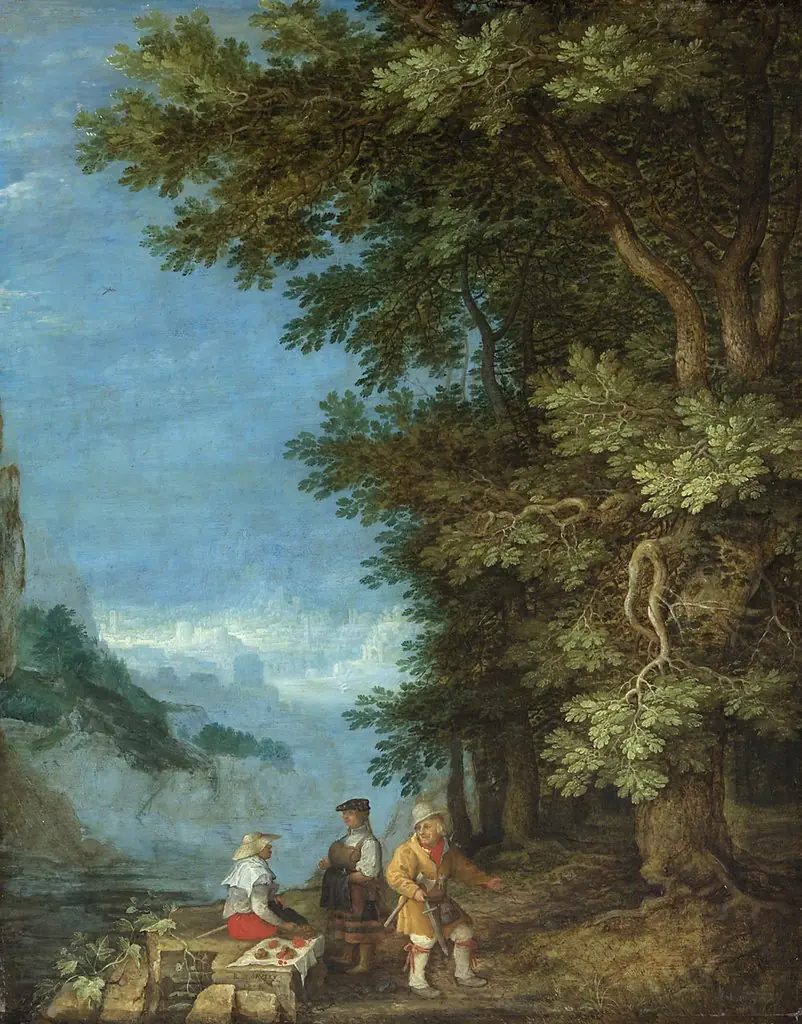
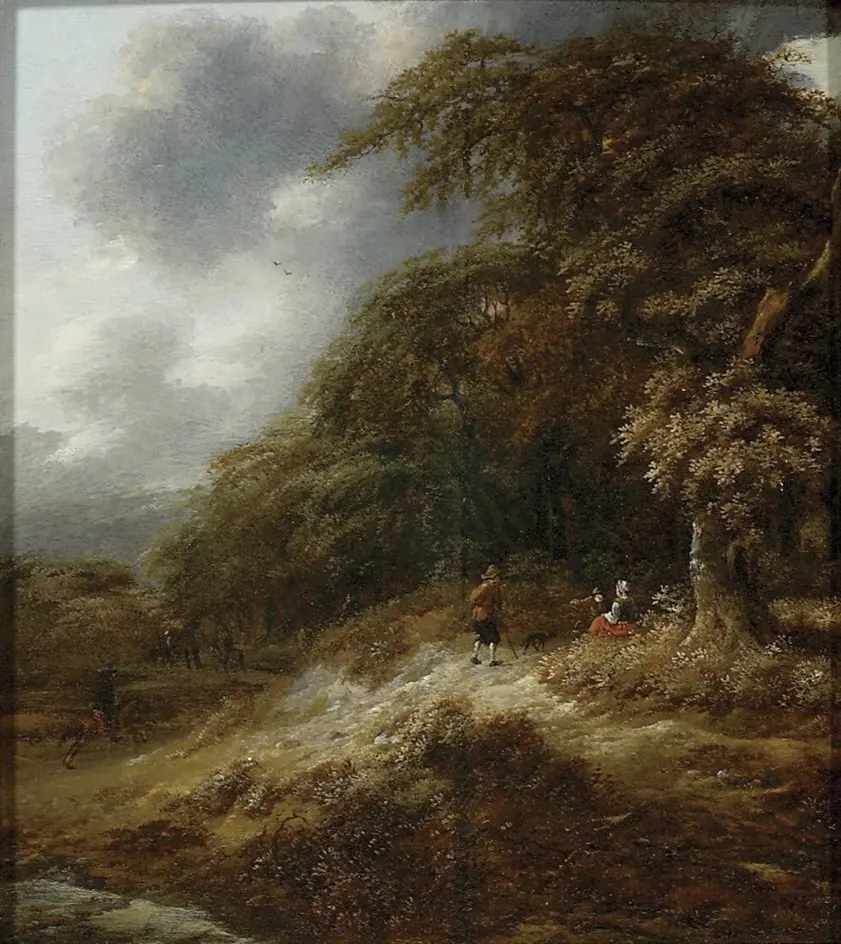
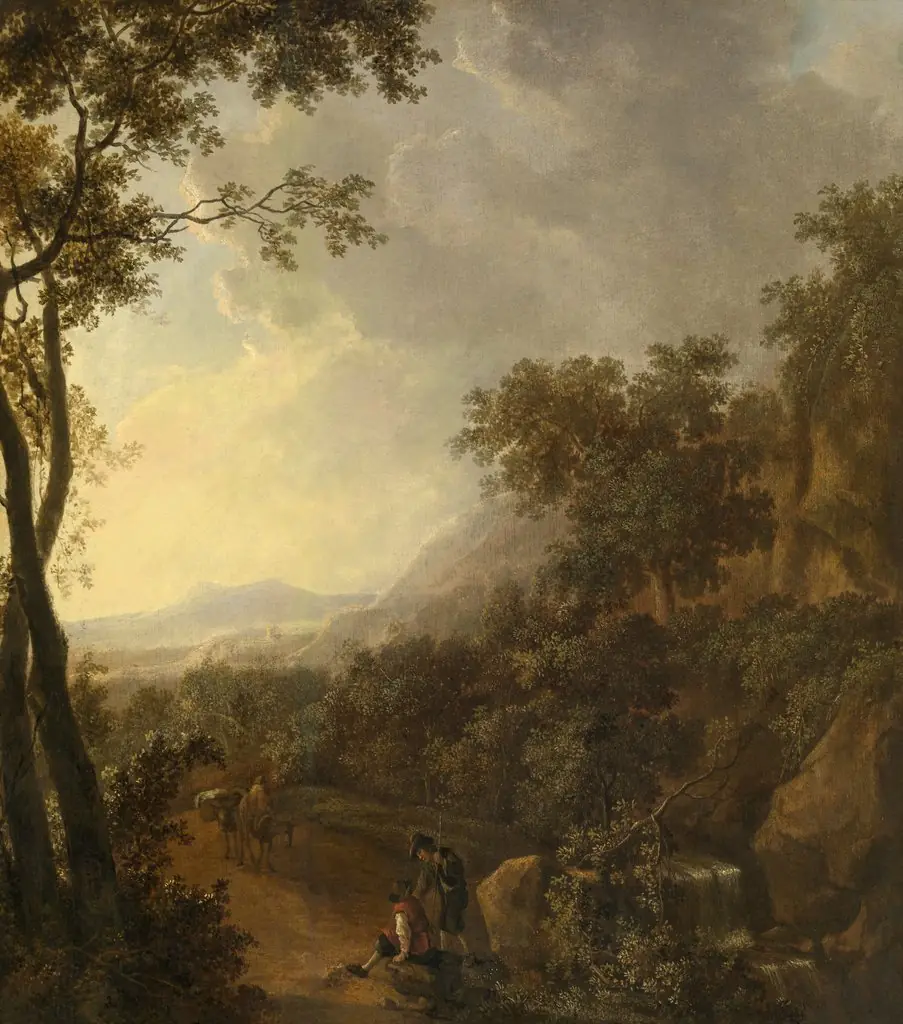
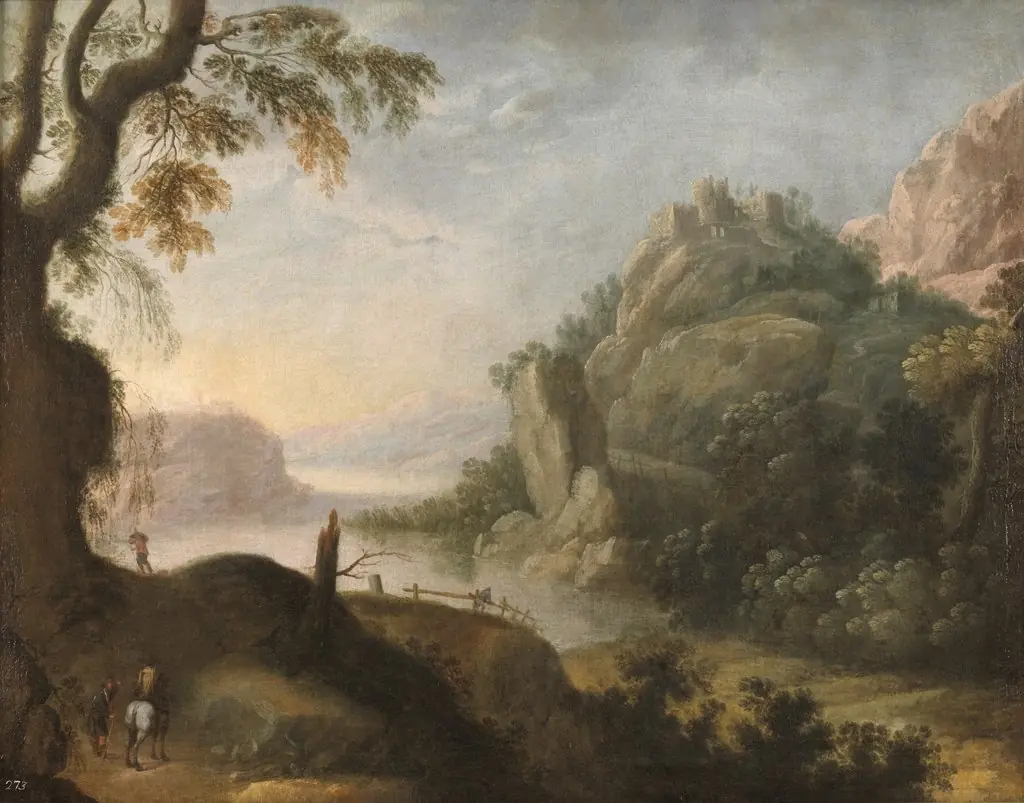
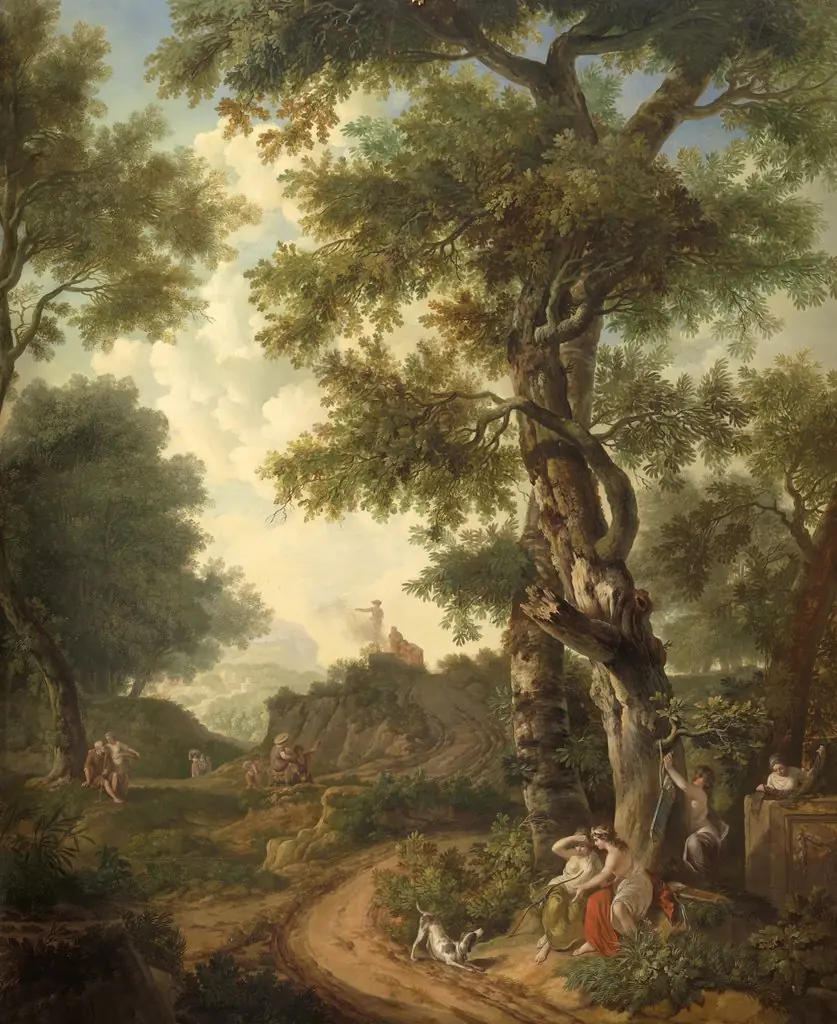
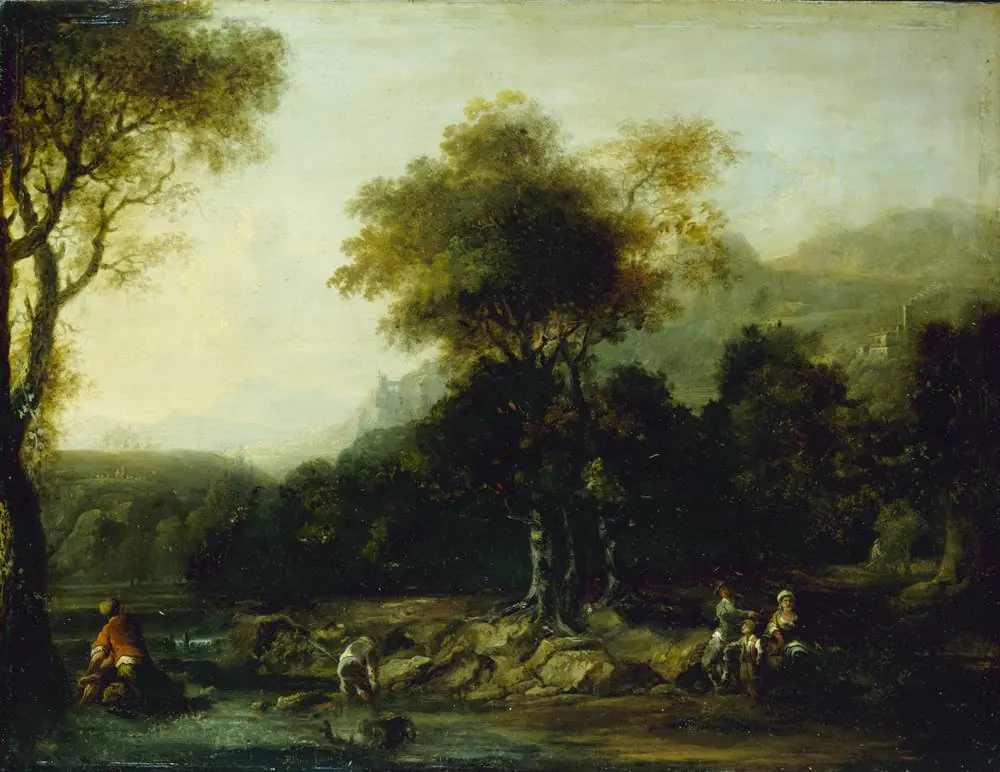
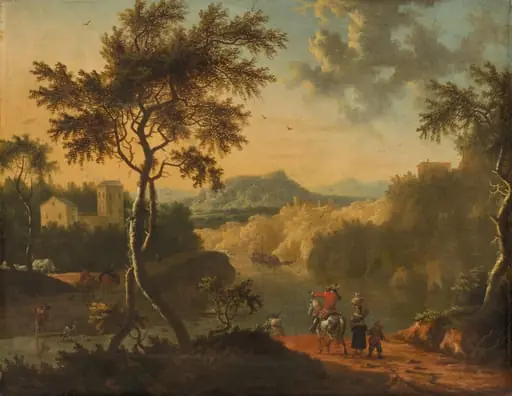
Landscape with Hunters is an unspecified painting by the Dutch Golden Age artist Ignacio de Iriarte. It dates from 1662 and is held in the collection of the Rijksmuseum.
About this work
Technique & Style
Ignacio de Iriarte specialized in oil painting on canvas, focusing on landscape subjects where he excelled in the use of color while avoiding the human figure.
Ignacio de Iriarte specialized in oil painting on canvas, focusing on landscape subjects where he excelled in the use of color while avoiding the human figure. His technique is characterized by the transparent rendering of air, lightness of foliage, and luminous depictions of water and skies. Stylistically, his works often feature wild, rugged scenes reminiscent of Salvator Rosa, showcasing a masterful employment of chiaroscuro. Although he frequently collaborated with Murillo, who added figures to Iriarte's backgrounds, Iriarte's independent landscapes are noted for their natural vigor, sometimes interpreted from prints. While specific details regarding the physical condition or dimensions of *Landscape with Hunters* are not recorded in the available sources, his general oeuvre demonstrates a distinct Baroque approach to atmospheric perspective and rugged terrain.
History & Provenance
Ignacio de Iriarte created Landscape with Hunters between 1640 and 1685. The work is classified as a painting and landscape, reflecting his specialization in the genre. Provenance details are limited to documented ownership in major institutions, including the Museo Nacional del Prado, Museo de Bellas Artes de Sevilla, and the Louvre, where additional works and drawings by the artist are held. The painting's dating aligns with Iriarte's active period in Seville, where he developed his landscape style under the influence of Murillo and Nordic merchants, as noted in archival records from 1660 onward.
The work emerged within a collaborative context typical of 17th-century Spanish art, where Iriarte painted landscapes while figures were often added by contemporaries like Murillo. An unfinished Madrid piece, left incomplete due to a professional dispute between the two artists, illustrates this working relationship. Iriarte's legacy rests on such landscapes, which he described as products of "divine inspiration," and his documented output includes securely attributed pieces like a 1660 landscape in the Dukes of Alba collection and a 1665 Prado work.
Context
Ignacio de Iriarte is recognized as the foremost exponent of wild, rugged landscapes in 17th-century Spain, a style often compared to that of Salvator Rosa. His contemporary reputation was significantly bolstered by his close association with Bartolomé Esteban Murillo, who famously declared that Iriarte's finest works were created through "Divine inspiration." This high regard led later critics to dub him the "Spanish Claude Lorrain."
Historically, Iriarte holds a pivotal place in the institutional development of Spanish art as a founding member and the first secretary of the Academy of Seville in 1660. While he initially collaborated with Murillo on composite works, a dispute regarding a series on the life of David ended their partnership, prompting Iriarte to focus exclusively on landscape painting. His oeuvre, though limited in securely attributed works, established him as the first artist of Basque origin to achieve fame beyond his native region.
Legacy
Ignacio de Iriarte's reputation as a pioneering Spanish Baroque landscape painter was rooted in his atmospheric treatment of nature and his collaborative practice with Murillo. Contemporary accounts noted that Murillo valued Iriarte's 'divine inspiration' in rendering skies and terrain, while Iriarte contributed meticulously composed backgrounds to Murillo's figure pieces. This partnership influenced later artists' approaches to integrating natural settings with narrative scenes. His works entered major collections early on, with the Prado acquiring key examples such as Landscape with Shepherds (1665), establishing a lasting presence in institutional displays. The 2025 acquisition of a previously attributed Landscape with Saint Jerome by the Museum of Fine Arts in Seville reaffirmed scholarly interest in his oeuvre and reinforced his standing as a reference point for Spanish landscape tradition.
Own this work as a print
Artist & collection