Artwork
Noli me tangere
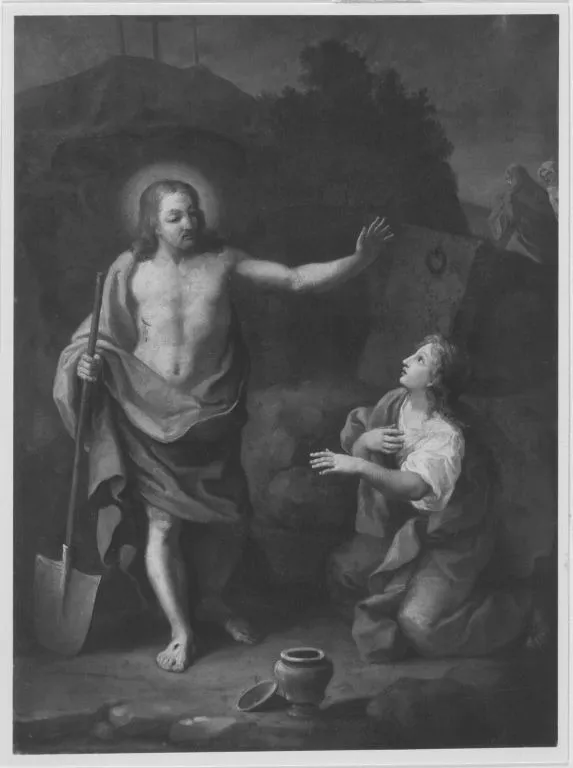
Noli me tangere is an unspecified painting by the Rococo painting artist Ignazio Stern. It dates from 1713 and is held in the collection of the Bavarian State Painting Collections.
About this work
Subject & Meaning
A gardener’s spade and a small mound of earth at Christ’s feet evoke the hortus conclusus, linking the scene to themes of resurrection and the sacred garden.
The painting depicts the moment from John 20:17 when the risen Christ tells Mary Magdalene, who has approached him in the garden, not to touch him (“Noli me tangere”). Stern’s composition centers on the standing figure of Christ, draped in luminous white robes, while Mary Magdalene kneels, her right hand extended toward him in a gesture of yearning. A gardener’s spade and a small mound of earth at Christ’s feet evoke the hortus conclusus, linking the scene to themes of resurrection and the sacred garden.
The work emphasizes restraint and divine separation rather than physical contact, underscoring the boundary between the earthly and the sacred.
History & Provenance
Noli me tangere is a religious painting by Ignazio Stern dated 1713. According to the Wikidata record, the work has an inception date of 1713-01-01 and entered the Bavarian State Painting Collections, where it is held at the Alte Pinakothek. No further details about its commission, earlier ownership, or chain of custody prior to the Bavarian State Painting Collections are documented in the available sources.
Ignazio Stern's 1713 painting Noli me tangere is held by the Bavarian State Painting Collections. The work is located within the Alte Pinakothek museum in Munich. While the specific inventory or accession number is not provided in the available records, the artwork remains part of this major public collection.
The piece was created in 1713 and depicts the biblical scene of Mary Magdalene encountering the resurrected Jesus Christ.
Overview
Ignazio Stern’s Noli me tangere, painted in 1713, presents a biblical encounter between the risen Christ and Mary Magdalene. The composition places a barefoot male figure in a simple robe at the center, his right hand raised and left hand gripping a staff, while a kneeling woman looks upward with clasped hands. A modest pot rests near her feet, and a faint halo encircles the man’s head against a rocky hillside backdrop.
Technique & Style
Executed during the early Rococo phase, the work retains Stern’s Baroque training through its dramatic chiaroscuro and dynamic pose. The palette is restrained, emphasizing soft flesh tones and muted earth colors, while the delicate handling of light around the figure’s head hints at the emerging Rococo taste for subtle elegance and gentle illumination.
Artist & collection
Artist
Ignazio Stern (or Ignaz Stern) (January 17, 1679 – May 28, 1748), born in Mauerkirchen in Upper Austria in the Archduchy of Austria, was a Baroque painter who worked in Rome, dying there in 1748.

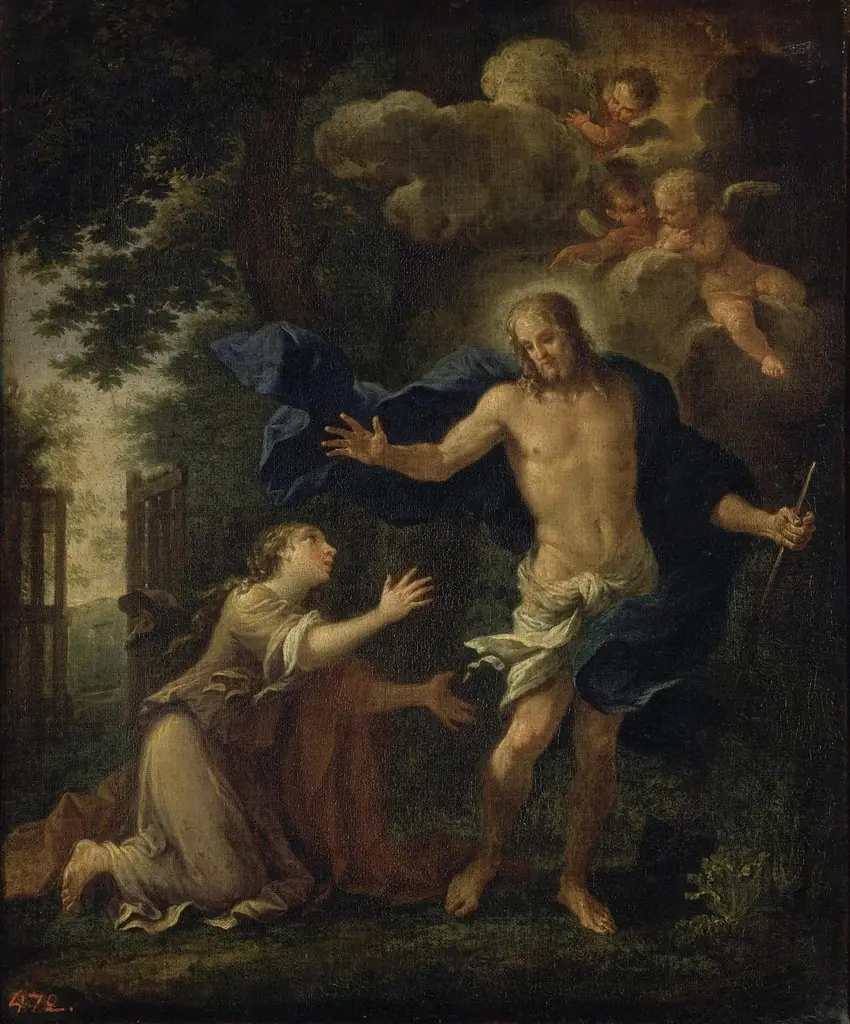
- Appearance of Christ to Mary Magdalene
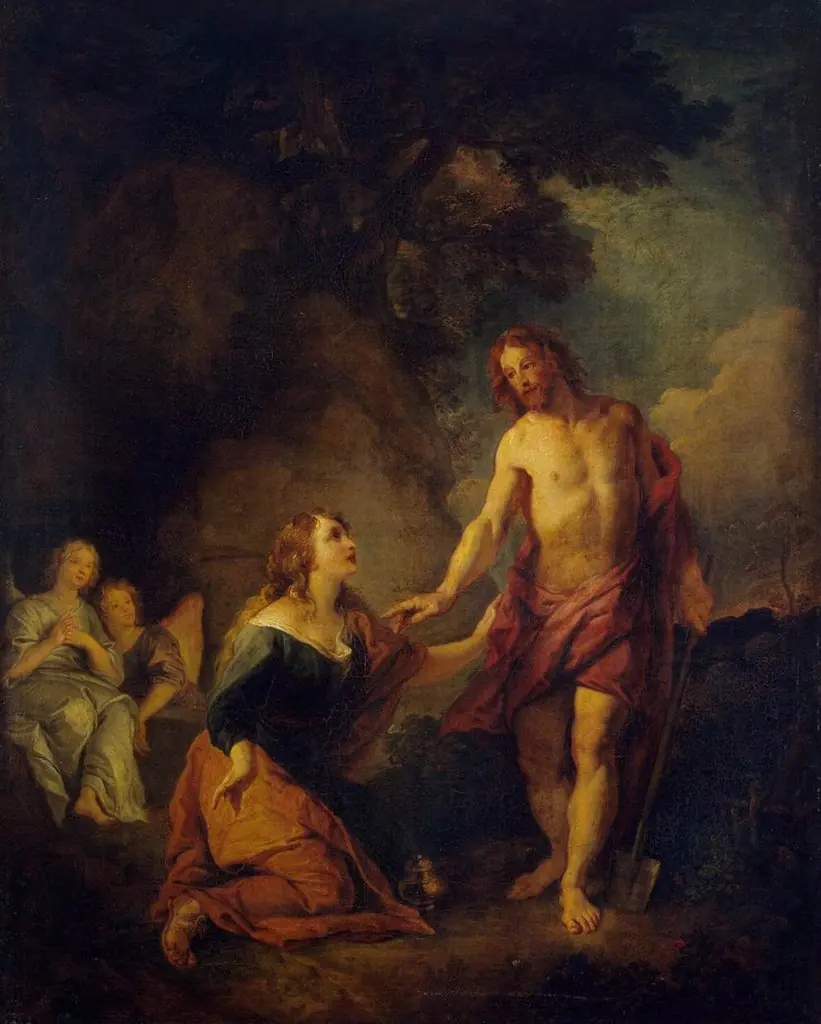 Christ Appearing to Mary Magdalene
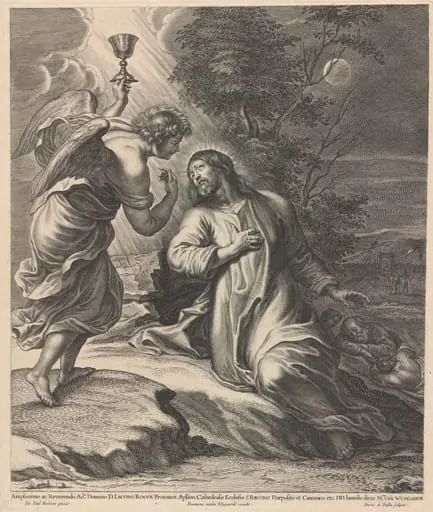 Christ on the Mount of Olives
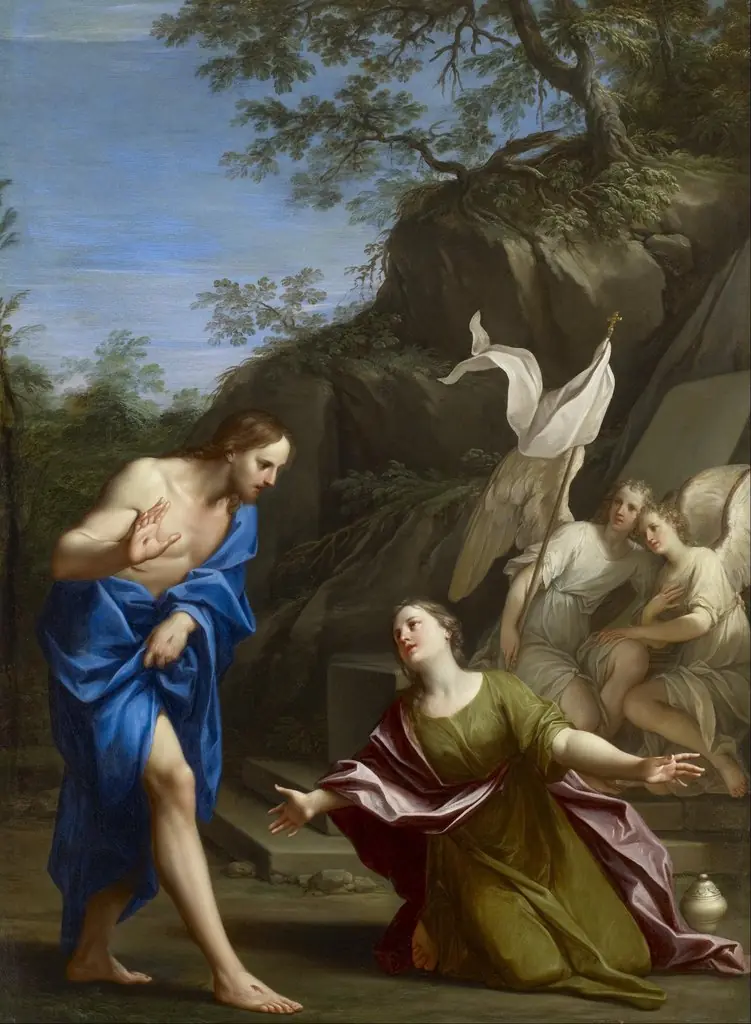 Noli Me Tangere ("Touch me not")
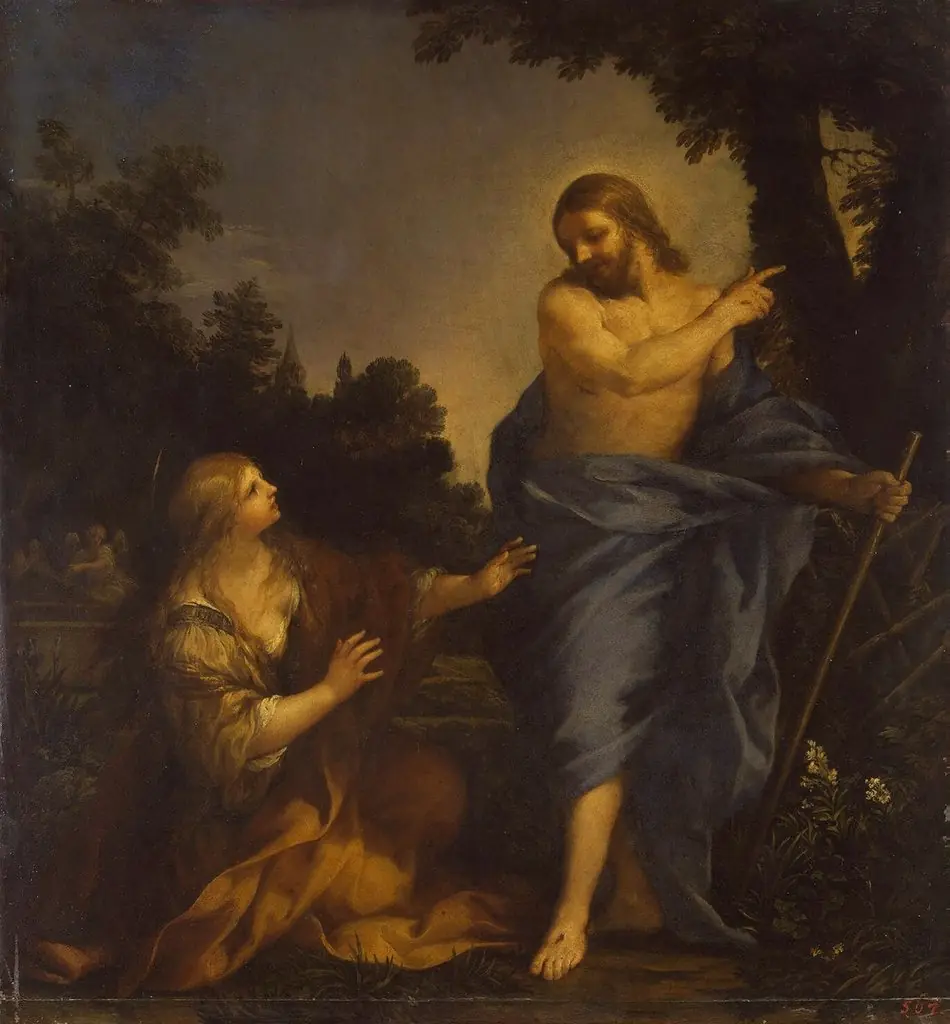 Christ Appearing to Mary Magdalene
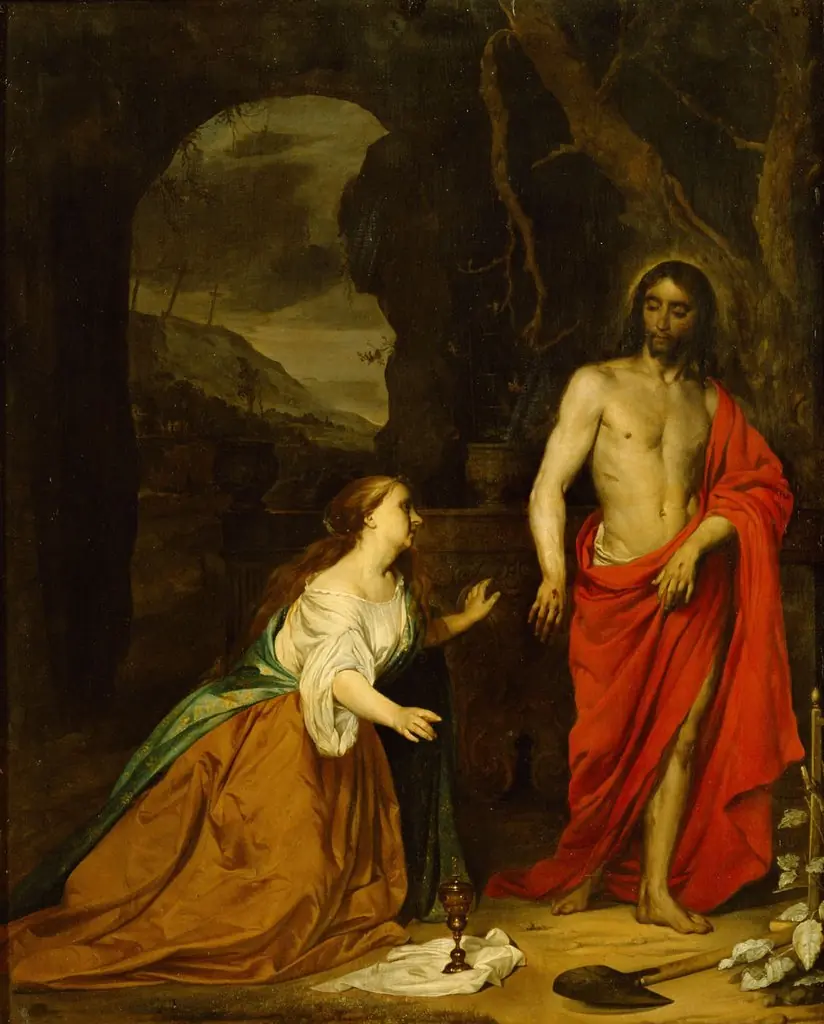 Noli me tangere
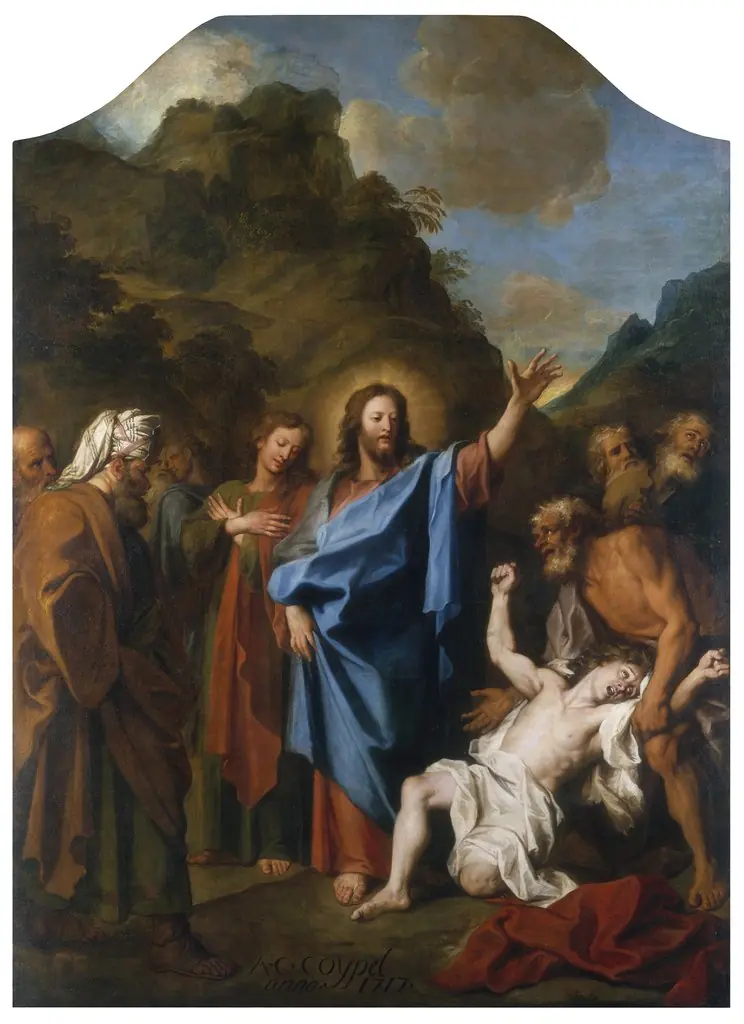 Christ Curing a Possessed Man
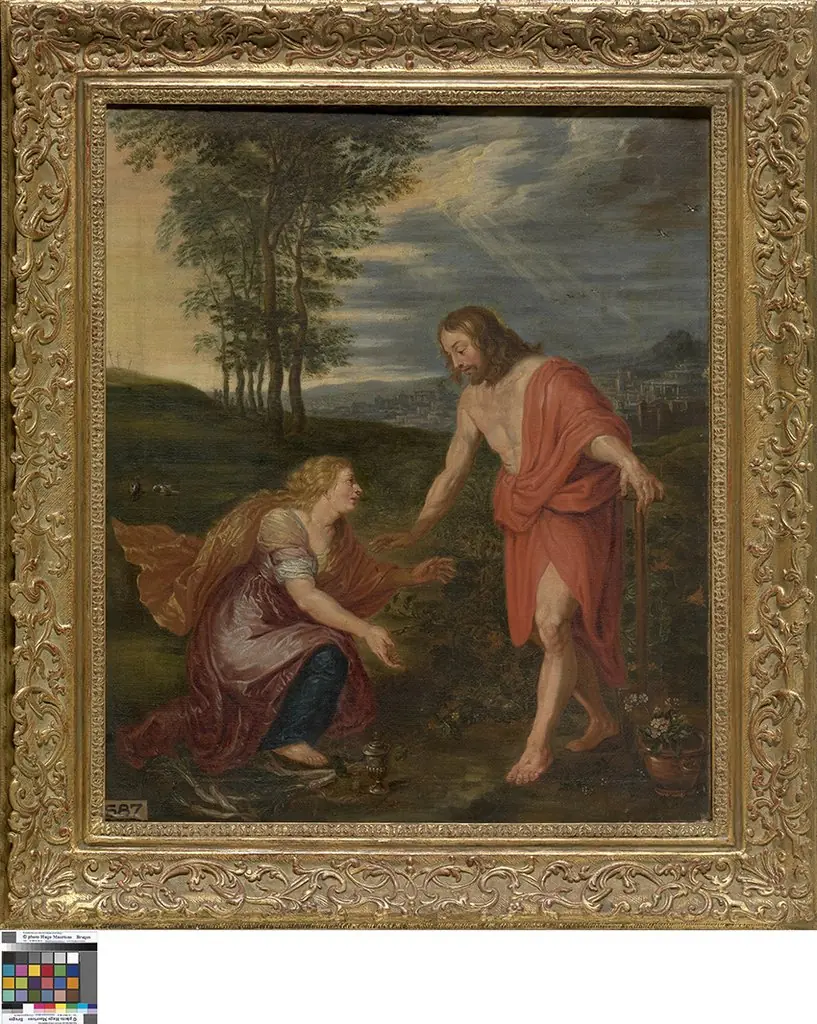 Noli me tangere
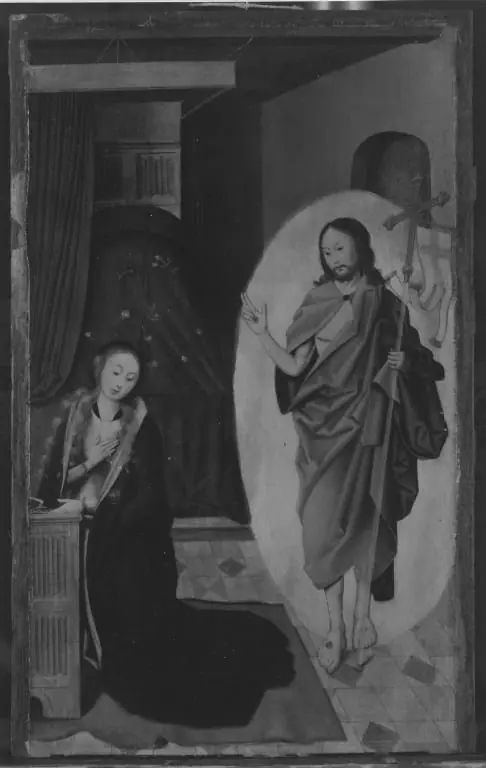 Erscheinung des auferstandenden Christus vor Maria
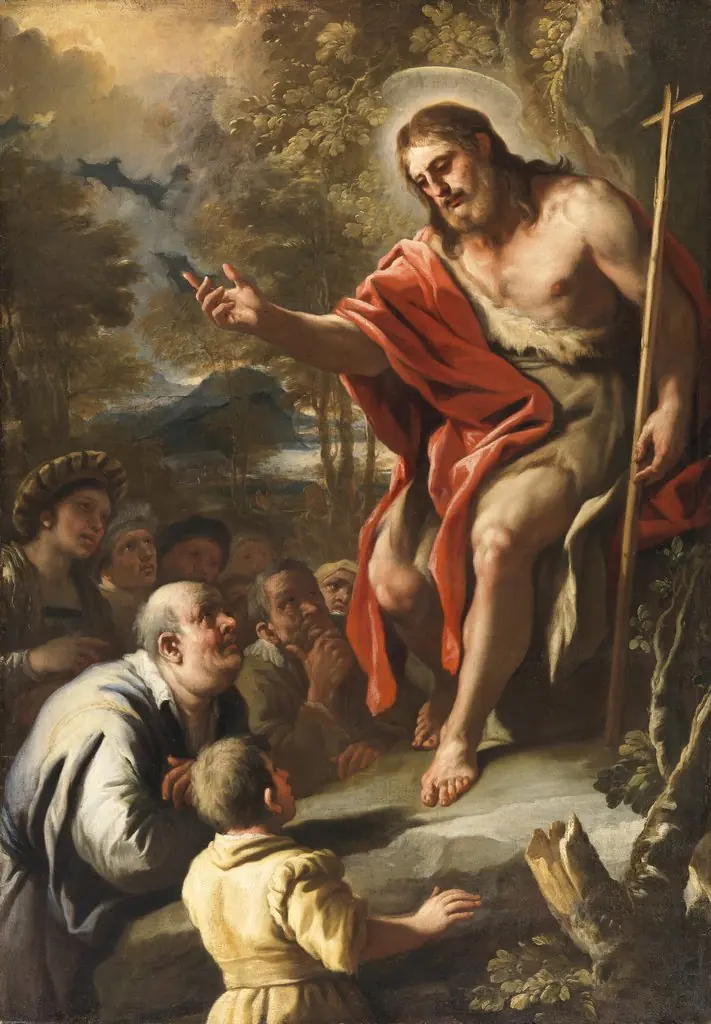 Saint John Preaching in the Wilderness
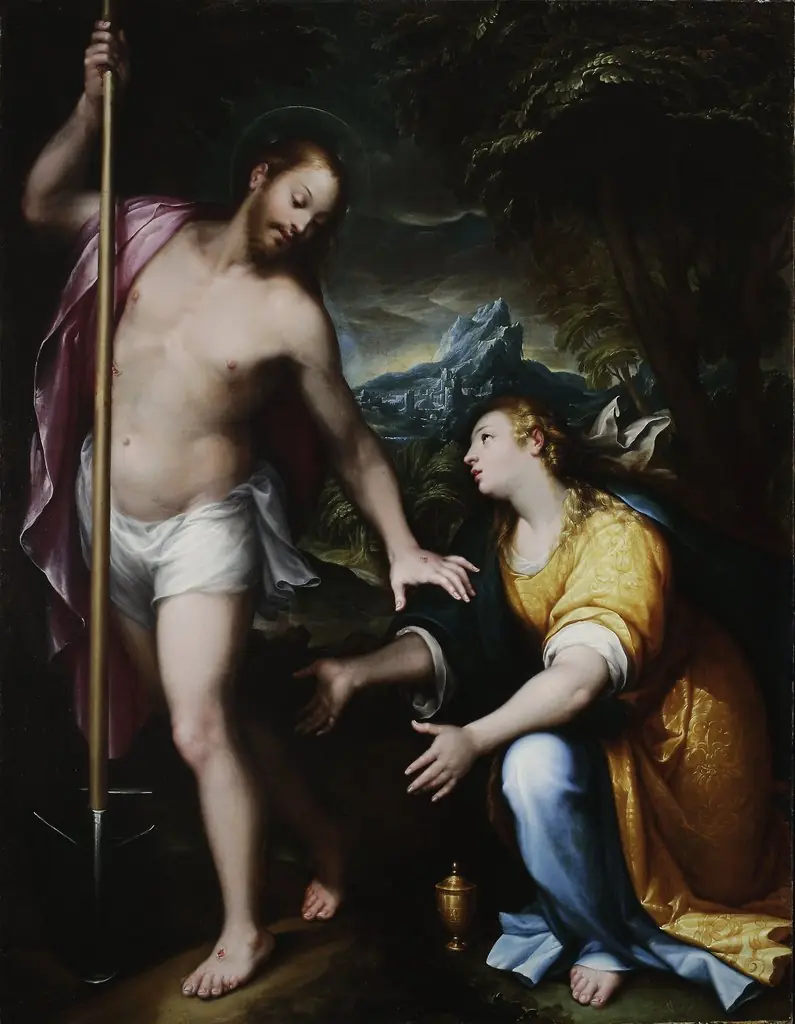 “Noli me tangere” – Resurrected Christ appearing to Mary Magdalene (John 20:14-17)
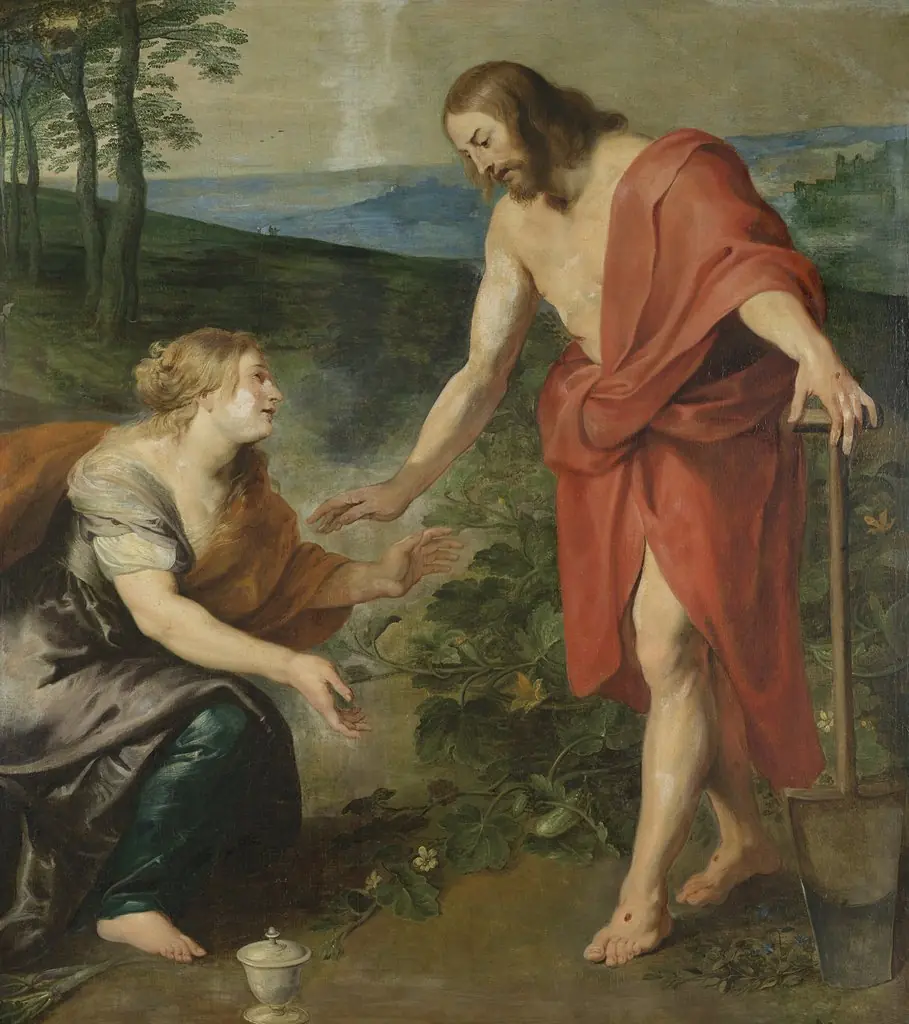 'Noli me tangere': the meeting of Christ and Mary Magdalene