Artwork
Christ Appearing to Mary Magdalene
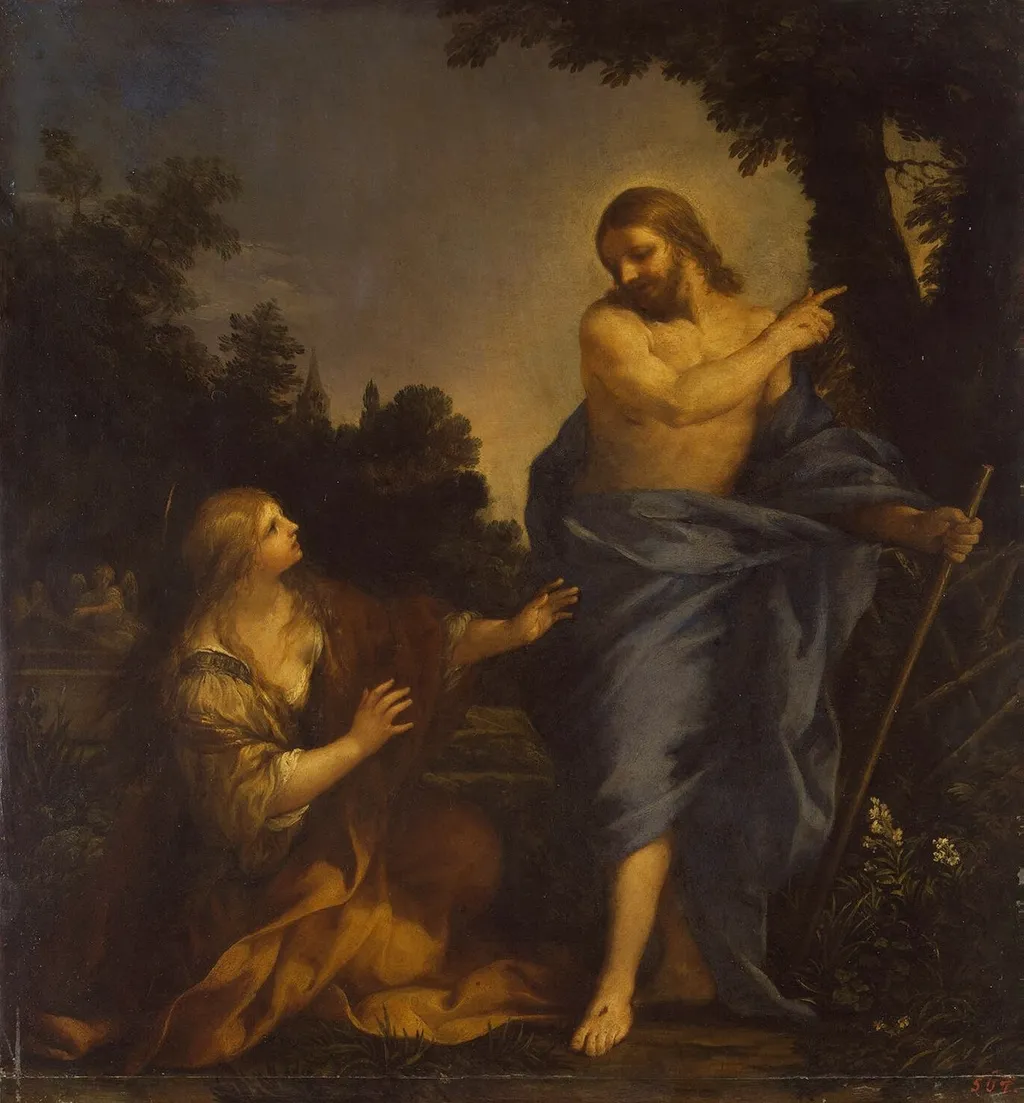
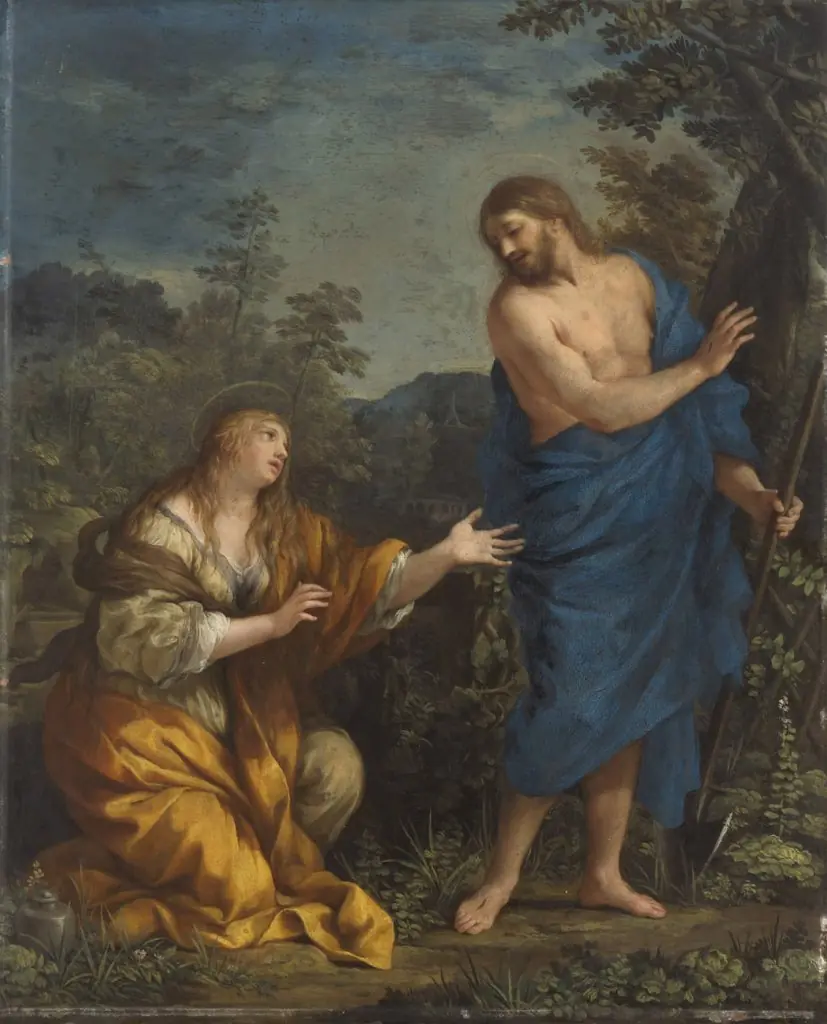
Christ Appearing to Mary Magdalene is an oil painting by the High Baroque Italian artist Pietro da Cortona. It dates from 1645 and is held in the collection of the Hermitage Museum.
About this work
Overview
Pietro da Cortona’s Christ Appearing to Mary Magdalene (1645) is an oil on canvas executed in the high Baroque style. The work, now part of the State Hermitage Museum’s collection, portrays a luminous encounter between the resurrected Christ and the penitent Mary Magdalene within a shadowy forest setting.
Subject & Meaning
The composition depicts a half‑clothed Christ, haloed and serene, extending a staff upward while a kneeling Mary Magdalene reaches toward him. The gesture suggests revelation and redemption, echoing the biblical narrative of Christ’s post‑resurrection appearance to the devoted disciple.
Technique & Style
Cortona employs dramatic chiaroscuro, contrasting a warm, golden illumination that envelops the two figures with a deep, tenebrous woodland background. The rendering of flesh and drapery, combined with a subtle gradation of light, creates a three‑dimensional presence typical of Roman Baroque painting.
History & Provenance
Created during Cortona’s mature period, the painting reflects his dual reputation as a fresco painter and architect. After remaining in private or ecclesiastical hands, it entered the State Hermitage Museum’s holdings, where it is displayed among other 17th‑century Italian religious works.
Context
Cortona worked alongside contemporaries such as Gian Lorenzo Bernini, contributing to the visual language of Roman Baroque that emphasized theatricality, emotional intensity, and dynamic composition. This canvas illustrates his ability to translate the grandiosity of ceiling frescoes into the more intimate scale of easel painting.
Artist & collection
Artist
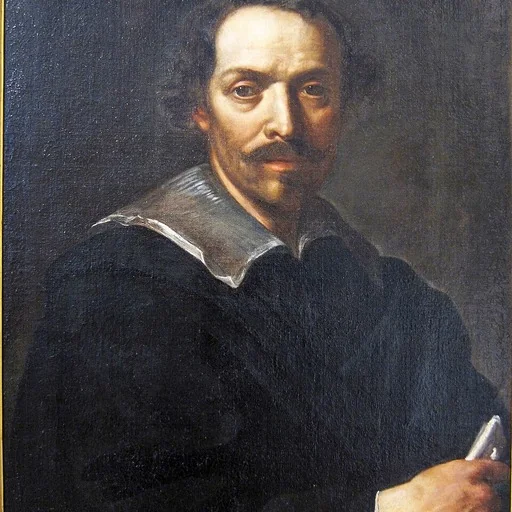
Pietro da Cortona (Italian:; 1 November 1596 or 1597 – 16 May 1669) was an Italian Baroque painter and architect.

 Noli me tangere
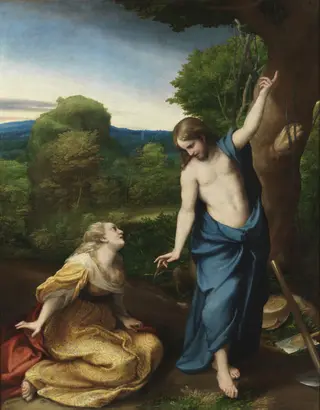 Noli me tangere
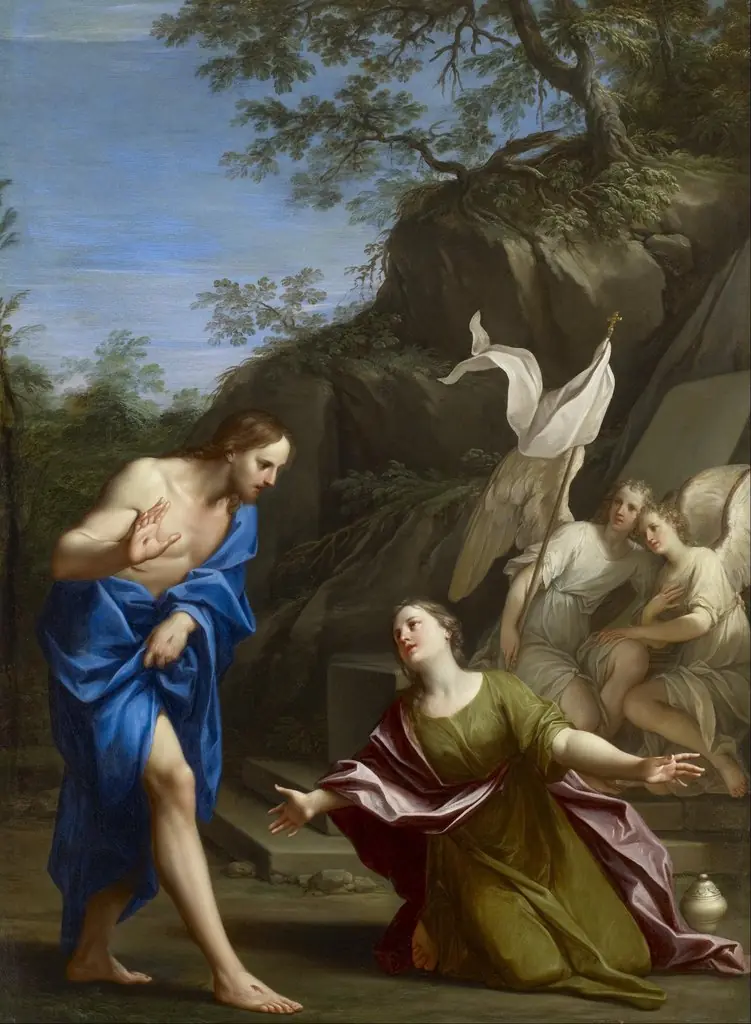 Noli Me Tangere ("Touch me not")
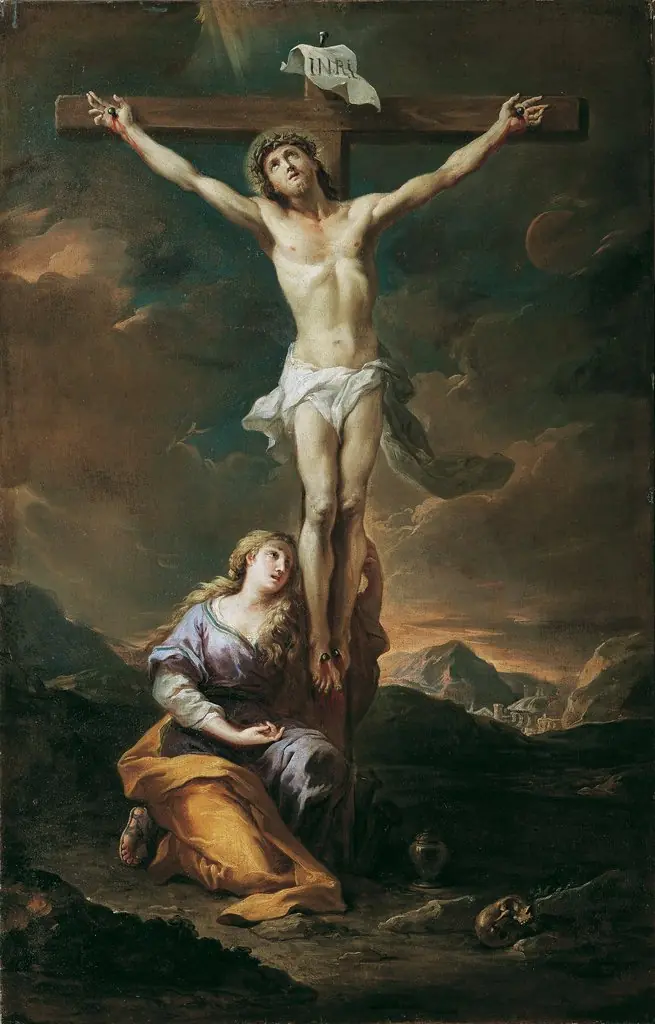 Crucifix with Mary Magdalene
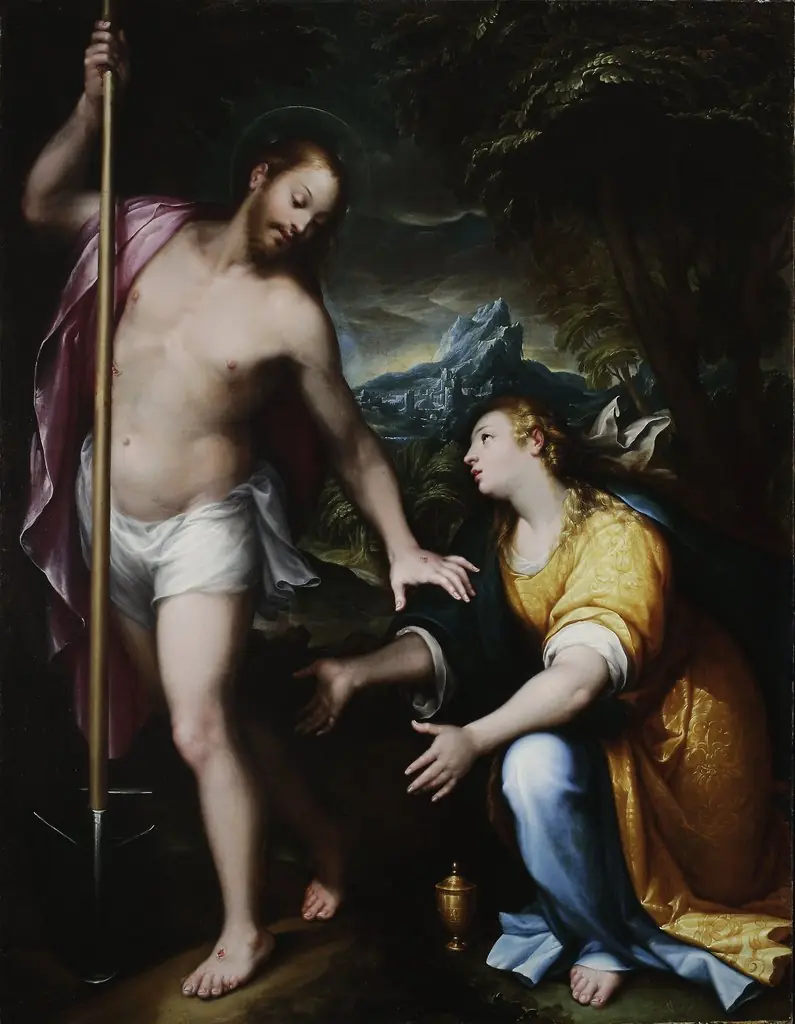 “Noli me tangere” – Resurrected Christ appearing to Mary Magdalene (John 20:14-17)
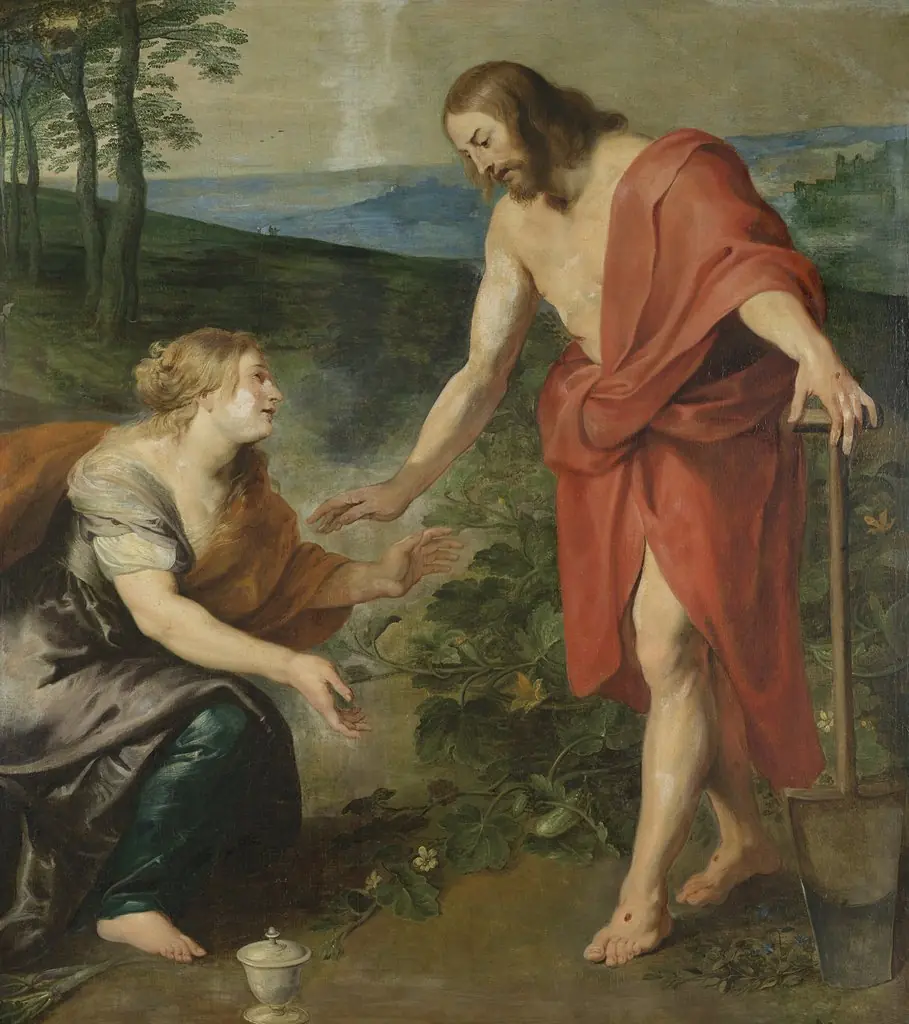 'Noli me tangere': the meeting of Christ and Mary Magdalene
 Christ Appearing to Mary Magdalen as a Gardener (Noli me Tangere)
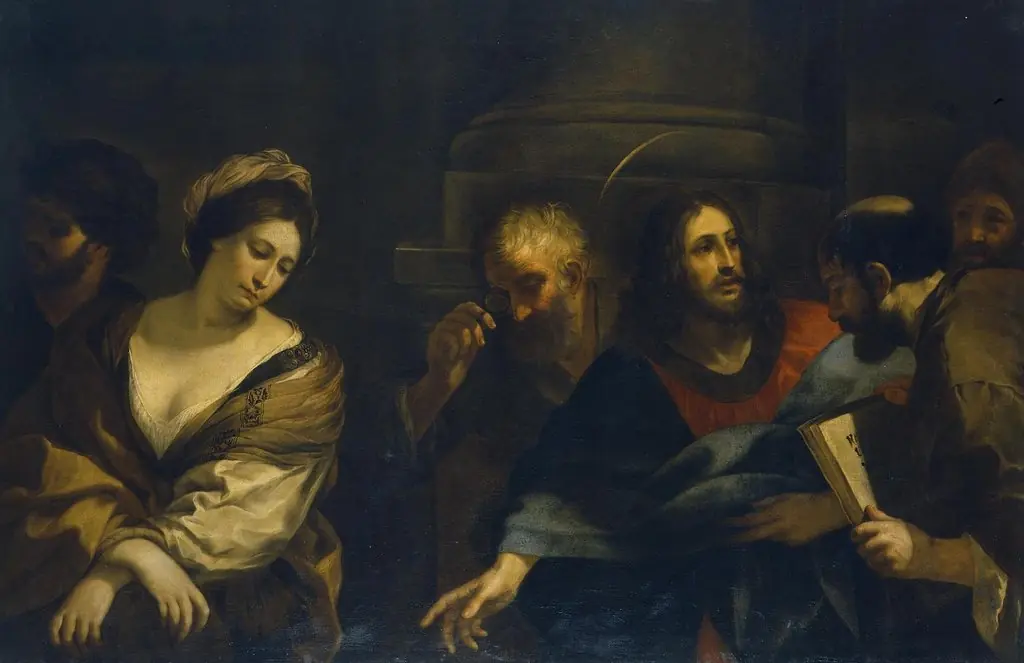
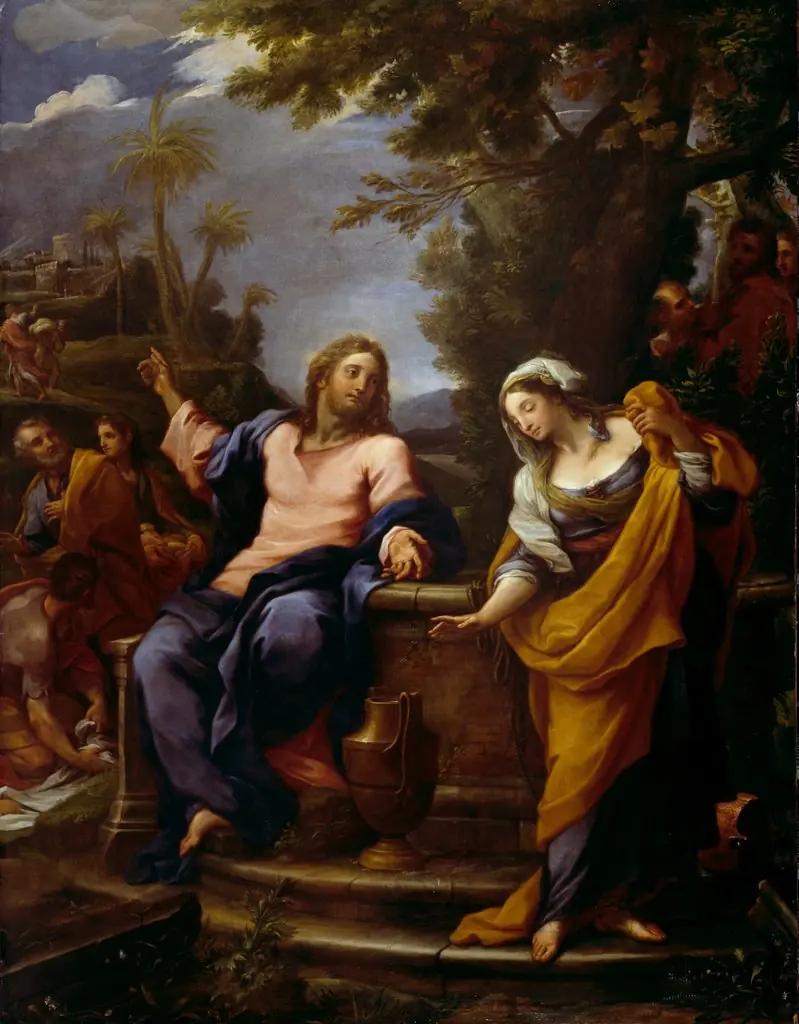 Christ and the Samaritan Woman
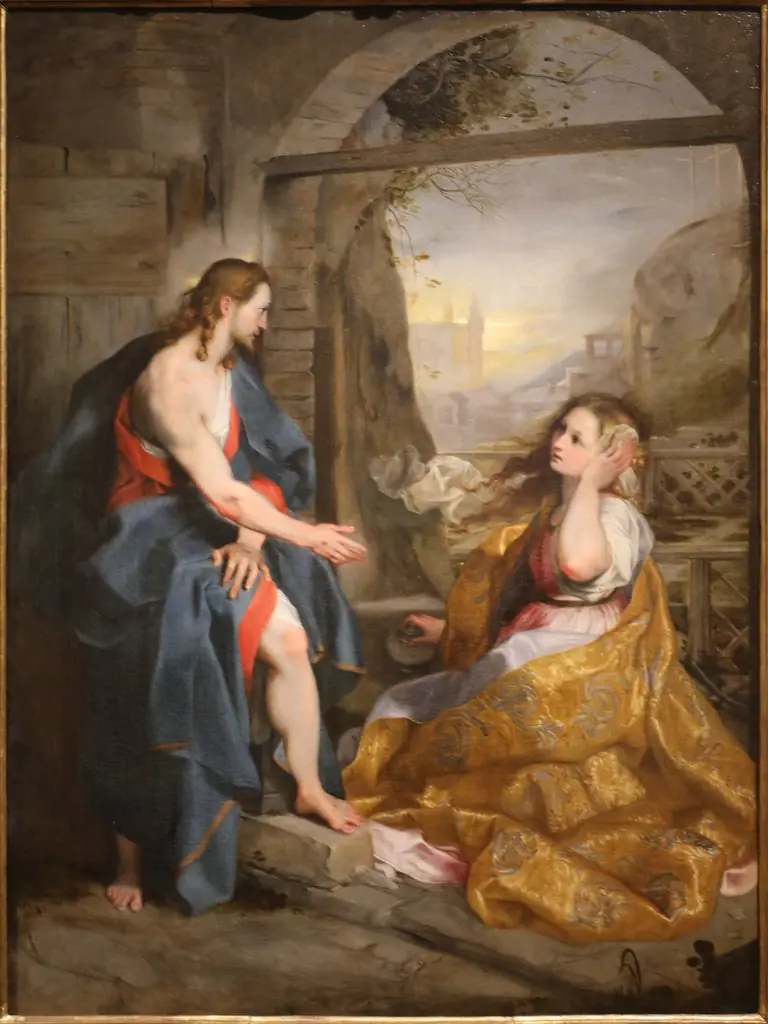 Noli me tangere
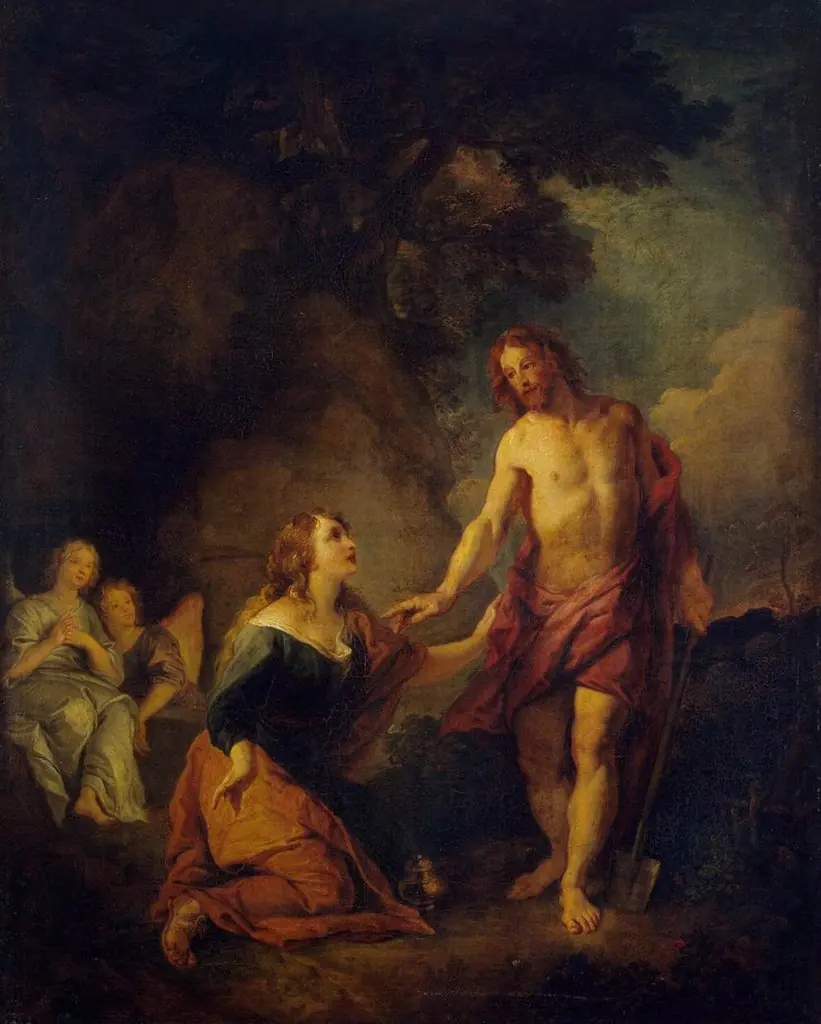
 Noli me Tangere (Christ Appearing as a Gardener to Mary Magdalene)