Artwork
Noli me tangere
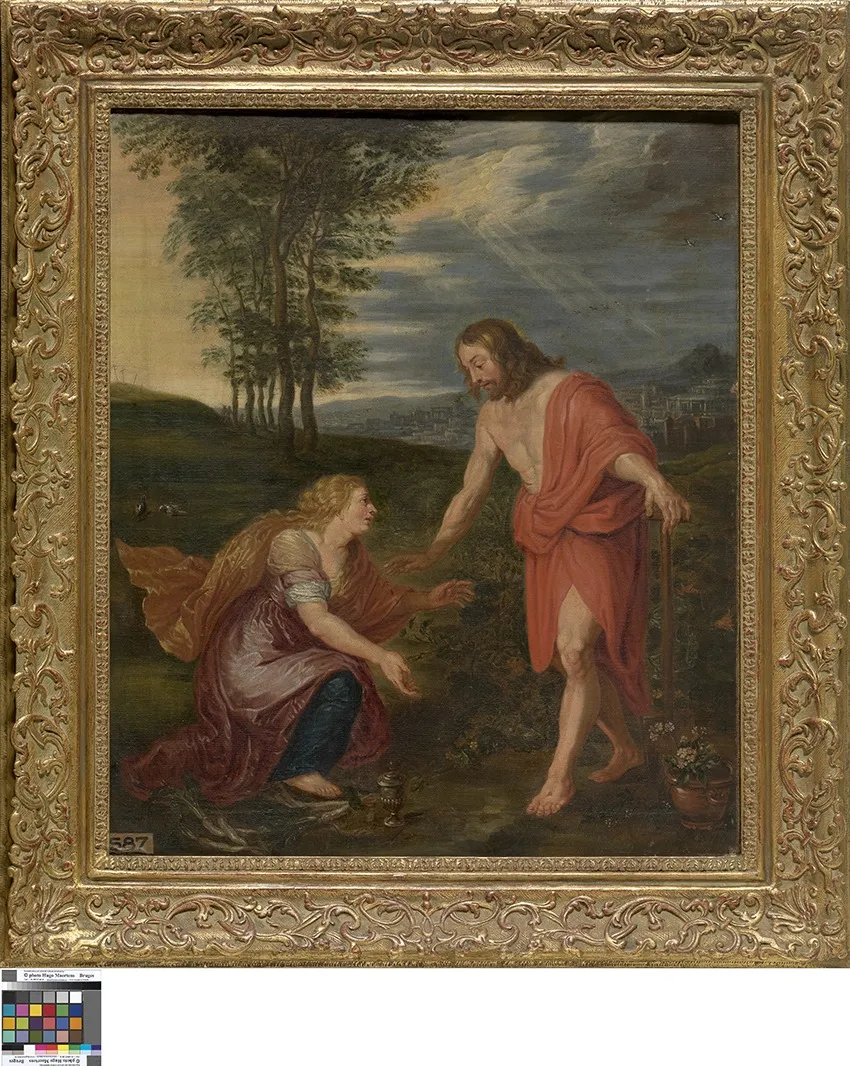
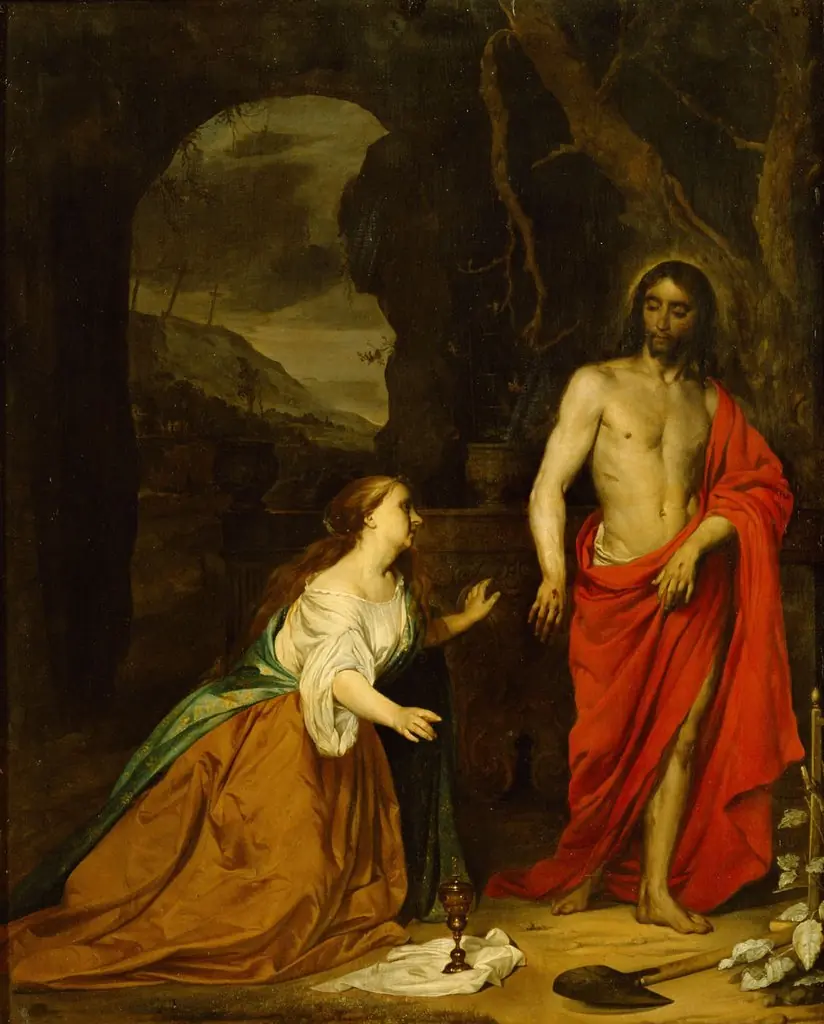
Noli me tangere is an oil painting by Unknown. It dates from 1620 and is held in the collection of the Groeningemuseum.
About this work
Subject & Meaning
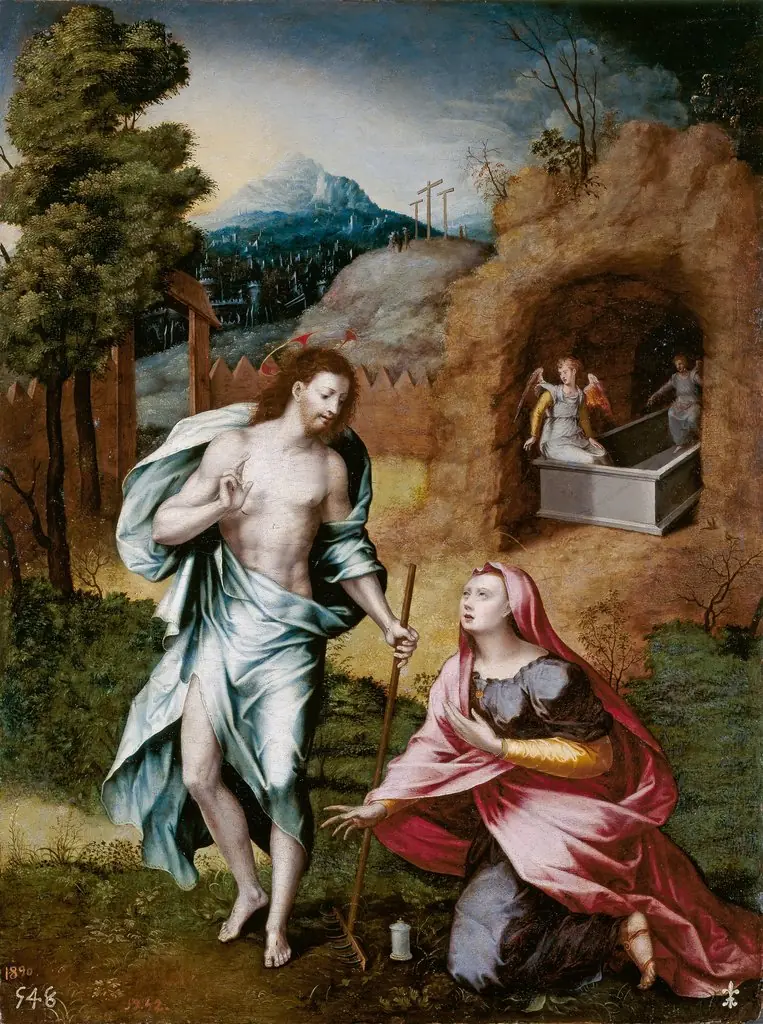
The painting incorporates symbolic landscape elements, including a tree, a hill, a city, and clouds, which frame the interaction between the two figures.
The work depicts the biblical encounter known as the Noli me tangere, illustrating the moment Mary Magdalene meets the resurrected Jesus Christ. This religious scene captures the specific narrative where Christ instructs Mary not to touch him, a theme central to the composition's meaning. The painting incorporates symbolic landscape elements, including a tree, a hill, a city, and clouds, which frame the interaction between the two figures.
As a copy of an original by Peter Paul Rubens, the piece serves to reproduce this significant iconography within the tradition of religious art.
Technique & Style
Executed in 1620, this religious painting is rendered in oil paint. The work functions as a copy of a composition by Peter Paul Rubens, depicting the biblical Noli me tangere scene featuring Jesus Christ and Mary Magdalene set against a landscape with trees, hills, clouds, and a distant city. The composition measures 57.5 cm in height and 49 cm in width.
Currently held in the collection of the Groeningemuseum, the piece utilizes standard oil painting techniques to realize its figural and environmental elements.
History & Provenance
The painting titled Noli me tangere, dated to 1620, is an oil-on-canvas work classified as religious art. It is identified as a copy of an original composition by Peter Paul Rubens. The work depicts the biblical scene of Mary Magdalene encountering the resurrected Jesus Christ amidst a landscape featuring a tree, a hill, and a distant city. Currently, the painting is held in the collection of the Groeningemuseum.
The painting Noli me tangere, dated to 1620, is held in the collection of the Groeningemuseum. The work, which depicts the biblical encounter between Jesus Christ and Mary Magdalene, is executed in oil paint and measures 57.5 cm in height by 49 cm in width. It is identified as a copy of a composition by Peter Paul Rubens.
The provided sources confirm its location and physical attributes but do not list a specific inventory number or detail any past exhibitions.
Legacy
The painting’s legacy is anchored in its provenance at the Groeningemuseum, where it has been part of the permanent collection since its creation. As a religious work attributed to a Rubens circle copyist, it contributed to the visual culture of Counter-Reformation art, influencing later depictions of the Magdalene conversion motif. Its documented dimensions of 57.5 cm by 49 cm and oil medium reflect the technical standards of early 17th‑century Flemish painting.
The work’s iconography, including the city and hill, became reference points for subsequent religious compositions, and its presence in scholarly publications has reinforced its reputation as an exemplar of Rubens‑inspired devotional art. The painting’s enduring scholarly attention underscores its role in shaping the historiography of European religious art.
Overview
The work entitled Noli me tangere is an oil painting that portrays a kneeling woman extending her hand toward a standing male figure. The scene unfolds against a landscape of trees, rolling hills and a cloud‑filled sky, all enclosed within an elaborately decorated gold frame. The piece is part of the collection of the Groeningemuseum in Bruges.
Context
Created during Rubens’s mature period, the painting reflects the artist’s interest in dynamic human interaction and dramatic narrative. The motif of a woman pleading or warning a man aligns with the period’s fascination with religious and allegorical subjects rendered with emotional intensity.
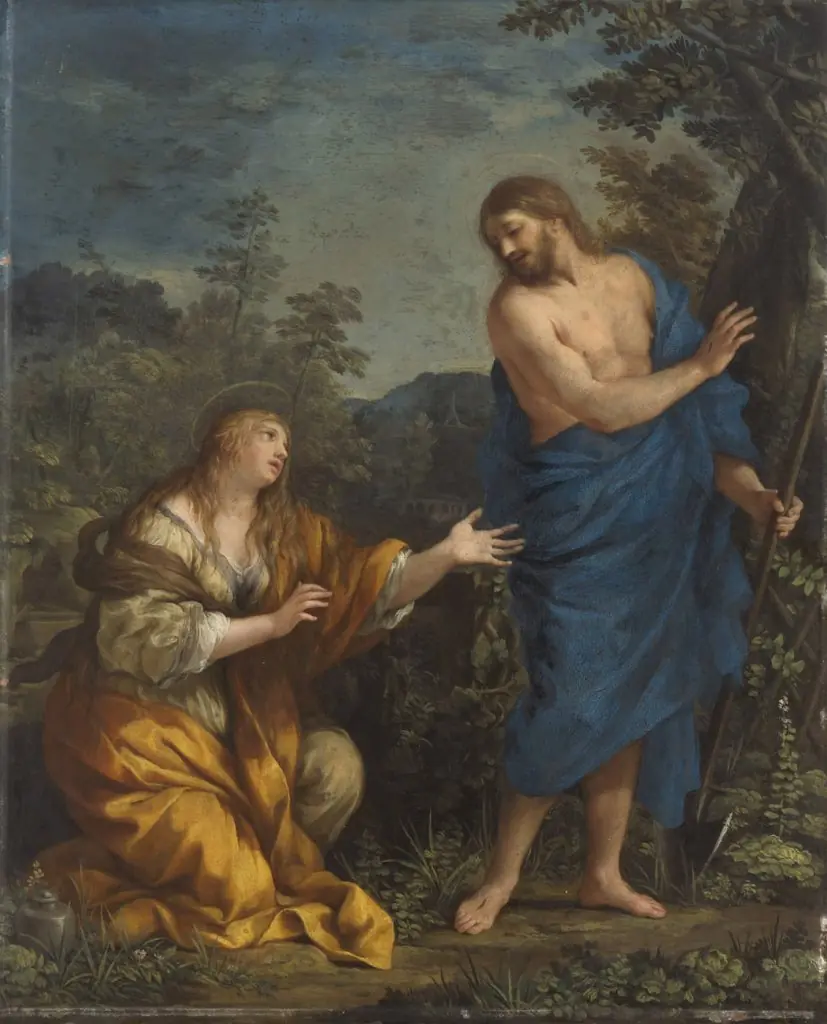
Artist & collection









- Noli me tangere
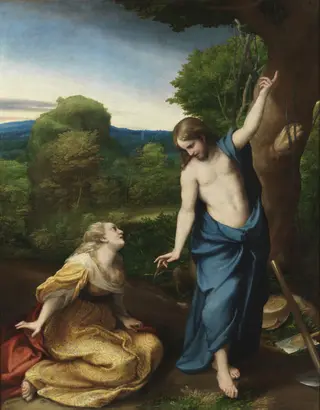 Noli me tangere
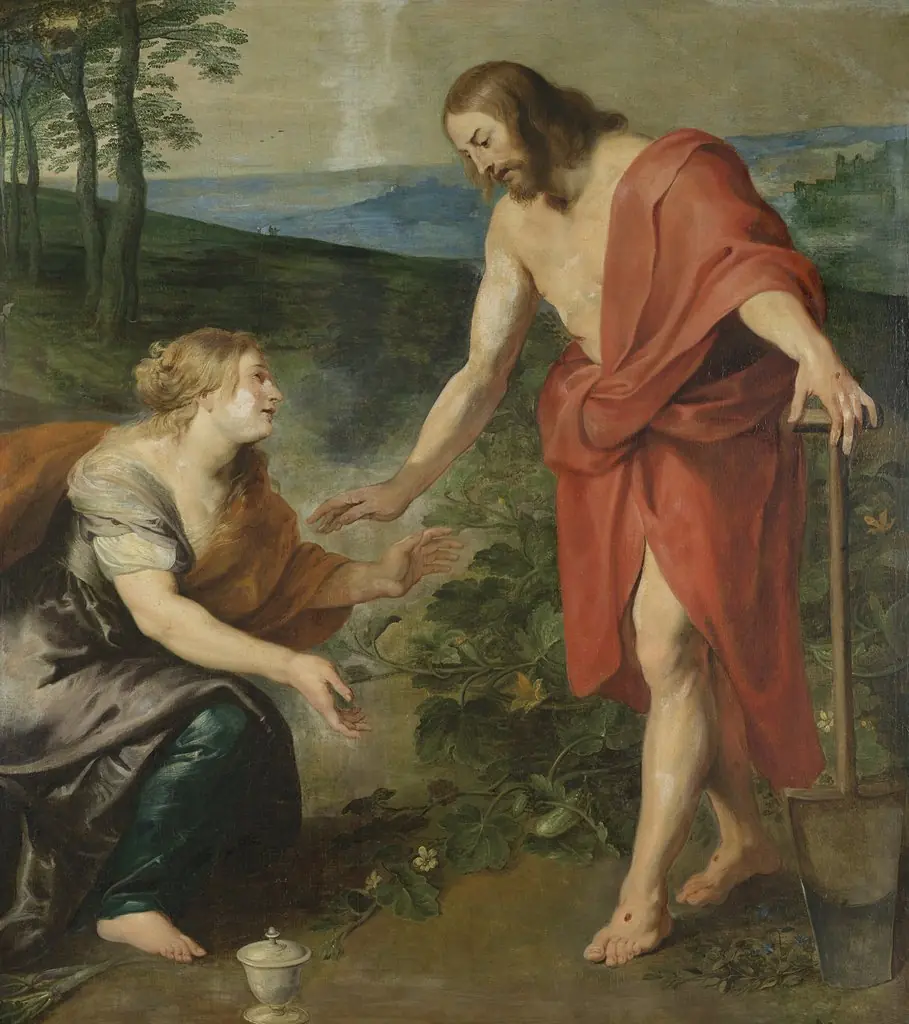 'Noli me tangere': the meeting of Christ and Mary Magdalene
 Noli me tangere
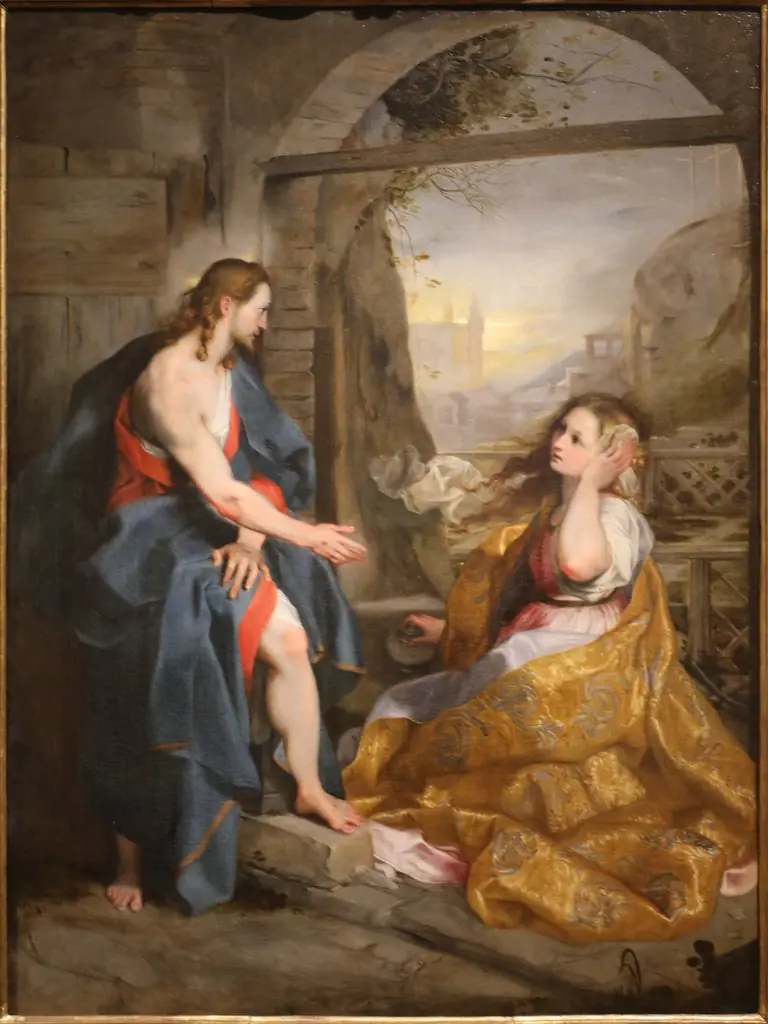 Noli me tangere
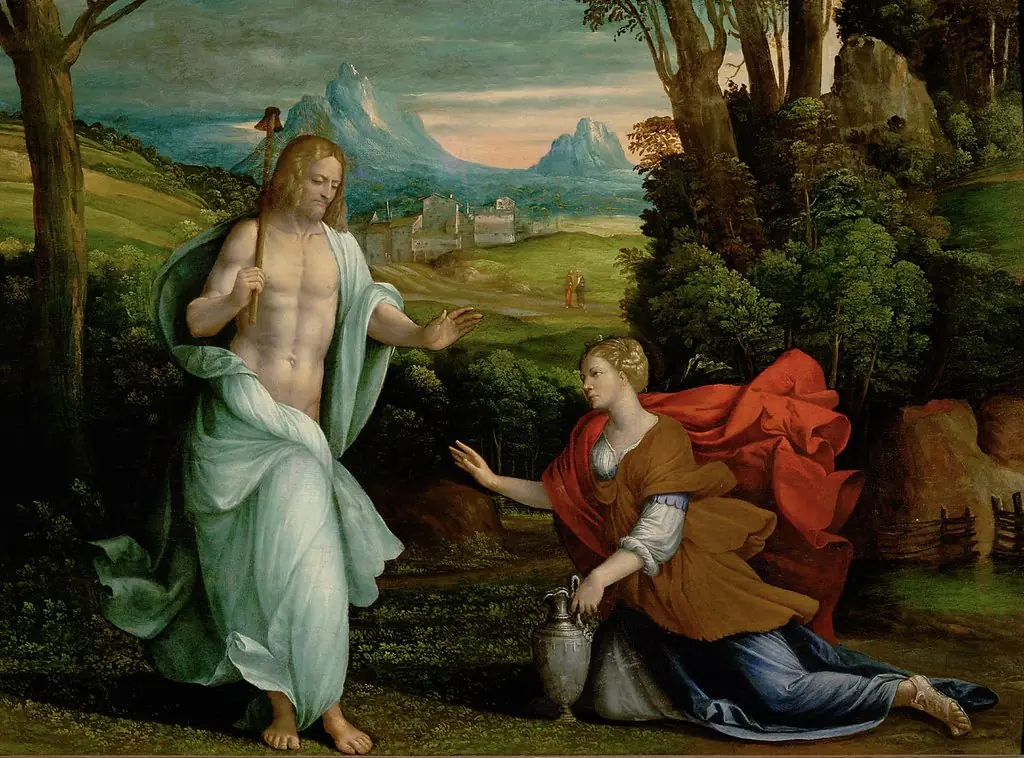 Noli me tangere
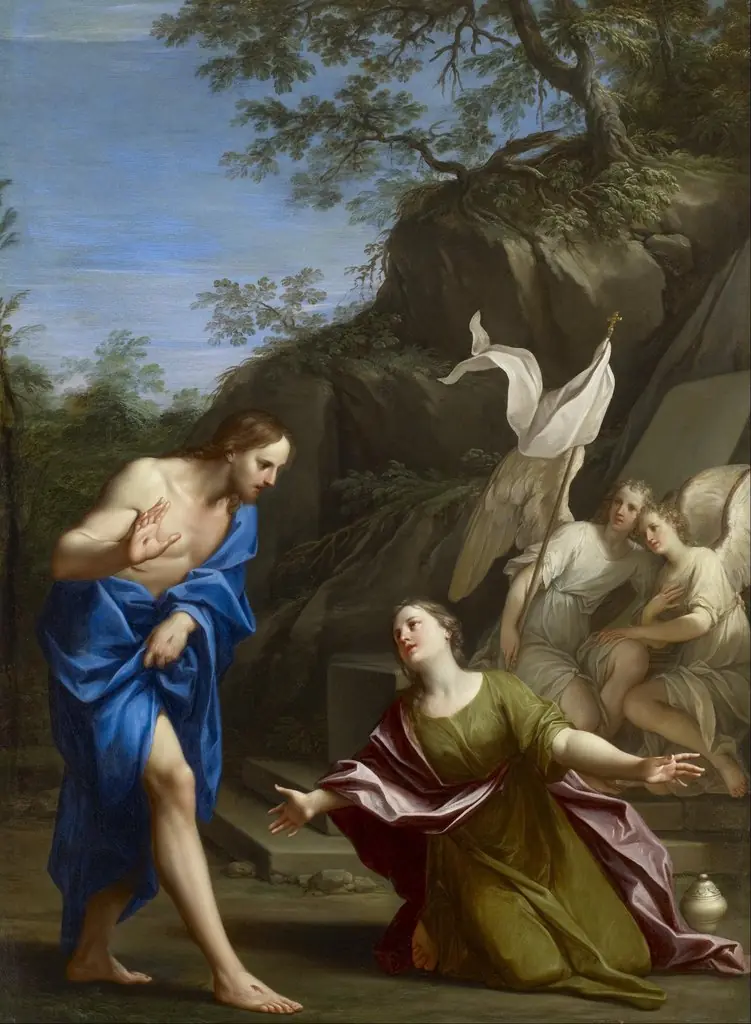 Noli Me Tangere ("Touch me not")
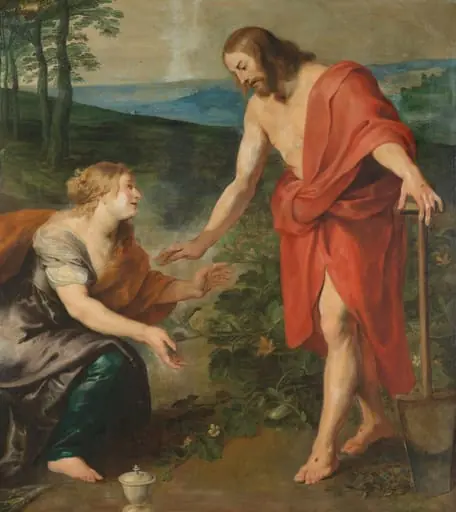 Christ Appearing to Mary Magdalen as a Gardener (Noli me Tangere)
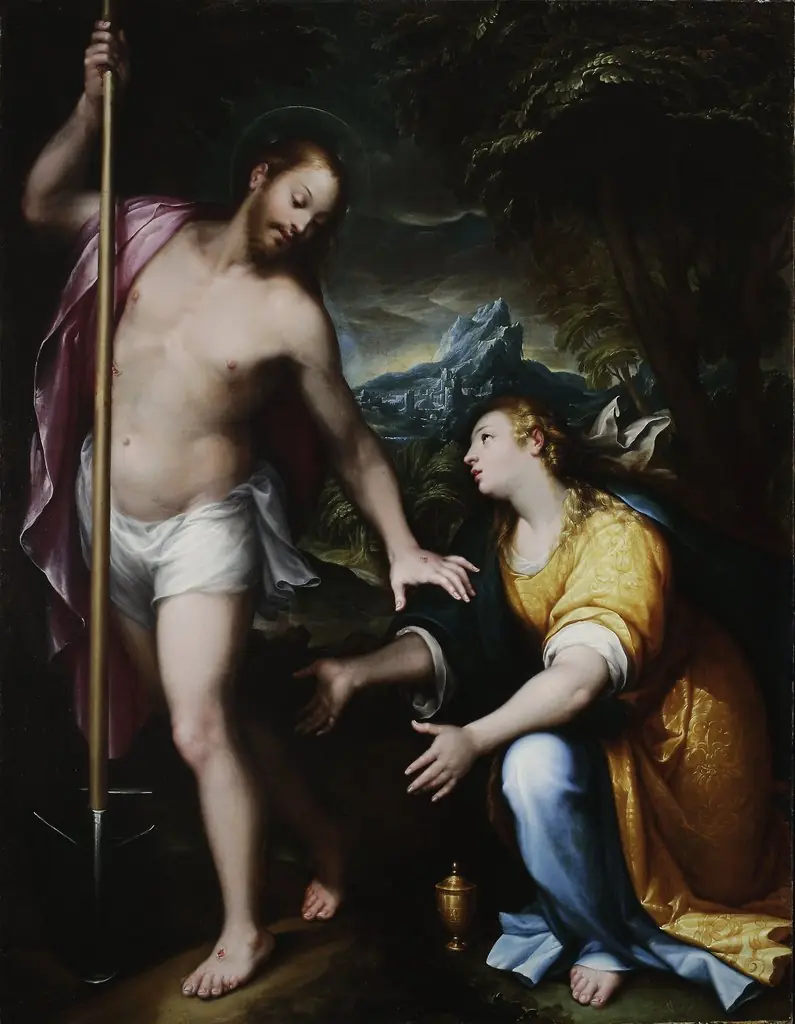 “Noli me tangere” – Resurrected Christ appearing to Mary Magdalene (John 20:14-17)
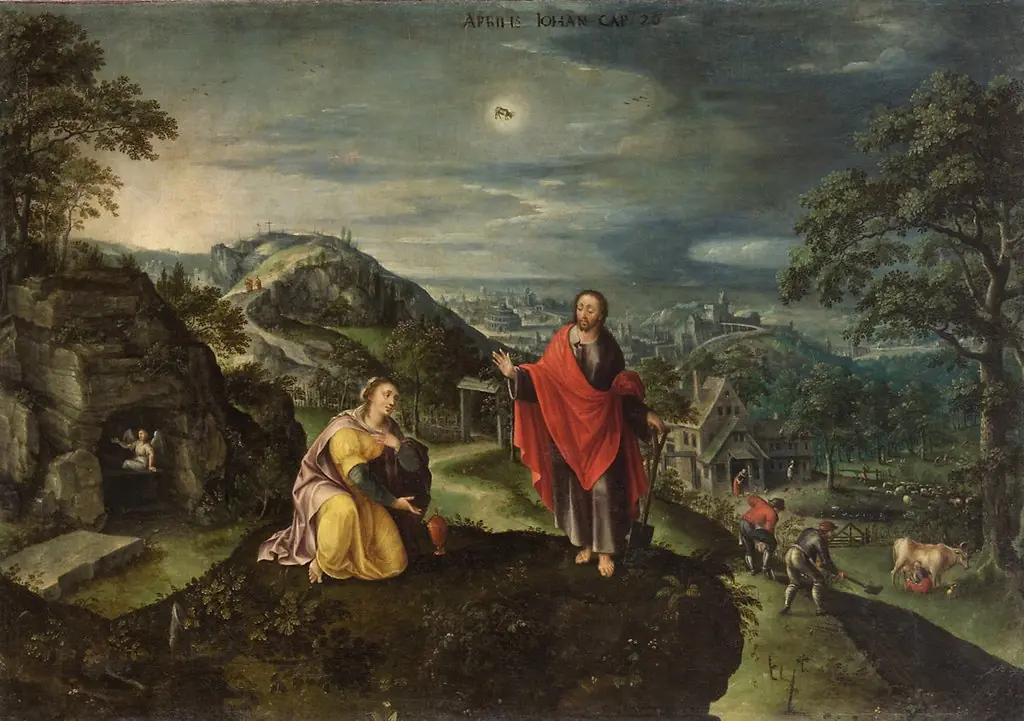 Noli me tangere (April)
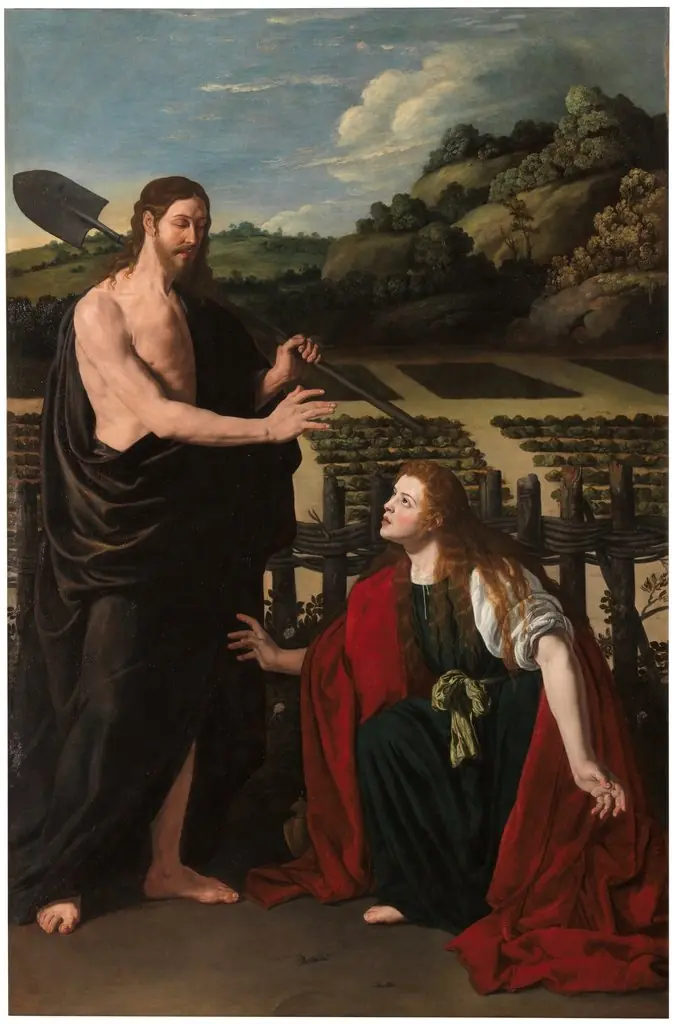 Noli me Tangere
 Noli Me Tangere