Artwork
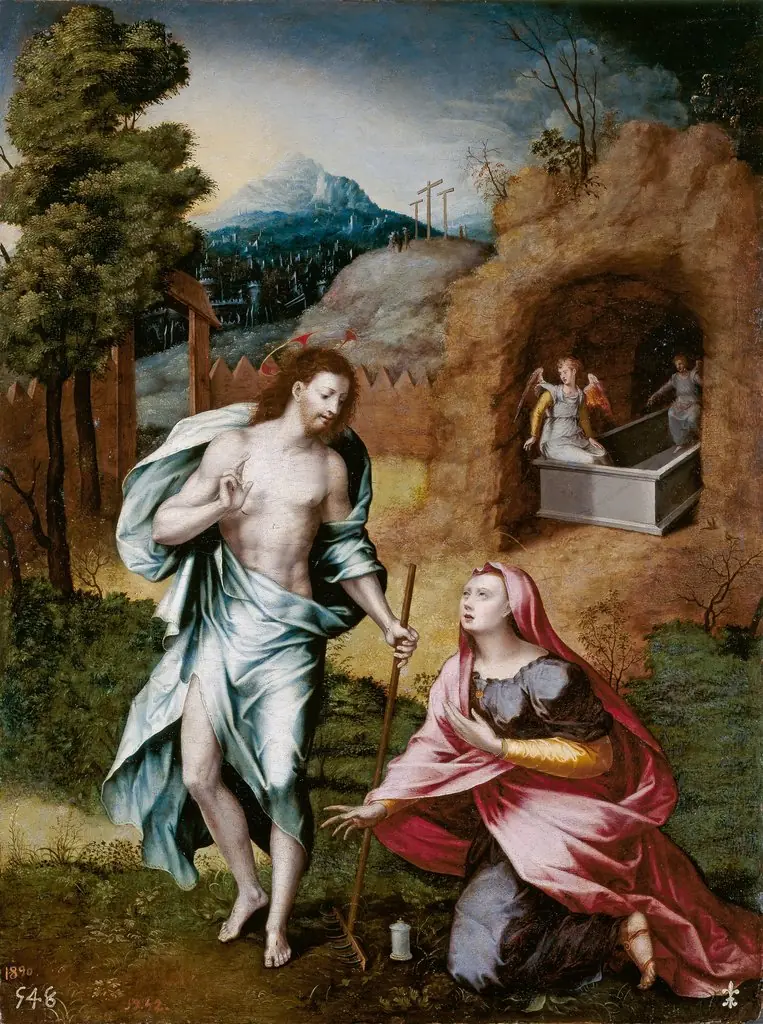
'Noli me tangere': the meeting of Christ and Mary Magdalene
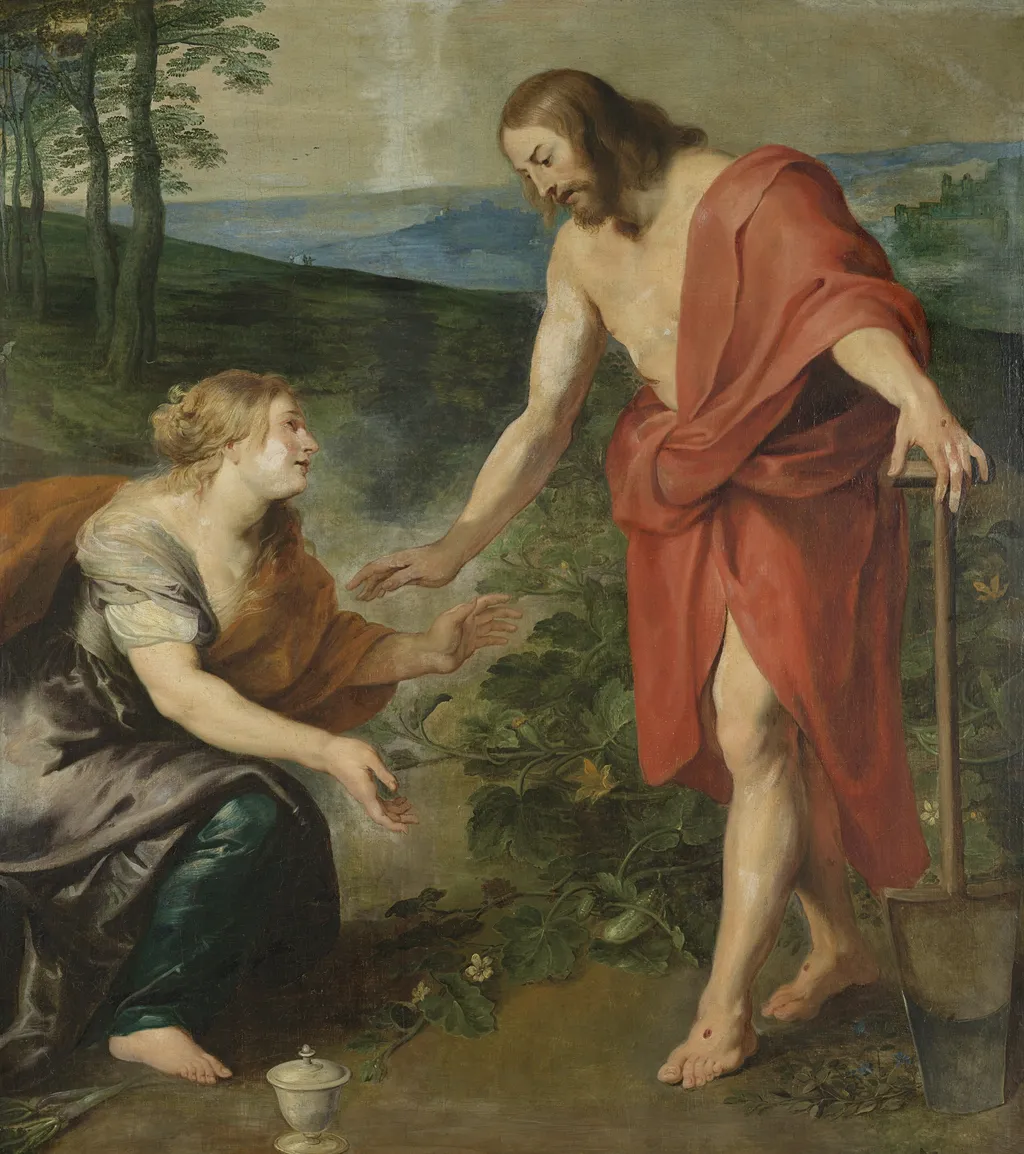
'Noli me tangere': the meeting of Christ and Mary Magdalene is an oil painting by the Flemish Baroque painting artist Peter Paul Rubens. It is held in the collection of the Rijksmuseum.
About this work
Subject & Meaning
The work depicts the biblical episode known as the Noli me tangere, illustrating the moment Christ meets Mary Magdalene following his resurrection.
The work depicts the biblical episode known as the Noli me tangere, illustrating the moment Christ meets Mary Magdalene following his resurrection. As a religious painting created by Peter Paul Rubens in 1650, the composition centers on this specific encounter between the two figures. The subject matter is explicitly identified as the meeting of Christ and Mary Magdalene, reflecting the narrative where Christ instructs Magdalene not to touch him.
This religious art piece, housed in the Rijksmuseum, serves as a visual representation of this pivotal scriptural event, focusing on the interaction and theological significance of the meeting.
Technique & Style
The work is an oil painting executed on canvas, a support and medium combination typical of Peter Paul Rubens's Antwerp workshop practice. According to the catalogue record, the painting measures 200 cm in height by 177.5 cm in width, giving it a substantial, nearly square format suited to a devotional religious subject. The canvas support is consistent with the large-scale religious commissions Rubens produced in Antwerp, where the work is recorded as having been made.
No specific condition report, conservation history, or detailed stylistic analysis is provided in the available sources, so further remarks on handling, surface condition, or formal qualities cannot be substantiated.
History & Provenance
Peter Paul Rubens executed this oil painting on canvas in Antwerp in 1650. The work depicts the biblical scene of Christ meeting Mary Magdalene. Following its creation, the painting entered a distinguished line of ownership within the Six family and related collectors.
Its recorded holders include Hendrik Six van Hillegom, Lucretia Johanna van Winter, Jan Pieter Six VI, Pieter Hendrik Six van Vromade, and Jan Six van Vromade. The artwork is currently held in the collection of the Rijksmuseum.
Overview
Created circa 1650 by the Flemish painter and diplomat Peter Paul Rubens, this oil on canvas portrays the post‑Resurrection encounter between Christ and Mary Magdalene. The work exemplifies the energetic composition and rich palette typical of the Baroque period in the Low Countries, and it is presently part of the Rijksmuseum’s collection.
Context
Rubens produced this work during the latter stage of his career, a period marked by heightened religious commissions following the Counter‑Reformation. The composition reflects the era’s emphasis on emotional immediacy and visual persuasion, aligning with contemporary theological aims to make biblical episodes accessible and moving for viewers.
Own this work as a print
Artist & collection
Artist
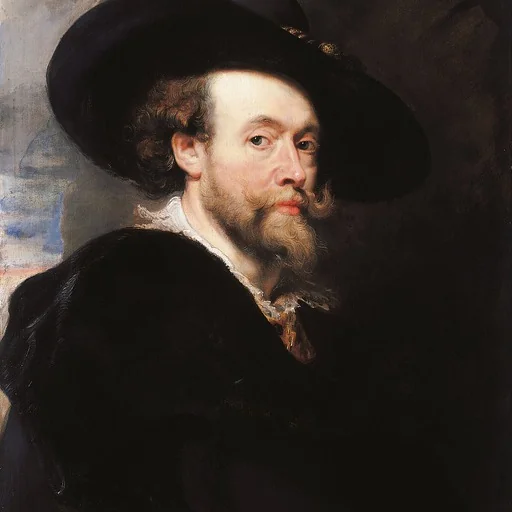
Sir Peter Paul Rubens ( ROO-bənz; Dutch:; 28 June 1577 – 30 May 1640) was a Flemish artist and diplomat.

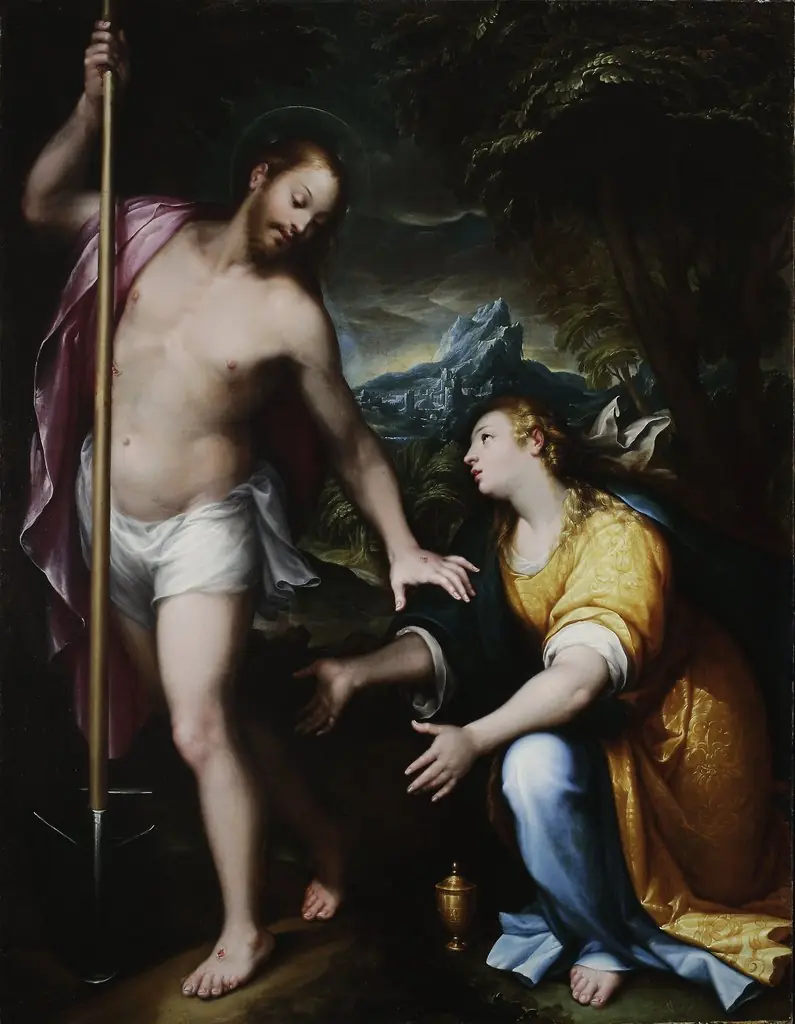
- “Noli me tangere” – Resurrected Christ appearing to Mary Magdalene (John 20:14-17)
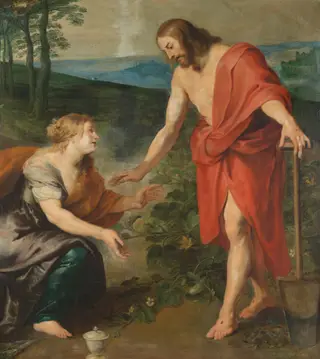 Christ Appearing to Mary Magdalen as a Gardener (Noli me Tangere)
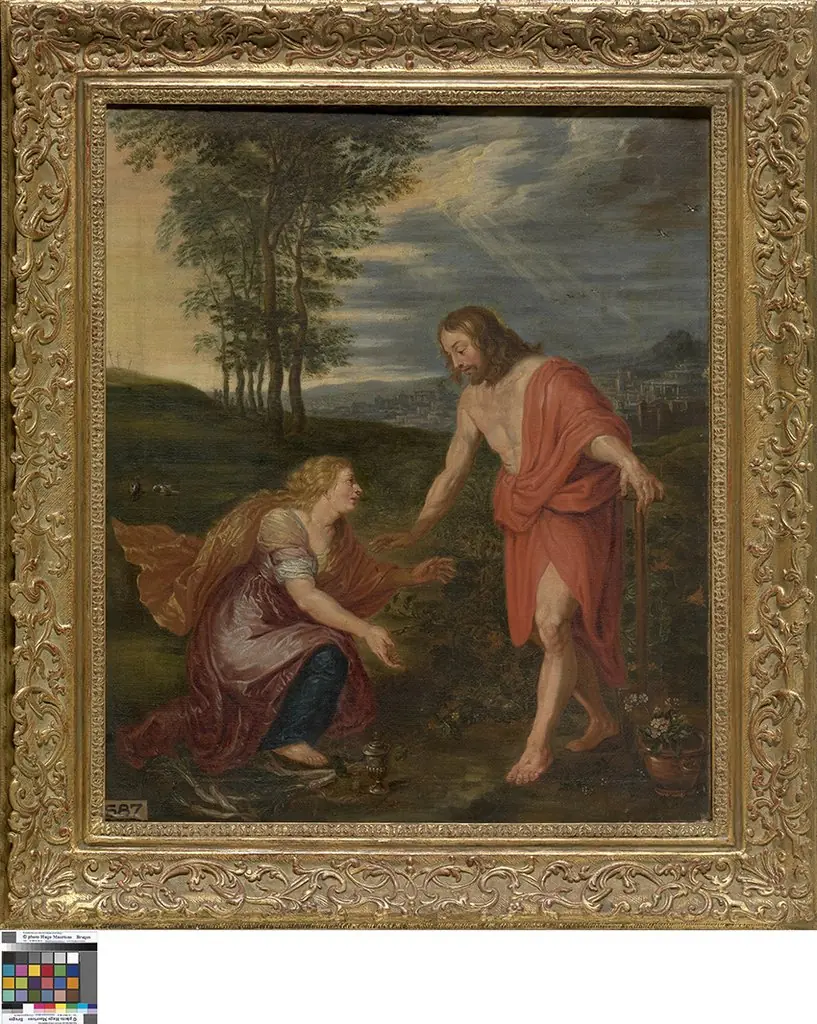 Noli me tangere
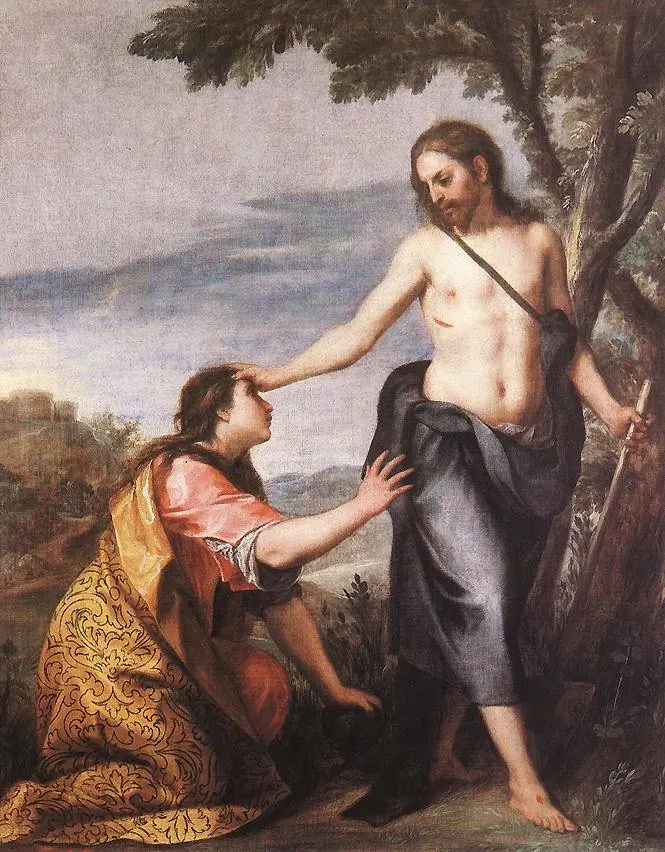 Noli me Tangere (Christ Appearing as a Gardener to Mary Magdalene)
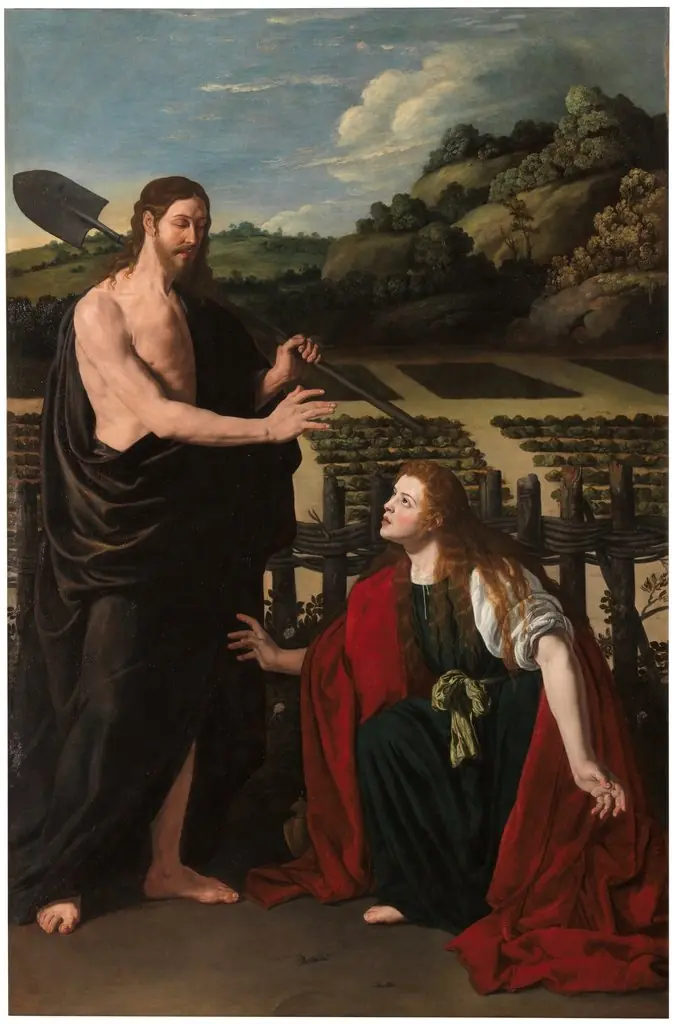 Noli me Tangere
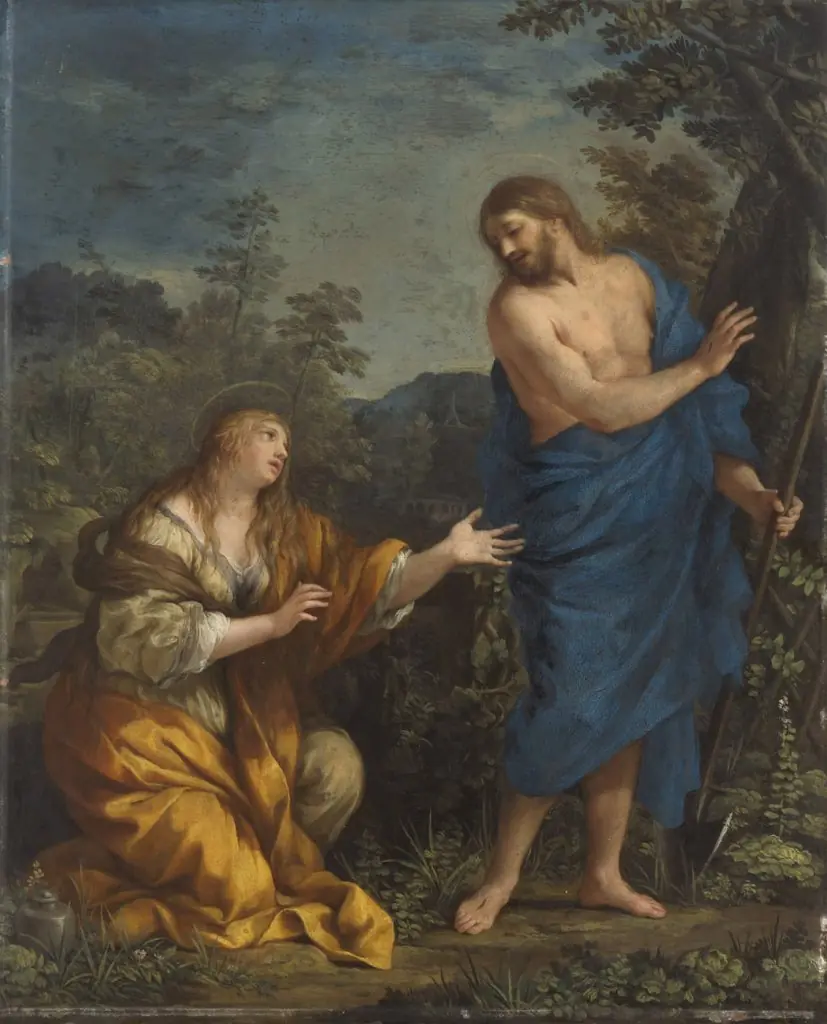 Noli me tangere
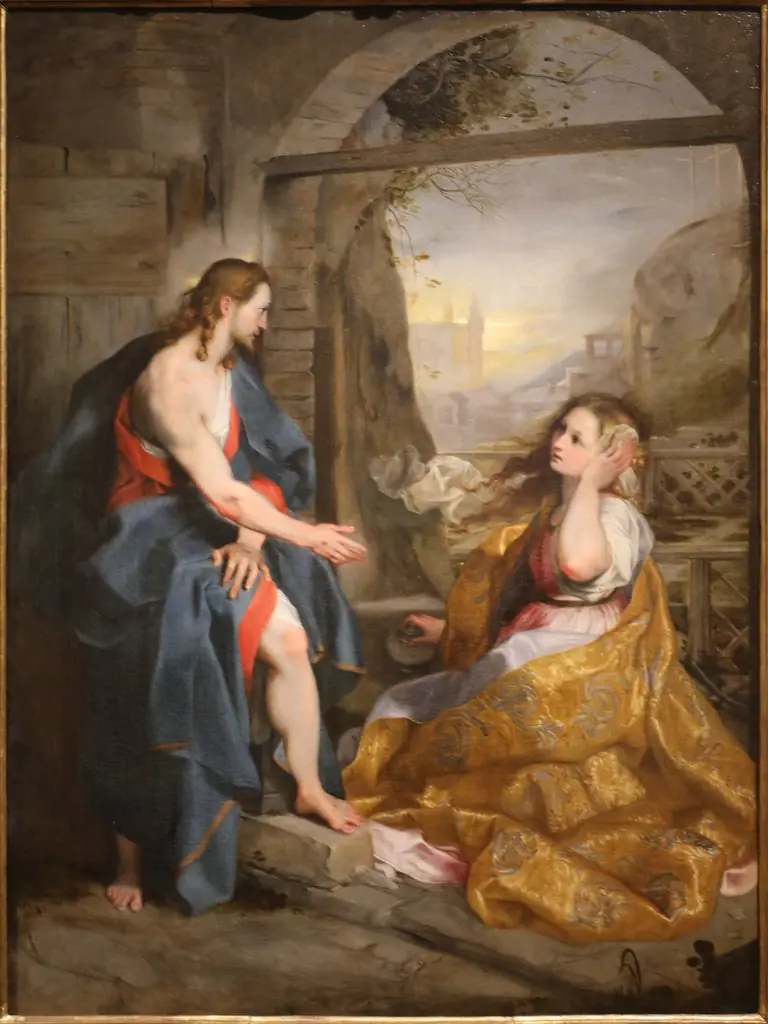 Noli me tangere
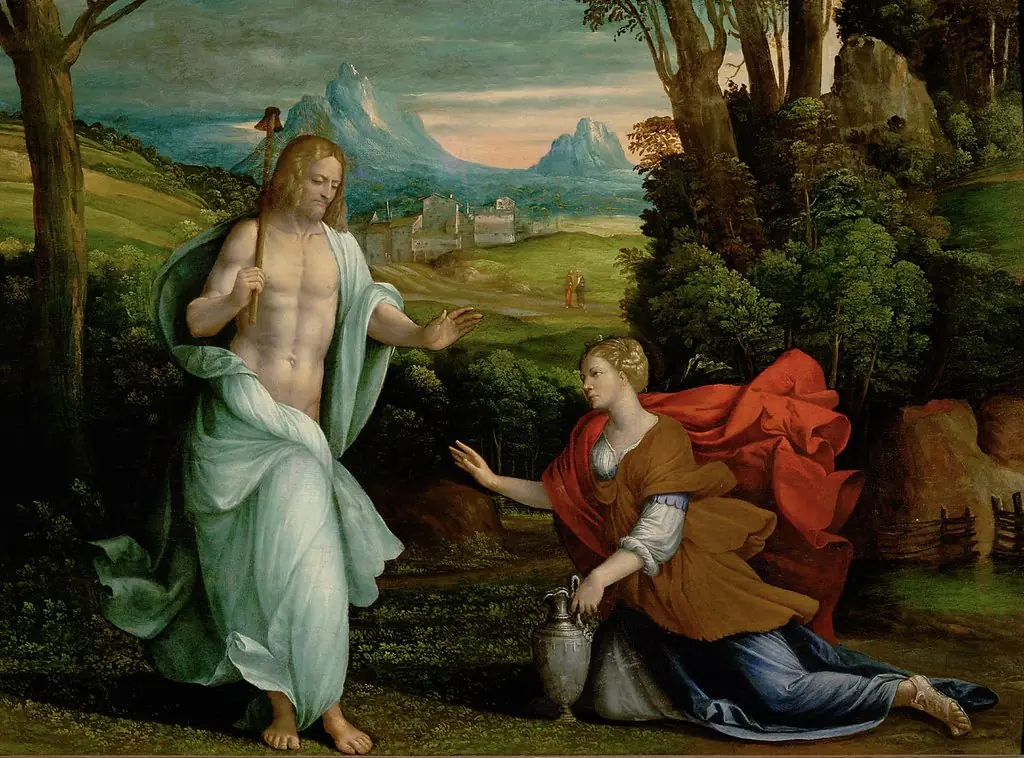 Noli me tangere
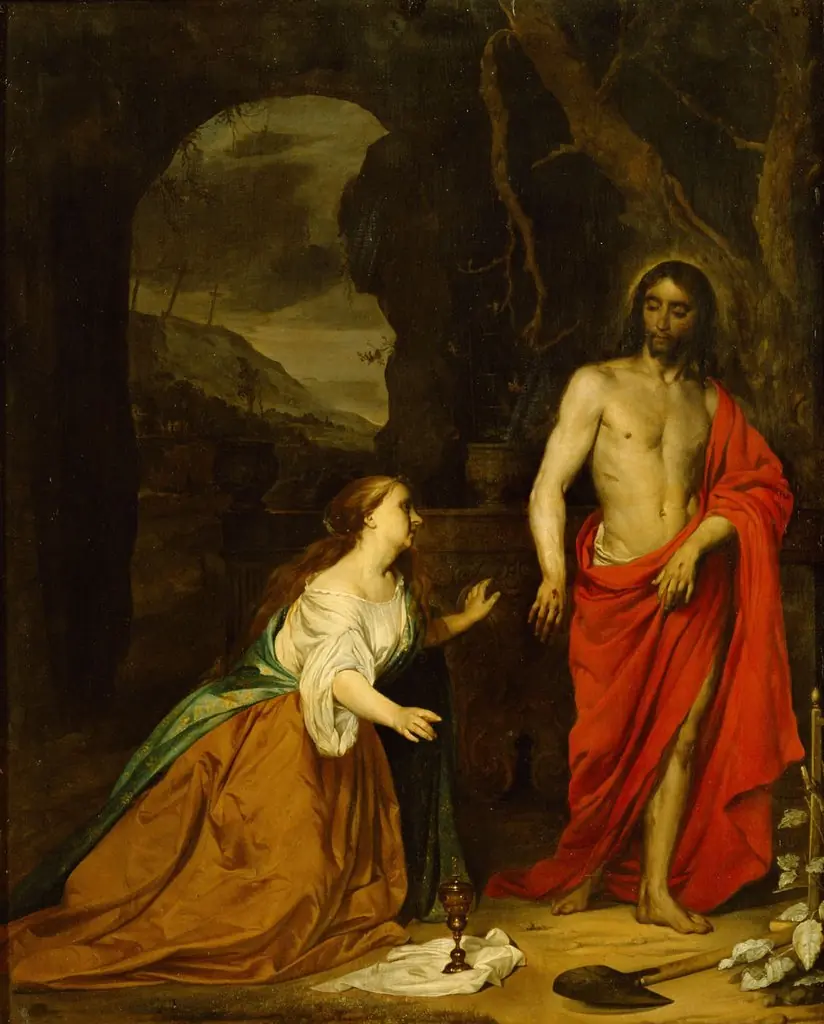 Noli me tangere
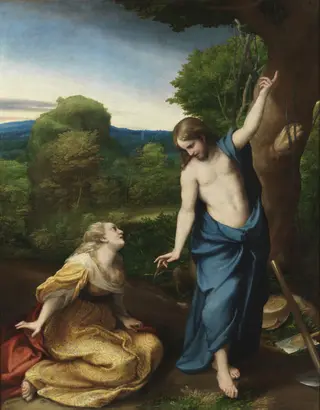 Noli me tangere
 Noli Me Tangere