Artwork
Noli me tangere
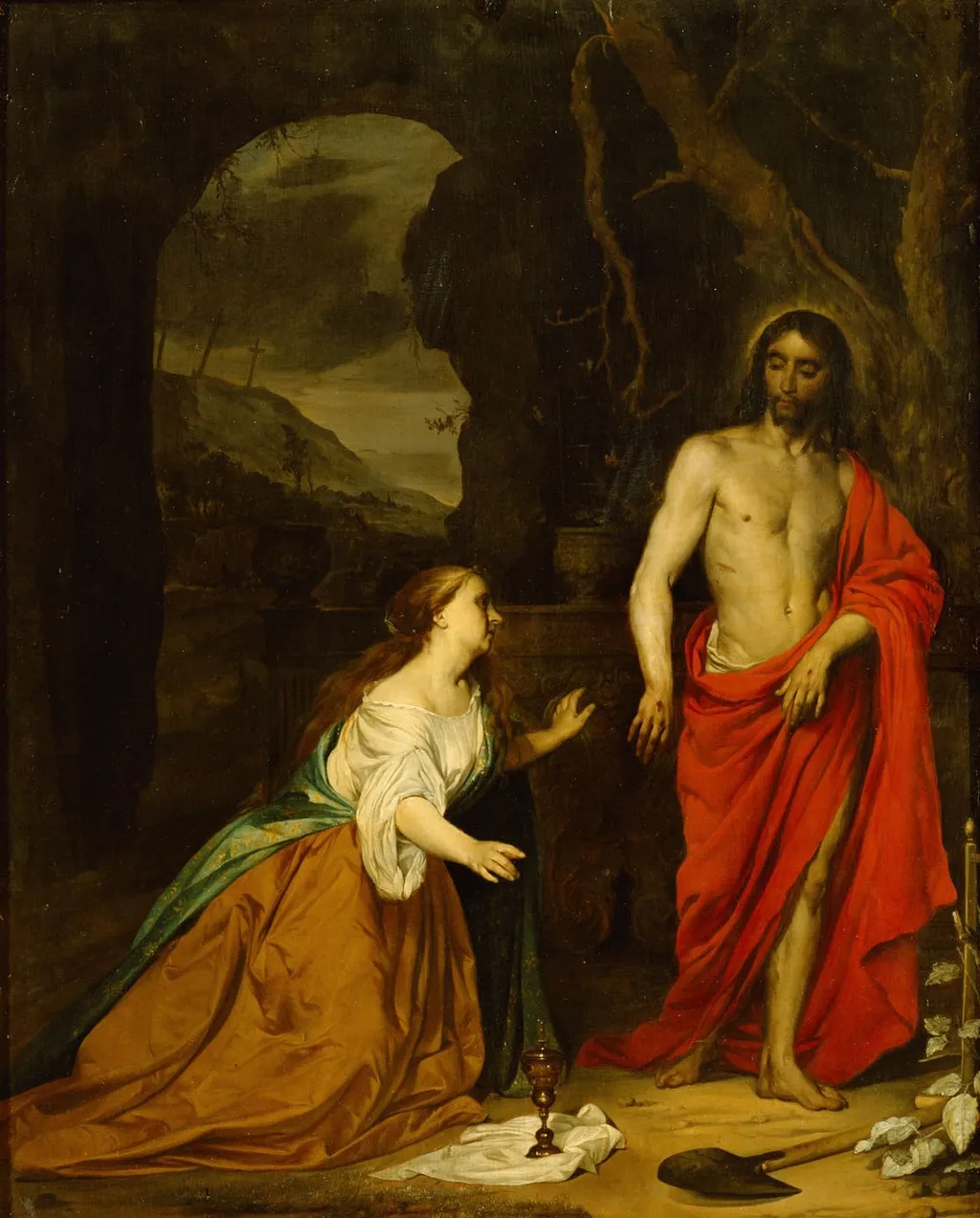
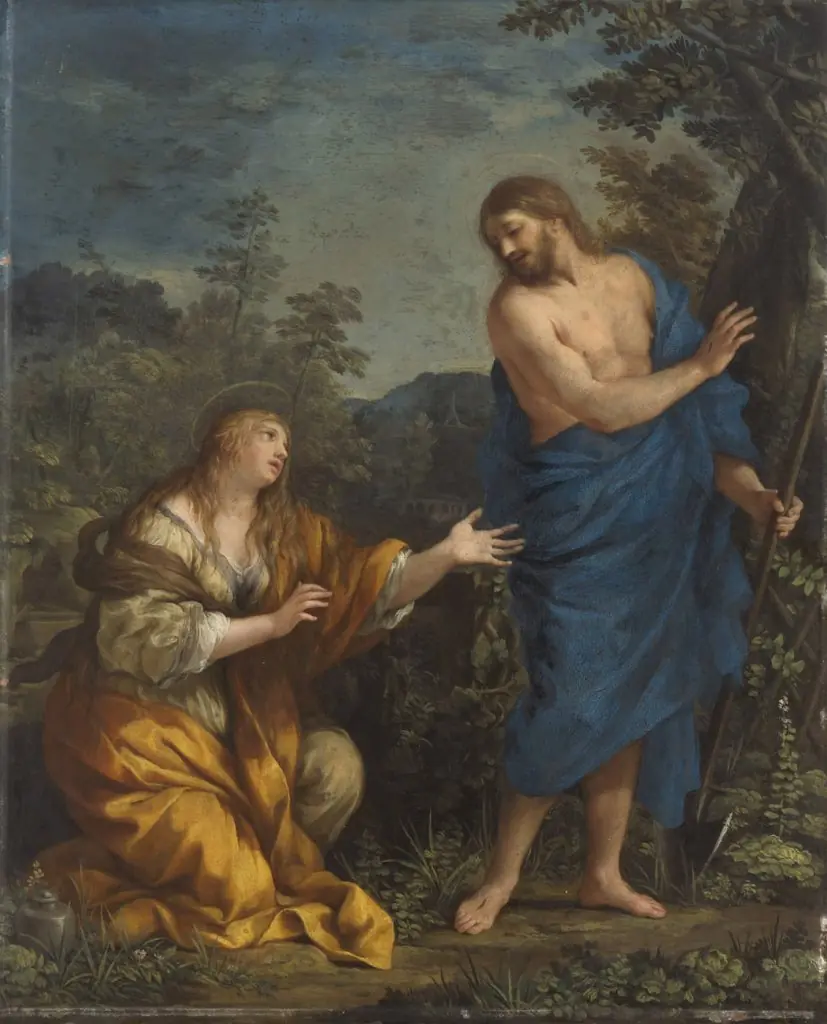
Noli me tangere is an oil painting by the Dutch Golden Age artist Gabriel Metsu. It dates from 1667 and is held in the collection of the Kunsthistorisches Museum.
About this work
Technique & Style
The work remains part of the museum's permanent collection, maintaining its original context within the institution's religious art holdings.
The work is an oil painting executed on wood panel, measuring 63.7 cm in height by 51 cm in width. It depicts the biblical scene of Noli me tangere, showing Mary Magdalene in the moment of recognizing the risen Christ. The composition reflects the religious genre typical of 17th-century Dutch painting, with careful attention to gesture and expression. Currently housed in the Kunsthistorisches Museum, the piece is attributed to Gabriel Metsu and dated to 1667.
The surface treatment demonstrates Metsu's skill in rendering texture and light, particularly in the handling of fabric and flesh. The use of oil on panel supports a smooth, detailed finish characteristic of the period. The work remains part of the museum's permanent collection, maintaining its original context within the institution's religious art holdings.
History & Provenance
Gabriel Metsu created the oil-on-panel painting Noli me tangere in 1667. The work depicts the religious scene of Mary Magdalene encountering the resurrected Christ. It is currently held in the collection of the Kunsthistorisches Museum. The painting measures 63.7 cm in height and 51 cm in width.
Gabriel Metsu's oil painting Noli me tangere, created in 1667, is held in the collection of the Kunsthistorisches Museum. The work depicts the biblical scene of Mary Magdalene encountering the resurrected Christ. While the museum location is confirmed, the provided sources do not specify a unique inventory or accession number for this piece. The painting is also not documented in the available sources as having a recorded exhibition history.
Legacy
The painting Noli me tangere by Gabriel Metsu, created in 1667, has been recognized for its contribution to religious art and continues to be studied within the context of Dutch Golden Age painting. Its presence in the collection of the Kunsthistorisches Museum underscores its historical significance, though specific details about its influence on later artists or movements are not documented in the provided sources.
The work remains part of scholarly discourse on Baroque religious painting, with its technical execution and iconography referenced in academic analyses of 17th-century European art.
The painting measures 63.7 cm in height and 51 cm in width, reflecting the scale typical of religious compositions from the period.
Overview
Gabriel Metsu’s oil painting Noli me tangere, completed in 1667, belongs to the Dutch Golden Age. Executed in the late stage of Metsu’s career, the work presents a biblical encounter between Mary Magdalene and the risen Christ, rendered in the intimate narrative style characteristic of 17th‑century Dutch art. The canvas is part of the permanent collection of Vienna’s Kunsthistorisches Museum.
Subject & Meaning
The scene illustrates the moment recorded in the Gospel of John when Mary Magdalene, believing Christ to be a gardener, reaches out to touch him. Christ’s response, “Do not touch me,” is implied by his restrained posture and the distance between the figures. The composition emphasizes the spiritual tension between earthly longing and divine resurrection.
Context
Metsu, known for genre scenes, still lifes, and portraits, occasionally turned to religious narrative, aligning with the Dutch tradition of biblical storytelling in domestic settings. Noli me tangere demonstrates his ability to adapt the intimate, detailed approach of his secular works to a sacred subject, bridging devotional content with everyday realism.
Artist & collection

Artist
Gabriël Metsu (1629–1667) was a Dutch painter of history paintings, still lifes, portraits, and genre works.

- Noli me tangere
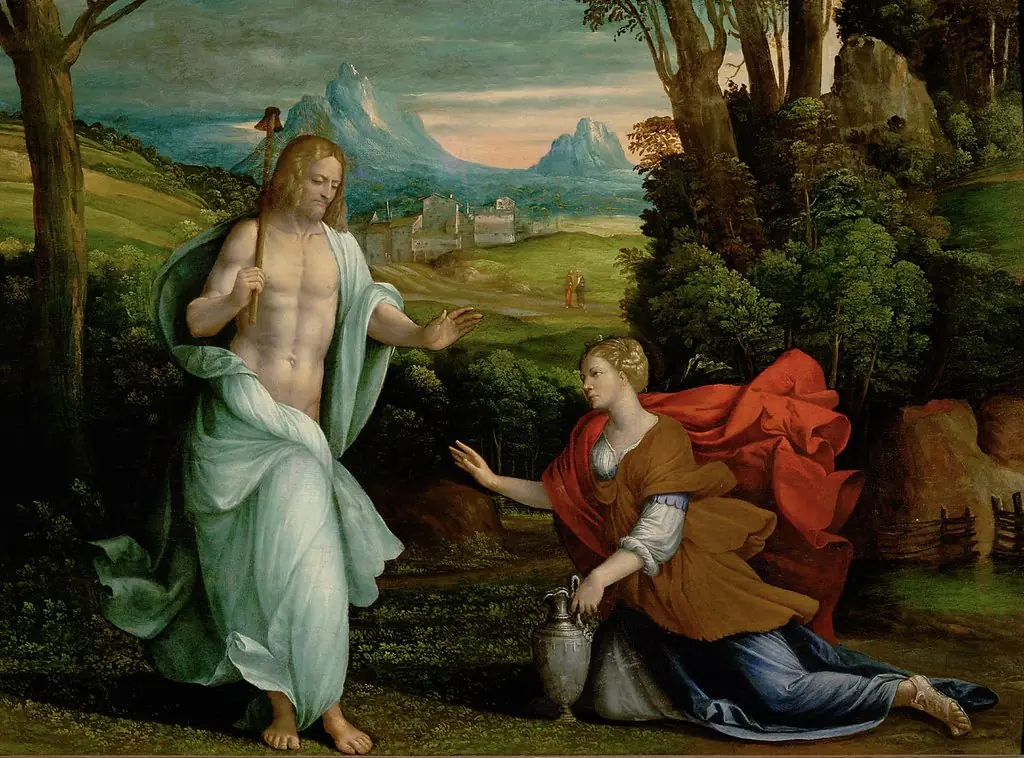 Noli me tangere
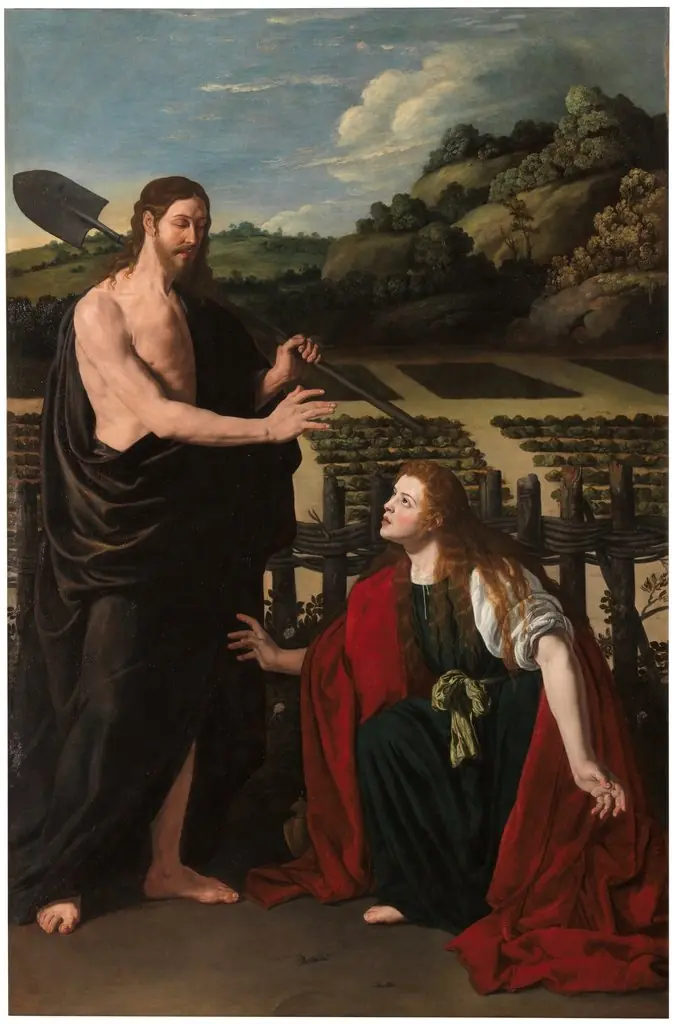 Noli me Tangere
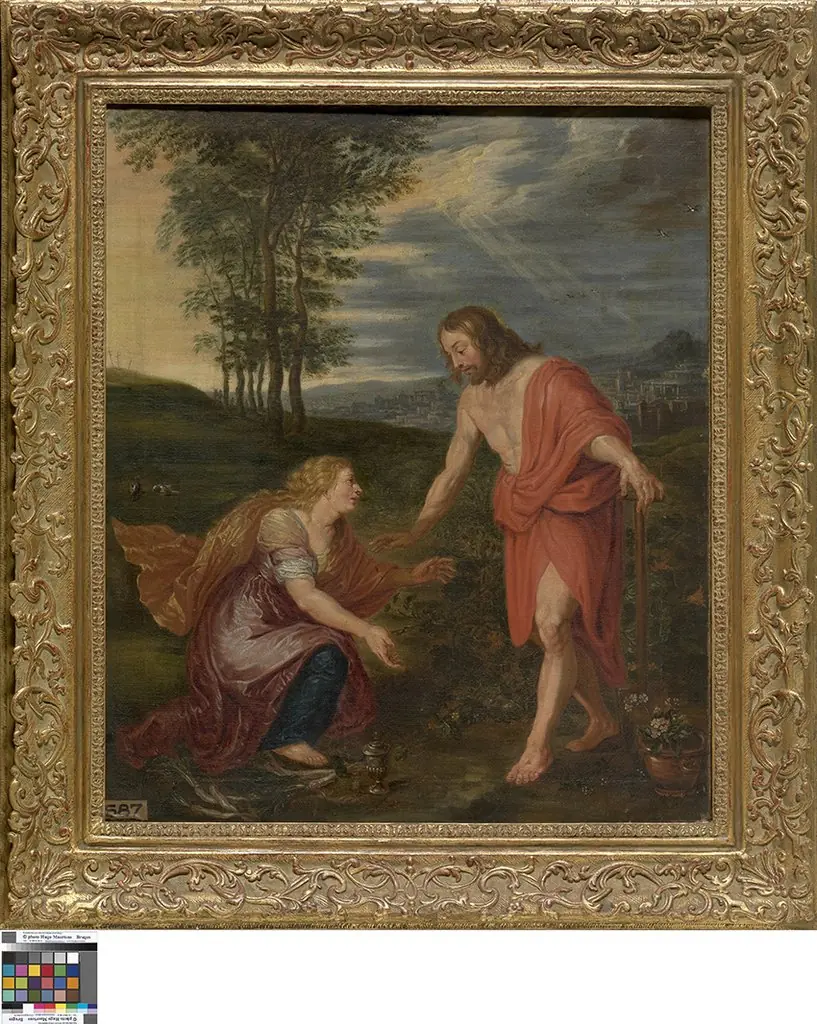 Noli me tangere
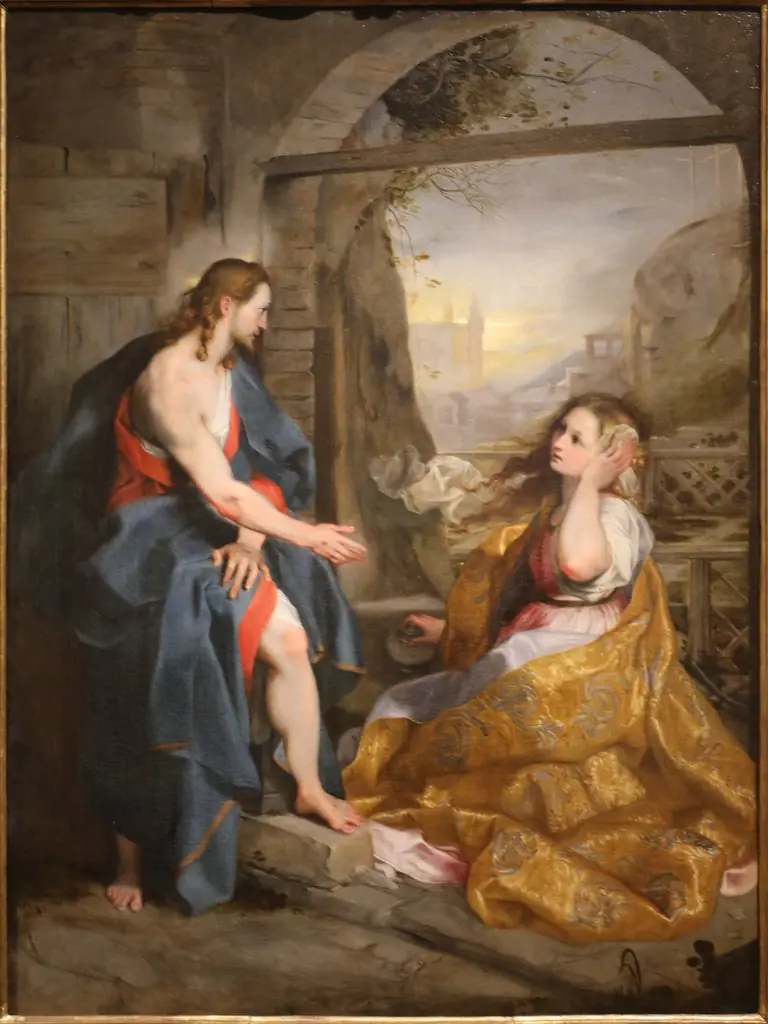
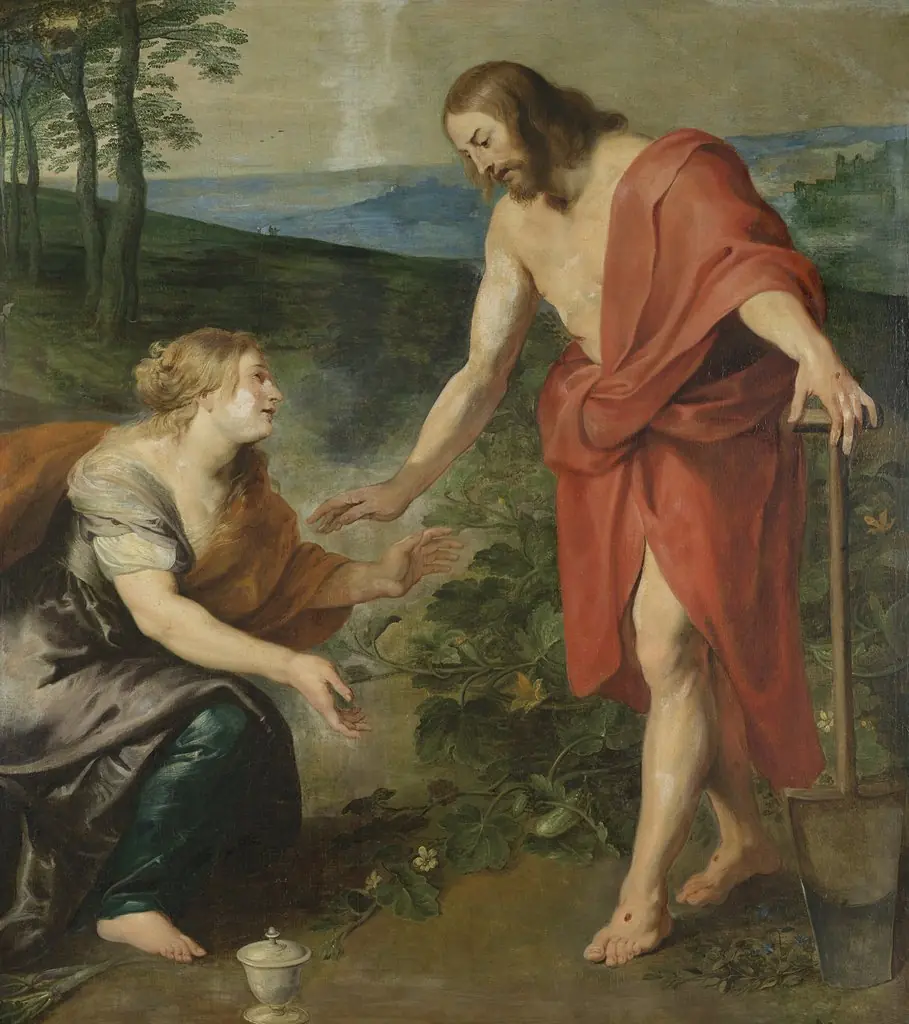 'Noli me tangere': the meeting of Christ and Mary Magdalene
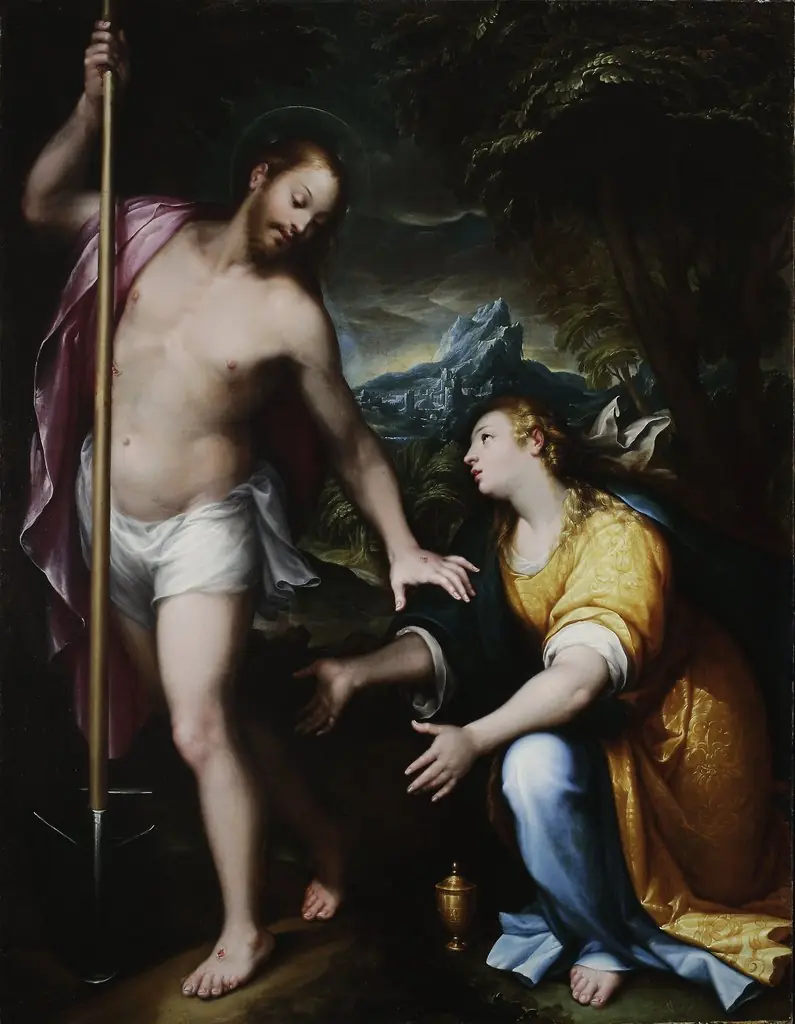 “Noli me tangere” – Resurrected Christ appearing to Mary Magdalene (John 20:14-17)
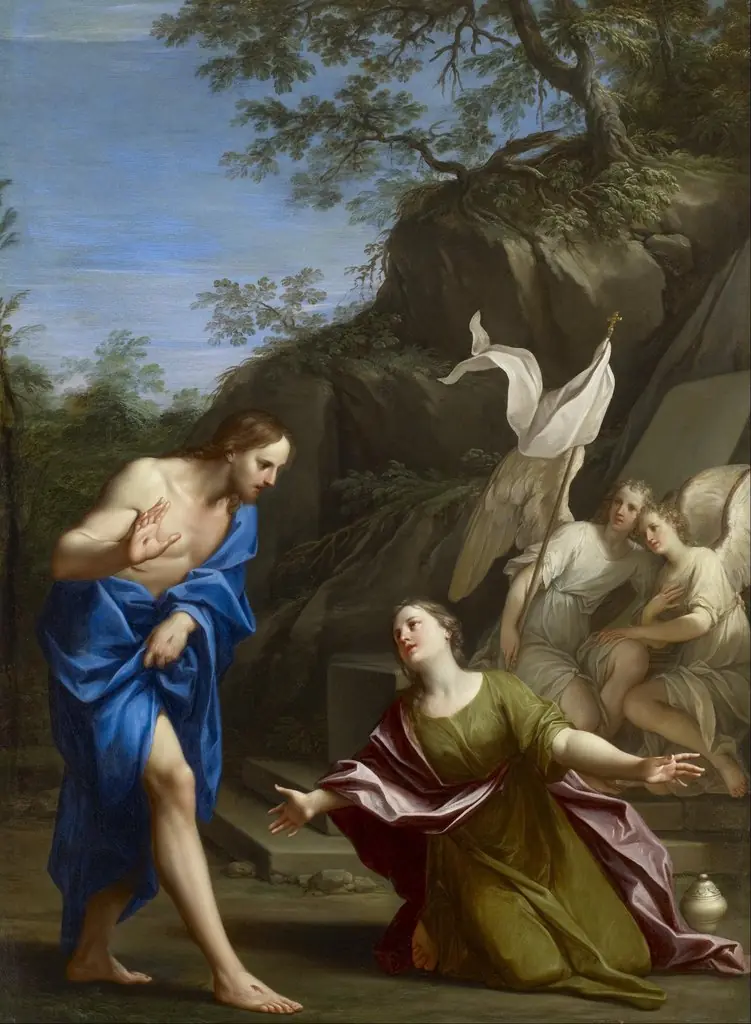 Noli Me Tangere ("Touch me not")
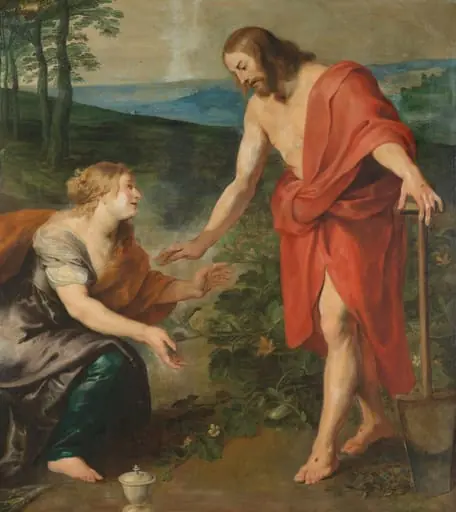 Christ Appearing to Mary Magdalen as a Gardener (Noli me Tangere)
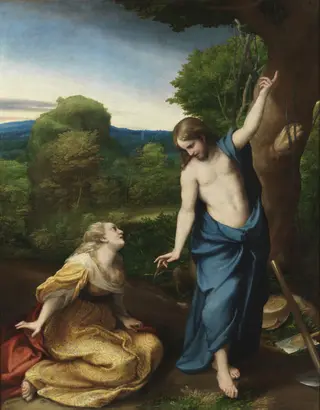 Noli me tangere
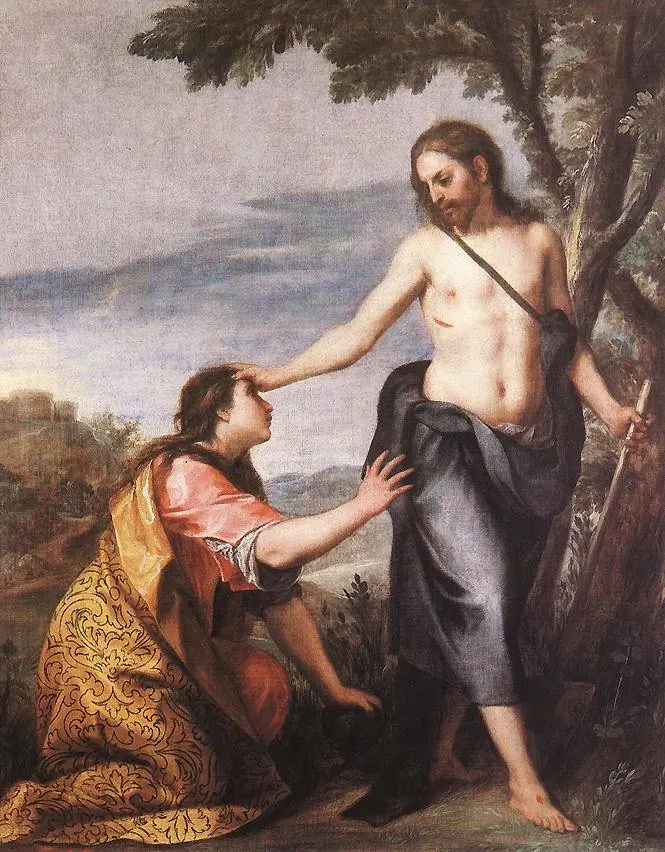 Noli me Tangere (Christ Appearing as a Gardener to Mary Magdalene)
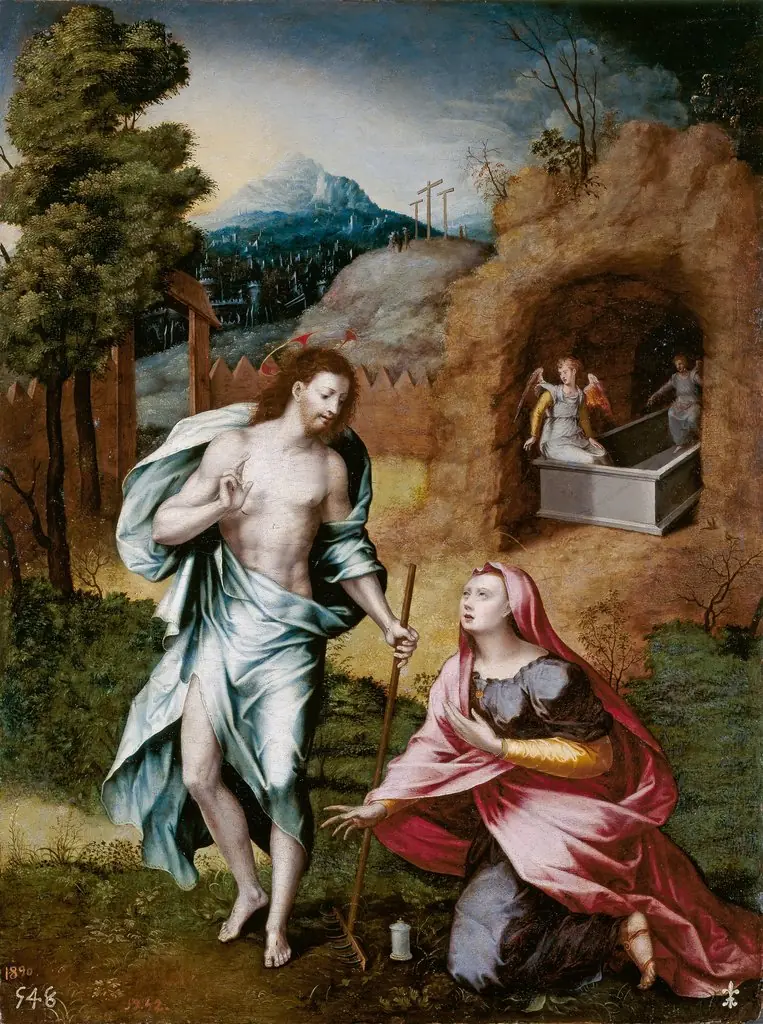 Noli Me Tangere
 Noli me tangere