Artwork
Playing Cards
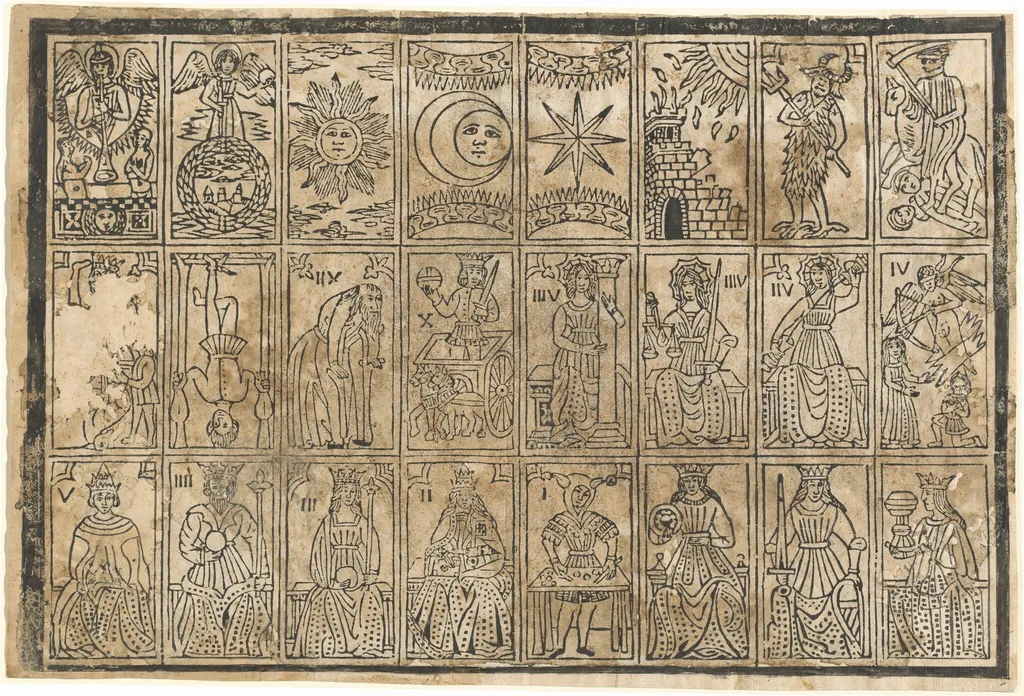
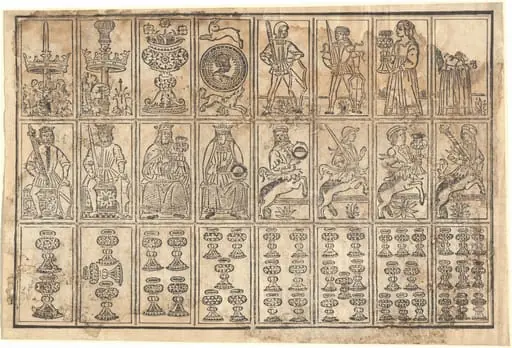
Playing Cards is an ink print by the Renaissance artist Italian 15th Century. It dates from 1401 and is held in the collection of the National Gallery of Art.
- Inscription
- Inscribed:none
- Markings
- Marked:recto: none; verso: National Gallery of Art, Lessing Julius Rosenwald (Lugt 1932d)
About this work
Overview
The print 'Playing Cards' is a woodcut on laid paper, comprising 24 small scenes arranged in a grid. Each scene is distinct and features a figure or symbol, accompanied by a Roman numeral.
Subject & Meaning
The scenes depict various figures, including angels, people in robes, and crowned individuals, possibly representing different ranks or suits, similar to those found on playing cards. The imagery may be symbolic or allegorical, but its specific meaning is unclear.
Technique & Style
The print is executed in a simple style, utilizing black lines against a light background, characteristic of early printmaking techniques. The use of woodcut, a relief printing method, allowed for mass production of the image.
Artist & collection

Artist
An anonymous Italian engraver from the 1490s carved images that could be peeled apart like paper dolls.

![The Destruction of the Egyptian Idols [verso], by Italian 15th Century](https://artifactworldgallery.com/img/italian-15th-century--the-destruction-of-the-egyptian-idols-verso--646d3c2b8098cfee-w320.webp)
![The Flight into Egypt [recto], by Italian 15th Century](https://artifactworldgallery.com/img/italian-15th-century--the-flight-into-egypt-recto--8f4d5275d7f90f98-w320.webp)
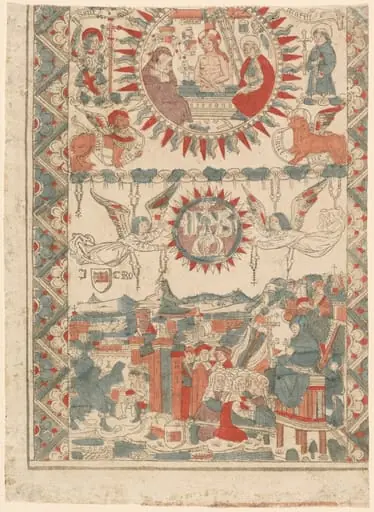 Saint Bonaventure Arriving and Preaching in Lyon
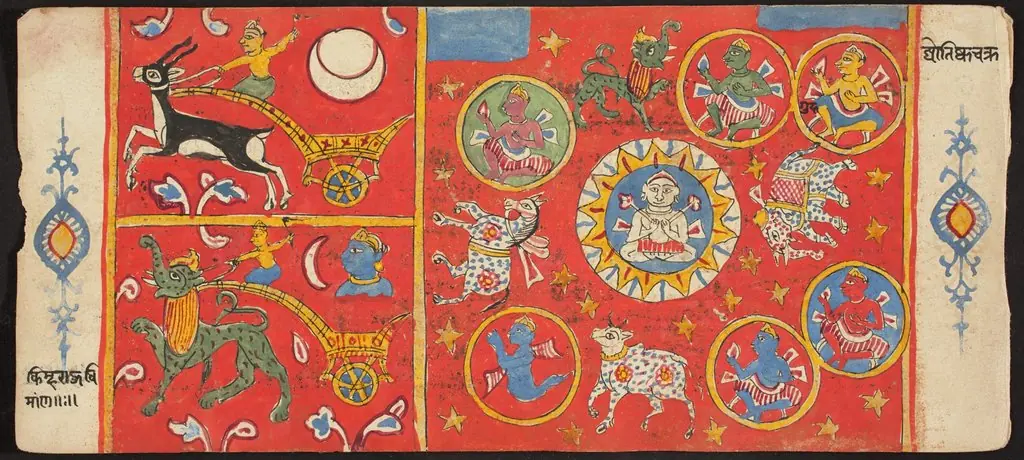 Tantric Manuscript "Sangrahani Sutra"
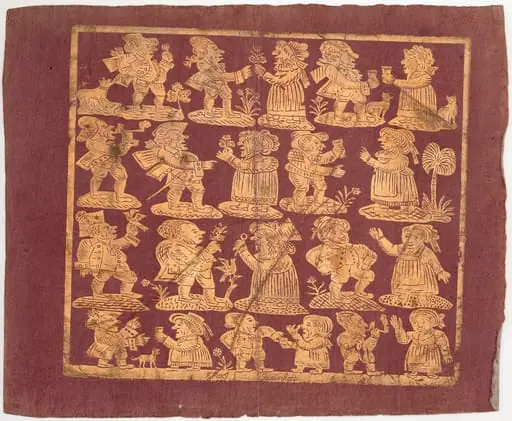 Endpaper - "Zwarg Gesellschaft"
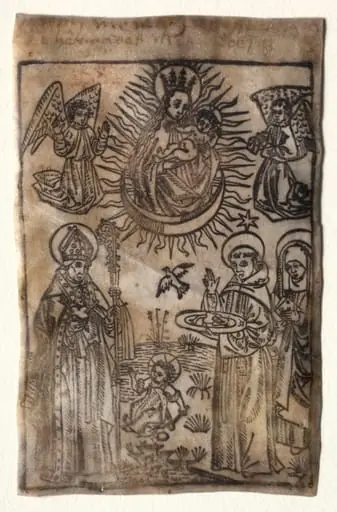 Madonna and Child with Three Members of the St. Augustine Order: Saints Augustine, Nicholas and Clara
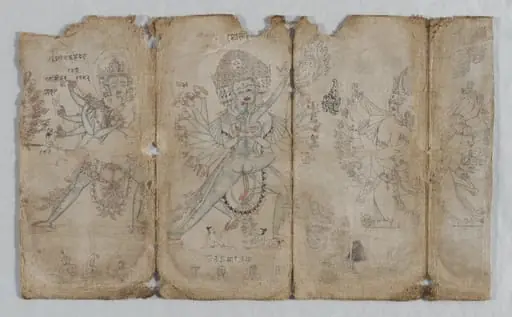 Iconographic Drawings: Chakrashamvara with Vajravarahi, Hevajra with Nairatmya, and Yamantaka (verso)
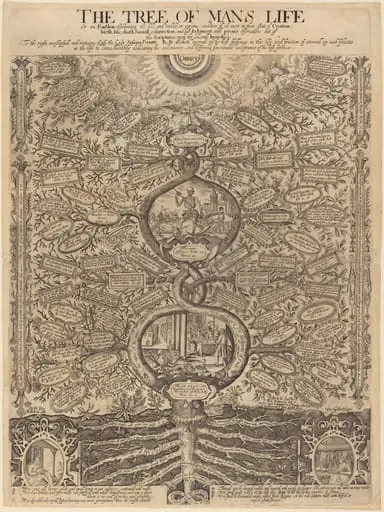 The Tree of Man's Life
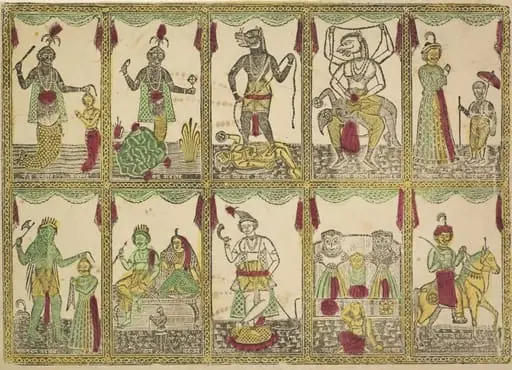 Das Avataras, Ten Incarnations of Vishnu (verso), from a Kalighat album