Artwork
Portrait of a Woman
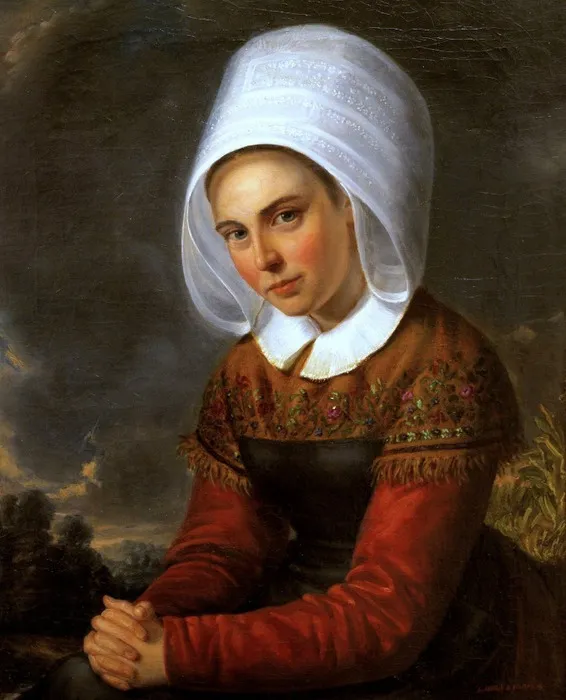
Portrait of a Woman is an oil painting by the Biedermeier artist János Alajos Hora. It dates from 1840 and is held in the collection of the Hungarian National Gallery.
About this work
Overview
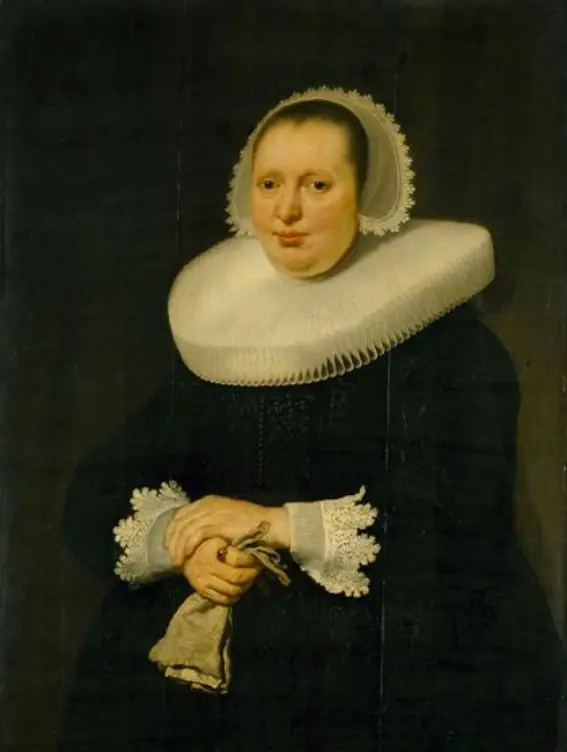
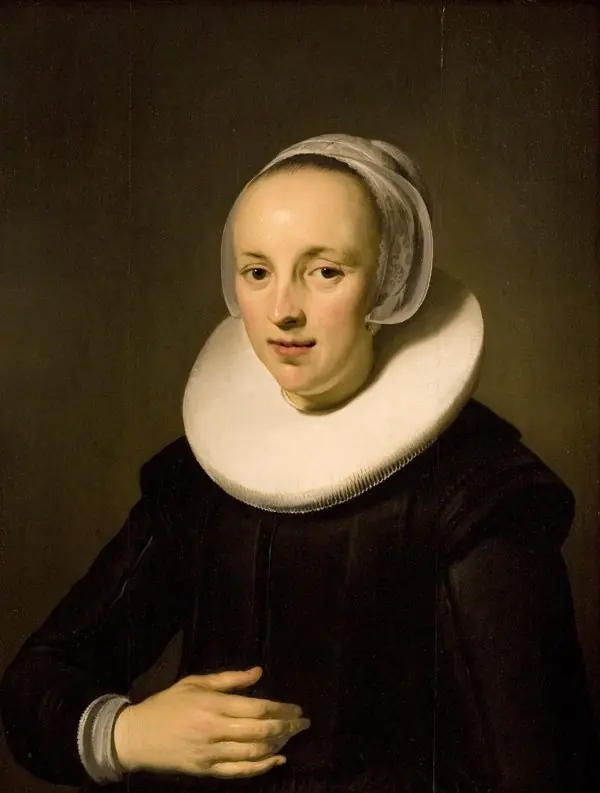
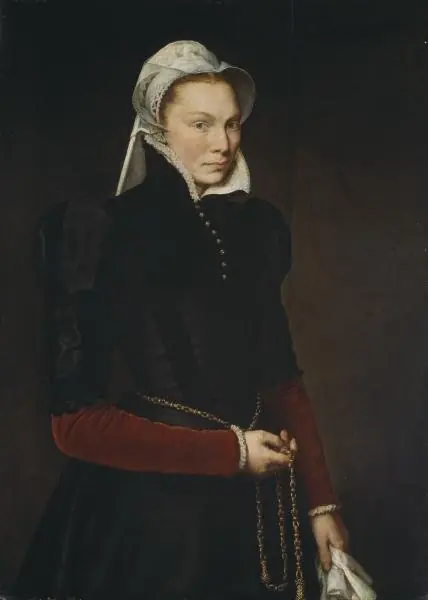
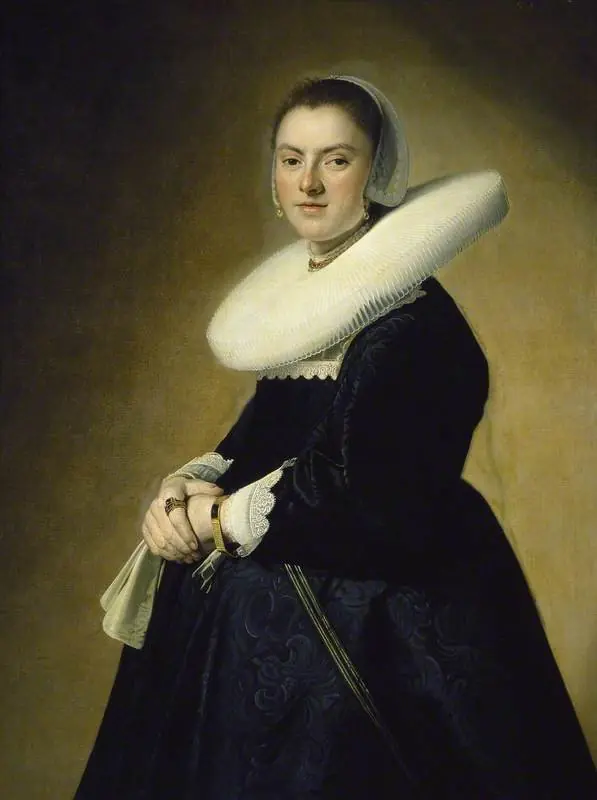
Painted in 1840 by János Alajos Hora, this oil portrait presents a seated woman in quiet repose. Executed with careful attention to detail, the work belongs to the collection of the Hungarian National Gallery. Its modest scale and intimate composition reflect a focus on individual presence rather than grandeur, characteristic of mid-19th-century Hungarian portraiture.
Subject & Meaning
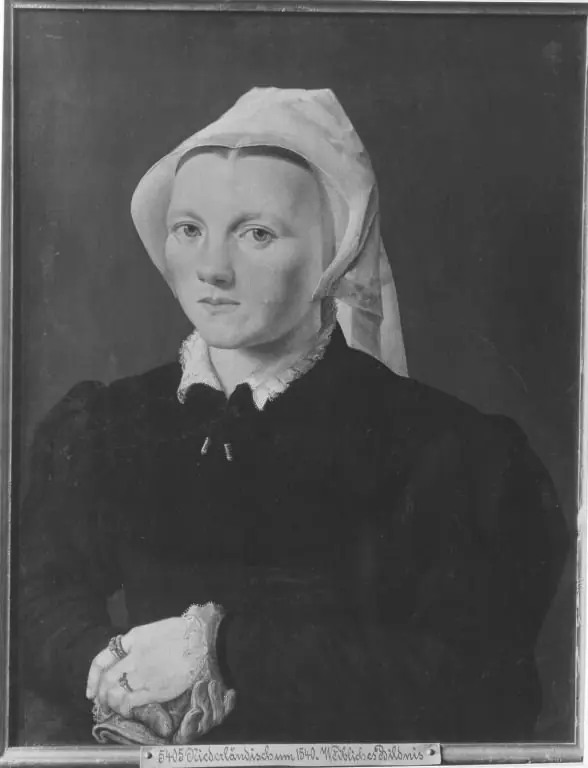
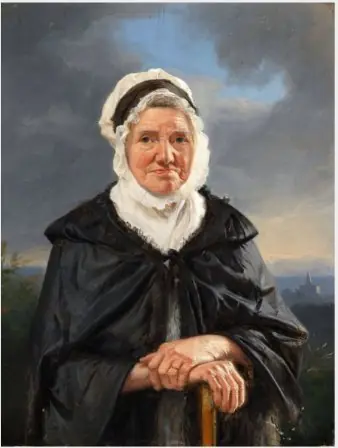
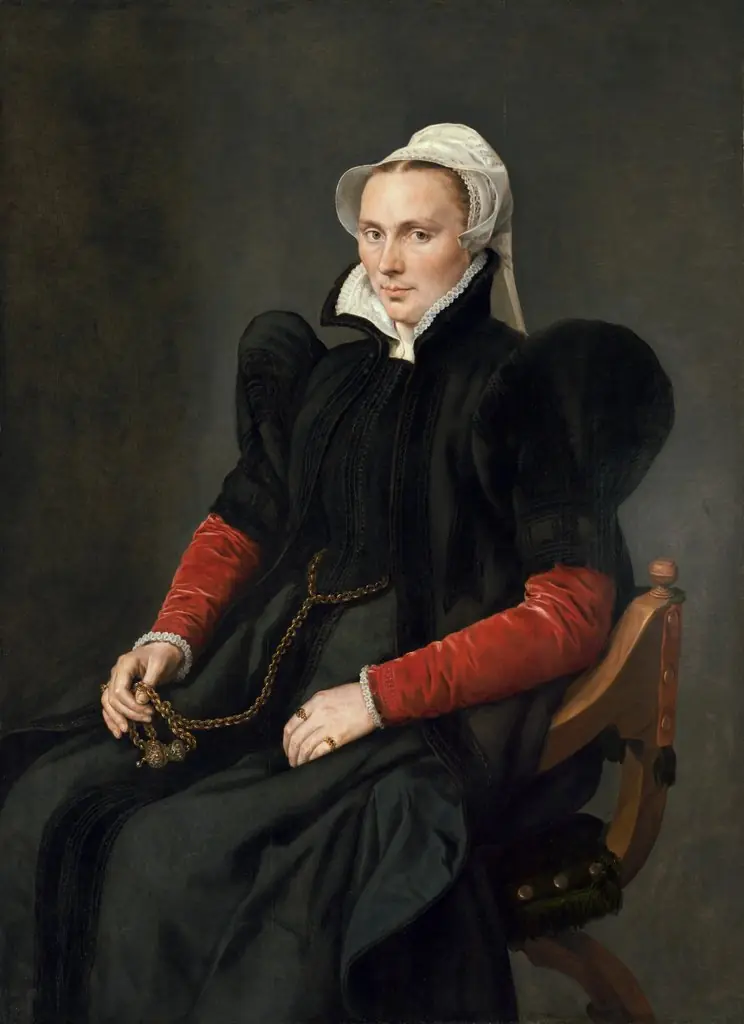
The subject is a woman dressed in a red dress adorned with floral embroidery and a white head covering, elements suggesting rural or regional Hungarian attire.
The subject is a woman dressed in a red dress adorned with floral embroidery and a white head covering, elements suggesting rural or regional Hungarian attire. Her clasped hands and direct gaze convey stillness and dignity. The absence of identifying symbols or context invites interpretation as a representation of everyday virtue, possibly embodying ideals of modesty and domestic quietude common in the period.
Technique & Style
Hora employed oil paint to render fine textures in fabric and skin with subtle gradations of light. The dark, indistinct background isolates the figure, drawing focus to her form and attire. Soft modeling and restrained highlights, reminiscent of chiaroscuro, lend volume without dramatic contrast, emphasizing realism over theatricality in the rendering of the sitter’s presence.
History & Provenance
The painting entered the collection of the Hungarian National Gallery in the 19th century, likely as part of early efforts to document national artistic output. Its attribution to Hora, a lesser-known but active portraitist of the era, suggests it was valued for its local authenticity rather than celebrity status. No significant changes in ownership are recorded after its acquisition by the institution.
Context
Created during a period of rising national consciousness in Hungary, the portrait reflects a cultural interest in documenting regional dress and folk identity. While urban elites often commissioned formal portraits, this work captures a more vernacular subject, aligning with broader 19th-century movements to preserve and elevate indigenous customs through visual art.
Legacy
Though not widely exhibited beyond national collections, the portrait remains a quiet example of Hungarian academic portraiture from the 1840s. It contributes to the historical record of how ordinary individuals were represented in art during a time of social transition, offering insight into the visual language of rural identity in pre-industrial Hungary.
Artist & collection