Artwork
Hercules and Envy
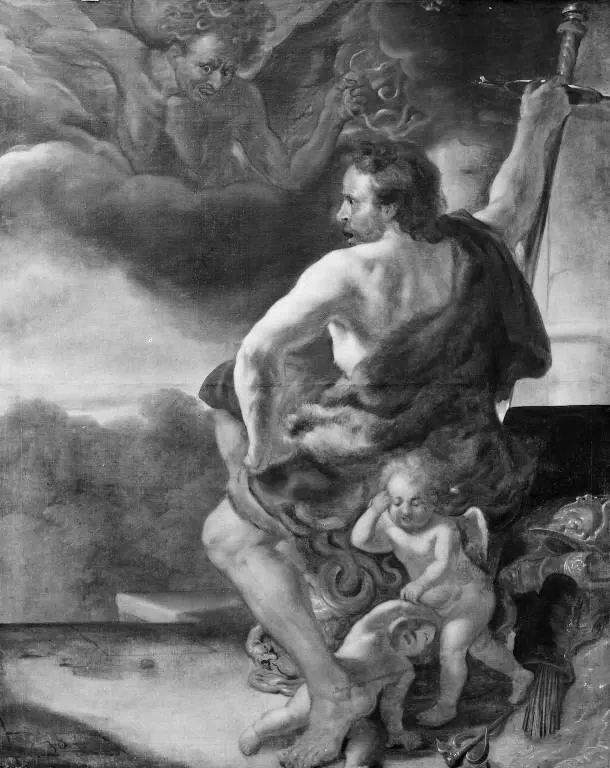
Hercules and Envy is an oil painting by the Flemish Baroque painting artist Jürgen Ovens. It dates from 1658 and is held in the collection of the Statens Museum for Kunst.
About this work
Subject & Meaning
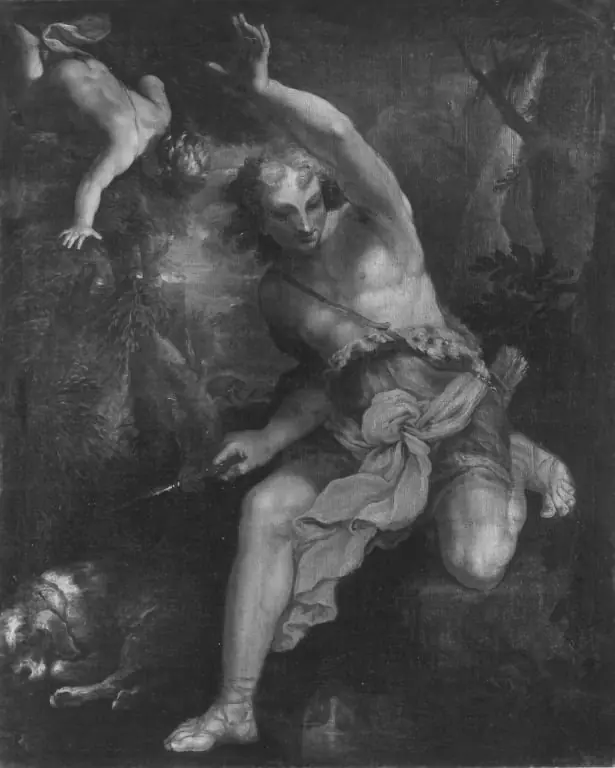
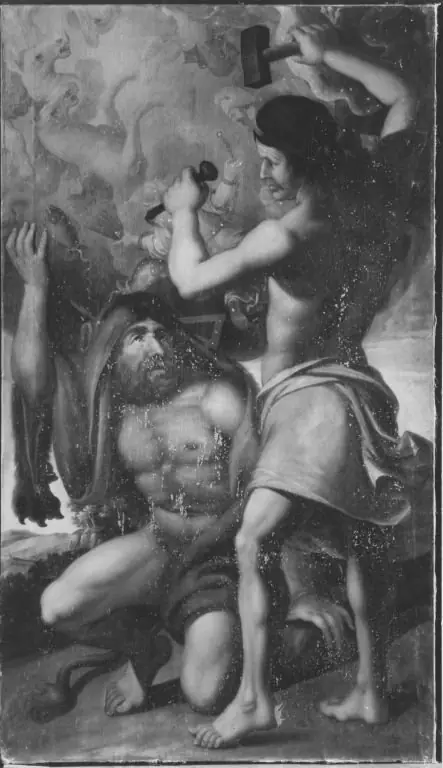
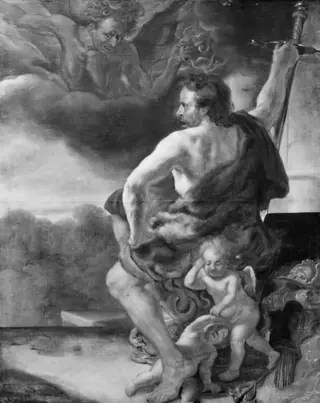
The painting depicts the mythological hero Hercules confronting the personification of Envy, illustrating the triumph of virtue over resentment.
The painting depicts the mythological hero Hercules confronting the personification of Envy, illustrating the triumph of virtue over resentment. Hercules is shown wielding a sword, a common attribute that underscores his martial prowess and role as a slayer of evil. The composition reflects Baroque interest in dramatic narrative and moral allegory, with the figure of Envy rendered as a serpentine, winged being poised to strike, symbolizing malicious gossip and jealousy.
Together the elements convey a didactic lesson on the victorious resilience of heroic virtue against corrosive human emotions.
The work belongs to the mythological painting genre, rendered in oil on canvas and housed in the collection of the Statens Museum for Kunst.
Hercules and Envy was created by Jürgen Ovens in 1658, measures 179.5 cm in height and 145 cm in width, and is classified as a mythological painting.
Technique & Style
Executed in 1658, this mythological painting by Jürgen Ovens utilizes oil paint applied to a canvas support. The work measures 179.5 cm in height and 145 cm in width. Stylistically, the composition depicts the figure of Heracles wielding a sword, adhering to the conventions of seventeenth-century mythological narrative painting.
History & Provenance
The mythological painting Hercules and Envy was created by the artist Jürgen Ovens in 1658. Executed in oil paint on canvas, the work measures 179.5 cm in height and 145 cm in width. The piece is currently held in the collection of the Statens Museum for Kunst, where it remains located.
No specific details regarding its original commission or intermediate ownership history prior to entering this museum's holdings are provided in the available records.
The painting Hercules and Envy by Jürgen Ovens is held in the collection of the Statens Museum for Kunst. Created in 1658, the work is executed in oil on canvas and depicts the mythological figure Heracles with a sword. The provided sources confirm its location at this institution but do not list a specific inventory or accession number. Furthermore, no information regarding the exhibition history of this specific artwork is available in the current records.
Context
The painting Hercules and Envy by Jürgen Ovens, executed in oil on canvas in 1658, exemplifies Northern European mythological painting of the mid‑17th century. It depicts the hero Heracles wielding a sword, a subject drawn from classical mythology that underscores the artist’s engagement with Counter‑Reformation themes of moral allegory. The work is housed in the Statens Museum for Kunst, where its provenance and scholarly cataloguing have informed studies of Ovens’ role within the broader tradition of mythological painting in the Dutch‑German artistic milieu.
Scholarship on the piece highlights its technical mastery and its place within Ovens’ oeuvre, situating it alongside other mythological canvases that blend realism with symbolic narrative. Its inclusion in the museum’s collection has facilitated comparative analyses with contemporary works, reinforcing understanding of the artist’s contribution to the evolution of mythological painting in Northern Europe.
Overview
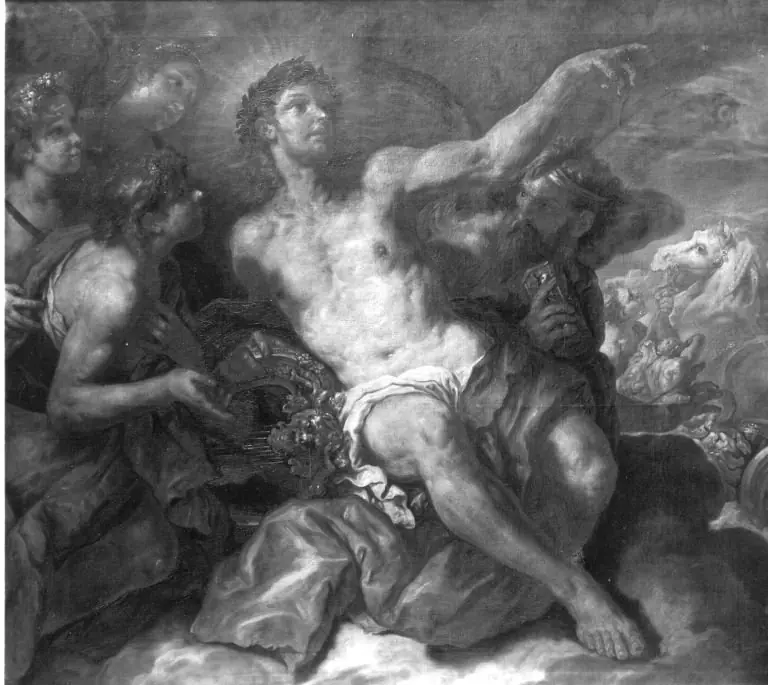
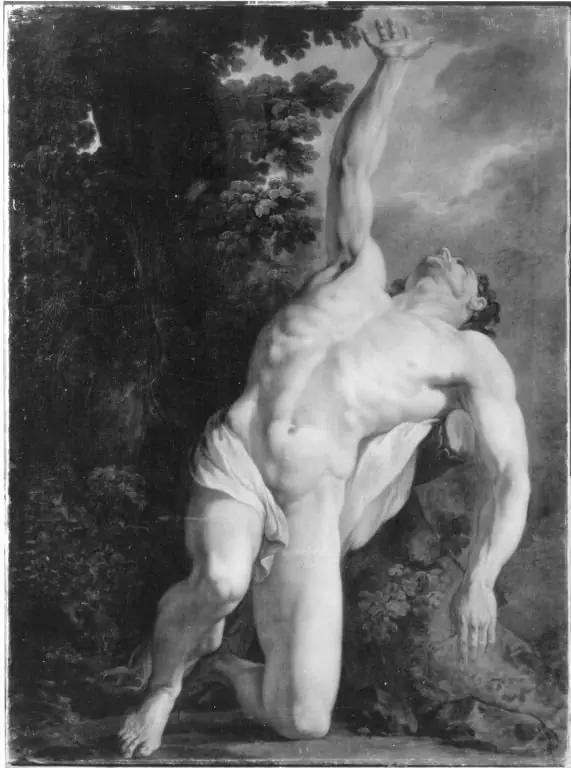
Created in 1658, this oil painting by Jürgen Ovens portrays a muscular figure, identified as the mythic hero Hercules, seated upon a rock and grasping a sword. The composition is framed by a cloudy sky, a distant body of water, and scattered stones, while a cherubic child rests at the hero’s feet and another figure emerges from the clouds above.
Artist & collection
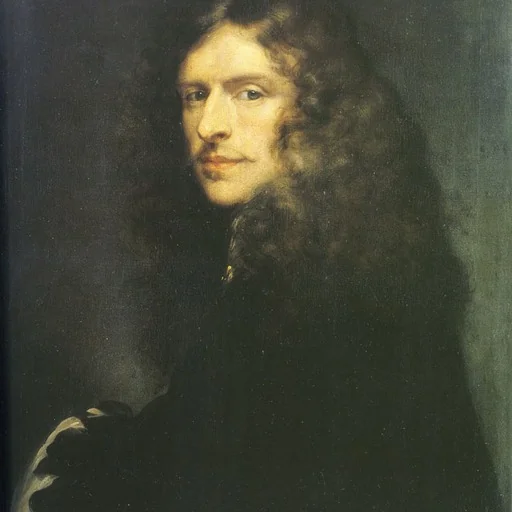
Artist
Jürgen Ovens (1623 – 9 December 1678), also known as Georg, or Jurriaen Ovens whilst in the Netherlands, was a portrait painter and art-dealer from North Frisia and, according to Arnold Houbraken, a pupil of Rembrandt.

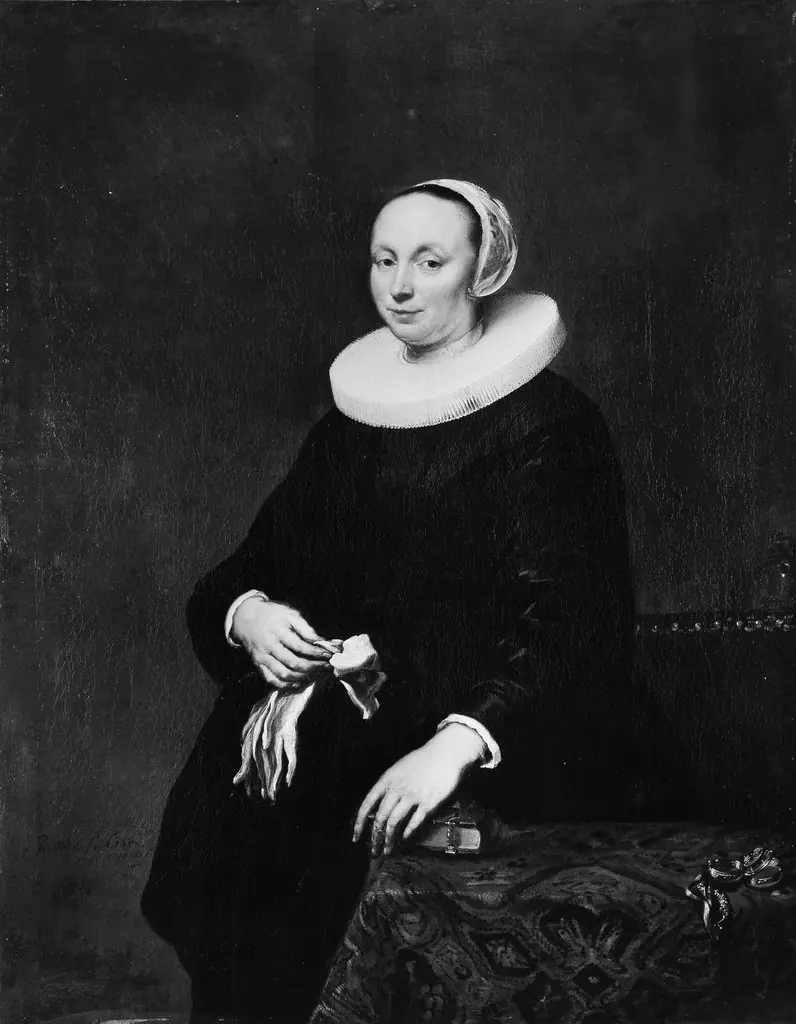 Portrait of a Woman
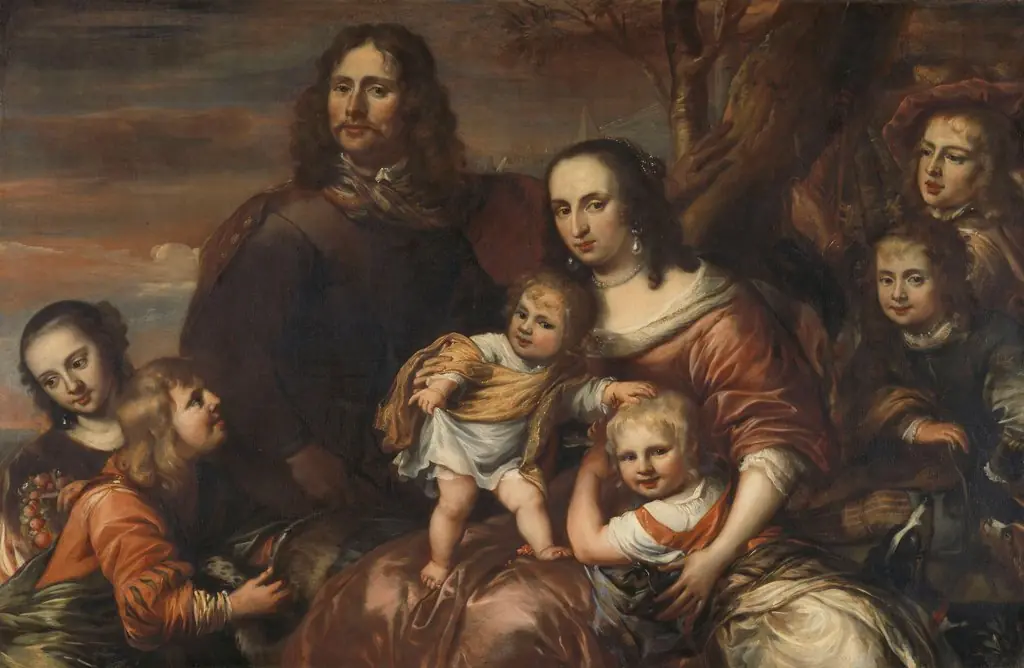 A couple with six children
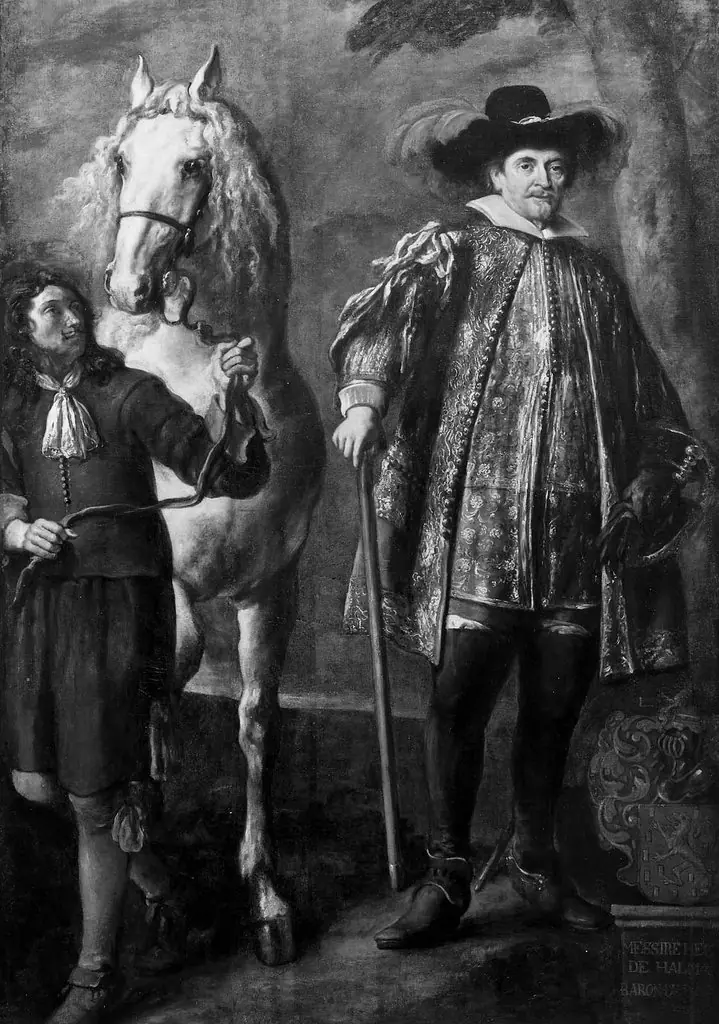 Hendrik van Halmale with his Horse and Groom
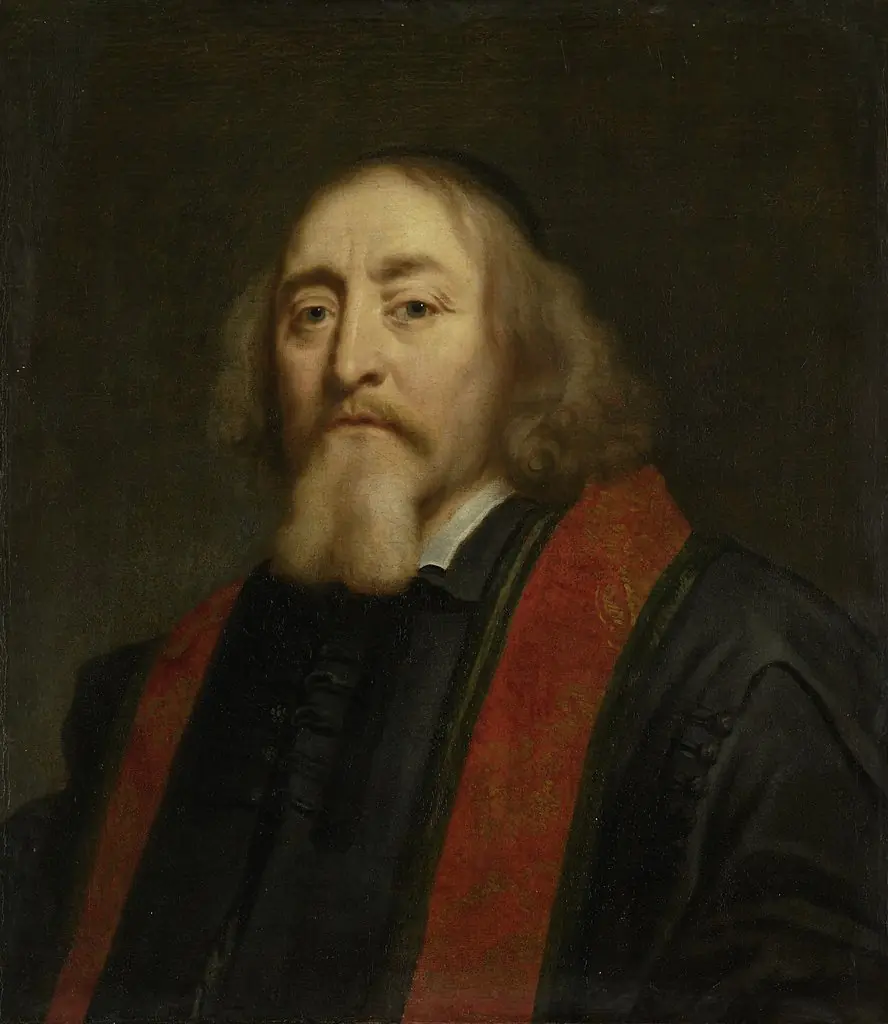 Jan Amos Comenius (Komensky) (1592-1670). Czech humanist and pedagogue. Exiled as a leader of the Moravian or Bohemian Brethren and settled in Amsterdam in 1656
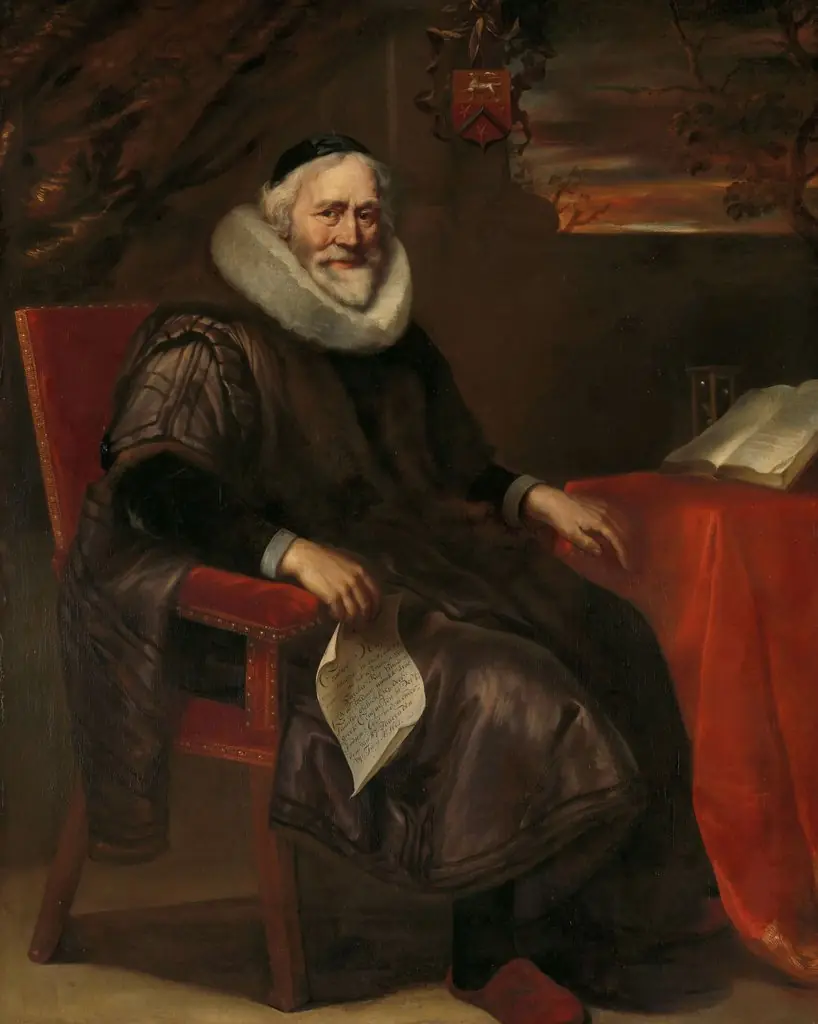 Cornelis Nuyts (1574-1661). Amsterdam merchant
 Portrait of Jan Amos Comenius
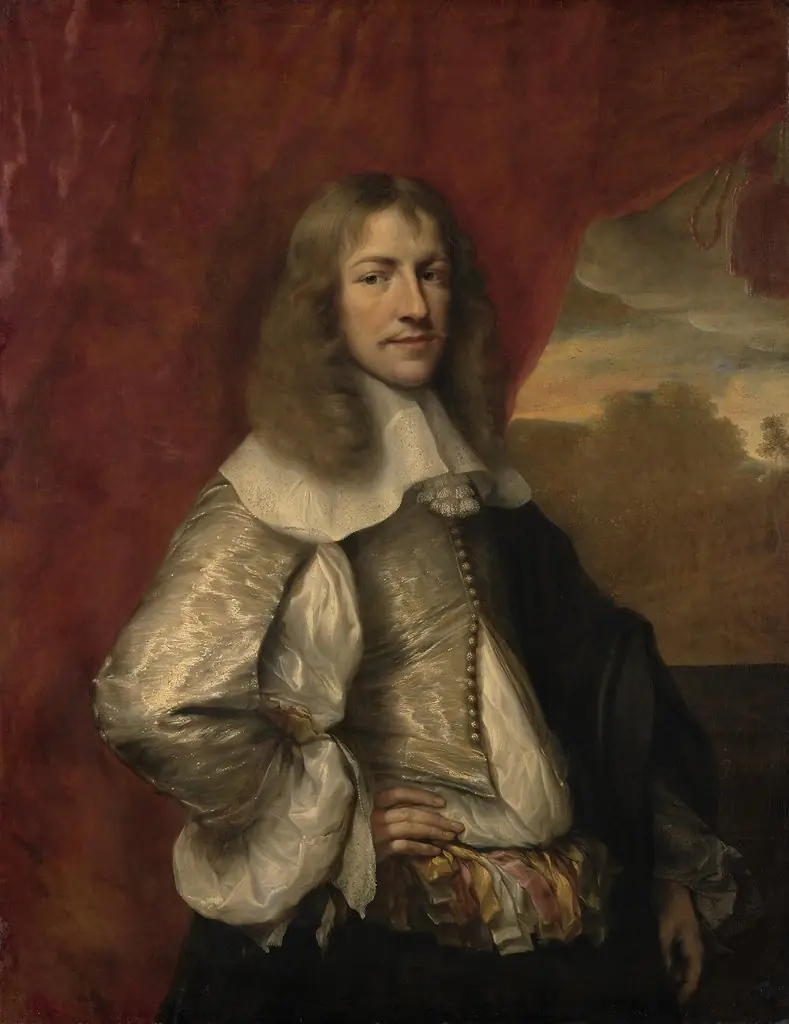 Portrait of Mr. Jan Bernd Schaep (1633-1666)