Artwork
Hendrik van Halmale with his Horse and Groom
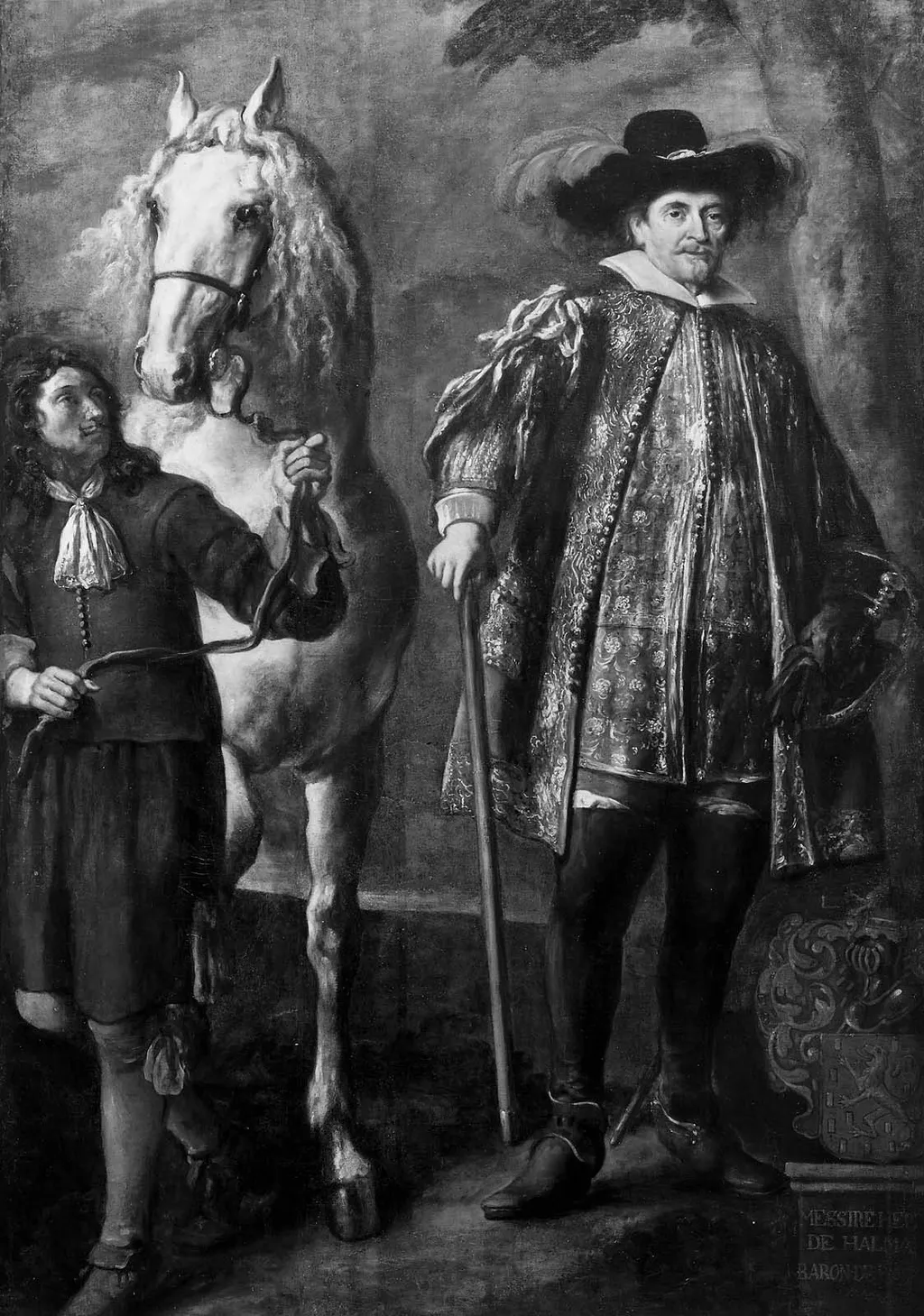
Hendrik van Halmale with his Horse and Groom is an oil painting by the Dutch Golden Age artist Jürgen Ovens. It dates from 1660 and is held in the collection of the Museum of Fine Arts Boston. Created around 1660, this oil on canvas presents Hendrik van Halmale I accompanied by his horse and a groom.
About this work
Subject & Meaning
The horse, page, and escutcheon function as symbols of nobility and readiness for action, reinforcing themes of aristocratic virtue and personal honor.
The portrait shows Hendrik van Halmale I standing beside a horse with his groom, a composition that emphasizes his status and martial identity. The horse, page, and escutcheon function as symbols of nobility and readiness for action, reinforcing themes of aristocratic virtue and personal honor. Rendered in oil on canvas, the work exemplifies the portrait genre prevalent in Northern European art of the period.
Technique & Style
The work is executed in oil paint on canvas, a standard combination for seventeenth-century Northern European portraiture. Its substantial format, 228.3 cm in height by 158.1 cm in width, is consistent with a full-length, life-size equestrian composition, a format reserved for sitters of elevated social rank. The portrait genre is reinforced by the inclusion of heraldic and attendant elements, specifically an escutcheon and a page, alongside the principal sitter and his horse.
Stylistically, the painting reflects the portrait conventions associated with Jürgen Ovens, with attributions also linked to Carel Fabritius and Pieter Thijs, suggesting a collaborative workshop practice in which multiple hands contributed to a single canvas. The combination of monumental scale, oil-on-canvas support, and conventional portrait iconography places the work firmly within the formal traditions of mid-seventeenth-century aristocratic portraiture.
History & Provenance
The work is held in the collection of the Museum of Fine Arts Boston. Its accession number is 1980.250. The painting was included in the exhibition "Dutch and Flemish Painting in the Museum of Fine Arts, Boston" at the Museum of Fine Arts Boston in 1980.
Legacy
The painting's reputation grew through scholarly attention to its provenance, notably its inclusion in Francis Bartlett's collection and subsequent donation to the Museum of Fine Arts Boston, where it remains on display. Its scholarly documentation, including detailed cataloguing of dimensions and material, has reinforced its standing as a significant example of 17th‑century portraiture.
Overview
Created around 1660, this oil on canvas presents Hendrik van Halmale I accompanied by his horse and a groom. The composition, typical of Dutch Golden Age portraiture, places the three figures against a darkened backdrop, allowing the illuminated subjects to dominate the visual field.
Context
Ovens’ career straddled portraiture and commerce, reflecting the interconnected art market of the Dutch Golden Age. This portrait aligns with contemporary conventions that linked personal identity to land, lineage, and the display of prized animals, a common motif among the affluent merchant and noble classes.
Artist & collection
Artist
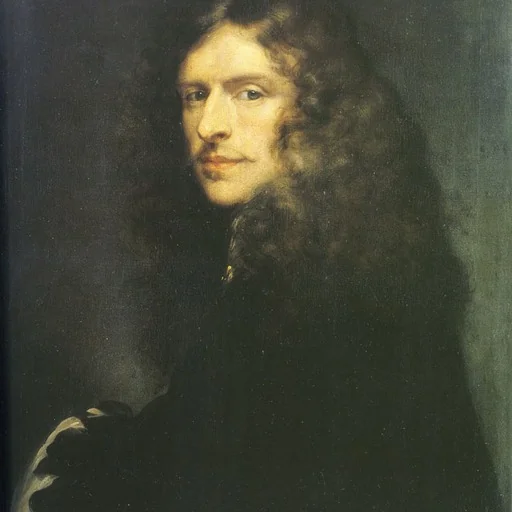
Jürgen Ovens (1623 – 9 December 1678), also known as Georg, or Jurriaen Ovens whilst in the Netherlands, was a portrait painter and art-dealer from North Frisia and, according to Arnold Houbraken, a pupil of Rembrandt.

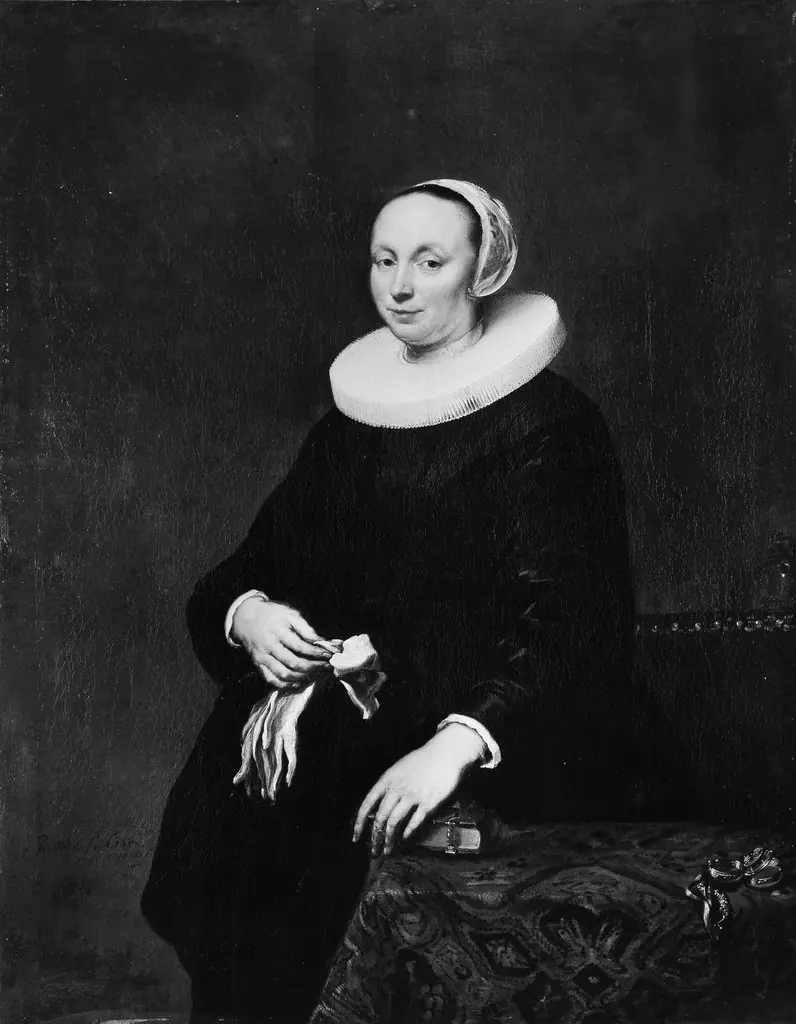 Portrait of a Woman
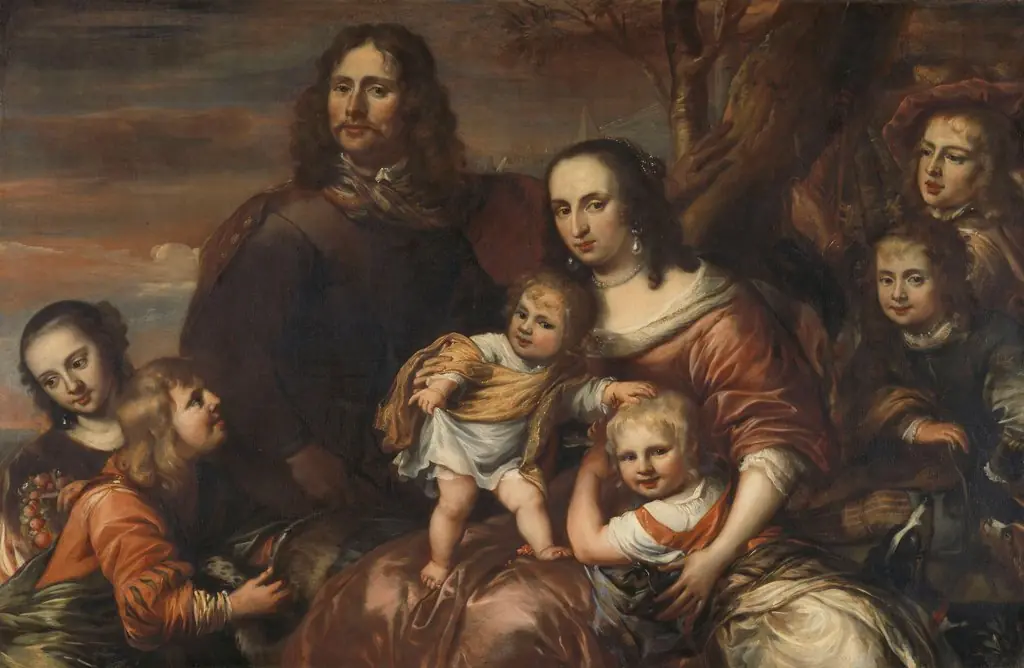 A couple with six children
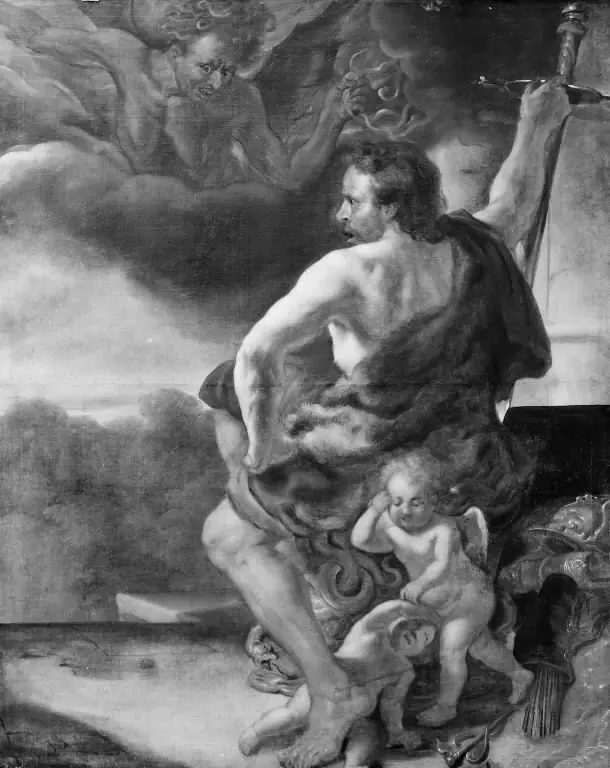 Hercules and Envy
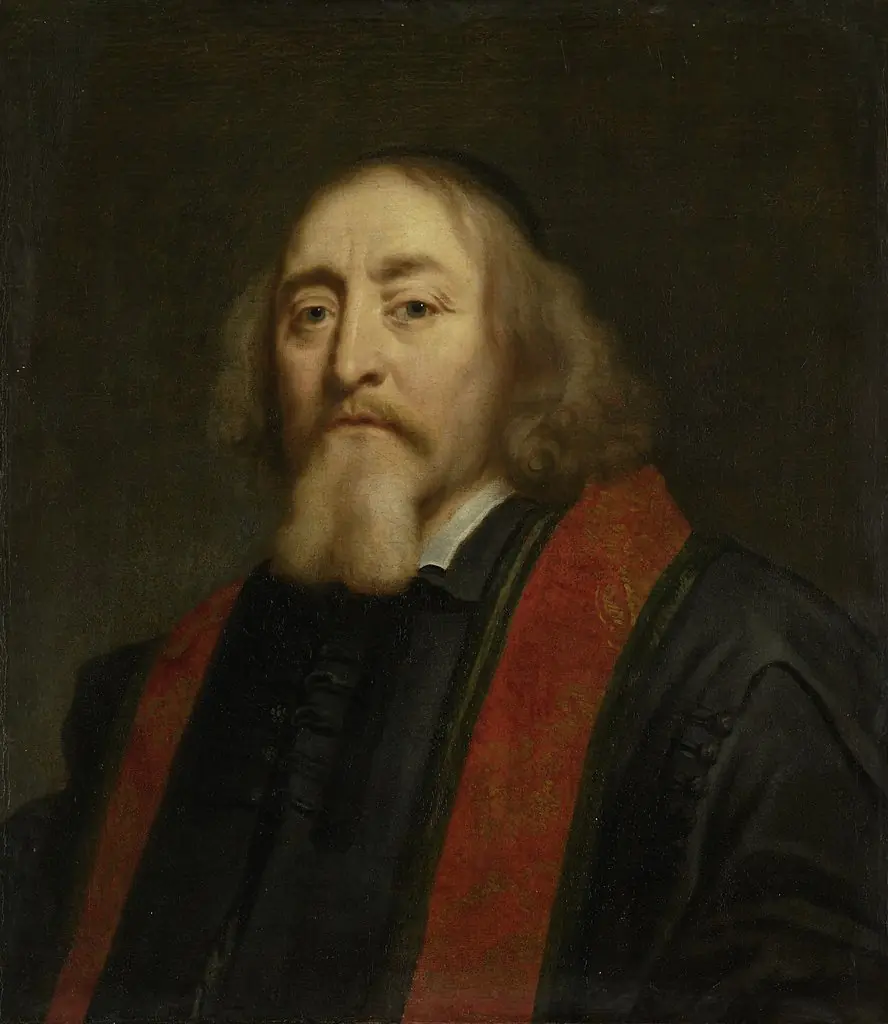 Jan Amos Comenius (Komensky) (1592-1670). Czech humanist and pedagogue. Exiled as a leader of the Moravian or Bohemian Brethren and settled in Amsterdam in 1656
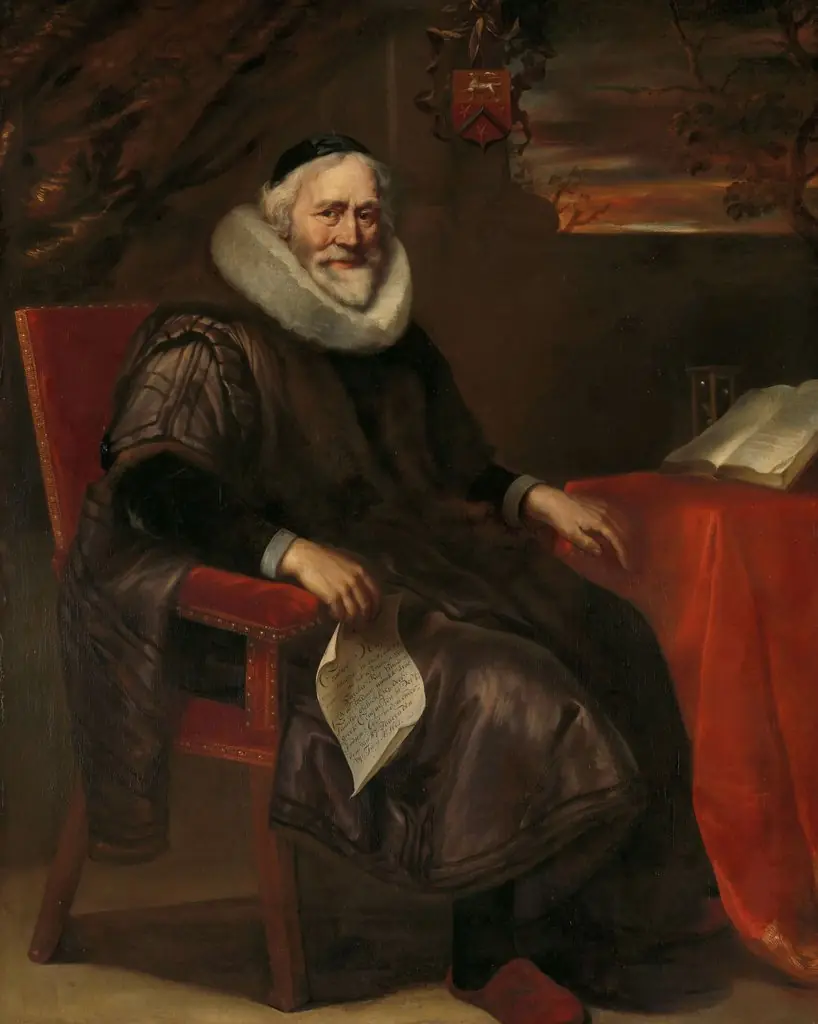 Cornelis Nuyts (1574-1661). Amsterdam merchant
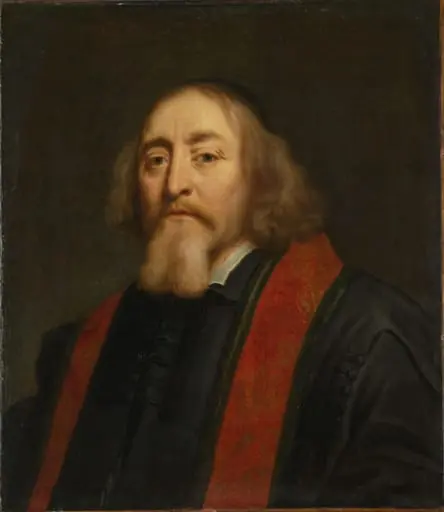 Portrait of Jan Amos Comenius
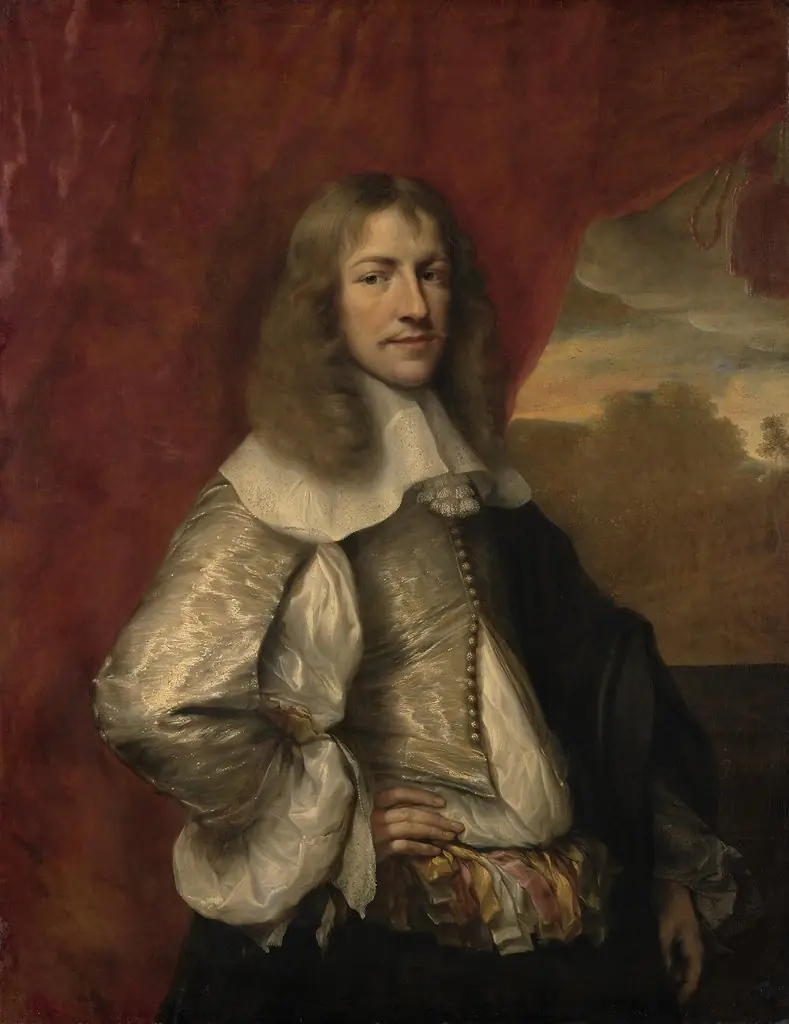 Portrait of Mr. Jan Bernd Schaep (1633-1666)
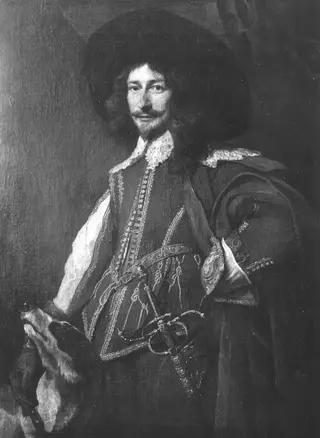 Ein spanischer Edelmann
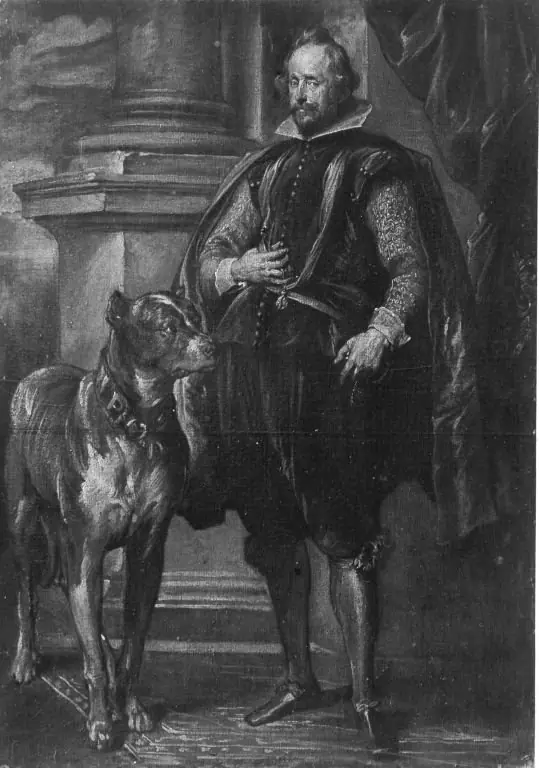 Portrait of Wolfgang Wilhelm, Count Palatine and Herzog von Neuburg (1578-1653)
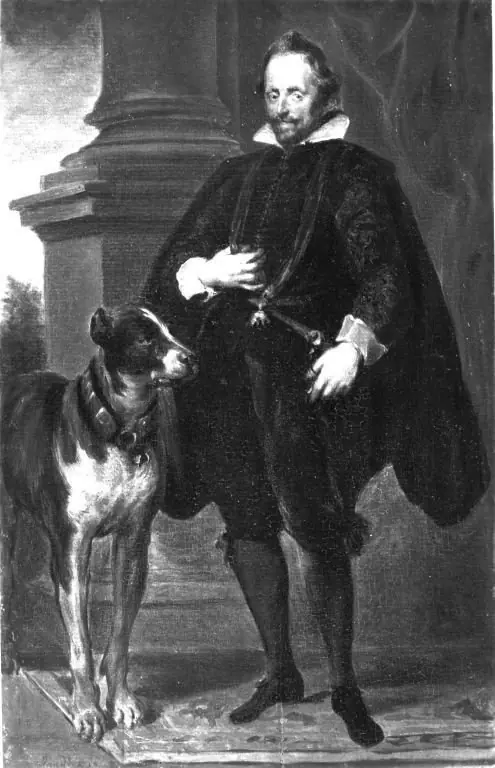 Portrait of Wolfgang Wilhelm van Wittelsbach
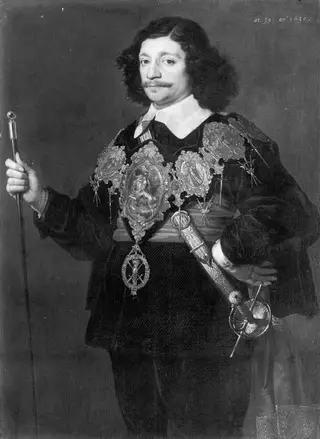 Portrait of a man with the insignia of the Order of S. Jago
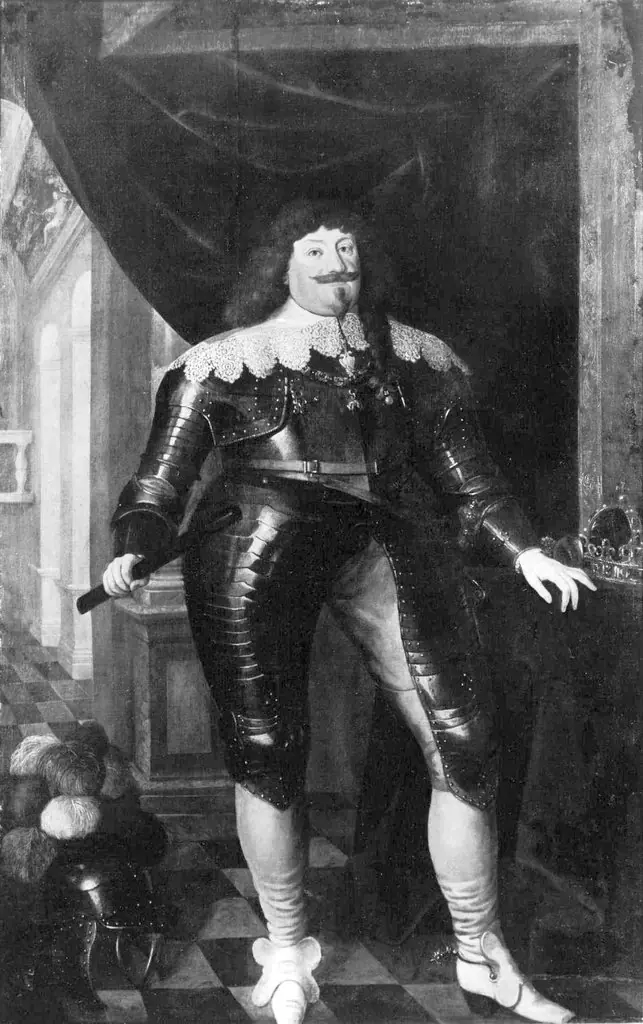 Portrait of King Władysław IV Vasa
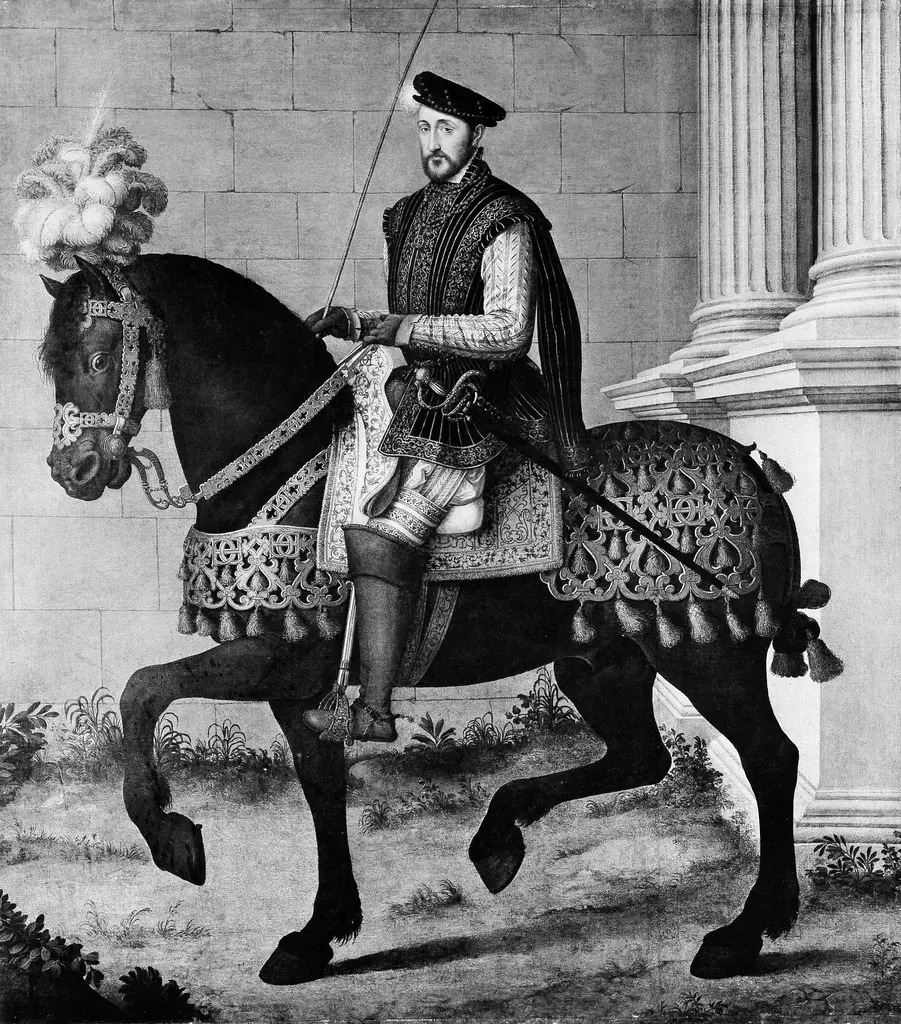 Henry II (1519–1559), King of France
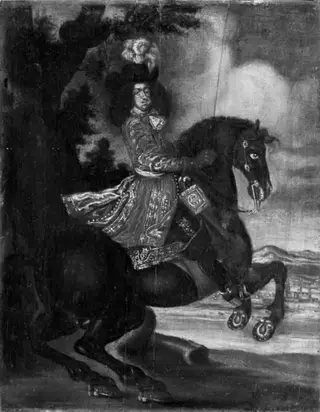 Christian V til hest
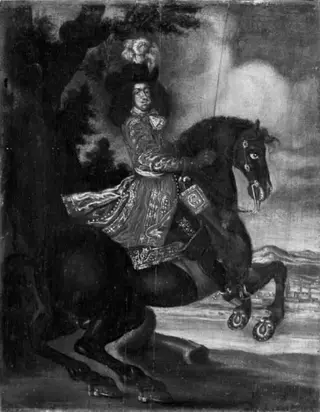 Christian V til hest
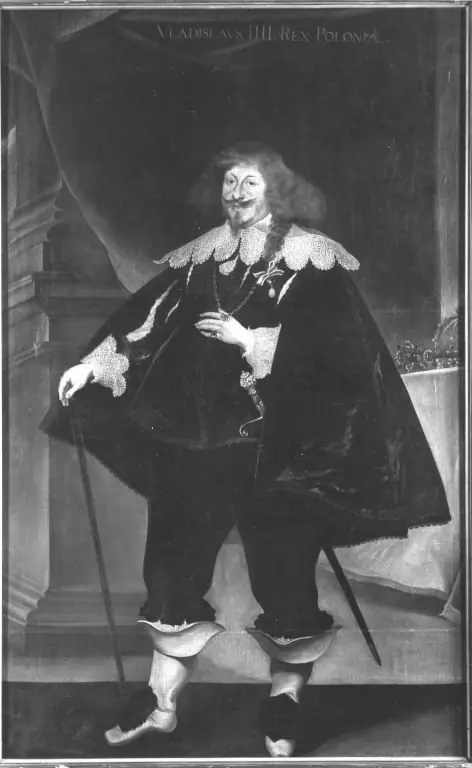 Portrait of King Ladislaus IV Vasa.
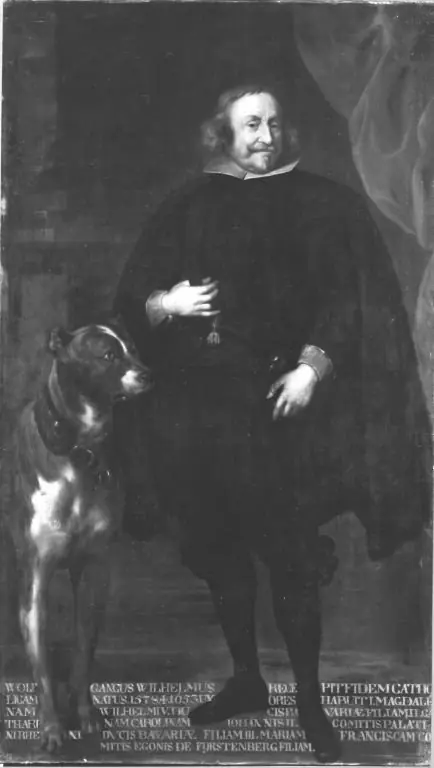 Wolfgang Wilhelm von der Pfalz-Neuburg
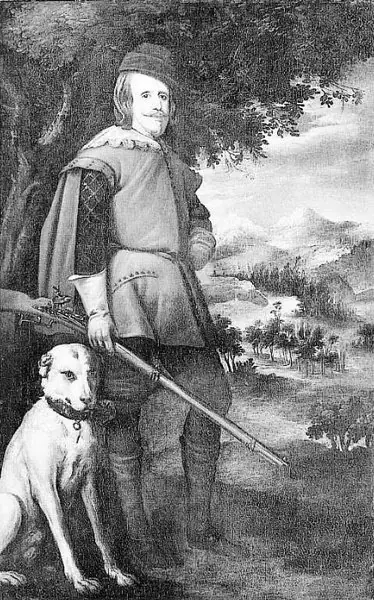 Philipp IV., König von Spanien (1605-1665), im Jagdanzug
- Prince Maurits with His Horse and Groom