Artwork
A couple with six children
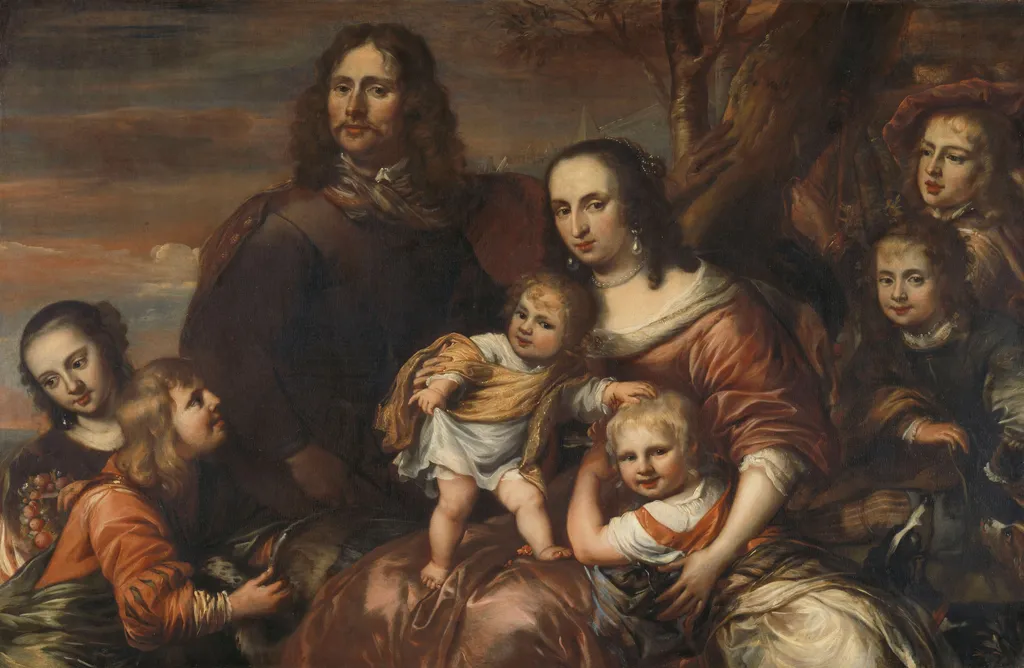
A couple with six children is an oil painting by the Dutch Golden Age artist Jürgen Ovens. It dates from 1650 and is held in the collection of the Rijksmuseum.
About this work
Subject & Meaning
Thus the image celebrates familial virtue and the ideal of a stable, prosperous household.
The painting shows a man, a woman, and six children arranged as a family group, making it a straightforward representation of the titular couple with their offspring. As a family and group portrait, the work employs the conventions of 17th‑century Dutch portraiture to convey domestic harmony, marital unity, and the continuity of the lineage through the children. The presence of multiple offspring functions as a symbol of fertility, prosperity, and the family’s social standing, while the joint pose of the parents underscores their shared role as heads of the household. Thus the image celebrates familial virtue and the ideal of a stable, prosperous household.
Technique & Style
A couple with six children is an oil painting executed on canvas, measuring 113 cm in height by 173.5 cm in width. The work is classified as a family portrait and group portrait, a format that accommodates the multi-figure composition of a man, a woman, and their children. Its horizontal orientation and broad scale suit the arrangement of the family group across the picture plane.
The attribution is shared between Jürgen Ovens and Jan Baptist Weenix, indicating collaborative execution of the painted surface.
The work is held in the collection of the Rijksmuseum, where it has been preserved as part of the museum's holdings. Its earlier provenance includes ownership by Adriaan van der Willigen Pz. before entering the institutional collection.
History & Provenance
A couple with six children was painted in 1650 by Jürgen Ovens, with Jan Baptist Weenix credited as a co-creator, in oil on canvas. The work entered the collection of Adriaan van der Willigen Pz., a documented private owner, before ultimately being held by the Rijksmuseum, where it is currently located. No further details about the original commission, the circumstances of the sittings, or the chain of custody between the artist's studio and Van der Willigen are recorded in the available sources.
A Couple with Six Children is held in the collection of the Rijksmuseum. The painting is recorded as part of that institution's holdings and is catalogued as a group family portrait on canvas.
The work was previously owned by Adriaan van der Willigen Pz. before entering the Rijksmuseum's collection. No specific accession number is recorded in the available sources, and no exhibition history is documented.
Context
A couple with six children is a 1650 oil painting by Jürgen Ovens, recorded in the Rijksmuseum collection and attributed to the artist’s family‑portrait series. The work, measuring 113 × 173.5 cm, depicts a man, a woman and six children in a domestic setting, a composition that scholars cite as an example of mid‑17th‑century Dutch group portraiture and as indicative of Ovens’ engagement with genre conventions pioneered by contemporaries such as Jan Baptist Weenix. Its provenance, documented through ownership by Adriaan van der Willigen Pz., underscores its significance within the artist’s oeuvre and the broader development of portraiture in the Dutch Golden Age.
Overview
Jürgen Ovens, a North Frisian artist, painted A couple with six children around 1650. This oil-on-canvas work captures a family group of eight individuals, reflecting the portraiture trends of the Dutch Golden Age. The painting is a notable example of Ovens's skill in depicting domestic scenes and is currently part of the Rijksmuseum's collection. It offers a glimpse into family life and artistic practices of the mid-17th century.
Own this work as a print
Artist & collection
Artist
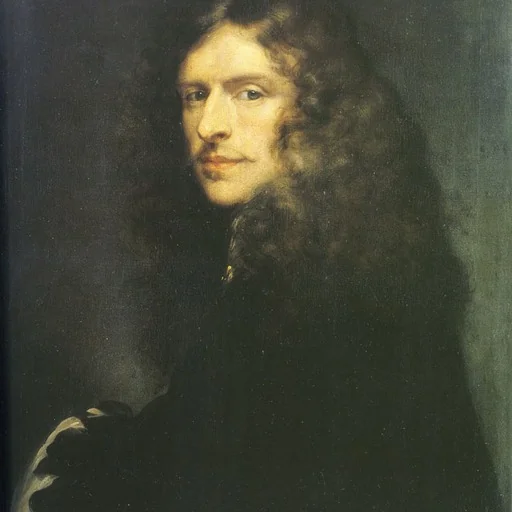
Jürgen Ovens (1623 – 9 December 1678), also known as Georg, or Jurriaen Ovens whilst in the Netherlands, was a portrait painter and art-dealer from North Frisia and, according to Arnold Houbraken, a pupil of Rembrandt.

 Portrait of a Woman
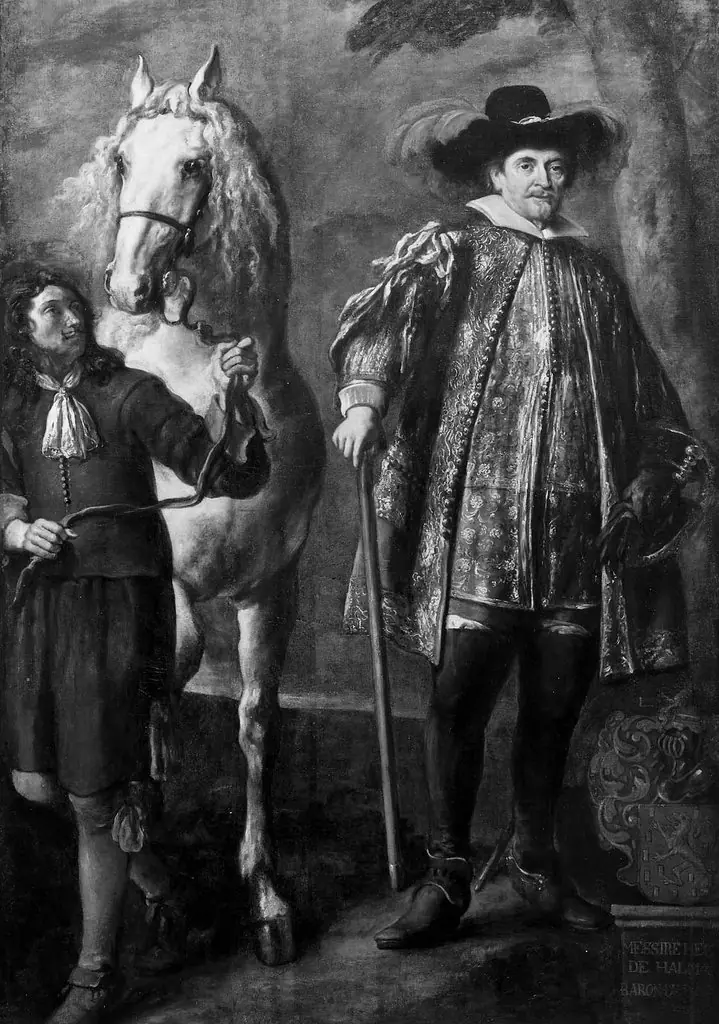 Hendrik van Halmale with his Horse and Groom
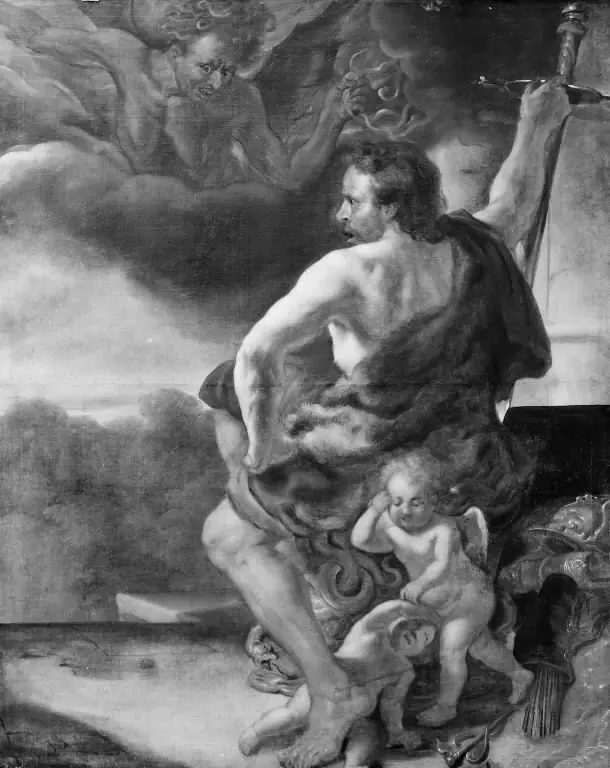 Hercules and Envy
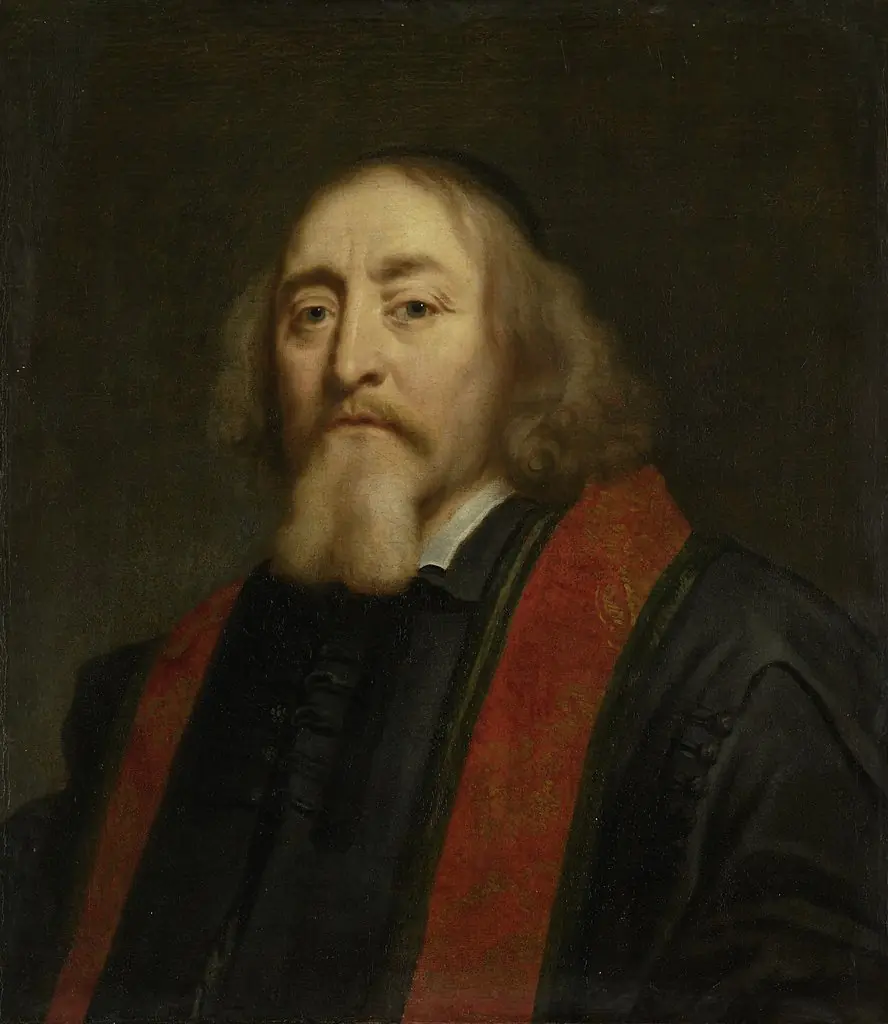 Jan Amos Comenius (Komensky) (1592-1670). Czech humanist and pedagogue. Exiled as a leader of the Moravian or Bohemian Brethren and settled in Amsterdam in 1656
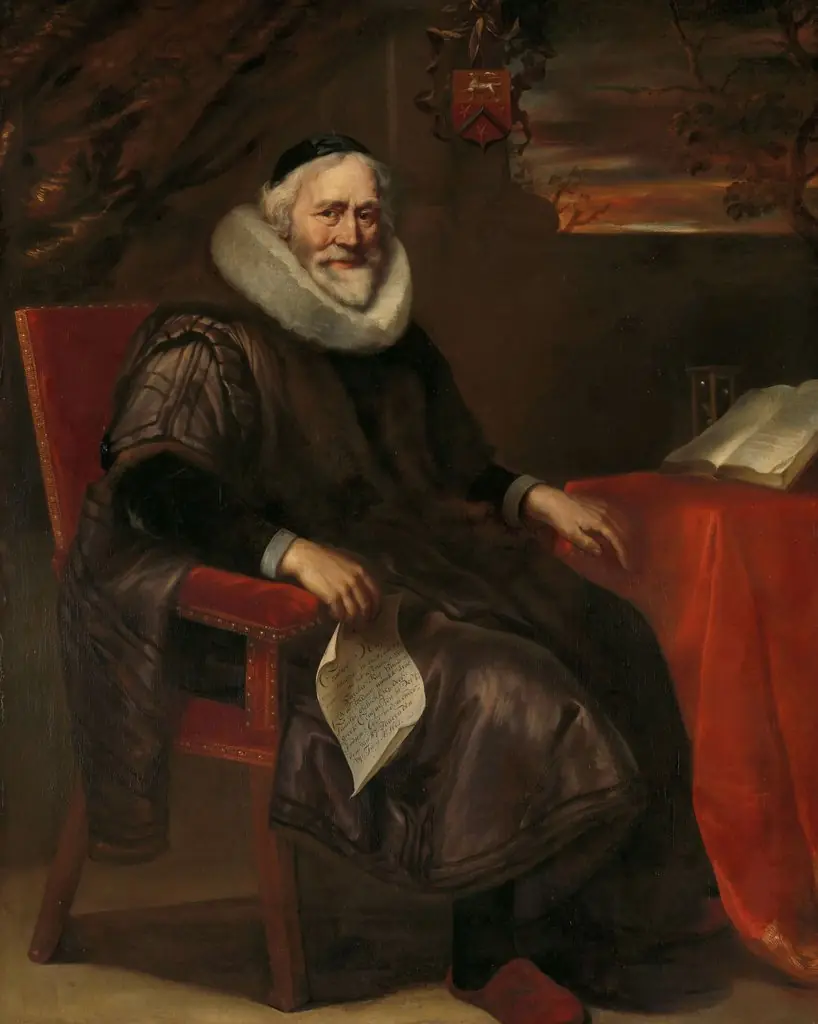 Cornelis Nuyts (1574-1661). Amsterdam merchant
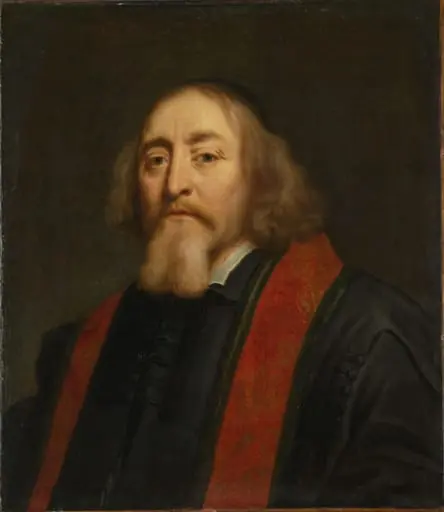 Portrait of Jan Amos Comenius
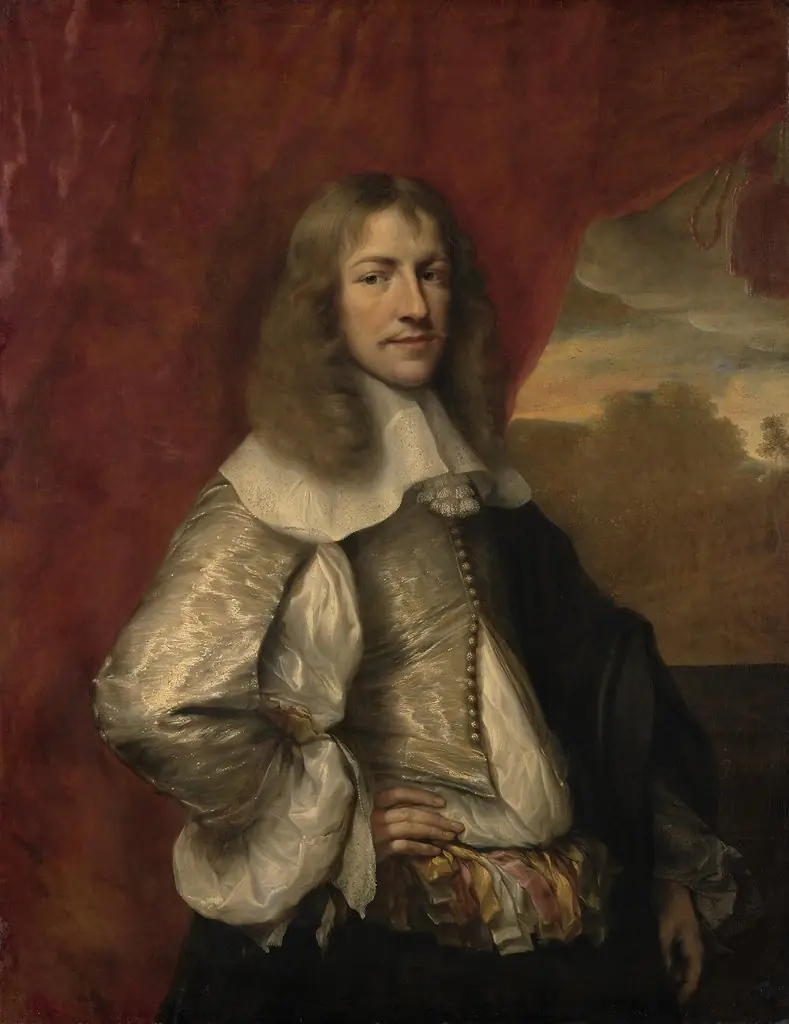 Portrait of Mr. Jan Bernd Schaep (1633-1666)
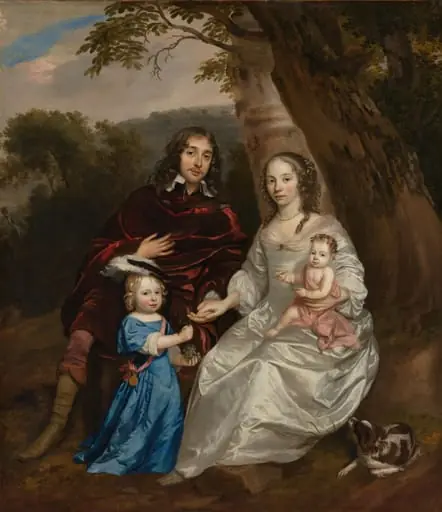 Portrait of Govert van Slingelandt (1623-1690), with his First Wife Christina van Beveren (1632-1656) and their Two Children
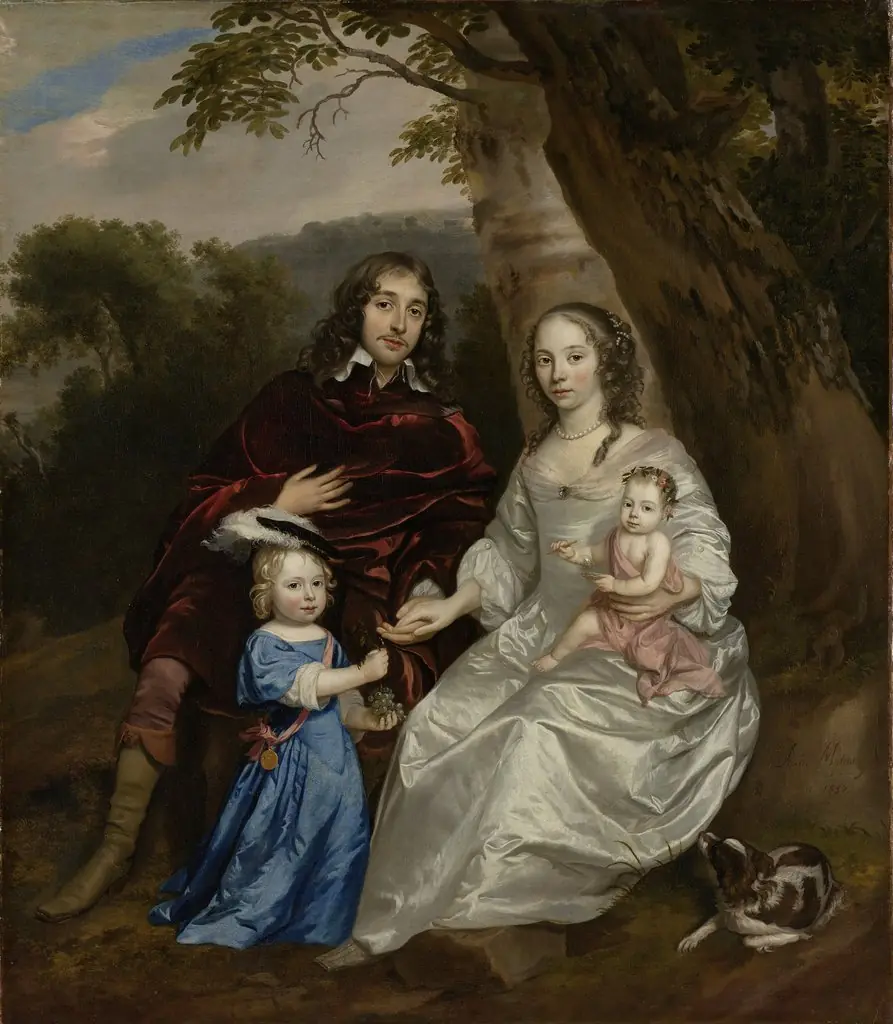 Govert van Slingelandt (1623-90), lord of Dubbeldam. With his first wife Christina van Beveren and their two sons
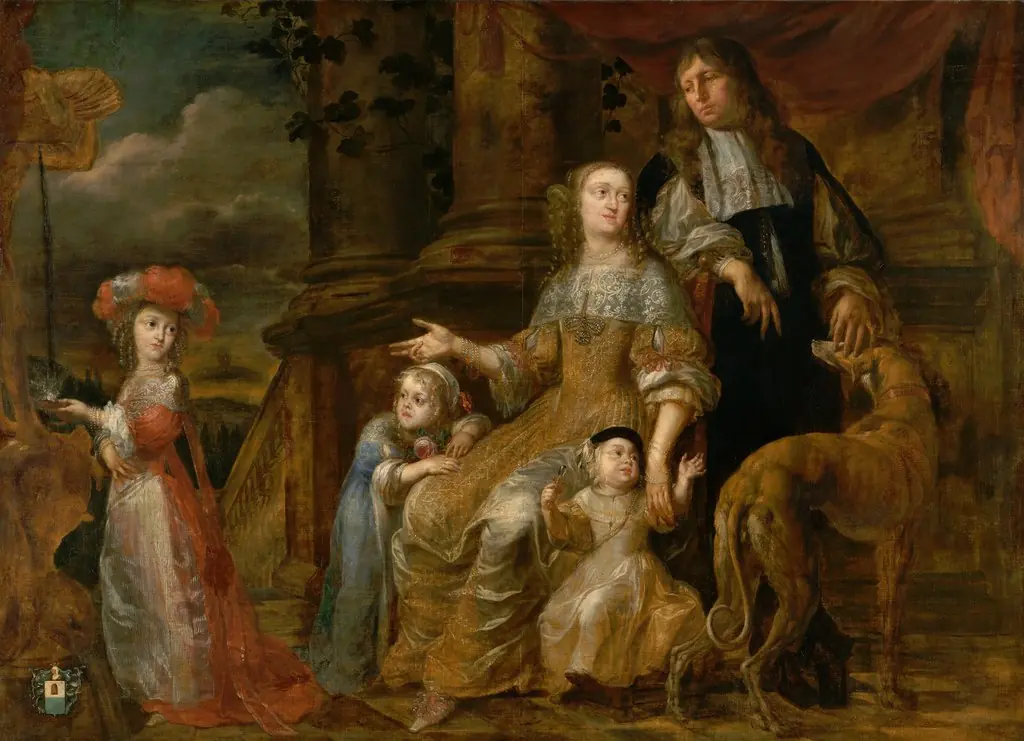 Portrait of the Family de Bie
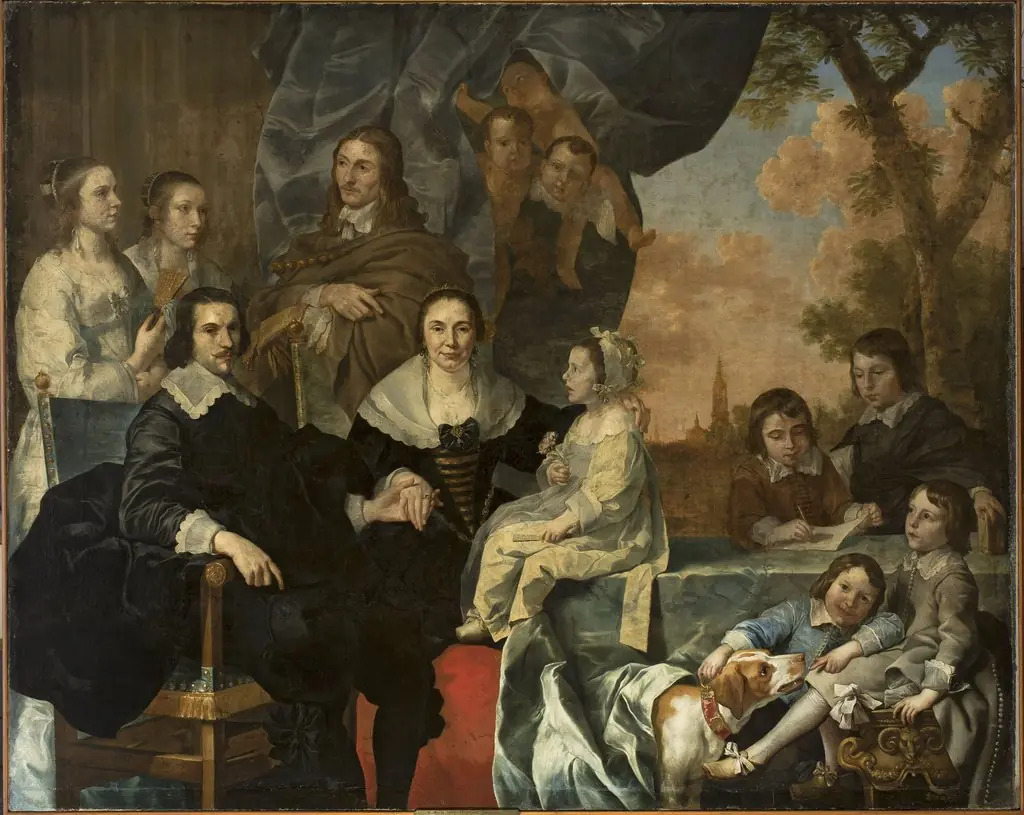 Self-portrait with the family
 Deborah Kip, Wife of Sir Balthasar Gerbier, and Her Children
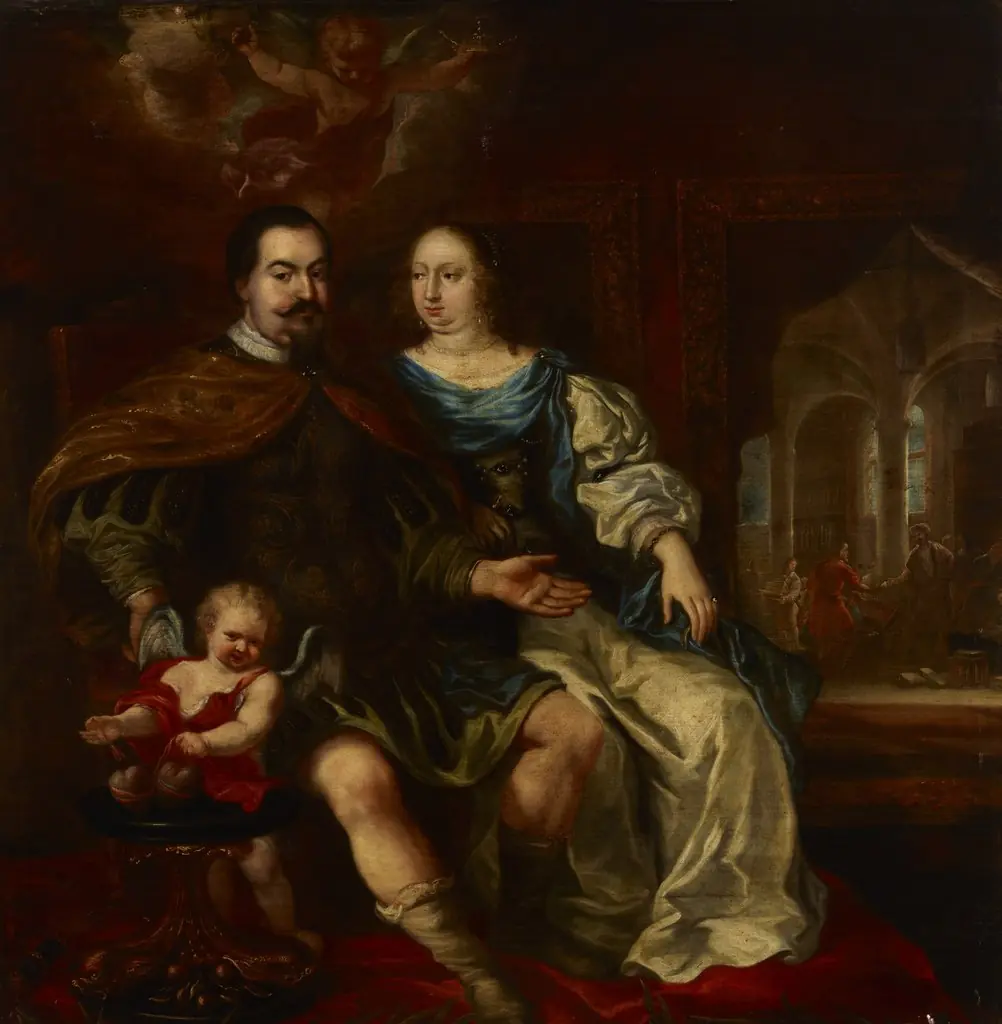 Portrait of a Married Couple
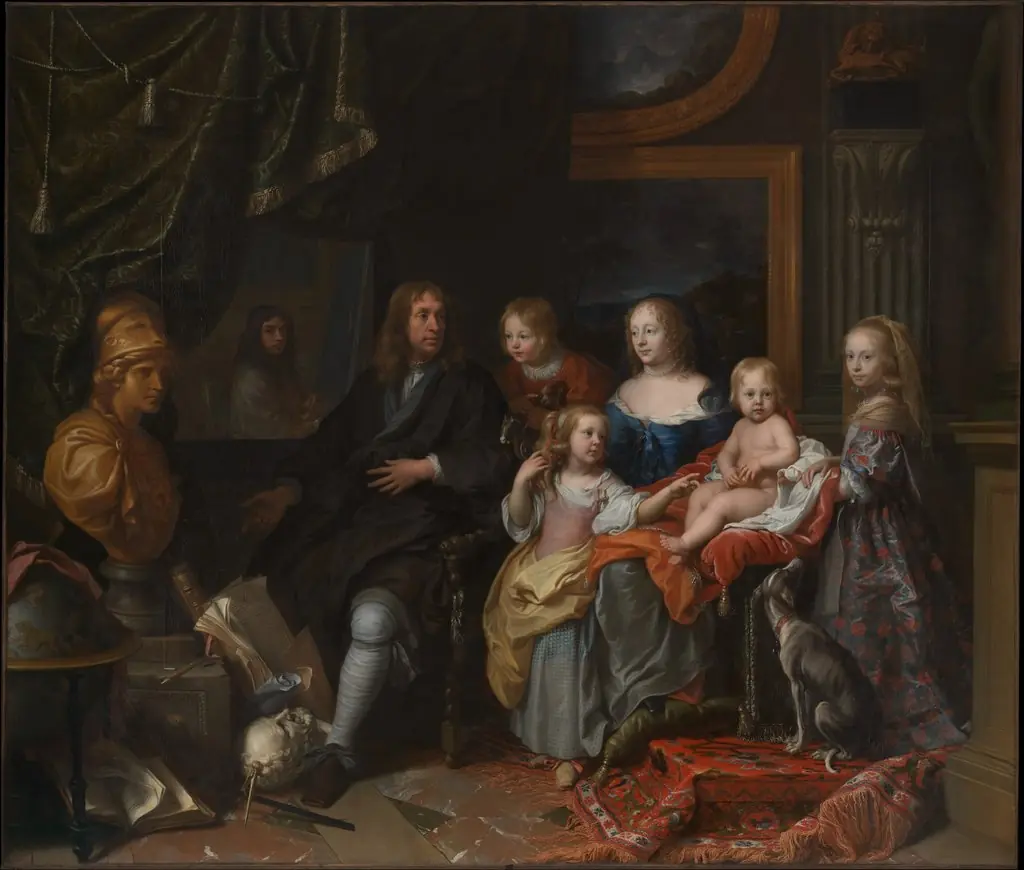 Everhard Jabach (1618–1695) and His Family
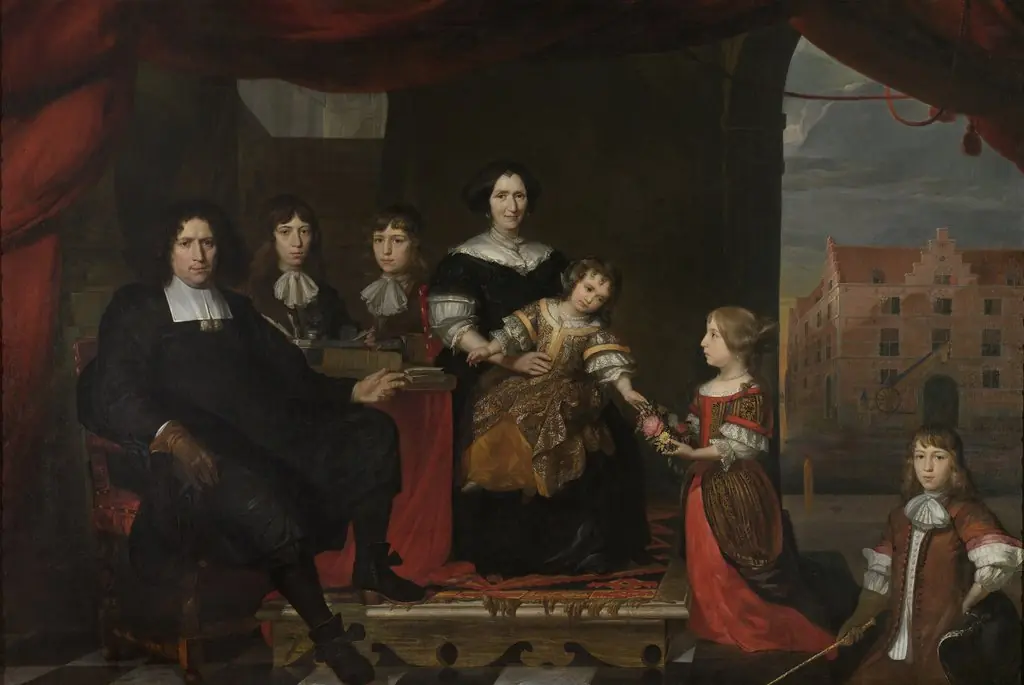 Reyer Reyersz van der Burch (1630-95), ammunition officer attached to the arsenal of the states-general, Delft, with his wife Geertruid Graswinckel and their children
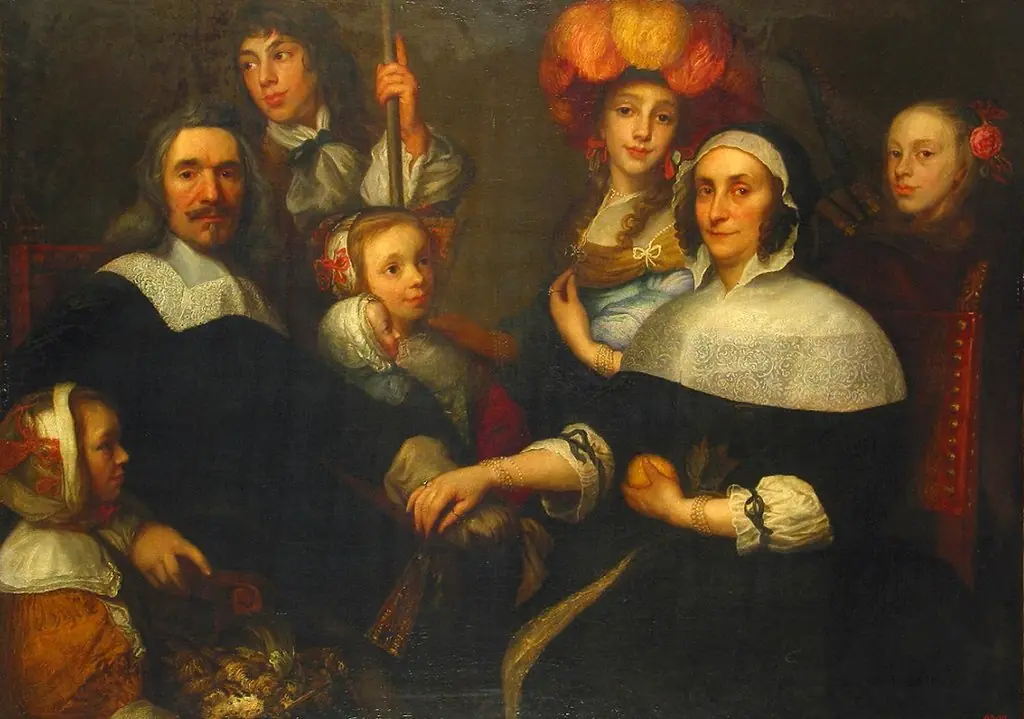 Family Portrait
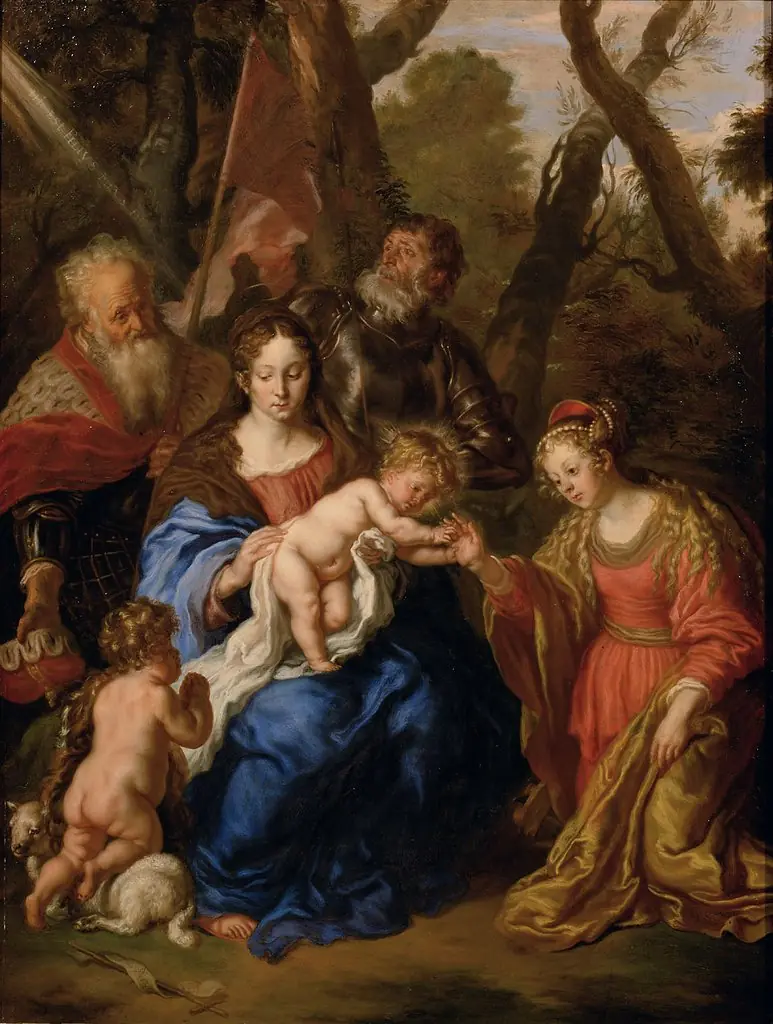 The Mystic Marriage of Saint Catherine of Alexandria with Saints Leopold and William