Artwork
Soldier's Rest
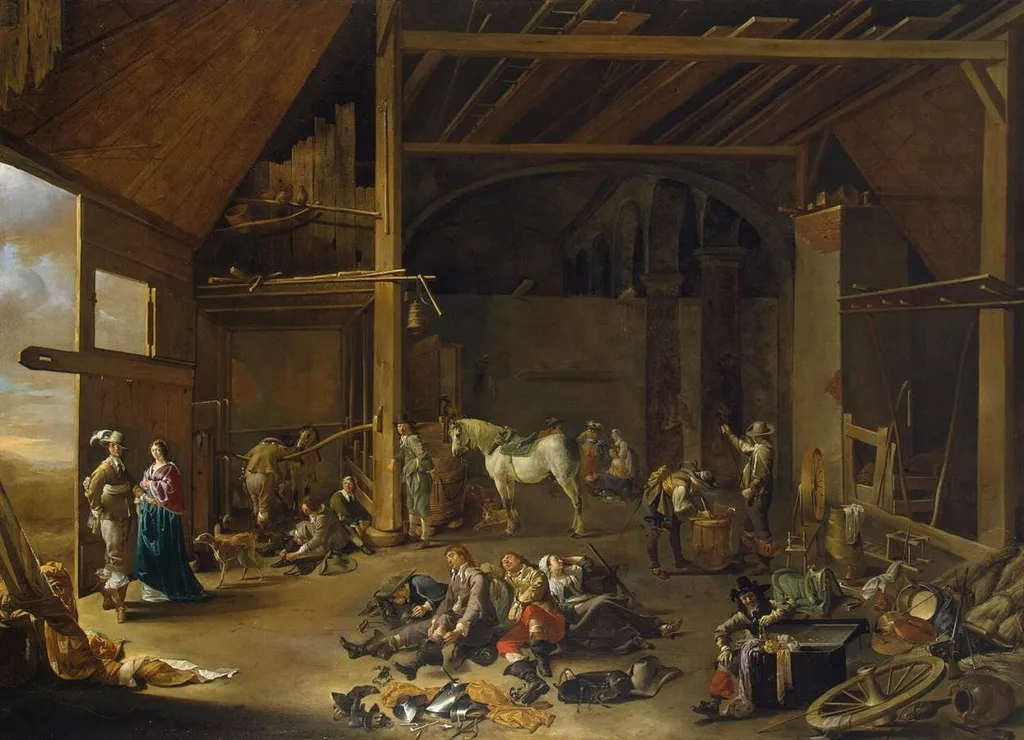
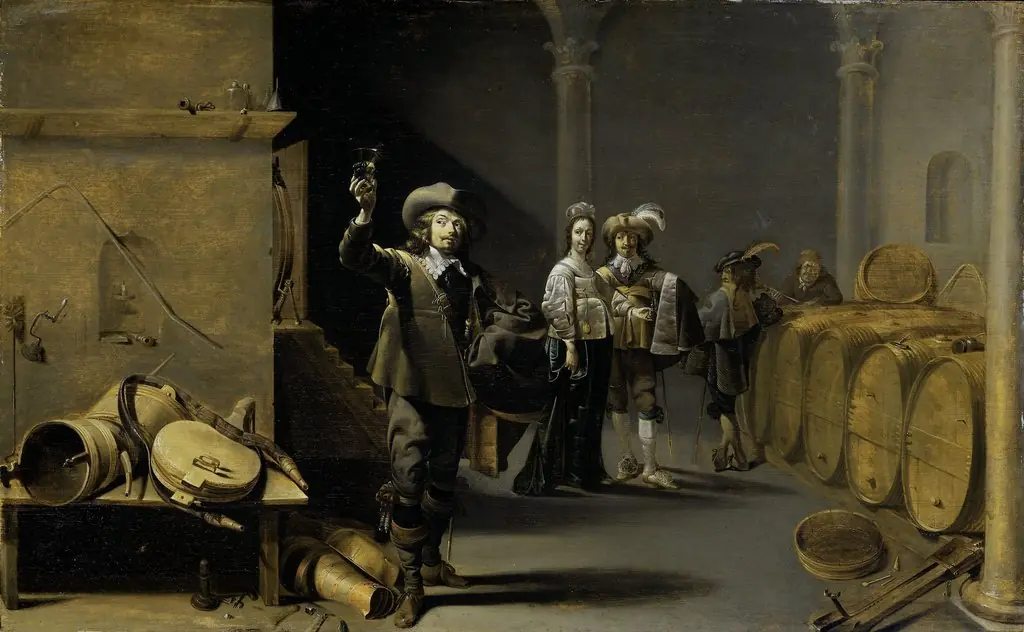
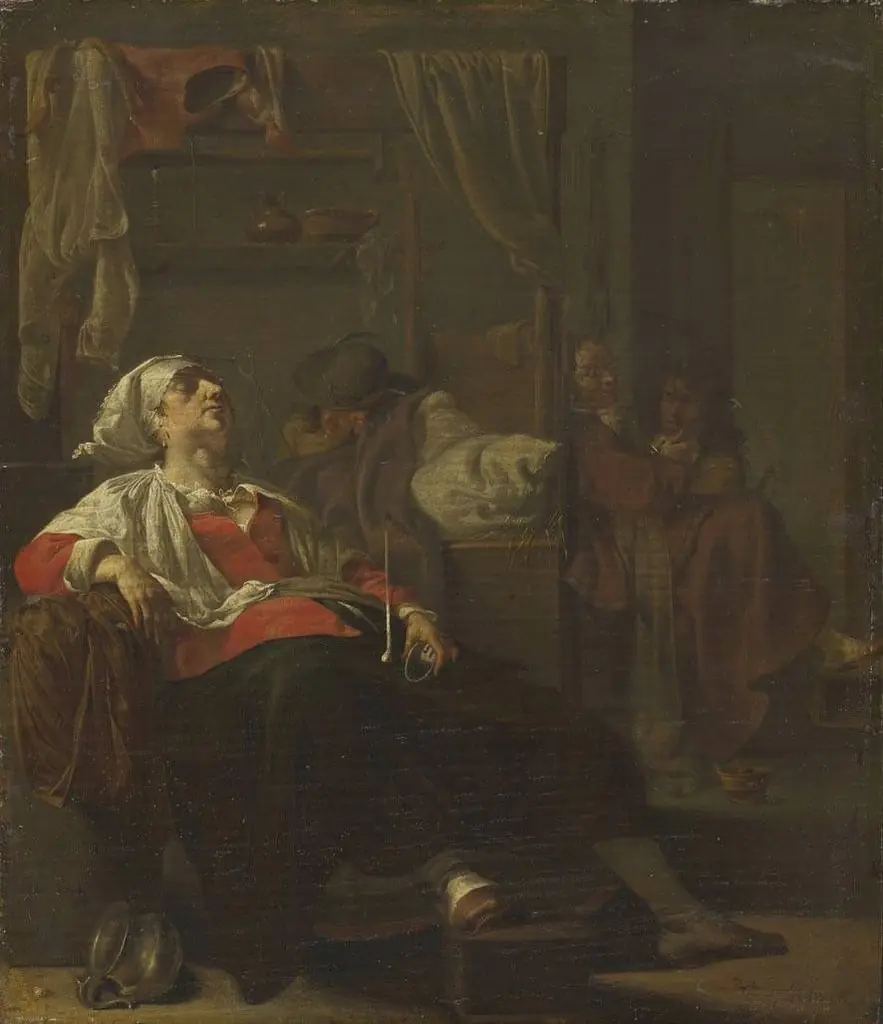
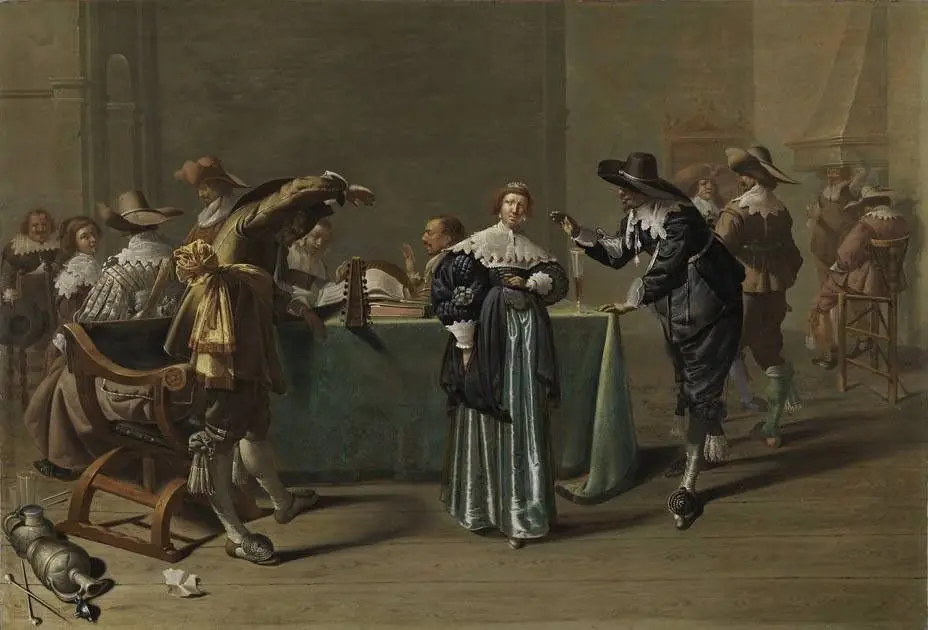
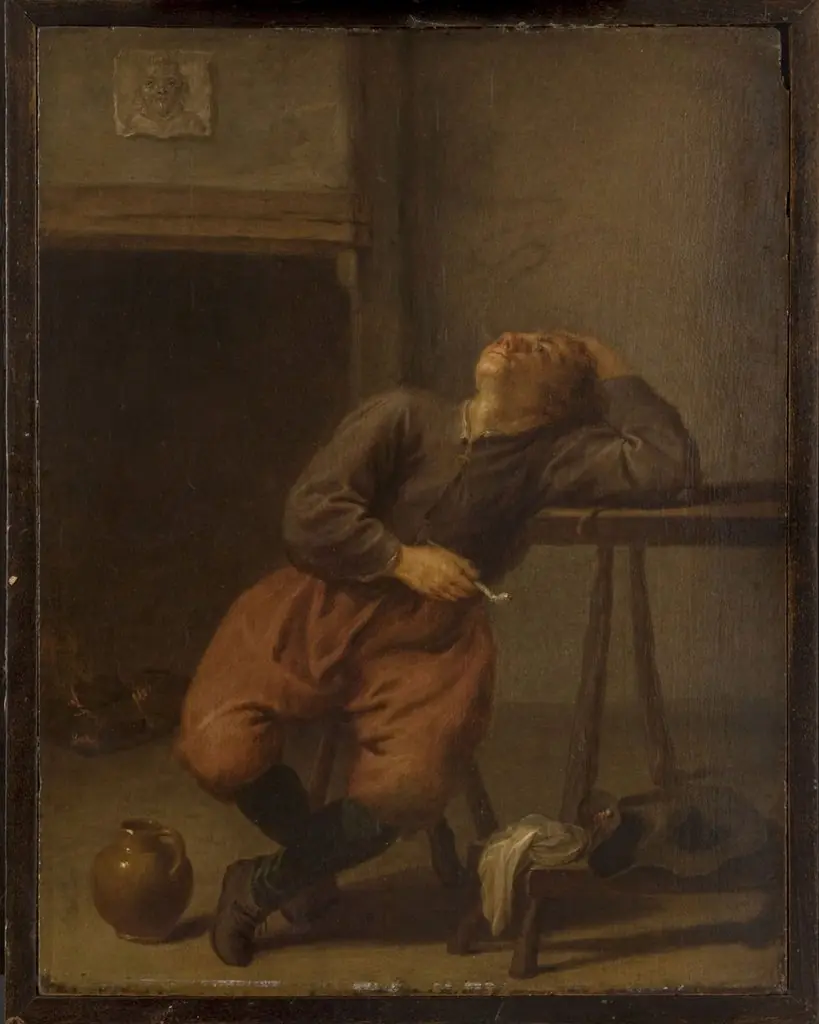
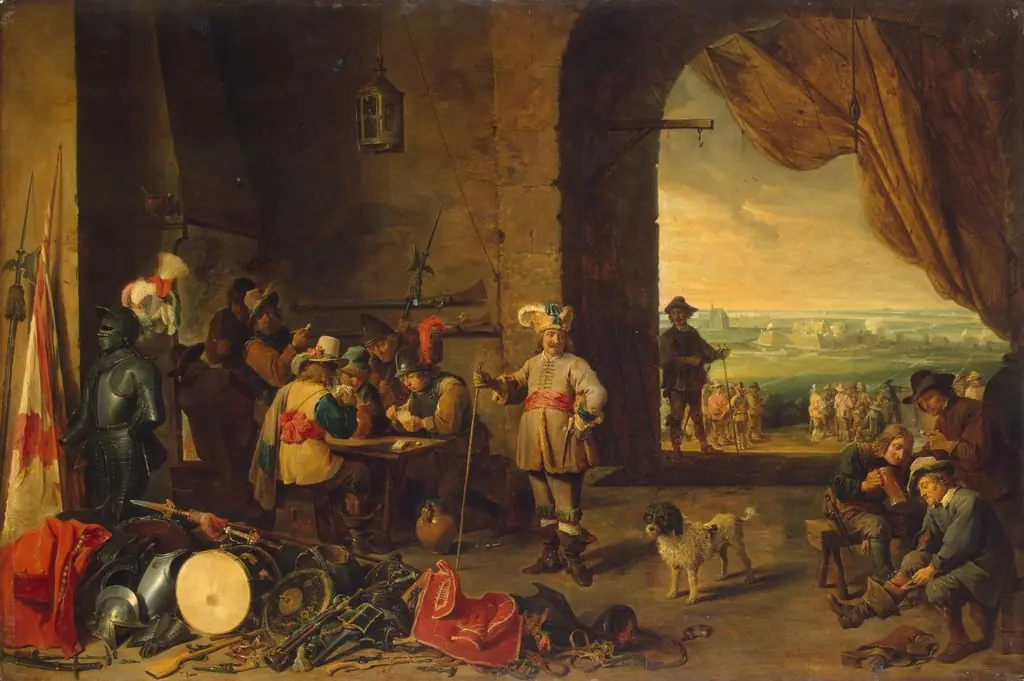
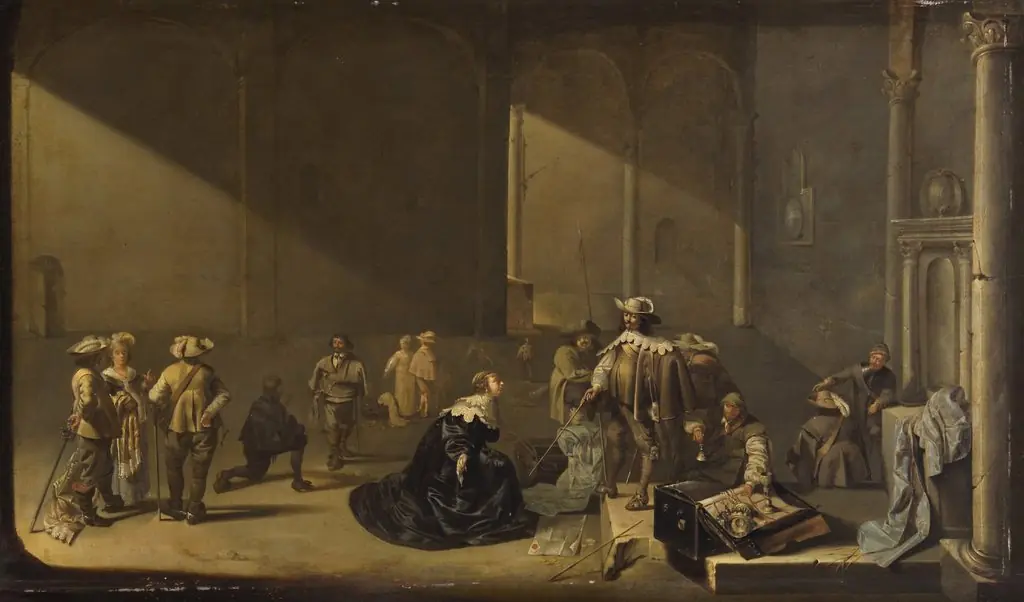
Soldier's Rest is an oil painting by the Dutch Golden Age artist Jacob Duck. It dates from 1650 and is held in the collection of the Hermitage Museum.
About this work
Subject & Meaning
The scene’s subdued lighting and intimate setting emphasize themes of rest and fleeting human connection in the midst of conflict.
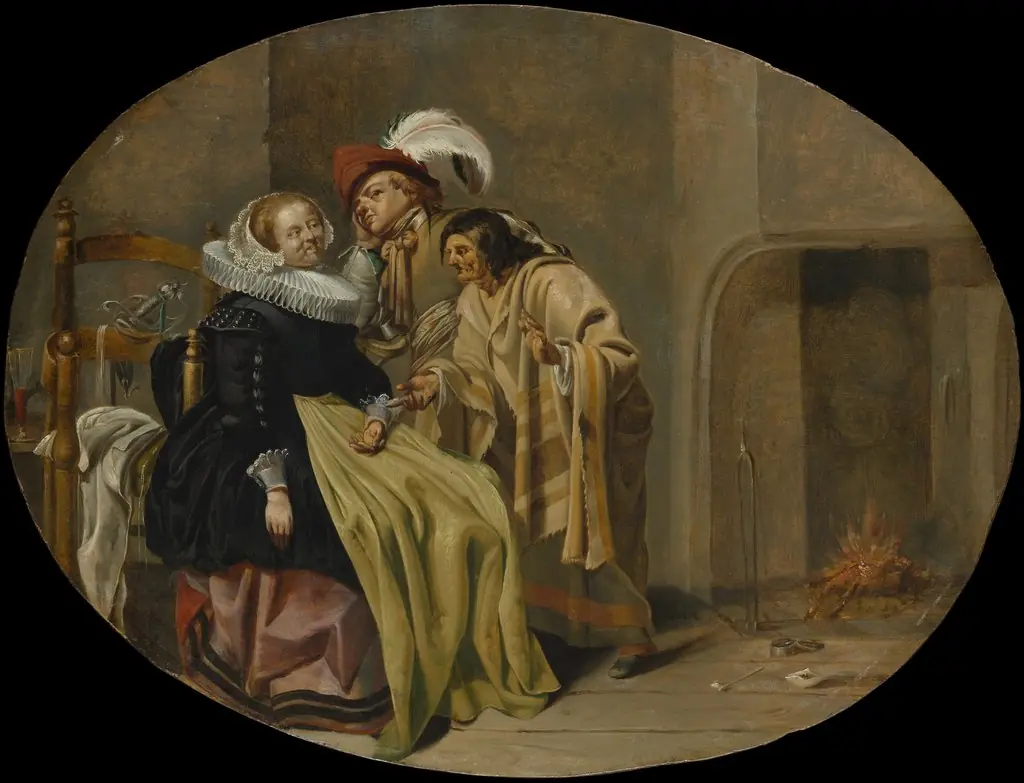
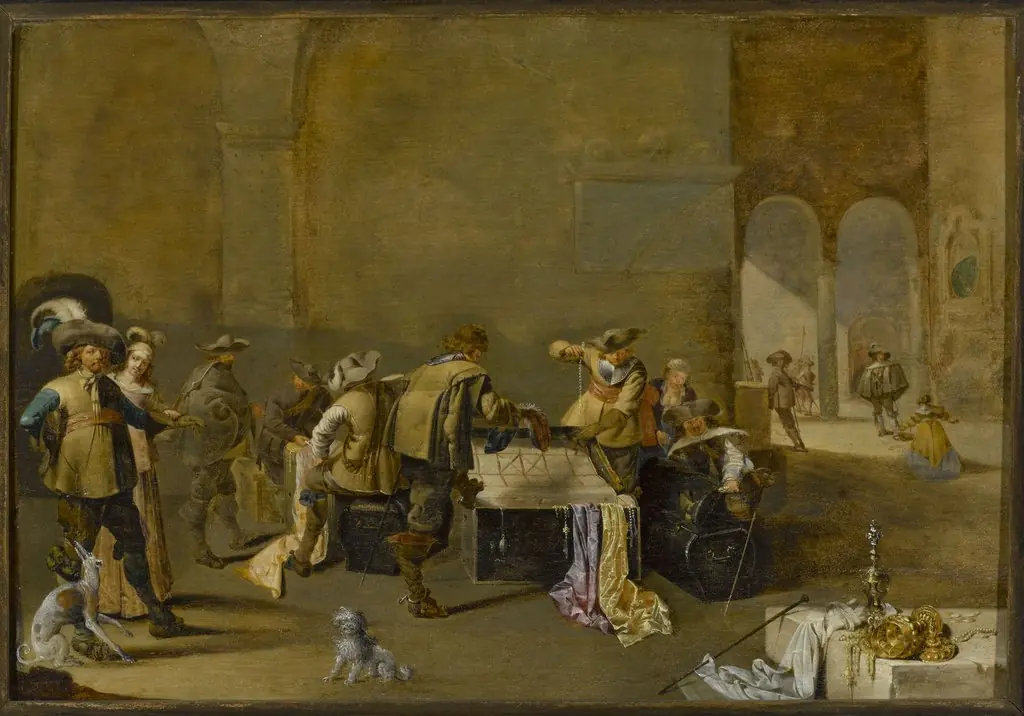
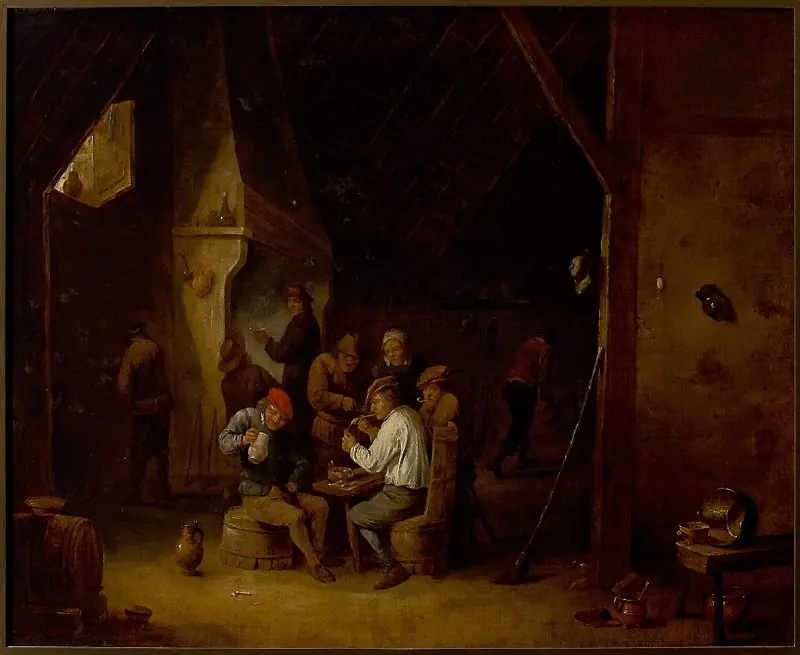
The painting depicts a soldier in a dimly lit interior, seated at a table with a woman who appears to be a domestic companion or possibly a figure of lower social standing. The soldier’s posture and direct gaze suggest a moment of respite or contemplation, while the woman’s gesture, reaching for or offering a drink, frames an exchange of hospitality or quiet negotiation.
The scene’s subdued lighting and intimate setting emphasize themes of rest and fleeting human connection in the midst of conflict. Such imagery aligns with mid-seventeenth-century Dutch genre painting, where soldiers were often portrayed outside formal battle contexts to explore the quiet, human consequences of war.
Technique & Style
Soldier's Rest is an oil painting on canvas created by Jacob Duck in 1650. The work measures 149.5 cm in height by 207.5 cm in width and portrays a soldier alongside a woman. Executed in the Dutch Baroque manner, the composition showcases precise brushwork and a restrained palette, reflecting Duck's skill in genre scenes.
The painting belongs to the Hermitage Museum's collection and was featured in the exhibition 'Dutch masters from the Hermitage'.
History & Provenance
Jacob Duck created the oil painting Soldier's Rest in 1650. Produced in the Netherlands, the work depicts a soldier and a woman within a genre scene. The canvas measures 149.5 cm in height and 207.5 cm in width.
The painting eventually entered the collection of the Hermitage Museum, where it remains held. Its exhibition history includes a presentation titled "Dutch masters from the Hermitage."
Soldier's Rest is held in the collection of the Hermitage Museum. The oil on canvas painting, created in 1650, measures 149.5 cm in height and 207.5 cm in width. It has been featured in the exhibition titled Dutch masters from the Hermitage.
Legacy
Soldier's Rest by Jacob Duck emerged in the mid-17th century and, though initially recorded only as a genre scene, later attracted scholarly attention for its nuanced portrayal of military subjects. The work was eventually included in the Hermitage Museum's collection, where its inclusion in exhibitions such as "Dutch masters from the Hermitage" contributed to renewed interest in Duck's oeuvre. Contemporary assessments highlight the painting's influence on later genre painters who emulated its balanced composition and realistic rendering of everyday scenes.
Overview
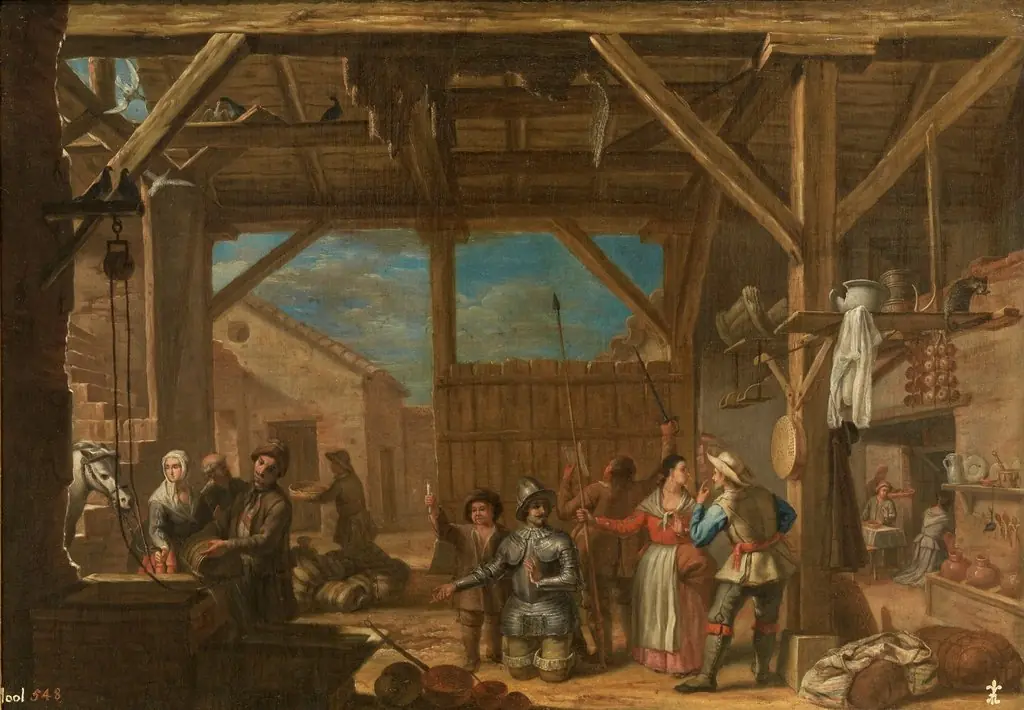
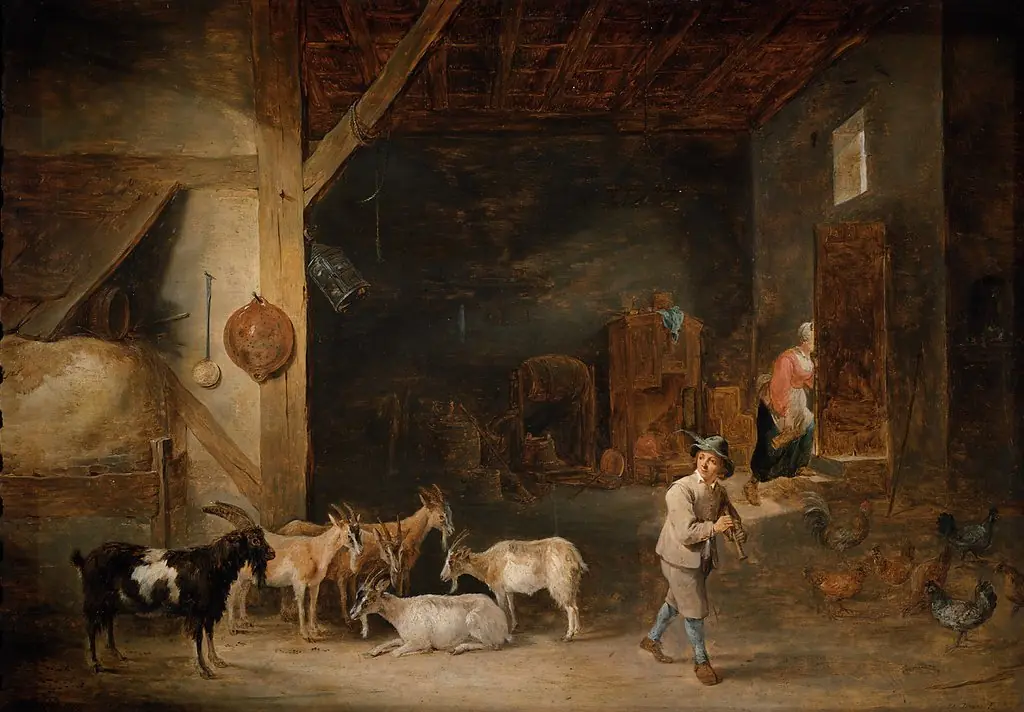
Soldier’s Rest, an oil painting created circa 1650 by Dutch artist Jacob Duck, exemplifies the Dutch Golden Age genre scene tradition. The work depicts a bustling, everyday moment in a crowded barn, juxtaposing activity and repose.
Context
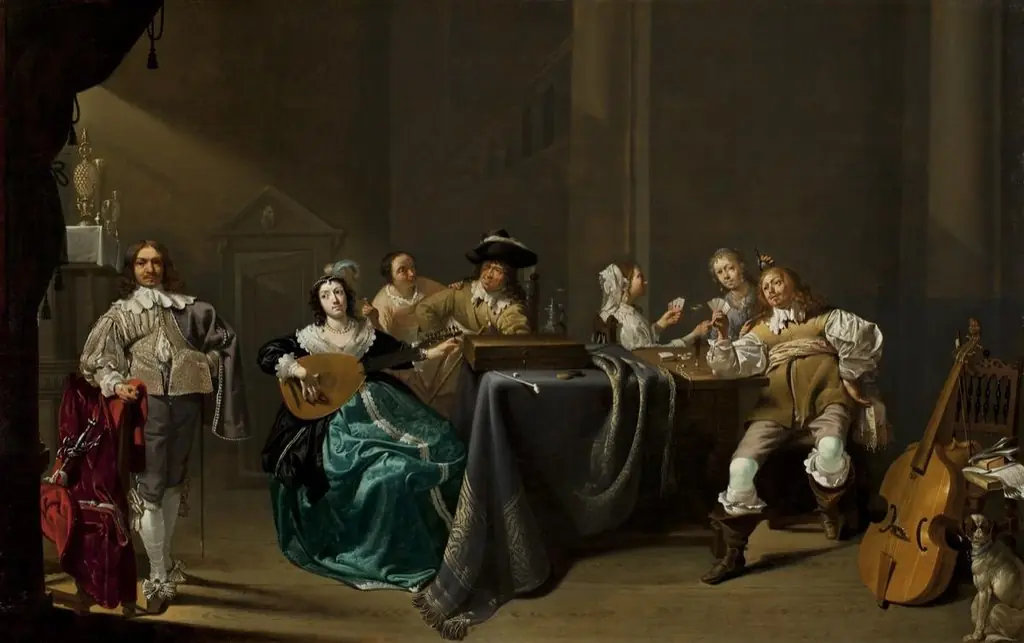
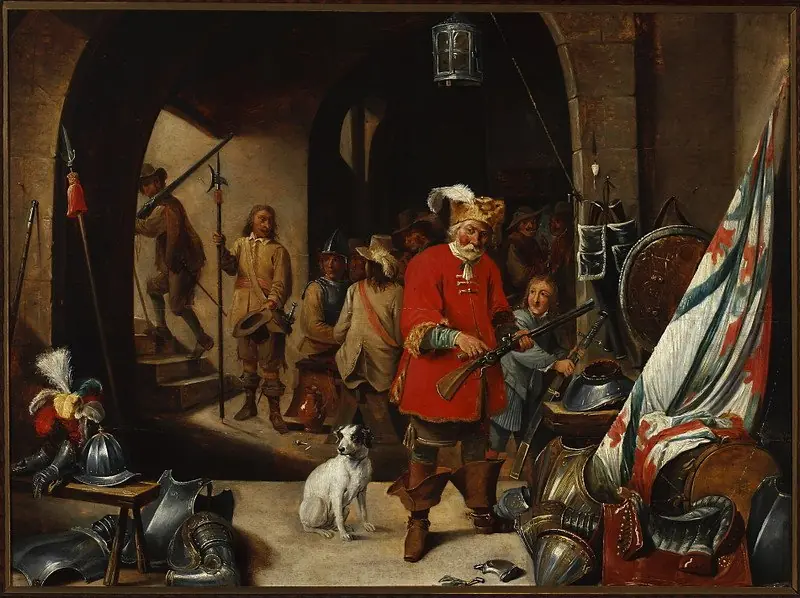
Soldier’s Rest reflects the Dutch Golden Age’s emphasis on genre scenes of everyday life. Duck’s focus on soldiers within these contexts was a hallmark of his oeuvre, offering glimpses into the intersection of military life and mundane settings.
Artist & collection
Artist
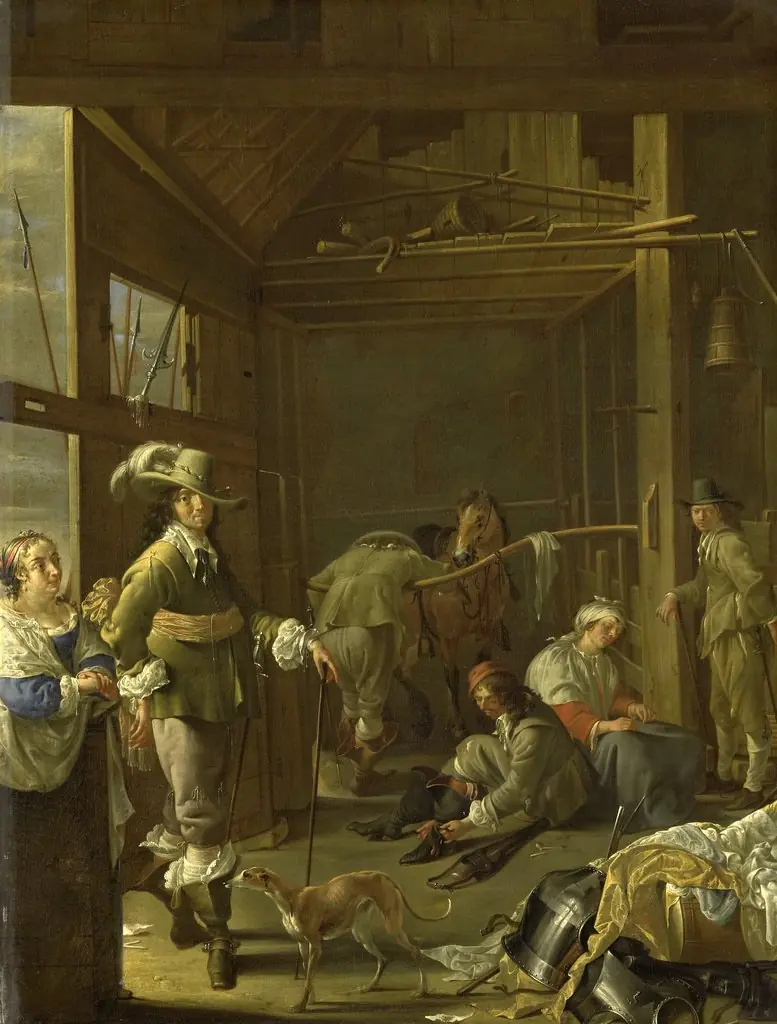
Jacob Duck (also Ducq, Duyck, Duick, Duc) (1600 – buried 22/28 January 1667) was a Dutch painter and etcher.